2027 Keiser University Online Enrollment Guide: Requirements, Documents, and Timeline

Co-Founder and Chief Data Scientist
A prospective student planning to enroll in an online degree program at Keiser University may find the process confusing due to varied requirements and deadlines. Many encounter challenges aligning necessary documents and meeting eligibility criteria while balancing work or family commitments. The growing enrollment of 15% reported by Keiser University in online programs highlights the increasing competition and the need for careful preparation to avoid delays or rejections.
This article analyzes admission prerequisites, essential paperwork, and the timeline specific to Keiser University's online enrollment. It provides a practical framework to navigate potential obstacles and make informed decisions that align with personal and career goals.
Key Points About Keiser University Online Enrollment
- Keiser University receives over 4,000 online applications annually, reflecting steady demand that creates a competitive admission environment, requiring early preparation of academic credentials and entrance exams.
- The acceptance rate hovers around 70%, indicating moderate selectivity that emphasizes meeting specific program prerequisites and demonstrating relevant prior experience to improve admission chances.
- Successful enrollment requires submitting official transcripts, proof of residency, and signed financial agreements within a six-week window post-acceptance, ensuring timely access to course registration and financial aid options.
Who is eligible to enroll in Keiser University online programs?
Enrollment eligibility for Keiser University online programs requires a high school diploma or GED and submission of admission test scores, including TOEFL for non-native English speakers. Unlike schools with open admission, Keiser uses selective screening despite a 97% acceptance rate, balancing accessibility with academic standards. Applicants benefit from credit recognition for prior learning, potentially reducing time to degree completion, which can be critical for working adults needing accelerated pathways.
Geographic and regulatory variations pose significant challenges. Residency restrictions and state authorization laws affect who can enroll remotely, particularly for out-of-state and international students. For example, a resident of a state with strict online program regulations may face denial or additional verification steps, highlighting the importance of confirming eligibility before applying. This complexity contrasts with many institutions that either broadly admit or restrict interstate enrollments without such nuanced compliance.
Keiser requires students to have technical readiness, offering device purchase or leasing options, unlike some competitors who assume personal tech availability. There is no requirement for dual credit or specific GPA thresholds, focusing more on standardized test results for assessment. Compared to other online schools, this approach may offer more flexibility for candidates with diverse academic backgrounds but less emphasis on prior professional experience.
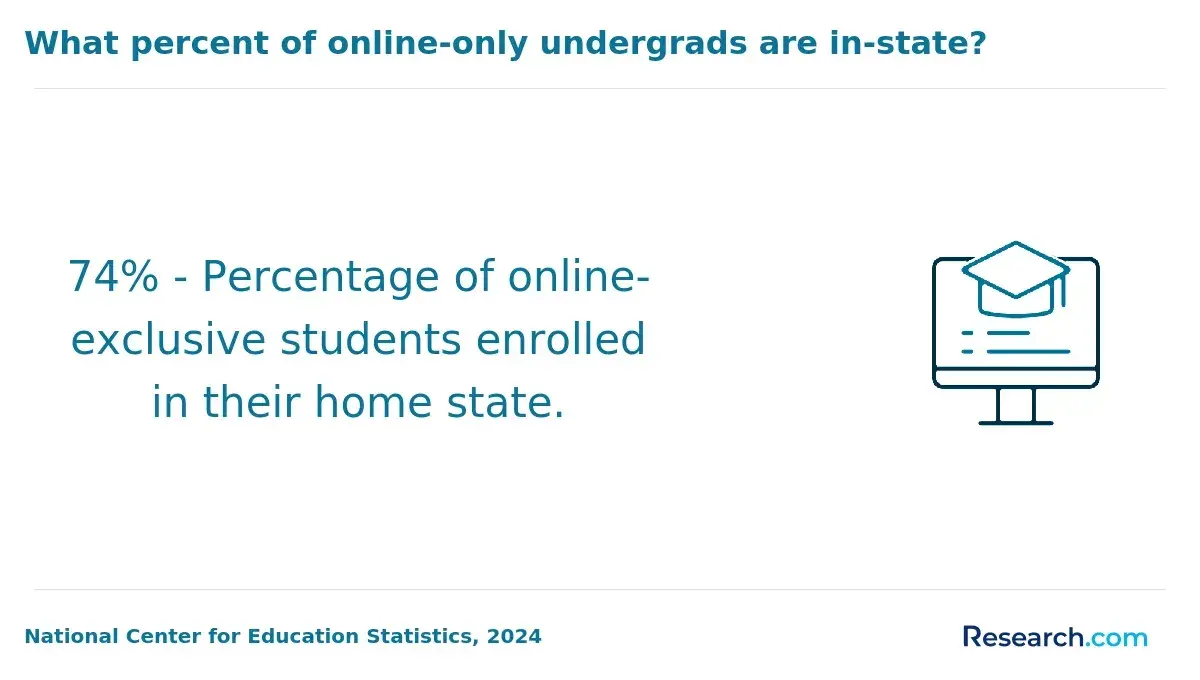
A 2024 study by the National Center for Education Statistics shows that nearly 35% of online applicants encounter state residency barriers during enrollment, underscoring the practical hurdles for Keiser and other online learners. This regulatory landscape demands proactive research from applicants to avoid unexpected disqualification after investing time in application processes.
What documents are required to enroll in Keiser University online programs?
Submitting accurate and complete documents on time is critical to enrolling in Keiser University online programs. Delays or missing paperwork can block admission processing, especially since Keiser does not have an open admission policy. A real-world example is a student who submits incomplete transcripts or misses the TOEFL requirement; this can lead to enrollment deferral or rejection, impacting their timeline to start courses.
Research shows institutions that receive all applicant documents promptly see up to a 20% higher success rate in enrollment, highlighting why comprehensive preparation is essential.
Below are the key documents required for a smooth enrollment experience at Keiser University.
- High School Completion Certificate or GED: This confirmation of secondary education is necessary for undergraduate eligibility. Keiser University uses it to verify foundational academic readiness for college-level work.
- Official Academic Transcripts: Graduate and undergraduate applicants must submit official transcripts from previous institutions. These records establish prior academic achievement and help determine credit transfer or placement.
- International Credential Evaluation: Students with foreign documents must have credentials formally evaluated to confirm equivalency with U.S. educational standards, ensuring fair assessment of qualifications.
- TOEFL Scores for Non-Native English Speakers: English proficiency is verified through TOEFL results to meet language requirements essential for successful course completion online.
- Standardized Admissions Tests: While SAT or ACT scores are not required, tests like Wonderlic or WISC-III may be requested, offering additional measures of applicant readiness.
- Documentation for Advanced Placement or Life Experience Credits: Appropriate records support credit for AP coursework or relevant life experience, expediting degree progress through alternative credit policies.
- Submission via Official Portals: All documents must be formally verified and submitted using Keiser's designated online portals to ensure security and accuracy in the admissions process.
Applicants researching affordable options can consider the cheapest online college alternatives, but must weigh how document requirements and admissions standards influence timely enrollment and program fit. Understanding how to prepare enrollment documents for Keiser University online ensures readiness to meet institutional expectations and workforce demands efficiently.
What are the steps to enroll in Keiser University online programs?
Knowing the steps to enroll in Keiser University online programs in Florida helps applicants avoid common delays that can derail their start dates. The enrollment sequence balances documentation, testing, and verification to ensure students meet academic and administrative expectations. Delays often result not from ability but from incomplete or poorly timed submissions. Timely completion of each phase reflects directly on the student's readiness and commitment, which also affects long-term employability.
The following list outlines the critical phases in how to complete Keiser University online enrollment process effectively.
- Meeting Admission Requirements: Applicants must provide proof of a high school diploma or GED, and demonstrate English proficiency through exams like TOEFL. Additional assessments such as Wonderlic or WISC-III help gauge aptitude. Since Keiser University does not have open admissions, meeting these criteria is essential for application acceptance and shows alignment with the institution's academic standards.
- Creating an Applicant Account: Enrollment begins by registering through Keiser University's online application portal. This platform is where applicants upload transcripts and other documents. Completing this step correctly is crucial because it triggers subsequent procedures and communications from the school.
- Submitting Application Fees and Background Checks: Typically required midway through the admission timeline, these elements occur after document review. They verify applicant eligibility and preparedness for program participation. Neglecting this step can halt the process or invalidate earlier submissions.
- Taking Placement Tests: Recommended early, these tests ensure appropriate course placement, reflecting employer demands for competency-aligned skills. The results guide academic advising and influence student success by matching capabilities with coursework complexity.
- Receiving and Responding to Acceptance Notification: Keiser University's acceptance rate is about 97%, but admission is provisional until students submit administrative forms and accept financial aid packages if applicable. Prompt response avoids retraction of offers or delayed enrollment.
- Confirming Enrollment and Orientation Registration: After acceptance, confirming enrollment through document submission and orientation sign-up finalizes readiness to start classes. Incomplete follow-through here is a common cause of delayed program initiation.
- Engaging in Early Application Completion: Data from the National Student Clearinghouse Research Center indicates applicants who complete their applications within 30 days are 40% more likely to enroll and persist through early coursework. This underscores the value of efficient engagement in the process.
For students aiming to accelerate their educational trajectory, especially those considering an associate degree in 6 months online free, understanding and following these steps closely can mean the difference between seamless entry and frustrating delays.
How long does the Keiser University online enrollment process usually take?
The Keiser University online enrollment process typically takes 6 to 8 weeks from submitting a complete application to full enrollment. Admissions decisions usually arrive within 2 to 4 weeks after all required documents, such as GED certification and TOEFL scores, are submitted and verified. This timeline reflects the university's institutional processing speeds and necessary document reviews before students can begin coursework.
Delays often result from missing or unverified test results and incomplete applications, extending processing times beyond the usual window. Financial aid reviews or high application volumes can add further wait time. Programs requiring additional evaluation steps may lengthen the timeline, emphasizing the need for prospective students to submit accurate and complete documents upfront to avoid unnecessary delays.
Compared to other online institutions, the Keiser enrollment timeline is moderately paced. A 2024 study found that online colleges that implement stringent document verification and proactive applicant communication can reduce processing time by up to 30%, a factor Keiser is actively addressing. Prospective students should plan accordingly, allowing several weeks for all steps from application to course registration, especially when balancing work or personal obligations.
An applicant shared their experience after submitting all required tests, noting, "I expected to start within a month, but it took closer to seven weeks. Some of my documents needed additional verification, which I hadn't anticipated. Having a clear checklist upfront would have helped me avoid the extra wait and better plan my schedule." This highlights the practical reality that timing can vary and demands diligent preparation.
What start dates are available for Keiser University online programs?
Selecting the appropriate start date at Keiser University plays a crucial role in managing application deadlines, financial aid arrangements, and a smooth transition into online learning. The timing of enrollment impacts how quickly students can progress through their programs and align studies with personal or professional commitments. For example, an undergrad balancing work and family might need a flexible enrollment period to minimize gaps between courses. In contrast, a graduate student in a rigorous cohort program may prioritize traditional start dates for consistent pacing.
Below are primary enrollment scheduling patterns that clarify these options.
- Monthly or Near-Monthly Starts for Undergraduates: Keiser University offers multiple start dates each month for undergraduate online programs. This flexibility suits students who require immediate access due to work or life changes. It allows applicants to apply on a rolling basis and begin coursework quickly, avoiding long waiting periods that could delay credential attainment.
- Semester-Based Enrollment for Graduate Programs: Graduate online programs, such as online PhD programs, usually adhere to traditional semester start dates, typically once or twice per academic term. This structure supports cohort-based learning and advanced coursework planning. Students should prepare their applications well in advance to meet fixed deadlines, ensuring integration with their peers and program requirements.
- Mid-Term or Accelerated Start Windows: Keiser provides mid-semester enrollment options that foster accelerated progress, especially helpful for workforce entrants needing swift credentialing. Choosing these starts requires readiness to handle an intensive course load and can influence financial aid timing due to off-cycle funding dates.
- Rolling Admissions Impacting Enrollment Timing: Around 68% of online students prefer rolling admissions that allow applications and start dates throughout the year, as reported in recent research. Keiser's approach partially reflects this trend for its undergraduates, benefiting those with unpredictable schedules but requiring proactive planning to synchronize with financial aid and course availability.
- Standard Fall, Spring, and Summer Terms: These conventional start points remain key to academic scheduling at Keiser University, framing program availability and funding cycles. Students opting for these terms may find better alignment with employer tuition assistance programs and more predictable peer cohorts. Application timing must consider document submission and prerequisite completion.
How does Keiser University evaluate transfer credits for online students?
Evaluating transfer credits at Keiser University offers a crucial opportunity to reduce overall time and expense associated with completing an online degree. Successfully applied transfer credits allow students to bypass redundant coursework, which can accelerate graduation and lower tuition costs. However, the process is not simply transactional; it requires strategic consideration of the relevance and quality of previously earned credits. Students who understand the key evaluation criteria can better prepare applications, ensuring that accepted credits align with degree requirements and workforce demands.
The following points outline the essential factors shaping how Keiser University assesses transfer credits for online learners.
- Accreditation of Prior Institutions: Keiser University accepts credits only from regionally accredited schools. This maintains academic rigor by ensuring that transferred coursework meets recognized standards. Accreditation verification is foundational to protecting the value of the degree and assuring prospective employers of consistent educational quality.
- Minimum Grade Requirement: Transfer credits typically must have a grade of C- or higher. This rule prevents the acceptance of marginally complete or weak coursework into the degree program, which helps preserve academic integrity and learner preparedness for advanced topics.
- Documentation of Official Transcripts: Applicants must submit official transcripts as the primary evidence of completed coursework. This step verifies course content, grades, and institutional legitimacy. Delays in obtaining or submitting transcripts can significantly impact admission timing given Keiser University's term-based enrollment.
- Acceptance of Exam-Based Credits: The university evaluates standardized testing such as CLEP, AP, and ACE-recommended credits. These alternative credits often reduce requirements, especially for general education courses, but their application depends on how well they match course outcomes.
- Maximum Transfer Credit Limits: Keiser caps transfer credits differently across degree levels and programs. Undergraduate students benefit from more flexible limits, allowing significant prior coursework to apply toward the degree. Graduate programs usually impose stricter caps to emphasize advanced, program-specific learning.
- Life Experience Credit Evaluation: For adult learners, the university may award credit for relevant professional experience. This acknowledges the value of practical skills but requires careful alignment with curricular standards to ensure workforce relevance.
- Timing and Processing Considerations: Transfer evaluations occur prior to enrollment but processing speed can vary. According to a recent study by the National Student Clearinghouse, nearly 30% of transfer students face delays due to transcript evaluation times, which can affect their ability to enroll in the intended term.
One graduate recalled hesitating when initially gathering transcripts from multiple community colleges while balancing a full-time job. They feared losing a term due to delayed approvals. However, after Keiser University's credit evaluation team swiftly verified courses, many credits transferred toward their business degree, allowing completion six months earlier than planned. This experience underscored how transparent communication and timely documentation influence practical enrollment decisions for transfer students. It also highlighted the strategic value of understanding evaluation criteria to maximize previously earned credits without compromising degree relevance.
What technology requirements do Keiser University online students need to meet?
Meeting specific technology requirements is critical for students enrolled in Keiser University online programs to ensure uninterrupted access and participation. Without reliable equipment and connectivity, assignments, virtual sessions, and proctored exams can become barriers rather than learning opportunities.
For example, a student enrolled in a health sciences course may face delays completing simulations and submitting reports if their system performance is inadequate. Meeting these minimum standards is not just a box to check; it directly influences course engagement and successful completion rates.
The following outline details the essential technical needs for enrollment.
- Minimum hardware specifications:A personal computer with at least a dual-core processor, 4 GB of RAM, and 250 GB of storage is required to support basic operations. These specs ensure compatibility with Keiser University's software and smooth handling of course materials.
- Recommended hardware upgrades:For multitasking and faster access to materials, a quad-core processor, 8 GB of RAM, and an SSD drive are advisable. This setup reduces delays during live sessions and assignment completion, especially in fast-paced or multimedia-heavy courses.
- Supported operating systems:Windows 10 or later and macOS Catalina or newer are supported. Using these ensures access to the university's learning management system (LMS) without compatibility issues that could disrupt coursework.
- Browser compatibility:The LMS functions best on the latest Chrome, Firefox, Safari, and Edge browsers. Older or unsupported browsers can cause functionality problems in course navigation and interactive tools.
- Software requirements:Microsoft Office or equivalent productivity tools are necessary for assignments and projects. Adobe Acrobat Reader is required for viewing PDF documents. Some courses provide or require additional plugins accessible through Keiser's platforms to complete specialized tasks.
- Internet connectivity standards:A minimum 5 Mbps download speed is needed to support video streaming, virtual classrooms, and online proctored exams. Higher speeds help avoid disruptions, which is crucial as Pew Research Center data indicates students with continuous broadband access have a 31% higher completion rate in online programs.
- Peripheral equipment needs:An HD webcam and microphone are mandatory for identity verification during exams and live sessions. Noise-cancelling headsets improve communication clarity but remain optional.
Ensuring these technology requirements aligns with Keiser University online technology requirements for Florida students and the minimum computer and internet specifications for Keiser University online learning. Practical preparation reduces the risk of technical failures that delay progress or affect academic confidence. Prospective students looking for accredited self-paced online courses should give priority to technology readiness alongside academic qualifications.
When should online students apply for financial aid at Keiser University?
Keiser University online financial aid application deadlines prioritize federal and institutional aid forms well before each term begins. Students must submit FAFSA early, ideally before these priority deadlines, to ensure maximum eligibility and timely processing. Institutional aid and scholarship applications for distance learners often close earlier than standard deadlines. This timing is particularly crucial for fall and spring terms, which incur longer processing times than summer sessions.
Variations in funding timelines depend on the specific start term, required verification documents, and types of scholarships sought. Missing or delayed verification can drastically push back award notifications, risking late enrollment or reduced aid offers. The financial aid application process is complex, so students who prepare ahead reduce uncertainty and better align their financial planning with academic goals.
A 2024 study highlights that students submitting paperwork before priority deadlines increase their chances of on-time enrollment by 26% and avoid common verification delays. Compared to many online institutions, Keiser University's financial aid processing demands earlier submission and meticulous documentation. This reflects a broader trend where institutions exercise stricter verification to manage median graduate debt of $26,125 efficiently.
Online students evaluating the best time to apply for financial aid at Keiser University should align their application timeline with these priorities to avoid costly delays. In practical terms, early submission also meets employer expectations for candidates who manage financial responsibility proactively. Prospective students interested in the best associate degrees for felons may find this approach especially important given competitive aid resources and limited scholarship windows.
What are the most common mistakes during Keiser University online enrollment?
Avoiding common enrollment mistakes significantly improves a student's ability to start classes on time and reduces administrative delays that can extend program duration and costs. Incomplete or incorrect applications create bottlenecks that slow review and processing, often pushing back critical deadlines for financial aid and course registration.
Failure to navigate transfer credit policies or prerequisite requirements can cause unexpected denials or scheduling conflicts, disrupting academic progress. According to recent data, technical errors and incomplete documentation contribute to roughly 28% of delayed enrollments at Keiser University, illustrating the practical importance of careful preparation.
The following list highlights frequent errors and how students can proactively prevent them.
- Incomplete Application Submissions: Leaving required fields blank or uploading incorrect or partial documents is common during online enrollment. This error triggers repeated follow-ups and slows down admission decisions. Students should double-check every section and file for completeness before final submission.
- Missing Priority Financial Aid Deadlines: Overlooking early deadlines for financial aid limits funding options and may delay full enrollment confirmation. Applicants must closely track these deadlines and submit verification promptly to secure aid and maintain access to preferred courses.
- Improperly Formatted or Unverified Transcripts: Transcripts that do not meet formatting guidelines or lack proper verification stall the credit evaluation process. Delays here can increase program length and cost. Submitting official, verified transcripts according to stated requirements is essential.
- Underestimating Transfer Credit Impact: Many students do not fully understand how unverified or incomplete transfer credits affect their program timeline, resulting in unexpected additional coursework or enrollment denial. Confirming transfer policies and credit acceptance before applying mitigates these risks.
- Ignoring Prerequisite Course Requirements: Misunderstanding or overlooking prerequisite courses required for certain online programs causes course registration conflicts or denied enrollment in key classes. Reviewing program prerequisites early ensures a coherent schedule and on-time progression.
- Technical Portal Errors: Navigating the enrollment portal incorrectly, such as uploading incompatible file types or repeatedly submitting forms without corrections, leads to processing errors and delays. Carefully following portal instructions and seeking technical support when needed reduces these barriers.
- Delayed Response to University Communications: Failing to promptly respond to requests for additional documents or clarifications causes admission hold-ups. Maintaining active communication and regularly checking portal messages helps students stay aligned with enrollment requirements.
When is the best time to enroll in Keiser University online programs?
The ideal enrollment window for Keiser University online programs falls between 60 and 90 days before the term start date. This timing allows applicants to secure admission before courses reach capacity and provides better access to academic advisors for tailored scheduling. Application deadlines align closely with start dates, so submitting early reduces the risk of missing preferred course options, particularly in high-demand programs with limited seats.
Optimal timing shifts depending on individual circumstances such as transfer credit evaluations and financial aid processing. Early applicants benefit from accelerated transfer reviews and have a 25% higher chance of receiving financial aid approvals, according to recent enrollment studies. Work and family commitments also influence timing, as planning enrollment around personal schedules ensures students can maintain progress without undue interruption or stress.
Compared to other online colleges where rolling admissions or last-minute enrollments are common, Keiser University's structured timeline emphasizes early planning. Many institutions accept applications closer to start dates but provide less financial support or counseling access as a result. Prospective students benefit from aligning their readiness with Keiser's enrollment periods to optimize funding, course availability, and alignment with workforce demands.
What Graduates Say About Keiser University Online Enrollment
- Jonathan: "When I first considered enrolling in an online program at Keiser University, I took a systematic approach by thoroughly reviewing the eligibility criteria and listing the documents I needed. The transfer credit evaluation was crucial for me; it not only saved time but also clarified my academic standing early on. The process of selecting a start date was something I weighed carefully-choosing a later term allowed me to arrange my financial aid and upgrade my home technology setup, which made the transition to fully online coursework smoother. This well-planned enrollment journey helped me balance work responsibilities alongside my studies, ultimately letting me complete my degree efficiently and confidently enter my current role with solid credentials."
- Wesley: "Enrolling online at Keiser University was initially a bit overwhelming due to all the steps involved, like uploading transcripts, applying for financial aid, and confirming technology requirements. I learned quickly that staying organized and not rushing into the earliest start date was key to avoiding common mistakes like missing deadlines or incomplete document submissions. By carefully coordinating the transfer of my previous credits and making sure my laptop met the university's specifications, I felt better prepared when classes began. The experience shaped my discipline and adaptability, which proved valuable as I transitioned into the workforce with a degree recognized for its rigor and flexibility."
- Spencer: "The enrollment experience at Keiser University was a pragmatic exercise in time management and careful decision-making. I initially hesitated to enroll immediately because I wanted to make sure my financial aid application and prior credit transfers were fully processed to maximize my benefits. Meeting all the technology requirements was a surprise challenge, but it pushed me to upgrade my setup early. By methodically completing each step-from document submission to selecting a term that aligned with my work schedule-I avoided common pitfalls and reduced stress during my first semester. The degree I earned online has since opened doors in my field and affirmed that a deliberate, informed enrollment can ease the pathway to success."
Other Things You Should Know About Keiser University Degrees
Applicants for Keiser University’s online programs must submit an official high school transcript or GED, a completed application form, proof of residency, and any standardized test scores, if applicable. Specific programs might have additional requirements or prerequisites.
In 2027, to enroll in Keiser University’s online programs, prospective students must submit a completed application, official transcripts from prior institutions, and meet the program-specific prerequisites. Additionally, applicants should supply any standardized test scores, if required, and participate in an admissions interview.
Students need a reliable internet connection, a computer that can run current web browsers, and access to a webcam and microphone for proctored work or live sessions. Many online courses also require basic word-processing software and the ability to upload files in PDF, Word, or Excel formats.
References
- Online Bachelor's Degrees | Keiser University https://www.keiseronline.com/bachelors-degrees/
- App Profile E-Campus https://100502engagecms.campusnexus.cloud/rfi-profile-online
- When do classes start at Keiser University? | BestAccreditedColleges.org https://bestaccreditedcolleges.org/articles/careers-and-education/when-do-classes-start-at-keiser-university.html
- Admissions - Keiser University https://keiseruniversity.edu.ni/admissions/
- registration process https://kuv.edu.vn/registration-process/
- Avoid These Common Mistakes With Keiser University S Academic Calendar https://preprod-vision.i2s.fr/virtual-library/2AtMVW/Kl1y56/avoid-these-common-mistakes-with-keiser-university-s-academic-calendar.pdf
- Transferology https://www.transferology.com/
- Navigating the College Application Process for Keiser University: A Step-by-Step Guide - Rephrasely Blog https://rephrasely.com/blog/navigating-the-college-application-process-for-keiser-university-a-step-by-step-guide-in-2024
- Keiser University SAT Requirements, ACT, GPA & Acceptance Rate https://testbook.com/en-us/college/keiser-university-admissions
- Financial Aid - Keiser University Athletics https://kuseahawks.com/sports/2016/9/20/financial-aid.aspx