2027 Fastest Accredited Online Art History Programs: Accelerated Degrees and Completion Times

Co-Founder and Chief Data Scientist
The hard part is not finding an online art history degree; it is knowing which one can actually be finished quickly without sacrificing accreditation or graduate-school options. The U. S. Bureau of Labor Statistics projects 11% growth for archivists, curators, and museum workers, making efficient credentials more relevant for career changers and degree completers.
This guide explains accelerated online art history programs, who they fit, how transfer credits change timelines, and why course load, prerequisites, field experiences, and residency rules can make the advertised completion time shorter or longer.
Key Things You Should Know
- The fastest realistic route is usually a bachelor's-completion program: students transferring close to 90 of 120 credits may finish in about 10 to 18 months, while students starting with no credits usually need about 3.5 to 4 years.
- Accelerated online art history programs commonly use 7.5- or 8-week courses, multiple start dates, year-round enrollment, and transfer-friendly policies; shorter terms mean faster pacing, not less coursework.
- Many accredited bachelor's programs accept up to 60 to 90 transfer credits, but graduation speed depends on major requirements, upper-division credits, residency rules, course availability, and whether prior learning credit applies.
Which Colleges Offer the Fastest Accredited Online Art History Programs?
The fastest accredited online art history programs are usually not labeled "fastest" by the college. They become fast when the program combines regional accreditation, short online terms, generous transfer evaluation, multiple start dates, and enough upper-division art history courses offered online each year.
The table below compares U.S. colleges with online art history or closely related online art history degree paths that can support accelerated completion. Published timelines can change, so students should confirm current catalogs, tuition pages, transfer limits, and course rotations before enrolling.
| College | Online art history option | Accreditation to verify | Format factors that may speed completion | Fastest realistic use case |
| Southern New Hampshire University | Online BA in Art History | Institutional accreditation by NECHE | 8-week undergraduate terms, multiple yearly starts, transfer-friendly bachelor's structure | Often best for degree completers who can transfer a large block of credits and take continuous terms |
| Arizona State University Online | Online BA in Art History | Institutional accreditation by the Higher Learning Commission | 7.5-week courses, many online start dates, broad online student support | Strong option for students who want a large public university and can handle compressed courses |
| University of Arizona Online | Online BA in Art History | Institutional accreditation by the Higher Learning Commission | Online undergraduate terms, transfer pathways, public university curriculum | Good fit for students seeking a traditional art history major with online flexibility |
| Oregon State University Ecampus | Online BA or BS pathway in art history-related study, depending on current catalog offerings | Institutional accreditation by the Northwest Commission on Colleges and Universities | Quarter-based academic calendar, online course availability, transfer evaluation | Best for students who prefer public-university pacing and can map quarter credits carefully |
| Academy of Art University | Online art history-related undergraduate study, depending on current degree availability | Institutional accreditation by WSCUC | Online art and design course delivery, specialized arts environment | Useful for students who want an arts-focused institution and can confirm transferability and total units |
Among these options, the fastest practical choice for many students is a transfer-heavy bachelor's completion path at a school that accepts substantial prior college credit and runs 7.5- or 8-week terms. Students starting from zero credits should be cautious: an "accelerated" calendar may reduce downtime between terms, but it does not remove the need to complete the full degree's general education, major, elective, and upper-division requirements.
How Long Does It Take to Complete an Accredited Online Art History Degree?
Completion time for an accredited online art history degree depends mainly on how many credits you bring in and how many courses you can sustain each term. "Fastest" means the shortest credible time to complete all remaining credits at an accredited institution; "accelerated" usually means shortened academic terms, year-round scheduling, or a degree-completion design; and "completion time" means the total calendar time from enrollment to graduation, not just time spent in art history major courses.
The table below shows realistic timeline ranges for a 120-credit bachelor's degree. These ranges are estimates for planning, not promises, because schools differ in transfer rules, course sequencing, and maximum course loads.
| Student profile | Credits still needed | Typical online pace | Realistic completion time | What can delay graduation |
| First-time bachelor's student | About 120 credits | 12 to 15 credits per semester or year-round equivalent | About 3.5 to 4 years | General education sequence, math or language requirements, part-time enrollment |
| Associate degree transfer student | About 60 credits | Two to four courses per term, depending on term length | About 18 to 24 months | Credits not applying to the major, missing upper-division requirements, limited course rotation |
| High-credit transfer student | About 30 credits | Continuous 7.5- or 8-week terms | About 10 to 18 months | Residency requirements, capstone timing, required advanced art history courses |
| Working adult taking part time | Varies | One course at a time | About 2 to 6 years, depending on credits transferred | Work schedule, family responsibilities, skipped terms, writing-heavy course load |
A fast schedule is most realistic when the student has already completed general education, can transfer credits that count toward the degree, and can take courses during every available term. A slower timeline may be better for students who need stronger writing support, plan to work full time, or want internships, research projects, language study, or graduate-school preparation built into the degree.
How Do Accelerated and Competency-Based Online Art History Programs Work?
Accelerated online art history programs usually compress the calendar, not the academic expectations. A 7.5- or 8-week course may cover the same learning outcomes as a 15- or 16-week course, which means students may read, write, research, and discuss at roughly double the weekly pace.
Most fast online art history pathways use one or more of the following models. Understanding the model matters because it determines whether you can speed up through effort, transfer credits, or course scheduling.
- Accelerated-term programs: Courses run in 7.5- or 8-week sessions, allowing students to complete more classes across the year if they avoid breaks between terms.
- Year-round programs: Summer, fall, spring, and sometimes additional sessions let motivated students reduce downtime and stack credits faster.
- Bachelor's-completion programs: Students enter with prior college credits and finish upper-division, major, and residency requirements online.
- Self-paced or competency-based components: These are less common in art history majors, but some students may complete general education or elective credits through approved competency-based or prior-learning options.
- Asynchronous online courses: Students do not meet at fixed class times, which can make an accelerated course load more manageable for adults with work or caregiving responsibilities.
Competency-based education is more common in business, information technology, nursing, and general education than in specialized art history majors because art history courses often require sequenced research, image analysis, writing, and faculty feedback. Students comparing time-to-degree across fields should note that the pacing logic of an online doctorate or competency-based professional program may not translate directly to an undergraduate humanities degree.
For online art history degrees, institutional accreditation is the key requirement. The college should be accredited by an agency recognized by the U.S. Department of Education or the Council for Higher Education Accreditation, because that is what typically supports federal financial aid eligibility, credit transfer, employer recognition, and graduate-school consideration.
Programmatic accreditation is different. Some art and design schools hold accreditation from specialized arts bodies, but a traditional online art history bachelor's degree usually does not require a separate art history-specific accreditor. The absence of programmatic art history accreditation is not automatically a red flag if the institution itself is properly accredited and the curriculum fits your goals.
Before applying, students should verify these accreditation and authorization details because they can affect credit transfer, aid eligibility, and whether the degree will be recognized later.
- Institutional accreditation: Confirm the college's current accreditation status directly through recognized accreditation directories or the school's accreditation page.
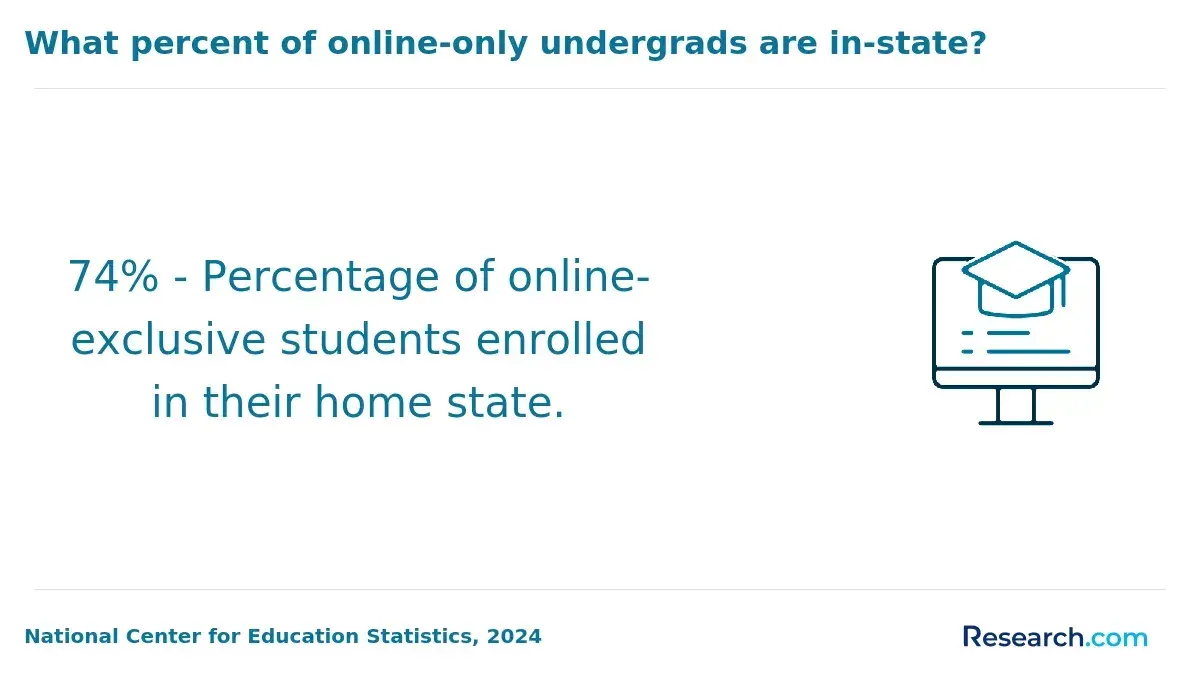
- State authorization: Make sure the online program is authorized to enroll students in your state, especially if you live outside the institution's home state.
- Graduate-school compatibility: Ask whether graduates have entered museum studies, art history, library science, education, conservation, or related master's programs.
- Transfer acceptance: Check whether credits from the institution are commonly accepted by other accredited colleges if you later change schools.
- Internship or fieldwork requirements: Confirm whether any required in-person placement could add time based on your location.
Avoid any school that emphasizes speed while being vague about accreditation. A fast degree is only useful if it remains credible for employment, graduate admission, and long-term academic mobility.
Transfer credit is often the single biggest factor in finishing an online art history degree quickly. In a 120-credit bachelor's program, transferring 60 credits can cut the remaining degree roughly in half, while transferring close to 90 credits may leave only a year or so of full-time work if all remaining courses are available online.
The table below shows how different kinds of prior learning may affect time to graduation. The important point is that accepted credits are not always the same as credits that apply efficiently to your degree plan.
| Credit source | How it may shorten the degree | Common limitation | Best use for fast completion |
| Community college credits | May satisfy general education and lower-division electives | Some schools cap two-year college transfer credits | Complete general education before entering the online major |
| Associate degree | May transfer as a block or meet lower-division requirements | Major prerequisites may still be missing | Enter as a junior and focus on upper-division art history |
| Previous four-year college credits | May apply to electives, general education, or major requirements | Old credits or low grades may be excluded | Use official transcript review before choosing a school |
| AP, IB, CLEP, or DSST exams | May reduce general education or elective requirements | Score thresholds and accepted exams vary | Fill non-major requirements quickly when accepted |
| Military or professional learning | May convert documented training into elective credit | Often limited to electives rather than art history major courses | Reduce total credits still needed, especially for adult learners |
To use transfer credit strategically, ask for a degree audit before you commit. A general admission estimate is not enough; you need to know exactly which credits count toward general education, the art history major, upper-division requirements, electives, and the school's residency minimum.
Students who want the shortest possible timeline should follow this sequence before enrolling.
- Request unofficial transcript evaluations from more than one accredited online art history program.
- Ask each school how many credits will apply directly to the degree, not just how many will be accepted.
- Confirm the minimum number of credits you must complete at that institution to graduate.
- Check whether required upper-division art history courses are offered every term or only once per year.
- Ask whether approved exams, portfolio review, military credit, or prior learning assessment can reduce remaining electives.
Admission requirements for online art history bachelor's programs are usually straightforward, but accelerated students should pay close attention to start dates and document deadlines. Missing one transcript deadline can delay enrollment by an entire term, which matters when the goal is fastest completion.
Most online bachelor's programs ask for some combination of the following materials. Requirements vary by school and student type, especially for transfer, international, homeschooled, or returning adult students.
- Application form: Usually submitted online with basic educational history and intended start term.
- Official transcripts: Required from high school and all colleges attended, even if credits were earned many years ago.
- Minimum GPA: Some colleges have a general admission threshold, while others review transfer applicants more holistically.
- Placement or prerequisite review: Writing, math, language, or general education requirements may affect the first term schedule.
- Portfolio: Usually not required for art history, but may be required for studio-heavy art, design, or fine arts programs.
- FAFSA and aid documents: Needed for federal aid consideration if the student plans to use grants or loans.
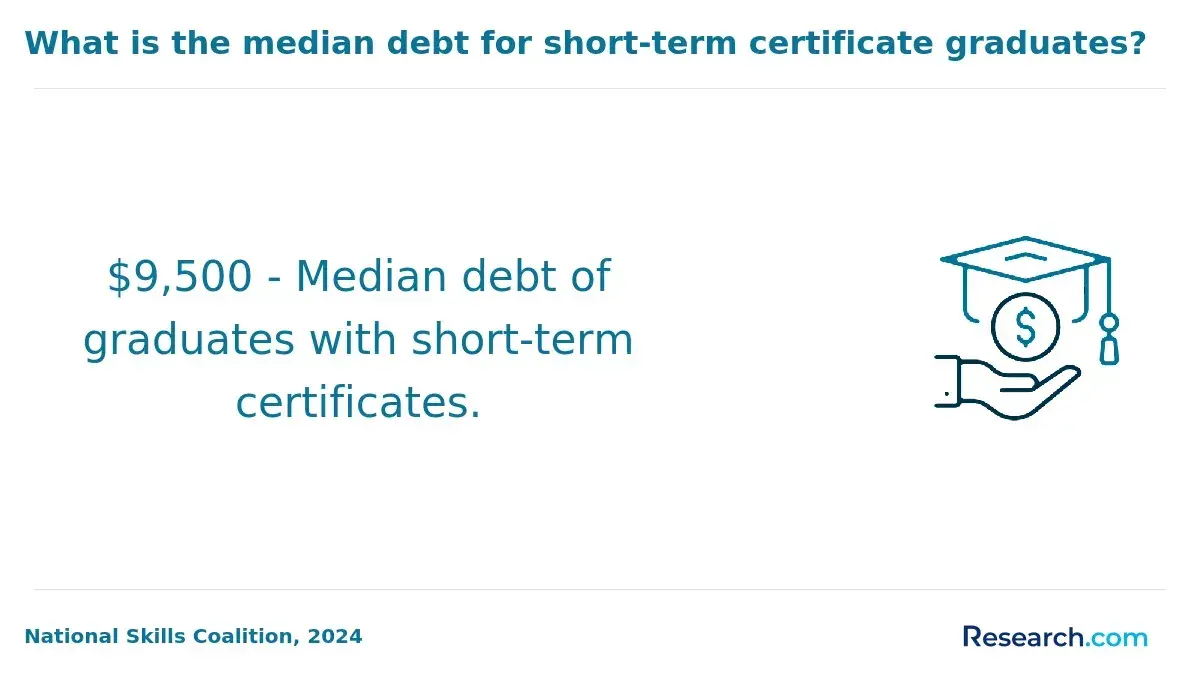
Accelerated start dates can be an advantage because many online programs enroll students several times per year instead of only in fall. Students who need a short skill credential before or alongside the degree may also compare options such as 4 6 week certification programs online, but those certificates should be evaluated separately from degree credit unless the college confirms they transfer into the bachelor's plan.
The cost of a fast online art history degree depends on tuition per credit, transfer credits, fees, books, technology costs, and whether accelerated pacing changes your financial aid status. Faster graduation can reduce time out of the workforce or housing-related costs, but it does not automatically mean lower total tuition if the program charges a high per-credit rate.
For broader cost context, the College Board's 2024 Trends in College Pricing reported average published tuition and fees of $11,610 for in-state students at public four-year institutions and $43,350 at private nonprofit four-year institutions for 2024-25. Online tuition may be above or below those benchmarks, so students should compare total degree cost instead of focusing only on the per-credit number.
When reviewing costs, separate direct prices from aid options and indirect expenses. The items below are the costs and aid figures students most often need to verify for an accelerated online bachelor's program.
- Tuition charged per credit or per term
- Online course, technology, transcript, graduation, and student service fees
- Books, museum database access, image databases, software, and research materials
- Transfer-credit evaluation or prior-learning assessment fees
- Federal Pell Grant eligibility, with the 2024-25 maximum award set at $7,395 for eligible students
- Federal student loans, state aid, military education benefits, employer tuition assistance, and institutional scholarships
Students considering graduate school should also think beyond the bachelor's price. If a master's degree may be needed for museum, archival, library science, conservation, or academic roles, comparing the cheapest masters degree options later can help estimate the full education investment, not just the undergraduate cost.
Yes, some students work full time while completing an accelerated online art history degree, but the schedule is demanding. Art history courses are reading- and writing-intensive, often requiring visual analysis, discussion posts, research papers, citation work, and image-based exams.
The table below summarizes how different course loads may feel for a working adult. It can help you choose a pace that is fast enough to matter but realistic enough to finish without repeated withdrawals.
| Course load | Typical fit | Speed advantage | Main risk |
| One accelerated course at a time | Full-time workers, caregivers, students returning after a long break | Steady progress with lower weekly pressure | Completion may take longer than advertised fast-track timelines |
| Two accelerated courses at a time | Students with flexible work schedules and strong writing skills | Can significantly shorten remaining credits | Heavy reading and research workload in compressed terms |
| Three or more courses in short terms | Students not working full time or with exceptional schedule control | May support the fastest possible completion | Higher risk of burnout, lower grades, and missed deadlines |
| Alternating heavy and light terms | Students balancing seasonal work or family obligations | Keeps momentum while protecting difficult periods | Requires careful course sequencing to avoid delaying prerequisites |
Humanities acceleration is different from some professional programs because much of the work is cumulative reading, interpretation, and writing. Students comparing accelerated workloads in other fields, such as accelerated MSW programs, should remember that each discipline compresses a different kind of workload: art history often compresses research and analysis rather than clinical hours or field placement.
A manageable fast plan usually includes one writing-heavy course and one lighter elective in the same accelerated term, rather than stacking multiple advanced seminars together. Students should ask advisors for sample weekly workloads before choosing a maximum course load.
Accredited online art history degrees are generally respected when the institution is properly accredited, the transcript does not indicate a lesser credential, and the student can show strong research, writing, visual analysis, and communication skills. Employers and graduate schools usually care more about accreditation, curriculum quality, grades, recommendations, experience, and portfolio evidence than whether the coursework was completed online.
Career outcomes vary because art history is not a single-occupation degree. Graduates may pursue museum education, gallery support, archives, cultural heritage organizations, publishing, arts administration, nonprofit communications, education, or graduate study in art history, museum studies, library science, conservation, or related fields. The BLS Occupational Outlook Handbook reports a median annual wage of $61,750 for archivists, curators, and museum workers and projects faster-than-average growth for that occupational group, but many museum and curatorial roles prefer or require graduate education.
Students can strengthen the value of an accelerated online degree by pairing it with applied experience. Useful additions may include internships, digital collections work, grant writing, museum volunteer experience, language study, data management, public history projects, or digital communication skills; students interested in arts communication may also compare a social media marketing university pathway as a complementary option rather than a replacement for art history training.
The main respect issue is not speed itself. The real risk is choosing a program that is too rushed for your goals, lacks recognized accreditation, offers limited faculty interaction, or leaves you without the experience and academic preparation expected for competitive graduate or museum roles.
How Should You Compare the Fastest Accredited Online Art History Programs?
The best fast online art history program is the one that minimizes calendar time while still meeting your academic, financial, and career needs. A program with the shortest advertised timeline may be a poor fit if it accepts fewer credits, charges more, lacks key courses, or requires in-person experiences you cannot complete.
Use the following comparison process before choosing a program. These steps focus on the variables that most directly affect actual time to graduation.
- Verify institutional accreditation and state authorization before reviewing speed, tuition, or course format.
- Request a written transfer-credit evaluation showing exactly how each prior course applies to the degree.
- Compare the remaining credits required for graduation, not the total credits advertised in the catalog.
- Ask how often required upper-division art history courses, capstones, and research seminars are offered online.
- Confirm whether courses use 7.5-week, 8-week, semester, quarter, asynchronous, synchronous, or self-paced formats.
- Calculate total program cost after transfer credits, fees, books, aid, and expected time enrolled.
- Ask whether internships, museum work, language study, or field experiences are optional, required, online, or location-dependent.
- Match the pace to your weekly schedule, writing ability, work responsibilities, and graduate-school plans.
Common mistakes can add terms, increase cost, or weaken the value of the degree. The most important red flags are easy to avoid if you ask direct questions before enrolling.
- Assuming accelerated means easier: Short terms usually increase weekly workload, so review syllabi and writing expectations.
- Ignoring residency requirements: A school may accept many credits but still require a minimum number of credits completed in-house.
- Counting accepted credits as useful credits: Credits may transfer as electives without reducing major or upper-division requirements.
- Overlooking course rotation: A required seminar offered once per year can delay graduation even if all other courses are complete.
- Choosing speed over fit: Students aiming for graduate school may need research methods, language preparation, faculty mentoring, and strong writing samples.
- Forgetting financial aid pacing rules: Dropping below required enrollment levels may change aid eligibility or disbursement timing.
A practical final test is to ask each school for a term-by-term graduation plan. If the advisor cannot show when you would take every remaining required course, the advertised accelerated timeline may not be realistic for your situation.
Other Things You Should Know About Art History
Often, yes. A BA in art history is usually more reading, writing, research, and lecture based, while a BFA or studio art degree may require studio sequences, critiques, materials, portfolio development, and sometimes more credits. The faster choice depends on transfer credit and career goals.
Many online courses are asynchronous, but not every program is fully asynchronous. Some classes may include scheduled discussions, presentations, critiques, exams, advising meetings, or internship coordination. Ask whether the entire degree can be completed without live meeting times.
Admission requirements typically include a high school diploma or GED, transcripts, and a personal statement. Some programs may require a minimum GPA or portfolio submission. Check specific program details for any additional criteria or deadlines in 2027.
They can. Some art history programs require or recommend foreign language study, especially for students planning graduate school. If language courses are not already completed or not offered every term online, they may add time to the degree plan.
- 2025's Fastest Online Master’s Degrees & Accelerated Programs https://www.onlinemastersdegrees.org/features/fastest-online-masters-degrees/
- Find The Best Online Art Schools | Accredited Schools Online https://www.accreditedschoolsonline.org/liberal-arts/art-schools/online/
- 2025 Most Affordable Online Colleges & Degrees https://www.onlineu.com/most-affordable-colleges
- How Long is an Online Master's Degree Program? OnlineEducation.com https://www.onlineeducation.com/faqs/how-long-to-earn-masters-degree
- Best Online Schools for Transferring Credits [2026 Guide] https://www.straighterline.com/blog/transfer-best-online-schools-for-transferring-credits
- Best Art Schools in the US: Value, Aid, and Choices https://www.road2college.com/top-art-colleges/