2027 Accredited Online Art History Degree Programs for Working Adults: Flexible, Part-Time, and Self-Paced Options

Co-Founder and Chief Data Scientist
Choosing an accredited online art history degree is really a scheduling, cost, and career decision. College Board's 2024 pricing data shows average published tuition and fees of $11,610 at public in-state four-year colleges and $43,350 at private nonprofit colleges, making format and affordability critical.
This guide is for working adults comparing flexible, part-time, and self-paced programs. You'll learn how accreditation works, what online formats actually require, how costs and transfer credits affect completion, and how to choose a program that fits your job, family responsibilities, and long-term goals.
Key Things You Should Know
- Choose only institutionally accredited schools, a typical bachelor's degree is about 120 credits, and transfer-friendly programs may accept prior college credits that reduce both time and total tuition.
- Part-time online study often means 6 to 9 credits per term and a manageable but real weekly workload, self-paced courses offer more control but still usually have course-completion limits and financial aid rules.
- For cost planning, compare tuition, technology fees, books, museum or archive access costs, and aid eligibility. 2024-25 federal Direct Loan rates are 6.53% for undergraduate borrowers and 8.08% for graduate borrowers.
What Is an Accredited Online Art History Degree Program and Why Does Accreditation Matter?
An accredited online art history degree program is a college program delivered fully or mostly online by a school that has been reviewed by a recognized accrediting agency. In art history, the curriculum usually covers visual culture, global art traditions, museum studies, research methods, critical writing, and historical interpretation. Online delivery may include recorded lectures, image-analysis assignments, discussion boards, digital museum collections, research papers, and occasional live sessions.
Accreditation matters because it affects whether your credits transfer, whether you can receive federal financial aid, whether graduate schools will recognize your degree, and how employers view your education. For most art history students, the key requirement is institutional accreditation, not a separate art history-specific accreditor. Program-level accreditation is less common in art history than in fields like nursing, counseling, or education.
Before applying, verify accreditation directly through the school and the U.S. Department of Education-recognized accreditor. The practical check is simple but important:
- Confirm the college or university is institutionally accredited by a recognized accreditor.
- Check that the online art history degree is offered by the same accredited institution, not only by an unverified third-party provider.
- Ask whether online students receive the same transcript wording as campus students.
- Confirm that the credits are eligible for transfer to graduate programs if you may later pursue museum studies, library science, education, conservation, or a research-focused master's degree.
A common mistake is assuming that "online" and "accredited" mean the same thing. They do not. A program can be online and convenient but still lack recognized accreditation, which can limit financial aid, transfer options, and employer acceptance.
Which Flexible Art History Degree Formats Are Best for Working Adults: Part-Time, Full-Time, or Self-Paced?
The best format depends on how predictable your work schedule is, how quickly you want to finish, and how much independent learning you can handle. "Flexible" does not always mean "self-paced"; many online programs are asynchronous but still have weekly deadlines.
The table below compares the main online art history formats from the perspective of a working adult who needs to protect time, budget, and academic momentum.
| Format | Typical structure | Best fit | Main trade-off |
| Part-time online | Usually 1 to 3 courses per term | Adults working full time or managing family responsibilities. | Takes longer, but reduces overload risk. |
| Full-time online | Usually 4 or more courses per term | Students with flexible jobs, strong support at home, or urgent completion goals. | Faster, but writing-heavy art history courses can become difficult during busy work periods. |
| Asynchronous online | Recorded lectures, weekly assignments, discussion deadlines | Workers with changing shifts who still need predictable weekly pacing. | Flexible by day and hour, but not deadline-free. |
| Self-paced or competency-based | Students move through material within set course or term limits | Highly organized adults with prior knowledge, transfer credits, or irregular schedules. | Requires self-discipline; some courses may not qualify for the same aid structure. |
| Cohort-based online | Students move through courses together on a fixed schedule | Adults who want structure, faculty interaction, and peer accountability. | Less flexible if work travel, caregiving, or overtime is unpredictable. |
Part-time study is often the safest choice if you have a full-time job and cannot predict overtime. Full-time study can make sense if you have employer support, reduced work hours, or a strong reason to graduate quickly. Self-paced study is attractive, but it is not automatically easier; it works best for students who can create their own deadlines and maintain steady progress without weekly reminders.
Use this decision sequence before choosing a format:
- Estimate your realistic weekly study time after work, commuting, caregiving, and rest.
- Ask whether courses are asynchronous, synchronous, self-paced, or simply "online" with fixed deadlines.
- Review whether art history courses require long research papers, visual analysis projects, or group presentations.
- Check how dropping from full-time to part-time affects financial aid, scholarships, and employer tuition assistance.
- Choose the format that you can sustain for multiple terms, not the one that looks fastest on paper.
What Are the Admission Requirements for Accredited Online Art History Degree Programs?
Admission requirements vary by degree level, but accredited online art history programs usually use the same academic standards as campus programs. Bachelor's programs are often accessible to first-time college students and transfer students, while master's programs typically expect a completed bachelor's degree and evidence of research and writing ability.
Working adults should pay special attention to transfer admission and readmission policies. If you have prior college credits, an associate degree, military training, or professional learning, the admissions process can affect both your timeline and total cost.
| Degree level | Common admission requirements | What working adults should ask |
| Online bachelor's in art history | High school diploma or equivalent, transcripts, application, possible placement review. | How many transfer credits can apply to the major, general education, and electives? |
| Online bachelor's completion program | Prior college credits, minimum GPA, official transcripts. | Is the program designed for adults who already have 45 to 60 credits? |
| Online master's in art history or related field | Bachelor's degree, statement of purpose, writing sample, references, transcripts. | Does the program require art history prerequisites or a language reading requirement? |
| Graduate certificate | Bachelor's degree or current graduate enrollment, depending on school policy. | Can certificate credits later apply to a master's program? |
Some programs may request a portfolio, but traditional art history degrees usually emphasize writing samples and research interests more than studio artwork. If your background is in business, education, communications, or another field, you may still be eligible, especially for interdisciplinary programs in museum studies, visual culture, digital humanities, or arts administration.
Before submitting applications, prepare these materials early:
- Official transcripts from every college attended, even if you did not finish the term.
- A short explanation of your academic and career goals, especially if you are changing fields.
- A writing sample that shows clear analysis, source use, and argument development.
- Documentation for transfer credit, military credit, prior learning assessment, or employer tuition benefits.
How Much Does an Online Art History Degree Cost, and What Financial Aid Options Are Available?
The cost of an online art history degree depends on the school type, residency rules, transfer credits, course load, and fees. College Board's 2024 Trends in College Pricing reported average published tuition and fees of $11,610 for in-state students at public four-year institutions and $43,350 at private nonprofit four-year institutions for 2024-25. For online students, the lesson is not that one school type is always cheaper; it is that you should compare the total program cost after transfer credit and aid, not only the sticker price.
Art history students should also budget for costs that may not appear in the headline tuition rate. These can include technology fees, online course fees, textbooks, image database access, museum membership or admission for assignments, graduation fees, transcript fees, and travel if the program has an optional or required campus residency.
Financial aid options are strongest when the school is properly accredited and the student is enrolled in an eligible degree program. Common options include federal grants for eligible undergraduates, federal student loans, institutional scholarships, state aid, employer tuition assistance, military education benefits, payment plans, and private scholarships related to the arts, humanities, museums, or adult learners.
If affordability is your main concern, compare art history programs the same way you would compare the cheapest masters degree: look beyond tuition and examine total credits required, transfer acceptance, fees, aid eligibility, and how long you will remain enrolled.
One common red flag is a program that advertises a low per-credit rate but adds significant mandatory fees or accepts very few transfer credits. Ask for a written cost estimate based on your transcript evaluation before enrolling.
How Long Does It Take to Complete an Online Art History Degree, and Can Transfer Credits Help You Graduate Faster?
A bachelor's degree in art history commonly requires about 120 credits, including general education, major courses, electives, and sometimes a capstone. Full-time students may finish in about four academic years, while part-time working adults often need longer. Bachelor's completion students with substantial transfer credits may finish faster if the school accepts credits efficiently and offers required courses often enough.
The table below shows how enrollment intensity can affect timeline and workload. Use it as a planning tool, not a promise, because course availability, transfer credits, prerequisites, and personal responsibilities can change the final timeline.
| Enrollment path | Common credit load | Likely fit | Planning concern |
| Full-time | 12 or more credits per term | Adults with flexible work hours or temporary financial support. | Writing, reading, and discussion deadlines may stack quickly. |
| Half-time | About 6 credits per term | Full-time workers who need financial aid eligibility and steady progress. | Graduation takes longer, but the pace is often more sustainable. |
| One-course-at-a-time | Usually 3 credits per term or session | Caregivers, shift workers, frequent travelers, or students returning after a long break. | Slowest path unless courses are offered in accelerated sessions. |
| Transfer-heavy completion | Varies based on accepted credits | Adults with prior college coursework or an associate degree. | Major requirements may still require specific upper-division art history courses. |
Transfer credits can shorten the degree, but only if they apply to the right requirements. A school may accept credits as electives while still requiring you to complete many major or upper-division courses. That is why you should request a degree audit, not just a general transfer estimate.
To maximize transfer value, take these steps before enrolling:
- Send official transcripts before committing to a start date.
- Ask which credits count toward general education, electives, prerequisites, and the art history major.
- Check the maximum number of transferable credits allowed.
- Ask whether old credits expire or require departmental review.
- Confirm how transfer credits affect residency requirements, honors eligibility, financial aid, and graduation timeline.
If you are thinking beyond a bachelor's degree, compare long-term pathways early. Some students use art history as preparation for graduate study in museum studies, library science, conservation, education, or humanities research, while others later explore an online doctorate in a related field only after confirming that the credential aligns with their academic or leadership goals.
What Should You Look for When Comparing Accredited Online Art History Degree Programs?
When comparing accredited online art history programs, start with fit: accreditation, curriculum, flexibility, cost, transfer policy, faculty expertise, and support services. A program can be academically strong but still be a poor match if required courses meet live during your work hours or if the school offers key major courses only once per year.
The table below summarizes comparison factors that matter most for working adults. It is designed to help you evaluate quality and practicality together rather than treating flexibility as the only measure of value.
| Comparison factor | What to look for | Why it matters |
| Accreditation | Recognized institutional accreditation. | Supports financial aid, transfer, graduate admission, and employer recognition. |
| Course delivery | Clear distinction between asynchronous, live online, hybrid, and self-paced courses. | Prevents schedule conflicts with work and caregiving. |
| Curriculum depth | Global art history, research methods, theory, museum studies, digital humanities, and capstone options. | Builds transferable research, writing, and visual-analysis skills. |
| Faculty access | Online office hours, feedback timelines, and faculty with relevant scholarship or professional experience. | Improves mentoring, graduate school preparation, and research quality. |
| Transfer policy | Written degree audit and clear upper-division requirements. | Can reduce time and cost if credits apply correctly. |
| Career alignment | Internship support, digital portfolio options, museum partnerships, and alumni outcomes. | Connects the degree to practical career pathways. |
Ask admissions advisors direct questions. Vague answers are a sign that you need more documentation before enrolling.
- Are all required art history courses available online, or only some general education courses?
- How often are upper-division major courses offered?
- Are there live class meetings, proctored exams, group projects, or residency requirements?
- Can part-time students follow a published course sequence without delaying graduation?
- What happens if work responsibilities force me to stop out for one term?
- Does the school provide career support for museums, galleries, archives, education, publishing, nonprofits, or digital content roles?
Also compare alternatives if your career goal is more digital, commercial, or communications-focused than historical or museum-focused. For example, someone interested in audience engagement for museums or arts organizations might pair art history with coursework from a social media marketing university pathway or certificate, while someone aiming for curatorial research may need a graduate degree instead.
Common mistakes include choosing the cheapest program without checking course availability, assuming self-paced means unlimited time, ignoring required synchronous meetings, and overlooking whether the curriculum includes non-Western, contemporary, and digital art topics. A better approach is to compare the degree plan, schedule, faculty access, and total cost side by side.
What Career Opportunities and Salary Potential Can You Expect With a Art History Degree?
An art history degree can support careers in museums, galleries, archives, cultural nonprofits, education, publishing, arts administration, historic preservation, auction houses, visual resources, and digital content. It is also a common foundation for graduate study. However, many specialized roles require experience, internships, a master's degree, language skills, or technical training in collections management, archives, education, or conservation.
The U.S. Bureau of Labor Statistics reported a 2024 median annual wage of $57,120 for archivists, curators, and museum workers, with employment projected to grow 8% from 2023 to 2033. That growth is faster than the average for all occupations, but competition can still be strong because museum and cultural-sector roles often attract many qualified applicants.
The table below connects common art history-related roles with typical responsibilities and education considerations. Use it to identify whether an online degree alone is likely to be enough or whether you should plan for internships, graduate study, or additional technical skills.
| Career path | Typical responsibilities | Education and experience considerations |
| Museum educator | Develop tours, public programs, school materials, and visitor learning experiences. | Bachelor's may help; teaching, museum, or public programming experience is valuable. |
| Curatorial assistant | Support exhibitions, research artists or objects, prepare labels, and coordinate collections information. | Bachelor's may qualify for entry-level support roles; master's often preferred for curator roles. |
| Gallery assistant | Support exhibitions, client communication, artist records, and sales operations. | Art history knowledge plus communication, database, and customer-facing skills can help. |
| Archives or visual resources assistant | Organize, describe, digitize, or help preserve visual and historical materials. | May require archival coursework, metadata skills, or later library science training. |
| Arts administrator | Coordinate programs, fundraising, grants, events, budgets, and communications. | Business, nonprofit, marketing, or grant-writing skills can strengthen the degree. |
| Teacher or college instructor | Teach art, art history, humanities, or related subjects. | K-12 roles may require state licensure; college teaching often requires graduate study. |
This degree is a strong fit if you enjoy research, writing, visual analysis, cultural history, museums, education, or arts communication. It may not be the best primary degree if your main goal is a high-demand licensed profession with a direct credential-to-job pipeline. For example, adults seeking a faster route into licensed social work should compare art history with options such as accelerated MSW programs, because the career outcomes and licensure requirements are very different.
To improve ROI, combine the degree with practical experience. Strong complements include internships, grant writing, collection management software, digital humanities tools, public speaking, foreign language reading ability, nonprofit administration, data organization, and portfolio-quality writing samples.
How Can Working Adults Balance a Art History Degree With Full-Time Work and Family Responsibilities?
Balancing an online art history degree with full-time work is possible, but it requires more than choosing a flexible program. Art history courses are reading- and writing-intensive, and visual analysis assignments often require careful viewing, note-taking, research, and revision. The challenge is not only attending class; it is protecting uninterrupted time for thinking and writing.
Use a realistic weekly plan before the term starts. A traditional rule of thumb in higher education is that each credit can require multiple hours of work per week when class time, reading, research, and assignments are included, so a 6-credit part-time schedule can still feel substantial for someone working full time.
These practical steps can reduce overload and help you stay enrolled:
- Start with one or two courses if you have been out of school for several years.
- Place major reading, discussion, and writing blocks on your calendar before the course opens.
- Tell your instructor early if work travel, caregiving, or shift changes may affect deadlines.
- Use library databases and citation tools from the first week instead of waiting until a paper is due.
- Choose asynchronous courses when your work schedule changes often, but choose structured deadlines if you struggle with procrastination.
- Review withdrawal, incomplete, and leave-of-absence policies before you need them.
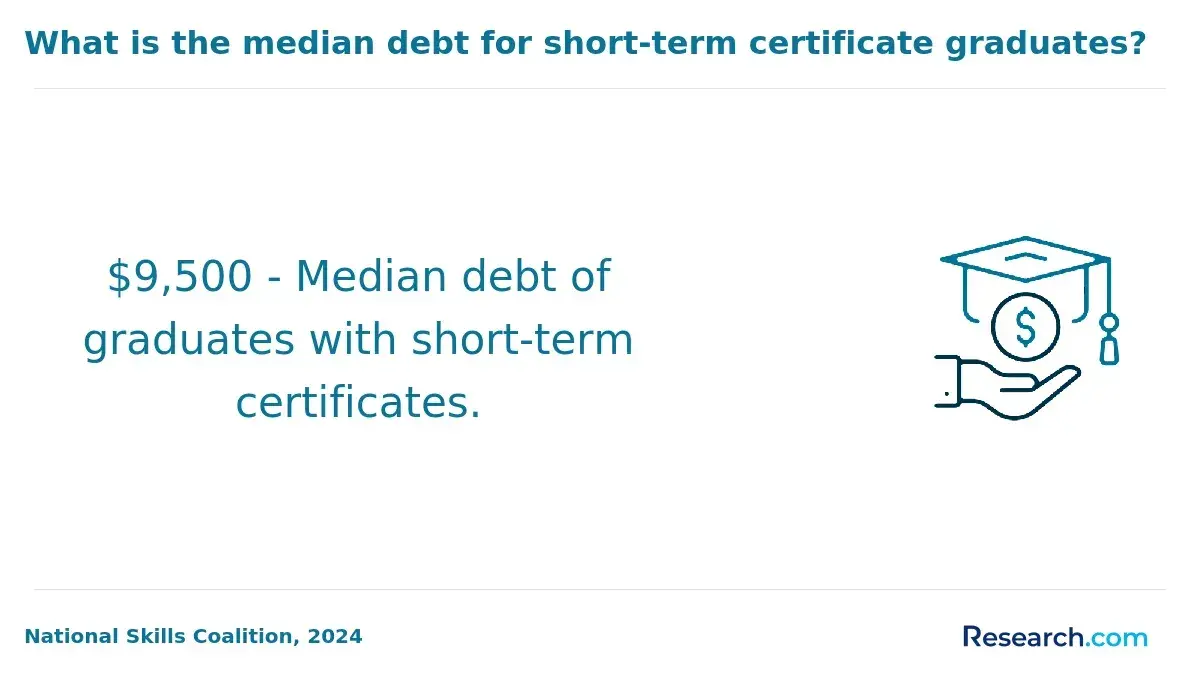
Short-term credentials can also help if you need skill-building without adding a full course load. Some working adults use 4 6 week certification programs online to build complementary skills in technology, communication, or business while spacing out degree requirements.
The biggest mistake is registering for a full-time schedule because the program is online. Online courses remove commuting, but they do not remove deadlines, research expectations, or writing time. A slower pace that you can maintain is usually better than repeated withdrawals that affect aid and confidence.
What Student Support Services and Online Learning Resources Should You Expect From a Art History Degree Program?
Strong online student support can determine whether a working adult finishes the degree or stops out. Look for services that are available outside standard business hours, because many adult learners study at night, early in the morning, or on weekends.
The most useful online resources are the ones that support writing, research, advising, technology, and career planning. In art history, access to digital image collections and library databases is especially important because students need reliable visual and scholarly sources.
- Academic advising that understands part-time sequencing and transfer-credit planning.
- Online library access, including art, humanities, museum, archive, and image databases.
- Writing center support for visual analysis essays, research papers, citations, and thesis development.
- Technology help desk support during evenings or weekends.
- Career services for resumes, internships, museum applications, graduate school planning, and interview preparation.
- Accessibility services for documented accommodations in online courses.
- Faculty office hours that online students can attend by video, phone, or messaging.
Ask whether online students receive the same support as campus students. Also ask how quickly instructors typically respond, whether librarians provide remote research consultations, and whether career services work with students seeking cultural-sector jobs outside the school's local region.
A red flag is a program that emphasizes convenience but cannot explain how online students receive advising, library support, internship guidance, or faculty feedback. In a writing-heavy field, feedback quality matters as much as course flexibility.
Do Online Art History Degree Programs Include Internships, Practicums, or Other Hands-On Learning Requirements?
Online art history programs may include internships, practicums, capstones, digital projects, research seminars, or field-based assignments. Requirements vary widely. Some programs are fully coursework-based, while others encourage or require hands-on experience in museums, galleries, archives, historic sites, libraries, cultural nonprofits, or digital humanities projects.
Hands-on learning is especially valuable because many art history-related careers are experience-sensitive. A transcript shows academic preparation, but employers in museums and cultural organizations often also want evidence that you can work with collections, visitors, databases, exhibitions, educational programs, or research materials.
| Experience type | What it may involve | Working adult consideration |
| Internship | Museum, gallery, archive, nonprofit, or arts administration work. | Ask whether evening, weekend, remote, or local placements are allowed. |
| Capstone project | Research paper, digital exhibit, portfolio, or public-facing project. | Often easier to schedule than an internship but still time-intensive. |
| Practicum | Structured field experience tied to a course. | May require set hours during business operations. |
| Digital humanities project | Online exhibit, metadata project, mapping, image annotation, or digital archive work. | Can be more flexible and useful for remote learners. |
| Optional residency or study trip | Campus, museum, or travel-based intensive experience. | Check travel, lodging, time off work, and additional fees. |
Before enrolling, ask whether hands-on requirements can be completed near your home or remotely. If you work full time, also ask whether placements require weekday daytime hours. A program may be officially online but still include practical requirements that are difficult for shift workers, caregivers, or students in rural areas.
If the program does not require an internship, consider building experience independently through local museums, historical societies, libraries, nonprofit arts organizations, public art projects, or digital volunteer projects. Practical experience can help you test whether you prefer education, collections, research, administration, or communications work.
Other Things You Should Know About Art History
Yes. Art history is mainly about research, interpretation, writing, visual analysis, and historical context. Studio skill can be helpful, but most art history programs do not require students to be practicing artists.
A BA is more common and usually emphasizes humanities, languages, writing, and cultural analysis. A BS may include more technical, digital, or interdisciplinary requirements depending on the school. The better choice is the curriculum that matches your career goal.
Some bachelor's programs require general language study, and some graduate programs expect reading knowledge of a language relevant to your research area. Requirements vary by school, so check before applying if language study will affect your timeline.
It can, if the degree is from an accredited institution and includes strong research, writing, and faculty feedback. Graduate programs may also look for a writing sample, relevant coursework, recommendations, language preparation, and experience in museums, archives, or research settings.
References
- Best Online Degree Programs for Working Adults https://www.scholaro.com/db/News/best-online-degree-programs-256
- A Marie Kondō-Inspired Approach to Designing Accelerated Online Courses https://edtecharchives.org/journal/354/5925
- Careers in Art History - For Art History https://forarthistory.org.uk/careers-in-art-history/
- Financial Aid For Online Colleges https://www.affordablecollegesonline.org/financial-aid/financial-aid-for-online-colleges/
- The Art Institute https://www.theartinstitute.co.uk/nz/en/blog-art-history-graduates-1
- Find The Best Online Art Schools | Accredited Schools Online https://www.accreditedschoolsonline.org/liberal-arts/art-schools/online/
- Asynchronous Education vs Fixed Schedule Online Classes: Which Works for Working Professionals https://puie.ac/asynchronous-education-vs-fixed-schedule-online-classes-which-works-for-working-professionals/
- Arts Management Master Requirements & Cost | Apply to MMIAM https://master-in-international-arts-management.com/program-and-costs/
- What Can You Do With an Art History Degree? https://willamette.edu/academics/college/art-history/career-options
- Asynchronous Art History: Teaching Online with Picasso https://www.facultyfocus.com/articles/online-education/asynchronous-art-history-teaching-online-with-picasso/