2027 Arizona State University Online BA in Religious Studies - Religion, Culture and Public Life: Cost, Curriculum, Admissions, and Career Outcomes

Co-Founder and Chief Data Scientist
Students seeking a flexible path to explore how religion intersects with culture and public life often face challenges in finding programs that balance academic rigor with accessibility. Arizona State University's online BA in religious studies - religion, culture and public life attracts those who require adaptable schedules without sacrificing depth. Given that enrollment in fully online programs grew by 12% in 2023 according to the National Center for Education Statistics, this reflects a rising preference for remote education that accommodates working adults and nontraditional learners. Understanding the curriculum, admissions criteria, costs, and career outcomes is essential to evaluate if this program matches one's goals and circumstances.
This article reviews these aspects comprehensively to help prospective students make informed decisions about pursuing this degree at Arizona State University.
Key Points About Arizona State University's BA in Religious Studies - Religion, Culture and Public Life Program
- A 90% acceptance rate for the online ba in religious studies - religion, culture and public life program at Arizona State University indicates broad accessibility, which may affect cohort diversity and peer engagement quality.
- Costing $34,845 in total tuition, this program balances affordability with the investment required for foundational knowledge relevant to careers in public service and education sectors.
- Graduates are recognized for strong critical thinking and cultural competency, skills that align with employer expectations in community-focused and intercultural roles across multiple industries.
What can students expect from Arizona State University's online BA in Religious Studies - Religion, Culture and Public Life curriculum?
The curriculum for Arizona State University online religious studies course content is designed to develop skills that extend beyond traditional theology, emphasizing religion's active role in shaping cultural and political landscapes. For instance, a graduate working in policy analysis might draw on coursework that bridges ethical questions and religion's intersection with law to navigate complex social debates. This practical grounding sets the program apart within the typical U.S. BA framework, which often balances broad survey courses with specialized topics to build research and critical thinking abilities. Below are three key course elements demonstrating this approach:
- Core Theory and History: This foundational coursework demands engagement with diverse religious traditions and sociological perspectives, equipping students with analytical tools to understand religion's historical evolution and social functions.
- World Religions and Ethics: Students explore specific religious systems alongside pressing ethical dilemmas, fostering nuanced reasoning necessary for fields like education or social services.
- Practical Application: Assignments focus on critically assessing religion's influence in public discourse and cultural conflict, helping graduates build relevant skills for careers requiring cultural competence and policy awareness.
This curriculum overview for Arizona State University religious studies degree demonstrates how the interdisciplinary framework-integrating anthropology, philosophy, and history-prepares students to navigate complex identities and public issues shaped by religion. While similar in structure to many standard BA programs, its applied emphasis on religion's role in public life reflects workforce demands that prioritize critical thinking and adaptability. Prospective students should weigh this practical relevance against the program's academic scope when considering their post-graduate pathways. For those comparing costs, especially against alternatives like a cheap online PhD, understanding this curriculum's real-world utility is essential for making informed decisions about educational investments.
What are Arizona State University's admission requirements for online BA in Religious Studies - Religion, Culture and Public Life program?
Admission to Arizona State University's online BA in Religious Studies - Religion, Culture and Public Life requires more than just a completed high school education; it reflects a commitment to academic rigour that employers and graduate programs recognize as significant. For instance, an applicant with a GED who supplements their submission with strong recommended test scores stands a better chance of admission than one who does not demonstrate additional competencies. The following points summarize key admission elements candidates should expect and prepare for:
- Secondary School Record: Submission of official transcripts is mandatory to provide the admissions office with verified evidence of prior academic performance, which helps evaluate readiness for university-level coursework.
- High School Diploma or GED: Applicants must have completed secondary education, as this basic credential is essential for program entry and signals foundational skills in literacy and critical thinking.
- English Proficiency: Non-native English speakers must submit TOEFL scores to demonstrate adequate command of the English language, ensuring they can effectively engage with course materials delivered online.
- Admission Test Scores (Recommended): Although not required, standardized scores such as SAT, ACT, Wonderlic, or WISC-III are encouraged to strengthen applications by showcasing cognitive and academic potential beyond secondary records.
- Advanced Placement Credits: Acceptance of AP credits can shorten the time to degree completion, an important consideration for working adults balancing education with other responsibilities.
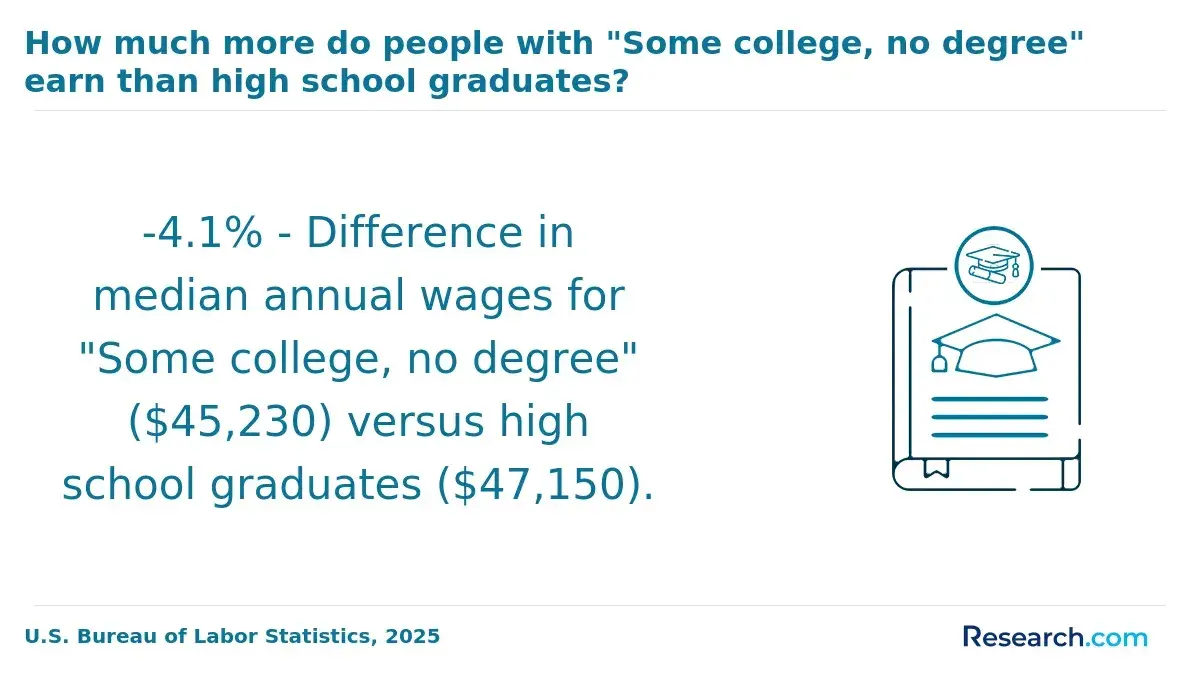
Is it difficult to get admitted to Arizona State University's online BA in Religious Studies - Religion, Culture and Public Life program?
Admission to a typical BA in Religious Studies - Religion, Culture and Public Life program varies by institution but often reflects moderate competition tied to departmental capacity and applicant interest. Programs focused on interdisciplinary approaches may attract students with diverse academic backgrounds, creating uneven selectivity depending on the university's resources and demand within the humanities.
Arizona State University's online BA in Religious Studies - Religion, Culture and Public Life stands out for its relatively accessible admission landscape. With a 90% acceptance rate admitting 62,084 out of 68,840 applicants, the program lowers entry barriers further by not requiring SAT or ACT scores. This policy shifts emphasis toward holistic reviews over standardized testing, easing access for nontraditional or adult learners balancing practical commitments.
Nonetheless, the broad acceptance does not guarantee an effortless admission outcome, as departmental resources and course availability still influence enrollment. Unlike specialized or highly competitive majors, this program's consistent but moderate demand allows for a straightforward application process aligned with general university standards rather than intensified competition within the major itself.
A recent graduate recalled approaching the application amid uncertainty about fulfilling traditional criteria. "I was relieved there was no test requirement, which let me focus on my personal statement and references," they said. Balancing work and study, they appreciated the program's open access, though noted the importance of submitting materials early due to limited course seats. The experience underscored that while admission was not difficult per se, strategic preparation mattered to secure a spot without delay.
What is the cost of attending an online BA in Religious Studies - Religion, Culture and Public Life program at Arizona State University?
Tuition for the online BA in Religious Studies - Religion, Culture and Public Life at Arizona State University stands at $12,051 annually, excluding books and supplies, which typically add around $1,320 per year. This cost structure reflects ASU's flat-rate model that removes in-state versus out-of-state distinctions and avoids additional technology fees, making budgeting more transparent for online learners. However, while room and board traditionally inflate total costs, this online format allows many students to significantly reduce living expenses depending on their personal circumstances.
When comparing Arizona State University online BA Religious studies tuition fees to other programs, it becomes evident that ASU offers a competitive option. The estimated total annual cost of $34,845 contrasts with on-campus equivalents, which generally incur higher living expenses-for instance, in-state on-campus students face costs closer to $28,047 excluding some fees. This suggests that many students might find more affordable paths through an online program, but should weigh the tradeoffs in campus engagement and networking opportunities.
Those investigating the cost to earn a BA in Religious Studies at ASU online must also consider the program's curricular demands and expected learning outcomes against broader market expectations. Religious Studies graduates often enter diverse fields requiring critical thinking and cultural literacy rather than narrowly vocational skills; thus, cost-effectiveness depends on aligning the degree's capabilities with career goals. The removal of technology fees and uniform tuition supports consistent planning but should be evaluated alongside real-world employability factors.
Exploring multiple online degree options, including accelerated formats, can clarify which pathway aligns with both financial constraints and professional aspirations. Resources such as the accelerated bachelor's degree online accredited listings provide curated comparisons where tuition price intersects with program speed and flexibility, helping students make more informed decisions amidst a landscape of varying costs and outcomes.
Are there financial aid options for online BA in Religious Studies - Religion, Culture and Public Life students at Arizona State University?
Access to financial aid can substantially shape a student's ability to manage the cost of pursuing an online ba in religious studies - religion, culture and public life at Arizona State University. Given the high tuition expenses often associated with online programs, leveraging available aid options is crucial for reducing debt burden and improving post-graduation financial flexibility. For students balancing work and study, understanding these avenues assists in planning both financing and career transitions. The following outlines key aid options relevant to prospective and current students.
- Merit-Based Scholarships: Awarded primarily for academic achievement, these scholarships are competitive and recognize strong prior performance. Eligibility usually requires maintaining a set GPA and enrollment status. Amounts vary but can significantly offset tuition costs for top-performing students.
- Institutional Grants: These grants assess financial need alongside academic criteria and provide targeted support from the university. They do not require repayment, making them a vital resource for students lacking substantial external funding.
- Veteran Benefits: Military-affiliated students can utilize federal GI Bill benefits and related programs. These benefits often cover a large portion of tuition and fees, facilitating access for service members and their families.
- Employer Tuition Reimbursement: Students working for organizations with education assistance programs may have tuition partially or fully reimbursed. Such arrangements require employer approval but can ease financial pressures if available.
- Federal Student Aid: Federal grants and low-interest loans are accessible through FAFSA completion and meeting enrollment and progress standards. While loans add repayment obligations, their favorable terms help bridge remaining funding gaps.
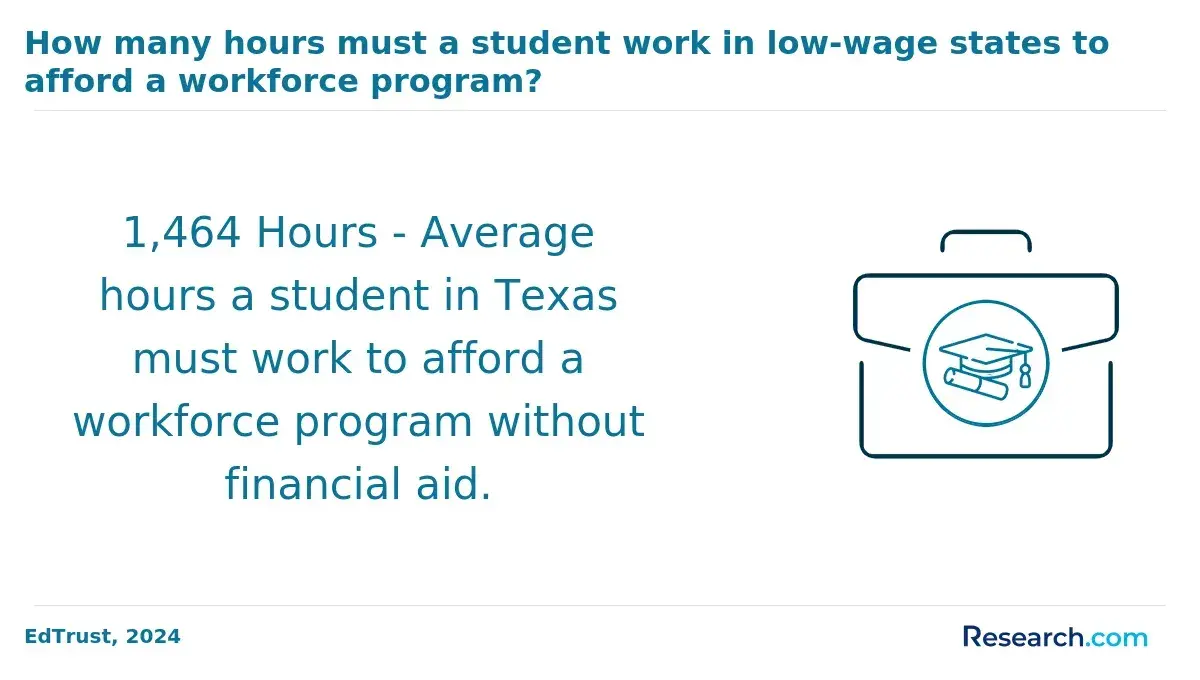
What learning resources are available to online BA in Religious Studies - Religion, Culture and Public Life students at Arizona State University?
Effective academic and career outcomes for students pursuing an online ba in religious studies - religion, culture and public life hinge on more than coursework alone; appropriate learning resources are critical to navigating complex material and workforce preparation. Without direct on-campus interaction, the value of remote support services becomes a decisive factor in how well students assimilate content and develop applicable skills.
For instance, a student balancing full-time work may rely heavily on personalized tutoring to clarify dense theoretical concepts, which influences their long-term ability to apply knowledge critically in nonprofit or policy environments. The following represents key support mechanisms integral to student success in this program.
- Personalized Tutoring: Offers one-on-one academic assistance tailored to individual needs, helping students address challenging topics or gaps in understanding, which is essential for mastering the interdisciplinary nature of religious studies.
- Writing Assistance: Provides specialized guidance to improve writing clarity and argumentation, a crucial skill for translating complex religious and cultural analyses into professional and academic contexts.
- Academic Advising: Delivers strategic planning support for course selection and degree progression, ensuring that students align their academic trajectory with career objectives in education, public policy, or community engagement sectors.
- Online Platform Access: Ensures seamless availability of lectures, readings, and discussion forums, which facilitates continuous learning and collaboration despite physical distance.
- Technical Support: Offers around-the-clock help to resolve connectivity or platform navigation issues, reducing barriers to consistent participation and course completion.
Does Arizona State University's online BA in Religious Studies - Religion, Culture and Public Life program have in-person clinicals or practicums?
Religious studies degrees generally do not mandate in-person clinicals or practicums because the field emphasizes analytical, theoretical, and cultural examination over hands-on clinical practice. This contrasts sharply with disciplines like nursing or social work, where direct supervised experience is essential for licensure or employment. In this context, Arizona State university's online ba in religious studies practicums at Arizona State University reflect industry norms by not requiring on-site practicums or clinical hours, shaping the program around remote, coursework-driven learning instead.
Specifically, the online ba in religious studies at Arizona State University avoids any in-person clinical requirements for asu religious studies degree candidates. Instead, students engage in interdisciplinary coursework and may pursue optional experiential opportunities such as research projects, internships, or service-learning-all designed to accommodate remote completion. This structure supports flexibility but also means graduates lacking in-person clinical experience might need additional training if targeting careers that require direct religious counseling or clinical pastoral care.
For students weighing this pathway, the absence of in-person practicums is a tradeoff favoring convenience and access but limiting exposure to applied clinical skills valued in some religious and public service roles. Those aiming for specialized pastoral or clinical credentials must plan for supplementary certification frameworks beyond this BA program. Prospective students interested in broader degree options with a focus on affordability might explore alternatives highlighted in the most affordable online masters programs list.
What careers can graduates of online BA in Religious Studies - Religion, Culture and Public Life at Arizona State University secure?
Graduates with a BA in Religious Studies - Religion, Culture and Public Life from Arizona State University face a job market that values their ability to analyze complex cultural and religious dynamics, yet practical employment often requires supplemental skills or experience. The degree's strength lies in roles demanding cultural literacy and ethical reasoning, but securing sustainable careers typically involves navigating competitive sectors where additional certification or graduate studies may be necessary.
This program holds particular relevance for those exploring online religious studies careers in Arizona, offering transferable skills applicable beyond traditional religious studies settings. Notably, for students weighing their options, understanding how the degree positions them for diverse but often nuanced roles is crucial. Below are examples of career paths aligned with typical outcomes for these graduates:
- Cultural Resource Specialist: Professionals in this role analyze, preserve, and manage cultural artifacts and heritage sites. Salaries vary with experience but generally start at moderate levels in nonprofit or governmental agencies.
- Community Program Coordinator: These coordinators plan and oversee cultural or faith-based community initiatives, blending organizational skills with cultural awareness. The position often serves as a stepping stone to leadership in nonprofit sectors.
- Research Assistant in Academia: Supporting research on religion's societal impact, assistants contribute to data collection and analysis, often in universities or think tanks, which provides foundational experience for advanced academic pursuits.
- Media and Communication Roles: Graduates create content focused on religion and culture, requiring strong writing and analytical capabilities. Entry-level pay varies widely based on the media outlet and funding sources.
- Diversity and Inclusion Consultant: Leveraging knowledge of religious and cultural dynamics, consultants advise corporations or government entities on ethics and inclusion strategies. Competitive credentials and experience enhance marketability in this growing field.
Given these varied roles, those pursuing a BA in Religious Studies - Religion, Culture and Public Life at Arizona State University should consider how additional qualifications may influence long-term career prospects. For more insight into the flexibility of self-directed study options that could complement religious studies, see self paced degrees.
What is the salary outlook for online BA in Religious Studies - Religion, Culture and Public Life graduates?
The salary outlook for graduates holding an online BA in Religious Studies - Religion, Culture and Public Life from Arizona State University typically reflects the tradeoff between specialized humanities education and earning potential. Alumni average around $32,014 annually, considerably below the broader median alumni salary of $62,668. This gap illustrates the common financial constraint for those entering fields related to religion, culture, or public life, which often prioritize social impact over high immediate earnings.
For those exploring career and salary prospects for Arizona State University religious studies graduates, immediate opportunities frequently lie in education, nonprofit, or public service roles. These sectors generally offer modest wages but can align well with values-driven work. Compared to technical degrees like Computer Science or Engineering, which command significantly higher salaries, religious studies graduates face limited short-term financial upside, necessitating careful consideration for students balancing passion with practical income needs.
Yet, the skills acquired-such as critical thinking and ethical reasoning-may enable career shifts through further education or entry into law, policy, or advocacy sectors. Students assessing an online ba in religious studies salary in Arizona should also consider the longer-term value of developing versatile analytical abilities that complement other professional paths. For those drawn to fields with a steadier financial return, exploring high paying jobs for introverts might offer relevant alternatives outside the religious studies track.
How do you know if Arizona State University's online BA in Religious Studies - Religion, Culture and Public Life program is the right choice for you?
Choosing to pursue a BA in Religious Studies - Religion, Culture and Public Life online requires a deliberate assessment of how well the program fits your academic priorities, learning style, and professional ambitions. Making this choice without weighing key factors risks enrolling in a program that may not deliver the practical or intellectual outcomes you need. Below are critical elements to consider when determining program suitability:
- Interdisciplinary Curriculum Fit: Analyze whether the program's blend of theology, history, sociology, and public life aligns with your goal of understanding religion's societal roles rather than purely theological study. This helps ensure your education stays relevant to desired career paths or advanced studies.
- Learning Format Compatibility: Assess your comfort with hybrid online structures that combine asynchronous coursework with occasional live interaction. Confirm if this balance supports your engagement and schedule, especially if you depend on flexible pacing or peer collaboration.
- Student Culture and Support: Evaluate the community's diversity and intellectual openness, alongside the availability of academic advising and career counseling. These resources often influence persistence and successful transition into the workforce.
- Career Relevance and Outcomes: Consider how the program's focus on religion's public dimensions translates into employment sectors like education, social services, or cultural analysis. Clarify if your goals require credentials beyond the degree.
A graduate shared how their uncertainty about online learning formats was a major concern initially. They hesitated because their full-time job left little room for fixed schedules, but the program's hybrid model offered some live discussions without rigid timing. This flexibility, combined with a curriculum that emphasized sociocultural aspects rather than denominational theology, eventually made the choice clear.
The graduate noted, "It wasn't just about getting a degree; it was matching the program to how I wanted to think about religion's place in society and balance study with work." Their experience underscores the importance of weighing both academic content and delivery modes to confirm if a program realistically fits personal and professional contexts.
What Graduates Say About Arizona State University's BA in Religious Studies - Religion, Culture and Public Life Program
- Ella: "Studying at Arizona State University gave me a comprehensive understanding of how religious beliefs intersect with cultural and political issues, which has been invaluable in my role at a nonprofit focused on interfaith dialogue. The program's emphasis on critical analysis and real-world case studies prepared me to engage with diverse communities thoughtfully. While the job market is competitive and often favors candidates with specific certifications, my ASU education enabled me to stand out through a strong portfolio and relevant internships."
- Carly: "Arizona State University's BA in Religious Studies - Religion, Culture and Public Life was a pivotal step in my career pivot from marketing to academia. The online format allowed me to balance work and study, while the coursework deepened my understanding of religious diversity and societal impact. Although I encountered challenges competing for roles that prioritize advanced degrees, the practical skills I gained, especially in research and writing, accelerated my entry into educational program coordination."
- Autumn: "What I appreciated most about studying at Arizona State University was the program's flexibility, which let me explore both theological perspectives and public life applications at my own pace. It gave me a nuanced lens to navigate the complexities of working in cultural consultancy, especially when employers look beyond licensure to real-world experience. That said, I've found career growth can plateau without further credentials, so I'm considering supplemental certifications to advance."
Other Things You Should Know About Degrees
The online format offers flexibility, but the BA in Religious Studies - Religion, Culture and Public Life requires consistent engagement with complex texts and critical writing assignments. Students working full-time should expect to dedicate regular weekly hours to reading, discussion participation, and research projects. Prioritizing time management is essential because asynchronous delivery does not reduce the intellectual demands or deadlines. Prospective students juggling employment should consider their capacity for sustained, independent study alongside work responsibilities.
While the curriculum emphasizes cultural literacy and critical analysis of religion's role in society, it offers limited vocational training in areas like counseling or religious leadership. Employers in nonprofit, education, or policy sectors may value the analytical and communication skills gained, but candidates often need supplementary certifications or experience for direct service roles. Students prioritizing immediate career preparation for applied professions should pair this degree with internships or additional skill-based courses.
Because this program is fully online, students miss out on spontaneous campus interactions and informal networking that can lead to mentorships or job leads. Arizona State University provides virtual office hours and discussion forums, but forming deep professional relationships requires proactive effort. Those who prioritize strong academic mentorship should actively engage with faculty and seek external networks in religious studies or related fields to compensate for fewer face-to-face connections.
Graduates of the 2027 ASU Online BA in Religious Studies can pursue diverse career paths, including roles in academia, community organization, public policy, and international affairs. The program's focus on religion, culture, and public life equips students with critical thinking and analytical skills valuable in various professions.
References
- Bachelor of Arts in Religious Studies: Religion, culture and public life) https://plusalliance.org/bachelor-arts-religious-studies-religion-culture-and-public-life
- BA in Religious Studies (Religion, Culture and Public Life) at Arizona State University : Admission 2025-26, Requirements & Fees https://yocket.com/universities/arizona-state-university/religious-studies-religion-culture-and-public-life-112308
- Religion, Culture & Society - Admissions - University of Victoria https://www.uvic.ca/undergraduate/programs/undergraduate-programs/pages/religion-culture-society.php
- BA Religious Studies (Religion, Culture and Public Life) https://appasist.com/Welcome/ProgramDetails/4192
- Religious Studies (Religion, Culture and Public Life), BA Arizona State University - Kaplan International https://www.hotcoursesabroad.com/india/course/us-usa/religious-studies-religion-culture-and-public-life-ba/57324482/program.html