2027 Criminology Degree Popularity by Gender, Region, and Degree Level

Co-Founder and Chief Data Scientist
When a prospective criminology student in Texas notices that female enrollment in criminology programs has surged by over 15% nationally since 2023-outpacing male enrollment growth-questions arise about what this means for classroom dynamics, peer support, and future workforce representation. Meanwhile, regional disparities show the Northeast favoring bachelor's degrees while the Midwest emphasizes associate degrees, complicating comparisons of program quality and career pathways across states. These shifts affect how students interpret the degree's popularity, potential networking opportunities, and its alignment with labor market demands, underscoring the need to scrutinize not just overall enrollment but the nuanced patterns behind it.
This article will analyze criminology degree popularity by gender, region, and degree level to clarify these trends and support more strategic educational and career choices.
Key Things to Know About Criminology Degree Popularity by Gender, Region, and Degree Level
- Female students constitute over 60% of criminology enrollments nationally in 2024, highlighting shifting workforce demographics that challenge traditional gender roles in criminal justice professions.
- Regions with higher urbanization show 25% greater bachelor's degree completions in criminology, indicating socioeconomic factors influencing program accessibility and employer demand concentration.
- Graduate criminology degrees face slower growth due to cost and time barriers, suggesting that advanced qualifications remain a strategic tradeoff rather than an immediate step for most undergraduates.
- Key Things to Know About Criminology Degree Popularity by Gender, Region, and Degree Level Key Things to Know About Criminology Degree Popularity by Gender, Region, and Degree Level
- How Does Job Market Demand Influence Criminology Degree Popularity? Market Demand and Degree Popularity
- How Does Online Criminology Degree Enrollment Compare to Traditional Campus Programs? Online vs. Campus Enrollment
- What Degree Level Is Most Common Among Criminology Students? Most Common Degree Levels
- How Do Enrollment Trends Differ Between Associate, Bachelor's, Master's, and Doctoral Criminology Degrees? Enrollment Trends by Degree Level
- How Popular Is the Criminology Degree Compared to Other College Majors? Degree Popularity vs. Other Majors
- Why Is the Criminology Degree More Popular in Certain States and Regions? Regional Popularity Drivers
- What Demographic Groups Are Driving Growth in Criminology Degree Programs? Growth by Demographic Groups
- What Is the Future Outlook for Criminology Degree Enrollment by Gender, Region, and Degree Level? What Is the Future Outlook for Criminology Degree Enrollment by Gender, Region, and Degree Level?
- How Have Criminology Degree Enrollment Trends Changed Over the Past Decade? How Have Criminology Degree Enrollment Trends Changed Over the Past Decade?
- Where Is the Criminology Degree Most Popular Across the United States? Geographic Popularity Analysis
How Does Job Market Demand Influence Criminology Degree Popularity?
Labor market demand for criminology degrees in the US strongly influences program popularity through employer expectations and regional workforce needs rather than mere job availability. For example, metropolitan areas with expansive public safety initiatives often see increased demand for graduates, prompting regional universities to grow offerings in forensic science and criminal justice training. The need for specific certifications or advanced degrees in law enforcement and forensic roles can deter some prospective students from undergraduate criminology programs, even where job openings are rising, underscoring the importance of understanding credential requirements alongside enrollment decisions.
Gender participation in criminology programs reflects both evolving labor market trends and traditional hiring patterns, where women now constitute nearly 60% of bachelor's degree recipients, propelled by rising opportunities in victim advocacy and community policing. However, this shift is more pronounced in regions where allied professions aligned with criminology training are expanding, revealing how geographic and occupational concentrations shape gendered enrollment. Despite these influences, strong employer demand does not uniformly translate into proportional growth in criminology degree popularity, highlighting complex tradeoffs students face between immediate job prospects and long-term career pathways or educational access.
Prospective students weighing the value of criminology credentials must also consider competing degree programs and the gradual need for graduate studies to access certain roles, particularly in leadership or specialized investigation fields. These practical enrollment factors intertwine with broader labor market signals that vary regionally and by level of degree sought, shaping how criminology programs evolve. For individuals comparing criminology enrollment trends to other fields, examining diversified paths such as an online health administration degree may offer insight into alternative growth sectors and workforce alignment.
How Does Online Criminology Degree Enrollment Compare to Traditional Campus Programs?
Online criminology degree programs have increasingly attracted demographics underserved by traditional campus offerings, such as adult learners balancing work and family or students in remote areas without nearby institutions. According to the National Center for Education Statistics, about 45% of criminology undergraduates in 2024 are enrolled in fully online or hybrid formats, up from just over 30% five years prior. This shift reflects not just accessibility but also practical choices: online formats expand participation among older students and those outside urban centers, while campus programs remain favored for disciplines requiring direct engagement, such as forensic training or internship networking. These modality-based differences shape enrollment patterns by region, age, and learning preference, with online programs often serving a distinct student profile rather than merely replicating campus participation.
The tradeoffs between online and traditional settings have tangible implications. Campus programs typically offer more in-person interaction and experiential learning, critical for certain career tracks in law enforcement or applied research. Conversely, online delivery supports flexible pacing, which accommodates part-time students and those with competing responsibilities but can face challenges in retention and on-time completion. Improvements in virtual advising and engagement are narrowing these gaps, yet the modality choice often hinges on individual circumstances rather than inherent program quality. Prospective students must evaluate these dynamics in the context of their geographic realities and career aspirations, recognizing that online criminology education broadens access but does not fully substitute the campus experience for all pathways.
A nontraditional student from a rural region recalled debating between a nearby state college's traditional criminology program and a more flexible online alternative offered by an out-of-state university. With no local classes available remotely at convenient times and a full-time job requiring weekend shifts, the student leaned toward online study despite initial doubts about missing face-to-face mentorship. Over time, the student valued the flexibility that allowed consistent progress without uprooting life but also expressed occasional frustration about limited peer interaction and on-the-ground training opportunities. This experience underscored how enrollment decisions often balance the need for adaptability against the desire for richer community engagement in criminology education.
What Degree Level Is Most Common Among Criminology Students?
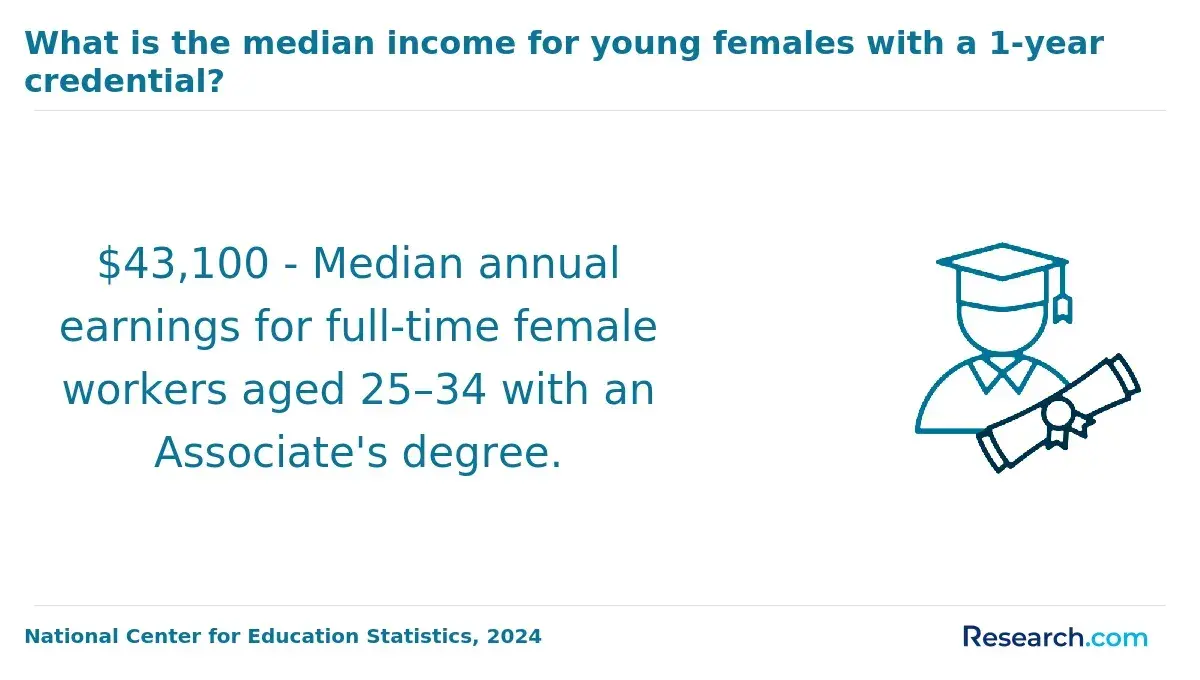
Bachelor's degrees dominate criminology education, representing roughly 70% of enrollments and completions according to 2024 data from the National Center for Education Statistics and IPEDS. This prevalence hinges on employer expectations that typically require a bachelor's as the foundational credential for most criminal justice positions, making it the central pathway for entry into law enforcement, social services, and related fields. The balance between program accessibility, cost, and comprehensive curriculum contributes to its appeal, while established transfer routes from associate programs reinforce its role as the primary educational milestone for those targeting practical career entry.
Associate degrees, though shorter and quicker routes into the workforce, constitute about 15% of enrollments and often serve as stepping stones rather than final credentials for many students. Their limited scope can restrict advancement opportunities in roles demanding higher qualifications. Conversely, master's programs, accounting for around 12% of completions, increasingly attract professionals aiming for specialization or leadership roles, supported by expanding online offerings that accommodate working adults. Doctoral programs remain niche, with roughly 3% enrollment, focusing on research and policy development but limited by their duration and selectivity, underscoring that highest-level criminology education serves specialized academic and advisory functions rather than broad workforce demands.
How Do Enrollment Trends Differ Between Associate, Bachelor's, Master's, and Doctoral Criminology Degrees?
Enrollment patterns in criminology degrees reflect distinct student motivations and workforce realities across associate, bachelor's, master's, and doctoral levels. Associate programs often attract those seeking rapid entry into frontline criminal justice roles or foundational knowledge before transferring, but completions have plateaued recently, indicating stable yet limited demand mostly at community colleges. In contrast, bachelor's programs dominate enrollment due to their role as the preferred credential for many law enforcement and social service positions; notably, bachelor's degree awards in criminology increased by 5% from 2022 to 2024, coinciding with narrowing gender gaps as female participation rises.
Master's degree programs in criminology experience faster annual growth-around 8%-as professionals seek to sharpen specialized analytical and policy expertise favored by urban and federal agencies. This expansion reveals regional nuances, with metropolitan centers driving advanced degree demand, which influences educational planning for those targeting more competitive career tracks. Doctoral studies remain small and steady, pursued mainly by older candidates with more experience aiming for academic or high-level policy roles, underscoring the limited availability of research positions and the need for careful consideration of long-term career objectives within the field.
Students weighing these pathways must consider how enrollment trends inform program selection and career timelines, recognizing that an associate's degree can provide quick workforce access while bachelor's credentials better align with broader occupational options. For those interested in specialized or leadership roles, master's or doctoral studies offer advanced skills but come with longer commitments and narrower employment prospects. Prospective students might also explore options such as a health information technology associate degree online for complementary workforce preparation in related public safety and health fields.
How Popular Is the Criminology Degree Compared to Other College Majors?
The modest enrollment numbers for criminology degrees, as reported by the National Center for Education Statistics in 2024, reflect a specialized rather than mass market appeal within undergraduate education. Producing around 15,000 to 20,000 bachelor's degrees annually, criminology lags behind more popular social sciences like business or psychology, which each exceed 50,000 graduations per year. This disparity suggests limited program scale and fewer peer cohorts, which can affect networking opportunities and access to diverse specialization tracks. Prospective students should weigh the tradeoff between a focused curriculum with targeted career paths and the broader institutional resources or reputation that come with higher-enrollment majors.
Graduate-level criminology and criminal justice programs show similarly niche demand, awarding roughly 3,000 to 5,000 master's degrees annually. The comparatively lower output relative to fields like law or public administration highlights the degree's particular appeal among students aiming for roles in law enforcement, corrections, or forensic science, rather than widely varied professional trajectories. Additionally, gender representation in criminology is notably balanced, with women comprising about 55% of enrollments, contrasting with STEM disciplines that remain male-dominated. Regional enrollment concentrations in urbanized areas with established law enforcement institutions further reflect how local labor market dynamics shape program demand and perceived relevance.
A former criminology graduate recalls initially being surprised by the relatively small class sizes compared to peers in business or psychology, which made group projects and classroom discussions more intimate but also raised concerns about long-term alumni networks. Academic advisors often framed the field's specialized scope as both a strength and a challenge, cautioning about the need for internships and additional credentials. This nuanced perspective helped the graduate appreciate that while criminology may not be the most popular major, its focused nature requires deliberate planning to maximize employability in a competitive job market.
Why Is the Criminology Degree More Popular in Certain States and Regions?
Variations in criminology degree popularity across states reflect complex interactions between local industry concentration, employer demand, and program accessibility. For example, California, Texas, and New York report consistently high enrollments, driven by their dense urban populations and large, diversified criminal justice sectors where agencies seek graduates with specialized skill sets. Regions with expanded educational offerings-particularly those providing flexible or online formats-enhance access for working adults or nontraditional students, shaping enrollment patterns beyond simple population metrics. This dynamic highlights the practical impact of educational availability on regional workforce readiness, influencing how students weigh program options and geographic mobility within the field of criminology degree popularity by state.
Economic and demographic factors further differentiate enrollment trends, as metropolitan areas experiencing growth in law enforcement or federal investigative roles signal stronger local job markets, encouraging pragmatic student decisions tied to regional workforce demand. Moreover, areas with younger, diverse populations often see heightened interest aligned with social impact motivations, while women-now over 60% of degree earners nationally-tend to cluster in states with progressive educational cultures and expanding opportunities in social justice and policy-related careers. State policies prioritizing criminal justice reform and public safety funding also affect enrollment surges, expanding career pathways in emerging roles such as victim advocacy and policy analysis. For those exploring contiguous or interdisciplinary credentials, understanding these regional factors is crucial; for instance, many students balance their criminology studies with concurrent programs, including the shortest PMHNP program, to diversify career prospects within related public service domains.
What Demographic Groups Are Driving Growth in Criminology Degree Programs?
Growth in criminology degree programs reflects shifting workforce demands and evolving student priorities rather than simple demographic changes. The sustained predominance of women, who account for about 65% of degree earners nationwide according to the National Center for Education Statistics, underscores criminology's alignment with professions emphasizing community engagement, victim advocacy, and social justice. Meanwhile, a modest rise in male enrollment at the associate degree level signals expanding opportunities in foundational criminal justice roles, where practical skills and credentials are increasingly necessary. These gender dynamics influence class composition and could shape peer networks and mentoring opportunities within programs, reflecting the profession's broader efforts toward gender diversification.
Adult learners aged 25 and older now make up a significant portion of criminology students, particularly through online education platforms, constituting nearly 40% of enrollments. This demographic shift is closely tied to the growing demand for flexible, accessible education pathways for working professionals seeking formal credentials in corrections, law enforcement, or security management. Regional enrollment increases, concentrated in urban and suburban centers across the South and West, mirror local labor market expansions in public safety and private security sectors. Such geographic concentration of students affects program offerings and specialization areas, influencing curriculum responsiveness to employer needs and shaping the long-term practicality of degrees earned in different locales.
Increasing racial and ethnic diversity, notably among Hispanic and Asian American students, not only marks demographic change but also introduces critical cultural competencies valued in community policing and policy roles requiring nuanced understanding of diverse populations. This growth pathway compels programs to enhance cultural sensitivity and inclusive pedagogies, which can improve the educational environment and better prepare graduates for increasingly complex criminal justice challenges. For prospective students and workforce planners, these enrollment trends highlight the importance of selecting programs that balance demographic realities, regional labor demands, and evolving curricular emphases tied to employability and social impact.
What Is the Future Outlook for Criminology Degree Enrollment by Gender, Region, and Degree Level?
Enrollment in criminology degree programs is increasingly shaped by distinct demographic and regional forces that will significantly influence available educational pathways and workforce readiness. Female students constitute about 60% of current bachelor's degree enrollments in criminology-related fields, a ratio expected to rise modestly, reflecting broader societal shifts that favor women in social sciences. However, graduate-level programs continue to attract a strong male presence, driven largely by specialized career trajectories in law enforcement and forensic science, which demand advanced technical skills and qualifications. This gender distribution suggests prospective students must weigh not only their academic interests but also the competitive contours of specific workforce sectors.
Regionally, the southern and western United States are emerging as focal points for criminology degree growth, attributable to factors like population expansion, institutional capacity increases, and labor market demand for criminal justice professionals. Urban schools with enhanced ties to criminal justice agencies offer graduate students unique research and internship advantages, increasing program appeal and practical employability. Meanwhile, the rise of online and hybrid learning formats is critical in accommodating part-time learners and working professionals, particularly at the master's degree level where employers emphasize advanced expertise in policy analysis, cybersecurity, and corrections management. Students must balance these modes' flexibility against potential tradeoffs in networking and immersive field experiences.
Doctoral enrollments remain steady but are vital for sustaining academic research and high-level policy development pipelines within criminology. These enrollment nuances signal that institutions and students alike face decisions shaped by shifting gender dynamics, regional economic landscapes, and evolving employer preferences for specialized, higher-degree qualifications. Understanding these factors is essential for navigating educational investments that align effectively with realistic career trajectories and institutional opportunities.
How Have Criminology Degree Enrollment Trends Changed Over the Past Decade?
Shifts in criminology degree enrollment in the United States over the past decade reveal important real-world dynamics affecting student decisions and workforce preparation. The approximately 30% increase in bachelor's degree completions between 2013 and 2023, despite steady overall higher education enrollment, underscores growing demand tied to expanding sectors like public safety, criminal justice reform, and cybersecurity fields. These trends have expanded enrollment opportunities but also introduced tradeoffs, as regional workforce needs and program availability vary, influencing where students choose to study and concentrate their expertise.
Gender patterns remain a consistent marker, with women earning around 60-65% of criminology degrees annually, reflecting broader social science enrollment dynamics but also signaling the field's appeal across diverse career pathways. This gender distribution impacts program design and recruitment strategies, while regional disparities further complicate the landscape. Growth in the Southern and Western states has outpaced that of the Northeast and Midwest, driven by demographic changes and specific labor demands such as border security and urban crime challenges. These regional patterns influence perceptions of degree relevance and guide students' geographic mobility and educational choices.
At advanced degree levels, growth is steadier but more modest, aligning with employer preferences for specialization in graduate education related to public policy and criminal justice research. Prospective students must carefully evaluate these enrollment trends in criminology degree enrollment trends in the United States over the past decade alongside local labor market realities. Understanding program availability, regional employment conditions, and diverse educational pathways remains crucial for aligning educational investments with sustainable career outcomes. For those comparing interdisciplinary opportunities, resources like which school is better snhu vs WGU can offer useful comparative insights.
Where Is the Criminology Degree Most Popular Across the United States?
Criminology degree popularity in the United States is concentrated in states and regions where urbanization, institutional presence, and workforce demands converge rather than being evenly spread across the country. Large metropolitan areas with established law enforcement networks and criminal justice agencies, coupled with a strong presence of public and private universities offering specialized programs, drive enrollment trends. This geographic clustering impacts student access to internships, networking, and practical experience, often making degrees from these regions more aligned with local employer expectations. Regions like the Midwest and Northeast typically see higher enrollments, reflecting both educational infrastructure and a demand for professionals in criminal justice sectors, which shapes regional workforce dynamics.
Differences in criminology degree attainment by region also reflect variations in degree level demand, with Northern universities attracting more graduate students due to prominent research institutions and professional training opportunities. These patterns influence the perceived value and employability of the degree, as proximity to urban justice systems offers stronger career pathways. Additionally, regional economic factors and public funding availability create disparities in program accessibility, affecting where students can realistically pursue criminology studies. Prospective students should weigh these factors alongside regional crime and employment rates when considering where to study and work in criminology, as these elements significantly affect long-term career prospects and practical training exposure.
For those evaluating alternative educational paths, exploring options such as fastest and easiest online MPH programs may be beneficial depending on career goals. Understanding regional enrollment trends and degree popularity by state in the United States gives context to how market forces, institutional density, and workforce demands intersect, providing a nuanced approach for current students, graduates, and professionals navigating the criminology field.
References
- Search Criminal Justice Schools by State https://www.criminaljusticeprograms.com/programs-by-state/
- Criminology Degree Entry Requirements https://universitycompare.com/advice/student/criminology-degree-entry-requirements
- Criminology degree entry requirements | Minimum entry grades https://www.whatuni.com/advice/clearing/entry-requirements-to-study-a-criminology-degree/92681/
- Explore Degrees And Colleges For Criminology https://www.criminaljusticedegreeschools.com/degrees/criminology-degree/
- College Degree Levels in Order | University of Phoenix https://www.phoenix.edu/articles/online-college/college-degree-levels-in-order.html
- Criminology Job Outlook https://www.criminology.com/criminology-job-outlook/
- The Smart City and Crime: Can the Criminology Degree Rehabilitated? - UPCEA https://upcea.edu/the-smart-city-and-crime-can-the-criminology-degree-rehabilitated/
- The Latest Bachelor’s Field of Study Trends https://encoura.org/resources/wake-up-call/the-latest-bachelors-field-of-study-trends
- Degrees of difference: Male college enrollment and completion https://aibm.org/research/male-college-enrollment-and-completion/
- The Recruitment Crisis in Policing: The Downstream Effect of Exceptional Declines in Criminal Justice Student Enrollment | International Journal of Police Science https://ijps-journal.org/index.php/ijps/article/view/9875
Other Things You Should Know About Criminology
While criminology programs often show noticeable gender imbalances, with women frequently outnumbering men, this factor alone should not dictate your choice. However, it's important to consider how gender ratios might impact classroom dynamics, networking opportunities, and mentorship availability, particularly in regions where one gender dominates. Prospective students should prioritize programs fostering inclusive environments and diverse faculty to ensure balanced perspectives and broader professional connections.
Yes, regional variations in criminology programs often reflect local crime priorities, legal frameworks, and law enforcement practices, which can shape both course content and applied learning opportunities. For example, studying in a region with a strong focus on community policing or restorative justice may offer unique internships and networking aligned with those approaches. Students should assess how regional program emphases align with their career goals, as transferable skills and employer expectations can differ significantly by location.
Higher degree levels typically require greater academic commitment but also open doors to specialized roles and leadership positions in criminology-related fields. Bachelor's degrees tend to prepare graduates for entry-level work more quickly, balancing workload with earlier workforce entry, while master's and doctoral programs demand extensive research and theoretical study, which can delay employment but improve long-term advancement prospects. For students needing immediate employment or with substantial outside responsibilities, prioritizing undergraduate study may be more pragmatic, whereas those aiming for policy, research, or academic roles should weigh the additional investment in graduate-level education carefully.
Employers often view diverse educational backgrounds as an asset, but heavily gender-skewed or regionally concentrated programs may create stereotypes about candidate experience or focus areas. For instance, employers in traditionally male-dominated law enforcement agencies might expect different professional traits than those in social justice-oriented nonprofit organizations where female graduates are more prevalent. Understanding these nuanced expectations can influence how graduates position their skills in the job market and guide students to select programs that align with their targeted employer profiles.