2027 Remote Work Report for Criminology Graduates: Flexible Roles, Pay, and Hiring Trends

Co-Founder and Chief Data Scientist
Many Criminology graduates find the remote job market confusing due to limited role transparency and varied employer expectations. Remote work can offer flexibility but often requires specialized skills beyond academic knowledge, such as data analysis or digital research methods. Recent reports indicate that only about 18% of remote job listings in criminal justice-related fields offer fully flexible arrangements, limiting options for graduates prioritizing remote careers. Understanding which roles align with remote work, realistic pay rates, and hiring patterns is essential to avoid missteps or underemployment. This article explores flexible roles, compensation benchmarks, and emerging hiring trends to guide Criminology graduates toward informed, practical decisions.
Key Points About Working Remotely for Criminology Graduates
- Remote criminology roles average $55,000 annually, reflecting entry to mid-level jobs mostly in research, data analysis, and consulting. This salary benchmark guides graduates' expectations and indicates limited senior-level remote opportunities.
- Available remote positions include crime data analysts, compliance officers, policy researchers, and digital forensics specialists. Law enforcement roles rarely allow remote work, restricting graduates' flexibility depending on their area of interest.
- Graduates should develop digital literacy, network in remote-adapted fields, and obtain specialized certifications. These steps address hiring delays and competition common in tech-driven sectors, improving chances in time-sensitive remote job markets.
- Key Points About Working Remotely for Criminology Graduates Key Points About Working Remotely for Criminology Graduates
- Are there remote work opportunities in the Criminology industry? Remote Opportunities
- Which Criminology niches offer remote roles? Which Criminology niches offer remote roles?
- What entry-level Criminology roles allow remote work? Entry-Level Roles
- What is the average salary of Criminology graduates who are working remotely? Average Salary
- Do remote Criminology jobs pay the same as on-site roles? Pay Comparison
- What benefits do remote Criminology employees receive? What benefits do remote Criminology employees receive?
- Where can Criminology graduates look for remote jobs? Where to Find Jobs
- What do Criminology employers look for in candidates? What do Criminology employers look for in candidates?
- How can Criminology graduates prepare for remote roles? Preparing for Remote Roles
- How can Criminology graduates if remote roles are a good fit for them? How can Criminology graduates if remote roles are a good fit for them?
Are there remote work opportunities in the Criminology industry?
Remote work opportunities in the Criminology industry remain limited for entry-level graduates, with only 20% of positions fully remote and 35% offering hybrid flexibility. This reflects the practical need for on-site presence in investigative and administrative roles. The majority of jobs, 45%, require employees to be fully on-site due to industry demands.
Regional compliance and organizational requirements deeply influence the availability of flexible arrangements. Some jurisdictions have strict rules mandating partial on-site attendance to ensure chain-of-custody integrity and real-time collaboration. A 2024 report found 60% of public safety and justice organizations still require new hires to work partially on-site, illustrating slow adoption of remote work in this sector.
For example, a recent criminology graduate working with digital evidence management software can perform asynchronous tasks remotely. However, routine fieldwork or interviews often demand in-person participation. Employers weigh these factors when defining job roles, affecting work-life balance and long-term career planning for new professionals.
Understanding these workplace dynamics helps graduates set realistic expectations and tailor job searches to positions offering genuine flexibility without compromising operational requirements.
Which Criminology niches offer remote roles?
Remote opportunities within Criminology primarily favor niches that rely heavily on digital data handling, analysis, and virtual communication. These fields lend themselves well to flexible remote or hybrid arrangements because their core functions can be accomplished asynchronously or with minimal physical presence. For example, a forensic data analyst might work from home reviewing digital evidence using cloud-based tools without needing regular lab access. However, roles requiring direct fieldwork or face-to-face interactions remain largely in-person. Below are key remote-friendly Criminology niches to consider for graduates exploring flexible remote roles in the US.
- Cybercrime Investigation: Focuses on identifying and analyzing cyber threats remotely using specialized software. This niche suits remote work since investigations center on virtual networks and digital footprints accessible from anywhere.
- Victim Advocacy: Involves supporting victims through telecommunication platforms, allowing advocates to provide emotional and legal assistance remotely across diverse locations.
- Criminal Justice Research: Entails data interpretation and report writing, typically independent tasks that require minimal onsite presence and can be completed in flexible environments.
- Forensic Data Analysis: Concentrates on examining digital fingerprints and evidence extraction with cloud-based tools, reducing dependence on physical labs and enabling remote workflows.
- Online Compliance Auditing: Includes reviewing regulatory documents and conducting virtual interviews to assess adherence, fitting well within hybrid or fully remote settings.
A 2024 labor study notes an 18.7% increase in remote job postings within cybercrime analysis and forensic data roles, signaling a structural shift toward remote work in these areas. Graduates must, however, balance strong digital literacy and self-discipline requirements since employers expect secure management of sensitive information and independent, complex problem-solving. Aligning career goals with these realities is essential for those considering remote Criminology niches.
Integrating knowledge of flexible remote roles for Criminology graduates can be critical when comparing paths. Some students might also explore hybrid professional degrees like online DNP FNP programs if they seek broader healthcare-related options in flexible education and employment settings.
What entry-level Criminology roles allow remote work?
The expansion of entry-level remote jobs for Criminology graduates reflects a significant shift in how foundational roles adapt to flexible remote work setups without compromising essential output. This shift has practical implications for graduates evaluating whether to pursue roles aligned with digital analysis and administrative support rather than in-person enforcement or services. For example, a recent graduate working remotely as a Crime Analyst might analyze regional crime data sets daily using ArcGIS software and produce reports for local law enforcement agencies. Such work is feasible remotely due to reliance on digital data and visualization tools rather than physical presence. Below are key entry-level remote roles currently accessible in Criminology, detailing their core functions and why they suit flexible remote work.
- Remote Crime Analyst: Requires proficiency in data analysis and GIS software like ArcGIS or Excel. This role focuses on compiling and interpreting crime statistics to produce visual crime maps. It suits remote work as it primarily involves data management and reporting rather than field activity.
- Virtual Victim Advocate: Involves providing confidential support through phone and secure communication platforms. Entry-level applicants must demonstrate strong case management skills and familiarity with software such as CaseWorthy. The role's communication-centric nature supports effective remote engagement.
- Digital Forensics Assistant: Supports evidence collection and validation using tools like EnCase and FTK. Candidates often work under supervision but collaborate remotely on digital investigations. Hands-on digital work enables remote functions while maintaining chain-of-custody protocols.
- Remote Compliance Coordinator: Requires auditing and ensuring legal compliance through platforms like Microsoft 365. The position demands attention to detail and familiarity with compliance tracking software, adapting well to remote oversight and document management.
- Online Research Assistant in Criminal Policy: Focuses on qualitative and quantitative research tasks using NVivo and Zotero. This role helps synthesize literature and background data crucial for policy development, tasks well suited for remote execution due to their research-intensive format.
Recent labor market analysis shows a 45% increase in remote postings for entry-level Criminology roles on specialized job boards, signaling broader acceptance of flexible remote work opportunities in Criminology careers. However, graduates should weigh that remote roles often delay vital fieldwork exposure critical for operational roles in law enforcement or direct victim services. Those seeking a blend of academic advancement and remote career paths may consider enrolling in recognized online PhD nursing programs that foster advanced research skills useful for remote investigative or policy roles.
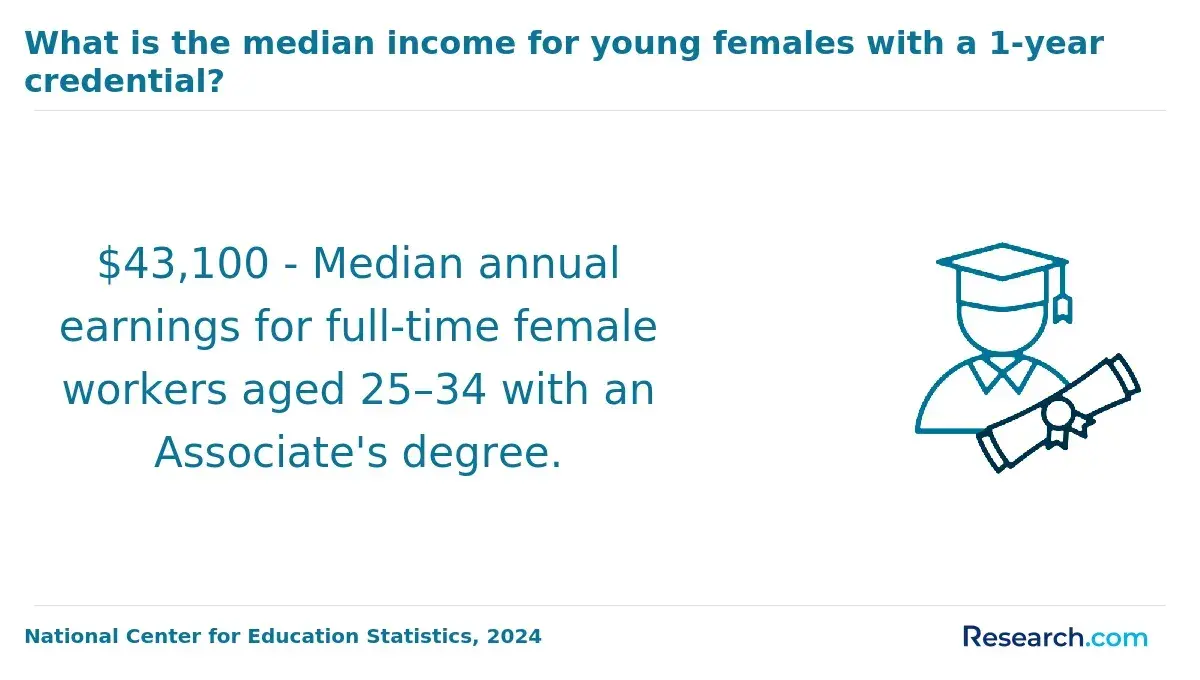
What is the average salary of Criminology graduates who are working remotely?
The average starting salary for Criminology graduates working remotely hovers between $42,000 and $55,000 annually. Entry-level remote roles, such as research analyst or case manager, tend to fall near a $48,500 median salary. This range reflects typical early-career compensation but offers limited upward flexibility for junior positions.
Earnings vary considerably based on technical skills or certifications required. Employers often value practical competencies like data management and remote communication, which directly influence starting pay. For example, a compliance officer with remote work skills might secure a salary at the higher end of the scale. These distinctions matter when comparing alternative remote roles within social science fields.
Compared with similar entry-level pay scales in related industries, remote Criminology salaries align closely with broader social science disciplines. A recent 2024 industry report found 65% of remote Criminology positions pay between $40,000 and $60,000, signaling a relatively narrow range for new graduates. This underscores a crucial tradeoff between salary and the flexibility that remote work provides.
Such insights help graduates weigh whether taking slightly lower pay in remote Criminology is worthwhile relative to traditional roles. Those considering advanced degrees or interdisciplinary paths, like an MBA in healthcare, may find different compensation dynamics influenced by industry demands and regional factors.
Do remote Criminology jobs pay the same as on-site roles?
Remote Criminology jobs generally offer 5% to 12% lower salaries compared to on-site roles. This pay gap reflects employer strategies that tie compensation to an employee's geographic location rather than a uniform national rate. For example, a graduate living in a lower-cost region might accept a smaller salary than someone in a metropolitan area with higher living expenses.
Many employers adjust remote salaries using localized pay bands. Companies in the criminal justice sector often reallocate budgets by reducing travel stipends while increasing home-office allowances. Such structural policies create varied compensation packages that depend heavily on where an employee works, complicating direct pay comparisons between remote and on-site positions.
A 2024 workforce study found 36% of organizations with remote Criminology roles have formal geographic pay structures. This indicates that while some firms seek rational pay adjustments, true salary parity remains rare. Graduates should consider these discrepancies alongside potential savings on commuting and personal expenses.
Choosing remote work in Criminology involves weighing immediate financial trade-offs. Lower base pay might impact long-term earnings and progression in agencies that value physical presence. Understanding these dynamics helps graduates make informed decisions aligned with their professional priorities and living situations.
What benefits do remote Criminology employees receive?
Remote Criminology employees experience a tailored blend of benefits designed to meet the challenges of off-site work while supporting professional growth and well-being. For example, a junior analyst working part-time from home can access dedicated stipends for technology upgrades, enabling a workspace that parallels in-office efficiency. Employers recognize that these benefits are crucial to sustain productivity and morale when physical supervision and camaraderie are limited. The following highlights the key benefits remote Criminology professionals typically receive and why these matters influence job satisfaction and operational success.
- Healthcare and Retirement Matching: Comprehensive healthcare plans remain a foundational benefit, ensuring remote workers have reliable coverage despite geographic dispersion. Retirement contribution matching provides long-term financial security, essential for retaining talent in entry-level and hybrid roles.
- Home Office Stipends: Companies often allocate funds averaging $1,200 annually to cover equipment, furniture, or technology expenses. This allowance directly impacts an employee's ability to maintain a professional-grade environment that supports focus and reduces ergonomic risks.
- Paid Time Off with Wellness Focus: Time off policies mirror onsite roles but frequently include additional mental health days or wellness allowances. These provisions acknowledge the unique stressors of remote work and promote sustained engagement.
- Professional Development Support: Coverage for certifications or continuing education relevant to Criminology ensures ongoing skill relevance despite distance from central offices. Employers investing here foster both individual growth and organizational capacity.
One remote Criminology professional shared that although the transition to remote work was initially daunting, the employer's timely provision of a technology stipend and mental health days made the difference. They explained, "It wasn't just about getting a better laptop; having access to ergonomic furniture meant I could focus longer without discomfort. Plus, the mental health days helped me manage isolation and stress, which can sneak up fast when you're out of the office." This blend of targeted benefits shaped their decision to continue remote work confidently, knowing the company backed their well-being and productivity.
Where can Criminology graduates look for remote jobs?
Securing remote roles in Criminology demands strategic use of curated platforms and professional networks rather than relying solely on public boards. For example, a recent graduate seeking a policy advising position remotely may find a niche marketplace more effective than general sites because these platforms vet listings, reducing time spent on low-quality leads. Recruitment agencies have reported a 34.7% higher success rate placing entry-level candidates through referral-based online communities compared to traditional job ads, underscoring the value of targeted networks. The following are key channels where Criminology graduates can efficiently identify legitimate remote opportunities.
- Indeed, Glassdoor, and LinkedIn: These general job boards aggregate numerous remote listings related to research, consulting, and compliance roles relevant to Criminology. Their broad reach allows graduates to access an extensive volume of entry-level positions, though the high competition means candidates must optimize applications to stand out.
- ClearanceJobs: This niche platform focuses on positions requiring security clearance, a credential often held by Criminology graduates targeting government roles. It filters listings to match clearance levels with candidate profiles, providing a streamlined route to remote jobs in sensitive agencies and law enforcement analysis.
- FlexJobs: FlexJobs screens and verifies remote and flexible opportunities, particularly in policy advising and victim advocacy sectors. Its curated process reduces exposure to scams and unverified postings, making it a reliable source for graduates prioritizing legitimate remote employment.
- American Society of Criminology Online Forums: Engaging in professional groups within this society's digital community connects graduates to contract roles and hidden listings. These forums rely on peer sharing and referrals, proving effective for flexible, project-based remote work often absent from traditional job boards.
What do Criminology employers look for in candidates?
Employers hiring remote Criminology candidates demand a blend of technical fluency, ethical judgment, and adaptability to digital workflows. Success in remote roles requires not only theoretical knowledge but practical skills demonstrably applied to secure, data-driven environments. For example, a remote analyst working on cybercrime cases must navigate complex databases and demonstrate sound ethical decision-making while collaborating virtually. Below are key qualifications that recruiters prioritize for remote Criminology jobs:
- Technical Proficiency: Candidates should show expertise in tools like SPSS or R for data analysis, and Geographic Information Systems (GIS) for crime mapping. Assessments often involve practical exercises testing manipulation of secure databases, a necessity to handle sensitive information remotely.
- Relevant Certifications: Credentials in cybersecurity basics or digital forensics highlight a candidate's readiness to manage digital evidence and prevent data breaches. Employers increasingly weigh these certifications when evaluating competencies in remote investigations.
- Critical Thinking and Ethical Judgment: Employers value nuanced decision-making skills evaluated through scenario-based assessments or portfolio reviews. These exercises simulate real-world dilemmas requiring sound ethics and practical problem-solving under uncertainty.
- Communication Skills for Virtual Collaboration: Effective remote work hinges on clear, concise digital communication. Candidates often undergo interviews emphasizing situational responses to virtual teamwork challenges.
- Digital Fluency Testing: Reflecting a broader trend where 68.5% of remote-first roles mandate such tests, criminology employers now prioritize candidates who demonstrate seamless adaptation to technology-driven workflows.
Graduates aiming for remote Criminology roles must cultivate these core attributes to remain competitive. Additionally, exploring accelerated pathways like exercise science degrees online can offer valuable interdisciplinary skills enhancing their employability in flexible, tech-focused environments.
How can Criminology graduates prepare for remote roles?
Criminology graduates preparing for remote roles must actively develop targeted skills that meet employer expectations in a flexible work setting. Success depends on bridging academic knowledge with practical digital competencies and self-directed project work. For instance, a graduate working remotely on a cybercrime analysis project must independently navigate specialized software while ensuring data confidentiality. Below are key strategies to enhance readiness for these roles.
- Digital Literacy Enhancement: Developing proficiency in data analysis tools, case management databases, and secure communication platforms is essential. Graduates should seek hands-on experience with industry-standard software to mirror real-world demands of remote criminology work.
- Certification and Specialized Training: Enrolling in targeted programs such as forensic data analysis or cybercrime bootcamps sharpens practical skills beyond theoretical study. These credentials validate a commitment to remote work competencies and increase competitiveness.
- Reliable Technology Setup: Investing in a secure, dedicated workstation with encrypted software and noise-cancelling hardware is critical. This ensures productivity and protects sensitive information crucial in criminology roles that handle confidential case data.
- Portfolio Development: Building a collection of independent projects like virtual case studies and remote data collection exercises provides concrete evidence of self-motivation and the ability to deliver results without direct supervision.
- Career Alignment Assessment: Graduates must evaluate their aptitude for remote work challenges such as asynchronous communication and self-discipline before committing fully to such roles.
Remote-readiness training shows a significant impact, with data revealing 67% of graduates who completed such preparation landed jobs within six months. This underscores the value of integrating practical digital skill development and verifiable project outcomes when preparing for flexible criminology positions. A growing number of graduates also explore pathways like CAHIIM accredited health information management degree online to complement their expertise with related remote-compatible qualifications. Such strategic preparation maximizes employability in an increasingly digital and adaptive workforce.
How can Criminology graduates if remote roles are a good fit for them?
Evaluating remote work opportunities in Criminology demands deliberate consideration of each graduate's strengths and career priorities. For example, a data analyst recently transitioned to remote work and found success by leveraging strong digital communication and self-management skills while minimizing field engagement. To decide if remote roles align with their profile, Criminology graduates should assess the following key criteria that influence long-term fit and job satisfaction.
- Self-Discipline and Independence: Remote roles require managing sensitive tasks without direct supervision. Graduates must honestly evaluate their ability to stay focused and organized when working alone, as lapses can compromise data integrity and deadlines.
- Communication Skills: Clear, timely digital communication is vital for coordinating with agencies, researchers, and legal teams. Graduates should consider their comfort with remote correspondence and ability to translate complex information without face-to-face cues.
- Comfort with Limited Fieldwork: Many remote positions focus on analysis and policy rather than hands-on investigation. Graduates valuing in-person community engagement should weigh if a desk-based role fits their professional fulfillment.
- Technological Proficiency: Success depends on familiarity with secure platforms, specialized databases, and data visualization tools. Graduates must honestly assess their tech skills or willingness to upskill in these areas.
- Social Needs and Motivation: Remote work can reduce informal peer interaction. Graduates sensitive to isolation should consider how lack of immediate team support might affect motivation and knowledge sharing.
- Work-Life Boundaries: Flexible hours offer balance opportunities but also blur lines between work and personal life. Graduates should evaluate their ability to set clear boundaries to prevent burnout.
- Industry Hiring Trends and Turnover: Approximately 27.4% of remote criminology roles have higher turnover due to limited advancement and engagement issues. Graduates should research employer stability and growth pathways to avoid frequent job disruptions.
One Criminology graduate recalled hesitating to accept a fully remote analyst role because she valued direct field experience. After reviewing the job's emphasis on data-driven policy work and weighing her strong independent work habits, she agreed to try it. Over months, she realized the remote environment suited her preference for focused research without commuting stress. This process gave her a pragmatic lens for assessing future opportunities beyond initial doubts.
References
- Criminology Degree Requirements | BA in Criminology | Carlow Online https://online.carlow.edu/programs/bachelors-criminology/courses/
- Most Popular Online Criminology Degrees https://www.onlineu.com/degrees/criminology
- Online Criminology Degree - B.A. in Criminology https://online.ben.edu/programs/undergraduate/criminology-bachelors/
- Criminology Online - Saint Mary-of-the-Woods College https://www.smwc.edu/departments/social-behavioral-sciences/criminology-online/
- Paving the Way for a Bright Future: 8 Benefits of an Online Criminal Justice Degree https://www.calcoast.edu/news/paving-the-way-for-a-bright-future-6-benefits-of-an-online-criminal-justice-degree
- Quiz: Which Criminology course should I study? https://www.murdoch.edu.au/news/blogs/blog-posts/campus-and-community/which-criminology-course-are-you
- Most Affordable Online Criminal Justice Degrees https://www.affordablecollegesonline.org/degrees/criminal-justice-programs/
- Criminal Justice & Criminology https://icieducation.com/courses/law-justice/criminal-justice-criminology/
- Criminology degree entry requirements | Minimum entry grades https://www.whatuni.com/advice/clearing/entry-requirements-to-study-a-criminology-degree/92681/
- Should I study criminology? https://learn.rumie.org/jR/bytes/should-i-study-criminology/
Other Things You Should Know About Criminology
While foundational technical competence is expected, remote Criminology roles often demand higher proficiency with specialized software for data analysis, case management, or digital communication platforms. Candidates lacking these skills may face steeper learning curves and reduced productivity, which can hinder their ability to meet employer expectations. Prioritizing the development of these technical abilities before applying can significantly improve job performance and career progression in remote settings.
Remote work limits spontaneous interactions typical in on-site environments, making sustained collaboration more dependent on structured communication and self-discipline. Criminology graduates must adapt to asynchronous workflows and actively engage in virtual meetings to maintain team cohesion. This requires clear prioritization of communication skills and time management to avoid misunderstandings that could affect case outcomes or research integrity.
Remote Criminology positions can blur boundaries between work and personal life, leading to potential overwork due to easy access to work materials outside traditional hours. Graduates should evaluate whether their home environment supports setting firm work boundaries and whether they can self-regulate effectively to prevent burnout. Candidates with limited experience in remote time management should consider roles with structured scheduling to mitigate these risks.
Public agencies often offer remote positions with stable funding and structured career paths, but may come with rigid protocols and slower decision-making processes. Private consultancies provide greater flexibility and faster career advancement opportunities but expect higher adaptability and entrepreneurial initiative. Graduates aiming for sustained growth should weigh their tolerance for organizational structure versus agility, as this affects professional development and long-term employability in remote Criminology roles.