2027 Criminology Career Outcomes by Degree Level Report: Pay, Employment, and Advancement Patterns

Co-Founder and Chief Data Scientist
Key Things to Know About Criminology Career Outcomes by Degree Level
- Bachelor's degrees dominate hiring preferences for entry-level criminal justice roles, reflecting workforce demand for foundational analytical skills; this narrows job-market access for associate-level holders despite lower initial costs.
- Master's and doctoral graduates access specialized advancement, but research shows a 2024 dataset link between overqualification and stagnant mid-career promotion rates, indicating employer skepticism about excessive credentialing without field experience.
- Certificates improve targeted skills quickly but yield limited long-term pay gains compared to degrees; this timing and cost tradeoff suits working adults prioritizing immediate practical return over broad career mobility.
- Key Things to Know About Criminology Career Outcomes by Degree Level Key Things to Know About Criminology Career Outcomes by Degree Level
- What Career Outcomes Can Students Expect From Each Criminology Degree Level? Career Outcomes by Degree
- How Much Do Criminology Graduates Earn by Degree Level? Salary by Degree Level
- Which Criminology Degree Level Offers the Strongest Employment Prospects? Best Degrees for Employment
- What Entry-Level Jobs Can You Get With a Criminology Degree? Entry-Level Career Opportunities
- How Do Criminology Degree Levels Affect Career Advancement and Promotion Opportunities? Career Growth by Degree
- Is a Criminology Degree Worth It Based on Salary, Employment, and ROI? Salary, ROI, and Value
- How Do Associate, Bachelor's, Master's, and Doctoral Criminology Degrees Compare? Comparing Degree Levels
- Which Industries and Employers Hire Criminology Graduates by Degree Level? Which Industries and Employers Hire Criminology Graduates by Degree Level?
- What Skills, Credentials, and Experience Improve Criminology Career Outcomes? What Skills, Credentials, and Experience Improve Criminology Career Outcomes?
- Which Criminology Degree Level Is Best for Your Career Goals? Choosing the Right Degree
What Career Outcomes Can Students Expect From Each Criminology Degree Level?
Employment access and advancement in criminology hinge heavily on degree level, with each credential presenting distinct tradeoffs in specialization, leadership readiness, and career mobility. For adult learners or working professionals, an associate or certificate often means quicker entry into practical roles like correctional officers or security analysts, but limited prospects for supervisory positions; such roles typically rely more on relevant experience and on-the-job training than formal credentials. By contrast, bachelor's degree holders gain broader eligibility for policing, probation, and analytical positions, meeting common hiring standards that enhance upward mobility, a situation supported by U.S. Bureau of Labor Statistics data showing markedly higher employment rates for these graduates. These differences highlight a critical decision point for transfer students weighing the immediate utility of shorter programs against the longer-term benefits of academic progression and specialization.
Master's degrees in criminology or criminal justice serve as a gateway to management, policy development, and specialized investigative careers that demand advanced analytical and strategic competencies. Employers increasingly expect these qualifications for leadership roles, especially within federal and state agencies, making master's credentials valuable for those pursuing sustained advancement rather than initial employment. Doctoral graduates, while fewer in number, secure distinct advantages in research, academia, and systemic reform consulting, though the scarcity of roles requiring this level means candidates must build strong publication records and niche expertise to capitalize on the highest earning potentials. Balancing degree investment with career goals is crucial; for those interested, exploring the cheapest online DNP program can offer pathways in related fields with potential crossover benefits.
How Much Do Criminology Graduates Earn by Degree Level?
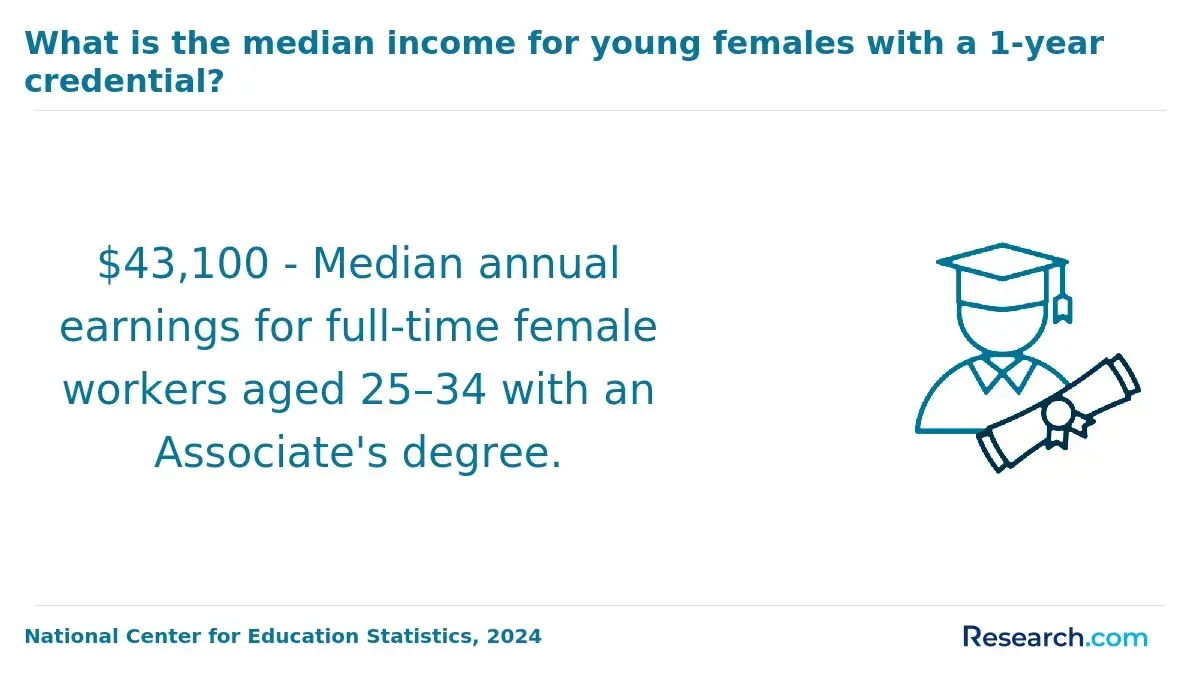
Earnings for criminology graduates vary notably depending on degree level, but the decision to pursue higher credentials involves complex tradeoffs beyond salary alone. Associate degrees often lead to entry-level roles such as correctional officers, offering annual wages around $35,000 to $45,000 but with limited upward mobility unless supplemented with additional credentials. Bachelor's degree holders typically qualify for more specialized positions like probation officers or crime analysts, with median pay ranging from $55,000 to $65,000, although regional demand and employer requirements for certifications can influence actual starting salaries and stability. Advancing to a master's degree opens doors to supervisory and policy-focused roles where median salaries rise to about $70,000 to $85,000, yet students must weigh the extra time and financial costs against slower career progression timelines, especially since relevant work experience and niche expertise often determine who benefits most at this level.
Doctoral degrees usually lead to academic, research, or high-level federal positions, with compensation commonly exceeding $90,000, but these roles suit those prioritizing long-term flexibility over immediate earnings due to extended training periods and fewer direct practitioner opportunities. For many working adults or military-affiliated students, transfer credits and program duration are significant factors that can make associate or bachelor's pathways more practical, particularly when employment stability and local labor market needs are considered. These realities highlight how salary data must be contextualized with job availability, credential relevance, and professional advancement obstacles unique to the criminology workforce, especially when balancing upfront costs with realistic career outcomes.
One graduate initially aimed for a master's degree after earning a bachelor's but hesitated upon reviewing local job postings emphasizing experience and state certification over advanced degrees. Conversations with employers revealed preference for candidates with practical probation or law enforcement backgrounds and relevant licenses. This student ultimately chose to enter the field with a bachelor's while pursuing certification part-time, finding the immediate earning potential and stable employment outweighed the delayed benefits of graduate school. Their experience underscores how wage benchmarks intersect with employer expectations and personal circumstances to shape education decisions in criminology careers.
Which Criminology Degree Level Offers the Strongest Employment Prospects?
In criminology, a bachelor's degree generally offers the most balanced pathway between timely workforce entry and sustainable career progression. Employers commonly require at least this level due to the complex analytical and legal knowledge necessary for many roles, such as forensic technicians and entry-level investigators. For example, data from the U.S. Bureau of Labor Statistics and the College Scorecard in 2024 show about 75% of bachelor's graduates secure relevant employment within a year, highlighting the degree's practical value. In contrast, associate degrees or certificates may enable faster employment but often restrict advancement and result in lower median wages, particularly as many jurisdictions emphasize bachelor's-level qualifications for licensure and specialized assignments.
Graduate degrees-master's and doctoral-can unlock advanced research, policy, and leadership opportunities but demand significant time and financial investment, with no guaranteed immediate pay boost unless combined with meaningful experience. Wage premiums for master's holders over bachelor's graduates typically range from 15% to 25%, yet the labor market is more competitive and saturated at these levels. Regional labor demands also influence credential utility; some states prioritize associate-level qualifications for local law enforcement, while others heavily weight higher degrees for specialized forensic or cybercrime roles. This variability suggests students weigh the trade-offs between earlier employment through lower credentials and investing longer-term in graduate studies aligned with precise career ambitions and local labor conditions.
What Entry-Level Jobs Can You Get With a Criminology Degree?
Entry-level criminology jobs in the United States differ significantly based on degree level, with an associate degree typically restricting candidates to roles like correctional officer or security analyst, which emphasize operational tasks over strategic responsibilities. Bachelor's degree holders, in contrast, gain access to positions such as probation officer or crime analyst that demand stronger investigative skills and supervisory potential, reflecting a clear divide in employer expectations. Practical experience is crucial; about 60% of job listings surveyed by the National Criminal Justice Association in 2024 highlight internships or practicum as prerequisites, underscoring the premium placed on applied skills and certifications like the Certified Protection Professional (CPP) in competitive markets.
These employment variations shape both immediate stability and long-term mobility in criminology degree careers for recent graduates. Urban centers typically offer more entry points in law enforcement and research roles, while rural locations may offer fewer but less contested opportunities, often with more flexible credential requirements. Remote work remains limited, mostly found in data analysis or research assistance, encouraging students to evaluate how geographic preference aligns with skill-building needs. Prospective students weighing associate against bachelor's pathways should consider how initial job roles may either limit advancement without further certification or serve as stepping stones toward graduate study or roles with greater authority. For those looking to blend continued education with workforce entry, exploring online RN programs demonstrates the kind of specialized, flexible options increasingly valued by employers emphasizing interdisciplinary skills.
How Do Criminology Degree Levels Affect Career Advancement and Promotion Opportunities?
Criminology degree levels directly influence access to supervisory roles and specialized positions, as many employers prioritize advanced credentials for leadership and policy-driven functions. Data from the U.S. Bureau of Labor Statistics in 2024 shows that those holding master's or higher degrees secure promotions more rapidly-often within three to five years-compared to bachelor's degree holders who face slower advancement. However, this advantage is nuanced; candidates with substantial work experience and relevant certifications sometimes compete effectively against higher-degree holders, especially when practical skills align with employer demands. For transfer students and adult learners, pursuing graduate education part-time can facilitate upward mobility without sacrificing current employment, but the timing and cost of additional degrees should be carefully weighed against potential promotion timelines and role eligibility.
Entry-level criminology professionals typically need at least a bachelor's degree, but advancing beyond mid-career often hinges on acquiring specialized credentials, such as forensic certifications or supervisory management training, which employers increasingly require for promotional consideration. This dynamic means that while an associate degree may suffice for some technical roles, it rarely offers a fast track to leadership. Furthermore, employers tend to integrate formal credential validation into their promotion pathways, making continuing education a significant factor in career progression within criminology fields. Those balancing prior college credits or military experience must also assess if their existing qualifications align with employer expectations or if further study is necessary to remain competitive.
One criminology graduate recounted hesitating about pursuing a master's after years in entry-level roles. They observed that while their bachelor's degree secured steady employment, supervisory openings explicitly demanded advanced degrees or certifications. After consulting mentors and reviewing internal promotion records, the individual decided to enroll part-time in a graduate program to avoid career stagnation, reflecting cautious optimism that the investment would soon translate into greater responsibility and salary growth.
Is a Criminology Degree Worth It Based on Salary, Employment, and ROI?
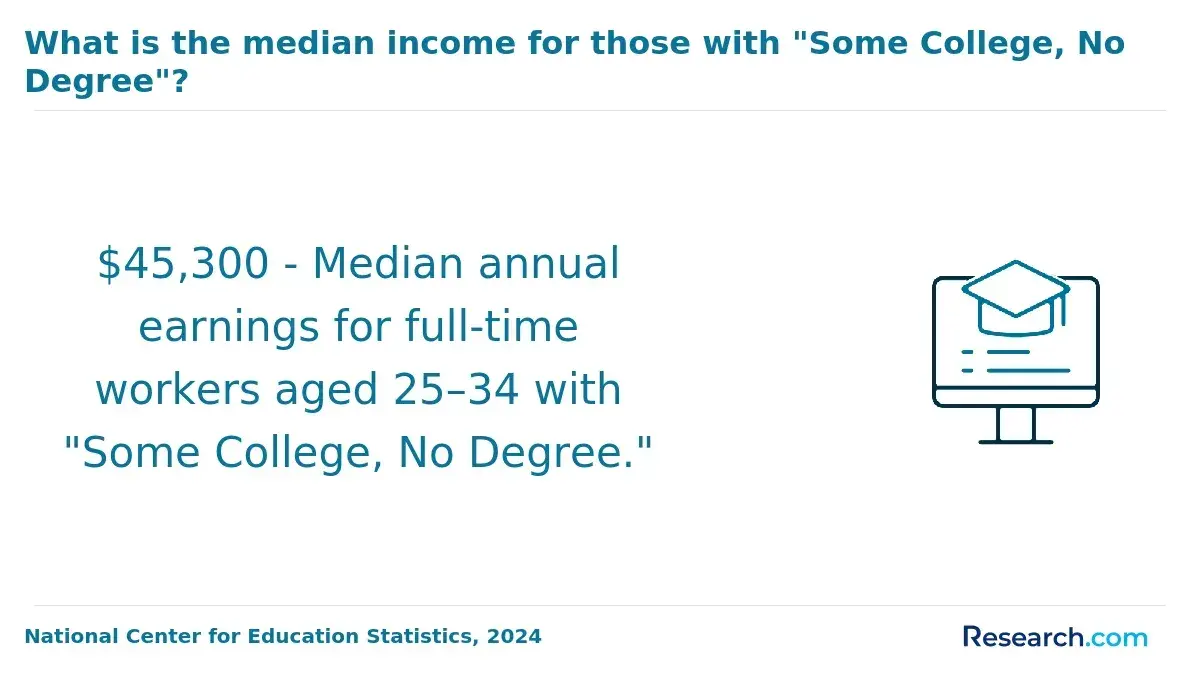
A criminology degree's value is closely tied to the educational level attained, time investment, and regional job markets rather than being inherently advantageous across all scenarios. For example, a bachelor's degree holder entering urban law enforcement may find moderate salary gains and steadier employment prospects but will likely face slower advancement without additional certifications or practical experience. Advanced degrees often open doors to specialized research or policy roles with higher pay, yet these require considerable additional time and financial commitment that must be weighed against opportunity costs, such as years out of the workforce or lost income during extended study periods. Working adults and military-affiliated students especially need to consider part-time enrollment impacts on time to completion and whether employer reimbursement or financial aid options make further education financially feasible.
In terms of criminology degree salary and employment outlook, job growth projections are positive but vary by geography and specialization, reflecting shifts in criminal justice infrastructure and local government funding. Underemployment risks persist for graduates without applied skills or licensure needed by many agencies, especially in rural or less populated areas. Those who integrate analytical or forensic skills into their credentials can significantly enhance career mobility and job security. The return on investment for criminology graduates also depends on balancing program costs and debt levels against realistic salary trajectories and labor market demand in their target fields. Prospective students may find comparison with related fields or programs beneficial, and exploring options such as medical assistant classes online can illustrate how specialized training paths affect employment outcomes differently.
How Do Associate, Bachelor's, Master's, and Doctoral Criminology Degrees Compare?
Opting for an associate degree in criminology typically positions graduates for entry-level roles like correctional officers or security analysts, but limited advancement and modest salaries often accompany these pathways. Transferability of credits to a bachelor's program is a critical consideration for those aiming to avoid dead-end jobs, as about 65% of associate degree holders find employment within a year yet may face challenges progressing without further study. In contrast, a bachelor's degree opens broader access to positions requiring specialist knowledge or supervisory responsibilities, often mandated by employers and regulatory bodies. However, prospective students should weigh the variability in bachelor's program outcomes, including factors like institutional selectivity and potential student debt burdens, which directly affect long-term career and financial stability.
Master's degrees deepen specialization in areas such as forensic psychology or policy analysis and correlate with enhanced job stability and leadership access, especially when combined with relevant work experience. Nonetheless, many roles do not expressly require a master's, making the return on investment depend heavily on individual career goals and the value placed on advanced credentials versus practical experience. Doctoral programs, meanwhile, primarily serve those pursuing academic, research, or high-level policy positions, with the payoff manifesting in higher earning potential and influential roles in federal agencies or academia. The extended time and financial commitment required for doctoral study, however, often restrict their utility to a niche professional subset, and leadership or licensing requirements tend to be shaped more by reputation and scholarly output than formal credentialing alone.
Which Industries and Employers Hire Criminology Graduates by Degree Level?
Employers across criminology-related fields distinctly calibrate hiring and advancement criteria based on degree level, reflecting concrete operational needs and regulatory frameworks. Associate degree holders typically occupy support roles within law enforcement, corrections, or private security, where hands-on operational tasks dominate and managerial scope is limited. By contrast, bachelor's degree graduates gain preferential access to federal agencies, social services, and nonprofit organizations for roles requiring investigative support and compliance oversight-industries where approximately 65% of entry-level job listings call explicitly for a bachelor's credential, underscoring its market baseline value.
Advancing to a master's degree often opens doors to specialized analytical or supervisory positions in government research, intelligence, and policy think tanks, where deeper research acumen and leadership capacity are prerequisites. This stage commonly entails internships or relevant field experience, emphasizing that academic credentials alone may be insufficient without practical application. Doctoral graduates, meanwhile, are frequently funneled into academic, high-level policy development, or forensic research roles within federal or large institutional settings, where independent scholarly leadership is prized. Certificate programs serve as tactical qualifications for niche roles like cybercrime investigation or victim advocacy, often providing expedited workforce entry without the extended commitment of traditional degrees.
These patterns reveal meaningful tradeoffs: stopping at an associate degree may expedite employment in certain sectors but restrict upward mobility and salary growth, whereas pursuing graduate education generally enhances strategic roles and earning potential but delays labor market entry and demands integration of experience with credentialing. Employer emphasis on licensure, technical skill portfolios, and applied fieldwork differentiates candidate screening, illustrating that education level intersects critically with practical experience in criminology career trajectories.
What Skills, Credentials, and Experience Improve Criminology Career Outcomes?
Employers in criminology increasingly expect candidates to blend academic knowledge with applied skills, especially at associate and bachelor's degree levels where critical thinking, data analysis, and communication are baseline requirements. Internships and field placements serve as pivotal differentiators by providing practical exposure essential for meeting entry-level job readiness and improving employability-a reality that working professionals or transfer students must weigh when balancing prior credits with new experiential requirements. Certifications such as the Certified Crime Analyst credential can boost access to employment and signal readiness for specialized roles, although their value varies depending on whether one leverages them alongside formal degrees or primarily as stand-alone credentials within criminology experience and certification requirements for employment.
Graduate-level criminology pathways demand advanced research capabilities, leadership experience, and curated portfolios that focus on policy analysis or case studies, directly aligning with employer expectations for supervisory and analytical positions. This combination fosters promotion readiness and career mobility, but pursuing such credentials involves tradeoffs in time and practical relevance, especially for military-affiliated students or adult learners integrating prior discipline skills. Soft skills like teamwork and ethical judgment, paired with technological proficiency in crime data systems and GIS, further enhance advancement potential. Those evaluating this continuum should also consider how stacking credentials with applied learning shapes outcomes, a strategy particularly relevant to adult learners and those assessing the practical advantage of moving from one credential level to another within criminology career skills and credentials for advancement. For comparative education planning in adjacent fields, exploring the best 5 year speech pathology programs offers insights into accelerated pathways balancing rigorous curricula with employment outcomes.
Which Criminology Degree Level Is Best for Your Career Goals?
Selecting the appropriate criminology degree level critically shapes employment access and career growth, particularly given employer demand for credential depth and role specialization. For individuals seeking swift entry into correctional or community-based roles, an associate degree may suffice but typically limits advancement and salary growth; about 65% of graduates secure employment within a year, a notably lower rate than for bachelor's holders. In contrast, bachelor's degrees enable access to a broader range of mid-tier positions like probation officer or crime scene investigator and improve prospects for promotion-data indicates employed bachelor's degree holders have a 1.3 times higher chance of promotion within five years compared to associate degree holders. This degree also supports strategic credit transfers and bridges to graduate study, critical for workers aiming to expand their qualifications without restarting academic progress.
Graduate criminology degrees target specialized or leadership roles that frequently require advanced certification or research capacities found in federal or policy-driven agencies, with recipients enjoying a 15% higher median employment rate in these niches. However, the significant increase in student debt-rising 40-60% from bachelor's to graduate studies-introduces long-term financial considerations, especially for working adults balancing education with income needs. Importantly, those pursuing advanced credentials must evaluate the opportunity cost and employer expectations for leadership or specialized licensure, as some roles demand these qualifications for career mobility. This pragmatic calculus also applies to transfer students or military-affiliated learners who must weigh acceleration against the depth of preparation.
Deciding the best criminology degree for employment and salary growth involves assessing immediate job market needs alongside longer-term specialization and advancement prospects. Adult learners and career switchers should consider how degree level influences pathway flexibility and workforce reentry speed, keeping in mind that more advanced degrees often align with increased research and teaching opportunities not readily accessible through lower-tier credentials. For those interested in related interdisciplinary fields, exploring types of therapy degrees can reveal complementary skill sets that enhance career adaptability within criminal justice and allied sectors.
References
- 13 careers in criminology for graduates - SEEK https://au.seek.com/career-advice/article/top-criminology-degree-jobs
- Criminal Justice vs Criminology | University of Phoenix https://www.phoenix.edu/articles/criminal-justice/criminal-justice-vs-criminology.html
- What can you do with a criminology degree? https://www.whatuni.com/advice/career-advice/8-jobs-you-can-do-with-a-criminology-degree/76813/
- Explore Degrees And Colleges For Criminology https://www.criminaljusticedegreeschools.com/degrees/criminology-degree/
- Return on Investment for a College Degree in Criminal Justice ROI or a College Degree in Criminal Justice https://www.criminaljusticeprograms.com/articles/return-on-investment-for-a-college-degree-in-criminal-justice/
- Should I Earn an Associate or Bachelor's in Criminal Justice? https://www.allcriminaljusticeschools.com/blog/associate-vs-bachelors-in-criminal-justice/
- Is College Worth it? | Return on Investment Analysis of College Degree https://educationdata.org/college-degree-roi
- What Can You Do With a Criminology and Justice Studies Degree? https://www.callutheran.edu/programs/articles/what-can-you-do-with-criminology-degree/
- Criminology. Degree — Salary, Debt & ROI | Is It Worth It? | CollegeValueRanked https://collegevalueranked.com/major/criminology
Other Things You Should Know About Criminology
Higher criminology degrees typically demand longer periods of study and greater academic commitment, which can delay workforce entry and reduce immediate earnings. For many working adults, choosing a bachelor's degree might offer the best balance between a manageable time frame and access to relevant jobs. Master's and doctoral programs often require full-time dedication or intense part-time effort, potentially limiting work hours and income during study. Prioritizing degree levels that align with your current life and financial situation is crucial since extended education can constrain career flexibility in the short term.
Bachelor's programs generally emphasize applied skills and direct field exposure, which employers value for many entry and mid-level roles in criminology. In contrast, master's and doctoral degrees usually focus on research, theory, and policy analysis, which benefit careers involving advanced analysis or academic pursuits. If your goal is to enter law enforcement or community-based roles quickly, a bachelor's with internships may be more practical. However, those seeking specialist or research positions must weigh the reduced practical training in higher degrees against the deeper theoretical understanding gained.
Employers in criminal justice, social services, and public safety often distinguish between degree levels with clear salary, responsibility, and advancement thresholds. Some agencies require a master's for supervisory or analytical roles, while others prioritize bachelor's degrees paired with relevant certifications or experience. When advancing within organizations that value formal credentials, investing in higher degrees can pay off, but in sectors focused on operational skills, practical experience may carry more weight. Prospective students should investigate typical degree requirements within their targeted employers to avoid over- or under-educating for their intended roles.
Graduate-level criminology programs often introduce substantial research projects, thesis requirements, and advanced coursework that intensify workload beyond undergraduate studies. Balancing these demands with employment or family responsibilities can be challenging and may extend completion times. Students should evaluate their capacity for sustained academic rigor and consider programs with flexible scheduling or part-time options if maintaining work-life balance is a priority. For many, the increased workload of master's and doctoral studies means accepting slower career progress temporarily but with potential long-term gains.