2027 Cheapest and Shortest Online Sports Management Degree Programs That Pay Well: Cost, Duration, and Salary Outlook

Co-Founder and Chief Data Scientist
Choosing an online sports management degree usually comes down to three practical questions: Can you afford it, can you finish it quickly, and will it help you move into a better role in sports, events, marketing, athletics administration, or facility operations? The answer depends less on the program’s advertising and more on total cost, accreditation, transfer credit, course pace, internship access, and career support.
Demand for flexible education is clear: online education enrollment has grown by over 20%, and many students now expect programs that fit around work and family responsibilities. At the same time, sports management remains a competitive field where experience, networking, and applied business skills matter as much as the diploma itself.
This guide explains how to evaluate the cheapest and shortest online sports management degree options without sacrificing legitimacy. You will learn what affordable programs typically cost, how financial aid works, what accelerated formats look like, which skills employers value, and how to compare programs based on real career value. Sports management graduates can see median earnings near $70,000 annually, but outcomes vary by role, location, experience, and the strength of the program’s industry connections.
Key Benefits of the Cheapest and Shortest Online Sports Management Degree Programs That Pay Well
- Lower tuition costs in cheap online sports management programs reduce student debt, with average savings of up to 40% compared to traditional on-campus degrees.
- Accelerated programs allow completion in as few as 12 months, supporting quicker entry into the workforce amid growing demand for sports industry professionals.
- Graduates often earn competitive salaries, with median annual wages around $75,000, reflecting a strong return on investment for affordable online sports management degrees.
How Much Does an Affordable Online Sports Management Degree Typically Cost?
An affordable online sports management degree is usually priced by credit hour, so the fastest way to estimate cost is to multiply tuition per credit by the number of credits required, then add mandatory fees. Online tuition rates are often 10-30% lower than traditional on-campus programs because students usually do not pay for housing, commuting, and some campus-based costs. However, the cheapest advertised tuition is not always the lowest total price.
When comparing programs, look beyond the headline rate and calculate the full degree cost:
- Tuition per credit: Many affordable online sports management programs charge between $200 and $300 per credit hour. Confirm whether that rate applies to all students or only in-state students.
- Total program length: A typical bachelor’s degree in sports management requires about 120 credits and usually takes around four years of full-time study. Transfer credits, prior learning credit, and accelerated terms can shorten that timeline.
- Total tuition cost: Based on common affordable tuition ranges, total tuition often falls between $10,000 and $25,000. This estimate can change significantly if you transfer credits or pay a higher out-of-state rate.
- Additional fees: Technology fees, course materials, assessment charges, and online proctoring can add roughly $500 to $1,500 over the duration of the program. Ask for a written fee schedule before enrolling.
- Online versus campus cost: Because online tuition is generally 10-30% lower than on-campus alternatives, online study can be a strong option for students who need to control costs while continuing to work.
The best value is not simply the lowest tuition. A program that accepts more transfer credits, offers strong advising, and helps students complete on time may cost less in the long run than a cheaper program with weak support or limited course availability.
Students comparing accelerated and cost-effective degree pathways in other fields may also find useful context in this guide to online DNP programs.
Can You Get Financial Aid in the Cheapest Online Sports Management Programs?
Yes. Students in the cheapest online sports management programs may qualify for financial aid if the school and program meet eligibility requirements. Nearly 85% of online students benefit from financial aid, including grants and scholarships. The most important first step is confirming that the institution is accredited and that the program is eligible for federal student aid.
Common funding options include:
- Federal Pell Grants: Pell Grants do not require repayment and are intended mainly for students with financial need. To be considered, students must file the FAFSA and meet federal eligibility rules.
- Scholarships: Colleges, athletic organizations, community groups, and private foundations may offer scholarships for students pursuing sports management, business, marketing, or athletics-related careers. Some awards are based on grades, financial need, leadership, or professional goals.
- Student loans: Federal and private loans can help cover tuition and fees, but loans must be repaid. Federal loans often offer borrower protections that private loans may not provide, so compare repayment terms carefully before borrowing.
- Employer tuition assistance: Working adults may be able to use employer tuition reimbursement or tuition assistance. This can be especially valuable for students already employed by recreation departments, schools, sports organizations, fitness companies, or event venues.
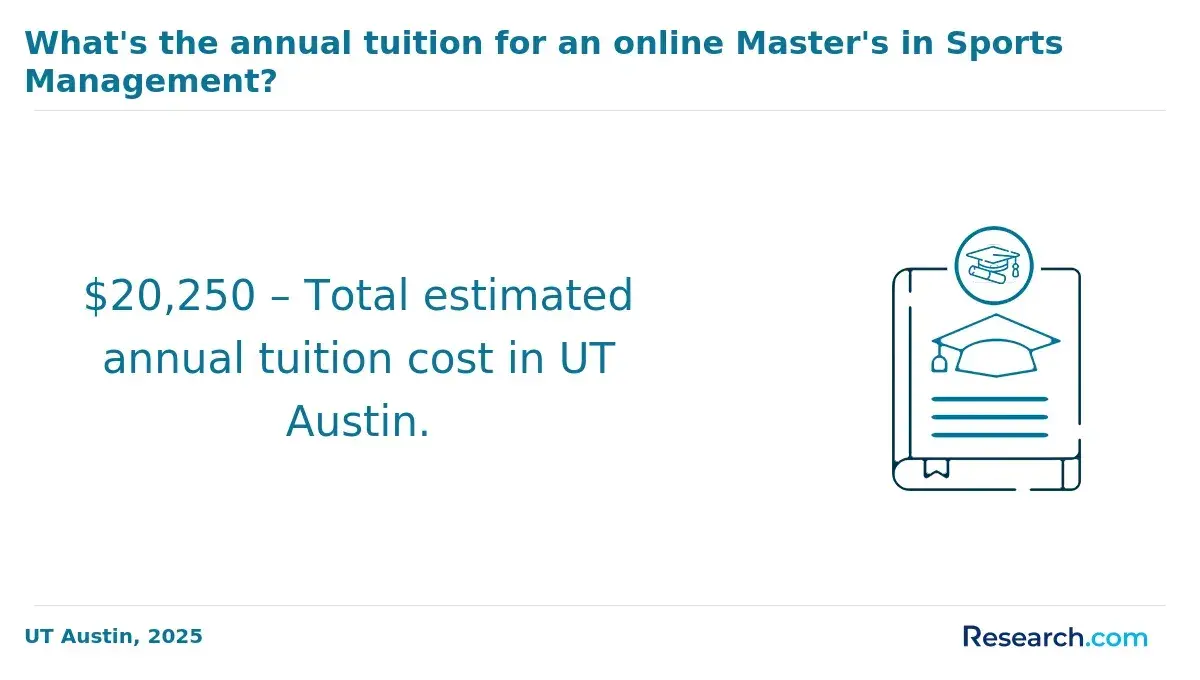
Financial aid can reduce the amount you pay upfront, but it does not automatically make a program affordable. Typical online sports management degrees can cost between $250 and $600 per credit and may be completed in as little as 18 months. Before enrolling, calculate your expected net cost after grants and scholarships, then estimate how much debt you would need to take on.
For additional perspective on education financing, see this resource on accredited medical billing and coding schools online with financial aid.
What Are the Shortest Online Sports Management Degree Programs?
The shortest online sports management programs are usually certificates, diplomas, associate degrees, and accelerated bachelor’s degree completion programs. About 30% of online degree programs now offer fast-track options, reflecting demand from working adults, transfer students, and career changers who want to finish sooner.
Program length depends on credential level, transfer credits, course load, and whether the school uses accelerated terms or competency-based learning.
- Associate degrees: These programs can typically be completed in 12-15 months. They may prepare students for entry-level roles in recreation, events, facilities, or athletic support services, or serve as a stepping stone to a bachelor’s degree.
- Bachelor’s degrees: Accelerated online bachelor’s options may be completed in 18-24 months, especially for students who already have transfer credits. Continuous enrollment and competency-based learning can help motivated students move faster than traditional 2-4 year timelines.
- Certificates and diplomas: These shorter credentials often take 6-12 months and focus on specific skills such as sports marketing, event planning, facility operations, or athletic administration. They are useful for skill-building but may not replace a degree for roles that require a bachelor’s credential.
Shorter programs can reduce total cost because students spend less time enrolled and may take fewer credits. Still, speed has trade-offs. Accelerated courses move quickly, and students need enough weekly time to keep up with readings, discussions, projects, and exams. The average cost per credit ranges from $300 to $600, so transfer credit and course pacing can have a major impact on the final bill.
Graduates often pursue roles such as sports marketing managers, with median salaries around $75,000. Students comparing other short, cost-conscious online education paths can review affordable online medical billing and coding schools for additional context.
What Is the Typical Format of the Shortest Online Sports Management Degree Programs?
The shortest online sports management degree programs usually use compressed academic terms, fully online coursework, and a steady weekly assignment schedule. Over a third of undergraduate online courses have adopted shorter, modular formats, which allow students to focus intensely on fewer courses at a time.
- Term length: Courses usually run 5 to 8 weeks instead of following a traditional semester. This structure can help students finish faster, but it also means deadlines arrive quickly.
- Course delivery: Most programs are fully online and asynchronous, so students can watch lectures, complete readings, and submit assignments around work schedules. Some programs also include live discussions, group presentations, or scheduled instructor sessions.
- Weekly workload: Students should expect approximately 15 to 20 hours per week for readings, assignments, discussions, and projects. Accelerated courses are not easier; they compress the work into a shorter window.
- Student interaction: Interaction usually happens through discussion boards, email, learning management systems, video calls, and group projects. Strong communication is important because online students cannot rely on informal classroom reminders.
A graduate from an accelerated online program described the format as demanding at first because weekly deadlines arrived quickly. Over time, the pace helped her build better time-management habits and stay focused on one course block at a time.
She also noted that faculty access mattered. Even in a fast program, regular instructor feedback, clear rubrics, and responsive advising helped her stay on track. Completing the degree within 14 months instead of four years allowed her to pursue career opportunities sooner, which she considered one of the program’s biggest advantages.
How Do Online Classes Work for Accelerated Sports Management Degrees?
Online classes in accelerated sports management degrees are built around structure and flexibility. Students usually complete weekly modules that include readings, recorded lectures, discussions, quizzes, case studies, and applied projects. Recent data show that online enrollment in sport-related studies has grown steadily, and completion rates for online bachelor’s degrees match in-person rates when adequate support is available.
- Asynchronous vs. synchronous learning: Asynchronous coursework lets students complete lectures, readings, and assignments on their own schedule within set deadlines. Synchronous sessions take place live online and may be used for discussions, presentations, advising, or group work.
- Weekly schedules and pacing: Courses often run in compressed terms lasting about 5 to 8 weeks. Students usually follow a weekly rhythm of assigned readings, discussion posts, project milestones, and assessments.
- Assignment structure: Accelerated sports management courses often use practical assignments such as event plans, sponsorship proposals, marketing campaigns, facility operations analyses, budgets, and leadership case studies. These projects help students connect business concepts to sports settings.
- Interaction and engagement: Discussion boards, video conferences, peer reviews, group projects, and instructor feedback help create classroom interaction in a remote format. Students who participate consistently tend to get more value from the program.
- Time efficiency: The combination of recorded content, fixed deadlines, and shorter terms helps students move quickly while balancing work or personal responsibilities. The trade-off is that falling behind for even a short period can be difficult in an accelerated course.
Before enrolling, ask whether courses are self-paced or cohort-based, whether live attendance is required, and how often major assignments are due. These details determine whether the program will fit your schedule.
What Skills Do Students Gain from a Shortest-Track Online Sports Management Degree?
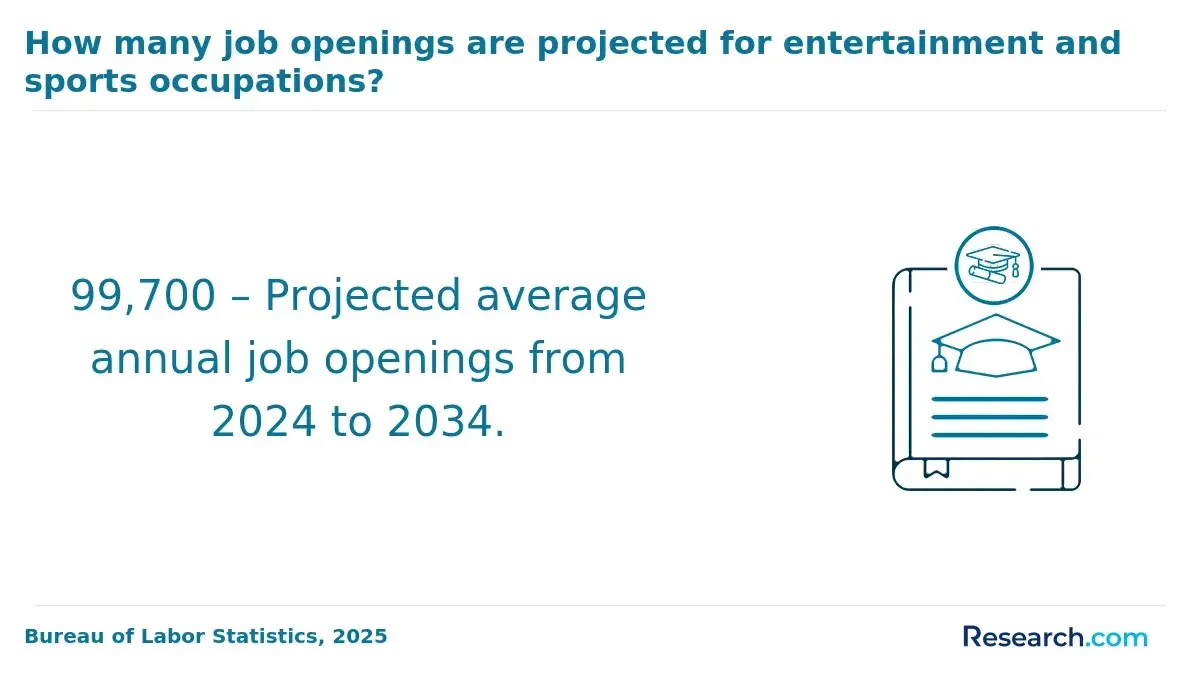
A shortest-track online sports management degree should help students build business, communication, operations, and leadership skills for sports-related organizations. Employment in entertainment and sports occupations is expected to grow faster than average through 2033, but graduates still need practical skills that translate into daily workplace responsibilities.
- Technical Expertise: Students study event coordination, facility operations, sports marketing, financial management, sponsorship, and organizational administration. These skills apply to teams, athletic departments, recreation programs, sports venues, and event companies.
- Analytical Thinking: Coursework often requires students to review budgets, evaluate fan engagement strategies, solve operational problems, and make decisions using business information. This is important in a field where schedules, revenue, staffing, and customer experience change quickly.
- Communication Skills: Sports management professionals write proposals, coordinate with vendors, communicate with athletes and coaches, brief executives, and interact with sponsors, fans, and media. Strong written and verbal communication can affect both job performance and advancement.
- Professionalism and Time Management: Accelerated programs require students to manage deadlines, group projects, and competing responsibilities. That pressure can help develop habits useful in sports environments, where events, seasons, and campaigns often run on tight timelines.
The strongest programs do more than teach theory. Look for applied projects, internship options, case studies, and career services that help students show employers what they can actually do.
Are Cheap and Fast Online Sports Management Degree Programs Considered Legitimate?
Cheap and fast online sports management programs can be legitimate, but students need to verify quality before enrolling. Low tuition and accelerated pacing are not problems by themselves. The warning signs are lack of recognized accreditation, vague graduation requirements, weak faculty information, unclear costs, and exaggerated job promises.
- Accreditation: Legitimate programs are typically offered by institutions accredited by agencies recognized by the Council for Higher Education Accreditation or the U.S. Department of Education. Accreditation affects credit transfer, financial aid eligibility, graduate study options, and employer confidence.
- Faculty Credentials: Review instructor biographies to see whether faculty have relevant academic preparation, sports industry experience, business expertise, or leadership backgrounds. Strong programs make faculty qualifications easy to find.
- Curriculum Quality: A credible curriculum should cover sports business, marketing, finance, event management, facility operations, leadership, ethics, and practical application. Avoid programs that provide only broad business courses with little sports-specific content.
- Licensing and Certification Eligibility: Sports management roles usually depend more on education, experience, networking, and specialized skills than on a single universal license. However, some career paths may value certifications or additional credentials, so check whether the program supports relevant preparation.
- Industry Connections: Internships, employer partnerships, alumni networks, guest speakers, and career fairs can make a major difference. Employer engagement is a practical signal that the program is connected to the sports industry.
A legitimate program should be transparent. You should be able to find accreditation status, tuition and fees, curriculum requirements, transfer credit rules, student support services, and career outcome information before you apply.
What Are the Highest-Paying Roles for Online Sports Management Degree Graduates?
Online sports management degree graduates can pursue careers in athletics administration, sports marketing, events, representation, venue operations, and related business roles. Higher-paying jobs usually require experience, strong professional networks, leadership ability, and a record of measurable results. A degree can help open the door, but salary growth often depends on the size of the organization, location, responsibility level, and performance.
- Sports Agents: Sports agents represent athletes and negotiate contracts, sponsorships, and endorsement deals. Their median salaries hover around $75,000 annually, with potential commissions pushing earnings above $100,000. Income can vary widely because commissions depend on client success and deal volume.
- Athletic Directors: Athletic directors oversee sports programs for colleges, schools, or professional organizations. Median salaries range from $80,000 to $100,000. Responsibilities often include budgeting, hiring, compliance, scheduling, fundraising, and program strategy.
- Sports Marketing Managers: Sports marketing managers promote teams, athletes, leagues, venues, and events. Median wages typically range from $75,000 to $90,000, with top earners exceeding $120,000. Advancement usually depends on campaign performance, sponsorship results, fan engagement, and market size.
Cost-conscious students looking for affordable online sports management degree programs will find many options charging between $200 and $400 per credit. Many degrees can be completed within two years, which may help students enter or advance in the workforce sooner.
Students comparing low-cost online degrees in other fields can review affordable nursing programs online to see how schools structure cost-efficient online education across different disciplines.
What Is the Job Placement Rate for Online Sports Management Graduates?
Job placement rates for online sports management graduates typically range from 70% to 85% within six months to a year after graduation. That range suggests online delivery does not automatically limit employment outcomes, but placement depends heavily on program quality, student experience, location, and networking.
- Program Reputation and Accreditation: Accredited programs with strong reputations are more likely to have established employer relationships, recognized curricula, and active career services. These factors can support better employment outcomes.
- Internship and Practicum Experience: Sports management is relationship-driven. Internships, practicums, volunteer roles, and event experience help students build resumes and meet employers before graduation.
- Alumni Networks: Active alumni networks can connect graduates with openings in athletic departments, sports organizations, venues, agencies, and event companies. Networking often matters as much as formal job postings.
- Industry Demand: Demand remains strong for professionals with skills in digital marketing, sports analytics, and event coordination. Students who build specialized skills may have more options than those who complete only general coursework.
The median annual salary is about $70,000 for sports management roles, with top professionals earning over $100,000. Typical online program costs range from $300 to $500 per credit and complete within 18 to 24 months, so students should compare tuition against placement support, internship access, and realistic career goals.
For another example of low-cost online degree research, see this guide to the cheapest dnp online program.
Employment outcomes for online sports management graduates are strongest when students choose accredited programs, gain practical experience, and use career services early rather than waiting until the final term.
How Do You Choose the Best Cheap Online Sports Management Degree Program?
To choose the best cheap online sports management degree, compare total value rather than tuition alone. A low-cost program is only a good deal if it is accredited, realistic to complete, aligned with your career goals, and supported by useful advising and career services.
- Accreditation: Verify that the institution is accredited by reputable organizations such as the Council for Higher Education Accreditation (CHEA) or recognized regional accreditors. Accreditation supports financial aid eligibility, credit transfer, employer recognition, and graduate school options.
- Curriculum quality: Look for coursework in sports management fundamentals, marketing, finance, leadership, event operations, facility management, and practical experience through internships or applied projects. The curriculum should match the jobs you want after graduation.
- Program length: Shorter programs, often completed within 18 to 24 months, can reduce costs and help students enter the workforce faster. However, a faster program is only useful if you can handle the workload and complete courses in sequence without delays.
- Student support: Prioritize programs with academic advising, tutoring, online library access, career counseling, internship guidance, and networking opportunities. Support services can directly affect whether students finish on time.
- Career outcomes: Review employment data, alumni roles, internship partners, and salary information. Sports management roles typically offer earnings ranging from $50,000 to over $90,000 annually, but outcomes vary by role, market, experience, and employer.
Before applying, ask each school for total estimated cost, transfer credit policies, course rotation, internship requirements, online attendance expectations, graduation rates, and job placement information. The best program is the one that fits your budget and schedule while giving you credible preparation for the sports business roles you want.
What Graduates Say About Their Cheapest and Shortest Online Sports Management Degree
- : "I was already working in the sports industry, so I needed a fast and affordable online sports management program that would strengthen my credentials without forcing me to pause my career. The entire program cost me less than $9,000 and was completed within a year. It helped me present myself as a stronger candidate for management opportunities I could not access before. Weston"
- : "Before enrolling, I took time to compare my career goals with the cost and pace of each program. The option I chose averaged about $12,000 and gave me enough flexibility to keep working while studying. The coursework was practical, and the knowledge I gained has helped me advance in sports marketing. Henrik"
- : "Finding an affordable and fast online sports management degree changed my path. I was able to enroll quickly, and the total cost was much less than traditional programs-around $10,000 overall. The degree saved me money and helped me move into event coordination within months after graduating. Jireh"
Other Things You Should Know About Sports Management Degrees
In 2027, the average cost of the cheapest online sports management degree programs typically ranges from $5,000 to $10,000. These programs can often be completed in as little as 12 to 18 months, making them an economical and time-efficient choice for aspiring sports management professionals.
The curriculum for the cheapest and shortest online sports management degree programs in 2027 typically focuses on foundational business skills, sports marketing, event management, and leadership principles. These programs are designed to equip students with the key competencies needed for entry-level positions in the sports industry.
Graduates can pursue entry-level roles like sports event coordinator, athletic director assistant, or sports marketing assistant. These positions typically offer salaries ranging between $35,000 and $50,000 annually, depending on experience and location. Opportunities for advancement exist with experience and further education.
References
- 19 Best-Paid Sports Occupations in 2025 (With Salary Guide) https://create.fit/blogs/best-paid-sports-occupations-with-salary-guide/
- Sport Management 101: What You’ll Learn, Do, and Become https://louisiana.edu/online/blog/sport-management/what-youll-learn-do-and-become
- Master’s in Sport Management Online https://www.bakeru.edu/area-of-study/sports-management-degree/
- What Jobs are Available in Sports Management? https://www.allbusinessschools.com/sports-management/online-degree/
- Top 5 Careers You Can Launch with a Sports Management Diploma - eta https://etacollege.com/top-5-careers-you-can-launch-with-a-sports-management-diploma/
- Career Options After A Sports Management Degree | UoPeople https://www.uopeople.edu/blog/career-after-a-sports-management-degree/
- The Most Exciting Benefits of Earning Your Sports Management Degree https://www.geneva.edu/blog/program-spotlight/the-most-exciting-benefits-of-earning-your-sports-management-degree
- Online Sports Management Degree https://www.snhu.edu/online-degrees/bachelors/bs-in-sport-management
- The Most Lucrative Sports Management Positions, and How to Get Them - Sports Management Degree Hub https://www.sportsmanagementdegreehub.com/lucrative-sports-management-positions-get/