
2027 Best Online Nursing Programs in New Hampshire – Accredited RN to BSN Programs

Co-Founder and Chief Data Scientist
Choosing an online nursing program in New Hampshire is not just a question of convenience. The right program must prepare you for state licensure, clinical practice, NCLEX success, and long-term career mobility in a healthcare market where nurses are needed in hospitals, community clinics, long-term care, rural health settings, and advanced practice roles.
New Hampshire can be attractive for nursing students and working nurses because compensation and quality-of-life factors are strong. In 2025, nonmetropolitan registered nurses in New Hampshire earned around $94,620 annually, above the national average, and the state’s livability profile continues to draw students and professionals who want a smaller-state environment with access to healthcare employers, outdoor recreation, and regional career options. This guide explains how online nursing programs in New Hampshire work, what they cost, how long they take, how to verify licensure alignment, and which program types fit different career goals—including RN, BSN, MSN, DNP, nurse practitioner, nurse midwife, LPN bridge, and MSN MBA dual degree programs.
Quick Answer: Can You Earn a Nursing Degree Online in New Hampshire?
Yes. You can complete many nursing courses online in New Hampshire, especially in RN to BSN, MSN, MSN/MBA, and DNP programs. However, nursing is never fully virtual at the pre-licensure level. Students who are preparing for initial RN licensure still need approved clinical training, supervised practice experiences, and eligibility to sit for the NCLEX-RN. The safest choice is an accredited program that clearly states how it meets New Hampshire Board of Nursing requirements.
Online nursing programs are best for students who need flexible coursework, already hold a nursing license, or can complete clinical placements near where they live. They are less ideal for students who cannot travel to clinical sites, need extensive in-person support, or have not confirmed that the program meets New Hampshire licensure rules.
Best Online Nursing Programs in New Hampshire Table of Contents
- Steps to Become a Nurse in New Hampshire
- Typical Cost of Nursing Programs in New Hampshire
- How Long It Takes to Become a Nurse in New Hampshire
- Can an Online Degree Lead to Nursing Licensure in New Hampshire?
- Online Nursing Programs in New Hampshire for 2027
- Is New Hampshire a Strong State for Nursing Careers?
- Nursing Degree Career Options in New Hampshire
- Nursing Specializations and Advancement Options in New Hampshire
- Online Student Support Resources
- Online Nursing Pathways for Non-Nurses
- Maintaining a New Hampshire Nursing License
- Career Outlook for Nurse Practitioners in New Hampshire
- Can Online Nursing Programs Lead to Travel LPN Roles?
- Career Growth Options for LVNs in New Hampshire
- Medical Assistant to Registered Nurse Pathway
- How Online Programs Handle Clinical Training
- Preparing for Nurse Midwife Roles Online
- How LPNs Can Move Into Higher Nursing Roles
- How to Judge Program Reputation and Outcomes
- Moving From RN Roles to Advanced Practice
- Technology Skills in Online Nursing Programs
Steps to Become a Nurse in New Hampshire
New Hampshire employs more than 13,000 registered nurses. The basic route to becoming an RN is straightforward, but the details matter: your school must be appropriate for licensure, your clinical experience must satisfy state expectations, and your application must be complete.
- Choose the right nursing pathway. Select an approved and accredited nursing program that matches your current status. New students may choose an Associate Degree in Nursing (ADN) or Bachelor of Science in Nursing (BSN). Licensed nurses may consider RN to BSN, MSN, DNP, or bridge options.
- Complete required coursework and clinical training. Nursing students study subjects such as anatomy, pharmacology, health assessment, pathophysiology, evidence-based care, and patient safety while also completing supervised clinical experiences.
- Prepare for and pass the NCLEX-RN. Graduates seeking RN licensure must pass the National Council Licensure Examination for Registered Nurses. Review a program’s NCLEX preparation resources before enrolling.
- Apply through the New Hampshire Board of Nursing. Submit required materials such as transcripts, background check documentation, fees, and any state-specific forms requested by the board.
- Receive licensure before practicing as an RN. You cannot work as a registered nurse until your license has been issued and is active.
- Meet renewal and continuing education rules. License maintenance is part of professional practice. Track renewal dates early rather than waiting until the final month.
- Plan your next credential when your goals change. Nurses who want leadership, advanced clinical practice, or teaching roles may pursue certifications or graduate degrees, including cheapest RN to MSN online programs that can reduce tuition pressure.
Typical Cost of Nursing Programs in New Hampshire
The price of an online nursing program in New Hampshire depends on the institution, degree level, residency rules, credit requirements, transfer credits, clinical fees, and whether the student qualifies for military, employer, or community college discounts. At Southern New Hampshire University, online degrees and certificates can cost up to $330 per credit, while active military duty personnel may pay $231 per credit. In the Community College System of New Hampshire, dual enrollment nursing students may pay rates as low as $200 per credit.
Do not compare programs by tuition alone. A lower per-credit price may not be cheaper if the program requires more credits, does not accept previous coursework, charges clinical placement fees, or delays graduation. Students who already hold an RN license may want to compare cheapest RN to BSN online programs because transfer-friendly completion options can lower the total cost of a BSN.
| Cost factor | Why it matters | Question to ask before enrolling |
| Tuition per credit | This is the most visible cost, but it does not show the full price of the degree. | How many total credits will I personally need after transfer review? |
| Clinical expenses | Students may need to travel to approved clinical sites, pay for meals, parking, screenings, immunizations, or uniforms. | Will the school arrange clinical placements, or am I responsible for finding them? |
| Technology requirements | Online courses may require reliable internet, a current computer, webcam access, testing software, and simulation tools. | Are technology fees included in tuition or billed separately? |
| Books and learning materials | Nursing texts, digital platforms, lab kits, and exam-prep materials can add meaningful costs. | Can the school provide an estimated total for books and required materials? |
| Time to completion | Taking longer may increase living costs, lost wages, or loan interest. | What is the typical completion time for students with my background? |
Online delivery can make a nursing degree more manageable for working adults, but students should still build a complete budget. Include tuition, fees, transportation, books, technology, clinical costs, exam fees, and lost work hours. If your goal is to pursue a degree and career in nursing, the strongest financial choice is usually the program that is accredited, licensure-aligned, transfer-friendly, and realistically affordable—not simply the cheapest advertised option.
How Long It Takes to Become a Nurse in New Hampshire
Your timeline depends on the license or role you are pursuing, your prior education, whether you study full time or part time, and whether you need prerequisite courses. The estimates below are general planning ranges, and individual programs may vary.
| Path | Typical education route | Approximate timeline | Best fit |
| Licensed Practical Nurse | Diploma or certificate program | Around one year | Students who want a faster entry into bedside care and may later bridge into RN study |
| Registered Nurse through ADN | Associate Degree in Nursing | About two to three years | Students seeking RN licensure with a shorter academic route than a traditional BSN |
| Registered Nurse through BSN | Bachelor of Science in Nursing | Approximately four years | Students who want broader preparation, stronger advancement options, or future graduate study |
| Advanced Practice Registered Nurse | MSN or Doctor of Nursing Practice | An MSN usually takes around two to three years; a DNP lasts approximately three to four years beyond the BSN | RNs pursuing nurse practitioner, nurse anesthetist, nurse midwife, clinical specialist, leadership, or education roles |
- LPN route. A practical nursing program can provide a relatively fast way into patient care, though students should confirm whether the program prepares graduates for the correct licensure exam and role.
- RN route. ADN and BSN programs both can lead to RN licensure, but they differ in time, depth, cost, and long-term career flexibility.
- Graduate nursing route. Nurses seeking administrative, clinical leadership, or advanced practice roles may pursue graduate study. A masters degree in nursing administration online can be relevant for nurses who want to move into management, quality improvement, or healthcare operations.
Can an Online Degree Lead to Nursing Licensure in New Hampshire?
An online nursing degree can support licensure or career advancement in New Hampshire when the program is properly accredited, clinically compliant, and accepted by the state board. Many online options are designed for already licensed RNs, including RN to BSN programs and graduate nursing degrees. Pre-licensure nursing programs may offer online coursework, but they must still include hands-on clinical learning.
Students comparing best online bachelor’s in nursing programs should verify more than convenience. Look for programmatic accreditation, New Hampshire licensure alignment, supervised clinical placements, transparent NCLEX outcomes, qualified nursing faculty, student support, and clear policies for out-of-state students if you live near a border or plan to relocate.
| Program type | Can coursework be online? | Clinical requirement? | Important warning |
| Pre-licensure ADN or BSN | Sometimes partially online | Yes | Do not enroll unless the school confirms eligibility for New Hampshire RN licensure. |
| RN to BSN | Often fully online for didactic courses | May include practice projects rather than traditional bedside rotations | You generally need an active RN license before admission. |
| MSN | Frequently online or hybrid | Depends on specialization | Advanced practice tracks require supervised clinical hours. |
| DNP | Often online with practice requirements | Yes, especially for clinical or leadership projects | Check campus visit expectations and practicum placement rules. |
Online Nursing Programs in New Hampshire for 2027
The following New Hampshire options illustrate the range of online and hybrid nursing pathways available to students and licensed nurses. Use this list as a starting point, then verify admissions rules, accreditation, licensure alignment, clinical placement policies, total cost, and current curriculum directly with each institution.
1. Rivier University’s Online LPN to ASN Program
Rivier University offers an accelerated LPN to ASN program for licensed practical nurses who want advanced standing toward an associate degree in nursing. Applicants must hold an unencumbered LPN license, pass a curriculum review, and successfully challenge NSG 101 Nursing Fundamentals. The program emphasizes patient-centered care, clinical reasoning, technology use, teamwork, and communication. Courses run 7 or 14 weeks, with tuition listed at $376 per nursing credit and $1,061 per clinical credit.
2. NHTI Concord’s Community College’s Associate in Science in Nursing
The Associate in Science in Nursing (ASN) program at NHTI Concord’s Community College is designed to prepare students for entry-level registered nursing practice. The curriculum focuses on safe, compassionate, collaborative care across healthcare environments while encouraging continued professional learning. The program takes two years and requires 71-72 credits for graduation.
3. Southern New Hampshire University’s RN to BSN Degree Online
Southern New Hampshire University’s online RN to BSN program serves licensed nursing professionals who need a flexible bachelor’s completion pathway. The curriculum addresses evidence-based care, health promotion, and the changing expectations of healthcare organizations. The program requires 120 credits, can be completed in one year, and costs $330 per credit.
4. Franklin Prince University Master of Science in Nursing/Master of Business Administration Dual Degree
Franklin Prince’s MSN/MBA Dual Degree program is offered 100% online for registered nurses who want to combine advanced nursing preparation with business leadership training. Students may choose a Nursing Education or Nursing Leadership concentration while completing coursework that blends MSN-level nursing study with an MBA in Leadership.
5. University of New Hampshire’s Online Doctor of Nursing Practice
UNH’s online Post-Master’s Doctor of Nursing Practice program is built for nurses who already hold a master’s degree and want preparation for advanced leadership and practice responsibilities. The program emphasizes clinical expertise, evidence-based practice, and leadership development. It includes small class sizes and optional on-campus visits. Tuition is $785 per credit for New Hampshire residents and $865 for out-of-state residents, and students can complete the program in 18 to 28 months.
Students interested in CNA pathways should consult the New Hampshire CNA registry for certification details, while prospective nurses should use the New Hampshire nursing portal for licensing requirements and application procedures.
Is New Hampshire a Strong State for Nursing Careers?
New Hampshire can be a strong state for nurses who want access to healthcare jobs without the scale and congestion of larger states. Demand is supported by national nursing workforce pressures, an aging population, and ongoing healthcare access needs. The American Association of Colleges of Nursing has also highlighted a potential shortage of nurses, which affects many states and healthcare systems.
State-specific employment projections show an estimated average of 820 annual openings for registered nurses over the last 4 years. The projected growth figure is 0.9%, which should be interpreted in context: New Hampshire’s population is relatively small, at 1.409 million, with an average population growth rate of 0.49% (World Population Review, 2024).
| Reason New Hampshire may appeal to nurses | What to consider carefully |
| Competitive pay in some areas, including nonmetropolitan RN wages around $94,620 annually in 2025 | Salary varies by employer, specialty, experience, shift, location, and credential level. |
| Smaller-state healthcare networks may create close professional communities | Some specialty roles may be concentrated near larger cities or major medical centers. |
| Rural and aging-population needs may support demand for primary care and long-term care nurses | Rural roles may involve travel, broader responsibilities, or fewer nearby clinical sites during training. |
| Online programs can help working nurses continue education without leaving employment | Clinical and practicum requirements may still require in-person scheduling flexibility. |
Nursing Degree Career Options in New Hampshire
A nursing degree can lead to bedside care, advanced practice, education, management, public health, and specialized clinical roles. The best path depends on your license, education level, preferred patient population, and tolerance for responsibility, shift work, and graduate school.
- Registered Nurse. RNs provide direct patient care, administer medications, monitor symptoms, educate patients and families, coordinate with physicians and other professionals, and document care in hospitals, clinics, long-term care facilities, physician offices, and community settings.
- Nurse Practitioner. NPs are advanced practice nurses who assess patients, diagnose conditions, manage treatment plans, prescribe medications, and deliver primary or specialty care. Their practice setting may include family medicine, pediatrics, geriatrics, urgent care, behavioral health, or rural clinics.
- Nurse Educator. Nurse educators teach students, train clinical staff, supervise practice experiences, design curriculum, and help address the pipeline of future nurses.
- Nurse Administrator or Manager. Nurse leaders oversee units, staffing, budgets, quality initiatives, compliance, and care delivery systems. These roles often require experience and may benefit from graduate education in leadership or administration.
- Clinical Nurse Leader. Clinical nurse leaders focus on care coordination, patient safety, quality improvement, and evidence-based practice within a unit or population.
- Nurse Anesthetist. Nurse anesthetists provide anesthesia care and pain management in surgical and procedural settings while working with surgeons, anesthesiologists, and other clinical professionals. Certified Nurse Anesthetists are also identified as the highest-paid workers in the state (Zippia, 2025).
Nursing Specializations and Advancement Options in New Hampshire
After earning a nursing credential, the next decision is whether to deepen clinical expertise, move into leadership, teach future nurses, or pursue advanced practice. Specialization can increase responsibility and autonomy, but it usually requires additional education, supervised practice hours, certification, or graduate study.
| Goal | Possible credential or degree | When this path makes sense |
| Provide primary or specialty care | MSN, DNP, and nurse practitioner certification | You want more clinical autonomy and are willing to complete graduate-level clinical requirements. |
| Teach nursing students or clinical staff | MSN in Nursing Education or related graduate preparation | You enjoy mentoring, curriculum, simulation labs, and academic or staff development work. |
| Lead units or healthcare teams | MSN, DNP, MBA, MSN/MBA, or administration certification | You want to manage systems, budgets, staffing, quality, and policy rather than only direct care. |
| Enter highly specialized practice | Advanced practice graduate education and specialty certification | You are prepared for rigorous training and a narrower but more advanced scope of work. |
Nurse Practitioner Programs
Registered nurses who want broader clinical authority may consider becoming nurse practitioners. New Hampshire needs NPs in areas such as primary care, family medicine, pediatrics, and gerontology. Most NP pathways require a Master of Science in Nursing, although some nurses pursue a DNP. Online MSN programs can be practical for working nurses, but students must confirm clinical placement expectations before enrolling.
Advanced Practice Registered Nurses
Advanced practice options include Clinical Nurse Specialist, Certified Registered Nurse Anesthetist, and Certified Nurse Midwife roles. These positions involve more responsibility, deeper specialization, and often stronger earning potential than general RN roles. They also require demanding graduate education and clinical preparation.
Online MSN Programs
Online MSN programs can help nurses specialize without stepping away from work entirely. Some programs focus on nursing education, leadership, administration, population health, informatics, or advanced practice. If cost is a primary concern, compare cheapest MSN programs, but weigh affordability against accreditation, clinical support, faculty expertise, and completion rates.
Leadership and Administrative Roles
Nurses interested in management, quality improvement, policy, or executive leadership may benefit from a DNP, MSN, MBA, MSN/MBA, or nursing administration credential. These roles typically require strong communication, budget awareness, data literacy, staffing knowledge, and the ability to improve care delivery across teams.
Online Student Support Resources
Support services can determine whether an online nursing student finishes on time or struggles alone. Before enrolling, ask whether online learners receive the same advising, tutoring, library access, and career support as campus students.
- Academic advising: Advisors should help students understand course sequencing, transfer credits, prerequisites, clinical requirements, and graduation timelines.
- Counseling and wellness support: Nursing school is demanding. Online access to counseling, wellness resources, and student assistance can help learners manage stress and burnout risk.
- Virtual tutoring and peer study options: Tutoring in anatomy, pharmacology, dosage calculation, statistics, and writing can be especially valuable in online formats.
- Technology help: Students need fast support for learning platforms, testing software, video conferencing, clinical documentation systems, and simulation tools.
- Career services: Resume review, interview preparation, employer connections, and clinical-to-employment guidance can help students move from school into practice.
- Digital library access: Nursing students should have access to journals, databases, e-books, clinical guidelines, and evidence-based practice resources.
Online Nursing Pathways for Non-Nurses
Career changers can enter nursing, but they must choose carefully. A program marketed as online may still require campus labs, local clinical rotations, and full-time availability during intensive terms. Non-nurses should prioritize licensure eligibility and clinical placement support over speed.
- Online RN programs for non-nurses. Some programs combine remote coursework with required in-person clinical experiences. Students should review online RN programs for non-nurses to understand accredited pathways that may lead toward RN preparation.
- Accelerated Bachelor of Science in Nursing. ABSN programs are designed for students who already hold a bachelor’s degree in another field. They can often be completed in 12 to 18 months and prepare students for the NCLEX-RN exam.
- Bridge programs. LPN to RN and ADN to BSN pathways help students build on prior healthcare education rather than starting from the beginning.
- Flexible schedules for working adults. Asynchronous courses can help career changers keep working, but clinical hours may still occur during fixed daytime, evening, or weekend blocks.
- Financial aid and scholarships. Students should ask schools about federal aid eligibility, institutional scholarships, employer tuition support, payment plans, and any state-specific incentives tied to service in underserved areas.
Maintaining a New Hampshire Nursing License
Keeping a nursing license active requires more than passing the NCLEX once. Nurses must follow renewal deadlines, continuing education rules, reporting requirements, and any updates from state regulators. Use the official board process and review nursing license requirements in New Hampshire before making assumptions about renewal or endorsement.
Good compliance habits include saving continuing education records, checking renewal windows early, updating contact information with the board, responding quickly to board communications, and confirming whether a new role or credential requires additional authorization.
Career Outlook for Nurse Practitioners in New Hampshire
Nurse practitioners are important to New Hampshire’s healthcare system because they can expand access to primary care, chronic disease management, preventive services, and specialty care. Their value is especially clear in communities where provider access is limited or patients need ongoing management rather than one-time treatment.
New Hampshire allows nurse practitioners full practice authority, meaning NPs can practice independently without physician supervision across many healthcare settings. This autonomy can make the role appealing for experienced RNs who want a larger clinical scope and more direct responsibility for patient care decisions.
Nurses comparing graduate options should focus on accredited programs with strong clinical placement processes, board certification preparation, and faculty expertise in the intended specialty. To compare options, review nurse practitioner programs in New Hampshire and check whether each program supports family practice, pediatrics, geriatrics, or another chosen population focus.
Compensation can also be a motivation. Nurse practitioners in New Hampshire earn approximately $118,000 annually on average, reflecting the advanced clinical preparation and responsibility associated with the role. That figure should be treated as a planning benchmark rather than a guarantee, since pay depends on specialty, employer, region, schedule, and experience.
How to Use Online Nursing Programs in New Hampshire to Build a Career
Online nursing programs in New Hampshire, including nurse practitioner programs online, can help students and licensed nurses advance without relocating or fully pausing employment. The key is to choose a program that is academically credible, clinically realistic, and aligned with the student’s license and career goal.
Before committing, compare accreditation, faculty qualifications, NCLEX or certification outcomes, clinical placement support, total cost, technology requirements, and student services. A program’s flexibility is useful only if it still gets you to licensure, graduation, or advancement without unexpected barriers.
Can Online Nursing Programs Lead to Travel LPN Roles?
Online education can support travel LPN ambitions when it builds portable clinical skills, prepares students for licensure requirements, and helps nurses understand state-by-state practice rules. Travel roles require adaptability because assignments may involve different patient populations, documentation systems, staffing models, and facility expectations.
If your goal is mobility, learn the requirements for how to become a travel LPN and choose programs or continuing education that strengthen acute care skills, long-term care experience, medication safety, communication, and regulatory awareness.
How Do I Move From Online Education to RN Licensure in New Hampshire?
Online nursing graduates should verify early that their program includes the clinical experiences and documentation required for New Hampshire RN licensure. Do not wait until graduation to ask whether your coursework, clinical hours, transcripts, and exam preparation meet state expectations.
A strong program will explain NCLEX registration, board application steps, background check timing, transcript submission, and any additional state-specific requirements. For a focused licensure roadmap, review how to become an RN in New Hampshire.
How Can I Advance My Career as an LVN in New Hampshire?
LVNs who want broader responsibilities can consider bridge programs that build on practical nursing knowledge and move toward RN or advanced nursing pathways. These programs usually combine online coursework with supervised clinical requirements and are designed for students who already have patient care experience.
Before enrolling, confirm admission prerequisites, whether your current license qualifies, how clinical placements are handled, and which exam or credential the program prepares you for. For more detail, see how to become an LVN nurse in New Hampshire.
How Do I Transition From a Medical Assistant to a Registered Nurse in New Hampshire?
Medical assistants bring valuable clinical exposure, but the RN role requires a different level of assessment, care planning, pharmacology knowledge, legal responsibility, and licensure preparation. Most MAs will need to complete an approved nursing program rather than simply convert experience into an RN license.
Bridge or accelerated pathways may help students use prior healthcare experience productively, especially when they already understand patient interaction, vital signs, medical documentation, and clinic workflows. Explore MA to RN programs to compare structured options for moving from support roles into registered nursing.
How Do Online Nursing Programs Handle Hands-On Clinical Training?
Quality online nursing programs do not treat clinical training as an afterthought. They use supervised placements, skills labs, simulations, case-based learning, and partnerships with healthcare organizations to connect online coursework to patient care.
Students should ask whether the school assigns clinical sites, approves student-found sites, requires campus intensives, or uses regional partners. Simulation can strengthen judgment and confidence, but it does not replace all real-world clinical practice required for licensure. Students exploring adjacent healthcare training may also compare medical assistant programs in New Hampshire to understand entry-level clinical education options.
How Can Online Nursing Programs Prepare Me for a Nurse Midwife Role?
Nurse midwife preparation requires advanced nursing education with focused study in reproductive health, prenatal care, labor and delivery, postpartum care, newborn care, patient education, and evidence-based decision-making. Online coursework may cover theory and advanced clinical knowledge, but nurse midwife preparation still depends on supervised clinical experience.
Prospective students should review accreditation, clinical placement quality, faculty expertise, certification preparation, and state-specific practice requirements. For a career-specific overview, read how to become a nurse midwife in New Hampshire.
How Can Online Nursing Programs Help LPNs Move Into Higher Nursing Roles?
LPNs can use online and hybrid bridge programs to move toward RN, BSN, or graduate nursing pathways while continuing to work. These programs typically recognize prior practical nursing experience but still require students to master RN-level assessment, care planning, clinical judgment, and professional accountability.
The best LPN bridge programs offer clear credit policies, NCLEX preparation, clinical placement support, academic advising, and flexible scheduling. For foundational licensing guidance, see how to become an LPN in New Hampshire.
How Can I Evaluate the Reputation and Outcomes of Online Nursing Programs?
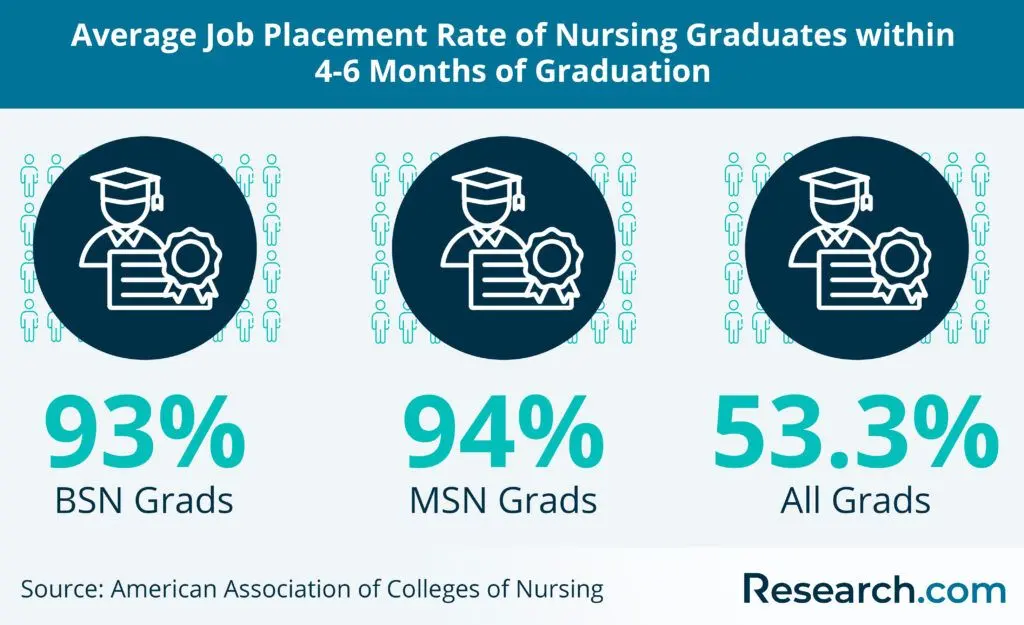
Program reputation should be judged by evidence, not marketing language. Look for accreditation, licensure approval, NCLEX pass rates, graduation rates, job placement information, faculty credentials, clinical partner quality, student support, and employer recognition.
| What to check | Why it matters | Red flag |
| Accreditation and state approval | These affect licensure, transferability, graduate school admission, and employer confidence. | The school cannot clearly explain whether the program meets New Hampshire licensure requirements. |
| NCLEX or certification outcomes | Exam performance shows whether graduates are prepared for required credentials. | The program does not publish or provide recent outcomes when asked. |
| Clinical placement support | Nursing students cannot graduate or qualify for licensure without required practice experiences. | Students must find clinical sites with little institutional help. |
| Total program cost | Fees, travel, materials, and extra terms can change affordability. | The school emphasizes tuition but avoids full cost estimates. |
| Student services | Online learners need advising, tutoring, technical support, and career guidance. | Support is available only during limited hours or only for campus students. |
Prospective students can also compare programs with accredited nursing schools in New Hampshire to see how online, hybrid, and campus-based options differ.
How Can Online Nursing Programs Support My Move Into Advanced Practice?
Advanced practice nursing requires more than years of RN experience. Students need graduate-level assessment, diagnostic reasoning, pharmacology, population-focused care, leadership, and supervised clinical preparation. Online programs can deliver much of the academic content flexibly, but students must still complete required practicums and certification preparation.
If your target role is nurse practitioner, compare specialty tracks, clinical placement policies, certification pass support, and state authorization. For a step-by-step career path, see how to become a nurse practitioner in New Hampshire.
How Do Online Nursing Programs Prepare Students for Technology-Driven Healthcare?
Modern nurses need digital fluency. Online nursing programs often expose students to electronic health records, telehealth workflows, virtual simulations, remote collaboration, digital documentation, data privacy, and evidence-based databases. These skills matter because nurses increasingly interact with technology during assessment, charting, patient education, medication administration, care coordination, and quality reporting.
Students who want a broader understanding of healthcare operations may also study administrative technology, coding workflows, billing systems, and compliance topics. A related route is learning how to become a medical biller and coder in New Hampshire, which can clarify how documentation and reimbursement connect to clinical care.
Common Mistakes to Avoid When Choosing an Online Nursing Program
- Assuming “online” means no in-person requirements. Pre-licensure and advanced practice nursing programs still require clinical training, practicums, or campus intensives.
- Skipping accreditation and board approval checks. A flexible program is not useful if it does not support licensure or credential eligibility.
- Comparing only tuition per credit. Total cost includes fees, books, clinical travel, technology, uniforms, testing, and the number of credits you must actually complete.
- Ignoring clinical placement responsibility. Some programs help secure sites; others expect students to locate preceptors or facilities.
- Assuming salary outcomes are guaranteed. Pay depends on role, employer, location, shift, specialty, experience, and bargaining conditions.
- Choosing speed over fit. Accelerated programs can be efficient, but they may be intense and difficult for students with heavy work or family obligations.
- Relying only on rankings. Rankings can help you build a shortlist, but licensure alignment, clinical support, and affordability should drive the final decision.
Key Insights
- Online nursing education can work in New Hampshire, but clinical training still matters. Many didactic courses can be completed remotely, but pre-licensure and advanced practice students need approved hands-on experiences.
- Licensure alignment should be your first filter. Before comparing cost or convenience, confirm that the program supports New Hampshire Board of Nursing requirements and NCLEX or certification eligibility.
- Program costs vary widely. Examples include up to $330 per credit for online degrees and certificates at Southern New Hampshire University, $231 per credit for active military duty personnel, and dual enrollment rates as low as $200 per credit in the Community College System of New Hampshire.
- New Hampshire offers several nursing career levels. Students can pursue LPN, ADN, BSN, RN to BSN, MSN, MSN/MBA, DNP, nurse practitioner, nurse midwife, leadership, education, and bridge pathways.
- Demand exists, but it should be interpreted realistically. New Hampshire shows an estimated average of 820 annual openings for registered nurses over the last 4 years and 0.9% growth in a state with a population of 1.409 million and an average population growth rate of 0.49%.
- Advanced roles can increase responsibility and income potential. Nurse practitioners in New Hampshire earn approximately $118,000 annually on average, while Certified Nurse Anesthetists are identified as the highest-paid workers in the state.
- The best program is not automatically the fastest or cheapest. Choose the option that combines accreditation, licensure fit, clinical placement support, transparent outcomes, manageable cost, and realistic scheduling.
Related Articles for Nearby States
- 2027 Best Online Nursing Programs in Massachusetts – Accredited RN to BSN Programs
- 2027 Best Online Nursing Programs in Maine – Accredited RN to BSN Programs
- 2027 Best Online Nursing Programs in New York – Accredited RN to BSN Programs
- 2027 Best Online Nursing Programs in Connecticut – Accredited RN to BSN Programs
- 2027 Best Online Nursing Programs in New Jersey – Accredited RN to BSN Programs
- 2027 Best Online Nursing Programs in Pennsylvania: Accredited RN to BSN Programs
- 2027 Best Online Nursing Programs in Delaware – Accredited RN to BSN Programs
- 2027 Best Online Nursing Programs in Maryland – Accredited RN to BSN Programs
- 2027 Best Online Nursing Programs in Ohio – Accredited RN to BSN Programs
- 2027 Best Online Nursing Programs in West Virginia – Accredited RN to BSN Programs
References:
- AACN. (2025). 2024-2025 Enrollment and Graduations in Baccalaureate and Graduate Programs in Nursing. https://www.aacnnursing.org/news-data/all-news/schools-of-nursing-enrollment-increases
- Incredible Health. (n.d.). Registered nurse salary in New Hampshire. IncredibleHealth.com.
- NurseJournal. (2025). The Top 20 Highest-Paying Nursing Specialties. https://nursejournal.org/articles/best-nursing-specialities-for-the-future/
- Salary.com. (2026). New graduate registered nurse salary in New Hampshire.
- U.S. Bureau of Labor Statistics. (2025). Registered nurses.
Other Things You Should Know About Online Nursing Programs in New Hampshire
Look for programmatic accreditation from the Commission on Collegiate Nursing Education (CCNE) or the Accreditation Commission for Education in Nursing (ACEN), plus regional institutional accreditation. These accreditations support eligibility for financial aid, employer recognition, and graduate school admission in 2027.
Yes, online nursing degrees from accredited programs are respected by employers. Accreditation ensures the quality of education, and many employers value the flexibility and dedication required to complete an online program.
Financial aid options include federal and state grants, scholarships, student loans, and work-study programs. Some institutions offer specific scholarships for nursing students. Prospective students should explore all available options and consult with financial aid offices.
Admission requirements for online RN to BSN programs in New Hampshire vary by institution, but generally include an active RN license, an associate degree or diploma in nursing, a minimum GPA (often around 2.5-3.0), and completion of specific prerequisite courses. Additional requirements may include letters of recommendation and a personal statement.
In 2027, the University of New Hampshire and Southern New Hampshire University are among the top institutions offering reputable online RN to BSN programs. Both are accredited and provide flexible learning options for working nurses aiming to advance their careers.


