
2027 Best Online Nursing Programs in Colorado – Accredited RN to BSN Programs

Co-Founder and Chief Data Scientist
Choosing a nursing program in Colorado is not just a school decision. It affects how quickly you can qualify for licensure, how much you may pay, whether you can keep working while studying, and which nursing roles you can pursue later. Colorado offers several pathways, including LPN, ADN, BSN, RN to BSN, MSN, DNP, nurse practitioner, nurse midwife, and certificate options, but the right choice depends on your current education level, license status, budget, schedule, and long-term career goals.
This guide is designed for prospective nursing students, current registered nurses, medical assistants considering a career change, and licensed nurses who want to move into advanced practice or leadership. You will learn how nursing education works in Colorado, how online programs fit into licensure requirements, what costs and timelines to expect, which online RN to BSN programs are available, and what questions to ask before enrolling.
Colorado nursing education remains closely tied to workforce needs, clinical preparation, and licensure outcomes. Colorado RN to BSN programs demonstrate strong educational outcomes, with NCLEX pass rates reaching 93.42% in 2024, reflecting robust nursing education standards (RegisteredNursing.org, 2024). However, students should still compare accreditation, clinical placement support, transfer credit policies, and total program cost before committing.
At Research.com, we evaluate online nursing programs in Colorado by looking at practical decision factors such as curriculum structure, clinical expectations, faculty expertise, program format, affordability, accreditation, and student support. The goal is to help you narrow your options with more confidence, not simply identify a familiar school name.
Best Online Nursing Programs in Colorado Table of Contents
- How do you become a nurse in Colorado?
- How much do nursing programs in Colorado usually cost?
- How long does it take to become a nurse in Colorado?
- Can you qualify for nursing licensure in Colorado with an online degree?
- Online Nursing Programs in Colorado for 2027
- Is Colorado a good state for nurses?
- What jobs can you pursue with a nursing degree in Colorado?
- Which nursing specializations are in demand in Colorado?
- Scholarships and grants for nursing students in Colorado
- What steps should I take to become a registered nurse in Colorado?
- What additional steps are needed to meet Colorado's nursing license requirements?
- What online options are available for pursuing a PMHNP specialization in Colorado?
- How can I transition from a medical assistant role to a nursing career in Colorado?
- Can a Post-Master's FNP Certificate Enhance My Career Prospects in Colorado?
- What factors should I consider when choosing a nursing program in Colorado?
- Is pursuing an LVN career in Colorado the best option for me?
- How can I advance to a nurse practitioner role in Colorado?
- What complementary healthcare career pathways can enhance my nursing expertise in Colorado?
- How do I become a nurse midwife in Colorado?
- How can I pay for nursing school in Colorado?
- Accelerated nursing pathways in Colorado
Quick Answer: What is the best path into nursing in Colorado?
The best nursing pathway in Colorado depends on where you are starting. New students who want the fastest entry into practical nursing can consider an LPN program, while students aiming for registered nurse licensure can choose an ADN or BSN program. Licensed RNs with an associate degree can use an online RN to BSN program to complete a bachelor’s degree while continuing to work. Nurses seeking advanced clinical authority, leadership, education, or specialty practice usually need graduate study, certification, or both.
| Student situation | Common Colorado pathway | When it makes sense |
| No nursing credential yet | LPN, ADN, or BSN | You need initial nursing education and eligibility for the appropriate NCLEX exam. |
| Current RN with an ADN | Online RN to BSN | You want a bachelor’s degree for broader employment, leadership preparation, or graduate school eligibility. |
| Current healthcare worker | Bridge or entry-level nursing program | You have patient-care experience but still need formal nursing coursework and clinical training. |
| Current BSN-prepared RN | MSN, DNP, post-master’s certificate, or specialty certification | You want to move into advanced practice, education, administration, or specialized clinical care. |
How to become a nurse in Colorado?
To become a nurse in Colorado, you generally complete an approved nursing education program, pass the correct NCLEX exam, apply for state licensure, and meet any continuing requirements after you are licensed. The exact route depends on whether you want to become an LPN or RN and whether you are entering nursing for the first time or advancing from an existing credential.
Education options in Colorado
- Start with a high school diploma or GED. Nursing programs typically require proof of secondary education before admission. Competitive programs may also require prerequisite courses, entrance exams, health screenings, immunizations, and background checks.
- Licensed Practical Nurse (LPN) Program: This route usually takes about 12 to 18 months and leads to a diploma or certificate. It can be a practical option for students who want to enter the workforce sooner and later bridge into RN education.
- Associate Degree in Nursing (ADN): ADN programs usually take 2 to 3 years and are offered at nursing colleges in Colorado. This path can prepare students for registered nurse licensure and may cost less than a four-year degree.
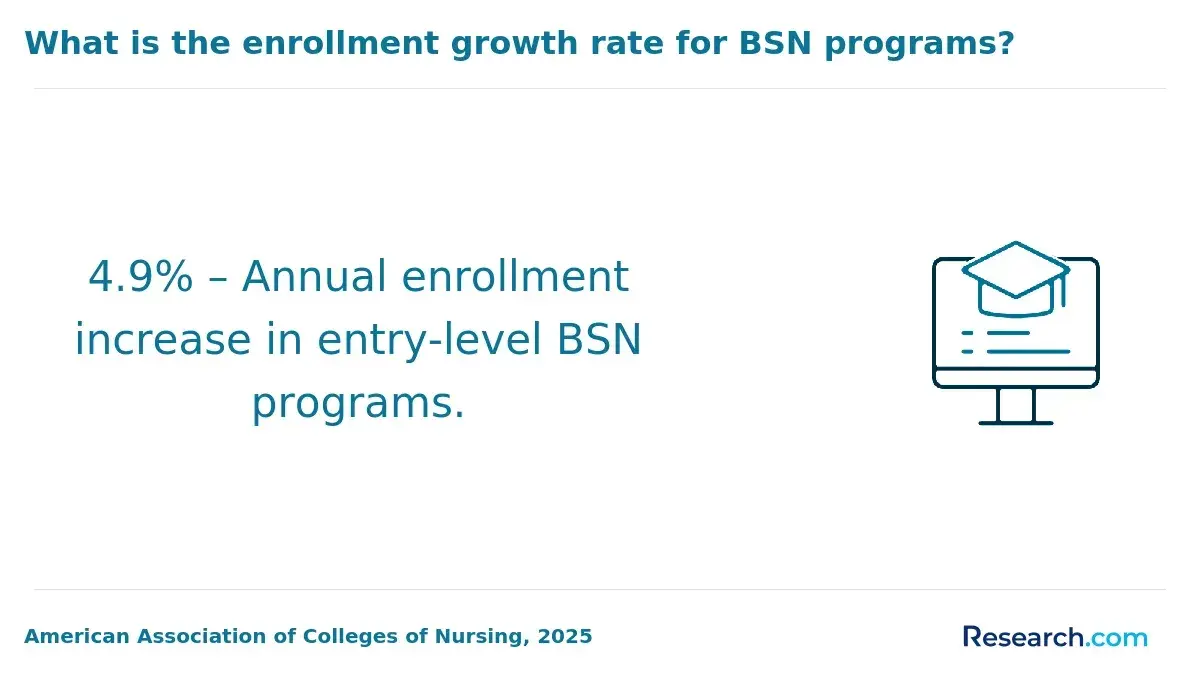
- Bachelor of Science in Nursing (BSN): BSN programs are four-year degree programs that can prepare aspiring nurses to get their Colorado CNA license. Enrollment in BSN programs reached nearly 268,000 students in 2024 (American Association of Colleges of Nursing, 2024).
- Accelerated or advanced pathways: Students who already hold a degree or nurses planning for graduate-level practice may compare options such as accelerated nurse practitioner programs, RN to BSN programs, MSN programs, or doctoral pathways.
- BSN enrollment context: Nearly 268,000 students were enrolled in BSN programs in 2024 (American Association of Colleges of Nursing, 2024).
Pass the appropriate NCLEX exam
After completing one of the best nursing schools in Colorado for your chosen credential, you must pass the required licensure exam. ADN and BSN graduates pursuing registered nurse licensure take the NCLEX-RN. LPN graduates take the NCLEX-PN. NCLEX preparation should begin before graduation, especially if your program offers predictor exams, review courses, or faculty-led test plans.
Apply through the Colorado State Board of Nursing
After passing the NCLEX, candidates apply for licensure through the Colorado State Board of Nursing. The Board oversees nursing licensure in the state and provides official instructions for applications, documentation, fees, and verification requirements. Always use the Board’s current guidance because requirements and processes can change.
Maintain your license after approval
Licensure is not the last step. Nurses must follow Colorado’s renewal rules and meet any continuing education or competency requirements that apply to their license type. Requirements may differ for LPNs, RNs, and advanced practice nurses, so verify the details before each renewal period.
Consider specialization after you become an RN
Once you are licensed, you can build toward specialty practice, administration, education, informatics, or advanced clinical care. Some nurses pursue graduate education, such as a nurse administrator MSN degree online, while others pursue certification in a clinical specialty. Certification is not always required for every role, but it can strengthen your qualifications for targeted positions.
| Pathway | Typical purpose | Best fit |
| LPN program | Entry into practical nursing | Students seeking a shorter route into patient care. |
| ADN | RN licensure preparation | Students who want a registered nurse pathway that may be shorter than a traditional BSN. |
| BSN | RN preparation plus broader bachelor’s-level training | Students who want stronger preparation for leadership, public health, graduate school, or hospitals that prefer BSN-prepared nurses. |
| RN to BSN | Bachelor’s completion for licensed RNs | Working RNs who already hold an ADN or diploma and want advancement options. |
| MSN, DNP, or certificate | Advanced practice, administration, education, or specialization | Licensed nurses planning for nurse practitioner, nurse midwife, leadership, educator, or specialty roles. |
What is the typical cost of nursing programs in Colorado?
The cost of nursing school in Colorado varies by credential, residency status, school type, program length, transfer credits, and whether clinical fees, textbooks, technology fees, uniforms, background checks, and exam costs are included. For students comparing bachelor’s completion options, the cheapest BSN programs can range from approximately $6,000 to $15,000 per year for in-state students. Out-of-state students choosing online nursing programs in Colorado may pay higher tuition, ranging from $15,000 to $30,000 per year.
Graduate and doctoral pathways may follow different pricing models. For example, BSN to DNP programs online may charge differently than RN to BSN programs because they include advanced coursework, clinical hours, and specialty preparation.
| Student residency category | Average tuition |
| In-State | $6,000 - $15,000 |
| Out-of-State | $15,000 - $30,000 |
Costs students often overlook
- Clinical and lab fees: Even online programs may require in-person clinical, practicum, simulation, or skills verification expenses.
- Books and digital platforms: Nursing courses often use required testing systems, e-books, case-study tools, and exam-prep platforms.
- Licensure and testing costs: Budget for NCLEX-related costs, state application fees, background checks, fingerprints, and transcript fees.
- Travel: If your program requires campus intensives, local clinical placements, or practicum hours, travel and scheduling can affect your real cost.
- Time away from work: Accelerated and clinical-heavy programs can reduce your ability to work full time, which affects affordability even when tuition looks manageable.
How long does it take to become a nurse in Colorado?
In 2024, there were over 61,000 registered nurses in Colorado (Nursa, n.d.). The time needed to become a nurse depends on your program type, course load, transfer credits, clinical schedule, and how quickly you pass the licensing exam. An LPN program generally takes around 12-18 months to complete before graduates sit for the NCLEX-PN exam. For RN preparation, an Associate Degree in Nursing usually takes 2-3 years, while a Bachelor of Science in Nursing takes around 4 years. After completing an ADN or BSN, aspiring registered nurses must pass the NCLEX-RN. In total, the path from enrollment to licensure can range from 1.5 to 4 years for LPNs and 2 to 4 years for RNs in Colorado.
| Credential goal | Typical time in school | Licensure exam | Decision note |
| LPN | 12-18 months | NCLEX-PN | Shorter route into nursing, but scope and advancement options differ from RN roles. |
| ADN-prepared RN | 2-3 years | NCLEX-RN | Can be a cost-conscious RN pathway with the option to complete a BSN later. |
| BSN-prepared RN | Around 4 years | NCLEX-RN | Often preferred for broader career mobility and graduate school preparation. |
| RN to BSN | Varies by program and transfer credit | Already licensed as an RN | Best for working RNs who need a bachelor’s degree without repeating entry-level nursing coursework. |
Can you become a nurse in Colorado with an online degree?
Yes, online nursing education can be part of a Colorado nursing pathway, but “online” does not mean entirely remote for most pre-licensure students. Nursing requires hands-on clinical learning, so even programs with online coursework may require in-person labs, simulations, practicums, or clinical rotations at approved healthcare sites.
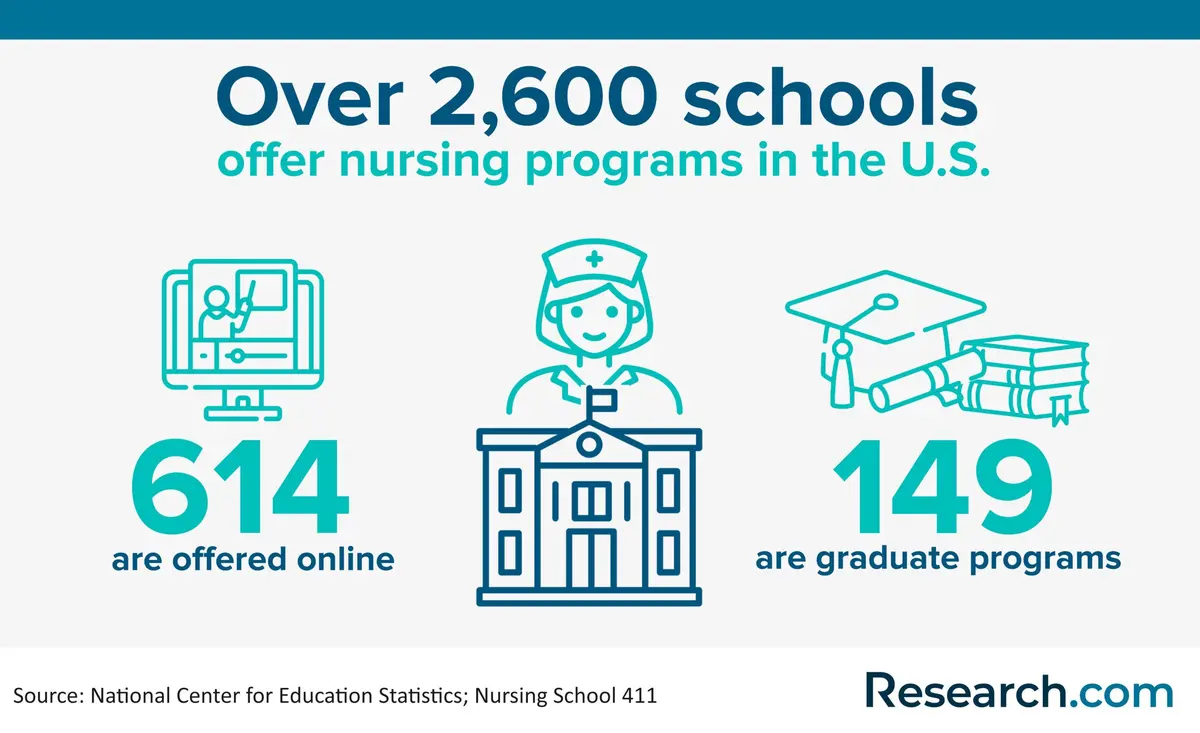
Out of the 2,600 schools with nursing programs in the US, over 1,100 offer online degrees (Nurse.org, 2026). This expansion gives more flexibility to students who work, have family responsibilities, live far from campus, or need a part-time format.
Colorado students should focus on accredited online nursing programs in Colorado that align with the licensing standards set by the Colorado State Board of Nursing. Before enrolling, confirm whether the program is approved for your intended license, whether it supports students in your state, and whether it can help arrange required clinical experiences.
| Program type | Can coursework be online? | Clinical or in-person requirements? | Best for |
| Pre-licensure LPN, ADN, or BSN | Sometimes partially online | Yes, clinical and skills training are required | Students seeking initial nursing licensure. |
| RN to BSN | Often fully or mostly online | May include community health, practicum, or project-based requirements | Licensed RNs completing a bachelor’s degree. |
| MSN or DNP | Often online or hybrid | Advanced clinical hours may be required depending on specialization | RNs preparing for advanced practice, leadership, or education. |
| Post-master’s certificate | Often online or hybrid | Clinical hours may be required for practice-focused certificates | Graduate-prepared nurses adding a specialty. |
Online Nursing Programs in Colorado for 2027
Research.com reviewed reliable public information to identify online nursing programs in Colorado for the 2024. The review considered practical factors such as academic quality, enrollment information, affordability, online delivery, accreditation, curriculum design, and student relevance. Use this list as a starting point, then verify current tuition, admissions, state authorization, clinical expectations, and transfer policies directly with each school.
1. University of Northern Colorado
The University of Northern Colorado offers an online RN to BSN program for licensed registered nurses who already hold an ADN and want to complete a bachelor’s degree while continuing to work. The program uses a cohort format, so students move through the curriculum with a consistent peer group. It also includes faculty guidance and a practicum that can be aligned with the student’s professional goals.
| Program factor | Details |
| Program Length | Two years |
| Tracks/concentrations | Transition to Baccalaureate Nursing; Professional Nursing Concepts; Patient-centered Care Concepts Across the Lifespan |
| Cost per semester | $25,640 |
| Required credits to graduate | 75 credits |
| Accreditation | Higher Learning Commission (HLC) |
2. University of Colorado Colorado Springs (UCCS)
The University of Colorado Colorado Springs (UCCS) provides an online BSN pathway for working nurses and ADN students seeking bachelor’s-level preparation. Coursework covers areas such as health assessment, leadership, patient-care technologies, quality, safety, and population-focused care. Students complete online coursework while meeting clinical requirements through an approved healthcare facility in their hometown, with support from UCCS faculty and advisors.
| Program factor | Details |
| Program Length | One to two years |
| Tracks/concentrations | Public Health Nursing: Population-Focused Care; Nursing Leadership; Quality and Safety |
| Cost per credit | $367 |
| Required credits to graduate | 30 credits |
| Accreditation | Commission on Collegiate Nursing Education (CCNE) |
3. Colorado Mesa University
Colorado Mesa University offers an online RN to BSN program for professional nurses who want to strengthen evidence-based practice, leadership, health assessment, informatics, and quality-improvement skills. The program includes five start dates each year, 8-week sessions, and the option to complete the nursing major coursework in as few as 18 months.
| Program factor | Details |
| Program Length | 18 months |
| Tracks/concentrations | Health Assessment and Promotion for the Nurse; Health Information Systems; Quality Assessment and Improvement in Health Care Settings |
| Cost per credit | $360.85 |
| Required credits to graduate | 31 semester hours |
| Accreditation | CCNE |
4. Metropolitan State University of Denver
The Metropolitan State University of Denver offers an online RN to BSN program as well as a dual-enrollment option for ADN students. The program is structured for registered nurses who want to expand their professional opportunities without campus attendance. The school also offers a $1000 renewable annual scholarship for new and returning students pursuing fully online degrees.
| Program factor | Details |
| Program Length | Three to four years |
| Tracks/concentrations | Introduction to Exemplary Professional Practice; Nursing Ethics and Professional Nursing Practice; Evidence-Based Practice Through Nursing Research |
| Total cost | $15,125 |
| Required credits to graduate | 57 credits |
| Accreditation | CCNE |
5. Colorado State University Pueblo
The Registered Nurse to BSN Online Program at Colorado State University Pueblo is built for employed nurses who want to earn a Bachelor of Science in Nursing. Graduates are prepared for entry-level baccalaureate nursing expectations as well as advanced nursing opportunities in diverse communities. The curriculum emphasizes safe, competent, compassionate practice and includes topics such as evidence-based practice and healthcare informatics.
| Program factor | Details |
| Program Length | One year |
| Tracks/concentrations | Professional Nursing Practice; Evidence-Based Nursing Practice; Healthcare Informatics |
| Cost per credit | $360 |
| Required credits to graduate | 30 credit hours |
| Accreditation | Accreditation Commission for Education in Nursing (ACEN) |
How to compare these online nursing programs
- Confirm accreditation. For nursing, programmatic accreditation such as CCNE or ACEN can matter for employment, transfer, graduate admission, and professional credibility.
- Ask how clinical or practicum experiences work. Do not assume an online program automatically finds placements near you.
- Compare total cost, not only tuition. Include fees, books, technology, background checks, travel, and lost work time.
- Check transfer credit rules. RN to BSN timelines can change significantly depending on how many prior credits the school accepts.
- Look at student support. Advising, faculty access, technical help, writing support, and career services matter more in online programs than many students expect.
Is Colorado good for nurses?
Colorado can be a strong option for nurses who want access to hospitals, outpatient clinics, community health organizations, long-term care settings, rural health roles, and advanced practice opportunities. Nurses can work in different types of healthcare facilities, which gives them flexibility to pursue bedside care, population health, specialty practice, administration, or nontraditional roles.
Cost of living should be part of the decision. Colorado's cost of living is 4% higher than the national average, with housing costs 15% higher but utilities 10% lower than the nation overall. Lifestyle can also matter for retention and well-being. Colorado is known for outdoor recreation, mountain communities, and urban healthcare markets, but nursing schedules can be demanding. Work-life balance deserves serious attention because one in two nurses have been found to experience secondary traumatic stress (STS).
| Potential advantage | Possible trade-off |
| Broad healthcare employment settings | Competition may vary by city, specialty, and experience level. |
| Online RN to BSN and graduate options | Clinical placement requirements can still create scheduling challenges. |
| Outdoor lifestyle and strong regional appeal | Housing costs may be higher in desirable metro or mountain areas. |
| Opportunities for advanced practice and specialty care | Graduate programs require significant time, cost, and clinical commitment. |
What can I do with a nursing degree in Colorado?
A nursing degree in Colorado can lead to bedside care, specialty clinical practice, case management, community health, leadership, education, quality improvement, informatics, and advanced practice. Common roles include registered nurse, nurse practitioner, nurse midwife, nurse anesthetist, nurse educator, nurse administrator, care coordinator, public health nurse, and clinical manager.
Nurses who want to move away from direct bedside care can also consider management-focused pathways. For example, you could explore the different jobs available with an MBA in healthcare management if you are interested in healthcare operations, consulting, finance, or executive leadership.
Advanced nursing education can also expand career mobility. Some students compare the cheapest online MSN programs to prepare for education, leadership, informatics, or advanced clinical roles while managing tuition costs.
| Career direction | Typical education or credential | What to evaluate before choosing it |
| Registered nurse | ADN or BSN plus RN licensure | Clinical setting, schedule, specialty area, and employer BSN preferences. |
| Nurse practitioner | Graduate nursing degree and specialty preparation | Clinical hour requirements, certification, state practice rules, and population focus. |
| Nurse midwife | Graduate-level midwifery education and certification | Maternal-health clinical placements, certification pathway, and practice setting. |
| Nurse educator | Often MSN or higher | Teaching interest, academic requirements, simulation experience, and faculty roles. |
| Nursing administrator | BSN plus leadership experience; MSN or related graduate degree often helpful | Management readiness, budgeting, staffing, quality metrics, and organizational leadership. |
Nursing Specializations in High Demand in Colorado
Nursing specialization can help Colorado nurses align their work with specific patient populations, work settings, and long-term career goals. Specialties can also require additional education, certification, supervised clinical experience, or graduate credentials. Before choosing a specialty, compare the role’s scope of practice, schedule, stress level, clinical requirements, and fit with your strengths.
Family Nurse Practitioner (FNP) is one advanced practice option for nurses interested in primary care. FNPs assess patients, manage common health concerns, provide preventive care, and may prescribe medication where permitted. This role can be especially relevant in communities that need more access to primary care services.
Psychiatric Mental Health Nurse Practitioners (PMHNPs) are another important specialty because mental health needs continue to affect healthcare access and outcomes. PMHNPs work with patients experiencing conditions such as depression, anxiety, and bipolar disorder. They may practice in hospitals, outpatient clinics, community mental health settings, or private practice depending on their credentials and state rules.
Other advanced nursing options include nurse anesthetists, nurse midwives, and nurse educators. These roles can offer meaningful professional growth, but they require careful planning because admission standards, clinical hour expectations, certification exams, and program costs can be substantial.
If mental health nursing is your intended direction, online options such as online RN to MSN PMHNP programs may provide a flexible route for working nurses who need to balance employment, family responsibilities, and graduate study.
| Specialization | Focus | Good fit for nurses who want to... |
| Family Nurse Practitioner | Primary care across the lifespan | Provide preventive care, manage common conditions, and build long-term patient relationships. |
| Psychiatric Mental Health Nurse Practitioner | Mental and behavioral health | Assess and treat mental health needs in clinical, community, or outpatient settings. |
| Nurse Midwife | Pregnancy, birth, postpartum, and reproductive health | Support maternal and neonatal care through specialized advanced practice. |
| Nurse Educator | Teaching, curriculum, simulation, and clinical instruction | Prepare future nurses or train clinical staff. |
| Nurse Administrator | Leadership, staffing, quality, and operations | Move into management and system-level healthcare improvement. |
Scholarships and Grant Opportunities for Nursing Students in Colorado
Financial aid can make the difference between a realistic nursing plan and an unaffordable one. Colorado nursing students should search early, apply broadly, and compare aid that does not require repayment with employer assistance, service-based scholarships, loans, and school-specific awards.
The Colorado Nursing Scholarship is one option described for students enrolled in accredited nursing programs in the state. Awards may consider academic performance, financial need, personal statements, and references that show commitment to nursing.
The Colorado Workforce Development Grant is another funding option connected to healthcare workforce needs, including nursing. Aid from workforce-focused programs may help with tuition, books, and related education costs. The Nurse Corps Scholarship Program can also support students who agree to work in primary care health professional shortage areas after graduation.
Graduate nursing students interested in advanced practice may also investigate programs such as the Advanced Education Nursing Traineeship (AENT), which can provide financial support for students in high-need advanced nursing fields.
Hospitals and healthcare organizations may offer scholarships or tuition assistance tied to future employment or service commitments. These arrangements can reduce tuition costs, but students should read repayment terms, work obligations, location requirements, and penalties for leaving early.
Federal and state grants such as the Pell Grant and Colorado Student Grant can be especially valuable for eligible students because grants do not require repayment. These awards may be combined with other forms of aid to reduce out-of-pocket costs.
Students in advanced programs, including those comparing nurse practitioner programs in Colorado, should ask each school whether scholarships, graduate assistantships, traineeships, employer partnerships, or specialty-specific funding are available.
What steps should I take to become a registered nurse in Colorado?
Begin by choosing a state-appropriate nursing program that meets accreditation and regulatory expectations. Review admission requirements carefully, including prerequisite courses, GPA rules, entrance exams, background checks, immunizations, and clinical eligibility. During school, build an NCLEX study plan, complete required clinical experiences, and keep documentation organized for licensure. For a step-by-step overview, see our guide on how to become an RN in Colorado.
What additional steps are needed to meet Colorado's nursing license requirements?
Licensure applicants should prepare required documentation before applying, including transcripts, background check information, fingerprints, and proof that clinical and education requirements have been completed. Because fees, forms, and verification steps can change, use official guidance and confirm deadlines early. For a more detailed breakdown of the process, review nursing license requirements in Colorado.
What online options are available for pursuing a PMHNP specialization in Colorado?
Online PMHNP programs can help registered nurses prepare for advanced mental health roles through coursework in assessment, diagnosis, therapy, psychopharmacology, evidence-based treatment, and clinical practice. When comparing programs, focus on accreditation, clinical placement support, faculty expertise, certification preparation, state authorization, and total cost. To compare cost-conscious options, review the cheapest online PMHNP programs.
How can I transition from a medical assistant role to a nursing career in Colorado?
Medical assistants often bring useful patient-care experience, but they still need to complete an approved nursing education program to become licensed nurses. Start by checking prerequisite courses, transfer credit possibilities, and whether your work experience can strengthen your application. Bridge or entry-level nursing programs may help you move from clinical support into LPN or RN preparation, but you must still meet Colorado licensure requirements. If you are still building your healthcare foundation, compare medical assistant programs in Colorado.
Can a Post-Master's FNP Certificate Enhance My Career Prospects in Colorado?
A post-master's FNP certificate can be useful for nurses who already hold a graduate nursing degree and want to add family practice preparation without completing a second full degree. This path may help experienced nurses build primary care skills, meet specialty preparation requirements, and qualify for broader advanced practice opportunities. Before enrolling, confirm clinical hour requirements, certification eligibility, state alignment, and program cost. For a shorter and more budget-focused option, consider the cheapest post master's FNP program.
What factors should I consider when choosing a nursing program in Colorado?
The best nursing program is the one that fits your license goal, budget, schedule, clinical needs, and career plan. Compare accreditation, NCLEX outcomes, clinical partnerships, faculty qualifications, transfer credit policies, online learning support, graduation requirements, and graduate employment information. Rankings can help you build a shortlist, but they should not replace program-specific research. For a broader comparison, explore accredited nursing schools in Colorado.
| Question to ask | Why it matters |
| Is the nursing program accredited and approved for my goal? | Accreditation and approval can affect licensure, employment, transfer credit, and graduate school access. |
| What are the NCLEX pass rates and completion outcomes? | These indicators help you evaluate whether students are being prepared effectively. |
| Who arranges clinical placements? | Clinical logistics can determine whether an online or hybrid program is realistic for your location. |
| How much will I pay in total? | Fees, books, background checks, travel, and exam costs can change the real price. |
| Will my prior credits transfer? | Transfer policies can reduce or extend your timeline and cost. |
| Does the program fit my work schedule? | Clinical hours, synchronous classes, and intensive sessions may conflict with employment. |
Is pursuing an LVN career in Colorado the best option for me?
Licensed Vocational Nursing can be a practical entry point for students who want focused clinical training and faster workforce entry. However, students should compare the LVN route with LPN, ADN, and BSN options, especially if their long-term goal is registered nursing or advanced practice. Consider program length, cost, licensure requirements, job duties, scope of practice, and bridge opportunities before choosing this path. For a focused explanation, see how to become an LVN nurse in Colorado.
How can I advance to a nurse practitioner role in Colorado?
To become a nurse practitioner, registered nurses typically need graduate-level education, supervised clinical preparation, specialty certification, and state authorization for advanced practice. The best specialty depends on your preferred patient population, such as family practice, psychiatric mental health, adult-gerontology, pediatrics, or women’s health. If you are planning this transition, review program prerequisites, clinical placement support, certification pass preparation, and state requirements. For a full pathway, read our guide on how to become a nurse practitioner in Colorado.
What complementary healthcare career pathways can enhance my nursing expertise in Colorado?
Nurses who want to expand beyond bedside care may benefit from complementary skills in health informatics, medical billing and coding, quality improvement, case management, or healthcare administration. These areas can deepen your understanding of documentation, reimbursement, patient flow, compliance, and healthcare operations. For example, learning how to become a medical biller and coder in Colorado can be useful for nurses interested in revenue cycle, utilization review, care coordination, or administrative roles.
How do I become a nurse midwife in Colorado?
To become a nurse midwife in Colorado, you generally need to complete registered nursing education, obtain RN licensure, finish accredited graduate-level midwifery preparation, complete supervised clinical experiences in maternal and neonatal care, pass the required certification exam, and satisfy state licensure or recognition requirements. This path is best for nurses who want advanced responsibility in pregnancy, birth, postpartum, reproductive, and newborn care. For step-by-step guidance, review our guide on how to become a nurse midwife in Colorado.
How can I finance my nursing education in Colorado?
Paying for nursing school requires more than finding the lowest tuition. Students should build a complete funding plan that includes grants, scholarships, employer support, loans, service programs, and out-of-pocket costs. Apply early, meet deadlines, and ask each school whether awards are renewable or limited to the first term.
- Federal Student Aid. Complete the FAFSA to determine eligibility for federal grants, loans, and work-study. Grants such as the Pell Grant are especially valuable because they do not need to be repaid, while federal loans may offer structured repayment options.
- State-Specific Scholarships and Grants. Colorado residents attending in-state nursing programs may qualify for state aid such as the Colorado Nursing Scholarship or the Colorado Opportunity Fund (COF).
- Scholarships from Nursing Organizations. Groups such as the American Association of Colleges of Nursing (AACN) and the Colorado Nurses Association (CNA) may offer awards based on financial need, academic performance, career goals, or commitment to the profession.
- Employer-Sponsored Tuition Reimbursement. Hospitals, clinics, and healthcare systems may help employees pay for nursing education. Review eligibility rules, grade requirements, service commitments, and repayment terms before accepting funds.
- Loan Forgiveness Programs. Nurses who work in underserved or high-need areas may qualify for programs such as the Nurse Corps Loan Repayment Program or the Colorado Health Service Corps.
- Private Scholarships and Grants. Foundations, corporations, and healthcare organizations may provide awards for nursing students at different education levels, including examples such as the Johnson & Johnson Nursing Scholarship and opportunities through the Colorado Community College System.
- Work-Study Programs. Federal or institutional work-study can help eligible students earn income while enrolled. Healthcare-related work-study roles may also provide useful exposure to clinical settings.
- Institutional Financial Aid. Many Colorado nursing schools offer school-funded scholarships, grants, assistantships, or emergency aid. Ask whether aid is automatic, application-based, renewable, or tied to enrollment status.
Common mistakes to avoid when paying for nursing school
- Looking only at tuition. Fees, equipment, clinical travel, testing, and lost wages can make a lower-tuition program more expensive than expected.
- Ignoring renewal rules. Some scholarships apply for only one term or one year, while others require a minimum GPA or full-time enrollment.
- Taking loans before checking grants. Exhaust gift aid, employer aid, and service-based options before relying heavily on borrowing.
- Not reading service commitments. Employer or workforce funding can be valuable, but repayment obligations may apply if you leave early.
- Assuming online means cheaper. Online programs can still include fees, clinical travel, technology costs, and practicum expenses.
Accelerated Pathways to Nursing in Colorado
Accelerated nursing programs in Colorado are designed for students who want to enter nursing more quickly, often because they already hold a degree in another field or have completed substantial prerequisite coursework. These programs compress nursing coursework and clinical preparation into an intensive format. Many accelerated nursing programs in Colorado can be completed in 12 to 18 months, depending on prior coursework and transfer credits.
Accelerated options can reduce the time before workforce entry, but they are not always easier. Students should expect a demanding schedule, limited ability to work full time, and a fast pace that requires strong study habits and reliable support. If affordability is a major concern, compare tuition, fees, and timeline carefully. Our guide to cheap accelerated nursing programs, can help you review program costs, timelines, and eligibility requirements.
| Accelerated pathway advantage | Important caution |
| Shorter completion timeline | The pace can be intense and may not fit students who need to work full time. |
| Useful for career changers | Prerequisites and admission requirements can be strict. |
| Earlier entry into nursing roles | Clinical schedules may be less flexible than online coursework. |
| May reduce total time in school | Students should still compare total cost, not just program length. |
Common Mistakes When Choosing a Nursing Program in Colorado
- Choosing a program before checking accreditation and approval. Accreditation and state alignment can affect licensure, transfer credits, graduate admission, and employer acceptance.
- Assuming every online nursing program works for Colorado licensure. State authorization and clinical placement rules matter, especially for pre-licensure and advanced practice programs.
- Comparing tuition without comparing total cost. Books, exam fees, clinical travel, background checks, and technology expenses can add up.
- Relying only on rankings. Rankings are useful for research, but your best program depends on schedule, clinical support, transfer credit, and career goals.
- Ignoring NCLEX preparation and outcomes. A program should show that it prepares students for licensure exams and safe entry into practice.
- Underestimating clinical scheduling. Clinical hours may occur during weekdays, evenings, or set rotations that are difficult to rearrange.
- Assuming salary outcomes are guaranteed. Earnings depend on role, employer, location, experience, specialty, schedule, and credentials.
Should you choose an online nursing program in Colorado?
An online nursing program in Colorado can be a good choice if you need flexibility, already hold an RN license, or are pursuing a degree-completion or graduate pathway. It may not be the best choice if you need highly structured in-person support, have difficulty arranging clinical hours, or are entering nursing for the first time and require extensive skills-based instruction.
| Choose online if... | Consider campus or hybrid if... |
| You are a working RN completing a BSN. | You are a first-time nursing student who needs frequent in-person lab support. |
| You are comfortable managing deadlines independently. | You learn best through face-to-face instruction and immediate feedback. |
| You can complete clinical or practicum requirements locally. | You need the school to provide close clinical placement coordination. |
| You need a flexible format because of work or family obligations. | Your schedule cannot accommodate required clinical rotations or online synchronous sessions. |
Key Insights
- Colorado offers multiple nursing entry points. Students can choose LPN, ADN, BSN, RN to BSN, MSN, DNP, and certificate pathways, but the right route depends on licensure goals, prior education, budget, and timeline.
- Online nursing programs can be legitimate, but clinical requirements still matter. Many online programs are designed for working nurses, especially RN to BSN students, but pre-licensure and advanced practice programs usually require in-person clinical training.
- Accreditation should be non-negotiable. Before enrolling, confirm program accreditation, state alignment, clinical placement support, and eligibility for the license or certification you want.
- Costs vary widely by residency and program type. BSN program costs can range from $6,000 to $30,000 per year, while advanced degrees like MSN and DNP can range from $12,000 to $115,500. Always compare the full cost of attendance, not tuition alone.
- Timelines differ by credential. LPN programs may take 12-18 months, ADN programs typically take 2-3 years, and BSN programs take around 4 years. Accelerated programs may take 12 to 18 months depending on prior coursework and transfer credits.
- Career growth often requires additional education. Registered nurses who want roles such as nurse practitioner, nurse midwife, nurse educator, or administrator generally need graduate education, certification, or specialized preparation.
- Colorado can be attractive for nurses, but affordability varies. The state offers broad healthcare employment settings, but Colorado's cost of living is 4% higher than the national average, with housing costs 15% higher and utilities 10% lower than the nation overall.
- Labor market planning matters. Registered nurse employment is expected to grow by 18% in 2032, creating about 4,000 annual job openings, but individual outcomes depend on specialty, experience, location, employer demand, and credentials.
Related Articles for Nearby States
- 2027 Best Online Nursing Programs in Wyoming – Accredited RN to BSN Programs
- 2027 Best Online Nursing Programs in Nebraska – Accredited RN to BSN Programs
- 2027 Best Online Nursing Programs in Kansas – Accredited RN to BSN Programs
- 2027 Best Online Nursing Programs in New Mexico – Accredited RN to BSN Programs
- 2027 Best Online Nursing Programs in Utah: Accredited RN to BSN Programs
- 2027 Best Online Nursing Programs in Oklahoma – Accredited RN to BSN Programs
- 2027 Best Online Nursing Programs in Arizona – Accredited RN to BSN Programs
- 2027 Best Online Nursing Programs in Texas – Accredited RN to BSN Programs
- 2027 Best Online Nursing Programs in South Dakota – Accredited RN to BSN Programs
- 2027 Best Online Nursing Programs in Nevada – Accredited RN to BSN Programs
References:
- AACN. (2025). 2024-2025 Enrollment and Graduations in Baccalaureate and Graduate Programs. https://www.aacnnursing.org
- National Center for Education Statistics. (n.d.). College Navigator National Center for Education Statistics. https://nces.ed.gov/collegenavigator
- NCSBN. (2025). 2024 National Nursing Workforce Study. https://www.ncsbn.org/workforce
- NurseJournal. (2025). The Top 20 Highest-Paying Nursing Specialties. https://nursejournal.org/articles/best-nursing-specialities-for-the-future/
- US Bureau of Labor Statistics. (2025). Registered Nurses: Occupational Outlook Handbook:U.S. Bureau of Labor Statistics. https://www.bls.gov/ooh/healthcare/registered-nurses.htm
Other Things You Should Know About Online Nursing Programs in Colorado
In Colorado, online RN to BSN programs typically take 12 to 24 months to complete, depending on whether you study part-time or full-time. These programs build on existing RN credentials, offering a flexible path to advance your nursing education while continuing to work.
Yes. Many Colorado RN to BSN programs accept up to 60 lower-division nursing and general education credits from an associate degree or diploma pathway. Transfer rules differ by school, and most require an active RN license plus official transcripts for evaluation.
In 2027, online RN to BSN programs in Colorado must be accredited by recognized bodies such as the Commission on Collegiate Nursing Education (CCNE) or the Accreditation Commission for Education in Nursing (ACEN) to ensure quality education and eligibility for licensure.
Financial aid options for online RN to BSN programs in Colorado include federal student loans, scholarships specific to nursing, and grants such as the Colorado Opportunity Scholarship Initiative. Each program may have individual financial aid offerings, so it's best to check directly with the institution for details.
In 2027, admission requirements for online RN to BSN programs in Colorado typically include an active RN license, completion of an associate degree in nursing, a minimum GPA (often around 2.5 to 3.0), and submission of transcripts and letters of recommendation. Each program may have additional specific requirements.


