
2027 Colorado Nursing License Requirements

Co-Founder and Chief Data Scientist
Getting a nursing license in Colorado is not just a final step after nursing school; it is the legal approval that determines whether you can practice, where you can practice, and what responsibilities you may perform. For 2026 applicants, the most important issues are choosing the right education pathway, understanding Colorado Board of Nursing rules, preparing for the NCLEX, confirming Nurse Licensure Compact eligibility, and keeping up with renewal requirements after licensure.
This guide is for future nurses, licensed nurses moving to Colorado, LPNs considering RN bridge programs, internationally educated nurses, and working nurses planning career advancement. It explains the license types available in Colorado, the application process, renewal expectations, compact license rules, financial aid options, and the practical decisions that affect cost, timeline, and career mobility.
Quick answer: How do you become a licensed nurse in Colorado?
To become licensed as a nurse in Colorado, you generally need to complete an approved nursing education program, pass the appropriate NCLEX exam, submit an application through Colorado’s licensing system, complete fingerprinting and a background check, and meet any additional requirements for your license type. Registered nurse candidates take the NCLEX-RN, while practical nurse candidates take the NCLEX-PN. Nurses already licensed in another state may qualify through compact privileges or endorsement, depending on their home state and license status.
Key facts about Colorado nursing licenses
- Regulating agency: Nursing licensure in Colorado is overseen by the Colorado Board of Nursing within the Department of Regulatory Agencies.
- Required exam: RN applicants must pass the National Council Licensure Examination for Registered Nurses, commonly known as the NCLEX-RN.
- Education requirement: RN candidates typically complete an accredited Associate Degree in Nursing or Bachelor of Science in Nursing program before applying.
- Application route: Applicants submit materials through the Colorado Online Licensing System, including education verification, exam information, and background check documentation.
- Estimated fee: The Colorado nursing license application fee is approximately $90, not including the separate NCLEX-RN exam cost.
- What is a Colorado nursing license and why do you need one?
- What nursing licenses are available in Colorado?
- What are the requirements for a Colorado nursing license?
- How do you apply for a nursing license in Colorado?
- How often do Colorado nurses renew their licenses?
- Can a compact nurse practice in Colorado?
- How can out-of-state nurses get licensed in Colorado?
- How should you prepare for the Colorado nursing licensing exam?
- How does advanced education affect nursing career growth in Colorado?
- How should you think about the cost of nursing school in Colorado?
- How can Colorado nurses keep developing professionally?
- How is an LPN different from a medical assistant in Colorado?
- Can nursing and pharmacy licensure support a broader healthcare career?
- What should you do if your Colorado nursing license application is denied?
- Which additional healthcare certifications can help nurses in Colorado?
- What financial aid is available for Colorado nursing students?
- How can nurses advance their careers in Colorado?
- How does the LVN pathway compare with other nursing roles in Colorado?
- What nursing workforce trends are affecting Colorado?
- How should you choose a nursing school in Colorado?
- How can online nursing programs support Colorado students?
- What are the benefits of becoming a nurse midwife in Colorado?
- What alternative pathways lead to nursing licensure in Colorado?
- Key insights for Colorado nursing license applicants
What is a Colorado nursing license and why do you need one?
A Colorado nursing license is the state-issued credential that authorizes a person to practice nursing in Colorado. It confirms that the nurse has met minimum education, examination, background check, and professional standards required for safe patient care. Without the proper license or compact privilege, a person cannot legally work in a licensed nursing role in the state.
The Colorado Board of Nursing, housed under the Division of Professions and Occupations, administers and enforces state nursing rules. Its authority is tied to laws such as the Nurse Practice Act and the Nurse Aide Practice Act, which define who may practice, what different nursing roles may do, and how disciplinary issues are handled.
Licensure matters for three practical reasons:
- Patient protection: Licensing helps prevent unqualified individuals from providing nursing care.
- Scope-of-practice clarity: It defines what RNs, LPNs, nurse aides, and advanced practice nurses may legally perform.
- Professional accountability: Licensed nurses can be disciplined if they violate practice standards, safety rules, or ethical obligations.
Licensing is also tied to workforce planning. The U.S. Bureau of Labor Statistics projects approximately 209,400 job openings for nursing assistants and orderlies each year over the next decade, underscoring the need for a regulated pipeline of trained healthcare workers. For nurses considering long-term advancement, it can also help to understand how higher credentials affect role options and compensation; Research.com’s guide to FNP and DNP career differences explains one advanced-practice comparison.
| Question | Practical answer |
| Who issues nursing licenses in Colorado? | The Colorado Board of Nursing within the Department of Regulatory Agencies. |
| Is a license required before practice? | Yes, unless the nurse is practicing in Colorado under valid Nurse Licensure Compact privileges. |
| Does one license cover every nursing role? | No. RN, LPN, CNA, APN, and related roles have different requirements and scopes of practice. |
| Can a license be denied or disciplined? | Yes. Background issues, incomplete documentation, exam problems, or professional conduct concerns can affect licensure. |

What nursing licenses are available in Colorado?
Colorado recognizes several nursing and nursing-related credentials. The right option depends on how much education you want to complete, the type of patient care you want to provide, and whether your goal is entry-level practice, RN licensure, or advanced clinical authority.
| Credential | Typical preparation | Common responsibilities | Best fit |
| Registered Nurse | Accredited ADN, BSN, or approved nursing program plus NCLEX-RN | Patient assessment, medication administration, care planning, coordination with providers, patient education | Students seeking broad clinical responsibility and strong advancement options |
| Licensed Practical Nurse | State-approved practical nursing program plus NCLEX-PN | Basic nursing care, vital signs, medication support where allowed, patient monitoring under supervision | Students who want a shorter route into direct patient care |
| Certified Nurse Aide | Approved nurse aide training and competency examination | Assistance with activities of daily living, basic patient support, reporting observations to nursing staff | People seeking an entry point into healthcare or experience before nursing school |
| Advanced Practice Nurse | Graduate nursing degree with advanced clinical training | Advanced assessment, diagnosis, treatment, prescribing when authorized, specialty care | RNs pursuing nurse practitioner, nurse midwife, nurse anesthetist, or clinical nurse specialist roles |
| Psychiatric Technician | Specialized behavioral health training | Support for patients with mental health needs, therapeutic activities, observation and reporting | Students interested in behavioral health and psychiatric care settings |
Students who plan to move into advanced practice should compare programs early because graduate admission requirements, clinical placement expectations, and certification options can vary. If your goal is family practice or another NP specialty, reviewing online nurse practitioner program options can help you understand how advanced education fits into a longer nursing career plan.
The chart below shows the top-paying industries for NPs in the U.S.
What are the requirements for a Colorado nursing license?
Colorado nursing license requirements vary by credential, but most applicants must satisfy four core conditions: approved education, clinical training, examination, and background review. RN candidates usually complete an accredited associate, bachelor’s, or approved diploma pathway; LPN candidates complete an approved practical nursing program; and APN candidates complete graduate-level nursing education in a defined advanced specialty.
Clinical education is a major part of nursing preparation. Students typically complete supervised practice in healthcare settings such as:
- Hospitals
- Outpatient clinics
- Long-term care facilities
- Community and specialty care environments
After completing the required education, candidates take the applicable NCLEX exam. RN applicants take the NCLEX-RN, while LPN applicants take the NCLEX-PN. These exams assess whether candidates can apply nursing knowledge safely in patient care situations.
Applicants must also complete fingerprinting and a background check. Because the licensing board commonly communicates through email, applicants should use an address they check regularly and should monitor the application portal until the license is issued or additional information is requested.
For nurses planning beyond entry-level licensure, graduate study may shorten the path to advanced roles. Research.com’s overview of the shortest online MSN programs can help working nurses compare accelerated graduate options after they meet RN requirements.
The chart below shows the nursing education levels of registered nurses.
How do you apply for a nursing license in Colorado?
The Colorado nursing license application process is manageable if you gather documents before starting. The most common delays come from incomplete education records, fingerprinting issues, missing exam information, outdated contact details, or misunderstanding whether compact privileges apply.
| Step | What to do | Decision tip |
| Choose the correct application | Select the application that matches your credential, such as RN or LPN. | Do not start an RN application if you are not yet eligible for RN licensure. |
| Submit education proof | Provide documentation that you completed the required nursing program. | Ask your school how and when it sends records to the state. |
| Complete fingerprinting | Follow Colorado’s instructions for fingerprints and background check processing. | Start early because background processing can affect timing. |
| Register for the exam | Complete the NCLEX process required for your license type. | Use the same legal name consistently across school, exam, and licensing records. |
| Pay required fees | Budget for the application fee and separate exam-related costs. | The application fee is approximately $90, but applicants should confirm current fees before submitting. |
| Monitor your email | Watch for notices from the Division of Professions and Occupations. | Respond quickly if the board asks for corrections or additional documents. |
Applicants comparing education options before licensure should not look only at tuition. Program approval, NCLEX preparation, clinical placements, transfer credit policies, and graduation timing all affect whether you can apply without complications. Online and hybrid programs may be useful, but they must still satisfy Colorado licensing expectations.
How often do Colorado nurses renew their licenses?
Colorado nursing licenses must be renewed every two years. Renewal is typically simpler than initial licensure, but it still requires careful attention because practicing on an expired license can create employment and regulatory problems.
During renewal, nurses should verify the current state requirements for their license type. Important renewal tasks may include:
- Confirming continuing education expectations: Requirements can vary by credential and can change, so nurses should check the current Colorado Board of Nursing rules before each renewal cycle.
- Submitting the renewal application: Renewal is commonly handled online and may require updated contact and employment information.
- Paying renewal fees: Fees may change, so nurses should use the official fee schedule rather than relying on old estimates.
- Renewing before expiration: Waiting until the last week increases the risk of missed notices, payment issues, or documentation problems.
Maintaining an active license also supports career mobility. Approximately 29,200 openings are projected each year for advanced practice roles, and nurses who plan to pursue BSN, MSN, or APN pathways should avoid license lapses that could interrupt employment or graduate admissions. Nurses seeking a cost-conscious next step may want to compare affordable online RN-to-BSN programs.
Can a compact nurse practice in Colorado?
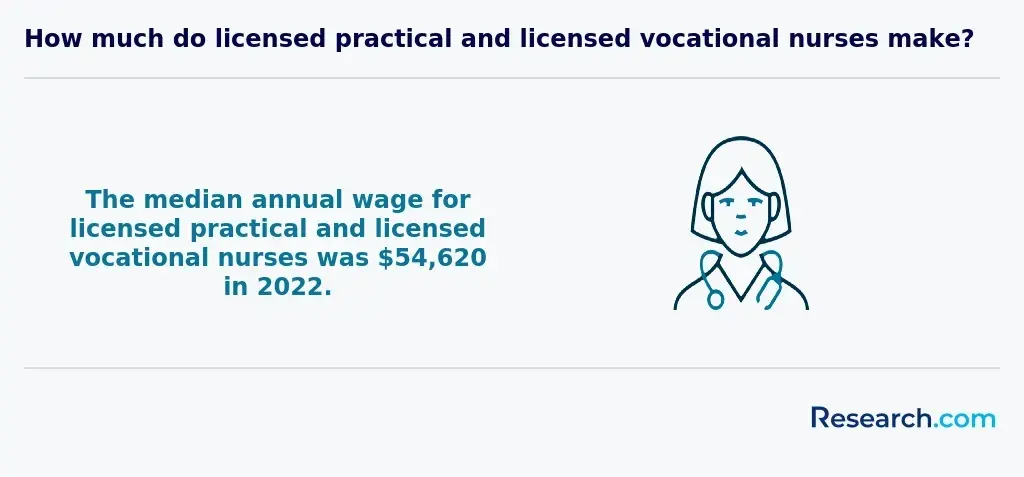
Yes. Colorado participates in the Nurse Licensure Compact, which allows eligible RNs and licensed practical or vocational nurses to practice in multiple compact states with one multistate license. The NLC was enacted in 2000 and currently includes 39 states.
Colorado joined the compact on January 1, 2021. A nurse with a valid multistate license from a compact home state can generally practice in Colorado without applying for a separate Colorado single-state license. However, the nurse must maintain eligibility under compact rules, including having a legal primary state of residence in the state that issued the multistate license.
If you move your primary residence to Colorado, your licensing obligations may change. Nurses relocating permanently should review Colorado Board of Nursing instructions rather than assuming that a compact privilege continues unchanged after a move.
How can out-of-state nurses get licensed in Colorado?
Nurses licensed outside Colorado have two main possibilities: practice under a valid Nurse Licensure Compact multistate license or apply for Colorado licensure by endorsement. The correct route depends on the nurse’s current license, primary state of residence, and whether the original state participates in the compact.
For nurses from non-compact states or nurses who need a Colorado license, the endorsement process generally includes:
- Application submission: Complete the Colorado Board of Nursing application and pay the required fee.
- License verification: Provide proof of current or previous nursing licensure as required.
- Education and work history documentation: Submit records requested by the board to confirm eligibility.
- Fingerprinting and background check: Complete the criminal history review required for licensure.
Internationally educated nurses may have additional requirements, including:
- Credential evaluation: Foreign nursing education may need to be reviewed by an approved credential evaluation organization.
- English proficiency documentation: Some applicants may need to demonstrate English proficiency through an accepted exam such as TOEFL.
- NCLEX completion: International applicants generally must meet U.S. examination requirements before licensure.
The safest approach is to identify your category before applying: compact nurse, endorsement applicant, international applicant, or applicant with a prior disciplinary or background issue. Each category can involve different documentation.
How should you prepare for the Colorado nursing licensing exam?
Colorado uses the NCLEX to determine whether nursing graduates are ready for safe entry-level practice. Passing the NCLEX requires more than memorizing content; candidates must practice clinical judgment, prioritization, delegation, and patient-safety decision-making.
Practical NCLEX preparation plan
- Confirm your eligibility timeline. Know when your school will submit completion documents and when you can register for the exam.
- Use structured review materials. NCLEX review books, question banks, and reputable review platforms can help you practice exam-style reasoning.
- Take timed practice tests. Timing practice helps reduce test-day stress and reveals weak content areas.
- Review rationales, not just scores. The explanation behind an answer is often more valuable than whether you guessed correctly.
- Build a weekly schedule. Consistent review is usually more effective than cramming in the final days.
- Use peer support carefully. Study groups can help, but they should stay focused on exam objectives and practice questions.
Professional organizations, nursing faculty, and local mentors can also help candidates understand the transition from student to licensed nurse. Applicants should keep exam registration, licensing records, and identification documents consistent to avoid administrative delays.
How does advanced education affect nursing career growth in Colorado?
Advanced nursing education can expand a Colorado nurse’s options beyond bedside generalist roles. Graduate preparation may support careers in primary care, specialty practice, education, leadership, population health, and advanced clinical decision-making. For RNs who want greater autonomy or specialized responsibility, the next logical step may be an MSN, DNP, post-master’s certificate, or role-specific advanced practice program.
Before enrolling, nurses should confirm whether the program supports their intended credential. For example, an aspiring nurse practitioner should verify clinical placement expectations, certification alignment, state authorization, and whether the curriculum matches the desired population focus. Research.com’s guide to nurse practitioner programs in Colorado can help nurses compare in-state options.
How should you think about the cost of nursing school in Colorado?
Nursing school cost affects more than your budget during enrollment. It can influence how much you need to work while studying, whether you can attend full time, how quickly you graduate, and what salary level you need after licensure to manage debt comfortably.
When comparing programs, include tuition, fees, books, uniforms, technology, transportation, parking, background checks, immunizations, exam fees, and lost income if you reduce work hours. A program with lower tuition may not be the best value if it has limited clinical access, weak NCLEX preparation, or poor transfer credit policies. For a broader breakdown, see Research.com’s guide to how much nursing school costs.
How can Colorado nurses keep developing professionally?
Professional development helps Colorado nurses remain competent, employable, and prepared for changing care models. Useful options include continuing education, specialty certifications, employer training, professional conferences, mentorship, quality improvement projects, and graduate coursework.
Development should be intentional. A new RN may focus on clinical confidence and specialty orientation, while an experienced nurse may pursue charge nurse training, preceptor roles, informatics skills, or advanced certification. Nurses who are still planning entry into the field can use Research.com’s guide to becoming a nurse in Colorado to understand the full pathway from education to licensure.
How is an LPN different from a medical assistant in Colorado?
LPNs and medical assistants both support patient care, but they are not interchangeable roles. LPNs are licensed nurses with a defined scope of nursing practice and typically provide direct clinical care under supervision. Medical assistants often combine administrative duties with limited clinical support, such as rooming patients, documenting information, and assisting with office procedures depending on employer policy and state rules.
Students deciding between the two should compare training length, licensure requirements, patient-care responsibilities, advancement options, and whether they eventually want to become an RN. For a deeper role comparison, review Research.com’s guide to the difference between licensed practical nurses and medical assistants.
Can nursing and pharmacy licensure support a broader healthcare career?
Nurses who develop strong medication knowledge can become more effective in patient education, medication reconciliation, safety monitoring, and interdisciplinary care. However, nursing licensure and pharmacy licensure are separate professional tracks with different education, examination, and regulatory requirements.
A nurse interested in pharmacy should treat it as a separate career decision, not a quick add-on credential. It may make sense for professionals drawn to pharmacology, medication therapy management, healthcare leadership, or interprofessional practice. To understand the separate licensing route, see Research.com’s guide on how to become a licensed pharmacist in Colorado.
What should you do if your Colorado nursing license application is denied?
If your Colorado nursing license application is denied, do not immediately submit a new application without understanding the reason. Start by reading the denial notice carefully. It should identify the issue, such as missing documentation, education questions, background concerns, exam eligibility problems, or inconsistencies in your application.
- Identify the exact deficiency. Separate fixable paperwork issues from eligibility or conduct concerns.
- Gather supporting records. This may include transcripts, license verification, court records, program letters, or corrected personal information.
- Contact the board when appropriate. Ask what documentation is needed and whether there is a formal appeal or reapplication process.
- Respond within deadlines. Missing a deadline can limit your options.
- Get professional advice for serious issues. Applicants with criminal history, discipline, or complex eligibility problems may need legal or professional guidance.
LPN applicants should also compare their materials against the state’s practical nursing expectations. Research.com’s guide to LPN requirements in Colorado can help candidates check whether their education and application route match the credential they are pursuing.
Which additional healthcare certifications can help nurses in Colorado?
Supplemental credentials can help nurses move into specialized, administrative, or hybrid roles. The best certification depends on your goal. A bedside nurse may benefit from a clinical specialty certification, while a nurse interested in operations may pursue training in coding, quality, case management, informatics, or revenue cycle processes.
For nurses considering administrative healthcare knowledge, medical billing and coding certification in Colorado may provide useful context for documentation, reimbursement, and revenue cycle workflows. It does not replace nursing licensure, but it can strengthen a nurse’s understanding of how clinical care connects with healthcare operations.
What financial aid is available for Colorado nursing students?
Nursing education can be expensive, but students in Colorado may have access to federal, state, institutional, employer, and professional-association funding. The best strategy is to combine multiple sources rather than relying on one scholarship or loan program.
| Funding option | How it may help | What to check before relying on it |
| State-specific grants and scholarships | Colorado programs such as the Colorado Health Service Corps may provide loan repayment for nurses who work in high-need areas. The College Opportunity Fund may provide a stipend for eligible undergraduate students at participating Colorado institutions. | Confirm service obligations, eligibility rules, award limits, and whether your school participates. |
| Federal financial aid | Students may qualify for Pell Grants, Perkins Loans, or the Federal Supplemental Educational Opportunity Grant based on financial need. | Submit the FAFSA and ask the school’s aid office how funds apply to nursing costs. |
| Work-study | Part-time campus or approved employment can help cover expenses while building experience. | Make sure work hours will not interfere with clinical schedules. |
| Professional scholarships | Organizations such as the Colorado Nurses Association may offer nursing student scholarships. | Review deadlines, membership requirements, essay expectations, and renewal rules. |
| Employer tuition support | Healthcare employers may help staff pursue LPN, RN, BSN, or graduate education. | Check whether repayment is required if you leave the employer. |
How can nurses advance their careers in Colorado?
Career advancement for Colorado nurses can happen through specialization, degree progression, leadership development, or movement into education and administration. The strongest route depends on your current license, preferred work setting, and tolerance for additional schooling.
- Specialty certification: Nurses can build expertise in areas such as gerontology, pediatrics, oncology, critical care, emergency nursing, or perioperative care.
- Advanced degrees: MSN and DNP programs may lead to nurse practitioner, nurse educator, clinical leadership, or executive roles.
- Leadership roles: Charge nurse, nurse manager, director, and administrative roles often require clinical credibility plus management skills.
- Continuing education: CE supports renewal, practice updates, and readiness for new technologies and care models.
- Teaching and precepting: Experienced nurses can support students and new graduates through academic or clinical education roles.
Students still trying to enter nursing school may also want to compare admissions competitiveness. Research.com’s guide to nursing schools that are easier to get into can help applicants think strategically about program fit.
How does the LVN pathway compare with other nursing roles in Colorado?
The term LVN is commonly used in some states for licensed vocational nurses, while Colorado generally uses the licensed practical nurse framework. In practice, this pathway is usually more limited than RN practice and is focused on foundational nursing care under defined supervision and scope-of-practice rules.
This route may appeal to students who want a faster entry into patient care, plan to work in long-term care or outpatient settings, or intend to bridge into RN education later. However, students should be careful with terminology when applying in Colorado and confirm whether a program prepares them for the appropriate Colorado credential. For more detail, see Research.com’s guide on how to become an LVN in Colorado.
What nursing workforce trends are affecting Colorado?
Colorado’s nursing workforce is being shaped by several pressures: an aging population, rising healthcare needs, rural and underserved-area shortages, greater reliance on advanced practice nurses, and expanding use of technology in care delivery. According to the Colorado Center for Nursing Excellence, shortages are especially important in rural areas and underserved communities.
Advanced practice registered nurses, including nurse practitioners, are increasingly important in primary care and access-focused settings. Nurses considering this path should plan carefully because graduate tuition, clinical requirements, certification, and licensure steps can affect both timeline and return on investment. Research.com’s guide to becoming a nurse practitioner in Colorado can help with that planning.
Technology is another major factor. Electronic health records, telehealth platforms, virtual monitoring, and data-driven care coordination are now routine in many healthcare settings. Nurses who build comfort with digital tools, patient communication technology, and documentation standards may be better positioned for future roles.
How should you choose a nursing school in Colorado?
Choosing a nursing school should be a licensing and career decision, not just an admissions decision. The best program is one that prepares you for the credential you want, fits your schedule and budget, offers appropriate clinical experiences, and supports NCLEX success.
| Factor | Why it matters | Questions to ask |
| Accreditation and approval | Licensure and transfer options may depend on program recognition. | Is the program approved for Colorado nursing licensure? |
| Clinical placements | Nursing cannot be learned only through lectures. | Where are clinical sites located, and who arranges them? |
| NCLEX preparation | Passing the exam is required for licensure. | How does the program support students who are preparing for the NCLEX? |
| Total cost | Tuition is only one part of the financial commitment. | What are the total required costs, including fees, supplies, travel, and testing? |
| Schedule format | Work, family, and commuting can affect completion. | Are classes full time, part time, online, hybrid, evening, or weekend? |
| Transfer and bridge policies | Prior credits can shorten or fail to shorten your timeline. | Will my previous coursework, CNA experience, LPN license, or military training count? |
Prospective students comparing schools can start with Research.com’s overview of the best nursing schools in Colorado, then verify current licensure alignment directly with each institution.
How can online nursing programs support Colorado students?
Online nursing programs can help students balance education with work, caregiving, and geographic barriers. They may be especially useful for RN-to-BSN students, graduate nursing students, and working nurses who need flexible coursework. However, online does not mean clinical-free. Programs that lead to initial licensure still need approved clinical training and must meet state requirements.
Before enrolling in an online program, Colorado students should ask whether the school is authorized to enroll Colorado residents, whether clinical placements are available in or near Colorado, whether the curriculum supports Colorado licensure, and whether the program is appropriately accredited. To compare flexible options, review Research.com’s guide to the top online nursing programs in Colorado.
What are the benefits of becoming a nurse midwife in Colorado?
Nurse midwives provide advanced care related to pregnancy, birth, reproductive health, preventive care, and postpartum support. In Colorado, this pathway can appeal to nurses who want a deeper role in maternal and community health while working collaboratively with physicians and other healthcare professionals.
This is an advanced practice route, so nurses should expect graduate education, clinical training, certification, and state credentialing requirements. It may be a strong fit for RNs interested in reproductive health, patient education, continuity of care, and serving communities with limited maternity care access. Research.com’s guide to the educational requirements for nurse midwives in Colorado explains the pathway in more detail.
What alternative pathways lead to nursing licensure in Colorado?
Not every Colorado nurse begins with a traditional pre-licensure ADN or BSN program. Career changers, LPNs, military healthcare personnel, and internationally educated nurses may have different routes into practice. The key is choosing a pathway that actually leads to the license you want.
Second-degree and accelerated BSN programs
Students who already have a bachelor’s degree in another field may qualify for an accelerated BSN route. These programs are often designed to move quickly through nursing coursework and clinical requirements, typically 12 to 18 months, depending on the school and student readiness.
- Best for: Career changers with strong prior college performance.
- Credential goal: Registered nurse.
- Main caution: Accelerated programs can be intense and may limit how much students can work.
Online nursing degrees for non-nurses
Some programs serve students who have a non-nursing degree and want a more flexible route into nursing. Coursework may be online or hybrid, but clinical learning still must be completed in approved settings.
- Best for: Adult learners who need flexibility but can complete clinical requirements.
- Credential goal: Registered nurse.
- Main caution: Confirm state authorization, clinical placement support, and licensure eligibility before enrolling.
LPN-to-RN bridge programs
LPNs who want broader clinical responsibility can pursue LPN-to-RN bridge programs. These programs build on practical nursing education and may lead to an ADN or BSN. Many take one to two years, depending on the program format and accepted transfer credits.
- Best for: Licensed practical nurses ready to expand scope and career options.
- Credential goal: Registered nurse.
- Main caution: Compare bridge credit policies carefully because they can change total time and cost.
Licensure for internationally educated nurses
Nurses educated outside the United States may qualify for Colorado licensure after credential evaluation, English proficiency documentation when required, NCLEX completion, and state application review.
- Best for: Nurses with overseas nursing education who want to practice in Colorado.
- Credential goal: Usually registered nurse, depending on education and eligibility.
- Main caution: Credential evaluation and documentation can take time, so start early.
Military-to-civilian nursing pathways
Veterans and active-duty personnel with healthcare training may be able to apply prior learning toward nursing education or licensure preparation. Some schools may award credit for military healthcare experience, but candidates still must meet Colorado’s licensing requirements and pass the required exam.
- Best for: Military-trained healthcare workers transitioning to civilian nursing.
- Credential goal: Registered nurse or practical nurse, depending on pathway.
- Main caution: Military experience does not automatically equal nursing licensure; confirm credit and requirements in writing.
For career changers who prefer a flexible academic route, Research.com’s guide to an online nursing degree for non-nurses can help compare programs designed for students entering nursing from another field.
Common mistakes to avoid when applying for a Colorado nursing license
| Mistake | Why it causes problems | Better approach |
| Choosing a program without checking licensure alignment | You may complete coursework that does not meet Colorado requirements. | Confirm approval, accreditation, and state authorization before enrolling. |
| Looking only at tuition | Fees, supplies, testing, travel, and lost work time can change the true cost. | Compare total program cost and expected completion timeline. |
| Assuming online programs automatically qualify | Some online programs may not support Colorado clinical or licensure needs. | Ask the school directly whether Colorado residents are eligible and supported. |
| Ignoring compact license residency rules | Moving to Colorado can affect whether your multistate license remains valid. | Review compact rules before relocating or changing your primary residence. |
| Waiting until the deadline to renew | Expired licensure can interrupt employment and practice authority. | Track your renewal date and complete requirements early. |
| Assuming salary or advancement is guaranteed | Pay depends on role, setting, region, experience, education, and employer needs. | Compare local job postings and talk with employers before taking on debt. |
Key insights for Colorado nursing license applicants
- Colorado licensure is role-specific. RN, LPN, CNA, APN, psychiatric technician, and related roles have different education, exam, and scope-of-practice expectations.
- The NCLEX is central to RN and LPN licensure. Choose a program that prepares you for the exam, not just one that fits your schedule.
- Colorado participates in the Nurse Licensure Compact. Compact nurses may be able to practice in Colorado, but residency and multistate license rules matter.
- Renewal happens every two years. Nurses should verify current continuing education and fee requirements before each renewal cycle.
- Cost and licensure eligibility should be evaluated together. A cheaper program is not a good value if it delays licensure or lacks suitable clinical placements.
- Advanced education can expand options. BSN, MSN, DNP, and certification pathways can support movement into specialty care, leadership, education, or advanced practice.
- Documentation prevents delays. Keep transcripts, exam records, fingerprinting information, license verification, and contact details accurate and consistent.
Related Articles for Nearby States
- 2027 Wyoming Nursing License Requirements
- 2027 Nebraska Nursing License Requirements
- 2027 Kansas Nursing License Requirements
- 2027 New Mexico Nursing License Requirements
- 2027 Utah Nursing License Requirements
- 2027 Oklahoma Nursing License Requirements
- 2027 Arizona Nursing License Requirements
- 2027 Texas Nursing License Requirements
- 2027 South Dakota Nursing License Requirements
- 2027 Nevada Nursing License Requirements
References:
- U.S. Bureau of Labor Statistics. (2023, September 6). Occupational Outlook Handbook - Nursing assistants and orderlies. Retrieved February 16, 2024, from https://www.bls.gov/ooh/healthcare/nursing-assistants.htm
- dpo.colorado.gov (n.d.). Nursing HOME | Division of Professions and Occupations. https://dpo.colorado.gov/Nursing
- Smiley, R., Ruttinger, C., Oliveira, C., Hudson, L., Allgeyer, R., Reneau, K., Silvestre, J., & Alexander, M. (2021). The 2020 National Nursing Workforce Survey. Journal of Nursing Regulation. (21)00027-2. https://doi.org/10.1016/S2155-8256 Colorado Board of Nursing information
Other Things You Should Know About Nursing Licenses in Colorado
To obtain a nursing license in Colorado in 2027, applicants must complete an accredited nursing program, pass the NCLEX-RN exam, submit fingerprints for a background check, and provide proof of having passed the Jurisprudence exam. Additionally, applicants must submit an application through the Colorado Division of Professions and Occupations.
To become a registered nurse (RN) in Colorado in 2027, you must obtain at least an Associate Degree in Nursing (ADN) or a Bachelor of Science in Nursing (BSN) from an accredited program. After completing your education, you must pass the NCLEX-RN exam and apply for a license from the Colorado Board of Nursing.





