2027 Dental Assistant Admissions Trends Report: Acceptance Rates, GPA Expectations, and Test Policy Changes

Co-Founder and Chief Data Scientist
Enrollment patterns in dental assistant programs increasingly reflect shifting workforce demands and regulatory frameworks more than traditional academic gatekeeping. Capacity limits and accreditation criteria drive many programs to adjust acceptance rates and prerequisite expectations to align with licensure pathways and practical training needs. Changes in standardized testing policies often respond to evolving applicant profiles and institutional efforts to balance rigor with access.
As demand for dental assistants grows with an aging population and expanded clinical roles, admissions metrics reveal how programs manage these pressures while prioritizing relevant competencies. The age distribution of enrollees signals ongoing adjustments in workforce entry points and professional development pathways within the field.
Key Things to Know About Dental Assistant Admissions Trends
- Acceptance rates have tightened to roughly 45% in 2024, reflecting heightened competition and signaling that candidates must differentiate beyond grades to secure admission in practical dental assistant programs.
- Average GPA expectations center near 3.0, balancing academic readiness with technical skill assessment; this trend underscores programs prioritizing applied competencies alongside academic benchmarks for workforce fit.
- More programs have dropped standardized test mandates, reducing upfront costs but shifting emphasis to prior healthcare experience and interviews, which can delay admissions timing and affect applicant accessibility.
- Key Things to Know About Dental Assistant Admissions Trends Key Things to Know About Dental Assistant Admissions Trends
- What Are the Current Acceptance Rates for Dental Assistant Degree Programs? Current Acceptance Rates
- What Is the Average GPA of Accepted Dental Assistant Students? GPA Requirement
- Are SAT or ACT Scores Still Required for Dental Assistant Degree Programs? SAT/ACT Requirement
- How Many Dental Assistant Programs Have Adopted Test-Optional Admissions Policies? Test-Optional Programs
- What Non-Academic Factors Do Dental Assistant Admissions Committees Consider? What Non-Academic Factors Do Dental Assistant Admissions Committees Consider?
- Which Types of Schools Are the Most Selective for Dental Assistant Applicants? Which Types of Schools Are the Most Selective for Dental Assistant Applicants?
- How Do Admissions Standards Differ Across States and Regions? Admission Standards by State
- How Do Admissions Requirements Compare Between Online and Campus Programs? Online vs On-Campus Admissions
- Is There a Relationship Between Admissions Standards and Student Success? Admission Standards & Student Success
- How Can Students Strengthen a Dental Assistant Program Application? Program Application Preparation
What Are the Current Acceptance Rates for Dental Assistant Degree Programs?
Recent data from the U.S. Department of Education's College Scorecard and NCES indicate that acceptance rates for dental assistant degree programs generally range between 40% and 70%, though these averages mask significant regional and institutional variation. Programs affiliated with community colleges or vocational schools in densely populated urban areas often experience more competitive admissions, with acceptance percentages dipping as low as 35% to 50% due to high application volumes and limited training capacity. These acceptance rates reflect the balance institutions must maintain between accommodating demand and ensuring adequate clinical hands-on training, which is a critical component of dental assistant education.
Differences in acceptance rates can be attributed to program structure, institution type, and regional demand dynamics. Full-time, on-campus dental assistant programs typically exhibit increased selectivity compared to online or part-time options, largely because of restricted classroom and clinical space alongside applicant readiness standards. Public institutions and highly competitive programs often enforce minimum GPA thresholds of 2.5 to 3.0, whereas some schools adopt more holistic admissions that weigh practical experience and recommendations alongside academic performance. Understanding dental assistant program acceptance rates by region elucidates enrollment pressures and capacity challenges that influence these admissions patterns.
Acceptance rate trends have broader implications for prospective students weighing their options amid fluctuating test policies and growing applicant pools. The move by many programs to waive certain standardized testing requirements, like the TEAS or SAT, can enlarge the applicant pool, thus altering competitiveness and potentially lowering acceptance rates. Strategically selecting programs based on these admission dynamics helps candidates position themselves effectively in a workforce increasingly attentive to accredited training rigor. Those exploring related healthcare credentials might also consider the affordability and accessibility factors exemplified in fields such as medical coding certification, where similar enrollment trends apply.
What Is the Average GPA of Accepted Dental Assistant Students?
Recent admissions data from several community colleges and vocational programs indicate that the average GPA requirements for dental assistant programs generally range between 2.5 and 3.2. This typical GPA range for admitted dental assistant students reflects a balanced admissions profile that acknowledges essential academic preparedness without imposing the rigorous GPA cutoffs seen in more traditional health professions. Data compiled from 2024 institutional reports and education sector databases show that this moderate GPA band serves as a practical benchmark for entry, emphasizing functional academic competence alongside other candidate attributes.
GPA expectations differ notably across institution types, influenced by selectivity, regional demand, and instructional models. Public community colleges often admit students with median GPAs near 2.8, aiming to accommodate diverse applicants and local workforce needs, while private and more selective programs may set median thresholds closer to or slightly above 3.0. Variability in grading practices and additional admission criteria such as prerequisite coursework or standardized testing further shapes these profiles, distinguishing programs in terms of competitiveness and applicant quality within the dental assistant field.
Because many dental assistant programs have adjusted testing policies toward more holistic admissions, including LPN programs that don't require TEAS test frameworks, GPA thresholds alone no longer dictate entry outcomes. Applicants often focus on meeting these GPA ranges while strengthening experiential elements and motivational factors to improve candidacy. Consequently, GPA serves as one of several interrelated indicators of academic readiness and program fit, effectively guiding applicant preparation strategies and signaling program competitiveness without operating as an absolute barrier in the admissions process.
Are SAT or ACT Scores Still Required for Dental Assistant Degree Programs?
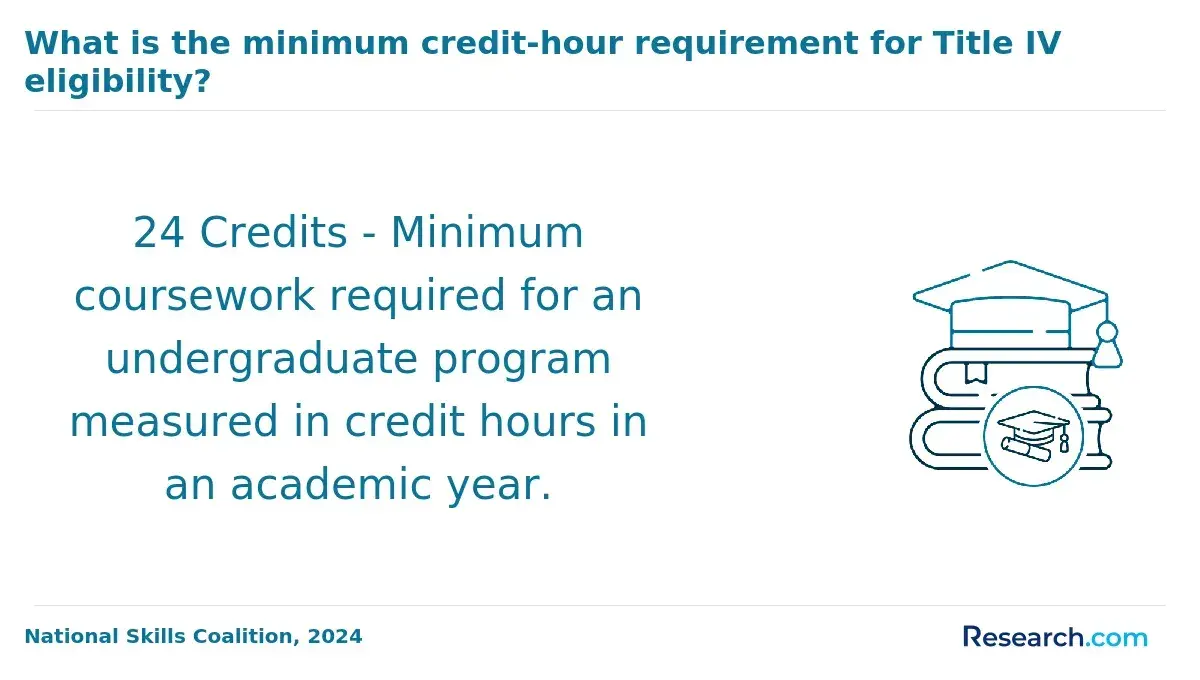
As of 2024, most dental assistant degree programs no longer mandate SAT or ACT scores for admission, reflecting a clear departure from traditional admissions criteria common in four-year institutions. Data from the National Center for Education Statistics indicate that while a small number of programs may still collect standardized test results, these are typically used for academic placement or advising purposes rather than as gatekeepers for entry. This shift parallels a growing recognition in technical and community college settings that hands-on skills and practical coursework better predict student success and workforce readiness than generalized test scores. High school GPA and relevant healthcare-related coursework have become more decisive factors in admissions decisions, emphasizing the applied nature of dental assisting rather than the more theoretical focus seen in broader higher education contexts.
Several key drivers influence this evolving approach to standardized testing in dental assistant programs. The expansion of test-optional policies aligns with efforts to reduce access barriers for non-traditional and underserved students, while also addressing critiques of systemic inequities associated with SAT and ACT performance. Additionally, institutions with limited selectivity and those emphasizing career technical education weigh practical competencies over academic metrics designed for four-year academic trajectories. This contrasts with more selective programs or private institutions that may maintain stricter academic benchmarks as part of broader ranking or prestige strategies. Consequently, the landscape of dental assistant admissions is increasingly defined by a tradeoff between streamlined entry pathways focused on skills relevance and institutional goals tied to measured academic indicators.
One student recalled hesitating to submit SAT scores during the rolling admissions period, uncertain whether it would enhance their candidacy given conflicting information from program advisors. They ultimately opted to focus on strengthening their GPA and completing prerequisite healthcare courses rather than investing time in standardized test prep. This decision came with some anxiety, especially as application deadlines approached, but the student found that the admissions office prioritized clinical experience and coursework completion over test results, validating their strategic choice and enabling a more straightforward enrollment process.
How Many Dental Assistant Programs Have Adopted Test-Optional Admissions Policies?
Recent data from the National Center for Education Statistics and FairTest indicate that approximately 40% to 50% of accredited dental assistant programs in the United States have incorporated test-optional admissions policies as of 2024. This represents a significant shift away from mandatory standardized testing, aligning these programs with broader trends in higher education aimed at reevaluating the predictive value and equity implications of exams like the SAT and ACT. These figures reflect a growing recognition among dental assistant programs that multiple academic and experiential factors can effectively assess candidates, especially given the diverse educational backgrounds typical of this applicant pool.
The rise of test-optional admissions in dental assistant programs is driven largely by concerns about equitable access and recognition of systemic barriers in standardized testing performance. The COVID-19 pandemic accelerated these policy changes, prompting many schools to reconsider rigid criteria amid disruptions to testing availability. Institutions are increasingly balancing selectivity with inclusivity by emphasizing GPA benchmarks and relevant practical experience, which better capture applicable skills and readiness. Additionally, competition for applicants amid expanding workforce demand encourages programs to adopt flexible criteria that attract a broader range of candidates without compromising academic standards.
In terms of impact, adopting test-optional policies often helps programs widen their applicant pools, leading to increased diversity and varied educational profiles that can enhance class composition. However, this shift also requires applicants and advisors to recalibrate admissions strategies, prioritizing GPA and coursework over standardized scores. Programs maintaining test-optional frameworks may experience subtle changes in selectivity metrics, as some candidates opt out of submitting test results, prompting institutions to refine holistic evaluation approaches. Overall, the trend reflects an evolving admission landscape in dental assisting education where standardized testing is no longer the central gatekeeper but one component among several used to assess potential success in both training and the workforce.
What Non-Academic Factors Do Dental Assistant Admissions Committees Consider?
Admissions decisions for dental assistant programs increasingly rely on holistic review, which balances traditional academic metrics such as GPA and test scores with a range of non-academic factors. This holistic approach aims to assess an applicant's broader potential by evaluating personal qualities, practical experiences, and contextual attributes that indicate readiness for the profession's real-world demands. Understanding how admissions committees weigh these elements alongside academic criteria provides insight into student selection dynamics and program fit.
- Prior Healthcare or Clinical Experience: Admissions committees often prioritize candidates with direct exposure to dental or healthcare environments through work or volunteer roles. This experience demonstrates familiarity with clinical settings and practical skills, often leading to smoother adaptation and higher retention, consistent with data from the National Center for Educational Statistics showing that roughly 48% of dental assistant programs consider applicant experience levels during admissions.
- Communication Skills and Teamwork: Evaluation of interpersonal abilities via interviews or personal statements is common, reflecting employer demand for dental assistants capable of effective patient interaction and collaboration. Structured interviews assess empathy, professionalism, and conflict resolution-qualities critical to managing the interpersonal dynamics of dental offices and complementing academic achievement.
- Commitment and Motivation: Letters of recommendation, personal essays, and motivation statements provide qualitative insight into applicants' career intentions and perseverance. Admissions panels value clear, informed career objectives and awareness of the profession's challenges as predictors of long-term success and program completion, which academic metrics alone cannot capture.
- Reliability and Work Ethic: Though challenging to quantify, these traits are gleaned from employment history, academic consistency, and references. Given the hands-on, sometimes unpredictable nature of dental assisting, dependable work habits signal an applicant's capacity to thrive in practical settings beyond cognitive aptitude.
- Cultural Competence and Adaptability: Emerging as a factor in some programs, these attributes reflect readiness to provide patient-centered care in diverse populations. While not yet universal, the emphasis on cultural sensitivity aligns with evolving workforce needs and healthcare quality standards.
Such non-academic considerations complement GPA and testing, fostering admissions decisions that prioritize both technical readiness and professional dispositions. These factors play an essential role in how dental assistant admissions committees evaluate experience and extracurriculars, ensuring cohorts not only meet academic standards but also exhibit the soft skills needed in clinical environments.
Prospective students weighing educational pathways may also explore interdisciplinary options linked to healthcare, such as an exercise science online degree, which shares overlapping competencies in patient interaction and applied science. Awareness of these non-academic factors is therefore critical for applicants, transfer students, advisors, and researchers analyzing selection trends, selectivity, and evolving GPA expectations within dental assistant programs.
Which Types of Schools Are the Most Selective for Dental Assistant Applicants?
Admissions selectivity for dental assistant programs varies considerably across institution types due to differences in program capacity, funding, and applicant demand. More selective programs often correlate with limited cohort sizes, heightened academic expectations, and stronger reputational considerations that influence applicant competition. Available data from the U.S. Department of Education's IPEDS for 2024 reports private colleges averaging acceptance rates between 40% and 60%, in contrast to community colleges frequently admitting 70% or more. These variations reflect strategic enrollment prioritization and institutional mission rather than uniform admissions standards.
- Private Not-For-Profit Colleges: These institutions generally maintain smaller dental assistant cohorts and enforce stricter admission criteria, including higher GPA minimums often above 3.0. The relatively lower acceptance rates result from balancing limited capacity with a focus on academic rigor and program reputation, presenting more intense competition compared to public counterparts.
- Technical and Vocational Institutes: Many technical schools adopt selective policies emphasizing applied skills and relevant prerequisite completion. Their admissions processes can include portfolio reviews or interviews, contributing to moderate selectivity tied to workforce alignment and practical training intensity.
- Public Community Colleges: Typically exhibiting open or minimally selective admission policies, these colleges prioritize broad access to dental assistant training. Their larger class sizes and fewer academic barriers result in acceptance rates that exceed 70%, though program resources and clinical exposure may differ from more selective options.
- Career and Workforce Centers: These often provide accessible entry points into the dental assisting field with flexible admissions and lower eligibility thresholds. Their emphasis is on rapid workforce integration rather than exclusivity, making them among the least selective but vital for meeting regional labor demands.
Understanding these distinctions is essential for applicants weighing the tradeoffs between ease of entry, academic rigor, and potential employment outcomes. Selectivity often signals resource concentration and reputational investment, but lower selectivity pathways offer pragmatic routes aligned with diverse student needs and local workforce shortages.
How Do Admissions Standards Differ Across States and Regions?
Admissions standards for dental assistant programs differ substantially across U.S. states and regions, reflecting diverse priorities in institutional selectivity and workforce development. Recent data from state university systems and the National Center for Education Statistics (NCES) confirm that programs in densely populated, competitive healthcare markets often require higher GPAs-typically around 3.0 or more-and specific prerequisite courses such as anatomy or biology. In contrast, programs in less populous or rural areas adopt more accessible entry requirements, sometimes accepting GPAs closer to 2.5 with fewer formal prerequisites to expand local workforce capacity. Additionally, a growing number of programs are incorporating holistic review processes, valuing nonacademic factors like volunteer work and patient care experience, though the extent to which these replace traditional metrics varies regionally.
The drivers behind these differences include regional variations in public funding, local labor market demands, and state education policies that shape institutional capacity and admission frameworks. Higher admissions standards commonly align with stronger clinical training offerings and correlate with urban programs facing intense enrollment competition and higher employer expectations. Conversely, rural or underserved regions often prioritize broader accessibility to meet workforce shortages, leveraging flexible testing policies or extended internship requirements to offset lower entry thresholds. This dynamic interaction between population density, health system growth, and state-level resource allocation produces a patchwork of admissions strategies tailored to distinct educational ecosystems rather than uniform national standards.
One dental assistant graduate described navigating admissions in a state with rolling application cycles and variable requirements between institutions. They waited to submit materials after completing a patient care certification, unsure if earlier applications would suffer from incomplete documentation. The uncertainty about GPA cutoffs and how much weight schools placed on volunteer experience caused hesitation, prompting them to apply to multiple programs over several months. This strategic timing, combined with adapting to shifting pandemic-driven policies around entrance exams, underscored how admissions standards fluctuate not only geographically but also over time, requiring applicants to remain flexible and well-informed throughout the process.
How Do Admissions Requirements Compare Between Online and Campus Programs?
Admissions requirements for online and campus dental assistant programs have diverged notably, reflecting differences in delivery format and targeted student demographics. Campus-based programs maintain stricter GPA thresholds and often require standardized tests or prerequisite coursework, anchored by the need for in-person clinical training and direct faculty oversight. In contrast, online dental assistant programs frequently adopt more flexible admissions policies, including test-optional protocols and lower GPA cutoffs, to accommodate working adults and non-traditional students balancing education with other responsibilities. Such flexibility aligns with data from leading higher education reports showing a growing share of programs adjusting criteria to expand accessibility without compromising competency standards.
This contrast stems primarily from institutional goals and the logistical demands of each delivery model. Campus programs typically serve recent high school graduates or those able to attend fixed cohort schedules, necessitating more standardized and competitive admissions cycles. Online programs emphasize scalability and enrollment accessibility, offering rolling admissions and remote interviewing to serve a broader and more diverse student base. These differences also correlate with varied academic support structures and the need to arrange clinical hours locally for online learners, adding layers to the admissions review process. Understanding these dynamics clarifies how admissions policies evolve in response to enrollment demand and program scalability rather than a simple binary of online versus campus.
Employers in the dental field recognize these distinctions but generally emphasize verified clinical experience and certification readiness over the modality of instruction. For prospective students navigating how do admissions requirements differ between online and campus dental assistant programs in the United States, weighing the flexibility of online pathways against the structured rigor of campus programs is critical. This decision also intersects with broader workforce trends and educational pathways, such as those explored in the nurse practitioner course context, underscoring the importance of practical imperatives in program selection.
Is There a Relationship Between Admissions Standards and Student Success?
Recent data from the National Center for Education Statistics in 2024 indicate that dental assistant programs with higher minimum GPA standards, generally around 3.0 or above, tend to show graduation rates about 12% higher than those with more lenient thresholds. However, this relationship between admissions standards and student success is not purely linear. The impact of selective admissions policies must be considered alongside program completion rates, certification exam success, and broader academic outcomes to provide a clear understanding of how admission criteria influence overall effectiveness. This nuanced correlation reflects the ongoing balance programs seek in managing academic rigor and accessibility while ensuring workforce readiness in a field where practical skills are paramount.
The complexity of the relationship between admission standards and student success in dental assistant programs arises from various factors, including student demographics, access to academic support, and institutional resources. Programs that adopt multifaceted admissions approaches-integrating GPA, experience, and interpersonal skills-often report stronger outcomes despite being less reliant on standardized testing. The design and funding of the program, alongside graduation requirements, also play a significant role in shaping retention and certification pass rates. This means that programs with flexible admissions combined with robust hands-on training and student support can perform as well or better than more exclusive programs in preparing competent graduates.
For prospective dental assistant students, admissions selectivity alone should not be seen as a definitive indicator of program quality or long-term success. Employers emphasize clinical training and real-world experience alongside academic readiness, making admissions policies only one part of the equation. Considering practical pathways such as a fast track medical billing and coding certificate online can complement dental assistant training and broaden career opportunities within healthcare systems.
How Can Students Strengthen a Dental Assistant Program Application?
Competitive dental assistant applications generally reflect a synthesis of academic readiness, hands-on experience, and clear alignment with program expectations. Admissions committees increasingly gauge applicants by holistic evidence demonstrating preparedness and professional fit rather than relying solely on minimum GPA thresholds or checklist credentials. Projects like the 2024 Workforce Admissions Report emphasize that a cumulative GPA near or above 3.0 signals foundational competence, yet practical experience and demonstrated engagement often serve as critical differentiators in selective admissions contexts.
- Rigorous Academic Preparation: Excelling in prerequisite courses such as biology and health sciences provides quantitative evidence of cognitive ability and technical knowledge. Admissions evaluators view this as predictive of student success, especially in programs retaining testing metrics despite broader test-optional trends.
- Direct Clinical Experience: Documented work, internships, or volunteering in dental or healthcare settings indicate familiarity with workplace demands and patient interaction protocols. This practical exposure often mitigates marginal academic indicators by proving commitment and realistic expectation alignment.
- Strategic Submission of Test Scores: When accepted, strong standardized test results can strengthen applications in borderline cases, signaling comparable academic rigor across diverse educational backgrounds, which admissions teams interpret as a measure of applicant reliability.
- Effective Communication of Soft Skills: Highlighting interpersonal skills, attention to detail, and professionalism through recommendation letters or personal statements enables committees to assess intangible traits critical to patient care and team-based environments.
- Holistic Integration of Credentials: Presenting coursework, experience, and test data as interconnected indicators of readiness rather than isolated achievements demonstrates cohesive applicant quality. This approach aligns well with contemporary holistic admission frameworks emphasizing fit and long-term potential.
References
- Dental Assistant School: What the Best Programs Offer (and What to Avoid) in Tallahassee https://tallahasseedentalassistant.com/blog/dental-assisting/dental-assistant-school-what-the-best-ones-offer/
- Dental Assisting Application https://www.wallacestate.edu/programs/health-division/dental-assisting/datapplication.html
- Dental School Acceptance Rate: 7 Key Admission Facts https://msms.tiberhealth.com/dental-school-acceptance-rate-7-key-facts/
- List of Colleges Dropping & Reinstating ACT/SAT Requirements https://progresslearning.com/news-blog/colleges-dropping-reinstating-act-sat-requirements/
- Dental Assistant School: What the Best Programs Offer (and What to Avoid) in Durham https://durhamdentalassistant.com/blog/dental-assisting/dental-assistant-school-what-the-best-ones-offer/
- DDS Admissions FAQ https://www.pacific.edu/dental/academic-programs/doctor-of-dental-surgery/dds-admissions-faq
- Online Dental Assistant Programs: Compare Schools & Get Info https://www.edumed.org/online-schools/dental-assistant-programs/
- Online Dental Assistant Program Overview | Penn Foster https://www.pennfoster.edu/programs/healthcare/dental-assistant-career-diploma
- How to Become a Dental Assistant - 8 Step Guide https://www.ultimatemedical.edu/blog/how-to-become-a-dental-assistant/
- Why Becoming a Dental Assistant Before Applying to Dental School Gives You a Major Advantage https://www.triangledentalassisting.com/single-post/why-becoming-a-dental-assistant-before-applying-to-dental-school-gives-you-a-major-advantage
Other Things You Should Know About Dental Assistant
GPA expectations serve as a baseline filter, but programs with higher selectivity tend to place greater emphasis on small GPA differences. In practical terms, students with GPAs near the cutoff should consider targeting moderately selective programs where their academic profile aligns with median admitted student data, rather than only aiming for highly selective programs with intense competition. This strategy increases admission chances without necessarily sacrificing educational quality or employment outcomes.
Test-optional policies reduce barriers for some applicants but introduce uncertainty about how admissions committees weigh other credentials like GPA, experience, and recommendations. Candidates should recognize that omitting test scores increases the relative importance of demonstrated academic consistency and relevant hands-on experience. Applicants lacking strong standardized test results should prioritize strengthening their transcripts and clinical exposure to maintain competitiveness under test-optional regimes.
While easing admissions criteria can broaden access, it may also lead to variability in student readiness, affecting job performance and employer confidence. Programs balancing accessibility with rigorous academic and practical standards tend to produce graduates better equipped to meet employer expectations. Prospective students should evaluate admissions trends alongside program reputations and clinical training quality to ensure they enter a pathway with demonstrable workforce value.
Advisors should prioritize helping students build strong foundational competencies reflected in GPA and relevant clinical skills, as these remain consistent predictors of success despite testing policy changes. Emphasizing strategic application planning-targeting programs with admissions criteria closely matching each student's strengths-can optimize admission outcomes. Additionally, advising to gain practical work experience or certifications before application can differentiate candidates in increasingly competitive or test-optional landscapes.