2027 Dental Assistant Degree Completion Time Report: How Long Students Actually Take to Graduate

Co-Founder and Chief Data Scientist
Completion timelines for dental assistant degrees often extend beyond published program lengths due to a complex interplay of academic, personal, and workforce factors. Many students juggle part-time enrollment, financial pressures, and clinical placement availability, which create real delays not reflected in catalogs. A 2024 National Student Clearinghouse report highlights growing part-time attendance and stop-out patterns that disproportionately affect allied health programs, contributing to extended time-to-degree.
Transfer students face added hurdles aligning credits, while employer demand for practical experience encourages some learners to take additional certifications along the way. This article examines how these dynamics shape actual graduation times, offering insights for informed educational planning.
Key Things to Know About Dental Assistant Degree Completion Time
- Most students take longer than the advertised program length. Only about 45% of first-time, full-time bachelor's students graduate within four years, while roughly 64% finish within six years, making the actual completion time longer for many learners.
- The average college graduate is often older than expected. The median age of bachelor's degree recipients is around 23 years, while master's degree recipients are typically in their early 30s, reflecting the growing number of adult and returning students.
- Completing a degree can significantly increase lifetime earnings. Workers with a bachelor's degree earn roughly 65% more per week than those with only a high school diploma, and graduate degree holders typically earn even higher median wages over their careers.
- What Is the Average Graduation Time for Dental Assistant Students? Average Graduation Timeline
- What Factors Have the Biggest Impact on Graduation Speed? Graduation Timeline Factors
- How Does Full-Time Versus Part-Time Enrollment Affect Graduation Timelines? Full-Time vs. Part-Time Graduation Timeline
- Do Online Dental Assistant Students Graduate Faster Than Campus-Based Students? Online vs Campus-Based Timeline
- How Many Months or Years Can Transfer Credits Save? Transfer Credits for Shorter Timeline
- Do Accelerated Dental Assistant Programs Significantly Reduce Completion Time? Accelerated Program Timeline
- Which Dental Assistant Program Requirements Most Often Extend Graduation Timelines? Factors Extending Graduation Timeline
- Does Taking Longer to Graduate Increase the Cost of a Dental Assistant Degree? Impact on Program Cost
- Does Graduating Faster Improve Career Prospects? Impact on Career Prospects
- Which Scheduling Mistakes Commonly Delay Graduation? Mistakes to Avoid
What Is the Average Graduation Time for Dental Assistant Students?
Completion times for dental assistant programs in the United States generally fall between 9 months and 2 years, reflecting the diversity of program types and student enrollment statuses. Certificate and diploma pathways, which concentrate on essential clinical skills, usually take around 9 to 12 months when pursued full-time, whereas associate degree programs, integrating broader coursework including anatomy and radiology, often extend to 18 or 24 months. These timelines naturally vary with part-time students, whose extended pacing accommodates work or family commitments. The average dental assistant degree completion time in the United States therefore depends heavily on whether students pursue full-time or part-time study and the complexity of the credential they seek.
Several factors influence how long students take to graduate beyond the nominal program length. Credit load per term, program format, and clinical externships shape progression rates, with hands-on experience requirements potentially lengthening time-to-completion if placement availability is limited or competency hours need to be made up. Transfer credits can accelerate graduation, but many students balance their studies with professional or personal obligations, slowing progress, especially in hybrid or evening structures designed for working adults.
Workforce surveys from 2024 link these variations closely to institutional supports and program designs, underscoring why some students take significantly longer than published timelines. For those evaluating program options, understanding these operational dynamics is as crucial as knowing the standard length, paralleling concerns seen in adjacent healthcare fields such as the easiest nursing programs to get into.
Graduation timing directly impacts financial outlays, access to employer benefits, and entry into the workforce amid strong demand for dental assistants across healthcare systems. Efficient completion appeals to employers but must be balanced against acquiring sufficient clinical skills and additional certifications that enhance employability and job readiness. Students and education planners must therefore weigh shorter completion pathways against longer ones that allow for comprehensive training, recognizing the complex interplay between academic pacing, real-world readiness, and career timing shaped by diverse program and personal circumstances.
What Factors Have the Biggest Impact on Graduation Speed?
Graduation speed for dental assistant degree programs is shaped by a complex interaction of enrollment decisions, institutional structures, and personal circumstances rather than a single dominant factor. Each student's path reflects commitments to workload, program design, and external life demands, which together determine how quickly they progress. Grasping these influences enables more deliberate choices in course load, enrollment status, and program format, helping manage expectations around completion time.
- Enrollment Status and Course Load: Full-time enrollment generally accelerates graduation, as students undertake a heavier course load and progress through required credits continuously. Data from the National Center for Education Statistics (2024) indicates full-time students in allied health fields, including dental assistant programs, finish around 30% faster than part-time students, who often balance work and family obligations that extend timelines.
- Program Format and Scheduling Flexibility: The structure-whether traditional on-campus, online, or hybrid-affects pacing. While online or hybrid programs can offer flexible scheduling, the practical clinical hours required remain sequential and time-intensive, setting a hard minimum on duration. Thus, even motivated students cannot shortcut clinical components, though they may accelerate theoretical coursework through flexible format options.
- Transfer Credits and Prior Learning Recognition: Acceptance of relevant prior coursework can reduce total credit requirements, shortening the graduation timeline. However, institutional policies vary widely; many dental assistant programs require strict prerequisites for clinical readiness, limiting opportunities to accelerate through transferred credits. This dynamic interacts critically with enrollment strategy, as transfer students must carefully evaluate how credits apply toward degree progression.
- Clinical Placement Availability and Internship Coordination: Securing clinical internships is a regulatory and educational cornerstone but can also be a bottleneck. Limited clinical sites and scheduling conflicts may delay practical experience, adding months or an additional academic term. This factor often interacts with institutional policies and student employment commitments, influencing both pacing and workload distribution across terms.
- External Obligations and Life Circumstances: Financial constraints, employment demands, and personal life events shape students' capacity to maintain continuous full-time study. Those balancing jobs frequently reduce course loads to sustain work-life balance, extending overall time to completion. These external pressures underscore why graduation speed within a dental assistant master's degree completion timeline varies so widely, reflecting a broader interplay between academic planning and life realities.
The typical dental assistant degree program tailored for full-time study usually spans 12 to 18 months, but this range expands substantially depending on enrollment status, transfer credit policies, and clinical placement timing. Prospective and current students evaluating their options would benefit from critically assessing these factors together rather than individually.
For those considering accelerated pathways, examining how these variables align can avoid unexpected delays and better synchronize educational goals with professional expectations. Notably, exploring accelerated college programs may reveal options designed to optimize pacing without compromising essential clinical competencies.
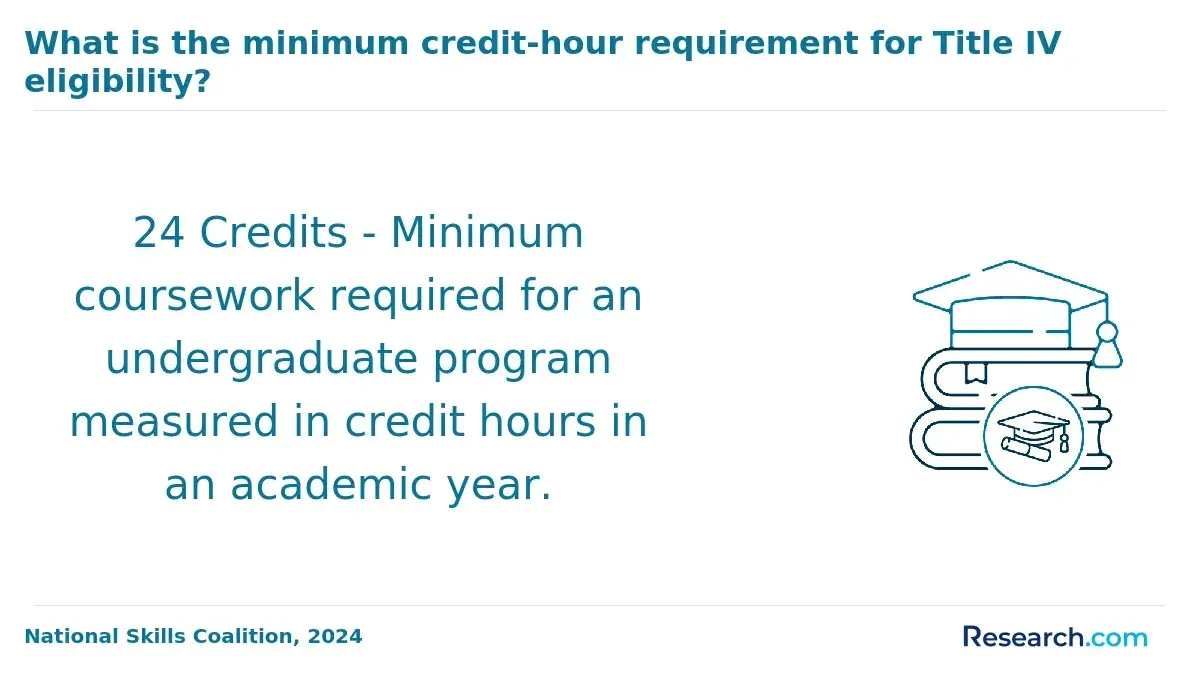
How Does Full-Time Versus Part-Time Enrollment Affect Graduation Timelines?
Enrollment status significantly shapes the timeframe for completing a Dental Assistant degree, with full-time students typically finishing in about 12 to 18 months according to 2024 data from accredited institutions and labor reports. This accelerated pace results from enrolling in a heavier credit load each term and engaging intensively in both coursework and clinical practice. Conversely, part-time students often take 24 months or more to graduate, reflecting a slower, more flexible progression that accommodates outside commitments but prolongs program completion. These differences underscore how enrollment intensity directly correlates with the speed of academic and practical skill attainment needed for workforce readiness.
The underlying factors driving graduation timelines include credit hours per semester, course sequencing, availability of accelerated or evening classes, and the format of program delivery. Full-time learners benefit from structured, continuous course offerings that facilitate steady accumulation of skills, while part-time students must navigate scheduling constraints that often fragment their academic experience. External responsibilities such as employment, caregiving, or financial obligations frequently compel part-time enrollment, creating a necessity to balance competing demands that can disrupt clinical placements and delay knowledge retention. Institutional flexibility, such as offering summer terms or hybrid formats, partially offsets these challenges but cannot fully eliminate the extended duration inherent to part-time study.
Choosing between full-time and part-time enrollment also influences long-term outcomes such as financial planning and timing of workforce entry. Full-time study, though academically demanding, allows for quicker graduation and earlier qualification for employment, which may improve earning potential sooner despite limiting concurrent job opportunities during study. Part-time paths provide greater adaptability and financial stability through sustained employment but require a longer investment before certification completion, potentially deferring wage growth and professional advancement. Understanding these dynamics helps students align their enrollment choices with both personal constraints and career trajectory within the evolving dental assisting field.
Do Online Dental Assistant Students Graduate Faster Than Campus-Based Students?
Students enrolled in online dental assistant programs often complete their degrees faster than those attending campus-based classes, with data from the National Center for Education Statistics and the 2024 American Dental Assistants Association study indicating about a 10-15% reduction in completion time. This advantage mainly stems from the greater flexibility online formats provide, allowing learners to progress through material at their own pace and to schedule courses year-round rather than being restricted to traditional semester cycles. However, graduation timelines vary widely depending on individual circumstances, meaning that some online students may take as long or longer than their on-campus counterparts.
Key factors shaping the pace of degree completion include how programs structure their courses, the availability of accelerated terms, and students' ability to balance academic responsibilities with work or family commitments. Online programs often support self-paced learning and frequent course availability, which can shorten duration for motivated, organized students, while campus programs typically offer fixed semester schedules and in-person clinical requirements that may delay graduation if a student is enrolled part-time or faces scheduling conflicts. Additionally, transfer credits, prerequisite availability, and time management skills significantly impact progress regardless of delivery mode, emphasizing that modality alone does not determine speed.
The choice between online and campus-based dental assistant programs also influences the nature of academic discipline and time management. Online learners must exercise greater self-direction, which may accelerate completion but also risks delay without consistent engagement. Conversely, campus students experience more structured interactions with faculty and clinical labs, which can improve hands-on skill development but often extends time to degree. Consequently, understanding these tradeoffs is essential for aligning education pathways with personal circumstances and workforce entry timing in dental care settings.
One graduate recounted delaying enrollment as she weighed rolling admissions options. Initially uncertain if she could start right away due to work demands, she held off on submitting final transcripts until late in the application cycle. This caused anxiety over potentially missing deadlines, but the program's flexible start dates ultimately allowed her to join mid-year. Her experience highlights how timing and admission policies can dramatically influence when a student begins and, by extension, finishes their dental assistant training, beyond the inherent speed of online or campus formats.
How Many Months or Years Can Transfer Credits Save?
Transfer credits can reduce the total time needed to complete a dental assistant degree by several months to over a year, but the actual impact varies significantly based on the extent and relevance of transferred coursework. Recent education and workforce data from 2024 indicate that students entering with 15 to 30 transferable credits might shorten a two-year associate degree to approximately 12-18 months, as transfer credits primarily cover general education or related health sciences. This variability means that the impact on dental assistant graduation timelines depends not only on the volume of credits but also on how well those credits align with program requirements and institutional policies.
Key factors influencing how many months or years transfer credits can save revolve around course equivalencies, accreditation compatibility, and residency mandates set by receiving institutions. Most dental assistant programs have strict limits on the maximum credits transferred-often no more than half of the total degree-and require that remaining credits, especially clinical and hands-on lab components, be completed in-residence. Institutional evaluations determine equivalency, often restricting credit transfers when curricula diverge, which constrains acceleration despite prior coursework. Consequently, the effects on the dental assistant graduation timeline reflect a complex balance of credit transfer rules, program structure, and curriculum alignment rather than a fixed timeframe.
From an academic planning standpoint, transfer credits also influence financial costs and the sequencing of remaining courses, affecting how students phase their clinical training and maintain eligibility for certification. As working adults and transfer students weigh these factors, understanding the nuances of credit transfer policies can clarify realistic expectations for degree completion timeframes. For those navigating health-related pathways, comparing policies to those found in related fields like dietetics-referencing resources such as the best dietetics masters programs-offers additional perspective on managing credit transfer complexities amid accelerating workforce demand.
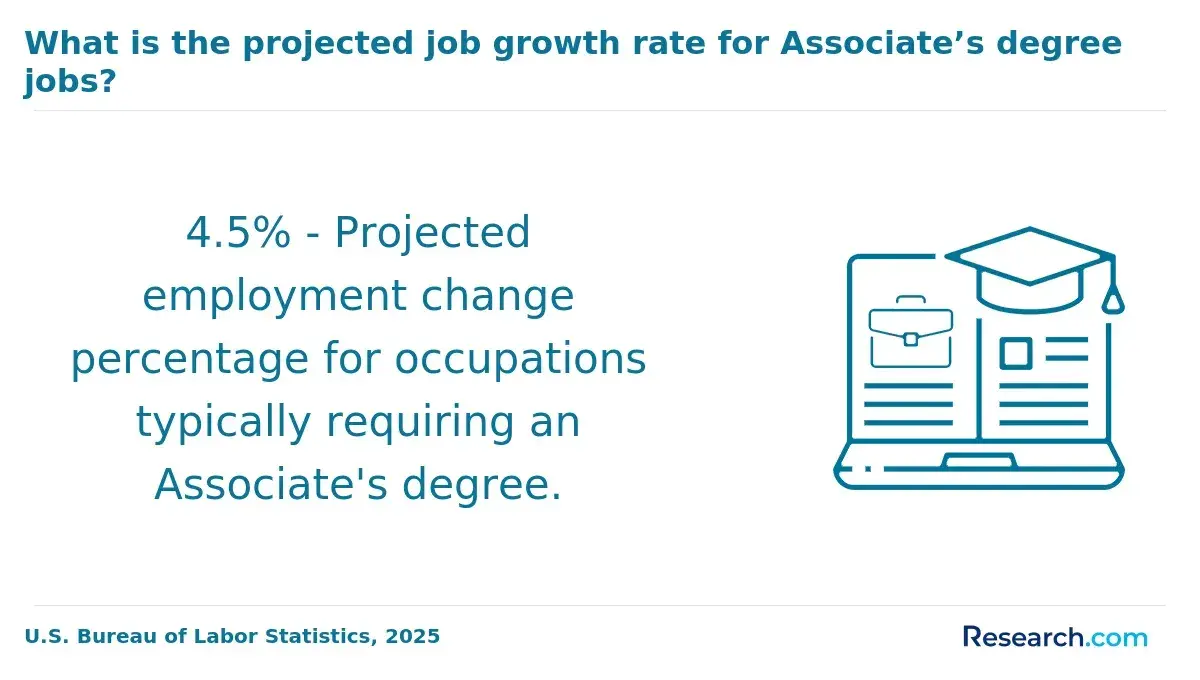
Do Accelerated Dental Assistant Programs Significantly Reduce Completion Time?
Accelerated dental assistant programs are structured to condense the traditional educational timeline by increasing the course load and streamlining curricular requirements. They typically aim to reduce the standard 12 to 18-month completion period by layering more credits into shorter academic terms and minimizing breaks. This approach involves compressing classroom instruction and clinical hours to achieve faster graduation without eliminating essential competencies. Nevertheless, the effectiveness of these programs in genuinely shortening degree length hinges on how rigorously the curriculum is intensified and how program expectations are managed.
Whether accelerated programs substantially cut completion time depends on several operational factors. High credit density per term and limited sequencing flexibility can force students into continuous, demanding schedules that may hinder steady progress for those juggling work or family. Moreover, clinical and internship hours-often mandated by state licensing boards-rarely shrink, which can constrain overall acceleration even if academic content is expedited. Programs that retain traditional practicum durations, despite faster classroom pacing, may only partially reduce total time until independent practice is feasible. Consequently, time savings vary widely based on program design choices and external regulatory constraints.
The trade-offs inherent in accelerated formats also affect student experience beyond mere timeline compression. Increased weekly workload intensity and reduced downtime challenge many learners' ability to absorb complex clinical skills thoroughly. Limited scheduling flexibility may disadvantage working adults who cannot commit to full-time accelerated calendars. These challenges suggest that while time-to-degree might decrease, the depth of learning and readiness for employment are factors prospective students must weigh alongside speed.
One accelerated dental assistant graduate recounted grappling with the rolling admissions timeline, hesitating to apply immediately due to insufficient prerequisite completion. Their application remained on hold for weeks, caught between enrollment cycles and lingering uncertainty over course availability. Ultimately, deciding to accelerate course completion at a community college facilitated on-time entry, but the delay underscored how admissions timing and preparatory steps can erode the theoretical time saved by accelerated tracks. The experience revealed that logistical and academic readiness aspects are as critical as program pacing in determining true completion speed.
Which Dental Assistant Program Requirements Most Often Extend Graduation Timelines?
Extended graduation timelines in dental assistant programs typically stem less from total credit requirements and more from specific, mandatory curriculum components integrated to ensure professional readiness. These elements, while vital for maintaining educational rigor and meeting industry standards, introduce structural pacing and scheduling challenges that can slow student progression. Understanding how these requirements interplay with institutional policies and student workload is essential for realistic completion expectations.
- Clinical Externship or Practicum: These hands-on components demand students complete a set number of hours in accredited dental or healthcare settings, a key step for licensure eligibility. Many students face delays securing appropriate placements, which disrupts program sequencing and extends training beyond typical timelines, with workforce data indicating around 40% of programs see this bottleneck as a core contributor to graduation delays.
- Balancing Theoretical and Practical Coursework: Programs that integrate comprehensive anatomy, radiography, and pathology theory with skill-intensive chairside labs require intense time commitments. The need to meet high performance standards or undergo remediation in these overlapping course types often causes students to retake or extend classes, thereby elongating the pathway more than standard semester pacing would suggest.
- Prerequisite and General Education Requirements: Foundational courses such as English composition or biology can become unintended hurdles, especially for transfer students or those returning after a break. Completion of these essentials before progressing into core dental assistant subjects frequently adds extra semesters, explaining why about a quarter of students experience delays rooted in prerequisite bottlenecks.
- Certification Exam Preparation: Aligning degree completion with passing mandatory certifications like the Certified Dental Assistant credential obliges students to allocate additional study time. This alignment can create variable pacing pressures, particularly when programs incorporate certification requirements late in the curriculum, resulting in extended completion periods.
- Part-Time Enrollment and Work Commitments: Students balancing employment or other responsibilities often choose part-time study, which inherently stretches program timelines. Institutional structures may not offer flexible scheduling options, meaning students must navigate limited course availability and externship timing that can further push back graduation dates.
Does Taking Longer to Graduate Increase the Cost of a Dental Assistant Degree?
Taking longer to graduate from a dental assistant degree program generally increases total tuition and related expenses, particularly when institutions charge per term rather than per credit hour. In these cases, additional semesters mean paying full tuition multiple times, even if course loads are reduced. Extended timelines can also reduce or eliminate eligibility for certain financial aid packages that are limited to standard program durations, increasing out-of-pocket expenses. Added fees for textbooks, supplies, and other materials accumulate as students enroll in more courses or semesters, heightening the financial impact. This dynamic is a key factor driving the financial impact of extended dental assistant programs, especially for students whose enrollment status shifts from full-time to part-time during longer pathways.
However, extended completion does not always equate to significantly higher costs, depending on program pricing models and enrollment choices. Some programs offer flat-rate tuition for part-time students or maintain stable per-credit pricing that limits cost escalation. Employer tuition assistance and flexible pacing policies also influence cost accumulation, enabling some students to balance work and study without extra financial penalties. Enrollment behavior-such as reducing course loads or taking breaks-shapes overall expenses and can mitigate or amplify the total cost burden. While many dental assistant roles offer competitive starting salaries based on 2024 workforce data, delayed graduation postpones entry into these earnings. Prospective students who want to explore alternatives for accelerated healthcare credentials may find value in the fastest way to become a nurse practitioner, but should always consider the financial tradeoffs inherent in pacing decisions within the context of dental assistant degree completion costs over time.
Does Graduating Faster Improve Career Prospects?
Graduating faster from a dental assistant degree program can allow students to enter the workforce sooner, potentially positioning them advantageously during early job searches. However, employers typically do not assess candidates based solely on the speed of their program completion. Instead, hiring decisions emphasize demonstrated practical skills, relevant certifications, and clinical experience-elements that contribute more substantially to employability than simply finishing earlier. The impact of earlier graduation on initial career opportunities is therefore contingent on how well the candidate's level of preparedness meets employer expectations during a competitive hiring process focused on competency rather than timelines.
Whether faster graduation yields better career outcomes depends heavily on key factors such as the breadth of internship experience, strength of clinical exposure, mastery of technical skill sets, and the extent of professional networking. Programs that prioritize hands-on practice and allow students to build a strong résumé with real-world engagement tend to be preferred, even if they take longer to complete. The labor market dynamics for dental assistants favor those who can present a portfolio of relevant experience aligned with industry demand, overshadowing the simple fact of accelerated degree completion. This perspective is consistent with findings on the impact of faster dental assistant degree completion on career opportunities, where quality and depth of training play a dominant role.
The trade-offs between rapid completion and experiential learning are pivotal. Students must carefully weigh the benefits of entering the job market sooner against the possibility of reduced clinical exposure or fewer networking opportunities. A balanced approach focusing on both educational pacing and comprehensive skill acquisition better supports long-term employability and career resilience in dental assisting. For those considering diversified educational paths, exploring options such as an online PhD counseling program may offer insights into how pacing influences professional credentials across fields.
Which Scheduling Mistakes Commonly Delay Graduation?
Graduation delays in dental assistant programs often stem less from academic difficulty and more from avoidable scheduling and planning errors during enrollment and course sequencing. These challenges affect students across various program levels and formats, as program structures typically require tight coordination between prerequisite, corequisite, and clinical courses. Without a well-aligned plan, students risk interrupting their academic momentum and extending completion timelines significantly.
- Underestimating Prerequisite Requirements: Many students fail to plan for the full sequence of foundational courses before advanced clinical work, which blocks timely registration for essential practicum classes. This error commonly arises because institutions enforce strict prerequisite chains tied to credit accumulation, making early prerequisite completion crucial for steady progression.
- Improper Clinical Practicum Scheduling: Clinical hours are mandatory and fixed, but students balancing work or family often enroll in fewer practicums per term, extending completion time. According to the National Center for Education Statistics 2024 report, 36% of allied health students, including dental assistant candidates, require extra terms due to clinical scheduling challenges.
- Reduced Course Loads Per Term: Opting for lighter enrollment to accommodate external responsibilities often fragments progression and elongates the timeline. This is particularly impactful in programs where maintaining a minimum number of credits per term ensures alignment with cohort schedules and resource availability.
- Fluctuating Enrollment Status: Switching inconsistently between part-time and full-time status without a strategic plan interrupts continuous progression, delaying graduation and sometimes affecting financial aid eligibility or clinical placement priority.
Other Things You Should Know About Dental Assistant
Clinical externships are often fixed in duration and scheduled during specific semesters, which can create bottlenecks if students delay or miss these placements. Limited availability of quality externship sites means even highly motivated students might face scheduling delays, extending time to graduation. Prioritizing early application for clinical experiences and maintaining flexibility in scheduling is crucial to avoid such setbacks and stay on track.
Students balancing work and studies face a tradeoff between accelerated course loads and realistic workload management. Overloading courses to graduate faster can lead to burnout, poorer academic performance, and potential repeats, ironically lengthening completion time. For working students, a moderate enrollment pace that preserves consistent progress without compromising mastery will more reliably ensure timely graduation and preparedness for employer expectations.
Prerequisite course sequencing can significantly dictate total time to degree completion, especially in programs requiring specific progression. Missing or failing a prerequisite delays subsequent enrollment in core clinical classes, causing ripple effects that push graduation out by semesters. Students should prioritize completing prerequisites early, as delaying these foundational courses often results in extended program length and challenges in aligning clinical training schedules.
Transfer students should verify the transferability of their credits with the new institution, ensuring alignment with dental assistant program requirements. Consulting with an academic advisor for course equivalency evaluations is crucial to prevent potential setbacks in the anticipated graduation timeline.