2027 Dental Assistant Career Outcomes by Degree Level Report: Pay, Employment, and Advancement Patterns

Co-Founder and Chief Data Scientist
Key Things to Know About Dental Assistant Career Outcomes by Degree Level
- Associate degrees provide quicker workforce entry with moderate credential costs but limit access to advanced roles, reflecting a tradeoff between timely employment and career-ladder progression potential.
- Employers increasingly prefer certifications paired with bachelor's credentials for supervisory roles, signaling evolving hiring standards that prioritize combined clinical knowledge and management skills.
- Master's and doctoral level programs enhance specialization but involve longer time and financial investment, restricting practical return on investment for students seeking frontline clinical positions.
- Key Things to Know About Dental Assistant Career Outcomes by Degree Level Key Things to Know About Dental Assistant Career Outcomes by Degree Level
- What Career Outcomes Can Students Expect From Each Dental Assistant Degree Level? Career Outcomes by Degree
- How Much Do Dental Assistant Graduates Earn by Degree Level? Salary by Degree Level
- Which Dental Assistant Degree Level Offers the Strongest Employment Prospects? Best Degrees for Employment
- What Entry-Level Jobs Can You Get With a Dental Assistant Degree? Entry-Level Career Opportunities
- How Do Dental Assistant Degree Levels Affect Career Advancement and Promotion Opportunities? Career Growth by Degree
- Is a Dental Assistant Degree Worth It Based on Salary, Employment, and ROI? Salary, ROI, and Value
- How Do Associate, Bachelor's, Master's, and Doctoral Dental Assistant Degrees Compare? Comparing Degree Levels
- Which Industries and Employers Hire Dental Assistant Graduates by Degree Level? Which Industries and Employers Hire Dental Assistant Graduates by Degree Level?
- What Skills, Credentials, and Experience Improve Dental Assistant Career Outcomes? What Skills, Credentials, and Experience Improve Dental Assistant Career Outcomes?
- Which Dental Assistant Degree Level Is Best for Your Career Goals? Choosing the Right Degree
What Career Outcomes Can Students Expect From Each Dental Assistant Degree Level?
The trajectory for dental assistant students differs considerably by degree level, with clear tradeoffs in employment access and advancement pathways. Certificate holders can often enter jobs rapidly but face restrictions in specialization and leadership potential, placing greater emphasis on gaining certifications like the Certified Dental Assistant (CDA) credential to improve prospects. In contrast, an associate degree provides a more substantial foundation, often preferred by employers for roles requiring expanded duties such as radiography, which not only enhances employment stability but also facilitates smoother progression into supervisory positions. This distinction highlights the practical importance of considering both immediate job readiness and longer-term mobility when weighing employment and advancement opportunities for dental assistant graduates by degree.
For students aiming beyond standard assistant roles, bachelor's and advanced degrees typically align with administrative leadership, education, or quality assurance functions that command more clinical knowledge and managerial skills. These higher degrees, while less common, open additional doors within dental healthcare systems and public health, necessitating a longer time commitment and possibly prior credits or a transfer pathway from lower-level credentials.
The integration of internships or fieldwork in advanced programs further boosts employability and professional confidence, reinforcing the link between degree complexity and workforce expectations. Adult learners and working professionals must carefully balance these factors against their goals, as selecting the right credential can determine whether they remain on a rapid entry path or pursue expanded career trajectories with increased responsibility and stability.
For those exploring interdisciplinary options, a health care administration degree can complement advanced dental qualifications by broadening leadership opportunities and career flexibility.
How Much Do Dental Assistant Graduates Earn by Degree Level?
Differences in pay for dental assistant graduates reflect the complex interplay of credential level, local labor markets, and the nature of the job roles employers prioritize. Those with certificate or diploma qualifications-most common among entry-level hires-often start near a median wage of about $43,000 annually, according to the U.S. Bureau of Labor Statistics (2024). This path offers quicker workforce entry but can limit long-term wage growth unless supplemented by additional certifications or experience. Associate degree holders tend to earn modestly more, roughly $47,000, and their broader skill set opens opportunities for tasks like radiography or supervisory duties, which may provide more stable employment in larger or specialized practices. However, the time and financial investment to progress from certificate to associate level should be weighed against these incremental gains and individual career aims.
Higher degree holders, including those with bachelor's credentials, sometimes reach annual wages between $50,000 and $55,000, often by moving into supervisory or educational roles rather than expanded clinical functions. These advanced paths are less common and require careful consideration about the transfer of prior credit, the cost of extended education, and geographic factors that influence employer demand. Master's or doctoral degrees are rare and typically aligned with research or management positions offering salaries beyond $70,000; their value lies largely outside direct patient care. For adult learners or working professionals, the choice to pursue additional degrees must factor in not just pay but how such credentials align with personal circumstances, local job market expectations, and realistic timelines for career advancement.
A dental assistant graduate reflected on these tradeoffs after comparing local job postings with national wage reports. Initially, she hesitated to pursue an associate degree because it meant extra tuition and time, yet she recognized that her certificate alone might confine her to lower-paying clinics. Conversations with employers revealed that many preferred hiring candidates with broader technical skills, reinforcing her decision to seek further education despite the upfront costs. The process was frustrating, as transfer credits did not fully apply, but she felt reassured that investing in the associate credential expanded her career options and future earnings potential more clearly than staying at the certificate level.
Which Dental Assistant Degree Level Offers the Strongest Employment Prospects?
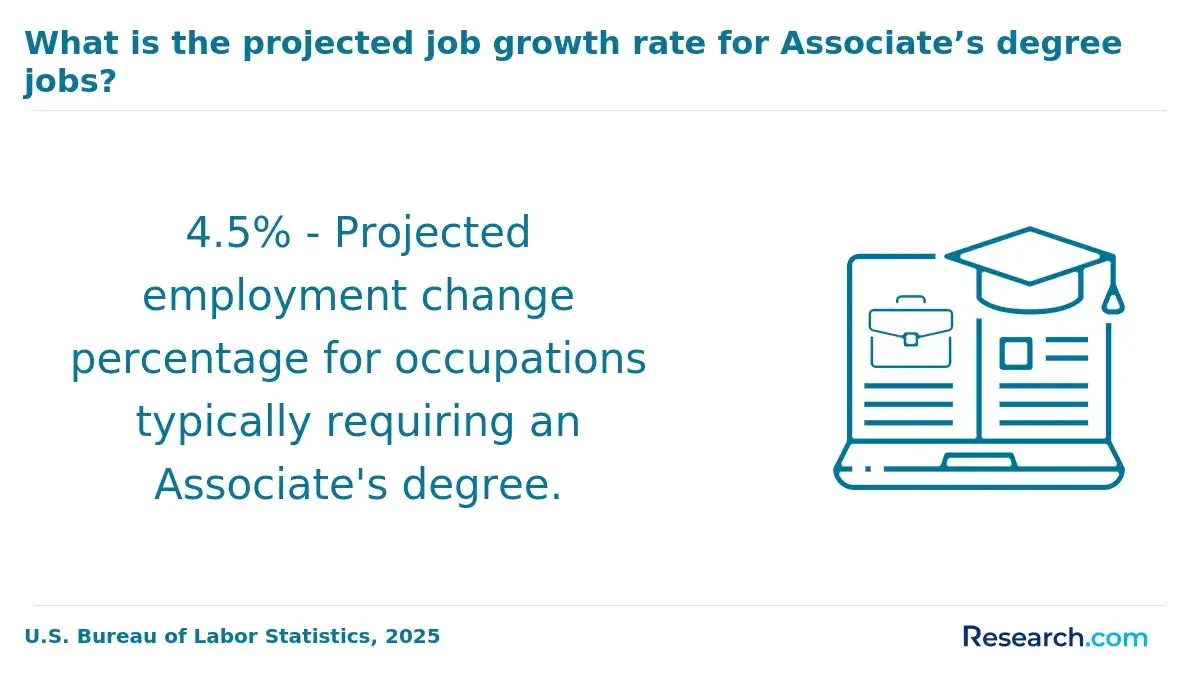
Associate degrees tend to offer the most robust employment prospects for dental assistants by balancing practical clinical training with broader general education and specialized topics such as radiography or dental office management. Employers often weigh certification and internship experience heavily, and those holding an associate degree generally encounter lower unemployment rates-around 4.5% according to 2024 data from the National Center for Education Statistics-and higher initial salaries by 10-15% compared to certificate holders. While certificate programs facilitate rapid entry into the workforce, their graduates may find upward mobility limited, often restricted to entry-level or support roles without clear pathways into supervisory or specialized positions.
Advanced degrees at the bachelor's or graduate level seldom translate into stronger direct hiring outcomes for typical dental assistant roles but become valuable for individuals targeting management, public health, or educational responsibilities within the field or allied health sectors. Regional labor markets and state licensure standards play a critical role; for example, in fast-growing urban areas, employers prefer candidate profiles that combine associate degrees with certification and documented practical experience, which enhances long-term job security. Consequently, students must weigh whether to prioritize swift workforce entry via certificate programs or invest additional time in associate degrees that provide greater career flexibility, while also considering the limited incremental value of advanced credentials in entry-level dental assisting employment.
What Entry-Level Jobs Can You Get With a Dental Assistant Degree?
Entry-level dental assistant job opportunities in the United States vary considerably by the level of education attained and specific licensing requirements. Certificate holders often find immediate roles focusing on fundamental support such as sterilization and basic chairside assistance, which serve as practical entry points but may offer limited upward mobility. In contrast, those with associate degrees typically qualify for positions involving expanded responsibilities like radiography assistance, reflecting state-specific licensure nuances and employer preferences for certifications such as the Certified Dental Assistant credential. Employers increasingly expect familiarity with electronic health records and infection control, making practicum or internship experience a crucial differentiator in a competitive market.
For those considering additional qualifications or graduate study, exploring well-vetted options like accredited medical billing and coding schools online with financial aid can enhance administrative competence complementary to clinical skills.
How Do Dental Assistant Degree Levels Affect Career Advancement and Promotion Opportunities?
Career timing also factors into educational choices; adult learners and working professionals must balance the opportunity cost of returning to school against the potential for faster advancement and greater job stability in competitive labor markets. Higher credentials do not guarantee promotion but significantly expand eligibility for roles involving patient care specialization, office coordination, or leadership. In contrast, bachelor's and advanced degrees remain relatively rare among dental assistants, with limited incremental payoff compared to associate degrees under most current employment frameworks. Consequently, strategic selection of education pathways should weigh credential requirements of target employers and states alongside prior experience and long-term career ambitions to optimize both earning potential and role diversification.
A dental assistant student with several years of hands-on experience hesitated before entering an associate degree program, worried whether additional schooling would meaningfully impact promotion opportunities within a small practice. After consulting local job ads and state licensing rules, they realized the associate degree was a near necessity for supervisory posts and special procedure certifications, which matched their goal of moving into office management. Though concerned about balancing coursework with existing job hours, the student felt cautiously optimistic knowing that formal credentials could strengthen their candidacy and internal credibility, making the educational investment a calculated step toward expanded career options.
Is a Dental Assistant Degree Worth It Based on Salary, Employment, and ROI?
Deciding whether to pursue a dental assistant degree requires weighing the salary benefits against the investment of time and cost, especially given that the median wages vary with credential type. Those with associate degrees tend to earn closer to the upper end of wage estimates compared to certificate holders, but the additional year or more of study and increased tuition can impose significant opportunity costs. For example, working adults balancing job commitments might find certificate programs more feasible for rapid labor market entry, while associate degree completers often access expanded roles and supervisory positions, which correlate with better employment stability and higher pay over time. These distinctions are crucial in interpreting dental assistant salary and employment trends within local labor markets, where demand and pay scales vary substantially.
The return on investment for dental assistant degrees is further influenced by geographic factors and employer expectations, including certification requirements like the Dental Assisting National Board credential that impact wage potential regardless of degree level. In densely populated or higher-demand regions, graduates may experience faster job placement and stronger wage gains, aligning with career trajectories that justify longer, costlier programs. Conversely, in rural or saturated markets, certificate holders might encounter underemployment issues despite lower educational expenses. For those assessing next steps in their dental assistant career, understanding these dynamics alongside program length and financial aid options can clarify whether additional credentialing aligns with their practical goals and resources.
Prospective students seeking a comprehensive overview of educational options and financial support solutions can explore best medical assistant programs designed for varied learner profiles. This resource complements a grounded evaluation of return on investment for dental assistant degrees by emphasizing pathways that optimize cost, completion time, and employability outcomes for diverse student populations.
How Do Associate, Bachelor's, Master's, and Doctoral Dental Assistant Degrees Compare?
Choosing an associate degree in dental assisting often provides the quickest path into the workforce, aligning closely with state licensure and certification requirements, which most employers prioritize for clinical roles. While this level facilitates steady employment and hands-on technical skills, it can limit advancement without additional credentials or experience.
In contrast, bachelor's degrees incorporate broader health science and management education, opening doors to supervisory positions and specialized functions, though the wage premium and promotion potential frequently depend on employer preferences and regional labor market conditions. For example, a dental assistant with an associate degree working in a high-demand area might find faster job placement but fewer chances to move into administration compared to a bachelor's graduate in an urban setting with diverse clinical options.
Master's degrees in dental assisting remain uncommon and tend to target leadership, research, or specialized clinical instruction, appealing to individuals focused on dentistry education or public health roles rather than routine assisting jobs. Graduates face longer program durations and higher educational costs that may only pay off if pursuing niche positions, given the relatively limited demand outside academia and institutional consultancy. Doctoral-level credentials are even rarer and concentrate on policy, innovation, and dental education research, offering minimal practical advantage for typical assistants but serving those aiming for top-tier academic or consultancy careers.
Ultimately, factors such as stackable certifications, work experience, and institutional reputation often weigh more heavily in employment and career mobility than exceeding the bachelor's level, underscoring the importance of aligning education decisions with realistic career trajectories and local job market demands.
Which Industries and Employers Hire Dental Assistant Graduates by Degree Level?
Employers in the dental assisting field sharply differentiate hiring preferences based on credential level, affecting both job scope and industry placement. Approximately 80% of dental assistants holding certificates or associate degrees secure roles in private dental offices, where technical proficiency and licensure are prioritized, reflecting the hands-on nature of clinical work. Conversely, those with bachelor's degrees often find opportunities in public health agencies, dental manufacturing firms, educational organizations, and insurance companies, where broader competencies in administration, policy, or patient education are valued.
Advanced degrees such as master's or doctorates remain uncommon and typically align with specialized career paths in leadership, research, or academia. These roles, while limited in number, demand skills beyond clinical application, emphasizing curriculum development, data analysis, or public health strategy. For students deciding whether to pursue further education, the tradeoff between quickly entering the workforce with shorter credentials versus accessing multifaceted roles in larger or public institutions is critical. Employers in these settings increasingly regard degree level as indicative of critical thinking and leadership capacity, influencing hiring and promotion decisions.
Screening practices commonly require licensure first, especially in clinical environments, but degree attainment can differentiate candidates aiming for supervisory or non-clinical positions. Regional labor market studies confirm that public agencies and large institutional employers often mandate at least a bachelor's degree for diversified job functions. Ultimately, dental assistant graduates must balance immediate employability with potential pathways into specialized roles that higher education facilitates, a dynamic underscored by recent U.S. Bureau of Labor Statistics employment distributions and National Center for Education Statistics workforce trends.
What Skills, Credentials, and Experience Improve Dental Assistant Career Outcomes?
Certification and licensure requirements for career advancement strongly shape hiring and promotion decisions across degree levels for dental assistants. Employers consistently prioritize the Certified Dental Assistant (CDA) credential, which signals verified technical competence and professional standards adherence beyond academic achievement. For example, those with associate degrees who combine CDA certification with specialized certificates in expanded functions see clearer pathways to roles involving advanced procedures, particularly where state licensure limits scope of practice. This credential stacking addresses both entry-level readiness and the growing demand for versatility in clinical tasks, reflecting the nuanced employer expectation that practical skills must align with regulatory compliance. Understanding these dynamics is critical for working adults or transfer students weighing whether to pursue a quick certificate or invest in broader credentialing to enhance long-term job mobility.
Beyond formal credentials, technical skills such as chairside assisting, infection control, and radiography provide a baseline for employment, while applied experience through internships or apprenticeships differentiates candidates in competitive markets. This real-world exposure, documented in clinical rotations or even digital portfolios, reflects a rising trend that employers use to assess communication, teamwork, and adaptability-soft skills that directly impact promotion readiness and retention.
Military-affiliated students or those with prior healthcare experience often leverage this background to expedite advancement, complementing credentials with leadership demonstrated in field settings. Integrating these elements into educational planning offers a more comprehensive strategy for improving essential dental assistant skills and credentials for improved employment outcomes.
Students planning their progression may also explore pathways through ACNP programs to parallel advanced credentialing models in related fields.
Which Dental Assistant Degree Level Is Best for Your Career Goals?
Selecting the optimal dental assistant degree level hinges on balancing immediate employment prospects with longer-term specialization and leadership potential. Certificate programs typically offer faster workforce entry, often under a year, focusing on practical skills aligned with entry-level roles, yet they may restrict access to supervisory positions or certification pathways required for specialized functions. For example, working adults prioritizing quick employment with manageable educational commitments might choose certificates despite limited upward mobility, while those targeting roles involving radiography permits or orthodontic assisting often find associate degrees more advantageous due to broader certification eligibility and higher employment rates reported by the National Center for Education Statistics.
Associate degrees also present better transferability toward bachelor's programs, facilitating future career pivots or graduate study, but this comes with increased tuition and duration, potentially increasing student debt. Employers increasingly value combined credentials and experience, so degree selection must consider opportunity cost and workforce preferences rather than credential hierarchy alone. The choice influences pay, job placement, and promotion chances-in particular, for those exploring which dental assistant degree level best suits your long-term career advancement, investing more time upfront can yield expanded roles but may delay initial income.
In a labor market reflecting diverse learner needs, including military-affiliated students and transfer candidates, some certificate programs now offer hybrid or part-time schedules, supporting employment balance. However, professional mobility and employer demands often favor degrees with comprehensive coursework. Individuals comparing pay and employment outcomes by dental assistant credential level should assess how education pathways intersect with certification requirements and real-world employer expectations. For context on analogous decision frameworks, the easiest SLP grad schools to get into provide a parallel in weighing credential accessibility versus advancement potential.
References
- Is It Worth It to Become a Dental Assistant? https://www.uei.edu/guides/dental-assistant/is-it-worth-it-to-become-dental-assistant/
- Dental Assistant | Graduate America https://ga.edu/outcomes/dental-assistant
- Exploring the Dental Assistant Career https://www.ultimatemedical.edu/blog/whats-it-like-to-be-dental-assistant/
- Top Career Opportunities After Completing a Dental Assisting Course https://nationaldentalacademy.org/top-career-opportunities-after-completing-a-dental-assisting-course/
- Best Dental Assistant Resume Skills | 2025 Career Guide https://www.joinkwikly.com/blog/best-dental-assistant-resume-skills
- Dental Assisting Associate (AS) Program vs. Certificate https://www.medicaltechnologyschools.com/dental-assistant/dental-assisting-associate-degree-vs-certificate
- Understanding the Career Pathway for Dental Assistants https://columbia.ca/understanding-career-pathway-dental-assistants/
- How Do I Grow My Career While Working as a Full-Time ... https://careers.aspendental.com/us/en/blogarticle/how-do-i-grow-my-career-while-working-as-a-fulltime-dental-assistant
- Is Dental Assisting a Good Career? https://www.canadianacademyofdentalhygiene.ca/blog/is-dental-assisting-a-good-career.html
- Dental Assistant opportunities https://www.dentalcorp.com/site/careers-dental-assistant
Other Things You Should Know About Dental Assistant
The varied time commitment and curriculum depth between certificate, associate, and bachelor's programs directly impact on-the-job preparedness. Shorter certificate programs may deliver technical skills faster but tend to miss advanced clinical competencies or administrative training that longer degrees cover, which employers often value for multitasking roles. Prospective students should weigh the immediate need for entering the workforce against the potential benefits of broader skill sets that can lead to more versatile job functions and better long-term stability.
Employers typically expect associate degree holders to demonstrate more hands-on clinical proficiency than certificate completers, reflecting program content and clinical hours. Bachelor's graduates might also be presumed to handle supervisory or administrative responsibilities sooner. Students prioritizing employer demand alignment should focus on programs with substantial practicum components rather than degree title alone, as practical experience often outweighs formal credential level when securing preferred roles.
Advancement in dental assistant careers frequently depends on obtaining specific certifications or licenses rather than solely on higher degree attainment. While bachelor's or advanced degrees may open some supervisory or educator roles, they rarely bypass the need for credentialing bodies' approval. Prioritizing certifications aligned with your career goals can yield more immediate promotion prospects compared to extending education duration without this focus.
Many working dental assistants face the challenge of upgrading qualifications while maintaining employment. Programs offering flexible schedules, part-time options, or online components can significantly affect the feasibility of continuing education. Those aiming for degree upgrades to improve pay or roles should prioritize practical program formats that minimize income disruption and offer relevant skills that employers recognize as enhancing day-to-day performance.