
2027 Best Shortest Online MSN Programs

Co-Founder and Chief Data Scientist
Fast online Master of Science in Nursing programs appeal to registered nurses who want to move into advanced practice, education, leadership, or administration without spending several years away from the workforce. The challenge is that “shortest” does not always mean “best.” A 12-month MSN can be a smart move for a nurse with the right clinical background, schedule, license status, and specialization goal—but it can also be overwhelming if clinical placement support, accreditation, or state authorization are unclear.
This guide explains how the shortest online MSN programs work, what they cost, how they compare with campus-based options, which specializations are commonly available, and how to choose a program that fits your career plans. It is written for working RNs comparing accelerated MSN options, RN-to-MSN pathways, nursing education tracks, nurse practitioner programs, and leadership-focused graduate nursing degrees.
Quick answer: Are the shortest online MSN programs worth considering?
The shortest online MSN programs can be worth considering if you already hold an RN license, can handle an intensive graduate workload, and have a clear specialty goal. Many accelerated programs can be completed in 12 to 18 months, and 2023 data indicates that 82% of MSN graduates received a job offer at graduation. However, the fastest option is not automatically the strongest option. Before enrolling, confirm accreditation, clinical placement expectations, state licensure compatibility, total program cost, and whether the specialty aligns with the role you want after graduation.
What are the main advantages of short online MSN programs?
- Faster movement into advanced nursing roles. Graduates may qualify for positions such as nurse practitioner, clinical nurse specialist, nurse educator, nurse administrator, or nurse manager, depending on specialization, state rules, and certification requirements.
- Stronger earning potential in many specialties. Salaries vary by role and location, but MSN-prepared nurses often pursue positions with median pay in the $90,000 to $120,000 range. Nurse practitioners have a cited median annual salary of approximately $128,490.
- More flexibility for working nurses. Online coursework can make graduate study more manageable for RNs balancing employment, family obligations, and clinical requirements.
- Career focus through specialization. Accelerated MSN programs often let students choose tracks such as family nurse practitioner, psychiatric-mental health nurse practitioner, nursing education, or nursing administration.
What can I expect from the shortest online MSN programs?
Short online MSN programs compress graduate nursing coursework into an accelerated schedule. Most combine asynchronous online classes with in-person clinical practicums completed at approved healthcare sites. The online portion usually covers advanced nursing practice, health assessment, pharmacology, healthcare policy, evidence-based practice, nursing leadership, and specialty-specific content.
- Typical completion time: Many accelerated programs are structured for completion in 12 to 18 months, although some take longer depending on specialty, clinical hours, enrollment status, and prerequisites.
- Common tuition range: Tuition for these programs generally falls between $20,000 and $50,000, depending on the school, residency status, fees, and specialization.
- Clinical requirements: Online MSN students still complete hands-on practicum experiences in person. These placements are mandatory for advanced clinical preparation and may require advance planning.
- Course delivery: Many programs use asynchronous coursework, allowing students to complete lectures and assignments around work schedules. Some programs also include synchronous meetings, exams, simulations, or virtual seminars.
- Best fit: These programs are usually strongest for licensed RNs who already have clinical experience, strong time-management skills, and a specific career outcome in mind.
Short online MSN programs at a glance
| Decision factor | What to expect | Why it matters |
| Program pace | Often 12 to 18 months for the fastest options | A shorter timeline can reduce time away from advancement, but it usually means heavier weekly demands. |
| Learning format | Mostly online coursework with required in-person clinicals | Students need both digital readiness and local clinical access. |
| Cost range | Typically $20,000 to $50,000 | Total cost should include fees, books, travel, clinical expenses, certification prep, and lost work hours if applicable. |
| Specialization | Tracks may include FNP, PMHNP, nurse educator, nurse administrator, CNS, or leadership | Your track determines clinical requirements, certification options, and likely career paths. |
| Accreditation | Programs commonly cite CCNE or ACEN accreditation | Accreditation affects employer recognition, certification eligibility, financial aid, and licensure pathways. |
Where can I work after completing a short online MSN program?
MSN graduates work across hospitals, outpatient clinics, private practices, community health centers, academic institutions, public health agencies, research settings, and healthcare administration offices. The exact setting depends heavily on the student’s concentration. For example, nurse practitioner graduates may work in primary care, specialty clinics, urgent care, or hospital-affiliated practices, while nurse educator graduates may teach in nursing schools, hospital education departments, or clinical training programs.
Leadership-focused graduates may move into nurse manager, nursing administrator, quality improvement, clinical operations, or informatics roles. Clinical nurse specialists may work with specialized populations or units, such as critical care, oncology, emergency departments, or intensive care units.
How much can graduates of short online MSN programs earn?
Earnings depend on specialty, location, employer, certification, experience, and state scope-of-practice rules. Nurse practitioners are commonly cited as one of the highest-demand MSN career paths, with a median annual salary of about $128,490. Clinical nurse specialists earn around $106,028 per year, while nurse administrators and nurse managers typically earn between $90,000 and $120,000 annually. Nurse educators earn an average of $82,040 per year.
Salary outcomes are not guaranteed. Nurses in high-cost metro areas or high-demand specialties may earn more, while new graduates, rural positions, and education-focused roles may pay less than advanced practice clinical positions.
- Best shortest online MSN programs for 2027
- How long does it take to complete the shortest online MSN programs?
- Online MSN vs. on-campus MSN: what changes?
- What is the average cost of the shortest online MSN programs?
- What financial aid options are available?
- What are the prerequisites for accelerated online MSN programs?
- What courses are usually included?
- What MSN specializations are available online?
- How to choose the best short online MSN program
- What careers can MSN graduates pursue?
- What is the job market for MSN graduates?
- Is an online nursing degree credible?
- How can RN to MSN online bridge programs speed up career advancement?
- What student support services should online MSN students expect?
- Should I consider an MSN/MBA dual degree?
- What career placement and advancement services do MSN programs offer?
- How can prior RN experience shorten the MSN path?
- How to prepare for clinical practicums
- Time commitment and flexibility in short MSN programs
- What challenges should students expect?
- What is the return on investment?
- What are the most affordable short online MSN options?
Best Shortest Online MSN Programs for 2027
How do we rank schools?
This list uses transparent education and institutional data so prospective students can compare options with greater confidence. Key sources include the IPEDS database, Peterson's database, including the Distance Learning Licensed Data Set, the College Scorecard database, and the National Center for Education Statistics. For more detail on ranking inputs and limitations, review our methodology.
1. University of South Carolina Master of Science in Nursing (Nursing Education)
The University of South Carolina offers an MSN in Nursing Education for nurses who want to teach in academic or clinical learning environments. The curriculum emphasizes instructional design, curriculum planning, assessment, and the educator’s role in preparing future nurses for complex healthcare settings.
- Program Length: 12 to 16 months
- Tracks/Concentrations: Nursing education
- Cost: $6,867 per semester
- Required Credits to Graduate: 38 credit hours
- Accreditation: Commission on Collegiate Nursing Education (CCNE)
2. University of Nevada-Las Vegas Master of Science in Nursing
The University of Nevada-Las Vegas MSN is designed for nurses pursuing advanced clinical, leadership, or teaching roles. Students can choose from tracks that support preparation in family practice, psychiatric-mental health, and nursing education, with coursework that combines advanced nursing theory and applied practice.
- Program Length: 16 months
- Tracks/Concentrations: Family nurse practitioner, psychiatric mental health nurse practitioner, and nursing education
- Cost: $7,094 (in-state students), $24,050 (out-of-state)
- Required Credits to Graduate: 46 to 53 credits
- Accreditation: Commission on Collegiate Nursing Education (CCNE) and Accreditation Commission for Midwifery Education (ACME)
3. University of Central Florida Master of Science in Nursing
The University of Central Florida MSN focuses on preparing nurses for leadership, education, research-informed practice, and specialized roles. Its healthcare simulation concentration may appeal to nurses interested in training, clinical education, and technology-supported learning environments.
- Program Length: 2 to 3 years
- Tracks/Concentrations: Healthcare simulation
- Cost: $369.65 per credit hour (in-state students), $1,194.05 per credit hour (out-of-state)
- Required Credits to Graduate: 31 credit units
- Accreditation: Commission on Collegiate Nursing Education (CCNE)
4. Vanderbilt University Master of Science in Nursing
Vanderbilt University offers an MSN with advanced specialty options for nurses preparing for highly specialized practice. The program emphasizes clinical excellence, interprofessional learning, and advanced preparation in areas such as acute care, neonatal care, and psychiatric-mental health nursing.
- Program Length: 65 hours
- Tracks/Concentrations: Adult-gerontology acute care nurse practitioner, neonatal nurse practitioner, psychiatric-mental health nurse practitioner (lifespan)
- Cost: $1,997 per credit hour
- Required Credits to Graduate: 17.5 credit hours per semester
- Accreditation: Commission on Collegiate Nursing Education (CCNE)
5. Anderson University Master of Science in Nursing (Family Nurse Practitioner)
Anderson University offers an MSN Family Nurse Practitioner track for nurses who want to provide primary care across the lifespan. Students study advanced pathophysiology, pharmacology, health assessment, and clinical practice skills used in family-focused care settings.
- Program Length: 4 semesters
- Tracks/Concentrations: Family nurse practitioner
- Cost: $780.00 per credit hour
- Required Credits to Graduate: 48 credit hours
- Accreditation: Commission on Collegiate Nursing (CCNE)
6. University of Texas-Arlington Master of Science in Nursing (Nursing Administration)
The University of Texas-Arlington MSN in Nursing Administration is built for nurses who want to move into management and operational leadership. Coursework covers policy, organizational behavior, financial management, and the systems-level responsibilities of nurse leaders.
- Program Length: 19 to 22 months
- Tracks/Concentrations: Nursing administration
- Cost: $17,800
- Required Credits to Graduate: 36 credits
- Accreditation: Commission on Collegiate Nursing Education (CCNE)
7. University of Oklahoma Health Sciences Center Master of Science in Nursing
The University of Oklahoma Health Sciences Center MSN includes specialization options for nurses seeking roles in advanced clinical practice, education, or administration. The program blends leadership, research, and specialty preparation for nurses planning to take on expanded responsibilities.
- Program Length: 4 semesters
- Tracks/Concentrations: Clinical nurse specialist, nursing administration
- Cost: $47,088.15 (in-state students), $52,141.15 (out-of-state students)
- Required Credits to Graduate: 40 credit hours
- Accreditation: Commission on Collegiate Nursing Education (CCNE)
8. King University Master of Science in Nursing
King University offers an MSN that prepares nurses for expanded leadership responsibilities. Its nurse leadership focus may suit RNs who want to move into team supervision, care coordination, quality improvement, or healthcare operations.
- Program Length: 20 semester hours
- Tracks/Concentrations: Nurse leadership
- Cost: $605 per credit unit
- Required Credits to Graduate: 35 credits
- Accreditation: Commission on Collegiate Nursing Education (CCNE)
9. University of North Carolina Master of Science in Nursing (Nurse Educator)
The University of North Carolina MSN Nurse Educator program is intended for nurses who want to teach, mentor, and evaluate nursing students or clinical staff. The program focuses on curriculum development, instructional methods, and educational assessment.
- Program Length: 12 months
- Tracks/Concentrations: Nurse educator
- Cost: $11,150.64
- Required Credits to Graduate: 36 credit hours
- Accreditation: Commission on Collegiate Nursing Education (CCNE)
10. The University of Alabama at Huntsville - Master of Science in Nursing Education (Online)
The University of Alabama at Huntsville offers an online MSN in Nursing Education for working nurses who want a flexible path into teaching and educational leadership. Students study teaching methods, curriculum design, and the nurse educator’s role in academic and clinical settings.
- Program Length: 12 months
- Tracks/Concentrations: Nursing education
- Cost: $678 per credit hour (in-state students), $678 per credit hour (out-of-state students)
- Required Credits to Graduate: 33 credit units
- Accreditation: Commission on Collegiate Nursing Education (CCNE)
If you still need an undergraduate pathway before graduate nursing study, compare affordable accelerated bachelor's degree online options as a possible starting point.
Fastest listed options by stated completion time
| Program | Stated length | Best fit |
| University of North Carolina MSN Nurse Educator | 12 months | Nurses seeking an education-focused role |
| The University of Alabama at Huntsville MSN Education | 12 months | Working nurses who want online nursing education preparation |
| University of South Carolina MSN Nursing Education | 12 to 16 months | RNs planning to teach in academic or clinical environments |
| University of Nevada-Las Vegas MSN | 16 months | Nurses considering FNP, PMHNP, or nursing education tracks |
| Anderson University MSN Family Nurse Practitioner | 4 semesters | RNs pursuing primary care advanced practice |
Key findings
- The shortest online MSN programs commonly take 12 to 18 months to complete.
- Nurse practitioners, a common MSN career path, have a cited median annual salary of approximately $128,490 as of 2023 data.
- The job market for nurse practitioners is strong, with a projected 45% employment increase from 2022 to 2032.
- Tuition for the shortest online MSN programs usually falls between $20,000 and $50,000.
- Core MSN coursework often includes advanced health assessment, nursing leadership, healthcare policy, evidence-based practice, pharmacology, and specialty courses.
How long does it take to complete the shortest online MSN programs?
The fastest online MSN programs usually take 12 to 18 months. This accelerated structure is similar in spirit to some online accelerated BSN programs, but at the graduate level the workload is more specialized and often includes clinical, leadership, research, or teaching components.
Program length depends on several factors: whether the student enrolls full time or part time, whether the program uses a fixed cohort sequence, how many clinical hours are required, and whether transfer credits or bridge coursework apply. Nurse practitioner tracks may take longer than education or administration tracks because they often require more clinical preparation.
What can make an MSN program faster or slower?
| Factor | Can shorten the timeline | Can extend the timeline |
| Enrollment status | Full-time study with a fixed course sequence | Part-time study due to work or family obligations |
| Prior education | Transferable graduate credits or bridge credit | Missing prerequisite coursework |
| Specialization | Education or administration tracks with fewer clinical barriers | NP tracks with extensive practicum requirements |
| Clinical placement | School-arranged or well-supported placements | Student-responsible placements in a competitive local market |
| Licensure readiness | Active, unrestricted RN license and required experience | License restrictions, relocation, or state authorization issues |
How does the shortest online MSN programs compare to an on-campus program?
Accredited online and on-campus MSN programs can cover similar academic standards, clinical competencies, and graduation requirements. The main differences are not usually the degree title but the learning environment, scheduling model, networking style, and clinical placement process. A credible online program should still meet recognized standards for high-quality education.
Online MSN vs. on-campus MSN
| Comparison point | Online MSN | On-campus MSN |
| Flexibility | Often better for working nurses because coursework may be asynchronous | More fixed class meeting times and location requirements |
| Access | Can allow students to enroll without relocating | Best for students who live near campus or want in-person learning |
| Cost considerations | May reduce commuting and relocation expenses; some programs offer flat or in-state-style pricing | May include campus fees, transportation, relocation, or reduced work hours |
| Clinical experience | Completed in person at approved sites, sometimes arranged by the student | May benefit from established local clinical partnerships |
| Networking | Virtual networking, online discussion, remote faculty access, alumni platforms | More face-to-face interaction with faculty, peers, and local employers |
| Best for | Self-directed working nurses who can manage digital learning and clinical coordination | Students who prefer in-person structure and campus-based support |
Online study may also help reduce some expenses in the way other remote graduate programs can. For example, students comparing graduate costs sometimes review resources such as master's in psychology online cost to understand how tuition, fees, and residency rules affect affordability across fields.
What is the average cost of the shortest online MSN programs?
Tuition for the shortest online MSN programs typically ranges from $20,000 to $50,000. The final cost depends on the institution, credit requirements, residency status, specialty track, technology fees, clinical fees, textbooks, certification preparation, and whether students need to travel for campus intensives or clinicals.
Some schools charge different rates for in-state and out-of-state students, while others use the same online tuition rate for all distance learners. Cost-conscious applicants should compare total program price rather than tuition alone. For a broader cost comparison, review cheapest online MSN programs.
Costs to include before comparing programs
- Tuition per credit or total program tuition. Make sure the listed rate reflects your residency status and specialty.
- University and online learning fees. These can change the true cost of a low-tuition program.
- Clinical placement costs. Ask whether background checks, health screenings, insurance, travel, or placement fees are separate.
- Books and learning materials. Graduate nursing texts, exam systems, simulation tools, and clinical resources may add expenses.
- Certification and licensure costs. Nurse practitioner and other advanced roles may require certification exams and state applications after graduation.
- Lost income or reduced shifts. Accelerated programs may require fewer work hours during intensive semesters or clinical periods.
What are the financial aid options for students enrolling in the shortest online MSN programs?
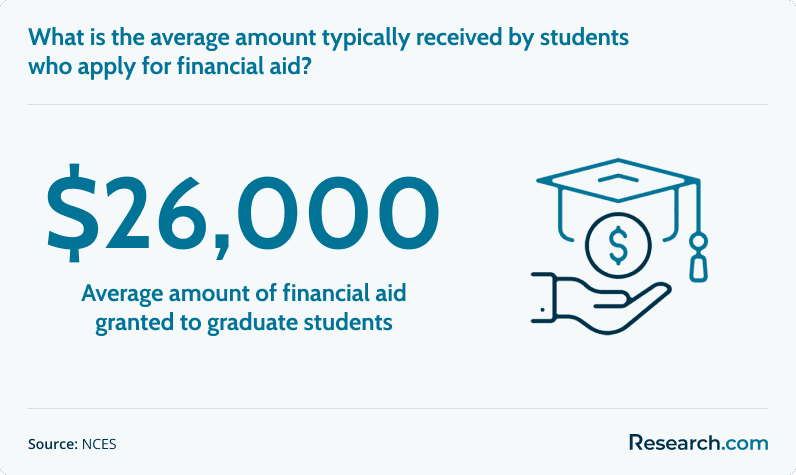
Students in accelerated online MSN programs may use several forms of financial aid, but availability depends on school eligibility, enrollment status, citizenship or residency requirements, employer policies, and scholarship criteria. Start early because graduate aid deadlines can arrive before admission decisions are finalized.
- Scholarships and grants. Universities, nursing associations, employers, foundations, and community organizations may offer funding for graduate nursing students. Students comparing lower-cost graduate options may also review affordable online master's programs to understand broader cost-saving strategies.
- Federal financial aid. Eligible students can complete the Free Application for Federal Student Aid (FAFSA) to be considered for federal loans and other aid programs.
- Employer tuition assistance. Hospitals, health systems, and clinics may reimburse part of the cost for nurses pursuing advanced credentials, especially when the degree supports internal workforce needs.
- State financial aid programs. Some states offer scholarships, grants, or loan forgiveness for graduate nursing students, especially those who work in underserved areas or shortage fields.
- Private scholarships and external awards. Professional organizations and foundations may fund students based on specialty, service commitment, academic merit, financial need, or demographic background.
Questions to ask about MSN financial aid
- Does the program qualify for federal financial aid?
- Is there a minimum credit load required to receive aid?
- Are scholarships available for online students and part-time students?
- Does employer reimbursement pay upfront, after grades post, or after continued employment?
- Are clinical fees, campus visits, and certification preparation covered by aid?
What are the prerequisites for enrolling in the shortest online MSN programs?
Admission requirements vary by school and specialty, but accelerated online MSN programs usually expect applicants to show strong academic preparation, active nursing licensure, and readiness for graduate-level clinical or leadership coursework.
- Bachelor of science in nursing (BSN). Most MSN programs require a BSN from an accredited institution. Some schools consider applicants with an associate degree in nursing and a non-nursing bachelor’s degree if bridge coursework is completed.
- Registered nurse (RN) licensure. Applicants generally need a current, unrestricted RN license. Similar to requirements in affordable RN to BSN online programs, this confirms the student is legally eligible to practice nursing.
- Minimum GPA. Many schools expect a GPA around 3.0 on a 4.0 scale, although specific thresholds differ.
- Clinical experience. Some programs require one to two years of nursing experience, especially for advanced practice tracks.
- Letters of recommendation. Applicants may need professional or academic references who can evaluate readiness for graduate nursing study.
- Personal statement or essay. Schools often ask applicants to explain career goals, reasons for pursuing an MSN, and fit with the chosen track.
- Resume or curriculum vitae. A resume or CV should document education, licensure, certifications, clinical experience, leadership work, and relevant achievements.
What courses are typically in the shortest online MSN programs?
Accelerated MSN curricula usually combine core graduate nursing courses with specialty courses. The exact course list depends on whether the student chooses advanced practice, education, leadership, administration, informatics, or another focus.
- Advanced health assessment. Students build skills for comprehensive patient assessment, including physical, psychosocial, developmental, and population-specific considerations.
- Advanced pharmacology. Coursework examines medication use, pharmacokinetics, pharmacodynamics, therapeutic decision-making, and safety considerations in advanced nursing practice.
- Advanced pathophysiology. Students study disease processes and physiological changes that inform diagnosis, treatment planning, and clinical reasoning.
- Nursing leadership and management. Topics may include leadership theory, organizational behavior, care coordination, quality improvement, and healthcare systems management.
- Healthcare policy and ethics. Students evaluate legal, regulatory, policy, and ethical issues that shape patient care and nursing practice.
- Evidence-based practice. Coursework teaches students how to interpret research and apply evidence to improve care quality, safety, and outcomes.
Common course areas by MSN track
| MSN track | Coursework often emphasized | Practical outcome |
| Family nurse practitioner | Advanced assessment, pharmacology, primary care, diagnosis, lifespan care | Preparation for primary care-focused advanced practice roles |
| Psychiatric-mental health nurse practitioner | Mental health assessment, psychopharmacology, psychotherapy, behavioral health | Preparation to assess and treat mental health conditions |
| Nurse educator | Curriculum design, teaching strategies, assessment, simulation, education theory | Preparation for academic or clinical teaching roles |
| Nursing administration | Finance, policy, operations, leadership, quality improvement | Preparation for management and healthcare leadership roles |
| Clinical nurse specialist | Specialty clinical practice, systems improvement, evidence-based intervention | Preparation to improve outcomes within specific patient populations or settings |
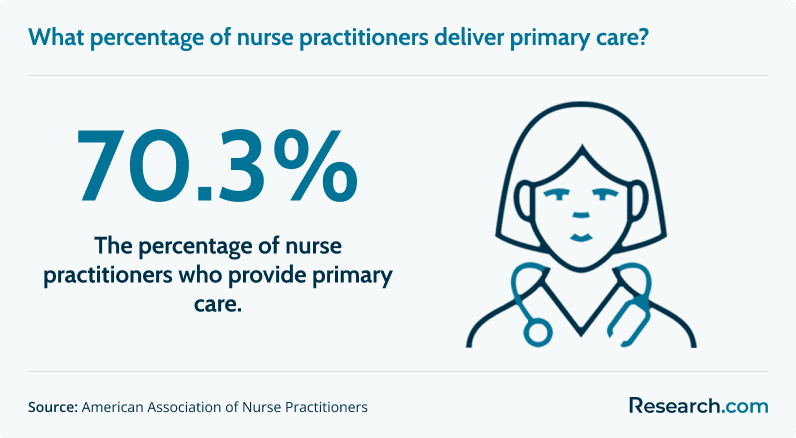
What types of specializations are available in the shortest online MSN programs?
Specialization is one of the most important decisions in an MSN search because it shapes coursework, clinical hours, certification eligibility, job options, and salary potential. Choose the track based on the role you want—not just the program that finishes fastest.
- Family nurse practitioner (FNP). Prepares nurses to provide primary care across the lifespan, including assessment, diagnosis, treatment, and management of common health conditions. Nurses who already hold an MSN may later compare short online post-master's FNP certificate programs.
- Adult-gerontology nurse practitioner (AGNP). Focuses on care for adults and older adults, including prevention, chronic disease management, and acute or primary care depending on the track.
- Pediatric nurse practitioner (PNP). Prepares nurses to care for infants, children, and adolescents in primary or acute care settings.
- Psychiatric-mental health nurse practitioner (PMHNP). Trains nurses to assess, diagnose, and treat mental health disorders across the lifespan through psychotherapy, medication management, and behavioral health care.
- Nurse educator. Builds skills in teaching, mentoring, curriculum planning, simulation, and student evaluation for academic and clinical education settings.
- Nurse administrator. Develops leadership, budgeting, policy, staffing, operations, and organizational management skills for healthcare administration roles.
Which MSN specialization should you choose?
| If your goal is... | Consider this MSN track | Be careful about... |
| Providing direct primary care | Family nurse practitioner | State scope-of-practice rules, clinical hour requirements, and certification eligibility |
| Working in behavioral health | Psychiatric-mental health nurse practitioner | Clinical placement availability and supervised mental health experience |
| Teaching future nurses | Nurse educator | Whether you want academic teaching, clinical education, simulation, or staff development |
| Managing units or departments | Nursing administration | Whether the curriculum includes finance, operations, quality, and personnel management |
| Improving care in a specialty area | Clinical nurse specialist | Employer demand in your region and certification expectations |
How to choose the best shortest online MSN programs?
The best short online MSN program is the one that is accredited, affordable for your situation, compatible with your state’s licensure rules, realistic for your schedule, and aligned with the role you actually want. A fast timeline is useful only if the program supports completion and career readiness.
- Confirm accreditation first. Look for recognized nursing accreditation, such as Commission on Collegiate Nursing Education (CCNE) or Accreditation Commission for Education in Nursing (ACEN). Accreditation affects employer recognition, federal aid access, licensure pathways, and certification eligibility.
- Match the specialization to your career plan. Do not choose an MSN track simply because it is shorter. A nurse educator track, for example, will not prepare you for the same roles as a nurse practitioner track. If you are comparing other healthcare graduate fields, note that unrelated options such as SLP online masters lead to different licensure and career outcomes.
- Review the exact program length and course format. Ask whether classes are asynchronous, synchronous, cohort-based, full-time only, or available part time.
- Investigate clinical placement support. As with some affordable online LPC programs, clinical placement rules can affect whether students can complete requirements on time.
- Compare total cost, not sticker tuition. Include fees, materials, clinical expenses, travel, and certification costs.
- Evaluate faculty expertise. Strong programs should have faculty with relevant clinical, teaching, leadership, research, or specialty experience.
- Check state authorization and licensure alignment. If you plan to practice in a specific state, verify that the program meets that state’s requirements before enrolling.
Questions to ask before enrolling
- Is the program accredited by CCNE, ACEN, or another recognized nursing accreditor?
- Does the program meet education requirements for my intended state and specialty?
- Who is responsible for finding clinical placements?
- How many clinical hours are required, and where can they be completed?
- What percentage of students finish on the advertised accelerated timeline?
- Are there required campus visits, intensives, or synchronous sessions?
- What is the full cost after fees, books, technology, clinical requirements, and certification expenses?
- What student support is available for online learners?
What career paths are available for graduates of the shortest online MSN programs?
Career options after an MSN depend on the specialization completed, state practice laws, certification, and work experience. The degree can support direct patient care, education, leadership, administration, informatics, and systems improvement roles.
- Nurse practitioner (NP). NPs provide primary or specialty care, diagnose and treat conditions, prescribe medications where permitted, and manage patient care.
- Clinical nurse leader (CNL). CNLs coordinate care for patient groups, support quality improvement, manage risk, and provide advanced generalist clinical leadership.
- Nurse educator. Nurse educators teach in colleges, universities, hospitals, clinical training programs, and staff development departments.
- Nurse administrator. Nurse administrators and nurse managers oversee nursing teams, budgets, staffing, policies, compliance, and care delivery operations.
- Clinical nurse specialist (CNS). CNS professionals improve care delivery within a specialty area such as critical care, oncology, geriatrics, or another clinical population.
- Informatics nurse specialist. Informatics nurses use electronic health records, healthcare data, and technology systems to improve workflow, safety, documentation, and patient outcomes.
What is the job market for graduates of the shortest online MSN programs?
The job market for advanced nursing roles remains favorable in many settings. The Bureau of Labor Statistics projects a 45% increase in employment for nurse practitioners from 2022 to 2032, influenced by an aging population, greater demand for primary care, and healthcare workforce shortages.
Salary varies by role. Nurse practitioners have a cited median annual salary of approximately $124,680, while nurse administrators earn around $101,340. These figures are comparable to some outcomes discussed for graduates of the best 1-year master's in healthcare administration online, although nursing and healthcare administration roles differ in duties, credentials, and labor markets.
MSN graduates may also find opportunities in nursing education, clinical leadership, informatics, quality improvement, care coordination, and public health. The strongest prospects typically go to candidates whose specialization, clinical experience, certification, and location match employer demand.
Review the chart below to compare industries with the highest employment of nurse practitioners:
Is an online nursing degree credible?
An online MSN is credible when it comes from an accredited institution, includes required clinical experiences, meets state authorization rules, and prepares graduates for any necessary certification or licensure steps. Employers generally focus less on whether lectures were online and more on accreditation, clinical preparation, specialty fit, and graduate competence. To evaluate this question in more detail, review is an online nursing degree credible.
How can RN to MSN online bridge programs expedite career advancement?
RN-to-MSN online bridge programs can shorten the route for experienced nurses by combining undergraduate bridge coursework with graduate MSN study. These programs may be useful for RNs who do not already hold a BSN but want a more direct path toward advanced practice, leadership, or education roles. The right bridge program should recognize previous nursing education while still ensuring students meet graduate-level expectations. For more program examples, see RN to MSN online bridge programs.
What student support services are offered in the shortest online MSN programs?
Support services matter more in accelerated online programs because students have less time to recover from confusion, technology issues, clinical placement delays, or academic setbacks. Strong programs usually provide academic advising, online tutoring, library access, technical support, clinical placement guidance, faculty office hours, and career counseling.
Students should also ask for clear cost guidance. Understanding tuition, fees, and program-specific expenses is just as important in graduate nursing as it is in practical nursing pathways such as LPN programs cost.
Should I consider an MSN/MBA dual degree?
An MSN/MBA dual degree may be worth considering if your long-term goal is executive nursing leadership, healthcare operations, consulting, finance, strategy, or health system administration. The MSN builds advanced nursing perspective, while the MBA adds business, management, and organizational decision-making skills. It may not be necessary for nurses who primarily want bedside advanced practice or clinical specialization. For more details, explore the MSN/MBA dual degree guide.
What career placement and advancement services do MSN programs offer?
Career support can include resume review, interview preparation, certification guidance, employer panels, virtual job fairs, alumni networking, and connections with healthcare organizations. These services are especially useful for online students who may not have the same informal campus-based networking opportunities as local learners. If admissions difficulty is also part of your decision-making process, you may find this related guide useful: What nursing school is the easiest to get into?
How can prior RN experience accelerate your MSN journey?
Prior RN experience can help students move more confidently through MSN coursework and may qualify them for bridge programs, advanced standing, or smoother clinical placement conversations. Some schools evaluate previous coursework, licensure, certifications, and professional experience when determining admission and progression. Completing foundational nursing education through easy online RN to BSN programs may also strengthen preparation for graduate study.
How to prepare for clinical practicums in shortest online MSN programs
Clinical practicums are one of the most important differences between simply taking online classes and completing a professional nursing graduate degree. Even when coursework is remote, clinical learning takes place in approved healthcare environments under qualified supervision.
- Ask about placement responsibility before enrolling. Some programs coordinate placements; others expect students to identify sites and preceptors.
- Start early. Competitive areas may have limited preceptor availability, especially for nurse practitioner tracks.
- Confirm site approval rules. Your school may require specific credentials, patient populations, documentation, contracts, or compliance checks.
- Plan your work schedule around clinical days. Practicums may require full-day availability, travel, or nontraditional hours.
- Track documentation carefully. Keep records of hours, patient encounters, evaluations, skills checkoffs, and required forms.
- Communicate with faculty and preceptors. Clear expectations reduce delays and improve the learning experience.
Time Commitment and Flexibility in Short MSN Programs
Short MSN programs are flexible in format but demanding in workload. Online delivery can reduce commuting and allow students to study around work, but accelerated pacing often means more assignments, readings, exams, group work, and clinical preparation each week.
- Flexible scheduling: Many programs use asynchronous classes, which can help working nurses study outside standard business hours.
- Accelerated coursework: Students should expect a fast pace and limited downtime between terms.
- Professional support: Advising, tutoring, clinical coordination, and career services can make the difference between staying on schedule and falling behind.
Nurses planning even higher-level study may also compare the shortest DNP program options after evaluating whether an MSN or DNP better fits their long-term goals.
What challenges should you expect in completing the shortest online MSN programs?
The main challenge of an accelerated online MSN is compression. Students must master graduate nursing content, complete clinical or project requirements, and maintain professional responsibilities in a shorter timeframe.
- Heavy coursework: Short programs move quickly, so missing one week can create a serious backlog.
- Work-school balance: Many students continue working while enrolled. Clinical-heavy tracks, including online BSN to FNP programs, can make scheduling especially difficult.
- Clinical placement pressure: Securing approved sites and preceptors may take time, particularly for online students outside the school’s region.
- Technology demands: Students need reliable internet, comfort with online platforms, and access to technical support.
- Licensure complexity: Online programs may not meet requirements in every state, so students must verify eligibility before enrolling.
Common mistakes to avoid
| Mistake | Why it can hurt you | Better approach |
| Choosing only the fastest program | The quickest program may not match your specialty, state, or certification needs. | Start with career goal, accreditation, and licensure fit; then compare speed. |
| Ignoring clinical placement details | Delayed placements can delay graduation. | Ask who finds preceptors, what sites qualify, and how early placement planning begins. |
| Looking only at tuition | Fees, travel, books, testing, and clinical costs can raise the total price. | Request a full estimated cost of attendance. |
| Assuming online means fully remote | MSN clinical requirements must be completed in person. | Confirm clinical hour requirements and location rules before applying. |
| Relying only on rankings | A highly ranked program may not be the best fit for your state, schedule, or specialty. | Use rankings as one input alongside outcomes, support, cost, and licensure alignment. |
What is the return on investment for the shortest online MSN programs?
ROI depends on how much the program costs, how quickly you finish, whether you can keep working, and whether the degree leads to the role you want. A short program may improve ROI if it helps you enter an advanced role sooner, but it can also be risky if the workload forces you to reduce income or if the program does not support licensure or certification in your state.
When estimating ROI, include tuition, fees, books, clinical expenses, certification costs, potential lost wages, and expected salary changes. For salary benchmarks by role, review the MSN salary resource.
What are the most affordable options for the shortest online MSN programs?
The most affordable short online MSN program is not always the one with the lowest per-credit tuition. A lower-cost program may become expensive if it requires more credits, adds high fees, offers limited clinical support, or delays graduation. Compare the total price and the likelihood of finishing on time.
To reduce cost, ask about employer reimbursement, scholarships, grants, flat-rate online tuition, transfer credits, and part-time options that let you keep working. For a focused affordability comparison, explore cheapest online MSN programs.
Key Insights
- The shortest online MSN programs can often be completed in 12 to 18 months, but the fastest pathway usually requires strong time management and clear clinical planning.
- Accreditation, state authorization, clinical placement support, and specialty fit matter more than speed alone.
- Tuition commonly ranges from $20,000 to $50,000, but students should compare total cost, including fees, clinical expenses, books, and certification costs.
- Nurse practitioner, nurse educator, nurse administrator, clinical nurse specialist, and informatics roles are common MSN career paths, but each requires different preparation.
- Online MSN degrees can be credible when they are accredited, clinically rigorous, and aligned with licensure or certification requirements.
- Before enrolling, ask who arranges clinical placements, whether the program meets your state’s rules, how many students finish on time, and what support is available for online learners.
References:
- American Association of Colleges of Nursing. (n.d.). The impact of education on nursing practice. AACN.
- NCES. (2023). Press Release - Nearly Three-Quarters of undergraduates received some type of financial aid in 2019-20 - July 26, 2023. NCES.
- U.S. Bureau of Labor Statistics. (2023). A look at nurse practitioners for National Nurse Practitioner Week. U.S. Bureau of Labor Statistics.
- U.S. Bureau of Labor Statistics. (n.d.). Occupational employment and wages, May 2023 - 29-1171 nurse practitioners. BLS. https://www.bls.gov/oes/current/oes291171.htm
Other Things You Should Know About the Shortest Online MSN Programs
Yes, online MSN programs in 2027 typically require hands-on clinical practicums. These are arranged locally, allowing students to gain necessary practical experience. The number of hours may vary by state but usually ranges between 500 to 700 clinical hours.
No. Online MSN students must complete clinical hours in person under approved supervision. Most programs require about 500 to 1,000 supervised clinical hours, and many also require placement in a licensed healthcare setting before graduation and licensure eligibility.


