2027 Mental Health Counseling ROI by Institution Type: Public vs Private vs Nonprofit Online Programs

Co-Founder and Chief Data Scientist
Choosing between public, private, and nonprofit online mental health counseling programs can be deceptively complex. A prospective student might face two programs charging vastly different tuition but with unclear disparities in graduation rates or post-graduation debt.
For example, a 2024 study by the National Center for Education Statistics shows that nonprofit institutions often have higher median debt but also better job placement rates, suggesting a nuanced tradeoff between upfront cost and long-term career value. This evidence highlights that not all online degrees yield equal returns, even if they seem similar initially. This article analyzes these differences to clarify the ROI distinctions across institution types, helping readers make a strategic, outcome-focused choice.
Key Things to Know About Mental Health Counseling ROI by Institution Type
- Public programs typically offer lower tuition but may have extended completion times, increasing opportunity costs; this tradeoff requires weighing savings against delayed entry into counseling roles for working adults.
- Employers often prioritize graduates from accredited private and nonprofit online institutions due to stronger institutional reputations tied to rigorous curricula and comprehensive learner support, influencing career advancement prospects.
- Higher student debt exposure in private online programs, as reported in a 2024 study, signals caution for borrowers, especially when debt service risks outweigh incremental earnings, affecting long-term financial stability post-graduation.
- Key Things to Know About Mental Health Counseling ROI by Institution Type Key Things to Know About Mental Health Counseling ROI by Institution Type
- What Does ROI Mean for a Mental Health Counseling Program and How Is It Measured? Understanding Mental Health Counseling Program ROI
- How Do Public, Private, and Nonprofit Online Mental Health Counseling Programs Differ in Overall Value? Value by Institution Type
- How Do Tuition Costs Affect the ROI of a Mental Health Counseling Program Across Institution Types? Tuition Costs and ROI
- How Do Graduation Rates Influence Mental Health Counseling Program ROI? Graduation Rates Impact ROI
- What Role Do Career Outcomes Play in the ROI of a Mental Health Counseling Degree? Career Outcomes and ROI
- How Does Student Debt Impact the Long-Term ROI of a Mental Health Counseling Program? Debt vs. Long-Term ROI
- How Do Flexibility and Adult Learner Support Affect Mental Health Counseling Program Value? Flexibility and Program Value
- How Do Accreditation and Institutional Reputation Influence Mental Health Counseling ROI? How Do Accreditation and Institutional Reputation Influence Mental Health Counseling ROI?
- How Does Time-to-Degree Affect the ROI of Public, Private, and Nonprofit Mental Health Counseling Programs? How Does Time-to-Degree Affect the ROI of Public, Private, and Nonprofit Mental Health Counseling Programs?
- How Can You Choose the Best Mental Health Counseling Program Based on Your ROI Goals? Choosing Programs by ROI
What Does ROI Mean for a Mental Health Counseling Program and How Is It Measured?
Return on investment calculation for mental health counseling programs requires a nuanced weighing of total costs against tangible career benefits, rather than simplistic salary comparisons. For example, a working professional choosing between a lower-cost public online program with high completion rates and a more expensive private alternative must consider not only tuition but also the risk of extended time-to-degree and the likelihood of accruing more debt.
According to the Education Data Initiative, graduates of private online programs often carry 20-30% more student loan debt, which can substantially impact financial stability long after graduation. Evaluating ROI means factoring in these real costs alongside differences in institutional reputation, learner support, and program quality, which all influence licensure success and employment outcomes.
Factors influencing mental health counseling program ROI also depend heavily on individual student goals and circumstances. Those aiming for rapid workforce entry may prioritize programs with strong clinical supervision and advising, often found in nonprofit online offerings, to reduce opportunity costs and increase job placement stability.
Conversely, students balancing work and study might accept slightly higher costs for flexible scheduling but should critically assess whether this flexibility trades off timely graduation or reduces access to career resources. Because earnings gains alone do not capture the full picture, prospective students must interpret ROI through the lens of graduation likelihood, debt-to-income ratios, and long-term credential value when comparing public, private, and nonprofit institutions.
Decisions about Mental Health Counseling enrollment gain clarity when contextualized within real-world tradeoffs, such as debt burden versus completion reliability. Not all affordable programs yield the best long-term outcomes, and not all costly options justify their price through superior results.
To navigate these complexities, learners can also explore related fields through RN BSN online programs no clinicals that share similar ROI challenges and opportunities. A comprehensive ROI assessment ultimately equips students to align program attributes with personal priorities, balancing cost efficiency with the practical realities of career readiness and financial resilience.
How Do Public, Private, and Nonprofit Online Mental Health Counseling Programs Differ in Overall Value?
When weighing online mental health counseling programs, cost alone doesn't capture their full value, especially regarding how public, private, and nonprofit options impact debt, program quality, and career readiness. Public institutions tend to offer significantly lower tuition, often resulting in less student debt, but this affordability can come with more generalized course offerings and less personalized career support.
By contrast, private programs frequently provide smaller classes and enhanced services like career counseling and networking, which some employers rate more favorably-data from the National Center for Education Statistics in 2024 shows private program graduates often report slightly higher employer satisfaction, reflecting the influence of accreditation and institutional reputation. Nonprofit programs usually position themselves between the two, combining competitive costs with rigorous academics and ethical training.
Flexibility also varies: public schools often offer frequent course starts and diverse scheduling to accommodate working adults, while private and nonprofit programs may emphasize specialized electives or cohort models that foster networking but limit start dates. These differences directly affect completion rates and time-to-degree, with consequences for long-term debt and workforce entry.
A student prioritizing quick, affordable completion might lean toward public programs, while those valuing prestige and personalized career preparation may justify paying more for private options despite higher debt. Nonprofits can serve as a middle ground, but the potential for lower debt must be weighed against program specifics and graduate outcomes in a competitive job market where practical skills and program reputation both influence employability.
One prospective student, evaluating offers from all three types, grappled with balancing sticker price against perceived return on investment. The public institution was the most affordable, but the applicant worried about fewer networking opportunities and less career advising. The private program had a strong reputation and comprehensive support but came with debt the student hesitated to accumulate. Ultimately, the nonprofit's combination of moderate tuition, solid accreditation, and ethical focus aligned best with this student's professional goals and financial comfort, illustrating the nuanced decisions many adult learners face beyond obvious cost differences.
How Do Tuition Costs Affect the ROI of a Mental Health Counseling Program Across Institution Types?
Tuition cost differences among public, private, and nonprofit online mental health counseling programs significantly shape the return on investment, but lower sticker prices do not inherently guarantee stronger value. For example, while public institutions often offer in-state tuition rates well below private counterparts, these savings can be offset by longer times to degree completion or fewer support resources, potentially delaying entry into the workforce and reducing early-career earnings.
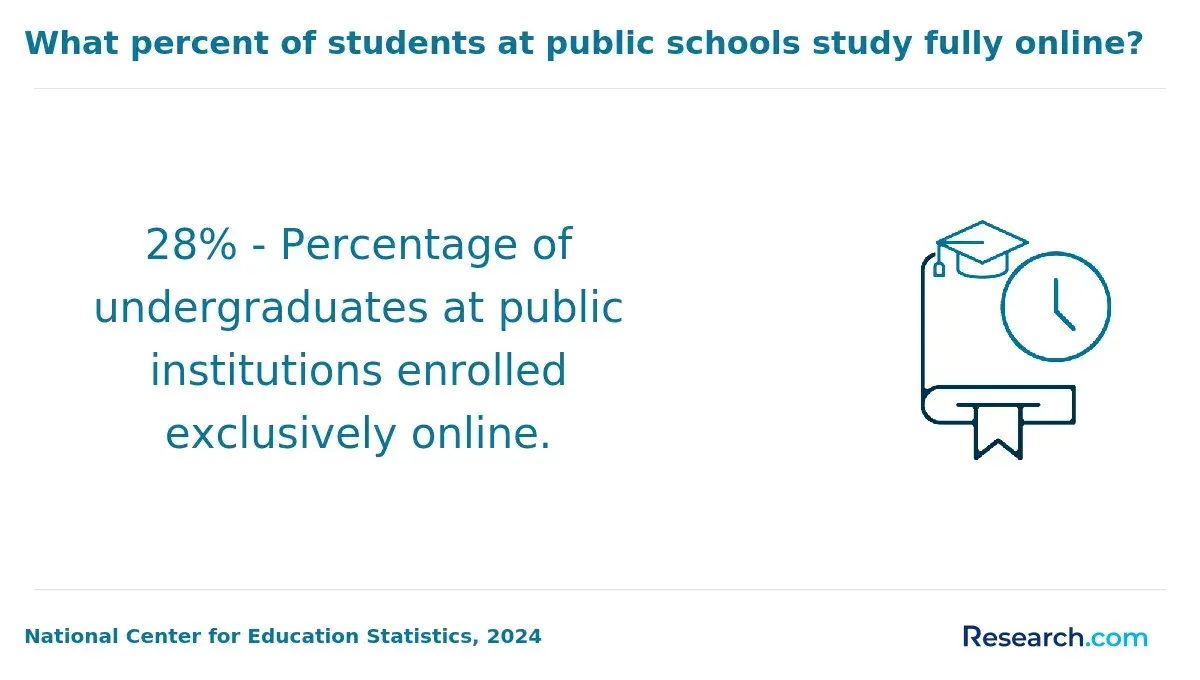
According to 2024 data from the National Center for Education Statistics, average graduate tuition for public programs remains substantially lower, yet this cost advantage must be weighed against graduation rates and the availability of program elements like licensure preparation, which directly impact career readiness and hiring outcomes. Conversely, private nonprofit programs frequently charge two to three times more in tuition but may provide enhanced clinical training, employer networking, and career services that improve licensure success and job placement rates.
This can lead to higher lifetime earnings even after accounting for increased debt burdens, though the net benefit depends on individual career goals, financial aid access, and personal circumstances. Nonprofit online options often balance cost and quality, offering more predictable outcomes without the premium price tag of many private schools, but may lack extensive alumni networks that can facilitate employment. Ultimately, decisions should integrate evaluation of program quality and support infrastructure with financial exposure since a higher initial investment might yield superior ROI if it accelerates licensure and career entry in a competitive job market.
How Do Graduation Rates Influence Mental Health Counseling Program ROI?
Graduation rates significantly influence the return on investment in mental health counseling programs by serving as a proxy for institutional effectiveness and student persistence. For example, public online programs, often more affordable, report graduation rates between 55-65%, reflecting both cost advantages and challenges faced by nontraditional students that can extend time-to-degree.
Private institutions may have lower rates, around 45-55%, but often provide smaller class sizes and more personalized support that can benefit learners needing tailored guidance. Nonprofit providers typically balance these factors with mission-driven resources for adult learners and career changers, yet graduation rates alone don't capture how these nuances shape overall educational value.
Comparing graduation success and financial returns in mental health counseling programs demands evaluating how support services, credit flexibility, and job market alignment impact timely completion and debt management. Faster degree completion reduces tuition and opportunity costs, enhancing ROI, while slower progress can increase financial strain despite meaningful career gains.
Many employers prioritize graduates' practical readiness and persistence, making institutional support critical to outcomes beyond just graduation metrics. Prospective students should also explore program formats and costs, utilizing resources like online self paced college courses to identify options that align with their personal and financial circumstances rather than relying solely on headline graduation statistics.
What Role Do Career Outcomes Play in the ROI of a Mental Health Counseling Degree?
Career outcomes critically shape the return on investment in mental health counseling degrees by defining how well graduates convert education into sustainable employment and long-term career options. Public programs often provide affordability that lowers debt burden, but may deliver more modest employer recognition, limiting initial salary gains and role flexibility.
Conversely, private institutions frequently offer stronger job placement resources and professional networks, increasing access to specialized roles and facilitating smoother transitions into clinical or administrative positions, although this can come at a higher financial cost. Nonprofit programs focus on community-oriented training, generally leading to stable public sector roles with less lucrative pay but increased job security and benefits, a tradeoff that impacts ROI differently depending on individual career priorities and geographic market dynamics.
According to the National Center for Education Statistics in 2024, roughly 85% of graduates from accredited programs find relevant employment within a year, underscoring that institution type alone does not guarantee outcomes without considering these nuanced employment pathways and support systems. When weighing program costs, students must also factor in how employer recognition and skill alignment affect post-graduate mobility and earnings growth over time.
A graduate with a degree from a well-connected private program may more easily diversify their career-from direct counseling roles to policy or program management-enhancing long-term value beyond initial salaries. In contrast, graduates from public or nonprofit programs might face slower advancement despite comparable entry-level placement rates, altering the true educational ROI. These distinctions emphasize that cost, tuition, and debt cannot be isolated from the quality of employer engagement and placement networks when evaluating mental health counseling programs for lasting career impact.
A recent graduate who completed an online mental health counseling degree from a public institution described hesitancy about the degree's practical value beyond the credential. While the program offered a manageable tuition and timely completion, the individual initially struggled to leverage the credential for meaningful internal promotions or expanded responsibilities within their organization.
However, over two years, as relationships with supervisors and clinical supervisors deepened and additional certifications were earned, the graduate saw incremental opportunities to move into coordinator roles. This experience highlighted that ROI is often experiential and cumulative, with career outcomes dependent not only on where the degree was earned but on how graduates navigate employer networks and demonstrate relevant skills over time.
How Does Student Debt Impact the Long-Term ROI of a Mental Health Counseling Program?
Debt levels from mental health counseling programs differ substantially by institution type, directly affecting long-term financial benefits. Graduates of private programs often face debt exceeding $50,000, while public program borrowers typically carry around $30,000. This gap impacts repayment strategies and overall ROI, as high debt can extend repayment timelines and increase delinquency risk-two factors that may outweigh moderate salary gains early in a counseling career.
For example, a graduate carrying $45,000 in debt may endure years of tight budgets balancing monthly loans, licensing fees, and living expenses unlike a peer from a public institution with a smaller loan burden, highlighting the critical intersection of borrowing decisions and career sustainability. Completion rates also shape the return on student investment. Public online programs usually report higher completion rates near 70%, resulting in more predictable costs and quicker workforce entry, whereas private and nonprofit program variability may lead to longer timeframes and increased costs.
Importantly, ROI in mental health counseling extends beyond minimizing debt; some private programs provide specialized training or networking advantages that can boost salary or employability and partially justify their higher price tags. Prospective students should carefully weigh these factors, the quality and flexibility of educational offerings, and available financing options-including income-driven repayment plans-to manage student debt impact on mental health counseling ROI effectively. Exploring options like accelerated PMHNP programs online may also fit well for those seeking time-efficient paths.
How Do Flexibility and Adult Learner Support Affect Mental Health Counseling Program Value?
Flexible scheduling and targeted support services significantly shape the return on investment and practical value of online mental health counseling programs. Adult learners juggling work, family, and other commitments benefit most from programs offering asynchronous coursework, part-time enrollment, and personalized academic advising that accommodate transfer credits and real-world constraints.
For example, students in programs with flexible pacing and robust retention strategies-including peer support and early risk alerts-are measurably more likely to finish within six years, according to a 2024 National Center for Education Statistics report. Public institutions generally offer lower tuition through government funding but may fall short in delivering individualized attention and career guidance critical to licensure success and job placement.
Private programs often provide intensive student services-such as dedicated faculty mentorship and licensure exam preparation-but these advantages come with higher tuition and potential debt burdens that can diminish net ROI without commensurate employment gains. Nonprofits may strike a balance, offering tailored support for military-affiliated or working adults while maintaining affordability, though scalability challenges can limit accessibility and responsiveness.
Ultimately, candidates must weigh how scheduling flexibility, support depth, and cost interplay with their unique career timelines and financial constraints when assessing long-term value across different institutional models.
How Do Accreditation and Institutional Reputation Influence Mental Health Counseling ROI?
Accreditation status directly shapes the return on investment for mental health counseling programs by influencing licensure eligibility and employer confidence. Choosing a program with both regional institutional and programmatic accreditation, such as CACREP, often means access to curricula that meet rigorous professional standards, which substantially affects your ability to secure licensure and competitive positions.
For example, data from the Council for Accreditation of Counseling and Related Educational Programs shows graduates from CACREP-accredited programs experience a 15% higher employment rate within six months compared to those without such credentials. This advantage can translate into faster entry into the workforce and reduced financial strain related to prolonged job searches or costly credentialing hurdles.
Institutional reputation plays a more nuanced role, often tied to perceived stability and prestige but less predictive of actual career outcomes. While private institutions may offer a brand that opens doors in select markets, many public and nonprofit programs provide more affordable tuition and stronger student support designed to improve graduation and licensure passage rates. These factors can have a larger impact on long-term ROI, especially when weighed against the potential debt burden of more expensive institutions.
Prospective students must assess how well online programs align with state licensure requirements, support practicum placements, and facilitate credit transfer, rather than relying on reputation alone to gauge value. Employers increasingly prioritize practical readiness and licensure over institutional name recognition, highlighting the need for decision-making grounded in measurable outcomes and career alignment rather than prestige.
How Does Time-to-Degree Affect the ROI of Public, Private, and Nonprofit Mental Health Counseling Programs?
Extended time-to-degree in online mental health counseling programs, especially those at public institutions with higher part-time enrollment, can significantly increase both direct tuition costs and indirect opportunity costs such as lost earnings. By contrast, private and nonprofit programs offering accelerated or competency-based pathways may enable students to graduate in as little as two to three years, reducing overall debt burden and speeding workforce entry.
However, faster timelines do not always guarantee better outcomes; for example, private programs with average completion times around 3.5 years demonstrate an 8% higher graduation rate than public programs that often exceed five years, suggesting that program quality and structure impact persistence as much as speed. Transfer credit policies and program flexibility further shape how time-to-degree influences return on investment.
Public universities generally accept more transfer credits, which can shorten time-to-degree for transfer students and cut expenses, while nonprofit institutions often emphasize student support services that improve completion likelihood over rigid timelines. These factors affect the delicate balance working adults face between managing ongoing professional and personal responsibilities and progressing academically.
Prospective students must weigh how enrollment intensity and program pacing align with their unique circumstances to optimize educational value and reduce risks of extended debt or delayed career advancement within mental health counseling. Deciding among public, private, and nonprofit mental health counseling online degrees requires assessing average program completion times and ROI comparisons with an eye toward practical life tradeoffs beyond tuition alone.
Those interested in understanding detailed career and educational pathways might explore what can you do with a bioinformatics degree for an analogous perspective on degree utility and workforce integration. Ultimately, informed choices hinge on matching program structures and graduation timelines with individual goals, financial constraints, and long-term professional trajectories.
How Can You Choose the Best Mental Health Counseling Program Based on Your ROI Goals?
The optimal return on investment in mental health counseling programs hinges on individual priorities rather than institution type alone. While public online programs often appeal to cost-conscious students by offering tuition rates around 60% lower than private institutions according to the National Center for Education Statistics, these savings may come with tradeoffs in learner support or networking opportunities that some employers value.
Conversely, private programs may command higher tuition but can deliver advantages in average starting salaries and stronger reputational signals, which can influence long-term career growth despite increased upfront debt. Nonprofit online programs frequently strike a balance between affordability and mission-driven support, often providing financial aid and flexible scheduling crucial for working adults balancing family and employment.
Given the increasing demand across healthcare systems for qualified counselors, time-to-degree and graduation rates become critical ROI factors; programs that enable faster completion can lead to earlier workforce entry, a key consideration emphasized by the Lumina Foundation. Evaluating mental health counseling program ROI involves weighing total costs, financial aid accessibility, accreditation, and employment outcomes in the context of one's life circumstances, such as existing job obligations and career ambitions.
Students comparing the best online mental health counseling programs for career growth should also consider practical program attributes, including institutional reputation and support services, beyond price alone. For those seeking specialized paths, exploring specific concentrations such as marriage and family therapy through resources like marriage and family therapy master's programs online can provide additional clarity about ROI impacts. Ultimately, aligning educational investment to personal and market realities is essential to maximize long-term benefits.
References
- How can we measure ROI on EAPs and employee wellbeing programs? https://sonder.io/resources/blog/eap-roi-return-on-value/
- Types of Mental Health Professionals | NAMI https://www.nami.org/treatments-and-approaches/types-of-mental-health-professionals/
- How Much Does Therapy Cost? Rates, Sliding Scale, and ROI of Care https://shanghaiarchivesofpsychiatry.org/plain-language/how-much-does-therapy-cost-rates-sliding-scale-and-roi-of-care/
- Accreditation - CACREP https://www.cacrep.org/accreditation/
- How to Measure the ROI of Your Mental Health Program | Nivati https://www.nivati.com/blog/how-to-measure-the-roi-of-your-mental-health-program
- Is a master's degree in counseling worth it? | edX https://www.edx.org/resources/is-a-masters-in-counseling-worth-it
- Is Grad School Worth It? A Comprehensive Return on Investment Analysis - FREOPP https://freopp.org/whitepapers/is-grad-school-worth-it-a-comprehensive-return-on-investment-analysis/
- Factors Influencing Counseling Students’ Enrollment Decisions: A Focus on CACREP - The Professional Counselor https://tpcjournal.nbcc.org/factors-influencing-counseling-students-enrollment-decisions-a-focus-on-cacrep-2/
- The Cost of Crisis: Making the Budget Case for Telepsychiatry on Campus - Mantra Health https://mantrahealth.com/post/the-cost-of-crisis-making-the-budget-case-for-telepsychiatry/
- The Economics of Accreditation: Costs, Benefits, ROI - Course Accreditation https://course-accreditation.com/blog/the-economics-of-accreditation-costs-benefits-roi/
Other Things You Should Know About Mental Health Counseling
The type of institution-public, private, or nonprofit-can significantly impact the structure and pacing of mental health counseling programs. Public institutions often offer more standardized, sometimes heavier course loads with a predictable semester system, which can extend completion time but may provide clearer scheduling.
Private programs, especially nonprofits, may offer accelerated or more flexible formats but often expect higher engagement and quicker turnaround on assignments, demanding intense time management. Prospective students prioritizing steady pacing and predictable hours might lean toward public programs, whereas those able to manage high-intensity schedules could benefit from private or nonprofit options for faster completion.
Employers typically value the licensure and accreditation status over the institution type, but subtle biases exist. Graduates from public universities often benefit from the perceived rigor and broader recognition associated with state institutions.
Private nonprofit schools might carry strong reputations if linked with specialized mental health training or research, while some employers remain skeptical of less-established private programs. When employer perception is a priority, public or well-established nonprofit programs generally provide better signaling, especially in competitive job markets requiring trust in clinical competence.
Career changers typically benefit most from public online mental health counseling programs due to their often lower tuition and more predictable scheduling, which help minimize debt and maintain work-life balance. Private and nonprofit programs may deliver innovative curricula but sometimes at higher costs and with more compressed timelines that strain working students. Therefore, public universities usually offer a more practical ROI by aligning educational demands with ongoing income, reducing financial stress, and enabling steadier professional growth.
Yes, institution type can affect access to internships-a crucial element in mental health counseling training. Public universities often have partnerships with larger, state-supported health networks, providing a broad range of placements but sometimes with higher competition.
Private nonprofits may leverage specialized community connections, offering unique but fewer opportunities tailored to niche populations. Students should prioritize programs with strong, locally relevant internship pipelines since practical experience directly impacts licensure eligibility and employer readiness, affecting ROI more than institutional prestige alone.