2027 Mental Health Counseling Degree Completion Rates by Format: Online, Hybrid, and Campus Programs Compared

Co-Founder and Chief Data Scientist
Choosing the right format for completing a mental health counseling degree requires careful consideration of personal circumstances and educational goals. A prospective student weighing the flexibility of online programs against the structure of campus-based learning may wonder how each setting impacts their chances of finishing. Hybrid models promise a blend of both, but balancing remote and in-person demands can be challenging. The decision is not only about preference but also about how each option influences persistence and completion.
Completion rates vary notably between online, hybrid, and traditional campus programs due to factors such as support services, engagement, and time management demands. Understanding these differences can clarify which format aligns best with a student's lifestyle and professional ambitions. This article compares degree completion rates across these formats, explores the key influences on student success, and offers insights to help prospective students choose the path that best supports their educational journey.
Key Things to Know About Mental Health Counseling Degree Completion Rates by Format
- Data from a 2024 National Education report shows online mental health counseling programs have a 12% lower completion rate than campus formats, reflecting challenges in sustaining engagement without in-person accountability.
- Hybrid programs tend to balance flexibility and direct support, with completion rates averaging 5% higher than fully online, implying better alignment with practical training demands of counseling.
- Campus-based programs often yield higher completion rates due to hands-on clinical opportunities and peer interaction, crucial for mastering skills that directly impact employability post-graduation.
- Key Things to Know About Mental Health Counseling Degree Completion Rates by Format Key Things to Know About Mental Health Counseling Degree Completion Rates by Format
- How Do Completion Rates Compare Across Online, Hybrid, and Campus Mental Health Counseling Programs? Completion Rate Comparison
- What Factors Have the Greatest Impact on Mental Health Counseling Degree Completion? Degree Completion Factors
- Which Mental Health Counseling Degree Format Is Hardest to Complete? Completion Difficulty
- How Does Each Mental Health Counseling Learning Format Affect Student Success? How Does Each Mental Health Counseling Learning Format Affect Student Success?
- How Does Enrollment Status Affect Mental Health Counseling Completion Rates? How Does Enrollment Status Affect Mental Health Counseling Completion Rates?
- Can Transfer Credits Improve Mental Health Counseling Degree Completion? Transfer Credits
- What Student Support Services Improve Mental Health Counseling Completion Rates? Student Support Services
- How Do Mental Health Counseling Completion Rates Affect Career Outcomes? Impact on Career Outcomes
- How Should Students Choose the Best Mental Health Counseling Learning Format? Choosing the Best Format
- What Are the Long-Term Pros and Cons of Each Mental Health Counseling Learning Format? Learning Format Pros & Cons
How Do Completion Rates Compare Across Online, Hybrid, and Campus Mental Health Counseling Programs?
Completion rates across online, hybrid, and campus mental health counseling programs often reflect the diverse profiles and challenges faced by the students enrolling in each format rather than inherent program quality differences. For example, fully online programs may enroll a higher proportion of students balancing full-time employment or family responsibilities. Thus, interpreting mental health counseling degree completion rates by program format requires considering the extent to which student backgrounds, motivation, and access to resources influence persistence more than the instructional delivery alone.
Variations in completion rates commonly arise from practical factors like scheduling flexibility, enrollment intensity, and access to academic support. Campus programs typically offer structured environments with direct faculty interaction, which can facilitate engagement for students who thrive in immersive settings. Hybrid options blend in-person and online elements, potentially easing the demands of attendance while maintaining some community interaction. Meanwhile, online programs provide unparalleled convenience, though success frequently depends on students' self-discipline and ability to manage competing priorities. These dynamics explain why comparisons of online hybrid and campus mental health counseling graduation rates often reveal a middle ground for hybrid formats and wider variability for fully online paths.
Prospective students can use these completion rate comparisons alongside a realistic assessment of their learning preferences, work and family commitments, and career timelines to select the format best suited to their circumstances. For instance, a working professional with limited daytime availability might consider hybrid or online formats to accommodate their schedule but should proactively seek academic support and remain engaged to improve their completion odds. Student-centered strategies tailored to each format's challenges are critical. Those interested in flexible healthcare-focused degrees may also explore related fields such as FNP online programs, which share similar balancing acts between access and persistence.
What Factors Have the Greatest Impact on Mental Health Counseling Degree Completion?
Degree completion for mental health counseling programs hinges on a dynamic blend of personal circumstances, academic conditions, and institutional design rather than mere motivation. Completion rates vary not only by delivery format but also by how well student needs intersect with effective support systems and program flexibility. For example, a working adult enrolled part-time online may face very different challenges than a resident student in a campus-based cohort, requiring distinct strategies to stay on track. Below are key factors that most strongly influence mental health counseling degree completion outcomes.
- Student Engagement and Academic Support: Active participation in advising and peer mentorship significantly boosts persistence. According to the National Center for Education Statistics, students leveraging these supports in online and hybrid formats increase their completion probability by 25%. This factor especially benefits self-directed learners who proactively seek guidance and community.
- Life Commitments and Time Management: Balancing employment, family, and studies creates substantial barriers, particularly for part-time and online students. Those who develop disciplined time management skills and utilize flexible course designs tend to reduce attrition risk. Adult learners juggling multiple roles must realistically assess their capacity to meet program demands.
- Program Format and Rigor: Campus programs often foster immersive peer networks and immediate access to resources, enhancing persistence, while hybrid models offer a middle ground with some in-person engagement and flexibility. Fully online pathways require robust technology infrastructure and adaptation to remote learning challenges, which, when insufficient, may contribute to higher dropout rates in underserved areas.
- Institutional Resource Availability: Access to personalized advising, tutoring, and mental health services directly impacts completion success. Institutions with integrated support systems tailored to their students' specific format-whether online, hybrid, or campus-based-create environments that encourage steady progress toward graduation.
- Student Self-Discipline and Resilience: Especially in flexible or remote programs, the ability to maintain consistent study habits and overcome setbacks is critical. Students who cultivate resilience and utilize institutional resources tend to navigate obstacles more effectively, improving their likelihood of program completion.
- Technology Access and Competency: Reliable technology and digital literacy profoundly affect students in online and hybrid formats. Technical issues, if unresolved, can stall progress and increase attrition, particularly among learners in regions with limited broadband infrastructure.
- Financial Stability and Affordability: Sustained funding and awareness of affordable options, such as the cheapest online MHA alternatives, influence continuation. Financial stress or unanticipated costs can disrupt enrollment and completion plans, making cost management a crucial factor for many students.
Which Mental Health Counseling Degree Format Is Hardest to Complete?
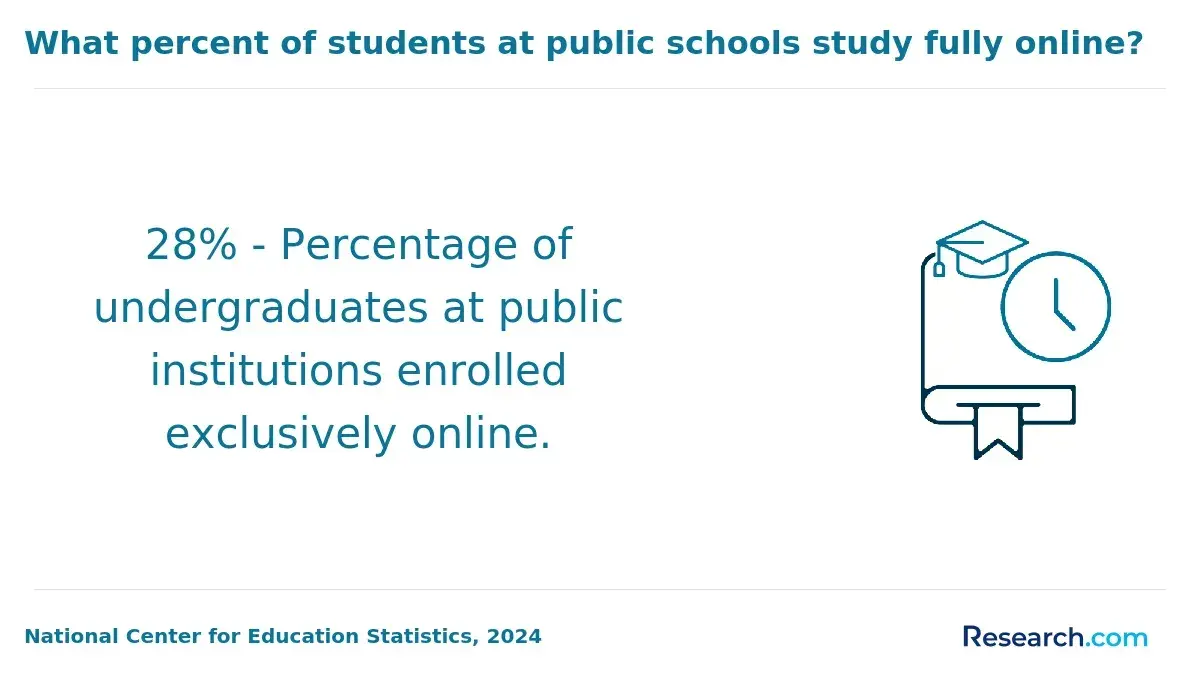
Completion rates for mental health counseling degrees differ significantly by format, influenced by the distinct demands and supports inherent to each. Campus-based programs generally see higher persistence, often between 60% and 75%, benefiting from structured environments that encourage consistent peer and faculty interaction. Conversely, fully online formats tend to struggle with completion rates around 40% to 55%, as students must balance self-motivation, time management, and limited direct supervision, which can be particularly challenging given the hands-on nature of counseling training. Hybrid models typically fall in the middle, with completion rates near 50% to 65%, blending some in-person engagement with online flexibility but still requiring strong self-direction and adaptation to varied delivery modes.
This variation means the hardest format to complete hinges less on the method itself and more on how well it aligns with a student's circumstances and learning style. For instance, a working parent managing unpredictable hours might find campus requirements impractical despite higher overall completion rates, whereas an isolated online learner dealing with limited tech access could face barriers that undermine progress. The 2024 National Center for Education Statistics data underscores that engagement structures and real-time supervision critically impact persistence, suggesting that success depends on balancing accessibility with sufficient support, rather than format alone.
A graduate who navigated a hybrid mental health counseling program recalled initial hesitation about juggling in-person practicum days with remote coursework amid a full-time job. They described feeling overwhelmed early on, confessing, "I wasn't sure I could keep up with the shifting schedule and expectations." Over time, accessing synchronous virtual sessions and periodic campus visits created a rhythm that helped sustain motivation. Reflecting afterward, they noted that neither purely online nor fully campus approaches would have suited their unpredictable work life as effectively, illustrating how format challenges often intersect with personal circumstances in complex ways.
How Does Each Mental Health Counseling Learning Format Affect Student Success?
Student success in mental health counseling programs hinges more on how well the learning format fits a student's individual style, schedule, and personal demands than on the mode itself. For example, a working parent may thrive in a flexible online setting, whereas a highly social learner might excel in a campus environment where immediate interaction fuels motivation. Research from the National Center for Education Statistics in 2024 shows completion rates vary notably by format, highlighting the importance of matching program delivery to a student's unique context. Below are key factors that influence success across online, hybrid, and campus formats.
- Engagement and Social Interaction: Campus programs typically offer direct, face-to-face engagement that helps build peer networks, foster accountability, and encourage active participation. Students who rely on social motivation often complete degrees at higher rates in this setting compared to online learners who may experience isolation.
- Flexibility Versus Structure: Online formats provide significant scheduling flexibility, benefiting students juggling work or family commitments. However, without structured support, many struggle with time management and maintaining consistent progress, impacting degree completion negatively.
- Access to Academic Resources: Campus students generally have easier access to tutoring, libraries, and counseling services in real time. Hybrid models attempt to balance remote convenience with periodic in-person resources, which can improve retention by offering both accessibility and support.
- Program Design and Support Services: Well-designed online and hybrid programs incorporating synchronous sessions and proactive academic advising have narrowed traditional gaps in success rates reported by the National Student Clearinghouse Research Center in 2024. The quality of these services strongly influences persistence.
- Self-Motivation and Accountability: Online learners need a high degree of intrinsic motivation and self-discipline to navigate challenges without immediate oversight. Students less comfortable with independent study often find hybrid or campus formats better support their persistence.
- Learning Environment Suitability: Some students absorb complex counseling concepts better through in-person discussions and supervised practice found on campus, while others excel with recorded lectures and flexible pacing online. Choosing a format aligned with personal learning preferences can directly impact understanding and application of material.
- Completion Rate Trends: Data from 2024 indicates that campus mental health counseling programs maintain the highest completion rates, followed by hybrid formats, with fully online programs trailing. These differences underscore the real-world tradeoffs between flexibility, support, and engagement inherent in each format.
How Does Enrollment Status Affect Mental Health Counseling Completion Rates?
Enrollment status is one of the most significant factors influencing mental health counseling enrollment status completion rates, yet its effect depends more on individual circumstances than simply the course load. Full-time and part-time pathways each come with distinct tradeoffs related to personal obligations, academic engagement, and institutional support. Understanding these subtle differences helps prospective students select an enrollment pace aligned with their ability to sustain progress and meet long-term goals. The following points outline key ways enrollment status impacts degree completion outcomes.
- Degree Completion Timing and Rates: Full-time students complete mental health counseling degrees within projected timeframes at approximately 15-25% higher rates than part-time students, according to recent 2024 higher education data. This trend reflects the focused momentum full-time study fosters but may not universally apply if outside responsibilities compromise study consistency.
- Academic Immersion and Support Access: Full-time enrollees benefit from greater immersion in academic activities and easier access to campus resources like advising and peer networks, which strengthen commitment. Part-time students often juggle multiple roles, limiting their ability to engage deeply, but institutions with targeted support can improve outcomes for these learners.
- Flexibility versus Structure Tradeoff: Part-time enrollment offers flexibility critical for those balancing employment, family, or other demands. However, this flexibility can invite interruptions and extend time-to-degree, especially in online mental health counseling programs that require strong self-direction and motivation.
- Impact of Delivery Mode: Campus-based mental health counseling programs, with structured schedules and in-person interaction, tend to boost full-time completion rates. Hybrid formats provide a middle ground, using periodic face-to-face sessions to enhance part-time students' engagement and reduce dropout risks.
- Financial and Career Implications: Full-time study often leads to earlier workforce entry but demands concentrated financial and time resources short-term. Part-time learners may face prolonged tuition costs and delayed earnings but benefit from maintaining employment and gaining experience simultaneously.
- Personal Capacity and Motivation: Successful completion hinges on students realistically assessing their ability to maintain study intensity. Those with strong time management and motivation may thrive online even part-time, while others might find a more structured full-time campus route better suits their needs.
- Program Selection Considerations: Choosing between online, hybrid, and campus formats in conjunction with enrollment status can significantly affect outcomes. For example, students looking for affordability and flexibility might explore options like an online nutrition degree, which shares some structural characteristics with online mental health counseling programs.
Can Transfer Credits Improve Mental Health Counseling Degree Completion?
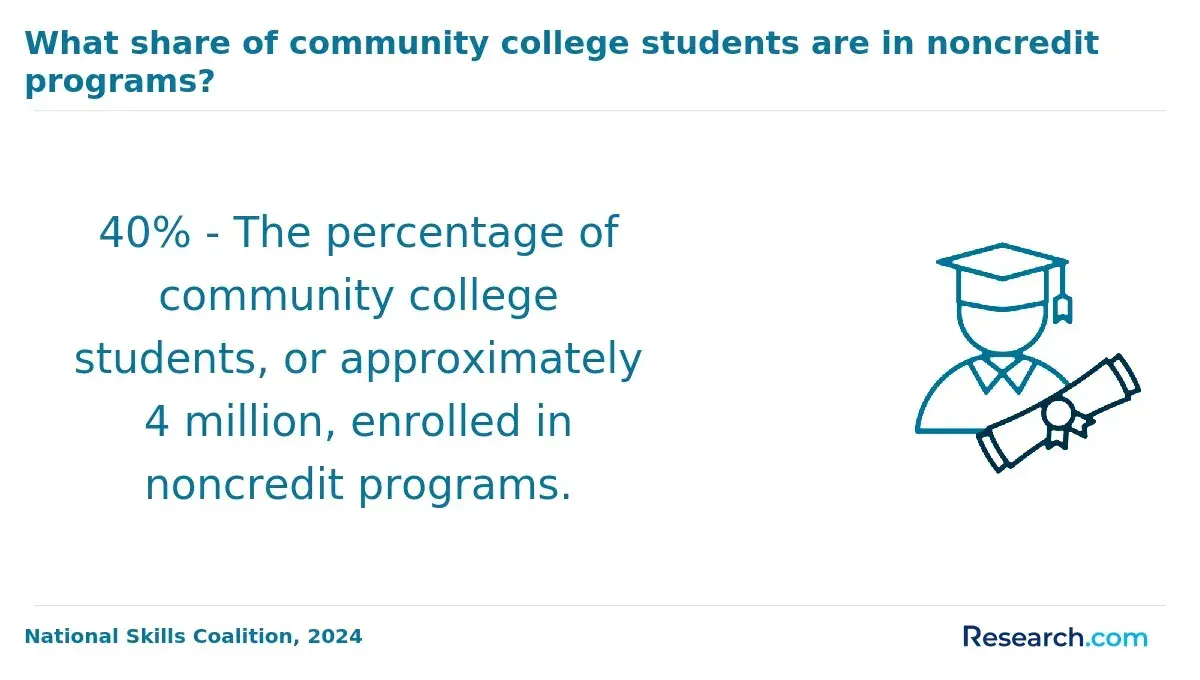
Transfer credits can significantly shorten the time required to complete a mental health counseling degree by eliminating repetitive coursework, especially for students with prior college credits, military training, or professional certifications. According to the 2024 National Student Clearinghouse Research Center, acceptance of transfer credits correlates with a 15% increase in four-year graduation rates within counseling-related fields. However, this advantage is far from guaranteed and depends heavily on several institutional and program-specific factors.
Consider a student entering a hybrid program who previously completed relevant coursework at another college. If the institution's transfer policy readily accepts their credits and those credits align closely with required competencies, the student can bypass foundational courses, accelerating their overall progress. Yet, if the program enforces strict residency hours or requires a broad scope of content mastery, many credits may not apply, potentially negating these gains and extending the time needed to graduate.
Online and hybrid formats generally offer more flexibility with credit transfer compared to campus-only programs, which often maintain tighter residency requirements that limit acceptable transfer credits. These restrictions reflect the necessity of ensuring students gain comprehensive, program-specific training essential for licensure. Students must weigh the speed gained from transfer credits against the risk of undermining their preparedness for industry standards and certification exams.
Prospective students should obtain a thorough, official credit evaluation before enrollment to understand exactly which prior credits will count toward degree requirements. This step enables comparison between the credits remaining and their desired course load, allowing for realistic planning. Transparency in credit transfer policies and alignment with accreditation standards are critical when assessing how transfer credits might impact individual completion timelines.
In summary, transfer credits can play a valuable role in expediting degree completion, particularly for nontraditional learners, but they constitute only one factor influencing graduation success. Careful analysis of program regulations, credit applicability, and personal circumstances is essential to determine if transfer credits will truly accelerate a mental health counseling degree.
What Student Support Services Improve Mental Health Counseling Completion Rates?
Student support services play a pivotal role in sustaining persistence and boosting completion rates for mental health counseling degrees across delivery formats. Research from 2024 confirms that tailored supports can significantly counterbalance the inherent challenges students face, particularly those enrolled online or in hybrid programs where direct faculty interaction is limited. Understanding which services exert the greatest influence helps prospective students make informed decisions about programs that will best facilitate degree attainment. The following services have shown the strongest links to higher retention and graduation outcomes.
- Personalized academic advising: Frequent, individualized guidance aids students in managing complex coursework and sequencing requirements, especially for online learners navigating less structured environments. Programs with proactive advising report up to 15% higher persistence rates according to the National Center for Education Statistics.
- Accessible mental health resources: Given the emotional intensity of mental health counseling curricula, access to counseling and wellness supports mitigates stress and burnout, directly improving retention.
- Tutoring and supplemental instruction: Enhancing conceptual clarity and practical skills through targeted sessions helps students grasp challenging content, a factor critical in hands-on counseling training.
- Career counseling tailored to counseling fields: Guidance on career pathways and licensure requirements reinforces motivation by connecting academic progress to real-world employability.
- Flexible virtual support platforms: Online students benefit most from technologically integrated resources such as live chat, video office hours, and digital peer networks, which help bridge isolation.
- Face-to-face engagement opportunities: Campus learners gain from immediate access to faculty and peers, reinforcing community and accountability that promote persistence.
- Coordinated support transitions in hybrid formats: Hybrid students require seamless integration between online and in-person resources to prevent gaps in assistance as they move between modalities.
One online graduate recalled moments when deadlines and isolation nearly halted progress. What made the difference was consistent academic advising coupled with on-demand tutoring, which provided timely clarity on assignments and procedural requirements. She described feeling "relieved to have someone just a call or click away," highlighting that virtual availability was not just convenient but essential amid work and family pressures. This blend of personalized connection and flexible access was her anchor, demonstrating how well-executed support services can transform potential attrition into degree completion.
How Do Mental Health Counseling Completion Rates Affect Career Outcomes?
Completion rates in mental health counseling degree programs have a measurable impact on career trajectories, notably affecting employability, earnings, and further educational opportunities. Evidence from recent labor market research reveals that graduates who complete their bachelor's degree exhibit a 15% higher job placement rate and earn starting salaries approximately 20% above those who do not finish. Consider a student enrolled in an online program whose ability to balance work and study ultimately leads to graduation, positioning them more competitively for licensure and professional roles. The following points summarize how completing a mental health counseling program shapes career outcomes:
- Higher likelihood of job placement and employer recognition: Degree completion signals formal credentialing that many employers require, especially in specialized roles demanding licensure preparation. Students who persist through graduation benefit from increased job market credibility, though networking and experience remain vital.: This is critical as licensed mental health counselors typically must hold a completed degree, making persistence essential for entry-level employment.
- Improved earnings potential and promotion opportunities tied to degree attainment: Completion correlates with a measurable boost in starting salary and ongoing career advancement prospects, reflecting employer valuation of the full academic credential.: Graduates from campus, hybrid, or robust online programs who finish their degrees often access higher-wage positions compared to non-completers, although local labor conditions influence outcomes.
- Eligibility and competitiveness for advanced graduate study: Completing an undergraduate counseling degree serves as a gateway to master's and doctoral programs, which require full bachelor's credentials for admission.: Students targeting further specialization must complete their degrees to remain eligible, with hybrid and campus formats traditionally providing stronger experiential learning that supports graduate program readiness.
- Persistence through program completion enhances professional confidence and smoother licensure transitions: Graduate networks and practical skills developed during the degree facilitate entry into sustained employment.: Completion fosters deeper competencies that support long-term career momentum in counseling fields.
For those balancing time constraints, the availability of accelerated options like a 6-month RN to BSN program illustrates how flexibility combined with focused effort can achieve degree completion and positively influence career outcomes.
How Should Students Choose the Best Mental Health Counseling Learning Format?
Choosing the best mental health counseling program format requires more than a preference for online, campus, or hybrid learning styles; it demands considering personal circumstances that affect degree completion rates and long-term career outcomes. Data from the National Center for Education Statistics in 2024 emphasize that successful completion depends largely on how well the learning format fits a student's lifestyle and obligations. Students should weigh multiple factors to identify the option that will sustain their motivation and progress. Key considerations include:
- Work and Family Commitments: Balancing a full-time job or family responsibilities often makes rigid campus schedules challenging. Online programs offer flexibility essential for those who cannot relocate or maintain fixed class times, yet require strong self-discipline to avoid isolation. Hybrid formats provide some in-person interaction while allowing schedule adaptability, benefiting those needing occasional structure.
- Learning Style and Social Interaction Needs: Students who thrive on face-to-face discussions and peer support may complete campus programs more successfully due to direct faculty engagement and community. Conversely, learners comfortable with independent study may find online formats more manageable but must recognize the risks of reduced social reinforcement.
- Time Management Skills: The autonomy of online courses demands consistent self-motivation and organization. Those lacking these skills might struggle to finish without institutional support, while structured campus or hybrid programs can offer scheduled environments promoting persistence.
- Access to Technology and Resources: Reliable internet, software, and digital literacy are prerequisites for online and hybrid formats. Students without stable access may encounter barriers hindering timely progress, making campus programs more feasible despite location constraints.
- Career Timeline and Goals: For students aiming to quickly enter or advance within mental health fields, selecting a format that aligns with their pace and professional requirements is crucial. Hybrid programs often strike balance by providing networking opportunities while maintaining flexibility.
- Program Completion Rates by Format: Studies show that degree completion rates correlate strongly with the compatibility of students' circumstances and the chosen format rather than the format itself. Students who assess their situation realistically improve their chances of success.
- Practical Application Opportunities: Some campus and hybrid programs offer direct access to internships and supervised clinical experiences critical for licensure. Prospective students should verify how each format fulfills these requirements before enrolling.
Consider a working parent seeking to become a drug counselor online. They might prioritize a program with online coursework to accommodate caregiving duties but need hybrid sessions for supervised practice, illustrating the tradeoffs between flexibility and hands-on experience. Evaluating such factors alongside personal needs maximizes the likelihood of completing a mental health counseling program and advancing in the profession. For more detailed options, prospective students might explore how to become a drug counselor online.
What Are the Long-Term Pros and Cons of Each Mental Health Counseling Learning Format?
Choosing the right learning format for a mental health counseling degree involves weighing each option's lasting benefits and challenges to align with personal needs and career goals. Recent 2024 research from accredited education agencies reveals varying outcomes based on format, affecting completion rates, job readiness, and professional growth. Below are key long-term considerations for prospective students evaluating online, hybrid, and campus programs.
- Flexibility versus Persistence: Online formats provide unmatched scheduling flexibility, ideal for working adults or caregivers, but show a 20% higher dropout rate due to reduced peer and faculty interaction. Campus programs demand fixed attendance yet boast completion rates up to 30% higher, supporting sustained motivation through immersion.
- Engagement and Support Networks: Hybrid students benefit from a balance of online convenience and face-to-face mentorship, leading to slightly better completion rates than fully online peers and reported higher satisfaction, critical for clinical skill development.
- Financial and Time Investment: Campus-based programs require greater upfront costs and time commitment, which may deter non-traditional students. Online options often reduce expenses but may lack immediate access to resources.
- Access and Geographic Constraints: Campus attendance can be limited by location, restricting access to top programs. Online and hybrid models widen access but hinge on reliable technology and infrastructure, potentially creating barriers.
- Career Readiness and Licensure Success: Immersive campus environments typically yield stronger professional networks and superior exam pass rates, while hybrid formats approximate these benefits, and online-only programs may require supplemental hands-on experience.
- Long-Term Motivation and Learning Style: Students with self-discipline thrive online; those preferring social interaction often excel in campus or hybrid settings. Understanding personal learning preferences is vital for persistence and success.
- Technological and Logistic Demands: Hybrids necessitate dependable transportation and technology, which can pose challenges. Online learners must navigate digital platforms independently, influencing engagement over time.
References
- Building High-Quality School Counseling Programs To Ensure Student Success - EdResearch for Action https://edresearchforaction.org/research-briefs/building-high-quality-school-counseling-programs-to-ensure-student-success/
- Types of Therapy: Different Types of Approaches and How They Work https://www.healthline.com/health/types-of-therapy
- The pros and cons of virtual therapy vs. in-person therapy https://reachbh.org/the-pros-and-cons-of-virtual-therapy-vs-in-person-therapy/
- Masters in Clinical Mental Health Counseling | MS in Counseling | University of Phoenix https://www.phoenix.edu/online-behavioral-sciences-degrees/counseling-clinical-mental-health-masters-degree.html
- Clinical Mental Health Counseling Master’s Degree https://georgian.edu/academics/graduate-programs/clinical-mental-health-counseling/
- Which Type of Therapy Is Best for Me? A Guide (With Examples) https://blog.opencounseling.com/what-therapy-method-is-right-for-me/
- Student Mental Health and Education https://learningpolicyinstitute.org/product/student-mental-health-education-factsheet
- Best Online Counseling Degree Programs 2025 https://www.psychology.org/rankings/best-online-counseling-programs/
- Mental Health Match - Find the Right Therapist for You https://mentalhealthmatch.com/
- Asynchronous Counseling MS Features | University of Bridgeport https://www.bridgeport.edu/news/asynchronous-counseling-ms-program-features/
Other Things You Should Know About Mental Health Counseling
Online mental health counseling programs offer unmatched flexibility, but this can be a double-edged sword. Without fixed class times or physical presence, students must self-manage their schedules, which often leads to irregular study patterns and procrastination. This inconsistency can suppress completion rates if students lack strong time-management skills, making hybrid or campus formats preferable for those needing structured environments to stay on track.
Practicum placements are essential in mental health counseling degrees and often pose challenges, especially for online students. Campus programs typically facilitate local partnerships, easing placement logistics, while online students must independently secure relevant sites, potentially delaying progress. Hybrid formats can partially bridge this gap, suggesting that students without established local networks might prioritize campus or hybrid programs to minimize placement-related completion delays.
Yes, employers in mental health counseling sometimes prefer candidates who have experienced traditional campus environments due to assumed richer interpersonal skill development. This perception can impact motivation, as students who doubt the market value of their online or hybrid degrees may feel less compelled to persist. Prioritizing campus or well-established hybrid programs with strong employer connections can reinforce commitment and benefit post-graduation employment prospects.
Campus mental health counseling programs often impose a more intensive, time-bound workload, which can be overwhelming but promotes steady progress. Online programs typically offer asynchronous pacing, allowing students to manage work and life demands better but risking slower completion without accountability. Hybrid formats provide a middle ground, combining structure with flexibility. Students juggling significant external responsibilities might favor hybrid or online options but should prepare for the self-discipline required to avoid attrition.