2027 Mental Health Counseling Degree Popularity by Gender, Region, and Degree Level

Co-Founder and Chief Data Scientist
Key Things to Know About Mental Health Counseling Degree Popularity by Gender, Region, and Degree Level
- Women account for over 75% of mental health counseling degree enrollees in 2024, highlighting persistent gender asymmetry that may reflect both societal caregiving expectations and workforce specialization tendencies.
- Regional disparities show higher enrollment in the Northeast and West, where integrated healthcare systems demand licensed counselors, signaling employers' preference for candidates familiar with collaborative care models.
- Master's programs dominate enrollment due to their balance of cost, timing, and licensure eligibility, but this tradeoff limits exposure to research depth offered by doctoral pathways, affecting long-term academic career options.
- Key Things to Know About Mental Health Counseling Degree Popularity by Gender, Region, and Degree Level Key Things to Know About Mental Health Counseling Degree Popularity by Gender, Region, and Degree Level
- How Does Job Market Demand Influence Mental Health Counseling Degree Popularity? Market Demand and Degree Popularity
- How Does Online Mental Health Counseling Degree Enrollment Compare to Traditional Campus Programs? Online vs. Campus Enrollment
- What Degree Level Is Most Common Among Mental Health Counseling Students? Most Common Degree Levels
- How Do Enrollment Trends Differ Between Associate, Bachelor's, Master's, and Doctoral Mental Health Counseling Degrees? Enrollment Trends by Degree Level
- How Popular Is the Mental Health Counseling Degree Compared to Other College Majors? Degree Popularity vs. Other Majors
- Why Is the Mental Health Counseling Degree More Popular in Certain States and Regions? Regional Popularity Drivers
- What Demographic Groups Are Driving Growth in Mental Health Counseling Degree Programs? Growth by Demographic Groups
- What Is the Future Outlook for Mental Health Counseling Degree Enrollment by Gender, Region, and Degree Level? What Is the Future Outlook for Mental Health Counseling Degree Enrollment by Gender, Region, and Degree Level?
- How Have Mental Health Counseling Degree Enrollment Trends Changed Over the Past Decade? How Have Mental Health Counseling Degree Enrollment Trends Changed Over the Past Decade?
- Where Is the Mental Health Counseling Degree Most Popular Across the United States? Geographic Popularity Analysis
How Does Job Market Demand Influence Mental Health Counseling Degree Popularity?
Employer demand for mental health counseling degrees often drives enrollment trends, but this relationship is nuanced by how credential requirements and workforce shortages shape student choices. For example, states with official shortages of licensed counselors-such as regions in the Midwest-tend to see a more pronounced increase in graduate-level enrollments, reflecting local job market demand and the necessity for a master's degree to meet licensure standards. This creates a tangible incentive for students to pursue advanced credentials where the payoff in employment prospects is clearer, especially as many counseling roles now require specialized licensure, limiting the value of bachelor's or certification routes. Gender participation fluctuates slightly within these dynamics, with women historically comprising a higher share of counseling program enrollees, influenced partially by the evolving expectations in healthcare sectors where empathetic client interaction is highly valued.
Regional employment trends affecting mental health counseling enrollment also reveal disparities rooted in economic and competitive pressures. Urban coastal areas, despite strong absolute demand, often exhibit more saturated labor markets, which can suppress new student interest compared to less competitive states. Additionally, program accessibility and local scholarship availability further skew participation, sometimes deterring potential students despite positive job forecasts. These market signals illustrate that demand does not straightforwardly translate to enrollment, especially when students weigh concerns like workload, emotional stress, or salary against career aspirations. Prospective students evaluating such tradeoffs should consider how regional hiring patterns intersect with program flexibility, licensing hurdles, and personal circumstances, just as they might when comparing nursing programs with high acceptance rates to find a better educational fit.
How Does Online Mental Health Counseling Degree Enrollment Compare to Traditional Campus Programs?
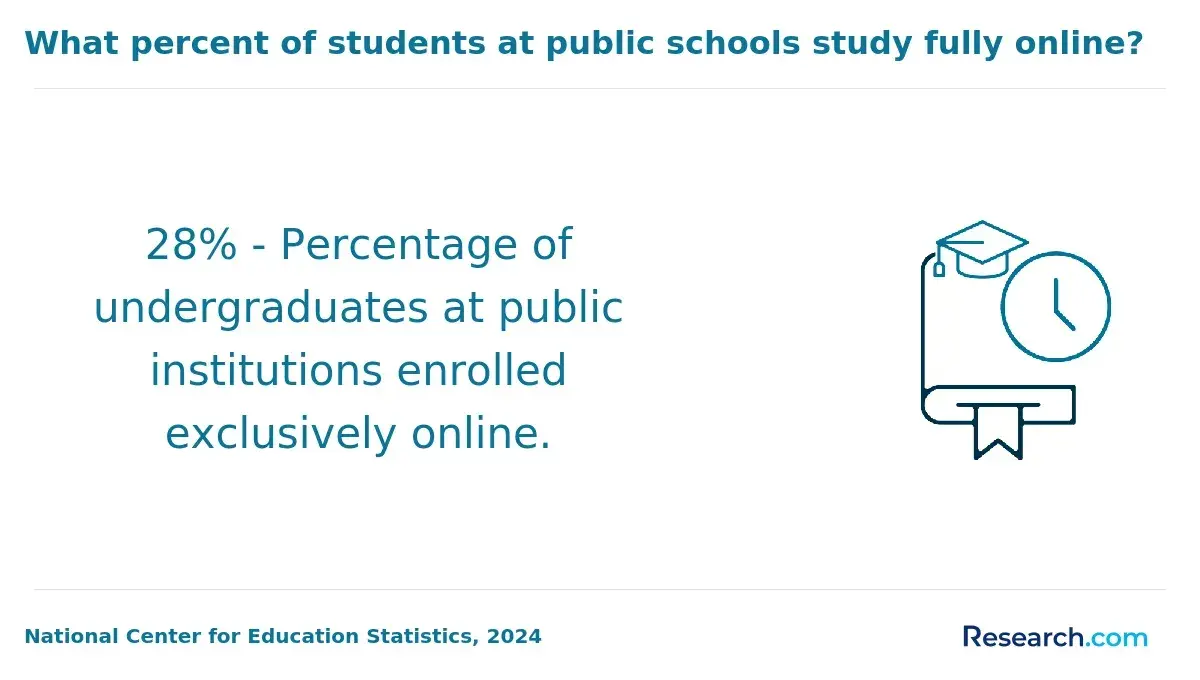
The surge in online mental health counseling degree enrollment reflects strategic shifts in accessibility rather than mere preference, with adult learners-predominantly women-driving growth in regions where campus programs are scarce. According to 2024 data from the National Center for Education Statistics, online enrollments have outpaced traditional campus growth by roughly 15% annually over five years. This growth is linked to the demographic reality that older professionals balancing work and family often cannot relocate or adhere to fixed schedules, making online formats their pragmatic choice. Conversely, campus programs retain a stronghold with recent high school graduates and those seeking immersive, hands-on clinical experiences favored by many employers.
These divergent enrollment patterns underscore the tradeoffs prospective students face: online programs provide broader geographic reach and flexibility but commonly exhibit retention challenges, with graduation rates typically 5-10 percentage points lower than campus counterparts. Campus settings offer more immediate access to supervised practice and peer engagement, which are crucial for skills development and network-building in mental health counseling careers. Such differences influence not just who enrolls but how institutions allocate resources and design program supports, impacting long-term workforce readiness and professional integration.
One recent graduate shared how geographic constraints factored heavily into their decision to pursue an online mental health counseling degree. Living in a rural area without local accredited programs, this student initially worried that an online path would lack the peer interaction and clinical supervision crucial for their professional growth. However, the program's flexibility allowed them to maintain full-time employment and care for family obligations, while carefully planned virtual practicums helped alleviate concerns about hands-on experience. Their journey reflects the nuanced balance many face when weighing modality risks and benefits in real-world contexts.
What Degree Level Is Most Common Among Mental Health Counseling Students?
The master's degree dominates mental health counseling enrollment due to licensure requirements and employer expectations that prioritize this credential for clinical practice. According to 2024 data from the National Center for Education Statistics and IPEDS, over 70% of students in this field pursue a master's degree, highlighting its role as the de facto standard for entry into professional counseling roles. This emphasis shapes student choices and institutional offerings, as only graduate-level programs commonly provide the supervised clinical hours necessary for licensure and reimbursable services.
Associate and bachelor's degrees tend to serve more limited functions-either as foundational or transitional steps rather than terminal qualifications-due to their restricted scope for independent practice and credentialing. Doctoral programs, comprising less than 5% of enrollments, cater to specialized aims such as research, academia, or advanced clinical leadership, representing a distinct pathway that diverges from the predominantly practice-focused master's track. Regional and demographic variations also influence enrollment patterns, but the master's maintains a consistent centrality, reflecting practical workforce demands and licensing frameworks across most U.S. states.
How Do Enrollment Trends Differ Between Associate, Bachelor's, Master's, and Doctoral Mental Health Counseling Degrees?
Enrollment patterns in mental health counseling degree programs display clear distinctions shaped by career outcomes and licensing demands, influencing how students approach educational pathways. Associate degrees attract those seeking rapid entry into support positions but represent under 10% of enrollments in 2024, reflecting limited credentialing and a narrower practice scope. In contrast, bachelor's programs have expanded steadily, serving both as preparation for broader behavioral roles and as a prerequisite for advanced study; an increasingly popular option for students considering accelerated progression, including options like an accelerated bachelor's degree pathway. These enrollment variations underscore differences in accessibility and regional availability, with associate and bachelor's options often less prevalent in rural areas, which shapes workforce diversity and supply.
Master's programs dominate mental health counseling enrollment due to licensing requirements, drawing a diverse pool including career changers and international students. The steady 7% growth in master's completions since 2020 highlights sustained employer demand for fully credentialed counselors capable of delivering frontline services. Doctoral enrollment, growing at roughly 3% annually, remains focused on research, supervision, and leadership roles rather than direct clinical entry, attracting students prioritizing academic or high-level clinical careers. These degree-level enrollment trends significantly impact educational planning, as prospective students must weigh not only immediate workforce entry but also long-term specialization and geographic employment prospects influenced by counselor shortages and program distribution across regions.
How Popular Is the Mental Health Counseling Degree Compared to Other College Majors?
The enrollment trajectory of mental health counseling degrees, while showing modest growth, signals more nuanced realities than sheer popularity might suggest. Data from the National Center for Education Statistics (NCES) for 2023-2024 indicates a 7% increase in graduate-level counseling program enrollment over five years, reflecting growing but still specialized demand relative to broader fields like psychology or social work. This relative scarcity can impact program diversity, peer networking opportunities, and specialization availability, shaping both student experiences and workforce integration. Licensing requirements and extended educational commitments also contribute to a slower pipeline compared with majors that offer more direct employment paths immediately after undergraduate studies.
Regional and gender disparities add further complexity to the interpretation of popularity. States with large urban centers see higher participation rates, driven by stronger mental health advocacy and resource concentration, whereas rural areas lag behind, highlighting uneven educational and professional access. Female students disproportionately populate these programs, mirroring wider health profession enrollment trends, which can influence classroom dynamics and professional networks. These patterns underscore that mental health counseling's moderate popularity both reflects and shapes demand realities, highlighting tradeoffs between growing interest and practical challenges inherent in this field's educational and career trajectories.
One graduate recalled initially questioning the degree's visibility compared to more prevalent majors. Enrolling in a midsize university with a notably smaller mental health counseling cohort, they noticed how academic advisors frequently contrasted the program's enrollment with larger psychology majors, often framing it as a niche but expanding option. This relative rarity prompted them to weigh the benefits of close peer interaction against uncertainties about program availability and long-term demand, especially given the regional variability they observed firsthand when attending clinical placements across different states.
Why Is the Mental Health Counseling Degree More Popular in Certain States and Regions?
Regional enrollment trends in the mental health counseling degree reflect more than student preference; they are tightly linked to workforce demand, program availability, and state-level policy frameworks. States like New York and Massachusetts, with established urban healthcare systems and a concentration of specialized counseling programs, report higher degree popularity driven by clear employment pathways and access to diverse practicum opportunities. Conversely, rural areas experience limited participation due to fewer academic institutions and lower perceived need for licensed counselors, which in turn restricts networking and professional growth options for graduates in those regions.
Economic and demographic factors also shape regional disparities in mental health counseling degree popularity by state. For example, California's expansive healthcare infrastructure and Washington's community health initiatives have created policy environments that encourage mental health service expansion, directly influencing student demand for counseling credentials. Demographic diversity, particularly in states with significant Hispanic and African American populations, supports program development focused on bilingual and multicultural counseling, affecting both enrollment and the cultural competence expectations of employers. Additionally, the rise of online education platforms in states like Texas and Florida expands access but brings challenges related to practicum availability and technology equity, impacting students' decisions about where and how to complete their degrees.
Prospective students and current professionals must navigate these regional trends carefully as they evaluate degree options, practical training access, and long-term career outcomes. Understanding how geographic clustering affects degree value and employability can inform decisions about program selection and career location. Those considering intersections with related fields might also explore pathways in areas such as the MBA healthcare management to complement counseling expertise and better meet employer expectations in integrated care settings.
What Demographic Groups Are Driving Growth in Mental Health Counseling Degree Programs?
The predominance of women in mental health counseling degree programs-making up nearly 75% of enrollees according to the 2024 National Center for Education Statistics-reflects entrenched patterns within healthcare education and workforce participation. This skew influences classroom dynamics and professional networks, often aligning with employer expectations for culturally responsive care predominantly delivered by female providers. At the same time, the rise of adult learners over age 25, buoyed by flexible online offerings and employer incentives, signals a shift in training models that accommodate career changers and upskillers, but may also create challenges in program delivery aimed at balancing varied student life stages and experiential backgrounds.
Regional growth concentrated in Southern and Western states corresponds with broader demographic trends and expansions in higher education infrastructure, reinforcing disparities in program availability nationally. These geographic shifts not only affect access but shape the cultural competency framework within counseling education, as programs respond to increased enrollment from diverse racial and ethnic populations such as Hispanic and Black students. Despite the increased diversity, master's degrees remain the principal credential pursued, largely due to their alignment with licensing requirements and market demand; however, this predominance can limit educational diversity and innovation that certificate or doctoral tracks might provide, influencing the career trajectories and practical preparedness of graduates entering a complex mental health service landscape.
What Is the Future Outlook for Mental Health Counseling Degree Enrollment by Gender, Region, and Degree Level?
Enrollment patterns in mental health counseling degree programs will increasingly reflect nuanced regional and demographic shifts rather than uniform growth. While women comprise roughly 70% of current enrollments according to the National Center for Education Statistics (2024), this gender imbalance is likely to persist, shaped by social and cultural norms around caregiving roles and professional interest. However, emerging efforts to diversify the workforce may gradually increase male participation, though these changes will be uneven and slow, affecting cohort dynamics and program culture.
Regionally, growth will concentrate in the South and West, with states like Texas, Florida, and California showing notable increases linked to population expansion and acute workforce shortages in mental health services. Conversely, certain rural and Midwestern areas face stagnation or decline due to demographic shrinkage and limited institutional capacity, impacting local accessibility and potentially reinforcing geographic disparities in care provision. Graduate-level programs, especially master's degrees, remain the backbone of professional qualification, but there is a practical tradeoff as doctoral programs see selective growth to meet demands for advanced clinical research and academic roles, often requiring significant time and financial investment.
Increased integration of online and hybrid formats broadens access, particularly for working adults and nontraditional students, but also introduces challenges regarding clinical training quality and institutional capacity limits. Students and graduates must weigh these delivery modes against employer expectations for hands-on experience and cultural competency. Overall, enrollment trends will directly influence program availability and workforce readiness, underscoring the need for institutions and policymakers to align offerings with shifting population needs and licensing requirements in the evolving landscape of mental health care.
How Have Mental Health Counseling Degree Enrollment Trends Changed Over the Past Decade?
Enrollment trends in mental health counseling degree programs over the past decade reflect shifts in workforce demands and educational policy priorities rather than simple growth narratives. The approximately 35% increase in master's completions from 2013 to 2023 underscores growing professional licensure requirements and broader societal recognition of mental health challenges. However, this expansion masks persistent gender imbalances, with female students comprising 70% to 75% of enrollees, a disparity that complicates recruitment efforts aimed at diversifying the workforce. These demographic patterns influence perceptions of degree relevance, particularly as employers increasingly prioritize cultural competence alongside clinical skills.
Regionally, mental health counseling degree enrollment trends have diverged, with the Northeast and West Coast posting higher participation rates due to greater program availability and supportive health policies integrating counselors into multidisciplinary care models. Conversely, rural and Southern states exhibit lower enrollment densities, constrained by limited academic infrastructure and workforce demand that affects prospective students' access and program choices. The expansion of accredited online programs since 2015 has partially mitigated these disparities, allowing for more equitable participation across geographic boundaries and serving nontraditional students balancing work and education. This modality shift plays a crucial role in sustaining enrollment despite a recent leveling off post-2021, a pattern driven in part by economic uncertainties and competition from allied health fields.
Understanding these variations in mental health counseling degree enrollment trends in the United States is vital for current students assessing how their program fits regional and national workforce contexts and for graduates gauging long-term career implications. Practical decision-making now involves weighing the tradeoffs of program format, location, and demographic realities against evolving employer expectations. For those comparing different paths within health and mental health fields, considerations like the relative growth of alternative credentials-such as those offered through nurse practitioner accelerated program-highlight the necessity of strategic educational planning aligned with specific career goals and local labor market conditions.
Where Is the Mental Health Counseling Degree Most Popular Across the United States?
The popularity of the mental health counseling degree clusters primarily in regions with established healthcare infrastructures and urban concentrations that support a strong demand for behavioral health professionals. States in the Northeast and West Coast benefit from dense networks of mental health facilities and employers, which in turn foster more robust program offerings and practicum opportunities. This clustering reflects not just workforce needs but also economic and policy environments that fund public and private behavioral health services, shaping where students are most likely to enroll and complete degrees.
Regional disparities affect practical outcomes for students, as those graduating in high-concentration areas often access richer professional networks and immediate job placements, while candidates from lower-enrollment regions may face relocation pressures or limited local opportunities. The mental health counseling degree popularity by state is also linked to academic availability and state-level licensure pathways, which vary widely and influence the perceived value and career trajectory of graduates. Understanding these trends is critical for individuals assessing both educational and employment decisions in mental health fields.
For prospective students considering online alternatives or geographic options, comparing regional enrollment patterns can guide choices that align with career goals. Resources like comprehensive rankings of programs, including those for online bachelors in sociology, can help contextualize program quality and accessibility relative to labor market realities in various states.
References
- Best Online Master's In Mental Health Counseling 2025 https://www.psychology.org/rankings/best-mental-health-counseling-programs/
- Exploring the Rise in Mental Health Care Use by Demographics and Insurance Status | KFF https://www.kff.org/mental-health/exploring-the-rise-in-mental-health-care-use-by-demographics-and-insurance-status/
- Too Few Graduates for Too Many Patients? - Gray DI https://www.graydi.us/blog/graydata/the-mental-health-gap-too-few-graduates-for-too-many-patients
- Where Does a Mental Health Counselor Work? https://online.aic.edu/blog/where-does-mental-health-counselor-work
- For Students - CACREP https://www.cacrep.org/for-students/
- What Degree Should You Choose? Comparing Psychology, Counseling, and Social Work | Palo Alto University https://paloaltou.edu/resources/blog/what-degree-should-you-choose-comparing-psychology-counseling-and-social-work
- Is a Clinical Mental Health Counseling Degree Right for Me? https://www.cambridgecollege.edu/blog/clinical-mental-health-counseling-degree-right-for-me
- Home https://www.counselingdegreeguide.org/
- US Mental Health Workforce Stats — Integrative Psychology Institute - Modern Degrees & Certifications https://www.integrativepsychology.org/us-mental-health-workforce-stats
- Research about mental health, Mental Health Education, Awareness and Stigma Regarding Mental Illness Among College Students https://www.mentalhealthjournal.org/articles/mental-health-education-awareness-and-stigma-regarding-mental-illness-among-college-students.html
Other Things You Should Know About Mental Health Counseling
Gender disparities in mental health counseling programs can affect classroom dynamics, peer support, and mentorship opportunities. For example, programs with higher female enrollment may offer more collaborative and empathetic learning environments, while those with more balanced or male-dominant enrollment might emphasize different interaction styles. Prospective students should weigh how these cultural and social factors align with their learning preferences and comfort, as they impact both academic engagement and networking potential.
Regional popularity often corresponds to local licensure requirements, job markets, and available clinical placements, which vary greatly across states and metropolitan areas. Enrolling in a program in a region with strong demand and robust training infrastructure can ease internship access and employment after graduation. Conversely, selecting a program in a low-enrollment or underserved region may require more effort to find relevant work experiences but could present fewer competitors in the local job market.
While advanced degrees such as doctorates can open doors to specialized clinical roles, research positions, or academic careers, they may not guarantee better compensation or job security in all regions. Employer demand often favors master's-level credentials for front-line counseling roles, balancing educational depth with workforce needs. Candidates should assess whether the additional time, cost, and academic workload of higher degrees align with their specific career goals and the expectations of employers in their target geographic area.
Graduate-level mental health counseling programs typically require extensive practicum hours, coursework, and writing assignments, which can strain students balancing employment or family responsibilities. Those considering doctoral studies should anticipate even greater research obligations and longer completion times. Prioritizing programs known for flexible scheduling or part-time options can mitigate these challenges and improve overall retention and well-being during training.