2027 Counselor Education Degree Completion Time Report: How Long Students Actually Take to Graduate

Co-Founder and Chief Data Scientist
Degree completion timelines in counselor education often extend beyond published program lengths due to complex real-world demands. Many students balance graduate coursework with part-time work, family responsibilities, and clinical practicum hours, which frequently slows progression. A 2024 National Center for Education Statistics report highlights an increase in part-time graduate enrollment, directly influencing extended time-to-degree trends.
Transfer credits and course availability also shape how quickly students advance, especially in specialized counselor education tracks requiring sequential skill development. This article examines how these practical factors shape actual graduation timelines, offering prospective and current students a clearer view of what to expect when planning their counselor education journey.
Key Things to Know About Counselor Education Degree Completion Time
- Most students take longer than the advertised program length. Only about 45% of first-time, full-time bachelor's students graduate within four years, while roughly 64% finish within six years, making the actual completion time longer for many learners.
- The average college graduate is often older than expected. The median age of bachelor's degree recipients is around 23 years, while master's degree recipients are typically in their early 30s, reflecting the growing number of adult and returning students.
- Completing a degree can significantly increase lifetime earnings. Workers with a bachelor's degree earn roughly 65% more per week than those with only a high school diploma, and graduate degree holders typically earn even higher median wages over their careers.
- What Is the Average Graduation Time for Counselor Education Students? Average Graduation Timeline
- What Factors Have the Biggest Impact on Graduation Speed? Graduation Timeline Factors
- How Does Full-Time Versus Part-Time Enrollment Affect Graduation Timelines? Full-Time vs. Part-Time Graduation Timeline
- Do Online Counselor Education Students Graduate Faster Than Campus-Based Students? Online vs. On-Campus Graduation Timeline
- How Many Months or Years Can Transfer Credits Save? Transfer Credits
- Do Accelerated Counselor Education Programs Significantly Reduce Completion Time? Accelerated Program Timeline
- Which Counselor Education Program Requirements Most Often Extend Graduation Timelines? Factors Extending Graduation Timeline
- Does Taking Longer to Graduate Increase the Cost of a Counselor Education Degree? Impact on Program Cost
- Does Graduating Faster Improve Career Prospects? Impact on Career Prospects
- Which Scheduling Mistakes Commonly Delay Graduation? Mistakes to Avoid
What Is the Average Graduation Time for Counselor Education Students?
The average time to graduate counselor education programs typically falls between two and three years for full-time students, reflecting the structured design of most master's degree paths that aim for completion in about two years. Part-time enrollment, however, often extends this timeline significantly, with many students balancing coursework against work and family obligations, resulting in graduation taking three to five years.
According to data from the Council for Accreditation of Counseling and Related Educational Programs (CACREP), this extended timeframe is a common reality, especially as students reduce their credit load per semester to accommodate life demands. This typical counselor education degree completion timeline highlights the trade-off between accessibility and program duration that candidates must consider when planning their academic trajectory.
Several factors drive variation in completion times beyond enrollment status. One critical component is the scheduling and availability of practicums and internships, which require students to secure clinical experiences that can be delayed by placement challenges and meeting required hours. Transfer students or those shifting counseling specializations may also face extended timelines due to inconsistent credit transfer policies, often necessitating additional semesters to fulfill competencies.
Additionally, the growing presence of online or flexible program formats offers self-paced progress but introduces coordination challenges for hands-on requirements, influencing overall graduation speed. These intersecting program structures, academic policies, and student circumstances underscore why graduation times differ widely despite a commonly advertised baseline.
Graduation timing carries implications for academic planning, financial commitments, and workforce entry strategies, especially in an environment where counselors are expected to hold a master's level education but employers prioritize comprehensive preparation over rapid completion. Prospective students must realistically evaluate how individual life situations interact with these program elements to map out feasible timelines.
Those aiming for efficiency need to balance focused enrollment and proactive practicum arrangements alongside understanding the constraints detailed by recent data. For students assessing program affordability and timelines, resources such as a healthcare administration degree cost guide may offer parallels in evaluating educational investments in relation to career objectives.
What Factors Have the Biggest Impact on Graduation Speed?
Graduation speed in counselor education programs is shaped by a complex interplay of academic structures, enrollment choices, and personal circumstances rather than any single isolated factor. Students navigating these variables must weigh the demands of coursework, clinical experiences, and external obligations when planning their progress.
A thorough understanding of how these influences intersect enables more strategic decisions about course load, enrollment status, and program delivery format, which ultimately affect time to degree completion.
- Enrollment Status and Time Commitment: Full-time enrollment accelerates completion by allowing students to concentrate on their studies without the competing demands that part-time students face. According to a 2024 report from the National Center for Education Statistics, about 72% of full-time graduate students finish within six years compared to only 48% of part-time enrollees. This discrepancy underscores how balancing employment or family responsibilities can extend degree timelines in counselor education master's degree completion time.
- Program Structure and Delivery Format: Accelerated or cohort-based counselor education master's degree programs with streamlined curricula and fixed progression paths reduce delays common in traditional formats. Online programs often add flexibility, enabling students to better integrate study with professional obligations, but they demand strong self-regulation, which can either hasten or slow pacing depending on individual discipline.
- Transfer Credits and Prior Coursework: Students who enter with graduate-level credits from accredited programs can bypass redundant coursework, thus shortening time to graduation. However, unclear articulation agreements or delayed credit evaluations for transfer students may create administrative delays or require completing additional prerequisites, which slows progression. Transfer credit policies directly affect graduation speed by influencing course load and scheduling flexibility.
- Financial Constraints and Institutional Support: Funding limitations frequently compel students to reduce course loads or take temporary breaks, lengthening study duration. Conversely, access to institutional support services like financial aid, academic advising, and career counseling can facilitate continuous enrollment and timely completion by helping students manage workload and external challenges.
- Concurrent Clinical and Employment Demands: Many counselor education programs require clinical experience concurrent with coursework, a factor that lengthens graduation timelines but is crucial for career readiness. Working students, particularly those employed in counseling-related roles, often face extended timeframes due to balancing practicum hours, employer expectations, and academic requirements.
These identified variables reveal why completion speed varies widely even within the same program. Planning enrollment strategy and anticipating workload distribution in light of real-world constraints supports more informed decision-making for those pursuing a counselor education master's degree. Considerations around program format and transfer credits especially highlight the operational complexity behind graduation timelines.
For students interested in healthcare adjacent fields, reviewing options for a healthcare administration degree may also offer complementary career pathways with different pacing dynamics.
How Does Full-Time Versus Part-Time Enrollment Affect Graduation Timelines?
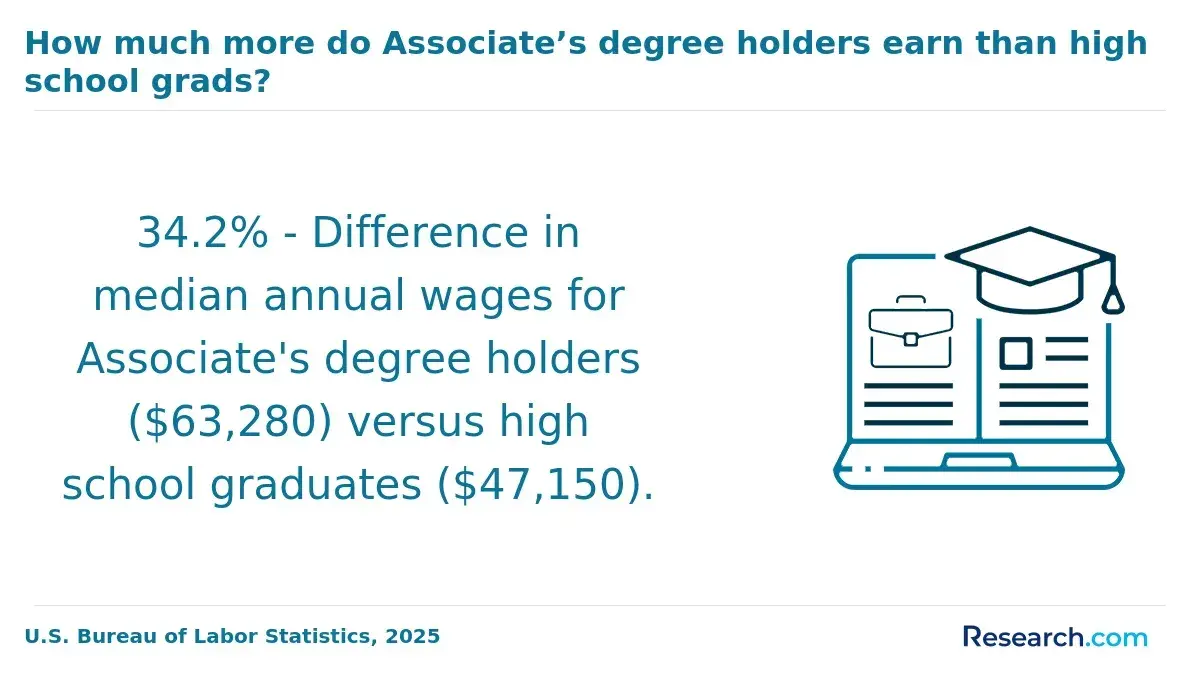
Graduation timelines in counselor education programs vary significantly between full-time and part-time enrollment, with full-time students usually completing their degrees within the typical two to three years for master's tracks or four to five years for doctoral levels. National Center for Education Statistics data from 2024 indicate that full-time enrollment facilitates steadier, more continuous progression through required coursework and practical components, reducing overall time to degree. In contrast, part-time students frequently extend their programs by multiple years, as their pace adjusts to accommodate external demands and program pacing constraints.
The disparity in completion times largely stems from credit load intensity per term and course sequencing requirements. Full-time candidates generally undertake heavier semester course loads, which allow for faster credit accumulation and more timely participation in sequenced practicum and internship components vital to counselor licensure.
Conversely, part-time students benefit from flexible schedules designed to accommodate ongoing employment, family obligations, and life complexities but encounter slower progression due to intermittent engagement and potential delays in meeting sequential clinical prerequisites. Program delivery formats and institutional policies on part-time scheduling also influence the availability of critical courses each term, often complicating timely completion for non-full-time students.
Enrollment choices carry substantial implications beyond mere time-to-degree, affecting financial strain, academic workload, and workforce integration. Full-time enrollment expedites entry into the counseling profession and licensure pathway, potentially shortening periods of tuition payments and enabling earlier income generation, though it demands greater immediate resource investment and time commitment.
Part-time pathways prioritize accessibility and adaptability but may increase overall educational expenses through prolonged enrollment and postpone licensure eligibility, impacting long-term financial and career planning. This tradeoff requires prospective counselor education students and planners to carefully assess how enrollment intensity aligns with individual circumstances and professional timelines.
Do Online Counselor Education Students Graduate Faster Than Campus-Based Students?
Online counselor education students frequently complete their degrees faster than those in traditional campus-based programs, a trend reflected in data showing about 65% of online learners graduate within three years compared to 54% of their on-campus peers, according to a 2024 CACREP report. However, this general perception masks considerable variability rooted in individual circumstances and program structures.
Faster completion among online students often hinges on the ability to navigate flexible, accelerated course formats, but not all online programs or students realize this pace. Campus-based students face set semester schedules and enrollment bottlenecks that can prolong time to degree, yet some benefit from more structured timelines that support steady progress, depending on their personal discipline and institutional support.
Several structural and personal factors shape graduation timelines across both modalities. Online programs typically allow year-round enrollment and self-paced coursework, enabling students-especially those balancing work and family-to adjust their study load dynamically. In contrast, campus-based enrollment often aligns with fixed semester calendars and limited course offerings, which can slow progress if required classes fill quickly or are offered infrequently.
Internship and practicum requirements further complicate scheduling, sometimes necessitating extended periods on campus or in approved sites regardless of delivery mode. Whether students pursue full-time or part-time status profoundly influences completion speed, as does their capacity for time management and handling competing obligations outside academia.
The choice between online and campus counselor education programs also affects students' relationship with academic discipline and career entry timing. Online learners frequently assume greater responsibility for pacing and maintaining consistent progress without in-person cues, which can accelerate or delay graduation depending on motivation and support systems. For campus students, immersion in the academic environment and immediate access to faculty can foster discipline but potentially limits flexibility.
Ultimately, time to degree completion hinges on how effectively the chosen modality aligns with a student's life circumstances, learning preferences, and professional objectives amid evolving workforce demands for licensed counselors.
How Many Months or Years Can Transfer Credits Save?
Transfer credits can reduce the overall time to complete a counselor education degree by several months to over a year, but the actual impact varies widely depending on credit volume and alignment with the target program. Students entering master's level counselor education programs with appropriate transfer credits often experience accelerated progression, especially when these credits satisfy core clinical or foundational course requirements.
However, the average months saved with transfer credits in counselor education programs typically depend on how well prior graduate coursework matches the receiving institution's curriculum. According to the National Center for Education Statistics and recent 2024 analyses, students who transfer relevant credits typically graduate faster than peers who do not, though the magnitude of time saved ranges considerably based on institutional and program-specific factors.
The amount of time saved is strongly influenced by policies governing transfer credit acceptance, such as accreditation compatibility, course equivalency evaluations, and residency requirements set by the institution. Many programs limit transferred credits to no more than 50% of total requirements to ensure comprehensive training, constraining potential acceleration.
Transfer credits must closely align with degree program standards and CACREP accreditation criteria to be accepted, requiring detailed course-by-course evaluations that can vary between schools. These institutional frameworks mean that even well-prepared transfer students must often complete a significant portion of coursework in residence, which shapes their overall timeline and progression within counselor education pathways.
Beyond time savings, transfer credits influence academic planning, tuition costs, and course sequencing, affecting students' capacity to balance school with work and family responsibilities. Accelerated completion made possible by transfer credits can facilitate quicker workforce entry in counseling fields, responding to increasing demand across healthcare systems and related sectors. However, employers frequently expect candidates to have fulfilled comprehensive, accredited training, so students must weigh the benefits of speed against the extent of experiential learning gained by completing full, in-person curricula.
Working adults aiming for credentials aligned with professional expectations and competitive earnings-such as those reflected in mental health NP salary benchmarks-should evaluate transfer credit policies carefully as a strategic component of degree planning.
Do Accelerated Counselor Education Programs Significantly Reduce Completion Time?
Accelerated counselor education programs aim to compress the traditional graduate timeline by increasing course intensity and reducing breaks between terms. These programs often frontload coursework, combining or shortening semesters to facilitate quicker progression through required classes. By condensing the academic calendar, students theoretically spend less overall time enrolled compared to standard two- to three-year formats. However, the core structure typically retains the same comprehensive curriculum and fieldwork requisites mandated for licensure, which institutes a minimum threshold on how much time can truly be saved.
Whether accelerated tracks yield meaningful time reductions hinges on several interrelated factors. Heavier credit loads per term and reduced downtime may speed classroom completion, but prerequisite sequencing and practicum or internship hour requirements generally remain fixed. These clinical components cannot be fast-tracked without compromising state licensure compliance or program accreditation standards.
Additionally, intensified schedules demand sustained focus and energy, which can limit students' ability to balance outside commitments, potentially causing delays through course withdrawals or leaves of absence. Therefore, the actual calendar compression often falls short of advertised expectations, especially for working adults or those with significant personal responsibilities.
These dynamics create trade-offs between speed and depth of learning, as well as between flexibility and rigor. Students in accelerated programs must manage an intense workload that may reduce available time for reflection and integration of clinical skills. While accelerated formats can alleviate total time enrolled under ideal conditions, the practical realities of internship scheduling, academic pacing, and personal capacity often moderate those gains.
Understanding these operational constraints helps set realistic timelines and prevents underestimating the commitment required beyond classroom hours.
Which Counselor Education Program Requirements Most Often Extend Graduation Timelines?
Graduation timelines in counselor education programs typically extend not simply because of total credit load but due to embedded curricular components designed to ensure competency and professional readiness. These requirements reflect rigorous standards for clinical skill development and field-based practice, yet they also introduce pacing constraints that vary by institutional policies and student circumstances.
The interaction among experiential demands, academic sequencing, and administrative processes often creates bottlenecks that delay degree completion beyond standard two- to three-year expectations.
- Supervised Practicum and Internship Hours: Often requiring 600 to 1,000 clinical hours, these placements demand significant time commitments outside regular coursework. Because of limited site availability and the necessity of supervisor oversight, students frequently face scheduling challenges, especially if balancing employment or family, extending completion by six to twelve months or more according to the U.S. Bureau of Labor Statistics.
- Graduate Research or Thesis Projects: Many programs mandate an original research project demonstrating mastery of evidence-based counseling methods. Coordinating faculty guidance, Institutional Review Board (IRB) approvals, and data collection often slows progression; about 40% of research-intensive students require extra semesters to finalize these projects, reflecting a key structural delay.
- Licensure Examination Preparation: Aligning coursework with state credentialing requirements can necessitate additional noncredit modules or focused exam preparation. This sequencing often lies outside standard credit progression, requiring students to strategically plan pre- and post-course efforts, resulting in further extension of total program duration.
- Curriculum Sequencing and Cohort Models: Programs structured around strict course sequences or cohort attendance limit flexibility, forcing students to wait for specific course offerings or term starts. Interruptions or part-time enrollment, common among working adults, disproportionately affect timely progression under such rigid frameworks.
- Administrative Processing and Approvals: Institutional policies involving registration, practicum site clearance, and graduation auditing introduce additional administrative lead time. Delays in paperwork or site placement confirmation are frequent hurdles that prolong time to graduation beyond academic requirements alone.
Does Taking Longer to Graduate Increase the Cost of a Counselor Education Degree?
Taking longer to graduate from a counselor education degree program usually increases total tuition and related expenses, especially in institutions that charge tuition per semester or credit hour. Extended enrollment often leads to higher cumulative fees due to additional semesters beyond the standard program length. This can also affect financial aid eligibility, as some grants or scholarships limit support to a defined timeframe, forcing students to rely more heavily on loans later.
The financial impact intensifies when students shift from full-time to part-time status, which may alter their tuition rate but extend program duration. Evaluating counselor education degree cost by graduation time requires understanding these tuition structures alongside how enrollment behavior influences overall expenses.
However, longer completion times do not universally translate into higher costs. Programs with flat-rate tuition or those permitting flexible pacing without financial penalties can moderate additional charges despite extended study periods. Employer tuition assistance and part-time enrollment pricing models also shape how much delays affect total cost. This dynamic means students balancing work and study sometimes manage to contain expenses by spreading credit loads.
Still, delayed graduation has indirect financial consequences, including postponed entry to counseling roles where early salary gains and licensing timelines are critical-factors that can outweigh tuition considerations. Prospective and current students should weigh these tradeoffs alongside evolving job market data, such as recent insights on CPC certification salary, to navigate the financial impact of delayed counselor education graduation.
Does Graduating Faster Improve Career Prospects?
Graduating faster from a counselor education program can shorten the time needed to enter the workforce, potentially allowing earlier access to employment opportunities. However, the impact of faster graduation on counselor education careers is nuanced, as employers rarely prioritize speed of degree completion alone. Hiring managers focus more on the practical readiness of candidates, including licensure status and evidence of comprehensive training, rather than just the timeline of finishing a program. This means early degree completion may improve initial job search positioning but does not guarantee enhanced competitiveness unless accompanied by other critical qualifications.
The career benefits of early counselor education degree completion depend heavily on factors like the quality and depth of internship experiences, mastery of counseling skills, and professional network development. Employers place substantial weight on supervised practicum hours and demonstrated competencies that reflect applied knowledge and readiness for licensure exams.
Students who accelerate their studies without securing robust practicum exposure or sufficient professional development risk compromising their long-term employability. Aligning graduation speed with industry demand and maintaining portfolio strength are essential to converting faster completion into tangible career advantages.
Trade-offs between finishing quickly and gaining comprehensive experiential learning can influence both immediate job placement and sustained professional growth. Balancing the timeline with opportunities to develop specialized skills, complete high-quality internships, and cultivate meaningful professional relationships is often more valuable than speed alone. Prospective students should consider how varying completion timelines affect these components because thorough preparation typically outweighs the perceived benefits of expedited graduation in counselor education careers.
For guidance on choosing the right path, understanding the different types of counseling degrees can offer further clarity on program structures and expectations.
Which Scheduling Mistakes Commonly Delay Graduation?
Graduation delays in counselor education programs frequently stem not from academic difficulty but from avoidable scheduling and planning errors made during enrollment and course selection. These issues affect students across program levels and formats, including part-time and working adults, disrupting steady academic progression.
Recognizing how course sequencing, prerequisite structures, and institutional policies interact with enrollment behaviors is crucial for maintaining timely degree completion.
- Inconsistent Enrollment Status: Fluctuating between full-time and part-time enrollment without a coordinated academic plan breaks the momentum needed to complete prerequisite sequences on schedule. This interruption often adds semesters, as missing critical courses delays progression through required content.
- Ignoring Course Availability Cycles: Required counselor education courses often rotate semester-to-semester. Students who fail to track these patterns may register for unavailable classes or miss windows entirely, necessitating re-planning and extending degree timelines.
- Underestimating Practicum and Internship Timing: Field placements depend on external site capacity and supervisor availability, which can delay start dates. Without factoring these variable timelines into scheduling, students encounter bottlenecks that extend program length beyond coursework.
- Misalignment with Licensure Requirements: Neglecting early alignment of course selections with state licensure criteria leads to remedial classes or additional electives after initial plans, adding unexpected credits and time.
- Poor Advisor Communication: Insufficient academic advising increases risks of duplicated coursework or skipped milestones, both of which create inefficiencies that postpone graduation.
- Course Overload Without Realistic Constraints: Attempting heavy course loads while balancing employment or personal demands often results in burnout and dropped classes, causing students to restart or delay semesters.
A 2024 report by the National Center for Education Statistics found that 35% of graduate education students experienced graduation delays linked to scheduling conflicts or inadequate advising. These structural and behavioral factors highlight that progression through counselor education programs demands deliberate enrollment strategies that respect curriculum sequencing and external field requirements.
Other Things You Should Know About Counselor Education
In 2027, Counselor Education programs must be accredited by CACREP or an equivalent body to meet industry standards. Accreditation ensures the program meets educational quality criteria and prepares students for licensure, impacting both program quality and graduates’ readiness to practice.
Many counselor education programs emphasize cohort-based learning, where students progress together through the curriculum. This structure can limit flexibility in course sequencing, especially if a student needs to pause or slow down. Students weighing extended timelines should prioritize programs with flexible cohort policies or rolling admissions to avoid being out of sync with peers, which can delay access to critical courses and practicum opportunities.
Practicum and internship placements are crucial in counselor education programs, often affecting completion timelines. Delays in securing placements or mismatched opportunities can extend graduation time. Efficient coordination of these experiences with the program's academic requirements is critical to ensure timely graduation.
A thesis or dissertation usually extends completion by one to two semesters because students must finish proposal approval, data collection, analysis, and final defense. Doctoral programs often require 60 to 100+ credits, and human subjects review through an IRB can add extra weeks or months.