2027 Counselor Education Degree Growth by State: Where Interest Is Rising the Fastest

Co-Founder and Chief Data Scientist
States exhibiting the fastest growth in counselor education degree enrollment reveal much about shifting workforce demands and regional educational access. In states with expanding healthcare sectors or increasing mental health service mandates, programs often evolve to meet diverse demographic needs and regulatory hurdles.
A 2024 report from the U. S. Department of Education highlights a notable 15% rise in online graduate enrollments nationwide, reflecting growing flexibility that benefits working adults and geographically mobile students. Understanding these localized trends helps prospective students navigate program availability, credential portability, and the timing of entry into competitive counseling fields shaped by both economic and policy-driven factors.
Key Things to Know About the State Where Counselor Education Degree Interest Is Rising the Fastest
- States with rapid population aging and rising mental health needs, like Florida, drive growth in counselor education enrollment despite slower economic gains, reflecting timing tradeoffs for students balancing work and caregiving demands.
- Regulatory shifts in Texas expanding licensure reciprocity increase employer demand for counselors with state-validated credentials, compelling students to prioritize programs aligned with evolving workforce expectations.
- Online program expansion in California facilitates access for adult learners but may dilute field training intensity, affecting long-term skill development essential for demanding counseling roles in diverse settings.
- Which States Are Seeing the Fastest Growth in Counselor Education Degree Enrollment? States Seeing the Fastest Growth in Enrollment
- What Does Enrollment Growth in Counselor Education Programs Actually Tell Prospective Students? Interpreting Enrollment Growth
- How Do Regional Job Market Conditions Drive Counselor Education Degree Demand by State? Role of Regional Job Market Conditions
- Which States Have Added the Most New Counselor Education Degree Programs in the Last Five Years? States That Have Added the Most Programs
- How Has the Rise of Online Education Changed Which States Lead in Counselor Education Program Interest? Role of Online Education in Increased Program Interest
- What Demographic Trends Are Fueling Counselor Education Degree Growth in Specific States? Demographic Trends Fueling Growth
- How Do State Funding Levels for Counselor Education Services Influence Degree Program Growth? Role of State Funding Levels
- Which States Are Emerging as Unexpected Leaders in Counselor Education Degree Interest? States Emerging as Unexpected Leaders in Growth
- How Does State Population Size Affect the Interpretation of Counselor Education Degree Growth Data? Role of State Population Size
- What Role Do State Licensing Requirements Play in Driving or Suppressing Counselor Education Enrollment? Role of State Licensing Requirements
Which States Are Seeing the Fastest Growth in Counselor Education Degree Enrollment?
The uneven growth in counselor education degree enrollment across the United States reflects not only rising demand for mental health professionals but also sharp regional differences shaped by demographic changes, economic priorities, and state-level licensure frameworks. Nationally, graduate programs in counselor education have expanded amid workforce shortages, but this growth is far from uniform, offering critical insights for students weighing where to pursue training. For example, a student deciding between enrolling in a program in Utah versus a state with stagnant enrollment must consider how these state-specific dynamics influence job availability, licensure difficulty, and program investment. States seeing the fastest growth often feature institutions aligning program capacities and delivery with local workforce needs, ultimately affecting graduates' employability and regional demand for licensed counselors.
- Utah: Leading enrollment growth, Utah benefits from a younger demographic actively seeking graduate training alongside significant state investment in mental health infrastructure, which directly supports rising licensure demand-this creates a robust pathway for graduates but also increased competition within a rapidly evolving job market.
- Florida: Florida's growth is driven by its aging and diverse population increasing mental health service demand, supported by a mix of public and private providers with flexible program models, though graduates must navigate variable local licensure criteria and a crowded job market in popular urban centers.
- Nebraska: With statewide initiatives targeting rural mental health shortages, Nebraska's surge links closely to expansion of accredited counselor education programs that emphasize preparing professionals for underserved areas, which may pose tradeoffs between broader employment options and community-specific commitments.
- Arizona: Growth in Arizona aligns with expanding urban populations demanding more mental health services and aggressive university recruitment strategies, but this expansion requires students to balance program accessibility with understanding local licensure requirements and employer expectations tied to fast-growing metro areas.
- Georgia: Georgia's enrollment increase reflects regional workforce demand supported by programs with strong licensure pass rates, yet graduates face competitive dynamics influenced by the Southeast's overall employment growth and the need for alignment between program rigor and market needs.
This discussion on state-by-state counselor education degree enrollment trends unveils how regional economic variables, licensure frameworks, and institutional strategies interplay to shape not just who is entering programs but where the strongest demand and support systems for counselors exist. The remaining analysis will explore these underlying factors in detail, clarifying why prospective students should weigh enrollment momentum alongside program quality and labor market realities as they plan their educational pathway.
For those considering flexible learning options or supplementary credentials, understanding this landscape may even intersect with decisions about related healthcare roles, as seen in parallel interest in medical billing and coding courses, illustrating broader workforce alignment in health services education.
What Does Enrollment Growth in Counselor Education Programs Actually Tell Prospective Students?
Enrollment growth in counselor education programs often reflects interest rather than clear indicators of a program's capacity to prepare graduates effectively for the workforce. For a prospective student, increasing cohort sizes without insight into underlying quality factors can lead to poor career outcomes despite surface-level appeal.
Raw enrollment numbers provide an initial signal but do not convey the full reality of program effectiveness or graduate readiness. Additional data points such as retention rates, graduation rates, job placement outcomes, and licensure exam pass rates are essential to contextualize growth trends. These metrics reveal whether growth stems from genuine academic rigor and labor market alignment or from relaxed admissions and aggressive recruitment efforts. For example, a program expanding rapidly but posting low licensure success risks producing graduates who struggle to enter the counseling profession, a critical tradeoff for students balancing access with long-term employability.
- Retention Rates: Elevated enrollment paired with poor retention suggests academic or experiential misfit, delaying degree completion and professional entry.
- Graduation Rates: Stable or increasing graduations alongside growth highlight effective support structures vital for advancing licensure candidacy.
- Job Placement Outcomes: Strong employer ties reflected in high placement rates signal alignment with actual counselor workforce demand.
- Licensure Pass Rates: Low pass rates despite growth indicate potential deficiencies in curriculum rigor or preparatory resources.
- Growth Drivers: Distinguishing between programs growing from labor market needs with quality versus those expanding through softer standards is critical to avoid compromised credential value.
- Critical Evaluation: Treat enrollment growth as one metric among many and supplement it with direct input from students and alumni to gauge program experience and career trajectories authentically.
The practical implication for learners is clear: growth alone should not guide decisions; rather, a multifaceted analysis that weighs both quantitative outcomes and qualitative perspectives ensures better alignment with professional goals and licensure pathways.
How Do Regional Job Market Conditions Drive Counselor Education Degree Demand by State?
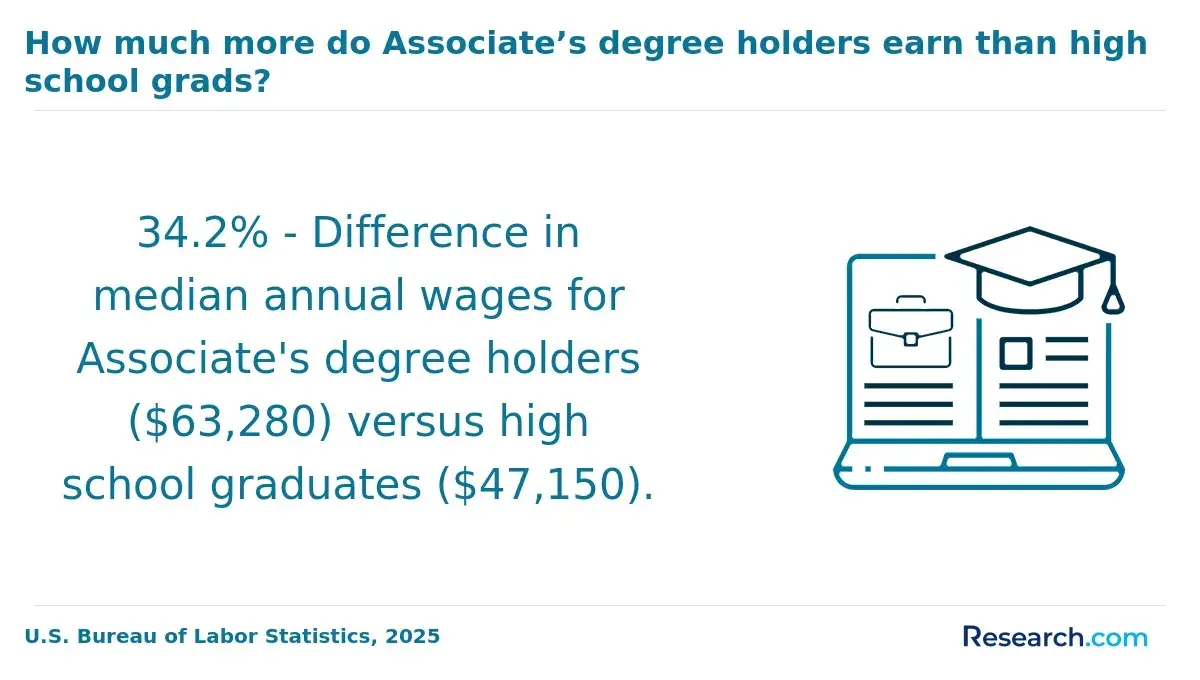
Demand for counselor education degrees fluctuates significantly based on state-specific labor dynamics, which directly shape graduate enrollment patterns through available jobs and sector investment. When healthcare systems expand, especially in mental health and integrated care models, states tend to generate more openings requiring counselor credentials. This, in turn, attracts prospective students seeking programs aligned with job-rich regions. Conversely, stagnant local economies or shrinking social services constrain demand, forcing graduates to consider credential portability and broader geographic options.
- Healthcare Expansion: Workforce needs in states investing heavily in behavioral health services and community clinics drive a marked increase in counselor-credentialed employment and program interest.
- Public Sector Growth: Expansions in social service roles and correctional facility staffing foster steady employer demand, encouraging enrollment in local graduate counselor education programs.
- School District Hiring: States with large or rapidly growing school districts focusing on social-emotional learning boost demand for licensed professional counselors, stimulating degree interest regionally.
- Employer Incentive Programs: Loan forgiveness, signing bonuses, and continuing education subsidies implemented by some states lower financial barriers and incentivize entry into counseling professions, thereby supporting enrollment growth.
- States Projecting Largest Job Opening Increases: According to Bureau of Labor Statistics projections and recent state workforce analyses, Texas, Florida, California, North Carolina, and Arizona forecast the most significant rises in counselor education-related job opportunities over the next decade.
For those evaluating counselor education degree demand growth by state job market conditions, examining detailed regional workforce trends influencing counselor education enrollment is critical. A robust local job market not only increases practicum placements and employer connections but also enhances negotiating power for starting salaries. Individuals targeting slower-growth states must strategically plan for credential reciprocity and wider employment pathways. Researching the workforce outlook in your chosen location is a vital step toward aligning educational decisions with real employment prospects. For students pursuing flexible study options amid shifting demand, exploring an online college free application can provide alternative access to accredited programs without geographic constraints.
Which States Have Added the Most New Counselor Education Degree Programs in the Last Five Years?
States expanding counselor education degree programs reflect targeted responses to workforce needs, regulatory frameworks, and regional demographics, each shaping student access and career trajectories differently. Growth does not always mean new programs; often, it involves existing institutions innovating delivery or scaling enrollment, with significant consequences for quality, cost, and specialization diversity.
- Texas: Institutional competition fueled by state grant funding amid recognized mental health provider shortages drives both program launches and the expansion of online options. This dynamic tends to yield affordable tuition through rivalry and a broader range of specialized counseling tracks, benefitting students aiming for niche practice areas.
- Florida: Expansion here largely takes the form of capacity increases at established programs. Urban population growth and state encouragement of accredited online offerings have intensified scholarship competition, pushing prospective students to navigate tighter financial aid pockets despite more seats becoming available.
- Ohio: Ohio's expansion arises from new online formats layered onto existing programs, targeting working professionals needing flexibility rather than a purely increased headcount. This approach maintains accreditation rigor while addressing moderate but steady labor market demand for licensed counselors.
- California: Growth blends entirely new degrees with enrollment boosts, influenced by diverse demographics and pronounced workforce shortages. Competition among institutions impacts tuition and scholarships, challenging applicants to weigh cost against program culture and specialization relevance in a crowded marketplace.
- North Carolina: Focused growth driven by rural mental health deficits and accreditation-linked state funding fosters the development of online tracks and regionally tailored specialties, enhancing student options but often requiring careful scrutiny of program alignment with local licensure and employment conditions.
Deciding where to pursue a counselor education degree in states with multiple expanding options requires balancing financial aid availability, tuition competitiveness, and the breadth of concentrations offered. While more programs increase choice and may lower costs due to enrollment competition, students must critically evaluate how well each aligns with their professional goals and local job markets, rather than defaulting to the most accessible or affordable provider.
One recent graduate recalled the challenge of navigating multiple application cycles in Texas, where new online programs launched mid-year. She described waiting anxiously through rolling admissions decisions, weighing whether to accept an earlier offer from a traditional campus or hold out for a new online track better suited to her schedule and specialization interests. The delay introduced uncertainty but ultimately allowed her to select a program that matched her practical constraints and career focus more closely than initial options.
How Has the Rise of Online Education Changed Which States Lead in Counselor Education Program Interest?
Online delivery models have fundamentally disrupted the historic link between student location and program choice in counselor education. Where proximity once limited enrollment to local or regional schools, states with well-established, accredited online counselor education programs now attract a substantial national student body. This shift enables learners-especially working professionals and geographically mobile individuals-to pursue degrees beyond traditional commuting or relocation boundaries, significantly broadening access to quality education.
- Geographic Decoupling: The rise of online formats removes the physical barriers that restricted access to counseling programs, allowing students to enroll remotely without relocating.
- State Magnetism: States hosting programs distinguished by strong accreditation, recognized faculty, and competitive tuition are becoming national hubs, drawing out-of-state students who weigh reputation and cost over geography.
- Expanded Access: This trend enhances educational equity by accommodating varied life situations, enabling career changers and working adults to enter counseling fields without disrupting their existing commitments.
- Licensure Considerations: Despite expanded academic accessibility, students must carefully navigate disparate state licensure regulations that can restrict practice options, making it critical to confirm program compatibility with target licensure requirements before enrollment.
- Workforce Impact: States with dominant online counselor education programs increasingly influence the national supply of licensed counselors, shaping regional workforce dynamics and requiring programs to maintain rigorous standards while addressing diverse student needs remotely.
What Demographic Trends Are Fueling Counselor Education Degree Growth in Specific States?
Growth in counselor education degree enrollment varies widely by state due to distinct demographic and workforce factors influencing local demand for mental health services. Those evaluating counselor education degree enrollment growth by state demographic factors should recognize that these trends shape employer hiring needs and program capacity in uneven ways, prompting some regions to experience sustained growth while others face more fluctuating interest.
- Population Aging: States like Florida and Arizona with rapidly expanding elderly populations drive demand for counselors specialized in aging, grief, and chronic illness support. This demographic necessity directly impacts workforce expansion and therefore enrollment growth in programs that focus on gerontology and elder care counseling.
- Immigration Patterns: California, Texas, and New York reflect growing immigrant communities requiring counselors with multicultural competencies and language skills, escalating enrollment in culturally focused counselor education programs to meet these workforce expectations.
- Urbanization: Metropolitan areas including Denver, Atlanta, and Seattle see amplified socio-economic challenges and concentrated service needs, fueling interest in counselor education programs proximally located to urban centers tasked with addressing school, community, and workplace mental health.
- K-12 Enrollment Growth: Utah and Idaho experience sustained rises in school-age populations, necessitating more school counselors and subsequently driving growth in counselor education programs tailored to school counseling practice and youth development.
- Diagnosed Mental Health Conditions: States like Minnesota and Massachusetts documented increasing rates of anxiety, depression, and substance use disorders especially among younger populations, creating state initiatives that expand workforce capacity and incentivize enrollment in counselor education degrees within these regions.
Recognizing this nuanced geographic variation aids prospective students in aligning their program choices with lasting labor market demand rather than short-term spikes. For career changers or geographically mobile students, factoring in population-driven service demand helps anticipate the stability of employment after graduation. Those interested in the counselor education field would benefit from complementing their career research with data-informed insights highlighted in regionally focused studies. An informed understanding of these demographic realities often weighs more than institutional reputation alone when assessing programs.
One relevant practical consideration includes seeking degrees that align with workforce demands highlighted in demographic trends; for instance, those exploring specialized fields might consult resources such as the best online nutrition degree listings for analogous program growth indicators in parallel healthcare education sectors.
How Do State Funding Levels for Counselor Education Services Influence Degree Program Growth?
State investment in counselor education services significantly shapes the availability and expansion of these degree programs by creating or limiting local employment opportunities. States that channel funds into Medicaid reimbursements, block grants, school mental health initiatives, and community health centers cultivate stable career paths that encourage universities to increase program capacity. In contrast, inconsistent or insufficient funding forces graduates to seek positions in other states, resulting in reduced local enrollment and program stagnation. This dynamic underscores how financial backing at the state level directly correlates with the health of counseling education ecosystems and graduate retention.
- Funding Stability: Reliable public funding supports consistent demand for counselors, reassuring prospective students about the viability of graduate programs and post-degree employment in-state.
- Development Incentives: When states allocate resources through mechanisms like Medicaid or block grants, schools gain confidence to expand or create programs aligned with local workforce needs.
- Graduate Retention: Strong funding leads to higher retention of graduates within the state, bolstering local health services and reinforcing institutional reputations that attract future students.
- Workforce Feedback: Well-supported programs and stable job prospects create a reinforcing cycle encouraging enrollment growth and increased program specialization.
- Risks of Underfunding: Chronic underinvestment drives graduates to relocate for work, weakening local programs and hampering future development.
- Strategic Evaluation: Prospective students should examine recent legislative measures affecting counselor education funding and seek data on graduate employment rates within the state after several years to assess realistic career outcomes.
One graduate recalled the tension of navigating admission while waiting on funding-related enrollment trends to emerge. The applicant hesitated to commit early, aware that inconsistent state funding could delay program growth and reduce internship placements. Monitoring updates from program advisors helped, but the process involved balancing urgency to secure a spot with uncertainty about program expansion and eventual job market conditions. This experience highlights the importance of timing and informed decision-making when pursuing counselor education in fluid funding environments.
Which States Are Emerging as Unexpected Leaders in Counselor Education Degree Interest?
States emerging as unexpected leaders in counselor education degree interest reveal how strategic policy shifts and targeted investments can reshape regional educational landscapes often overlooked by traditional hubs. For example, Idaho's rapid enrollment growth follows its adoption of an interstate counselor licensure compact and increased funding for mental health workforce development, creating pathways with less competitive admissions and affordable tuition attractive to both local and neighboring students. However, the sustainability of these gains depends heavily on maintaining such interstate agreements and funding streams, which may fluctuate over time.
- Idaho: Historically not a major player in graduate counselor education, Idaho's enrollment increase reflects the practical effect of new licensure reciprocity and expanded state support, offering a less congested admissions environment. This creates a real opportunity for students willing to prioritize affordability and regional flexibility but comes with risks if policy momentum stalls.
- Arkansas: New accredited programs and scholarships tied to rural mental health initiatives have driven growth, although much of this expansion leans on pandemic-era grant programs. For candidates focused on underserved areas, Arkansas presents a compelling yet somewhat uncertain market as federal support sunsets.
- West Virginia: The opioid crisis has accelerated demand for behavioral health professionals, prompting public university partnerships and incentive-based hiring policies. Despite affordability and targeted workforce planning attracting candidates, economic volatility and fluctuating federal aid could moderate long-term enrollment growth.
- Nebraska: Growth via licensure compact membership and mental health career funding aligns with state efforts to diversify the workforce, appealing to students interested in stable healthcare-sector employment. Still, this increase may be tied to temporary policy alignments rather than sustained structural change.
Rising demand for counselor education degrees in emerging states like these illustrates how local economic and regulatory environments significantly influence enrollment trends and employability. Students weighing these markets should consider how less competitive programs might affect networking and clinical placement opportunities, alongside tuition and hiring incentives.
For career changers and geographically flexible professionals, understanding these nuanced factors is crucial to selecting programs aligned with long-term workforce realities rather than short-term spikes. Additionally, those exploring graduate education pathways might compare these developments with offerings such as accelerated PharmD programs to assess how timing and career outcomes vary across professional disciplines.
How Does State Population Size Affect the Interpretation of Counselor Education Degree Growth Data?
Raw enrollment growth in counselor education degree programs can be deceptive when not contextualized by state population size and existing workforce conditions. For example, a large state adding 2,000 new counselor education graduates annually might appear to have booming growth, but given its vast population, this translates to a moderate per-capita increase. Conversely, a smaller state with 300 new graduates could be experiencing a pronounced surge in market capacity, suggesting significantly stronger hiring potential relative to its population. This difference between absolute and per-capita growth is critical for evaluating counselor education degree growth relative to state population size.
Decisions based solely on enrollment numbers risk overlooking workforce saturation levels and regulatory environments that influence employability and career trajectory. States with fewer licensed counselor education professionals per capita typically reveal underserved markets with greater demand, offering more promising early-career placement opportunities. Those with dense professional populations may confront heightened competition despite high enrollment rates. Additionally, evaluating state demographic trends on counselor education enrollment rates highlights how population shifts and aging can alter demand for counseling services and graduate intake.
Regulatory complexity further complicates interpretation; restrictive licensure criteria can suppress new workforce entrants, dampening the impact of apparent enrollment growth on actual job availability. Prospective students and career changers should analyze licensure ratios and state policies alongside enrollment figures to identify genuine opportunities rather than inflated market impressions. Those considering geographically flexible pathways might also benefit from exploring specialized programs outside typical state lines, such as aBSN programs with high acceptance rates, which can offer alternative routes to enter related healthcare fields.
- Population Size: Larger states may report higher raw enrollment but often maintain stable counselor education workforce ratios, limiting immediate market expansion.
- Per-Capita Growth: More accurately captures local demand surges relative to population and potential supply gaps.
- Workforce Saturation: States with fewer licensed professionals per capita signal more accessible early-career job markets.
- Regulatory Complexity: Stringent licensure requirements reduce new entrant flow, compressing workforce growth regardless of enrollment increases.
- Market Interpretation: Comparing states without population context risks overestimating opportunities in populous regions or missing growth hot spots in smaller states.
What Role Do State Licensing Requirements Play in Driving or Suppressing Counselor Education Enrollment?
The complexity and transparency of state licensing requirements significantly influence enrollment trends in counselor education programs. For example, a prospective student weighing graduate options in Texas versus New York must consider not only tuition and location but also how each state's licensure pathway-such as supervised hours, exam formats, and renewal stipulations-will affect time to full professional practice and potential employer preferences. States with clear, stable licensure processes generally attract more applicants because employers tend to favor candidates who have satisfied these well-publicized criteria. This demand subsequently boosts local program enrollments, enabling institutions to advocate for continued licensure reforms that reinforce workforce stability and quality.
Conversely, states with opaque or frequently changing licensing rules can discourage enrollment by injecting uncertainty and additional costs. This deterrent effect is more pronounced for career changers or geographically mobile students who have alternatives. Moreover, labor market data from 2024 show that counselors licensed in states with streamlined regulatory structures often command salaries at the higher end of national ranges, reflecting employer valuation of licensure credibility and reduced onboarding risk.
Students should therefore conduct thorough due diligence on the full licensure pathway beyond degree prerequisites, including post-graduate supervision and exam requirements. Comparative evaluation of these factors across states provides a realistic sense of long-term career implications and regional demand fluctuations.
- Stringency: Laborious or costly licensing protocols raise entry barriers and suppress enrollment growth.
- Clarity: Transparent, accessible licensure pathways reduce uncertainty and enhance candidate attraction.
- Employer Influence: Clear licensing standards shape hiring preferences, driving program demand indirectly.
- Feedback Loop: Enrollment growth supports advocacy that can improve or stabilize regulations over time.
- Geographic Mobility: Students able to choose states strategically impact regional counselor education enrollment patterns.
References
- Professional Counselor Licensure Portability: An Examination of State License Applications - The Professional Counselor https://tpcjournal.nbcc.org/professional-counselor-licensure-portability-an-examination-of-state-license-applications/
- Join https://www.waces.org/awards.html
- Emerging Leaders 2025-2026 — NCACES https://www.ncaces.net/emerging-leaders-20252026
- Fastest Way To Become A Therapist Or Licensed Counselor https://www.psychology.org/careers/fastest-way-to-become-counselor/
- What Degree Do I Need to Become a Counselor or Therapist? https://paloaltou.edu/resources/blog/what-degree-do-i-need-become-counselor-or-therapist
- Stabilizing and Strengthening State Funding for Public Higher Education After the Big Beautiful Bill - Center for American Progress https://www.americanprogress.org/article/stabilizing-and-strengthening-state-funding-for-public-higher-education-after-the-big-beautiful-bill/
- The Growth of Online Education Increases Opportunities https://changinghighered.com/growth-of-online-education/
- Licensing Requirements for Counselor Careers https://agentsofchangeprep.com/blog/licensing-requirements-for-counselor-careers/
- Understanding the Experiences of Students and Families During College Planning and Enrollment https://www.ruffalonl.com/blog/enrollment/nurturing-success-understanding-the-experiences-of-students-and-families-during-college-planning-and-enrollment/
- Boost Higher Education Student Enrollment in 4 Steps https://moderncampus.com/blog/student-enrollment.html
Other Things You Should Know About Counselor Education
Employers in states with rapidly rising counselor education degree interest often prioritize candidates with diverse clinical experience and strong cultural competency. This is particularly true where demographic shifts require practitioners who can serve increasingly varied populations. Graduates from these states may face higher expectations for practical skills and community engagement embedded deeply within program curricula, which means prospective students should evaluate programs based on how well they incorporate real-world settings. Simply graduating with a degree is often insufficient; graduates must demonstrate adaptability to meet employer needs in evolving healthcare or school environments.
States with lower tuition rates and affordable living costs generally see sharper increases in degree program enrollment as financial barriers are reduced. For students considering counselor education, these factors translate directly into manageable debt and fewer financial stressors during study. However, lower cost of living regions may also face fewer local job opportunities or lower salary ceilings, meaning students must weigh upfront affordability against longer-term income potential. This tradeoff suggests that prospective students should carefully analyze state-specific tuition-to-earnings ratios rather than choosing programs based on popularity alone.
Rising enrollment in a particular state signals growing interest but not necessarily guaranteed employment or program quality. Students should interpret growth data as a prompt to investigate underlying economic and regulatory conditions-such as licensure requirements, workforce saturation, and institutional support-that influence career outcomes. Prioritizing programs in states where enrollment growth matches employer demand and licensure flexibility is generally a more strategic decision than following trends alone. Hence, prospective students should integrate growth figures with local job market analyses to avoid investing in oversaturated or low-opportunity regions.