2027 Counselor Education Degree Enrollment Trends by Age Group: Traditional Students vs Adult Learners

Co-Founder and Chief Data Scientist
The distribution of students in counselor education degree programs reveals distinct patterns shaped by licensure timelines and workforce demands. Traditional students often enroll early to meet clinical practicum requirements aligned with entry-level licensing, while adult learners face balancing professional experience with program-intensive clinical hours. In 2023, the Bureau of Labor Statistics projected a 23% growth for mental health counselor roles through 2032, intensifying demand for credentialed professionals across age groups.
These enrollment disparities highlight how credential inflation and employer expectations intensify entry barriers for adult learners, potentially reshaping program accessibility and pushing programs toward flexible pathways that address evolving workforce needs.
Key Things to Know About Counselor Education Degree Enrollment Trends by Age Group
- Traditional-age students dominate enrollment but face challenges balancing practicum timing with degree completion, impacting time-to-licensure compared to adult learners who pace studies around career shifts.
- Employers increasingly value experience over degree recency, making adult learners' prior work a strategic advantage, though younger enrollees may better align with evolving credential requirements.
- Cost and access barriers disproportionately affect adult learners, who often prioritize part-time study, reflecting tradeoffs between immediate income and extended program duration impacting their career trajectory.
- Key Things to Know About Counselor Education Degree Enrollment Trends by Age Group Key Things to Know About Counselor Education Degree Enrollment Trends by Age Group
- Which Age Groups Represent the Largest Share of Counselor Education Students? Students by Age Group
- Why Do Traditional Students Choose Counselor Education Degree Programs? Traditional Students
- Why Do Adult Learners Return to School for a Counselor Education Degree? Adult Learners
- How Do Academic Goals Vary Between Younger and Older Counselor Education Students? Academic Goals by Age Group
- How Do Financial Concerns Differ Between Traditional Students and Adult Learners? Financial Concerns by Age Group
- What Challenges Do Adult Learners and Traditional Students Face While Earning a Counselor Education Degree? Student Challenges by Age Group
- How Does Age Affect Counselor Education Degree Student Retention? Age and Student Retention
- Which Counselor Education Specializations Are Most Popular Among Adult Learners? Top Specializations for Adult Learners
- How Does Age Affect Job Opportunities for Counselor Education Graduates? Impact of Age in Job Opportunities
- What Do Current Counselor Education Enrollment Trends Reveal About Future Demand? What Do Current Counselor Education Enrollment Trends Reveal About Future Demand?
Which Age Groups Represent the Largest Share of Counselor Education Students?
Counselor education programs draw students from varied life stages, yet enrollment commonly concentrates within select age brackets shaped by career timing, financial circumstances, and educational accessibility. These patterns underscore broader workforce dynamics rather than mere academic preference, reflecting when individuals opt for further professional qualification or career changes. Understanding the age group distribution in counselor education degree programs reveals practical tradeoffs that influence who participates and when.
- Ages 22-29: This cohort forms the largest share of students, typically enrolling soon after earning undergraduate degrees. Their motivation aligns with employer expectations favoring recent graduates who quickly leverage credentials to begin counseling careers. Concentrated enrollment in this group mirrors familiar post-baccalaureate behavior documented by the National Center for Education Statistics, where early-career learners seek timely credentialing consistent with long-term workforce integration.
- Ages 30-44: Adult learners in this bracket represent a significant segment motivated by career transitions or advancement after accumulating professional experience. Their enrollment decisions often balance family obligations, financial stability, and the need for licensure in regulated fields like mental health or school counseling. This group's preference for adaptable program formats such as part-time or hybrid study highlights practical access considerations within counselor education programs.
- Ages 18-21: While younger than most, some individuals enter counselor education early, though they constitute a smaller share. This group often overlaps with traditional students but may require accelerated pathways or additional academic support due to developmental factors or less work experience. Their representation is limited by typical educational sequencing and employer preference for candidates with some post-secondary exposure.
- Ages 45 and older: Enrollment declines noticeably in this mature cohort, reflecting opportunity costs linked to extended study time and shifting employability priorities. Hiring standards that emphasize recent fieldwork and ongoing professional development tend to discourage later-life entry into counselor education. Although nontraditional learners enrich program diversity, practical barriers often confine enrollment to younger or mid-career populations.
Variations in enrollment age groups are also influenced by broader access trends in higher education, where adult learners must navigate financial constraints and life responsibilities. For instance, many programs increasingly offer flexible scheduling to accommodate working professionals, similar to developments seen in nursing programs online. These structural adaptations aim to reconcile labor market demands with diverse learner needs, shaping enrollment patterns across counselor education as well.
Why Do Traditional Students Choose Counselor Education Degree Programs?
Traditional students pursuing counselor education degrees often select these programs guided by a combination of academic interests and strategic early career planning. The discipline's appeal extends beyond personal inclination, as many view the degree's structured curriculum and licensure alignment as critical for clear professional pathways. This degree signals to employers a commitment to clinical competence and ethical standards, factors that increasingly influence student decisions during initial program selection. According to a 2024 report by the National Center for Education Statistics, 43% of traditional-age students highlight the social impact potential of their chosen field as a primary motivation, underscoring how a desire to contribute tangibly to mental health care shapes enrollment patterns.
Deeper factors influencing these enrollment decisions include institutional recruitment efforts and early exposure to counseling concepts through high school or college-level coursework. Guidance counselors and advisors also play a key role by directing students toward programs with perceived job market stability and clear licensure outcomes compared to less structured alternatives. These pathways are frequently reinforced by program availability and outreach, which align closely with workforce demand in mental health services. Traditional students often prioritize programs that integrate supervised clinical practicum experiences, facilitating credentials recognized by employers. For those weighing options, pathways like BSN completion illustrate how structured advancement options in related health fields influence the appeal of similarly credentialed counseling programs. This ecosystem of academic guidance and market expectations shapes how students strategize their educational trajectories early on, positioning counselor education as a practical choice aligned with longer-term workforce integration.
Why Do Adult Learners Return to School for a Counselor Education Degree?
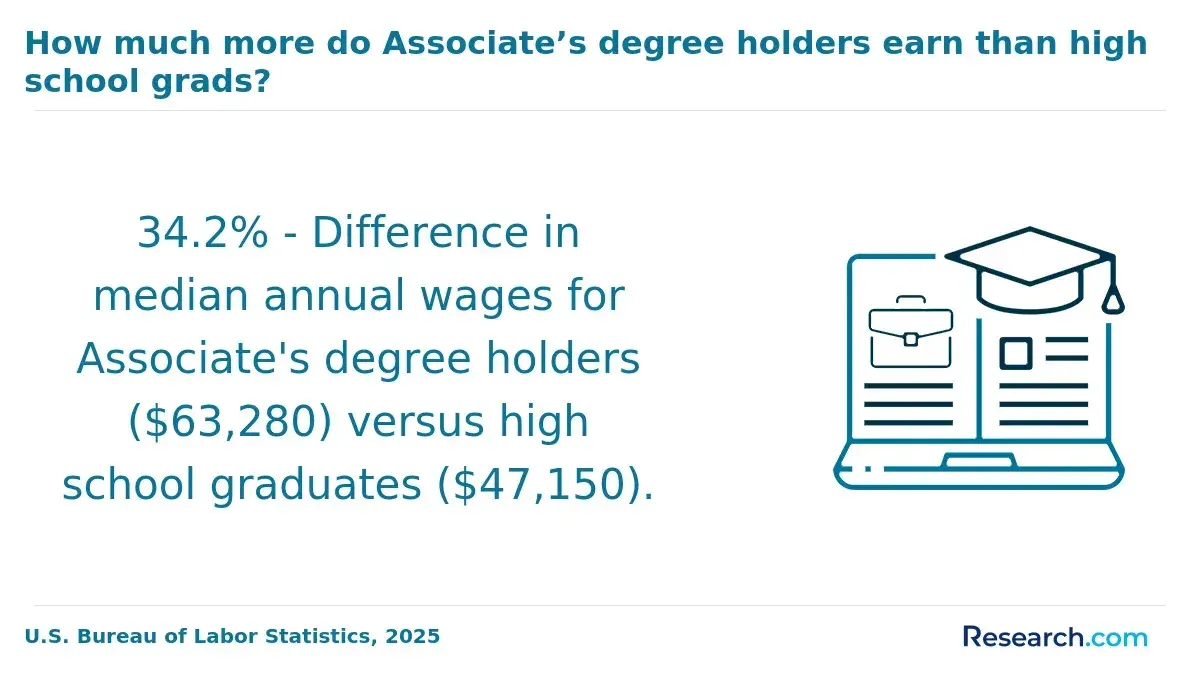
Adult learners typically return to school for a counselor education degree to secure meaningful career mobility, often aiming to transition from stagnant positions into roles with clearer pathways for wage growth. The degree serves as a strategic credential for those looking to enter or advance within the mental health and therapeutic services sector, which continues to expand in response to heightened societal and healthcare demands. This professional pivot is frequently driven by the need to fulfill licensure requirements or to gain advanced qualifications that differentiate candidates in a competitive employment landscape, especially given that the U.S. Bureau of Labor Statistics projects a 23% growth rate for counseling jobs between 2022 and 2032, outpacing many other occupations. For adult learners, pursuing this degree is as much about aligning skills with evolving job standards as it is about capitalizing on the increasing economic value attached to specialized counseling expertise.
Beyond core career objectives, adult learners weigh practical factors such as employer-sponsored tuition benefits, program flexibility, and accessibility, with many opting for online or hybrid courses that accommodate complex life responsibilities. The evolving certification standards within counseling professions also compel returning students to update their technical competencies and clinical knowledge to remain employable and compliant with professional mandates. These structural elements reflect broader workforce reskilling trends, where sustained employment increasingly depends on continuous education tailored to sector-specific demands. As programs adjust to this influx of nontraditional students, curricular responsiveness to adult learning styles and integration of practicum experiences become critical for balancing academic rigor with real-time professional applicability.
How Do Academic Goals Vary Between Younger and Older Counselor Education Students?
Younger counselor education students generally approach their programs with the goal of establishing a broad foundation of counseling theories and practical skills essential for entry-level clinical or community roles. Their focus tends to be on meeting licensure prerequisites, completing internships, and sampling specialties to clarify long-term professional interests. This exploratory phase aligns with many employers' expectations for foundational competencies and adaptability, especially since these students often lack extensive prior work experience in related fields. Typical full-time enrollment and on-campus engagement support accelerated degree completion, a pattern reinforced by institutional structures designed to fast-track recent high school graduates.
In contrast, older counselor education students often enroll with specific workplace objectives, such as upgrading credentials, specializing in advanced intervention techniques, or facilitating a career shift from allied sectors like social work or education. Many balance coursework with ongoing job and family demands, valuing part-time, evening, or online options that enable continued employment while pursuing targeted licensure enhancements or supervisory roles. According to a 2024 National Center for Education Statistics report, about 63% of these adult learners enter programs to enhance existing careers rather than seeking initial workforce entry, reflecting a strategic approach to education closely tied to immediate professional outcomes and longer-term advancement.
One adult learner recounts the challenge of navigating rolling admissions for a counselor education program while working full time. After delaying application submission to gather work-related documents and letters of recommendation, they experienced a period of uncertainty waiting to hear back, balancing anxiety with the ongoing demands of their job and family. The choice to apply with a few weeks left before the enrollment deadline was driven by a mix of urgency and careful preparation, illustrating how timing and readiness critically shape adult learners' educational pathways.
How Do Financial Concerns Differ Between Traditional Students and Adult Learners?
Traditional students pursuing a counselor education degree often depend significantly on family support, federal financial aid, and student loans to manage tuition affordability for traditional counselor education students. Their financial concerns typically revolve around balancing tuition costs with prospective long-term debt, as many are in earlier stages of financial independence and possess fewer immediate financial obligations. According to National Center for Education Statistics 2024 data, approximately 75% of younger students express worry over tuition and living expenses but benefit from access to Pell Grants and subsidized loans. This demographic's financial decision-making frequently weighs future salary potential and career entry points more heavily than current income constraints.
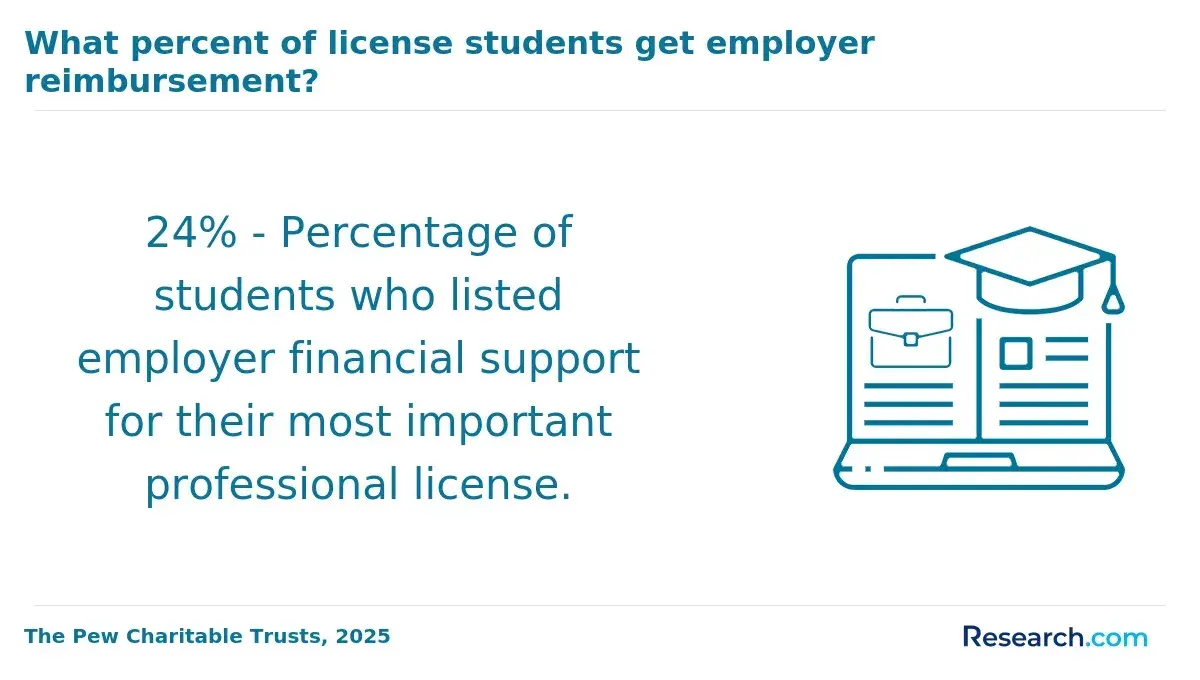
In contrast, financial challenges faced by adult learners in counselor education reflect more complex pressures, including the opportunity cost of reduced work hours or altered employment status, along with ongoing family commitments. Many adult learners must self-fund or rely on employer tuition assistance, as balancing part- or full-time work limits eligibility for traditional financial aid. The Council for Adult and Experiential Learning reports that 62% of adult learners juggle employment while enrolled, intensifying considerations of lost wages and non-tuition expenses like childcare or transportation. These factors often place a premium on programs that offer flexibility, accelerated completion, and a clear alignment with career advancement to justify the significant financial tradeoffs.
These distinct financial dynamics influence enrollment patterns and program choices, often steering adult learners toward online or hybrid formats to minimize income disruption, while traditional students might prioritize campus-based experiences supported by financial aid packages. Evaluating the long-term return on investment in counselor education varies: adult learners rigorously assess cost-benefit outcomes, employer reimbursement, and salary improvements post-degree, whereas traditional students focus more on entry-level employment prospects. Prospective students should consider how differing financial responsibilities shape decisions about program accessibility and overall educational value, especially given the evolving landscape of workforce demands and educational financing. For those comparing options, examining resources such as pharmacist school online programs can illustrate how adult learners weigh flexibility and cost alongside career goals in related healthcare fields.
What Challenges Do Adult Learners and Traditional Students Face While Earning a Counselor Education Degree?
Students entering counselor education programs directly from undergraduate study, typically ages 18 to 24, often grapple with establishing disciplined study routines and adjusting to the demands of graduate-level coursework. Time management presents a consistent hurdle, as learners balance academic obligations alongside social and extracurricular interests, which can fragment focus and delay academic progress. The transition to more complex theoretical and practical material requires developing self-regulated learning skills in a more structured environment, a challenge compounded by limited experience in balancing competing priorities. According to a 2024 report by the National Center for Education Statistics, nearly 40% of traditional graduate students identify maintaining consistent academic discipline amid external distractions as a key difficulty.
Adult learners pursuing counselor education frequently navigate the complexity of integrating full-time employment, family care, and financial responsibilities with their studies, creating a multifaceted strain on time and energy resources. Returning to academic settings after time away entails reacclimating to institutional norms and technological platforms while managing role conflicts across work, school, and home domains. Over 60% of adult students report financial stress and perceiving insufficient institutional support as significant barriers, reflecting the compounded pressure of balancing lost wages, tuition costs, and household expenses. The preference for asynchronous coursework among many adult learners highlights the necessity of flexible scheduling to accommodate professional and personal demands that traditional students may less frequently face.
Educational institutions aiming to serve these distinct populations must implement differentiated support strategies, including flexible course delivery and targeted advising, to address the contrasting lifecycles and responsibilities influencing persistence in counselor education programs. Recognizing that traditional students benefit from structured environments geared to developing foundational skills while adult learners require adaptable frameworks to reconcile academic and external commitments is crucial for improving retention and completion rates. This nuanced approach aligns academic requirements with student realities, an evolving imperative as workforce needs heighten demand for graduates with both theoretical competence and practical adaptability.
How Does Age Affect Counselor Education Degree Student Retention?
Younger students in counselor education programs often face retention challenges rooted in the transitional phase of emerging adulthood, where academic adjustment and evolving motivation can fluctuate significantly. Many traditional-age learners, typically between 18 and 24, encounter pressures related to identity exploration and finding clear professional direction, which can undermine consistent engagement. Financial dependency and limited practical experience also contribute to interruptions or dropouts, as these students may struggle to balance academic demands with fluctuating personal circumstances. According to the National Center for Education Statistics 2024 report, retention rates for this group remain notably lower than for older peers, reflecting these compounded academic and developmental factors.
In contrast, adult learners pursuing counselor education degrees generally demonstrate higher retention, driven by defined career objectives and a stronger intrinsic motivation to complete their studies. These students, often juggling work and family obligations, bring enhanced time-management and resilience skills but face logistical constraints that require flexible program offerings to sustain persistence. Institutional supports such as evening classes or hybrid formats can mitigate these barriers, aligning educational access with their complex schedules. Employers' preference for experienced candidates further incentivizes adult students to persist, as practical application of their learning directly correlates with workforce expectations and job security.
One counselor education graduate shared how her timing during the rolling admissions process affected persistence. Initially hesitant due to uncertainties about balancing work and coursework, she delayed application submission until she had established more stable childcare arrangements. This pause introduced anxiety over possible space limitations in the program, but ultimately allowed her to enter fully prepared to manage academic and family responsibilities simultaneously. Her experience highlights how careful timing, especially for older students with competing demands, can influence retention long before coursework begins.
Which Counselor Education Specializations Are Most Popular Among Adult Learners?
Adult learners enrolling in counselor education specializations frequently target fields that offer direct pathways to licensure, role stability, and the chance to leverage existing professional experience. These students, many of whom seek to pivot into more specialized roles or enhance employability, prioritize programs with clear workforce applicability and relatively streamlined certification routes. This behavior reflects broader adult learner counselor education specialization trends, where balancing time-intensive studies with tangible career outcomes drives decision-making.
- Clinical Mental Health Counseling: Dominating enrollment among adult learners, this specialization aligns with many professionals' goals to obtain licensure as Licensed Professional Counselors (LPC). Its focus on mental health treatment, crisis management, and wellness dovetails with prior human services experience and supports upward salary mobility.
- School Counseling: Attracting those interested in K-12 education environments, this path offers structured hours conducive to work-life balance and emphasizes certifications viewed as more accessible, which suits adult learners balancing family and employment.
- Marriage, Couple, and Family Counseling: For adults targeting more focused therapeutic roles, this specialization suits those willing to invest in additional supervised experience despite longer licensure timelines, often reflecting prior counseling or social work backgrounds.
- Rehabilitation Counseling: Geared toward professionals in physical or vocational rehabilitation, this niche appeals for its specialized skill set and relevance in healthcare and disability services, often complementing existing clinical or social services employment.
- Career Counseling: Less commonly chosen but growing in demand, this specialization supports adults aiming to transition into workforce development or talent management roles, offering practical credentials relevant to career assessment and planning, including consideration of factors like CPC salary trends in related fields.
Data from the Council for Accreditation of Counseling and Related Educational Programs (CACREP) shows 62% of adult learners enroll in Clinical Mental Health Counseling, with 25% choosing School Counseling. These figures underscore how adult learners weigh program accessibility and post-completion job prospects, favoring paths that align with both their professional experience and clear employment trajectories.
How Does Age Affect Job Opportunities for Counselor Education Graduates?
Younger counselor education graduates typically enter the job market with advantages tied to conventional hiring patterns that favor early career entry and prolonged workforce engagement. Many employers prioritize applicants under 35 for entry-level counseling roles, supported by internship pipelines and program structures designed to meet post-degree supervision requirements efficiently. This cohort benefits from longer potential career spans, making them attractive for roles expecting adaptability and internal promotion. According to the U.S. Bureau of Labor Statistics in 2024, nearly 65% of counselor positions are filled by individuals under 35, reflecting a significant age-related workforce segmentation influencing job prospects for counselor education graduates by age.
In contrast, older counselor education graduates often navigate different job opportunities shaped by prior professional experience and transferable skills gained before entering the field. Their career transition goals may align with specialized counseling roles such as trauma or career transitions counseling, where maturity and life experience are prized. However, adult learners can face employer biases related to career longevity assumptions or salary expectations, requiring more proactive credential updating and network development to overcome these obstacles. The variation in hiring outcomes underscores the need for older graduates to strategically position their extensive backgrounds within the labor market dynamics affecting counselor education career opportunities. Prospective students seeking to understand these nuances can also explore the best PMHNP programs for analogous insights on clinical placement and employment trends.
What Do Current Counselor Education Enrollment Trends Reveal About Future Demand?
Rising enrollment patterns in counselor education programs reveal a shifting landscape of student interest influenced by evolving perceptions of career value and workforce needs. The notable increase in adult learners, who now represent nearly 45% of graduate enrollment according to the National Center for Education Statistics (2024), underscores a growing recognition among mid-career professionals that counseling credentials are critical for navigating dynamic sectors like healthcare, education, and social services. This trend reflects a broader demand for practical, experience-informed learning pathways that align with diverse professional backgrounds rather than solely traditional academic trajectories.
These enrollment dynamics also signal stronger employer demand and labor market realignments that integrate technological and demographic shifts. With the Bureau of Labor Statistics projecting a 23% growth in counselor-related roles through 2032, the increase in programs offering flexible, hybrid formats corresponds to industry expectations for adaptable, clinically proficient counselors capable of meeting complex client needs. Consequently, counselor education programs likely will expand specialized tracks and credentials in response to workforce shortages and sectoral growth, illustrating how current academic interest maps directly onto long-term labor market signaling and education-to-employment pathways.
References
- 5 Reasons to Return to Education as an Adult https://ucr.rotherham.ac.uk/blog/5-reasons-to-return-to-education-as-an-adult/
- Online Degrees https://onlinecounselingprograms.com/online-counseling-degrees/
- The School Counselor and Retention, Social Promotion and Age-Appropriate Placement https://www.schoolcounselor.org/Standards-Positions/Position-Statements/ASCA-Position-Statements/The-School-Counselor-and-Retention,-Social-Promoti
- Graduate Programs https://www.utoledo.edu/programs/grad/counselor-education
- Traditional Vs. Non-Traditional Students in Higher Education https://moderncampus.com/blog/traditional-vs-non-traditional-students-in-higher-education.html
- Going Back to School as an Adult: How to Do It https://www.umassglobal.edu/blog-news/going-back-school-adult-do
- Measuring the Impact of High School Counselors on College Enrollment | Policy Analysis for California Education https://edpolicyinca.org/newsroom/measuring-impact-high-school-counselors-college-enrollment
- 5 Graduate Education Trends to Watch in 2025 https://www.ruffalonl.com/blog/enrollment/5-graduate-education-trends-to-watch-in-2025/
- Choosing a PhD in Counselor Education: Is It the Right Fit for You? https://paloaltou.edu/resources/blog/choosing-phd-counselor-education-it-right-fit-you
- 5 Reasons to Return to Education as an Adult https://www.rnngroup.co.uk/rnn-group-blog/5-reasons-to-return-to-education-as-an-adult/
Other Things You Should Know About Counselor Education
Adult learners often juggle work, family, and other responsibilities, making flexible scheduling crucial for their success. Programs that offer evening, weekend, or online classes better accommodate adult learners but may limit the amount of face-to-face interaction and hands-on practice. Traditional students generally have more availability for daytime, full-time study, which can facilitate deeper immersion and networking opportunities. For adult learners prioritizing flexibility, programs with hybrid options are preferable, but they should be aware this flexibility might somewhat reduce experiential learning depth.
Employers should focus on a candidate's skills, experience, and suitability for the role rather than age. Counselor education programs produce graduates with diverse backgrounds, bringing different strengths to their roles, irrespective of age. Emphasis on relevant expertise and the ability to meet job demands is crucial.
Cohort models offer structured pacing and peer support, which typically benefit traditional students new to academic environments. Adult learners with more experience might prefer self-directed or asynchronous formats that allow customization according to their schedules and learning styles. However, self-directed study requires strong time management and self-motivation, which not all learners possess equally. Programs should offer options to match these differing needs; adult learners considering self-paced study must honestly assess their capacity for independent learning to avoid attrition.
Programs attracting traditional students often provide robust on-campus career fairs and internships aligned with early-career entry points. Adult learner-centered programs may emphasize networking with established professionals but could offer fewer direct placement resources. Prospective students should prioritize programs that align career support with their current professional standing; adult learners already in the workforce might benefit more from mentorship and networking, whereas traditional students may need more foundational job placement assistance. Evaluating career services by the maturity and needs of the enrolled population is essential for effective post-graduation outcomes.