2027 Health Communication Tuition Inflation Report: How Fast Are Program Costs Rising?

Co-Founder and Chief Data Scientist
Rising tuition for health communication programs reflects distinct pressures unlike those in broader academic fields. Increasingly stringent accreditation standards demand expanded curricula integrating digital health technologies, community engagement, and interdisciplinary research, driving costs upward. Facilities investments, such as simulation labs and specialized software licenses, add further financial burdens.
Faculty with expertise in both communication theory and health sciences command higher salaries due to market scarcity. In 2024, enrollment shifts show a growing proportion of mid-career professionals seeking advanced credentials, influencing program delivery models and resources allocation. This age distribution signals a field adapting to evolving workforce needs while reshaping educational accessibility and cost structures.
Key Things to Know About Health Communication Tuition Inflation
- Tuition for health communication programs has risen by over 7% annually since 2022, outpacing inflation and forcing students to weigh escalating debt against uncertain career returns.
- Employers increasingly demand interdisciplinary skills beyond traditional health communication, pressuring students to invest in costly supplemental education to remain competitive.
- Rising costs extend program duration for some, delaying workforce entry and amplifying opportunity costs, which disproportionately affects non-traditional and lower-income students' access to the field.
- Key Things to Know About Health Communication Tuition Inflation Key Things to Know
- How Much Has Health Communication Tuition Increased Over the Past Decade? Tuition Increase Breakdown
- How Does Health Communication Tuition Inflation Compare to Overall Inflation? Tuition Inflation
- Which Types of Schools Have Experienced the Fastest Health Communication Tuition Growth? Tuition Growth by School Type
- What Factors Are Driving Rising Costs in Health Communication Degree Programs? Tuition Cost Drivers
- How Does Health Communication Tuition Growth Vary by State and Region? Tuition Growth by State
- Are Online Health Communication Programs Becoming More Affordable Than Campus-Based Programs? Online Program Affordability
- How Have Financial Aid and Scholarships Changed as Health Communication Tuition Has Increased? Impact on Financial Aid and Scholarships
- How Does Rising Health Communication Tuition Affect Student Debt After Graduation? Impact on Student Debt
- Do Higher-Cost Health Communication Programs Deliver Better Career Outcomes or Earnings? Impact on Career Outcomes
- What Do Current Tuition Trends Suggest About the Future Cost of a Health Communication Degree? Current Tuition Trends
How Much Has Health Communication Tuition Increased Over the Past Decade?
Over the last ten years, tuition for health communication programs in the United States has risen substantially, reflecting broader shifts in higher education costs. Data from the National Center for Education Statistics and the U.S. Department of Education College Scorecard indicate that public institutions have seen average annual tuition increases between 35% and 45% since 2014, while private schools have experienced growth rates nearing or exceeding 50%.
This percentage far surpasses overall inflation in higher education costs, which the College Board estimates at around 32% during the same period, highlighting a sharper rise specific to health communication tuition increases in the United States over the last decade. These trends underscore increasing financial commitments required from students pursuing this interdisciplinary field.
Several drivers contribute to this accelerated tuition growth. Public funding cuts at the state level have shifted more financial burdens onto students, while institutions invest heavily in technology, faculty recruitment, and expanded student services to remain competitive in an evolving academic environment.
Growing enrollment in health communication programs, fueled by the field's expanding role in healthcare systems and public health communication, has also pressured institutions to adjust pricing. These factors combine with the field's specialized curriculum needs, often requiring faculty with dual expertise in communication and health, which can elevate operating costs distinct from more traditional disciplines.
Rising tuition costs pose significant challenges related to affordability and long-term return on investment. Students may face increasing reliance on loans, leading to larger debt burdens at graduation just as wage growth in related sectors struggles to keep pace.
Given these pressures, prospective students must weigh program costs carefully against potential career outcomes, especially since employers frequently value practical experience along with formal education. For those assessing the value of a health communication degree within the landscape of highest paying majors, understanding the nuanced balance between cost inflation and employability remains critical to informed decision-making.
How Does Health Communication Tuition Inflation Compare to Overall Inflation?
Tuition inflation for health communication degree programs has outpaced the broader consumer price inflation rate, with data from the National Center for Education Statistics and the College Board indicating average annual increases between 5% and 6%, compared to a roughly 3% rise in the Consumer Price Index reported by the U.S. Bureau of Labor Statistics.
This persistent gap highlights how health communication tuition growth exceeds overall inflation trends, reflecting specific sector pressures rather than general economic factors. Comparing health communication tuition inflation rates in the US to national inflation reveals that the costs faced by students are rising about twice as fast as everyday consumer goods and services, signaling a distinct trajectory linked to educational inputs and labor market demands.
The divergence results largely from structural shifts in higher education funding and operational expenditures. Declining public subsidies have pushed institutions to seek revenue elsewhere, while escalating administrative costs and expanded student support services contribute additional layers of expense.
Health communication programs, in particular, require ongoing investments in specialized technology, software, and digital media training to meet evolving employer expectations, driving costs higher than those of less specialized majors. These factors compound beyond typical inflation drivers, illustrating why tuition inflation reflects institutional behaviors and market positioning rather than general price levels in the economy.
For those budgeting for a health communication degree, this growing tuition-inflation gap intensifies affordability challenges and influences borrowing decisions. Rising costs may prompt students and families to weigh program delivery modes or public versus private institution status more carefully, as well as assess long-term value relative to career outcomes.
Prospective learners might also consider alternatives such as an online business degree that could offer different pricing dynamics while still aligning with workforce priorities amid shifting economic conditions.
Which Types of Schools Have Experienced the Fastest Health Communication Tuition Growth?
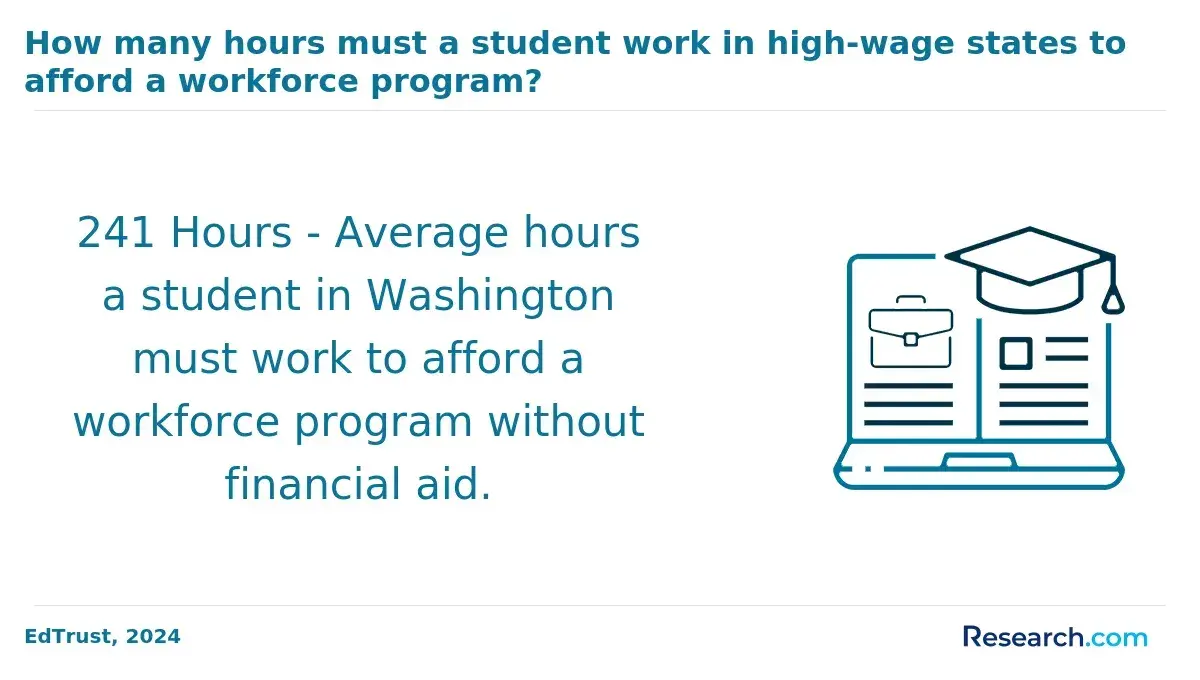
Tuition growth for health communication programs varies widely across institutional categories, primarily due to differing financial structures, enrollment dynamics, and program delivery models. Private nonprofit universities have seen the most rapid increases, partly reflecting their reliance on tuition revenue amid limited public funding.
Meanwhile, public institutions experience steadier growth aligned with state appropriations and regulated tuition policies. Appreciating these varied drivers is crucial for assessing the long-term affordability and value of health communication degrees:
- Private Nonprofit Universities: These institutions typically depend heavily on tuition as a core revenue source, especially as endowment income can be restricted or insufficient. Their programs often emphasize specialization and accelerated formats that command premium pricing, leading to higher annual tuition growth rates-averaging around 5.8% recently. This growth mirrors investment in faculty expertise and online delivery technology but also reflects less price regulation compared to public counterparts.
- Public Four-Year Universities: Public universities benefit from state funding that partially offsets tuition increases, resulting in more moderate cost growth near 3% annually. However, declining state support in many regions pressures these schools to rely increasingly on tuition hikes. Enrollment demand for health communication majors in public institutions often drives slower but steady tuition growth, balancing accessibility with budgetary constraints.
- For-Profit Institutions: For-profit schools often price aggressively to cover recruitment and marketing expenses, with tuition fluctuating based on competitive positioning rather than cost structures tied to research or comprehensive student services. Their growth rates can be volatile and occasionally surpass private nonprofit increases but lack the institutional reinvestment typical of nonprofit entities.
- Research-Intensive Universities: High-prestige universities combining health communication with interdisciplinary research experience tuition inflation influenced by infrastructure and faculty costs. While their overall tuition growth may be moderated by endowment income, niche program expansion and resource-heavy curriculum components contribute to steady increases in specialized degree pricing.
- Regional Colleges and Universities: These institutions tend to have smaller budgets and less capacity for rapid program innovation, often resulting in slower tuition growth. Health communication offerings here may be part of broader communication or health sciences departments, with less emphasis on accelerated or specialized pathways that typically drive up costs.
- Online Universities: The rising demand for flexible learning options in health communication has prompted some online-focused institutions to increase tuition, reflecting investments in digital platforms and student support. Although their growth rates vary, many price increases are justified by delivering convenient access and tailored curricula for working adults.
What Factors Are Driving Rising Costs in Health Communication Degree Programs?
The escalation of costs in health communication degree programs stems from a complex combination of institutional, economic, and sector-specific dynamics rather than a single factor. Rather than attributing rising tuition to simple price inflation, it is critical to recognize how shifting operational demands interact with funding mechanisms, labor markets, and technological advancements.
Public institutions, in particular, face diminished state appropriations, which intensify reliance on tuition revenue to sustain program quality and meet evolving accreditation standards. Simultaneously, private colleges must balance competitive pressures with growing expenditures tied to specialized curriculum delivery, creating a reinforcing cycle of cost growth across different types of institutions.
Key contributors include rising faculty salaries, driven by the necessity to attract experts skilled in interdisciplinary health communication topics who command compensation rates exceeding general academic averages-a trend corroborated by a 2024 survey showing faculty pay growth outpacing inflation by over 4%.
Meanwhile, administrative expansion reflects the complexity of managing interdisciplinary programs, compliance mandates, and enhanced student support services, all of which increase overhead. Investment in digital infrastructure, such as virtual simulation tools and online platforms, further pushes expenses upward because these technologies require ongoing maintenance and specialized staff.
Collectively, these factors drive an average annual tuition increase of approximately 5%, as reported by recent federal data, underscoring a structural shift in how programs are financed and operated rather than a transient market fluctuation.
One health communication graduate recalled that the admissions timeline added unexpected financial pressure. During the rolling admissions period, she hesitated to submit her deposit while awaiting feedback from multiple programs with varying deadlines. The uncertainty over final acceptance dates complicated budgeting decisions, especially given rising tuition costs announced during that cycle.
She ultimately prioritized an earlier decision to secure a spot before further price increases, reflecting how timing and institutional policies can influence prospective students' financial planning beyond standard costs. This experience highlighted the nuanced interplay between admissions logistics and cost transparency in health communication fields today.
How Does Health Communication Tuition Growth Vary by State and Region?
Tuition growth rates for health communication programs fluctuate significantly across states and regions, driven by a complex interplay of economic conditions, public funding policies, and institutional structures. These variations reflect how state-level investment decisions and local market dynamics shape the cost trajectories of educational offerings.
Public universities in states with shrinking appropriations tend to raise tuition more aggressively to offset budget shortfalls, whereas private institutions leverage competitive program features and urban cost pressures to justify steeper annual increases. Consequently, the regional landscape of health communication tuition increase by state reveals more than geographic disparities; it underscores systemic funding challenges and market-driven cost adjustments within higher education.
Key drivers behind these regional differences include state budget allocations for public higher education and their influence on institutional pricing strategies. In many Southern states, diminished state support compels public universities to boost tuition moderately, often constrained by political and social resistance to steep hikes.
In contrast, states with vibrant economies and strong health industry demand, such as California and Massachusetts, face tuition inflation surpassing 5% annually, reflecting at once a higher cost of living, greater concentration of research universities, and more private institutions investing heavily in program enhancements. These factors converge to create regional tuition growth patterns aligned closely with local labor market conditions and state-specific funding imperatives, rather than mere location-based cost disparities.
For students, understanding these regional tuition dynamics is essential when weighing program selection and long-term return on investment, particularly given the differential impact on affordability and potential debt accumulation. Tuition increases concentrated in high-cost regions may limit access or push learners toward alternatives such as 6 week courses online, which can provide flexible and cost-effective pathways.
Meanwhile, regional variation in tuition growth influences workforce supply, with employers in areas of slower growth benefiting from a broader base of candidates with more affordable credentials, whereas graduates from higher-cost regions may offer access to specialized training but assume greater financial risk. Navigating these structural tuition trends requires careful consideration of both educational quality and long-term economic feasibility within the health communication field.
Are Online Health Communication Programs Becoming More Affordable Than Campus-Based Programs?
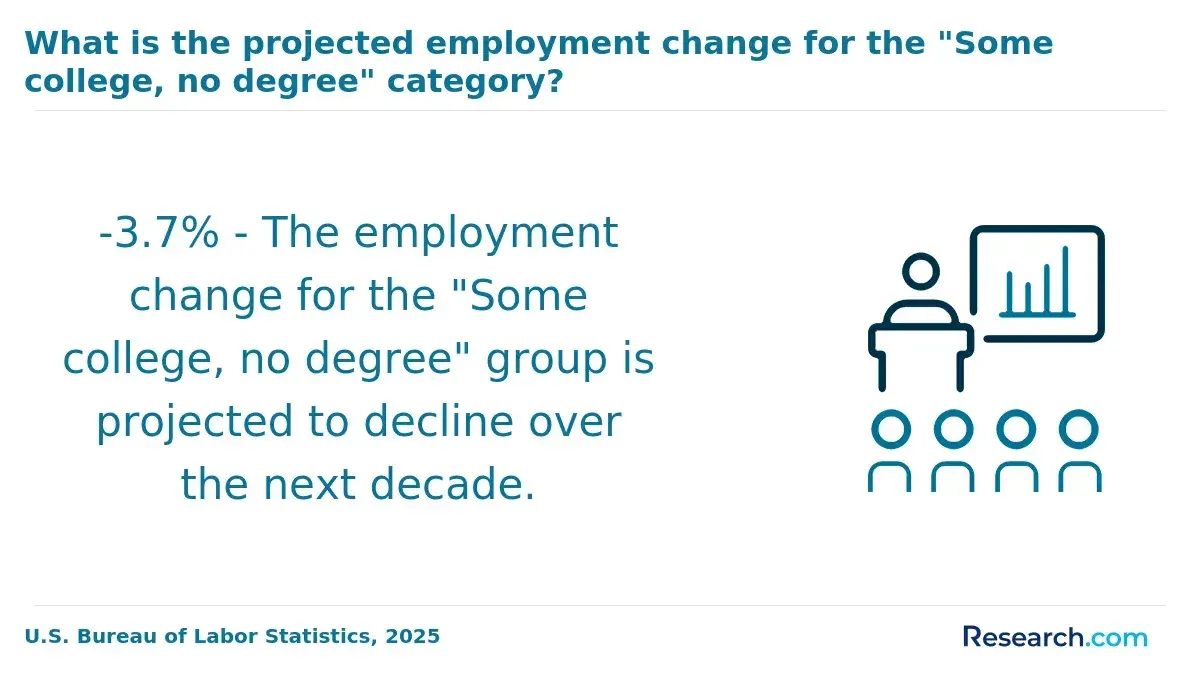
Recent data from the National Center for Education Statistics reveal a nuanced landscape in the affordability of online versus campus-based health communication programs, with online tuition rising by about 3.2% from 2022 to 2023 compared to a 5.7% increase for traditional programs. This divergence reflects distinct institutional pricing strategies shaped by delivery format and the associated cost structures.
Whereas campus programs incur substantial overhead from physical infrastructure and facility maintenance, online programs leverage economies tied to digital platforms, resulting in comparatively lower tuition inflation, though this advantage is not uniformly distributed across all providers or program tiers.
The disparity in tuition growth rates stems from several structural factors within higher education's economic models. Online programs reduce expenses linked to campus upkeep and in-person administrative support but incur significant costs in technology infrastructure, course design, and ongoing digital system maintenance.
Additionally, faculty engagement models differ, with online courses sometimes requiring investments in multimedia content creation and asynchronous learning facilitation, which can offset some cost savings.
Student services such as advising and tech support must also be scaled differently to meet the needs of dispersed learners, adding complexity to pricing approaches. Consequently, affordability differences between online and on-campus health communication programs reflect institutional strategy choices about balancing fixed and variable costs rather than simple cost avoidance.
Reflecting these dynamics, a recent graduate of an online health communication master's recalled her admissions experience as a cautious negotiation of timing and readiness. Facing rolling admissions cycles and fluctuating offer timelines, she hesitated to accept an early acceptance due to uncertainty about financial aid packages and the evolving tuition landscape.
Balancing the urgency of locking in a spot against the risk of better offers or affordability options was taxing, requiring careful research and multiple communications with admissions counselors.
Her decision to delay enrollment by a semester ultimately aligned better with her financial planning, highlighting how prospective students must navigate these variable institutional processes precisely because online program affordability is linked not only to sticker price but to strategic enrollment timing and support availability.
How Have Financial Aid and Scholarships Changed as Health Communication Tuition Has Increased?
As tuition rates for health communication programs have climbed faster than inflation, the landscape of financial aid and scholarships has adapted unevenly. Institutions have incrementally increased aid offerings, but many have done so through more complex bundling of federal grants, institutional scholarships, and work-study opportunities rather than straightforward boosts in direct funding.
Expansion of merit-based awards has been a notable trend, intended to attract stronger applicants amid intensified competition, but these awards often remain capped in size and have not fully offset rising sticker prices. Meanwhile, need-based aid has struggled to keep pace with tuition hikes, resulting in students shouldering larger portions of costs via loans or out-of-pocket payments, complicating the actual net price for health communication aspirants.
Key factors driving these shifts include market pressures on institutions to maintain enrollment and visibility in a crowded higher education environment, compounded by evolving federal and state aid formula changes that have not proportionally increased grant allocations. Many health communication programs now utilize tuition discounting strategies, selectively deploying aid packages to secure high-achieving candidates while attempting to manage budget constraints.
This approach introduces greater variability and complexity in financial aid packages, often requiring students and families to navigate opaque combinations of merit awards and need-based grants. The result is a financing system that attempts to balance institutional enrollment goals with federal funding limitations, but ultimately shifts more financial risk onto students.
For health communication students, these financing dynamics translate into less predictable net costs and increased reliance on borrowing. While total nominal aid dollars have increased, their ratio to actual tuition growth has lagged, heightening concerns over long-term debt burdens and return on investment.
These trends also influence choices about program length, delivery modes, and alternative funding such as employer tuition assistance, as affordability and access become more contingent on navigating intricate aid structures rather than receiving guaranteed aid increases. Understanding these shifts is crucial for prospective students weighing the practical outcomes and financial feasibility of pursuing advanced study in health communication amid rising education costs.
How Does Rising Health Communication Tuition Affect Student Debt After Graduation?
Rising tuition costs in health communication degree programs have directly led to increased borrowing among students, amplifying student loan debt burdens upon graduation. As tuition grows faster than wage increases and inflation, more students rely heavily on loans to cover educational expenses, pushing total debt balances upward.
This trend is especially pronounced in fields like health communication, where early-career salaries often remain moderate, limiting graduates' capacity to repay sizable debts quickly. The growing financial gap forces many to extend loan repayment timelines or take on higher monthly payments, which can strain personal finances and delay other investments.
Several factors contribute to this dynamic, including the widening gulf between tuition rates and financial aid availability. As grants and scholarships fail to keep pace with tuition inflation, students compensate by borrowing more. Public versus private institution cost structures further complicate debt patterns, with private programs typically imposing steeper tuition hikes that increase borrowing needs.
Additionally, interest accrual during study periods can inflate loan principal, especially for students attending longer or part-time programs. Post-graduation income variability across health communication roles affects repayment feasibility, often making debt service a persistent challenge rather than a short-term hurdle. These complexities influence how students evaluate program affordability and long-term return on investment, requiring strategic financial planning well before entering repayment.
Beyond immediate financial pressures, rising tuition-induced debt impacts broader decisions such as program selection and career trajectory. Employers often expect practical experience and certifications in health communication, which may demand unpaid internships or additional coursework that further strain finances.
The combination of higher debt and modest earnings potential leads some graduates to rely on income-driven repayment plans or loan forgiveness programs, though these safety nets have eligibility and duration limits.
Understanding these realities is essential for estimating the total cost of education and developing a sustainable repayment strategy in a field where a growing share of programs and employers face shifting economic constraints and employment demands. For those exploring alternatives, programs like an architecture degree online illustrate how tuition inflation impacts borrowing differently across disciplines, emphasizing the need for context-specific financial insights.
Do Higher-Cost Health Communication Programs Deliver Better Career Outcomes or Earnings?
Higher-cost health communication programs do not inherently guarantee better career outcomes or higher earnings. Although some institutions charge significant tuition premiums, these costs alone are not strong predictors of starting salaries or employment success in the field.
A 2024 dataset from the U.S. Department of Education reveals median starting salaries for graduates generally range from $45,000 to $60,000, with only marginal differences attributable to program prices. This highlights the complexity of evaluating return on investment for health communication graduates in the United States, where factors beyond sticker price often influence labor market outcomes.
Institutional reputation, access to specialized internships, employer partnerships, and the depth of program specialization play pivotal roles in shaping career trajectories. Alumni networks and geographic industry concentrations further affect employment prospects and earnings potential, often more so than tuition costs.
Programs that offer robust experiential learning and maintain strong connections with healthcare organizations tend to secure higher employment rates regardless of cost.
Thus, candidates should critically assess curriculum relevance and practical opportunities, not just institutional prestige or tuition fees. Prospective students might also consider interdisciplinary fields or complementary skills, such as those highlighted in the data analytics master's degree programs, which can augment career flexibility in health communication roles.
From an ROI perspective, prospective students must balance the potential debt burden against realistic post-graduation earnings and employment conditions. Geographic salary variations and industry demand cycles may significantly influence long-term financial returns, making it essential to evaluate personal career goals alongside program costs.
Strategic decision-making should prioritize programs offering substantive industry engagement and demonstrable employment outcomes over those relying solely on brand recognition or tuition expense, providing a clearer measure of value in health communication education.
What Do Current Tuition Trends Suggest About the Future Cost of a Health Communication Degree?
Recent tuition trends indicate that the cost of a health communication degree is likely to continue rising beyond general inflation rates. Data from the National Center for Education Statistics (2024) shows average annual tuition increases at public four-year institutions around 3.5%, reflecting longstanding patterns of steady growth in higher education expenses.
Historically, tuition has grown faster than inflation, driven by shifts in institutional funding models and rising operational costs, signaling that future pricing will probably follow a similar trajectory rather than stabilizing.
Key drivers shaping this trend include constrained state funding for public universities, which transfers more cost burdens to students, and growing demand for specialized skills within the health communication workforce.
Additionally, expanding online education and investments in technology and student support services add to operational expenses that institutions often recoup through tuition. While digital delivery can offer some efficiencies, it also requires significant upfront infrastructure costs, affecting pricing strategies over time.
These factors combine to create affordability challenges, especially for adult learners balancing work and family, who may rely heavily on financial aid or employer support. Increasing tuition pressures can influence enrollment decisions, encouraging prospective students to consider alternative credentials or programs with flexible formats.
Understanding these dynamics is crucial when planning education pathways, as long-term tuition forecasts reflect complex institutional behaviors rather than simple inflation-based projections.
References
- How college tuition inflation has impacted college costs https://finance.yahoo.com/news/college-tuition-inflation-cost-college-221647962.html
- Guide to Health Communication: History, Careers, Skills, Education https://www.mastersincommunications.com/features/guide-to-health-communication
- Effective Communication in Health Care https://publichealth.tulane.edu/blog/communication-in-healthcare/
- Cancelling Student Debt Would Add to Inflation | Committee for a Responsible Federal Budget https://www.crfb.org/blogs/cancelling-student-debt-would-add-inflation
- Health Education | The Importance of Clear Communication https://www.tuw.edu/school-news/importance-of-health-education-communication/
- Why is the cost of college rising so fast? https://ssti.org/blog/why-cost-college-rising-so-fast
- Five predictions for health communications in 2025 | Curious Health https://curioushealth.io/five-predictions-for-health-communications-in-2025/
- How does medical inflation compare to inflation in the rest of the economy? - Peterson-KFF Health System Tracker https://www.healthsystemtracker.org/brief/how-does-medical-inflation-compare-to-inflation-in-the-rest-of-the-economy/
- Why College Is Too Expensive — And How Competition Can Fix It - FREOPP https://freopp.org/whitepapers/why-college-is-too-expensive-and-how-competition-can-fix-it/
- Health Communication https://www.mnsu.edu/programs/health-communication/
Other Things You Should Know About Health Communication
Rising tuition costs intensify the need to consider program duration and workload. Longer programs with heavier credit requirements multiply total expenses, often disproportionately to yearly tuition increases. Students should prioritize programs that efficiently balance comprehensive curricula with a reasonable timeline to avoid excessive cumulative costs, which can adversely affect time-to-degree and financial sustainability.
Higher tuition does not always correlate with superior alignment to evolving employer expectations or niche skills acquisition. While specialized concentrations might command premium charges, their practical value hinges on curriculum relevance and partnerships with health organizations. Students should critically evaluate whether the extra cost translates to distinct advantages in employability or skill sets that justify the investment, rather than assuming higher fees equal better outcomes.
More expensive programs often offer extensive experiential learning or internships but can also extend time before graduation, increasing total debt and delaying income generation. Some lower-cost programs accelerate completion, allowing earlier workforce entry but may sacrifice depth or hands-on experience. Students must weigh the long-term benefits of training quality against the financial and opportunity costs associated with longer, costlier programs when planning their education strategy.
The growing cost gap between undergraduate and graduate programs magnifies the importance of clear career goals. Graduate-level tuition inflation may limit accessibility and demands stronger justification through expected salary increments or enhanced roles post-degree. For many, focusing on a solid undergraduate credential combined with work experience may deliver more practical returns than immediately absorbing steep graduate tuition hikes without guaranteed higher earnings.