2027 Health Communication Salary Trends Report: Are Wages Keeping Up With Tuition and Inflation?

Co-Founder and Chief Data Scientist
A prospective health communication student weighs the decision to pursue a degree amid escalating tuition fees and inflationary pressures. With budgets tight and the future uncertain, understanding whether the wage growth for health communication graduates keeps pace with these rising costs has never been more crucial. Tuition, living expenses, and debt repayments all influence the financial feasibility of this educational path.
Without clear insight into how salaries compare to these evolving economic factors, choosing this field risks being a purely speculative investment. Salary increases, education costs, and inflation rarely align, complicating the assessment of a degree's true value. Focusing solely on starting salaries overlooks the long-term effects of inflation and the compounding burden of student costs.
Evaluating health communication's return on investment requires a comprehensive look at wage trends relative to tuition inflation and broader economic shifts. This article explores those dynamics, examining salary trends, tuition costs, affordability, and the factors shaping the long-term financial outcomes of a health communication degree.
Key Things to Know About Health Communication Salary Trends
- Graduate wages in health communication have grown slower than inflation and tuition increases, limiting real wage gains; this suggests prospective students should critically evaluate debt versus expected earnings.
- Advanced skills in digital health technologies and data analytics correlate with 15% higher starting salaries, highlighting the importance of targeted specialization for boosting long-term income.
- Networking within healthcare policy and public health sectors strongly influences salary growth, emphasizing that relationship-building may be as vital as academic credentials for future earning potential.
- Key Things to Know About Health Communication Salary Trends Key Things to Know
- What Is the Current Salary Outlook for Health Communication Graduates? Salary Outlook
- Are Health Communication Salaries Keeping Up With Inflation? Inflation Impact
- How Do Tuition Costs Compare With Health Communication Salary Growth? Tuition vs Salary
- Does a Health Communication Degree Deliver a Positive Return on Investment? Degree ROI
- Which Industries Offer the Highest Salaries for Health Communication Graduates? Highest-Paying Industries
- Which States and Cities Offer the Highest Pay for Health Communication Professionals? Highest-Paying Locations
- How Do Health Communication Salaries Grow Throughout a Career? Career Growth
- How Do Health Communication Salaries Compare With Similar Degrees? Salary Comparison
- How Is Employer Demand Affecting Health Communication Salary Trends? Employer Demand
- How Can Students Maximize Their Lifetime Earnings With a Health Communication Degree? Maximizing Earnings
What Is the Current Salary Outlook for Health Communication Graduates?
The current salary outlook for health communication graduates reflects a moderate earning potential tempered by economic challenges such as rising tuition and inflation.
According to the U.S. Bureau of Labor Statistics data from early 2024, wages for related roles, like health educators, community health workers, and medical services managers, span a broad range with median salaries between $48,000 and $104,000 annually. Entry-level positions often start near $45,000 to $55,000, but wages can vary significantly based on geography and employer type.
A key consideration is how two health communication graduates, despite holding the same degree, might diverge in earnings depending on their chosen paths; one focusing on health informatics within a large hospital system may begin earning over $65,000, while another entering a smaller nonprofit might see more modest starting pay, underscoring the impact of specialization and sector on salary outcomes.
Understanding health communication graduate salary trends requires evaluating long-term career trajectories rather than solely entry-level compensation. Demand for these roles is expected to grow steadily, supported by expanding public health initiatives and more complex healthcare systems, which can drive moderate salary inflation above general wage increases.
Mid-career professionals typically advance to managerial or advisory positions where salaries often approach or exceed $80,000, reflecting increased responsibility and expertise. Prospective students should analyze potential salary growth alongside the costs of education, including exploring affordable degree options such as the cheapest doctoral programs, and prioritize gaining relevant experience and credentials to maximize their marketability and long-term earning potential.
Are Health Communication Salaries Keeping Up With Inflation?
Nominal wage increases in health communication occupations have averaged around 3% annually over recent years, yet when compared to the average inflation rate of approximately 4.2% per year, as reported by the U.S. Bureau of Labor Statistics and Consumer Price Index data, the reality is that real earning power is slipping. This gap means that even as salaries rise on paper, the actual purchasing power of health communication graduates essentially declines, shrinking their financial flexibility.
Consider a recent graduate who accepts a health communication role with a steady 3% raise each year; the increasing cost of goods and services outpaces their salary growth, translating to effectively less income for essentials and savings every year.
This imbalance between salary growth and inflation directly influences how prospective students weigh the financial return of their health communication degrees. Rising tuition inflation, which exceeds 5% annually, compounds this challenge by increasing debt burdens faster than wages grow.
For those evaluating options, including some of the cheapest online degrees in related fields, understanding this financial dynamic is critical for making informed decisions about educational investment. The impact of inflation on health communication wages highlights a need to consider roles with higher pay scales or additional certifications to safeguard against the erosion of real earnings over time.
How Do Tuition Costs Compare With Health Communication Salary Growth?
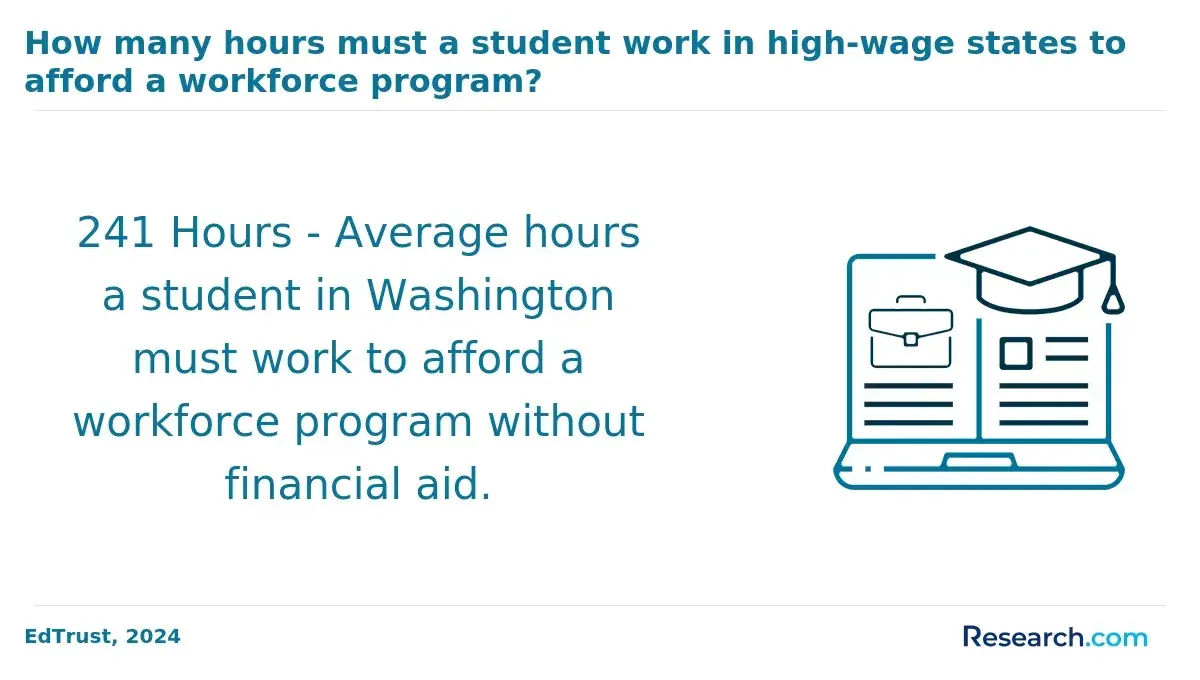
Comparing tuition costs with salary growth offers a far clearer lens on the financial practicality of pursuing a Health Communication degree than viewing either in isolation. According to 2024 data from the National Center for Education Statistics and the Bureau of Labor Statistics, tuition at public four-year colleges has been rising about 3.7% annually, exceeding inflation, while entry-level health communication salaries have increased by only around 2.2% over five years, averaging $48,000.
Mid-career earnings, reaching about $68,000, show limited acceleration. This disparity means that students face increasing debt loads that outpace their initial and mid-term earning power, stretching the break-even point for tuition investment further into their careers and complicating financial planning.
For example, a student who took out loans to cover rising tuition may find their modest salary gains insufficient to rapidly reduce debt, especially when factoring in housing and living costs that also escalate with inflation. Conversely, another graduate in a large metropolitan area with access to specialized roles or advanced qualifications might experience stronger wage growth, offsetting tuition increases more effectively.
The variation in geographic location, employer type, and credentialing clearly influences how tuition inflation compares with salary trajectories in health communication. Thus, understanding the interplay between these factors helps individuals realistically assess long-term earnings potential relative to upfront costs rather than relying on raw figures alone.
One recent graduate recalls feeling hesitant when deciding whether to enroll given the sharp tuition increases. Watching peers secure entry-level roles paying just under $50,000, they worried about carrying loans that compounded faster than their raises.
It wasn't until they pursued a certification in digital health communication that their salary growth picked up, easing financial pressure. This experience revealed how costs and wages don't move in tandem for everyone, and how targeted skill development can shift the balance toward a more favorable return on educational investment over time.
Does a Health Communication Degree Deliver a Positive Return on Investment?
Return on investment in higher education involves a careful assessment of the costs incurred to earn a degree against the long-term financial and professional benefits it can generate. For a health communication degree, this comparison extends beyond entry-level salaries, which in 2024 average near $50,000 annually according to the U.S. Bureau of Labor Statistics.
While this starting point is moderate, the true value depends on how graduates leverage the degree over time in roles that may include healthcare marketing, public health advocacy, or digital health communication, where demand and wages can progressively increase.
Consider a recent graduate facing rising tuition costs, often increasing faster than general inflation, and balancing that debt against salary growth potential. If this individual supplements their degree with internships, certifications, or further education, their odds of accessing higher-paying positions improve significantly, shortening the payback period on their educational investment.
Conversely, without these strategic enhancements, the growing financial burden of tuition inflation and the relatively stable starting wage can extend the timeline to recoup costs, making the ROI less favorable.
Critical factors shaping whether a health communication degree delivers positive returns include inflationary pressures on tuition, evolving labor market demands, and the graduate's ability to adapt within specialized sectors. Data from the Association of American Colleges & Universities suggests rising employer interest in communication skills for health-related roles, hinting at potential wage growth in the longer term.
However, these outcomes vary widely depending on individual choices and economic conditions, indicating that ROI is not guaranteed but heavily influenced by proactive career planning and market factors.
Which Industries Offer the Highest Salaries for Health Communication Graduates?
Recent labor statistics and industry reports reveal that several sectors consistently offer higher salary potential for health communication graduates, particularly those who combine healthcare knowledge with strategic communication expertise.
According to the U.S. Bureau of Labor Statistics 2024 data, industries with complex regulatory environments, substantial budgets, and rapid innovation tend to pay health communication professionals better than average. Graduates equipped with advanced skills in technical writing, digital communication, and stakeholder engagement are especially sought after.
For those evaluating the highest paying sectors for health communication careers, here are the primary industries to consider.
- Pharmaceutical And Biotechnology: This sector offers some of the highest salaries because communication specialists support critical messaging around drug development, clinical trials, and compliance. Roles such as medical writing and public relations demand precision, scientific literacy, and regulatory understanding, which together drive up compensation.
- Healthcare Technology And Digital Health: As telehealth and AI-powered health solutions expand, this fast-growing industry values communicators who can simplify technical concepts for patients and providers. Competitive salaries reflect the direct impact these roles have on product adoption and user engagement.
- Hospital Systems And Large Providers: Hospitals reward health communication graduates involved in public health campaigns, internal communications, and patient education. Senior leadership and managerial roles within these organizations often offer premium pay, reflecting the importance of experience and strategic impact.
- Health Insurance Companies: Communicators here navigate complex policy information and regulatory updates for diverse audiences. The demand for clarity and compliance in materials leads to higher-than-average salaries in this challenging environment.
- Public Health Agencies: State and federal agencies employ health communication experts to design outreach campaigns and health promotion programs. While salaries can vary, leadership roles in these organizations often offer competitive pay tied to policy expertise and program impact.
- Medical Device Companies: This niche market requires communicators skilled in translating technical product information for regulatory approval and market success, typically offering salaries above median levels.
- Nonprofit Health Organizations: While often lower paid than corporate roles, some large nonprofits with federal grants provide higher salaries for communication specialists focused on advocacy and community health education.
Data from the Bureau of Labor Statistics confirms that pharmaceutical and biotechnology firms and healthcare technology companies consistently top the compensation charts for health communication-related occupations. Understanding these distinctions helps prospective students and career changers weigh the investment in education against earning potential.
For individuals exploring degree options, considering accelerated psychology masters programs can complement health communication skills and open additional career pathways in health behavior and patient engagement fields.
Specialized industry knowledge and advanced communication skills remain central to unlocking value and career growth within these highest paying sectors for health communication careers.
Which States and Cities Offer the Highest Pay for Health Communication Professionals?
Geographic location significantly influences earning potential for health communication professionals, with certain states and metropolitan areas offering notably higher wages. While nominal salaries are attractive in these regions, they often correlate with elevated living expenses and competitive job markets requiring advanced skills.
Students and recent graduates must weigh salary prospects against cost of living and professional entry barriers to assess the true financial benefit of pursuing a career in health communication.
Below are states and cities where health communication wages are highest, along with key contextual factors to consider.
- California: California leads with a mean annual wage surpassing $82,000 for health communication roles. Concentrations of large healthcare systems, universities, and biotech firms create strong demand. However, the state's high housing and living costs can substantially reduce net income, requiring careful budget planning.
- Massachusetts: Dominated by Boston and surrounding academic medical centers, Massachusetts offers salaries close to California's levels. The dense research and public health infrastructure drive specialized communication needs, but graduates face stiff competition and significant living expenses in metro areas.
- New York: New York State, particularly New York City, provides competitive pay due to its role as a national health policy and nonprofit hub. High salaries here reflect the cost of living and the presence of major hospitals and advocacy organizations, though entry-level opportunities are limited and demanding.
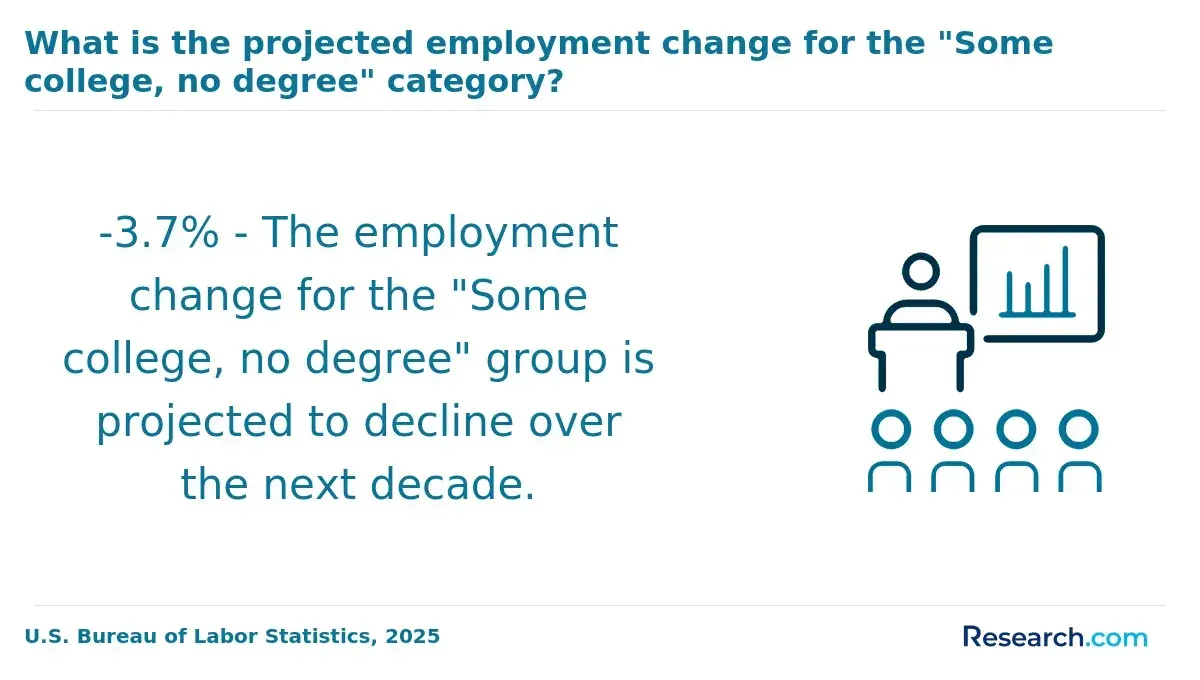
- Washington State: Seattle and its metropolitan area show salaries 15-25% above the national median, fueled by health tech companies and research institutions. While wages are attractive, the rising cost of housing means newcomers must balance upfront investment with longer-term earnings potential.
- Washington, DC: The presence of federal health agencies, NGOs, and think tanks sustains higher wage levels. Professionals here often engage in policy communication and public health campaigns. Despite salary advantages, the area's competitive markets and elevated living costs demand strong credentials and experience.
- San Francisco-Oakland-Hayward Metro: This region stands out with some of the highest metropolitan salaries, augmented by a cluster of medical research centers and tech-driven health startups. The premium pay accompanies a very high cost of living and intense competition, meaning career planning must factor in these financial and professional challenges.
- Boston-Cambridge-Newton Metro: Known for its academic medical centers and health innovation hubs, this metro area's salaries are well above average. Job seekers face concentrated competition and high housing prices, making strategic networking and skill development critical for maximizing return on investment.
How Do Health Communication Salaries Grow Throughout a Career?
Salaries in health communication generally start in the mid-$40,000 to mid-$50,000 range for entry-level roles such as health educators or communication coordinators, according to 2024 data from the U.S. Bureau of Labor Statistics. Early career wage growth tends to be gradual, often increasing by 3% to 5% annually during the first few years while professionals develop foundational skills.
Between five and ten years of experience, salaries typically rise more sharply, frequently reaching between $65,000 and $85,000 as individuals take on specialist or managerial responsibilities. By the time professionals reach senior status or leadership positions, their earnings can exceed $100,000, particularly in high-cost metropolitan areas or sectors like pharmaceuticals and government health agencies.
Consider two graduates with identical health communication degrees who diverge professionally: one pursues certifications in digital health marketing and ascends to a communication director role, while the other remains in general health education positions. The former is more likely to experience accelerated salary growth due to targeted skill development and leadership experience, reflecting the importance of strategic professional choices.
Long-term salary progression depends heavily on factors such as advanced training, specialization, geographic location, and networking within the health sector. Even with rising costs for education and inflation, these variables often differentiate those who achieve significant pay increases from those whose earnings plateau.
A graduate who initially hesitated after earning their health communication degree eventually chose to invest in a niche certification focused on public health policy communication. Despite concerns about additional expenses and time, this decision opened doors to leadership roles within a government health department where salaries were substantially higher than in entry-level positions.
Reflecting on the journey, the graduate observed that early caution gave way to relief once the compensation increases aligned with their growing responsibility, underscoring how targeted skill-building and role selection shape long-term financial outcomes in this field.
How Do Health Communication Salaries Compare With Similar Degrees?
Health communication graduates generally earn salaries comparable to several related fields but often fall slightly behind areas with more technical or policy-driven demands. The median salary for health communication professionals typically ranges from $60,000 to $75,000 annually, according to the U.S. Bureau of Labor Statistics and reports by the National Communication Association.
This places the degree's earning potential in close proximity to communication-based careers, though it may challenge students to weigh passion against financial return amid rising tuition and inflation.
Below is a comparison with similar degrees to clarify these distinctions.
- Public Relations: Salaries for public relations graduates usually range between $62,000 and $78,000, closely mirroring health communication earnings. Careers focus on managing organizational reputations and media relations, where larger firms may offer higher pay. Demand largely drives variation, but these roles typically involve less technical specialization than healthcare-focused communication.
- Public Health: Graduates tend to command higher median salaries, approximately $65,000 to $85,000, benefiting from wider technical expertise and policy roles. These professionals often occupy positions influencing health programs or policy making, reflecting the premium for specialized knowledge in health systems and epidemiology.
- Health Education: Health educators earn median wages around 8% to 12% more than health communication graduates. Their roles emphasize direct community health initiatives and education, requiring deep subject matter expertise that justifies higher pay scales.
- Marketing and Advertising: This field shows the greatest salary variability, with entry-level roles starting lower but senior positions exceeding $90,000. The broad industry scope and company size impact earnings more heavily than for health communication graduates, underscoring the tradeoff between specialization and market-driven salary potential.
Prospective students should consider that adding digital media skills or healthcare experience can significantly enhance earning potential, helping to overcome economic pressures in fields like health communication. Those evaluating degrees might also explore interdisciplinary options, including programs in architecture programs, where distinct earning trajectories exist but strategic skill-building remains key.
How Is Employer Demand Affecting Health Communication Salary Trends?
Employer demand strongly influences salary trends for health communication professionals by shaping competition among employers for qualified candidates. When demand rises due to expanded public health initiatives or healthcare system complexities, organizations often increase hiring activity and adjust compensation to attract candidates with advanced skills such as digital communication and data analysis.
For instance, an urban healthcare nonprofit expanding its outreach programs may offer higher starting salaries to specialists who can manage complex messaging campaigns, reflecting shifting employer priorities. According to the U.S. Bureau of Labor Statistics (2024), job openings in health communication-related roles have grown steadily, which correlates with modest wage increases, especially for mid-career and senior professionals.
The impact of employer demand on health communication employer demand trends is, however, nuanced by factors including experience, specialization, and regional economic conditions. Entry-level salaries frequently lag behind tuition inflation, indicating that recent graduates face a challenging balance between educational costs and early salary growth. Geographic hotspots with healthcare innovation tend to offer superior pay, but overall wage progression also depends on organizational budgets and the evolving role of health communication expertise.
Prospective students should weigh these employer demand dynamics carefully alongside tuition and inflation when considering the degree's financial viability. For students exploring related fields, pursuing a project manager bachelor degree online may offer alternative pathways aligned with growing workforce needs.
How Can Students Maximize Their Lifetime Earnings With a Health Communication Degree?
Maximizing lifetime earnings with a health communication degree requires strategic educational and career decisions grounded in current labor market realities. Data from the U.S. Bureau of Labor Statistics and recent 2024 industry analyses highlight that specialization and continuous skill enhancement are critical. For example, a graduate who supplements their degree with expertise in digital health tools and health informatics can access higher-paying roles within evolving healthcare sectors.
Below are key strategies to increase long-term income potential based on these insights.
- Specialized Expertise: Developing skills in areas like digital health technologies, data analytics, or public health creates a competitive edge. This specialization aligns with employer demand and opens pathways to consultancy or leadership roles.
- Advanced Degrees: Earning a master's or doctorate related to health communication or healthcare administration significantly raises salary ceilings. Advanced education is linked with eligibility for senior positions in healthcare organizations.
- Sector Experience: Targeting employment in high-growth fields such as healthcare technology, pharmaceuticals, or government agencies boosts earning potential due to market stability and investment in innovation.
- Geographic Location: Working in metropolitan areas with robust healthcare industries correlates with higher wages. Urban centers provide access to more specialized roles and larger employer networks.
- Professional Networking: Active engagement in associations and earning certifications in health informatics or communication strategy expands job opportunities and potential income streams.
- Grant Writing & Campaigns: Mastering grant proposal development and strategic communication campaigns increases value to employers, fostering promotions and pay raises.
- Trend Adaptation: Embracing emerging fields such as telehealth communication and personalized messaging helps maintain career relevance and supports income growth amid shifting healthcare demands.
References
- Highest Paying Jobs in Public Health and their Salaries - MPH Online https://www.mphonline.org/highest-paying-jobs-public-health/
- Post-Inflation Trends in Medical Payments Through 2025—A WCRI FlashReport https://www.wcrinet.org/reports/post-inflation-trends-in-medical-payments-through-2025a-wcri-flashreport
- How does medical inflation compare to inflation in the rest of the economy? - Peterson-KFF Health System Tracker https://www.healthsystemtracker.org/brief/how-does-medical-inflation-compare-to-inflation-in-the-rest-of-the-economy/
- Best Health Communications Careers + Salary Outlook | HealthGrad https://www.healthgrad.com/healthcare/health-communications/
- Has pay kept up with inflation? - The Hamilton Project https://www.hamiltonproject.org/data/has-pay-kept-up-with-inflation/
- Master's in Communication Salaries by Career and Position (2025 Update) https://www.mastersincommunications.com/faqs/masters-in-communication-salary
- Is College Worth it? | Return on Investment Analysis of College Degree https://educationdata.org/college-degree-roi
- The price of college is rising faster than wages for people with degrees | USAFacts https://usafacts.org/articles/is-college-worth-it-the-price-of-college-is-rising-faster-than-wages-for-people-with-degrees/
- Highest Paid Public Health Careers https://www.publichealthdegrees.org/careers/highest-paid-public-health-jobs/
- Does College Pay Off? A Comprehensive Return On Investment Analysis - FREOPP https://freopp.org/whitepapers/does-college-pay-off-a-comprehensive-return-on-investment-analysis/
Other Things You Should Know About Health Communication Salary Trends
Specialized certifications and dual degrees in health communication can increase expertise but often come with additional tuition costs and delayed entry into the workforce. The decision hinges on whether the targeted credential aligns with employer demand in niche areas like digital health or policy analysis. Students should prioritize credentials that demonstrably lead to roles with a clear salary premium rather than accumulating qualifications without corresponding wage growth.
Part-time study allows students to continue working and earning but often prolongs tuition payments and delays career advancement tied to degree completion. Conversely, full-time programs may accelerate entry into the labor market but can increase short-term debt burdens. Considering inflation and tuition rises, students should weigh their capacity for upfront investment against the potential to avoid extended income stagnation during longer part-time enrollment.
Starting in lower-paying health communication roles focused on skill-building often postpones immediate salary gains but may catalyze faster advancement in the medium term. Graduates must assess employer reputations for professional development and realistic promotion paths rather than accepting lower wages without clear progression prospects. Investing in roles with structured mentorship or diverse project exposure typically yields better cumulative earnings than focusing solely on initial pay.
Geographic mobility can be crucial because wage growth in health communication varies significantly by region, and some areas offer more dynamic markets for innovation and funding. Graduates facing stagnant salaries in one locale might find relocation to urban centers or regions with expanding health industries materially improves their compensation over time. Yet, this must be balanced with higher living costs and personal circumstances; selective mobility toward higher-paying markets with robust career ladders often outweighs staying put in lower-wage areas.