2027 Health Communication Affordability by State: Where Students Pay the Most and Least

Co-Founder and Chief Data Scientist
Choosing between a $12,000 in-state tuition program and a $28,000 out-of-state option can derail a student's entire financial plan for a Health Communication degree. Beyond sticker price, states vary widely in cost of attendance, often shifting burdens onto housing and fees. A 2024 report from the National Center for Education Statistics found average tuition at public four-year institutions rose 3.5% nationally, with some states exceeding 7%, signaling widening affordability gaps. For Health Communication students weighing these disparities, understanding both direct and indirect costs is crucial to avoid unsustainable debt and ensure career-focused enrollment.
This article examines state-level health communication affordability to pinpoint where students pay the most and least, helping them make informed, fiscally responsible choices.
Key Things to Know About Health Communication Affordability by State
- States with lower in-state tuition often have higher living costs, creating a tradeoff where total affordability depends on local expenses beyond sticker price, significantly influencing Health Communication students' budget planning.
- Employer hiring trends favor graduates from regions with established health systems, meaning cheaper programs in less connected states may limit local job networks, affecting long-term workforce integration for Health Communication majors.
- Rising tuition gaps between in-state and out-of-state students push many to delay enrollment or choose online options; however, online program costs vary, impacting access timing and cumulative student debt burdens.
- Key Things to Know About Health Communication Affordability by State Key Things to Know About Health Communication Affordability by State
- Which States Have the Most Affordable Health Communication Degree Programs? Most Affordable State Programs
- Which States Have the Highest Health Communication Degree Costs? Highest State Tuition Costs
- How Much Does a Health Communication Degree Cost by State? Degree Costs by State
- Why Does Health Communication Affordability Vary So Much Between States? State Affordability Variations
- How Do In-State and Out-of-State Tuition Rates Affect Health Communication Affordability? In-State vs. Out-of-State Rates
- How Does the Cost of Living Impact Overall Health Communication Affordability by State? Living Costs and Affordability
- Which States Offer the Best Value for a Health Communication Degree? Best Value State Degrees
- What Financial Aid and Scholarship Opportunities Can Reduce Health Communication Costs? What Financial Aid and Scholarship Opportunities Can Reduce Health Communication Costs?
- Are Online Health Communication Degree Programs More Affordable Than On-Campus Options? Are Online Health Communication Degree Programs More Affordable Than On-Campus Options?
- Is a Health Communication Degree Worth the Cost Based on Career Outcomes and ROI? Degree ROI and Outcomes
Which States Have the Most Affordable Health Communication Degree Programs?
State-level variation in tuition and public funding significantly shapes which states offer the most affordable health communication degree programs. States with well-funded public university systems often implement tuition structures that heavily favor in-state students, creating a pronounced cost gap between residents and non-residents. For example, a student living in New Mexico benefits not only from in-state tuition rates substantially below national averages but also from institutional financial aid supported by state higher education budgets prioritizing accessibility. This dynamic means that prospective students must weigh the tradeoff between lower in-state tuition in certain states versus potentially more diverse program options and networking opportunities offered by higher-cost states, which may affect long-term employability and career mobility.
In-state tuition rates for health communication degrees by state correlate closely with regional cost-of-living differences and the availability of online options that reduce indirect expenses such as housing. States like Wyoming and West Virginia show robust affordability due to both these factors and limited private university competition, which tempers tuition inflation. However, affordability should be contextualized: while a lower sticker price eases upfront financial burdens and decreases potential student debt, it may coincide with fewer internships or industry connections in regional healthcare hubs. Budget-conscious students often find it practical to compare total educational investment-including living costs and online flexibility-when mapping degree completion plans. Those looking for comprehensive, affordable pathways often consult resources highlighting the best online colleges that accept FAFSA, blending financial aid with manageable tuition to optimize return on investment.
Which States Have the Highest Health Communication Degree Costs?
States with the highest costs for health communication degrees often reflect a complex mix of economic pressures, funding policies, and institutional profiles that extend beyond simple tuition figures. High living expenses in urbanized regions, such as those in parts of New York and Massachusetts, commonly push tuition and fees upward, while reduced public investment in higher education shifts more costs onto students, compounding affordability challenges. Additionally, states with a greater share of private universities or predominantly out-of-state enrollments tend to report elevated average costs, forcing many prospective health communication students to confront significant financial tradeoffs when weighing in-state affordability against access to better-resourced programs or stronger employment networks. For instance, a student weighing an opportunity to attend a prestigious program in California-where out-of-state fees exceed $40,000 annually per the National Center for Education Statistics-must consider whether long-term career gains justify the upfront debt in a high-cost living environment compared to more affordable, though possibly less connected, alternatives.
Geographic disparities also influence how students navigate financial aid, residency policies, and program delivery models, with some opting for online study or out-of-state institutions to mitigate costs. However, limited program availability in many lower-cost states can paradoxically raise total expenses by requiring relocation or longer study durations. This landscape demands careful assessment of total costs versus potential returns, as payers increasingly scrutinize the practical value of the degree in health communication jobs shaped by regional healthcare dynamics and employer expectations. Financial constraints, therefore, reshape enrollment strategies and can affect career trajectories, underscoring the need for informed decision-making grounded in both educational quality and economic realism.
One graduate recalled extensively researching tuition and fees while deciding between staying in-state or pursuing an out-of-state program with a stronger health communication focus. Initially, the out-of-state option seemed prohibitive due to significantly higher prices and uncertainty about qualifying for local financial aid, prompting hesitation and a closer look at online alternatives. Ultimately, this student balanced scholarship offers against the prospect of relocating to a higher-cost area, wary about incurring debt that might not align with expected job-market advantages. This experience highlights the nuanced calculations many face when confronting uneven cost landscapes across states, particularly where institutional reputation and affordability do not neatly coincide.
How Much Does a Health Communication Degree Cost by State?
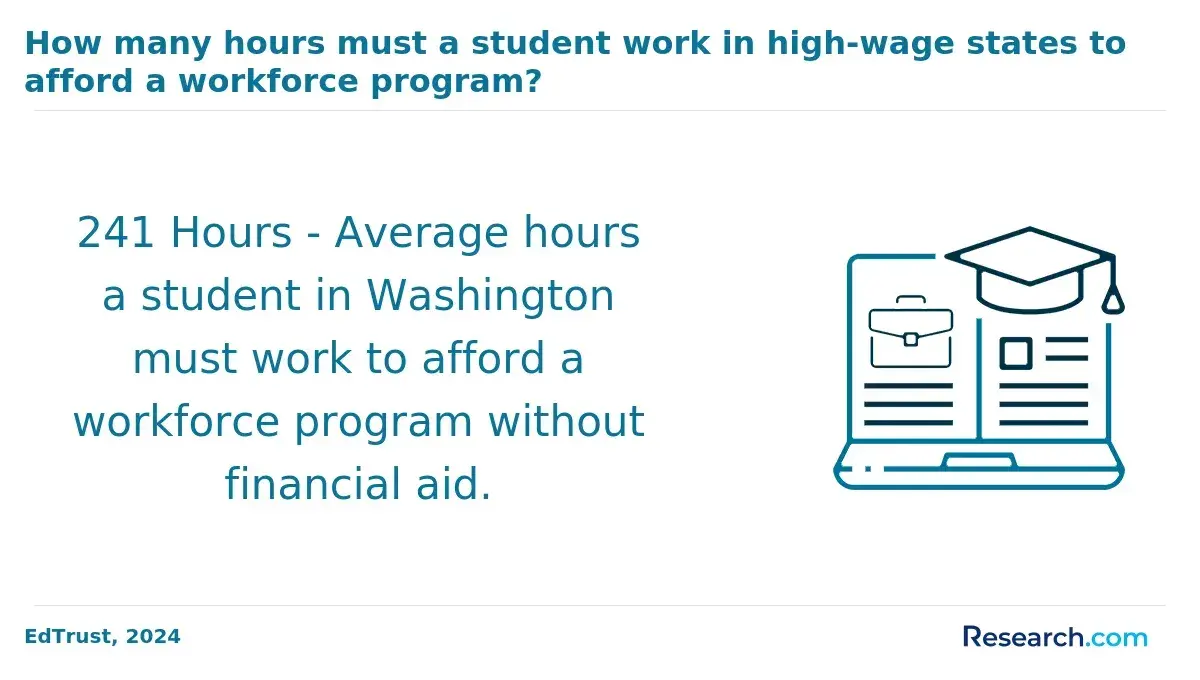
State-level variations in the cost of earning a health communication degree profoundly influence student decision-making, especially given how in-state tuition can range from around $6,500 to over $13,000 annually at public four-year institutions, according to 2024 IPEDS data. For instance, students from states like Massachusetts face substantially higher baseline tuition than those in Wyoming, and out-of-state tuition often more than doubles these rates, creating significant financial tradeoffs for those considering relocation or cross-state enrollment. These disparities are compounded by state funding policies that differentially subsidize resident students and by private institution pricing that tends to be consistently higher regardless of geography, which can push learners toward public options if cost containment is a priority.
Beyond tuition, living expenses and local economic conditions further affect the true financial burden of pursuing a degree, with coastal states typically imposing steeper overall costs than many Southern or Midwestern regions. This can incentivize students to weigh greater out-of-state tuition and relocation expenses against potentially lower living costs and job market opportunities post-graduation. Moreover, states without tuition reciprocity agreements add complexity to cost assessments, often requiring students to balance financial aid prospects, borrowing needs, and even online program availability to optimize their investment. Understanding these factors is crucial for planning realistic pathways that align educational access with long-term career affordability in health communication fields centered in varying urban and regional hubs.
Why Does Health Communication Affordability Vary So Much Between States?
Variations in the cost of earning a health communication degree across states largely stem from divergent state funding priorities and institutional pricing strategies. States that maintain robust public investment in higher education tend to shield students from steep tuition increases, offering more affordable access for residents. Contrastingly, regions where public budgets have contracted often shift the financial burden onto tuition revenue, disproportionately affecting out-of-state and private institution enrollees. For example, in some states, the tuition gap between in-state and out-of-state students can exceed 100%, a disparity that significantly influences enrollment decisions and favors local candidates.
Another key driver is the regional economic environment, especially the cost of living and local demand for programs. Institutions in high-expense urban or coastal areas face greater operational costs, from faculty salaries to campus facilities, which translate into higher tuition and fees. Additionally, the availability of financial aid and subsidies varies widely by state, shaping net tuition costs and long-term student debt burdens. These affordability dynamics compel many learners to weigh in-state, out-of-state, or online options carefully, often prioritizing institutions where scholarships or resident tuition subsidies mitigate sticker prices.
For students who must balance cost with program quality and career outcomes, understanding these state-specific variations in health communication degree cost differences by state is crucial. Budget-conscious learners may find value in exploring alternative pathways, including online offerings or interdisciplinary routes such as a doctorate in organizational leadership, which intersects with communication roles in healthcare settings. These strategic choices reflect real-world tradeoffs between educational investment, immediate affordability, and long-term employment prospects within regional healthcare networks.
How Do In-State and Out-of-State Tuition Rates Affect Health Communication Affordability?
Residency status plays a decisive role in the financial feasibility of pursuing a health communication degree, as in-state tuition rates often represent a significant cost advantage compared to out-of-state fees. According to 2024 figures from the National Center for Education Statistics, public universities charge in-state students about $10,500 annually, while out-of-state students face nearly double that amount, around $22,000. This disparity can heavily impact overall educational debt and may influence a student's choice to either establish residency before matriculation, participate in regional tuition reciprocity programs, or explore online options that sometimes extend in-state pricing regardless of location. The interaction between state funding policies and financial aid availability further complicates how these tuition rates translate into net costs, making careful residency planning a critical yet often overlooked dimension of health communication degree affordability.
Students weighing programs across state lines must consider not only sticker price but also how policies like the Western Undergraduate Exchange or similar regional agreements might reduce out-of-state cost burdens. For example, a student from a participating state might apply for a 15-50% tuition discount, which meaningfully narrows the gap but still demands a calculated tradeoff involving relocation versus staying local. Private institutions, meanwhile, generally do not differentiate tuition by residency, often resulting in a different cost-benefit assessment altogether, especially when factoring in scholarships or aid. Online programs add another layer, sometimes offering residency-neutral tuition at public schools, yet total expenses still hinge on additional fees and materials, underscoring the necessity of a comprehensive cost evaluation beyond headline tuition figures.
One recent health communication student shared how moving out of state for school led to unexpected financial strain. Although confident the program's quality justified paying higher out-of-state tuition, the additional costs of establishing residency and managing living expenses exceeded initial expectations. The student expressed frustration over unclear residency reclassification requirements and limited support navigating reciprocity options, which complicated budgeting and prolonged reliance on loans. This experience highlighted the real-world complexity behind tuition figures and the importance of proactive research on residency criteria when planning for degree affordability in health communication.
How Does the Cost of Living Impact Overall Health Communication Affordability by State?
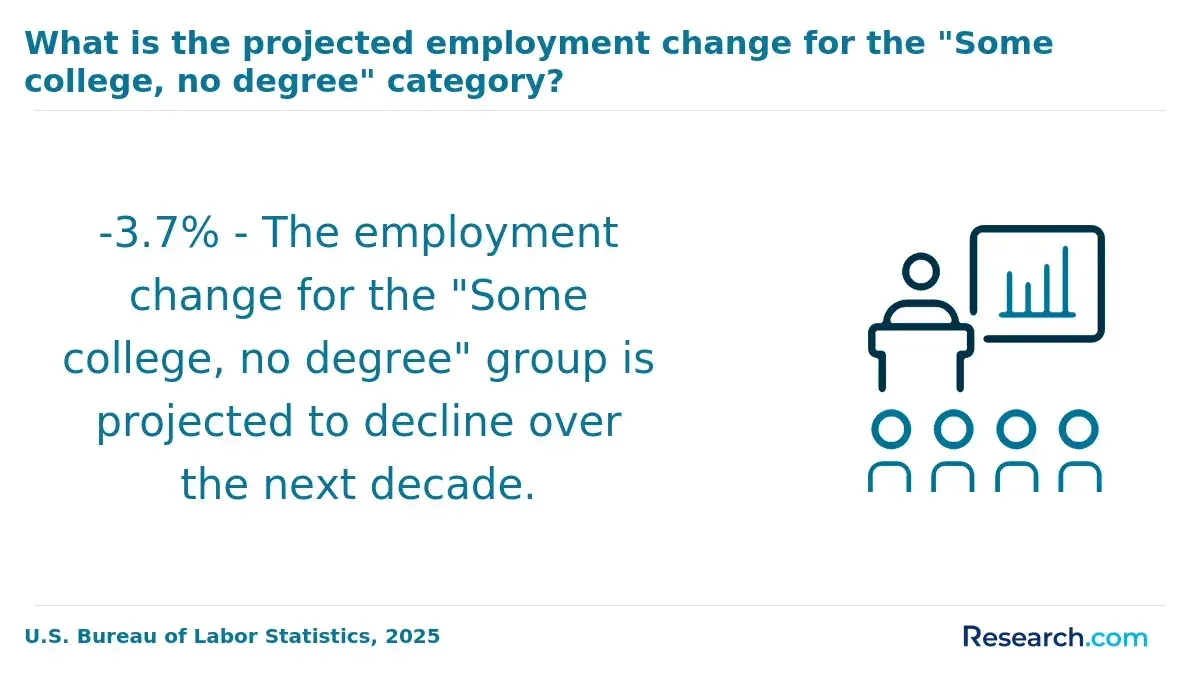
Cost-of-living differences significantly alter the financial reality behind pursuing a health communication degree across states, often overshadowing tuition rate comparisons. For instance, students in California or New York face monthly housing costs two to three times higher than peers in Midwestern states, forcing many to allocate a much larger share of their budget to rent alone. This reallocation often reduces funds for essentials such as academic materials or healthcare, prolongs degree completion as students take on more work, or prompts consideration of online alternatives to reduce commuting and housing burdens. These dynamics make regional living expenses impact on health communication education costs a critical factor in evaluating where to study.
Transportation, food, and healthcare costs also vary widely, adding layers of complexity to affordability. States with sprawling metros but limited public transit, such as Texas or Florida, impose additional travel expenses on students using personal vehicles, while those in well-connected regions might reduce these costs. Healthcare premiums and medical fees further influence budgets - Alaska and Hawaii, for example, show higher insurance expenses that can strain students already balancing tight finances. Such tradeoffs affect financial aid strategies and student debt exposure, and highlight the importance of factoring in local economic conditions alongside tuition when assessing program value. Learners comparing options may also explore programs like a UX degree for insights into cost management and online flexibility.
Which States Offer the Best Value for a Health Communication Degree?
Evaluating where to pursue a health communication degree requires balancing tuition costs with factors such as in-state residency benefits, financial aid availability, and the likelihood of timely degree completion. For instance, states like North Carolina offer in-state tuition rates notably below the national average alongside competitive graduation rates near 60%, which can reduce overall student debt while keeping educational timelines efficient. Conversely, states with higher sticker prices and living costs, such as California and Massachusetts, may yield stronger post-graduation employment opportunities but impose greater upfront financial burdens that can affect loan dependence unless offset by substantial aid.
Public funding structures also influence value by impacting resident tuition discounts and program diversity, as seen in Texas, where a broad state university system fosters more options and competitive pricing. Prospective students should also consider regional demand for health communication professionals; the Bureau of Labor Statistics projects faster-than-average job growth in states with robust healthcare sectors like Florida, which can improve return on investment despite moderate tuition and living expenses. Ultimately, the cheapest tuition options do not always translate into the best financial outcome, as lower retention rates or limited local employment prospects can increase costs indirectly through extended study time or relocation needs.
Decisions around enrollment thus depend on carefully weighing public institution policies, total cost of attendance including housing, and regional labor market health. Students who qualify for in-state status or online study alternatives may find substantial savings, whereas those facing high living expenses or limited financial aid must anticipate the long-term impact on debt and career trajectory. Considering these multidimensional tradeoffs in financial and professional terms provides a pragmatic framework for selecting a state that aligns with both budget limitations and workforce aspirations.
What Financial Aid and Scholarship Opportunities Can Reduce Health Communication Costs?
Financial aid and scholarships shape the real affordability of a health communication degree far beyond sticker price, with federal programs such as the Pell Grant playing a pivotal role in reducing dependence on student loans for low-income, full-time undergraduates. According to the National Center for Education Statistics 2024 report, nearly 85% of undergraduates benefit from some form of financial assistance, highlighting not just availability but the practical necessity of integrating aid into educational planning. However, aid eligibility often hinges on household income, enrollment intensity, and timely reapplication, making it vital for students to strategize how grants and scholarships stack with institutional awards without inadvertently losing eligibility through over-awarding or shifting between part- and full-time status.
State-based funding and reciprocity agreements present significant disparities in cost relief, notably among states like New York, California, and Texas that offer competitive merit- and need-based aid programs linked to in-state tuition reductions. Students residing outside these states or attending institutions without robust endowments face higher out-of-pocket costs and fewer scholarship opportunities, forcing many to rely on employer-sponsored education benefits, which reward skillsets aligned with healthcare communication demands but vary widely by employer and region. For those balancing work and study, workforce development grants may partially subsidize tuition but come with layered eligibility requirements tied to local economic priorities, underscoring how geographic and institutional choices intertwine to create complex tradeoffs that influence long-term debt burden and career flexibility within the health communication field.
Are Online Health Communication Degree Programs More Affordable Than On-Campus Options?
Online health communication degree affordability in the United States varies widely based on state residency policies, tuition structures, and unique costs tied to digital learning. While fully online programs often reduce expenses related to housing and campus fees by 15% to 25%, these savings can be eclipsed by out-of-state tuition surcharges or technology fees. For example, a student living outside a public university's state may face higher tuition remotely than in-person students, narrowing the cost advantage of online education. These complexities mean prospective students need to analyze the total cost of attendance-including ancillary expenses and potential financial aid limitations-rather than assuming online automatically offers a cheaper path.
The cost comparison of online versus on-campus health communication programs by state reveals notable disparities. States with high living and tuition costs, such as California and Massachusetts, tend to provide more tangible savings to online students, especially when in-state tuition rates apply. Conversely, in states with lower on-campus expenses or strong resident support, the affordability gap shrinks. Students balancing work and study might also weigh the flexibility of online courses, which can help maintain income streams and offset opportunity costs. However, access to institutional scholarships and work-study is often reduced for remote learners, complicating affordability calculations.
Beyond cost, employer perceptions influence the long-term value of online health communication degrees. Despite growing acceptance of accredited online credentials, certain sectors may favor candidates with on-campus experience, affecting employability. Budget-conscious learners should therefore consider not only tuition but also program reputation and market demand. Those evaluating programs should explore diverse options, including specialized fields such as the environmental engineering degree pathway, which may offer unique cost or career benefits aligned with their goals.
Is a Health Communication Degree Worth the Cost Based on Career Outcomes and ROI?
Affordability disparities across states critically shape the value proposition of a health communication degree, as tuition ranges from under $6,000 annually in places like New Mexico to over $15,000 in Pennsylvania, directly impacting student debt levels. Graduates from high-cost states often face a 25% heavier debt burden that is not immediately offset by median starting salaries, which hover around $45,000 nationally according to Georgetown University's 2024 data. This situation requires careful consideration beyond tuition alone, including opportunity costs, geographic mobility, and program quality. For example, a student choosing a lower-cost program might avoid excessive debt but may need to weigh that against potential limitations in access to advanced degree opportunities or metropolitan job markets where career advancement is faster.
The employment outlook for health communication graduates shows moderate growth aligned with average occupational trends, yet ROI can vary depending on sector and local healthcare infrastructure. A graduate working in a large metro area or a prestigious healthcare organization is more likely to see accelerated income growth compared to peers in rural or less-resourced regions. Completion rates also matter significantly; incomplete degrees often translate into poorer financial outcomes, which complicates the cost versus career outcomes for health communication graduates by state. Students aiming to maximize value should weigh these variables carefully, considering also the long-term benefits of pursuing graduate studies when feasible.
Budget-conscious students seeking alternatives should explore resources such as a budget friendly online general studies degree as part of broader planning. Ultimately, evaluating a health communication degree return on investment in the United States entails a nuanced analysis of state-level costs, completion likelihood, job market realities, and individual career goals rather than relying on surface-level tuition comparisons or immediate salary expectations.
References
- All Master's in Health Communication Programs (2025 Update) https://www.mastersincommunications.com/specializations/health-communication
- The High Cost of Health Care for Working Families – CEPR https://cepr.net/publications/high-cost-of-living-what-working-families-pay-for-health-care/
- Online vs Hybrid vs Campus Learning in Healthcare: Which Is Right for You? https://www.edumed.org/articles/online-vs-hybrid-vs-campus/
- Americans’ Challenges with Health Care Costs | KFF https://www.kff.org/health-costs/americans-challenges-with-health-care-costs/
- Health Communication https://odphp.health.gov/healthypeople/objectives-and-data/browse-objectives/health-communication
- 4 Ways High Costs of Living Can Increase Health Issues https://www.chenmed.com/blog/how-high-costs-living-can-increase-health-issues
- Six Ways to Reduce the Cost of a Healthcare Education https://blog.methodistcollege.edu/six-ways-to-reduce-the-cost-of-a-healthcare-education
- Public Health Communication: A Bridge to a Healthy Future – ACCESS Health International https://accessh.org/opinions/public-health-communication-a-bridge-to-a-healthy-future/
- To Transparency and Beyond: Snapshots of States Using Cost Growth Targets to Improve Health Care Affordability | Milbank Memorial Fund https://www.milbank.org/publications/to-transparency-and-beyond-snapshots-of-states-using-cost-growth-targets-to-improve-health-care-affordability/
- Scholarships and Financial Aid for Healthcare Students: How to Fund Your Education https://explorehealthcareers.org/resources/scholarship-financial-aid/
Other Things You Should Know About Health Communication
Lower tuition does not always translate into better ROI if a state's job market for health communication graduates is weak. Students should consider where potential employers actively seek graduates, especially in public health agencies, healthcare providers, and nonprofit sectors. States with moderate costs but strong employment pipelines may offer more practical career benefits than the cheapest programs in locations with limited industry demand. Prioritizing states with robust local hiring networks can improve job placement and salary prospects post-graduation.
Affordability often comes with tradeoffs in program intensity or teaching formats. In some states, lower tuition programs may rely heavily on part-time enrollment or require extended study periods, increasing indirect costs like lost income. Others may offer accelerated or cohort-based models that demand higher weekly commitments but reduce overall time to degree. Students should weigh these factors carefully, as a seemingly affordable tuition could coincide with workload or scheduling challenges that impact their ability to balance study, work, and personal responsibilities.
While in-state tuition is typically more budget-friendly, students must critically evaluate the long-term benefits of program quality and connections. Out-of-state programs with better faculty expertise, internships, or industry ties might provide greater career advancement despite higher upfront costs. If a student can secure financial aid or has planned for these expenses, choosing a stronger out-of-state program could outweigh tuition savings. However, budget-conscious students with limited flexibility often benefit most by leveraging in-state opportunities aligned with local employer demands to minimize debt burden.
States with larger public health systems and investment in healthcare communication tend to support richer practical learning opportunities like internships, practicum placements, and research projects. These experiences ease the transition into employment but may be scarcer in states with less developed health infrastructures, regardless of program cost. Students should consider that affordable tuition states without robust health ecosystems might require more networking and relocation efforts post-degree to find suitable roles. Aligning program choice with state healthcare dynamics can thus improve educational value beyond simple price comparisons.