2027 Health Communication Job Market Report: Open Roles, Salary Bands, and Hiring Momentum

Co-Founder and Chief Data Scientist
The landscape of health communication employment is shaped by shifting regulatory demands, technological integration, and evolving organizational priorities rather than simple labor shortages or demand surges. Open roles, salary bands, and hiring momentum serve as markers of these broader transformations, revealing where expertise in digital health tools, data literacy, and strategic messaging is increasingly critical.
Employer investment cycles and credential expectations influence hiring patterns, often reflecting a recalibration of skills toward interdisciplinary competencies. Geographic concentration and workforce demographics further modulate access and compensation disparities. Understanding these dynamics clarifies why salary trends and job availability in health communication diverge from other sectors, highlighting nuanced workforce challenges.
This article examines open roles, salary ranges, and hiring activity within health communication to interpret what these trends disclose about employer needs, labor constraints, and the profession's trajectory. The age distribution of students entering the field suggests a growing emphasis on accessible, career-flexible education paths, which may signal future shifts in workforce composition and professional evolution.
Key Things to Know About Health Communication Job Market
- Open roles skew toward specialized communication skills in digital health platforms, signaling a tradeoff: broad education risks less hireability without targeted tech proficiency.
- Salary growth plateaus beyond mid-career, reflecting employer preference for hybrid expertise combining communication and public health, which shapes longer-term earning potential.
- Hiring momentum in 2024 favors candidates with prior sector experience, limiting entry-level access and affecting the timing and cost-benefit analysis of advanced credentialing pathways.
- Key Things to Know About Health Communication Job Market Key Things to Know About Health Communication Job Market
- How Strong Is Demand for Health Communication Graduates in Today's Job Market? Demand for Graduates
- Which Health Communication Careers Have the Most Open Job Opportunities? In-Demand Careers
- What Salary Bands Are Employers Offering Across Health Communication Careers? Offered Salary Bands
- Which Industries Are Hiring the Most Health Communication Graduates? Top-Hiring Industries
- How Does Hiring Demand Vary by State, Region, and City? Hiring Demand by Location
- What Skills Are Employers Prioritizing in Health Communication Job Postings? In-Demand Skills
- Which Certifications Increase Employability and Salary Potential? High-Value Certifications
- How Do Remote and Hybrid Opportunities Affect the Health Communication Job Market? How Do Remote and Hybrid Opportunities Affect the Health Communication Job Market?
- Which Health Communication Careers Show the Strongest Long-Term Hiring Momentum? Strongest Careers
- How Can Students Use Job Market Data to Make Better Career Decisions? How Can Students Use Job Market Data to Make Better Career Decisions?
How Strong Is Demand for Health Communication Graduates in Today's Job Market?
Recent labor market analyses, including data from the U.S. Bureau of Labor Statistics and LinkedIn Workforce Insights for 2024, suggest that demand for health communication graduates remains stable but specialized within certain sectors. Positions linked to health communication-such as health educators and public relations roles in healthcare-are expected to grow moderately above average through 2032, reflecting steady hiring momentum especially in public health agencies and nonprofits.
The 2024 health communication graduate job market outlook in the US shows increased job postings emphasizing interdisciplinary skills, although entry-level openings often require demonstrated practical experience or internships, making initial access somewhat competitive for purely academic candidates.
Driving this demand are factors such as rapid technological advances in health data analytics, expanding digital health media, and the increasing complexity of healthcare messaging across diverse populations.
Employers favor candidates who combine communication expertise with knowledge in healthcare systems, policy, or informatics, responding to ongoing skills shortages that blend domain fluency with communication agility. Regional labor markets also influence opportunities, as urban centers and government roles typically offer higher salaries and more technical positions, while smaller nonprofits may face budget constraints limiting wage growth despite meaningful work.
Understanding these dynamics, students and early-career professionals need to assess how evolving employer expectations shape long-term job stability and role diversification within health communication. Graduates who integrate multidisciplinary skills and real-world experience position themselves better against shifting economic and technological trends.
Awareness of these nuances is essential, as the pathway to meaningful employment often involves more than a degree alone; for those considering supplemental credentials, exploring options such as cheap online MBA programs may further enhance adaptability and market value in this complex labor environment.
Which Health Communication Careers Have the Most Open Job Opportunities?
Job opportunity distribution within health communication careers reflects broader labor market shifts driven by industry expansion, persistent skills shortages, and evolving employer demands. Rather than isolated openings, these roles align with the intensifying need for professionals who can integrate health expertise with communication, technology, and regulatory awareness.
Geographic disparities in health communication job openings by region also reveal how local health priorities and institutional infrastructures shape hiring intensity. Moreover, the increasing reliance on digital platforms and data analytics creates differentiated demand profiles across various sectors.
- Health Educators: A core driver of job openings, health educators are essential in public health agencies, non-profits, and clinical settings focused on community wellness and chronic disease prevention. The U.S. Bureau of Labor Statistics projects 16% employment growth for this role over the next decade, spurred by heightened public health awareness and expanded government initiatives. Employers prioritize candidates with skills in program design, health literacy, and outcome evaluation.
- Public Health Communicators: These professionals translate complex health data and policies into accessible messaging, supporting government health departments and large healthcare organizations. Their demand grows with the need for effective internal and external communication amid regulatory complexities and crisis management scenarios. Expertise in media relations and evidence-based messaging are key factors for hiring.
- Digital Health Marketing Specialists: Rapid expansion in telehealth and virtual patient engagement propels demand for digital marketing professionals who can execute targeted social media campaigns and produce actionable digital content. A 20% year-over-year increase in available positions reflects this sector's pivot toward data-driven, patient-centered communication strategies. Proficiency in analytics platforms and content management systems is frequently sought.
- Corporate Health Communication Managers: Increasingly important within pharmaceutical firms and large healthcare enterprises, these roles manage multifaceted messaging aimed at both internal and external stakeholders. The growing complexity of regulatory requirements and heightened crisis communication needs make this a steady-demand career, requiring strategic thinking, compliance knowledge, and strong stakeholder engagement skills.
- Community Health Workers with Communication Expertise: Often employed by non-profits and health departments, these workers combine frontline patient interaction with communication tasks that promote health literacy and behavioral change. The surge in chronic disease management programs intensifies hiring, emphasizing interpersonal skills and cultural competence alongside health education.
- Health Communication Data Analysts: An emerging niche, analysts specializing in health communication data are increasingly valued for interpreting campaign effectiveness and guiding strategic decisions. Employers across sectors seek professionals skilled in data visualization, statistics, and health outcomes measurement to support evidence-based communication efforts.
- Health Policy Communication Advisors: Bridging health communication and policy, these specialists assist in disseminating policy changes and public health guidance, particularly within government or advocacy organizations. Competencies in stakeholder engagement, policy analysis, and multilayered messaging align with rising demand as public health regulations evolve.
The distribution of health communication job openings by region further reflects how localized public health challenges, governmental funding priorities, and healthcare infrastructure impact the availability of roles across these career paths. Early-career professionals seeking to maximize employability should consider geographic trends alongside acquiring interdisciplinary competencies that span health literacy, digital tools, and strategic communication.
For individuals evaluating educational routes to enter this labor market, attention to program accessibility can be critical. Those exploring relevant graduate credentials might investigate MSW programs with high acceptance rate that offer flexible pathways while emphasizing applied skills relevant to health communication careers.
What Salary Bands Are Employers Offering Across Health Communication Careers?
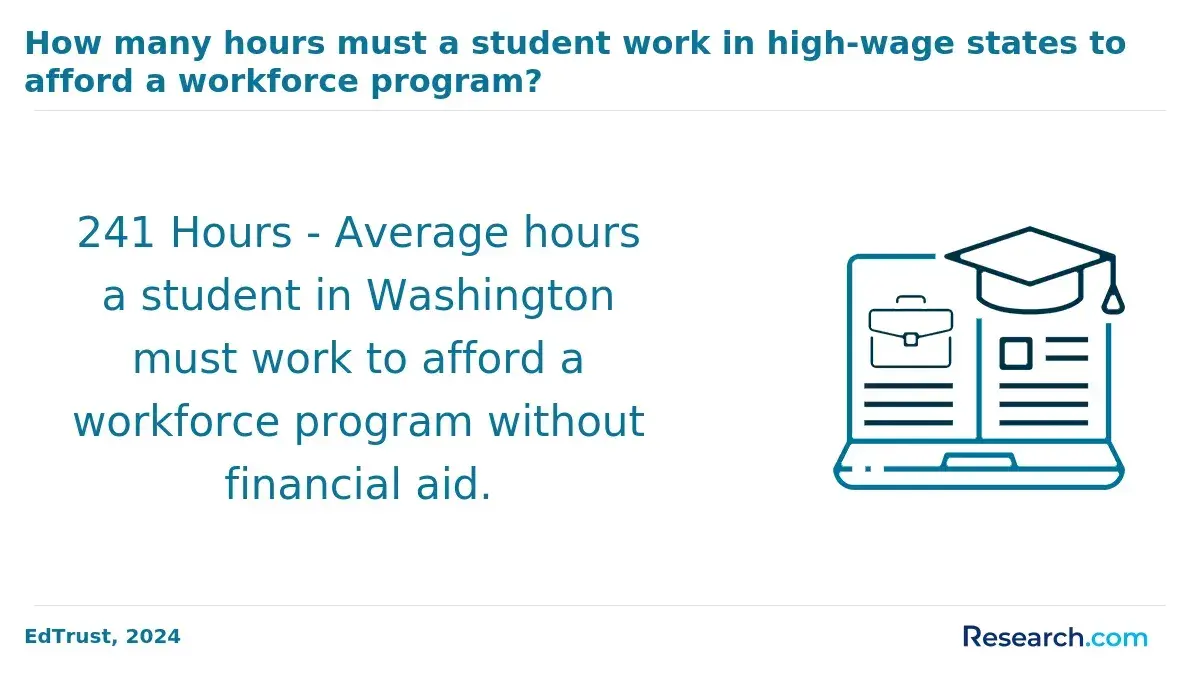
Salary ranges within health communication careers vary notably by role and experience level, as illustrated by 2024 data from the U.S. Bureau of Labor Statistics and LinkedIn Salary Insights. Entry-level positions such as coordinators or assistants typically start between $45,000 and $60,000 annually, emphasizing foundational skills in medical writing and outreach.
Mid-level roles, including specialists and communication managers, command $65,000 to $85,000, reflecting added responsibilities in campaign management and stakeholder engagement.
Senior professionals-directors, strategists, and consultants-earn between $90,000 and $150,000, with compensation closely tied to leadership experience and advanced degrees in public health or related fields. These progression patterns underscore how increasing expertise and managerial demands widen salary bands in this field.
The variability in health communication salaries is driven by multiple factors beyond experience, including specialization intensity, sector differences, and geographic location. Organizations in metropolitan areas or private sectors tend to offer higher compensation to attract candidates with niche skills like social media analytics or crisis communication, while smaller nonprofits or public institutions may pay less but offer different growth opportunities.
Company size and the complexity of communication initiatives also influence pay, as larger organizations require professionals who manage interdisciplinary teams and lead policy messaging under pressure. Moreover, scarcity of candidates combining public health knowledge with advanced communication technologies creates premiums within wage distributions, differentiating specialists with multifaceted expertise from generalists.
A recent graduate of a health communication master's program shared how the uncertainty of rolling admissions affected their decision timeline. They initially hesitated to commit due to delayed interview scheduling, which was compounded by competing offers from part-time roles.
When a final admission decision arrived late in the cycle, they had to swiftly weigh the long-term benefits of graduate credentials against immediate employment needs. This experience highlighted how the timing and transparency of admissions processes can directly impact candidates' strategic planning and career entry choices in this competitive field.
Which Industries Are Hiring the Most Health Communication Graduates?
Demand for health communication graduates is concentrated in sectors experiencing significant technological innovation, workforce growth, or acute skill shortages. These industries rely heavily on professionals who can translate complex health information for diverse audiences amid shifting public health priorities and digital transformation. Hiring trends signal an increasing need for expertise in health literacy, crisis messaging, and data-informed communication strategies.
- Healthcare and Hospitals: As the largest employer group for health communication graduates, healthcare providers are expanding teams to meet growing patient engagement needs and regulatory communication demands. The rise of telehealth and patient-centered care models heightens the need for clear, accessible messaging and digital literacy. Employers prioritize candidates skilled in developing educational content and managing communications during emergencies, matching a 12% growth in hiring documented by the U.S. Bureau of Labor Statistics in 2024.
- Public Health Agencies: Government public health organizations have accelerated recruitment to address misinformation and enhance vaccination and prevention campaigns. This sector values graduates adept in culturally sensitive communication and community outreach, reflecting a 15% increase in demand driven by pandemic response and ongoing health equity efforts. Familiarity with data analytics and social media monitoring is often essential for these roles.
- Pharmaceutical and Biotech Companies: With complex scientific information requiring translation for regulatory bodies, patients, and providers, pharma and biotech firms seek health communication specialists who can bridge technical content and public understanding. A 10% rise in job openings aligns with the industry's need for professionals capable of strategic messaging across multiple channels, including digital and stakeholder communications.
How Does Hiring Demand Vary by State, Region, and City?
Demand for health communication roles shows marked variation across states and regions, a reflection of differences in healthcare infrastructure, public health funding, and population demographics. According to 2024 labor market data from the U.S. Bureau of Labor Statistics and regional workforce analytics, states such as California, New York, and Texas demonstrate robust hiring momentum driven by large hospital systems, dense pharmaceutical activity, and expansive public health initiatives.
The dynamics underpinning health communication job demand by state and region reveal how economic structures and institutional concentration dictate where opportunities cluster, with the Northeast and West Coast generally commanding higher volumes of openings and salary bands.
Conversely, the Midwest and Southern regions tend to pace more moderately, often linked to smaller public health budgets and fewer major healthcare employers, indicating that a statewide labor pool's depth and industry clustering shape entry points and advancement potential for graduates.
On the city level, metropolitan hubs like Boston, San Francisco, and Washington, D.C. stand out for their intensity of health communication hiring, buoyed by the presence of federal agencies, research institutions, and well-funded healthcare nonprofits. These urban centers benefit from sophisticated talent pipelines and organizational density that elevate salary scales and employer competition, though higher living costs modify real earnings.
Smaller cities and suburban areas might offer fewer roles but can compensate with lower cost-of-living expenses and opportunities within local hospitals or state health departments. Such localized market variation demonstrates how institutional ecosystems, healthcare clusters, and regional economy intricacies shape the practical realities of securing health communication positions.
For prospective students navigating these labor dynamics, weighing the tradeoffs between market saturation and cost considerations is crucial, and exploring specialized educational options like a best online finance degree can help diversify qualifications in a competitive field.
What Skills Are Employers Prioritizing in Health Communication Job Postings?
Employer demands in health communication roles are increasingly shaped by rapid technological advances, automation of routine tasks, and the sector's interdisciplinary challenges. The skillsets sought now reflect a move beyond traditional messaging toward capabilities that mesh digital proficiency, data analytics, and strategic outreach.
These priorities underscore a labor market where adaptability to evolving digital environments and data-driven decision-making directly affect job prospects and role effectiveness.
- Digital Content Creation and Social Media Strategy: As organizations rely heavily on digital channels to engage varied populations, expertise in developing, managing, and optimizing content across social media and online platforms is critical. This skill signals an ability to navigate multi-format communication tools, which employers value for driving measurable audience engagement in real time.
- Data Analysis and Interpretation: Employers expect health communication professionals to harness quantitative and qualitative data to tailor messages and evaluate impact. Proficiency with analytics software and integrating survey or focus group insights enhance evidence-based approaches, aligning with a broader trend of data-informed public health initiatives.
- Strong Technical Writing and Storytelling Skills: Despite technological shifts, the ability to craft precise, accessible, and compelling narratives remains foundational. Effective communication that bridges technical complexity and audience clarity is essential, particularly in contexts demanding trust and behavior change.
- Cultural Competence and Audience-Specific Messaging: Addressing health disparities requires nuanced understanding of diverse cultural contexts and stakeholders. Employers prioritize this to ensure communications resonate authentically and equitably, supporting public health goals in increasingly diverse populations.
- Project Management and Cross-Department Collaboration: Health communication roles often involve coordinating multidisciplinary teams and managing complex campaigns. Skills in organization and collaboration reflect the need for integrated strategies that align communication efforts with broader institutional objectives.
Nearly 68% of recent health communication job listings emphasize digital platform proficiency, highlighting the expanding role of technology in the profession. This shift signals a durable realignment of competencies wherein combining creativity with analytical rigor and strategic planning substantially improves candidate marketability and long-term role relevance.
Which Certifications Increase Employability and Salary Potential?
Certifications in the health communication field act as key indicators of specialized expertise, technical capability, and readiness to meet evolving industry demands. These credentials often complement formal education by validating skills that employers seek, particularly as roles increasingly integrate digital tools and data-driven approaches.
As employers prioritize candidates who can navigate complex healthcare environments, certifications help differentiate applicants by signaling both domain knowledge and practical proficiency in communication strategies relevant to health contexts.
- Certified Health Education Specialist (CHES): This credential remains central to the field by demonstrating foundational competencies in health promotion and education. Employers value CHES certification as it confirms a professional's ability to design and implement community-focused programs, which are crucial in achieving public health outcomes. Data from the Professional Association of Health Communicators shows that CHES holders typically earn about 8% more than their uncertified peers, especially in roles emphasizing outreach and engagement.
- Digital Health Communication Certifications: Specializations in content strategy and social media analytics tailored to healthcare platforms address a growing skills gap as organizations rely on digital engagement with patients and stakeholders. The National Institute for Digital Communication's 2024 survey found a 12% higher short-term job offer rate for professionals with these credentials, reflecting employers' increasing need for digital fluency in crafting impactful health messages.
- Healthcare Data Analytics Credentials: Certifications offered by entities like the Healthcare Information and Management Systems Society (HIMSS) equip communicators with the ability to interpret and apply health metrics in messaging strategies. This hybrid skill set bridges technical analysis and communication, positioning holders for roles that reward evidence-based outreach and contribute to higher salary bands due to the specialized knowledge involved.
One graduate shared how, during their application process for advanced certification programs, the rolling admissions timeline created uncertainty about when to submit supporting documents. They hesitated initially, weighing the time and financial investment against unclear salary gains described by advisors.
Ultimately, they expedited their application after consulting industry mentors, recognizing the competitive advantage certifications offered in a tight job market. This experience underscored how timing and strategic preparation can influence access to credentialing's tangible career benefits.
How Do Remote and Hybrid Opportunities Affect the Health Communication Job Market?
Remote and hybrid job models are reshaping hiring patterns within health communication roles by broadening employer access to diverse talent pools beyond traditional metro areas. According to recent workforce analytics, many employers now prioritize candidates with demonstrated digital collaboration proficiency, reflecting evolving expectations for virtual teamwork.
This shift aligns with trends in the remote work landscape where organizations emphasize adaptability to integrated communication technologies, often tied to telehealth and online patient education initiatives. These changes underscore a nuanced transformation rather than a simple increase in remote listings, illustrating how hybrid job opportunities for health communication professionals necessitate a blend of technical and interpersonal skills that mirror wider healthcare system demands.
The rise of remote work in health communication has led to more geographic flexibility that compresses regional salary disparities, as compensation increasingly depends on employer-specific policies rather than strict location-based scales. While this expands job availability, it also intensifies competition among candidates nationwide.
Employers now expect fluency in virtual content delivery and stakeholder engagement tools, reflecting a strategic shift towards digitally driven collaboration. For early-career professionals, capitalizing on these dynamics means enhancing virtual networking capabilities amid an evolving labor market structure.
Those navigating these trends might consider educational pathways responsive to remote work realities, especially in contexts such as exploring online colleges that accept felons, where flexibility and digital readiness are crucial for opportunity access and workforce integration.
Which Health Communication Careers Show the Strongest Long-Term Hiring Momentum?
Long-term hiring momentum in health communication careers results from structural shifts within healthcare and technology sectors rather than transient job market changes. This momentum reflects enduring economic and technological trends that continuously reshape workforce demand, emphasizing roles combining communication, data analysis, and digital engagement.
The U.S. Bureau of Labor Statistics projects a 12% growth in healthcare communication-related roles through 2032, underscoring sustained expansion driven by evolving public health priorities and digital transformation. Understanding which careers maintain this momentum requires analyzing the underlying industry forces sustaining demand over time.
- Health Communication Specialists remain pivotal as healthcare organizations prioritize clear, culturally competent messaging across diverse platforms. The persistent need for expertise in tailoring public health content reflects ongoing regulatory emphasis on both health literacy and equity, securing steady demand regardless of economic cycles.
- Digital Health Marketers benefit from health systems' increasing reliance on digital channels to engage patients and promote services. Technological advances coupled with the competitive healthcare marketplace create long-term stability for these roles, as professionals capable of integrating data analytics with creative communication are essential for outreach effectiveness.
- Healthcare Public Relations Managers sustain momentum due to the growing complexity of healthcare narratives amid crises, policy changes, and reputation management challenges. Their role intersects communication strategy with operational leadership, requiring nuanced skills that remain critical as healthcare entities navigate public scrutiny and stakeholder engagement.
- Telehealth Communication Coordinators experience growth propelled by the expansion of virtual care. As telehealth becomes embedded in routine healthcare delivery, specialists adept at managing patient education and digital interfaces ensure both user adoption and regulatory compliance, reinforcing high demand.
The momentum for these careers is strengthened by employers valuing multidisciplinary expertise, including behavioral science and technical fluency. Prospective candidates can expect that building proficiency in digital platforms and analytics tools will increasingly be prerequisites, alongside developing cultural competency to serve varied demographic groups effectively. Additionally, pursuing credentials or experience in public health significantly enhances employability in this field.
Given these trends in long-term hiring for health communication roles, candidates must evaluate educational pathways with an emphasis on practical skill acquisition and workforce relevance. Some programs offer pathways that accommodate credit transfers, such as MBA transfer credits, which can be strategically used to complement health communication expertise and improve leadership opportunities in healthcare settings.
How Can Students Use Job Market Data to Make Better Career Decisions?
Students can leverage recent labor reports, hiring platform analyses, and salary data from 2024 to gauge where demand and compensation align within health communication roles. These sources reveal which specialties-such as digital health communication or community outreach-are expanding, highlighting the need for skills in social media and health informatics.
Salary databases provide regional and sector variations, helping students anticipate financial viability and target certifications or degrees that improve employability. Monitoring employer hiring patterns clarifies which industry segments demonstrate sustainable growth, aiding students in prioritizing education paths that respond to real-world employer needs rather than transient job titles.
Interpreting this data requires balancing market signals with individual career goals, geographic preferences, and long-term stability considerations. Students should be cautious about overreacting to short-term hiring spikes or niche skill demands that may not persist, instead focusing on transferable skills and sectors with enduring growth.
Geographic differences in demand and pay further complicate decision-making, emphasizing the value of flexible skill sets adaptable to diverse environments. Integrating market data with personal interests and a realistic assessment of advancement opportunities enables more strategic and resilient career planning in health communication.
References
- Medical Communications & HEOR Jobs & Careers | OPEN Health https://www.openhealthgroup.com/join-us/careers/
- Future Skills Centre • Centre des Compétences futures https://fsc-ccf.ca/projects/hybrid-work-models/
- 5 current healthcare hiring trends you should know https://apreehealth.com/careers-blog/5-current-healthcare-hiring-trends-you-should-know/
- 6 experts explain the impact of remote and hybrid work on employee mental health - People Mobility Alliance https://people-mobility.org/6-experts-explain-the-impact-of-remote-and-hybrid-work-on-employee-mental-health/
- Navigating the Healthcare Job Market: Tips for Job Seekers | Prolink https://prolinkworks.com/perspectives/navigating-healthcare-job-market-tips-for-job-seekers
- What is Health Communication? Careers in Health Communication https://www.mastersincommunications.com/faqs/what-is-health-communication
- Health Care Drives Job Growth, Dominates Best Jobs List https://www.shrm.org/topics-tools/news/talent-acquisition/healthcare-drives-job-growth-best-jobs-list
- How to prepare for the job market https://blog.cuw.edu/prepared-for-the-job-market-2163-5/
- Healthcare Communications - Hanson Search https://www.hansonsearch.com/job-category/healthcare/
- Start your career in Healthcare Communications https://healthcomms.careers/
Other Things You Should Know About Health Communication
Employers in health communication increasingly seek candidates who can demonstrate both domain-specific knowledge and adaptable skills. Specializing in a niche like digital health campaigns or community outreach can differentiate you but may limit opportunities if market demand shifts.
Conversely, emphasizing versatile abilities such as data analysis, multimedia content creation, and cross-sector collaboration enhances employability across diverse roles. Early-career professionals should prioritize gaining a solid foundation in core communication strategies while pursuing specialized experiences aligned with sectors showing steady hiring momentum.
Salary ranges in health communication often reflect not just experience but the employer's organizational scale, geographic location, and role scope. Positions in large healthcare systems or government agencies may offer higher base salaries but also come with more bureaucratic constraints and less creative autonomy.
Smaller nonprofits may pay less but provide broader responsibilities and faster skill development. Candidates should weigh the tradeoff between immediate compensation and opportunities for professional growth when evaluating offers within overlapping salary bands.
Hiring momentum in health communication tends to correlate with public health funding cycles and emerging health crises, which create bursts of demand rather than steady growth. Recent graduates face a tradeoff: entering the market during peak periods may increase job access but also heighten competition and workload intensity.
Those timing their entry during slower phases might find fewer openings but less crowded applicant pools and time to build supplemental skills. Strategically aligning job search timing with sector trends and networking can improve employment outcomes.
Workload in health communication often depends on the employer's mission urgency, project timelines, and team size, which are not always transparent in job postings. Roles tied to crisis communication or policy advocacy frequently demand long hours and quick turnarounds, affecting work-life balance.
Conversely, academic or research-focused positions might offer more predictable schedules but require additional outputs like grant submissions or publications. Candidates should prioritize employers known for sustainable workload management when work-life balance is a key consideration for career longevity.