2027 Credit Requirements for a Respiratory Care Therapy Degree Explained

Co-Founder and Chief Data Scientist
Many students aiming for a respiratory care therapy degree struggle to understand the credit requirements essential for timely graduation. Approximately 70% of respiratory care programs require between 60 and 90 credits, yet variations in transfer policies and prerequisite courses often complicate students' academic planning. This confusion can delay degree completion, limiting entry into a growing job market where employment for respiratory therapists is projected to grow 23% through 2032.
This article clarifies credit prerequisites, transfer options, and course structuring to help students efficiently navigate respiratory care therapy programs and achieve career readiness without unnecessary setbacks.
Key Things to Know About Credit Requirements for Respiratory Care Therapy Degrees
- The total credit requirements typically determine program length, affecting students' time investment and preparedness for certification exams in respiratory care therapy.
- Transfer credits or prior learning assessments can shorten coursework, enabling faster progression and reduced educational expenses for qualified students.
- Credit structures influence academic pacing, impacting overall cost and graduation timelines, with flexible options benefiting workforce entry amid growing respiratory care demands.
How Many Credits Are Required for a Respiratory Care Therapy Degree?
Knowing the typical credit expectations for respiratory care therapy degrees is crucial for academic planning and managing the duration to graduate effectively. This helps students organize their schedules to meet program demands without unnecessary delays.
Below is an overview of credit requirements by degree level:
- Associate Degree: Usually requires approximately 60 to 70 credits. These credits often include general education courses, core major coursework in respiratory care, and some clinical or practicum hours for practical experience.
- Bachelor's Degree: Typically demands around 120 to 130 total credits needed for respiratory care program completion. About one-third of these are general education credits, with the remainder focusing on specialized respiratory care theory, clinical skills, and patient assessment.
- Master's Degree: Graduate programs generally require 30 to 45 credits beyond the bachelor's degree. These credits emphasize advanced study, leadership, and research, and sometimes include a thesis or capstone project to prepare students for higher levels of practice or administration.
Students exploring various pathways might also consider programs for related fields, like RN to BSN programs, to complement their respiratory care therapy studies.
How Many Core and Elective Credits Are Required for a Respiratory Care Therapy Degree?
Balancing core courses and electives is essential for effective academic planning and aligning education with career goals in respiratory care therapy programs. Recent trends show an increased focus on clinical practice within core course requirements to better prepare students for professional demands.
Below is a summary of typical credit distributions in respiratory care therapy degree programs:
- Core course credit requirements in respiratory care therapy: Core courses generally account for 60% to 75% of total credits, typically ranging from 40 to 60 credits. These courses cover fundamental subjects such as anatomy, physiology, respiratory pathophysiology, patient assessment, and clinical respiratory care techniques, providing essential knowledge and hands-on skills that form the foundation for professional competence.
- Elective credits in respiratory care degree programs: Electives usually comprise 15% to 30% of total credits, often between 10 to 20 credits. They include topics like advanced pharmacology, medical ethics, healthcare management, or specialized respiratory care areas, offering students personalized pathways to broaden their expertise and enhance career readiness.
For those exploring related healthcare fields or complementary studies, resources about medical billing and coding online schools financial aid may offer useful guidance on financial support options.
Do Online Respiratory Care Therapy Programs Require the Same Number of Credits?
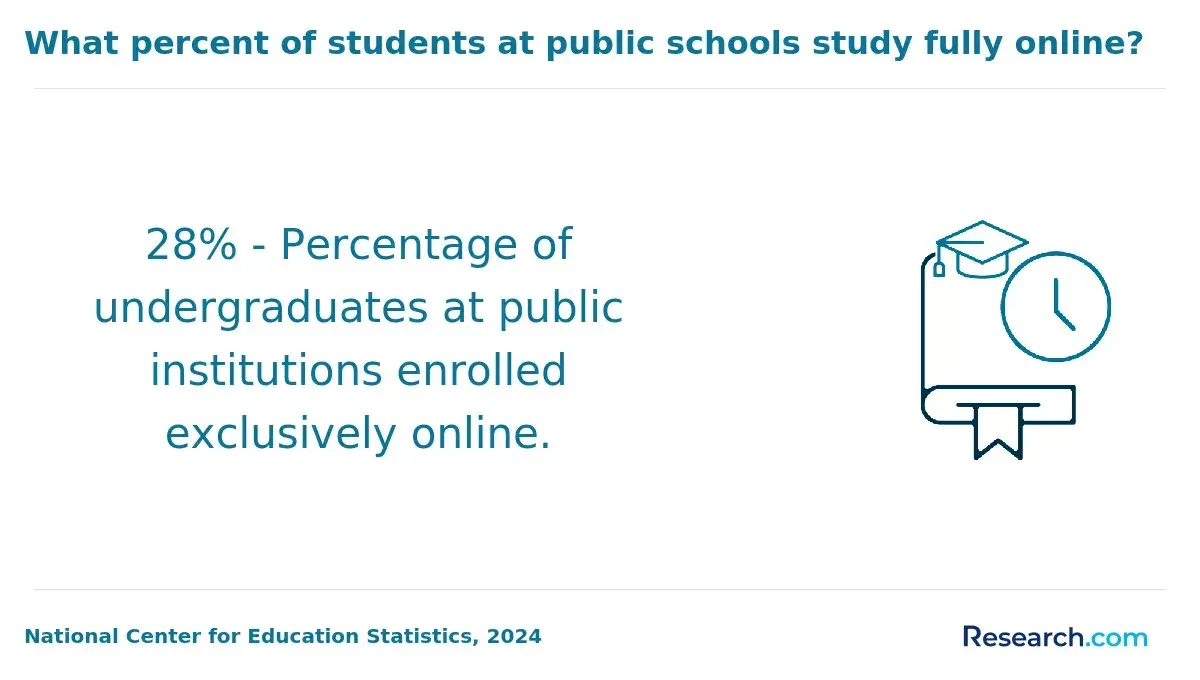
Knowing how credit requirements compare between online and on-campus respiratory care therapy programs helps students plan effectively and makes it easier to evaluate which format suits their goals. Over the past five years, enrollment in online respiratory care programs has risen by more than 25%, underscoring the growing appeal of flexible education.
The key factors to consider include:
- Credit hour consistency: Most online respiratory care therapy programs require between 60 and 90 credit hours, matching the standards of traditional on-campus degrees to maintain eligibility for professional certification and licensure.
- Course design differences: Online programs often incorporate multimedia tools and virtual simulations for clinical training, which contrasts with the hands-on experiences typical on campus but still fulfills educational standards.
- Flexible pacing: Many online courses offer self-paced or asynchronous options, allowing students to balance studies with work or personal obligations while staying on track for timely graduation.
- Alignment with career readiness: Credit requirements and course sequencing in both formats are structured to prepare students for licensure exams and entry into the respiratory care workforce without compromising educational quality.
When I spoke with a graduate of an online respiratory care therapy program, he explained that despite initial doubts, the credit load was effectively the same as on-campus programs. He appreciated how the online format let him fulfill all requirements while managing a full-time job and family responsibilities.
"The flexibility didn't mean less work," he said, "but it made balancing life and school possible." His experience confirmed that online programs can meet rigorous credit standards while offering important scheduling advantages.
Knowing the credit requirements in accelerated respiratory care therapy programs is crucial for students seeking a faster route to graduation without compromising essential skills. This helps with effective academic planning and managing the intensive study load these programs demand.
Below are key points about credit expectations and program structure in accelerated respiratory care therapy:
- Typical Credit Ranges: Accelerated undergraduate programs commonly require between 50 and 70 credit hours, emphasizing clinical practice and core science courses. Graduate or professional programs tend to have a narrower range, generally requiring 30 to 50 credits depending on prior education and specific program formats.
- Core Courses vs. Electives: Most credits focus on vital respiratory care subjects like physiology, pharmacology, and patient management. These programs allot fewer elective credits compared to traditional formats to ensure students gain skills necessary for direct clinical application.
- Impact of Accelerated Pacing: The condensed schedules mean students face heavier weekly workloads and minimal downtime between terms. While demanding, this structure enables quicker transition into the respiratory care workforce compared to conventional program timelines.
Grasping transfer credit policies is vital for students aiming to advance or expedite their respiratory care therapy education. Nearly 40% of students in these programs transfer credits. Here's an overview of how transfer credits are generally handled across degree levels:
- Associate degree programs: Typically accept 30-50% of previous accredited coursework, focusing mainly on general education and prerequisite subjects that lay the foundation for respiratory care studies.
- Bachelor's degree programs: Often allow up to 75% transfer credits, including general education, electives, and in some cases, lower-division respiratory care classes, providing greater flexibility.
- Master's and professional degrees: Usually impose stricter limits, accepting between 15 and 30 credits. These are mostly reserved for foundational graduate courses related to respiratory care or health sciences.
- Doctoral and accelerated programs: Rarely allow transfer credits due to their advanced, specialized, and research-intensive curriculums, which require original coursework at the awarding institution.
- Core coursework transfer: Credits for core respiratory care therapy courses are generally not transferable and must be completed at the enrolling institution to ensure consistent competency standards.
- Electives and general education: These categories are the most common areas where transfer credits apply, helping students fulfill graduation requirements faster while focusing on specialized respiratory care training onsite.
When I asked a respiratory care therapy program graduate about her experience with transfer credits, she shared how navigating credit approval was both daunting and rewarding.
"I was anxious because I had credits from unrelated fields, unsure if they'd count toward my degree. The school's transfer evaluation process took time, but the advisors were thorough and supportive," she explained.
Ultimately, transferring general education credits allowed her to concentrate fully on respiratory care courses, saving time and tuition costs. Her journey highlights the value of early planning and proactive communication with program advisors to effectively manage transfer credits.
Prior learning assessment (PLA) allows students to earn academic credit for knowledge and skills gained through professional work experience, certifications, or military service outside the traditional classroom. Typically, work experience directly related to respiratory care therapy qualifies, helping reduce required coursework and potentially shortening the time to degree completion.
Below are the common types of necessary work experience:
- Respiratory Therapist Assistant Roles: Universities often require documented verification, such as job descriptions and employer letters, to confirm duties align with course competencies. These assessments can include portfolio reviews or competency tests to ensure academic rigor.
- Pulmonary Function Technician Experience: Credit awarded through this pathway is usually capped, limiting the total PLA credits to maintain adequate classroom and clinical learning.
- Hands-on Clinical Positions: Practical experience in clinical settings can accelerate progress and reduce tuition costs but may still require foundational coursework to meet academic standards.
Individuals interested in efficient academic pathways may also explore programs recognized as easy nursing schools to get into, which often have flexible transfer credit policies for those who want to pivot to nursing.
Licensure impact on respiratory care credits is a critical factor influencing the total credit hour requirements for completing a respiratory care therapy degree. Most states mandate specific coursework and supervised clinical hours to meet professional certification standards, which licensing boards strictly enforce.
Accreditation agencies align curricula with these licensure standards to help ensure programs provide the necessary theoretical and practical training. This alignment means that degree programs must incorporate required clinical experiences as credit-bearing courses, which can extend the time-to-degree and increase tuition costs.
Differences in clinical hour mandates and course content by state or licensing board contribute to variability in credit hour requirements for respiratory therapy licensure.
Programs offered online often combine virtual simulations with in-person clinical rotations to satisfy licensure prerequisites, but students should be mindful of state-specific regulations when selecting a program. Those intending to transfer credits must consider how these licensure-based requirements affect course acceptance and degree progress.
Aligning credits with licensure enhances readiness for certification exams and professional practice but also introduces challenges in academic planning and transferability.
Prospective students seeking health-related degrees might also explore options such as an online healthcare administration degree to complement their training in broader healthcare management contexts.
A credit hour represents one hour of lecture or direct faculty instruction per week over a typical 15-week semester. Understanding credit calculations is essential for students planning a respiratory care therapy degree, as it impacts course load, degree timeline, and efficient academic planning.
Here are some key facts:
- Lecture Courses: These earn credit hours based on weekly in-class time, usually one credit per hour of lecture each week. A three-credit lecture course typically meets three hours weekly over the semester.
- Labs and Practicums: Hands-on components require more contact hours, often two to three hours of supervised practice for one credit. This ensures practical skills meet program competency standards and contribute significantly to total credits.
- Clinical Rotations: Clinical hours involve direct patient care or observation, with longer weekly hours needed per credit, such as six hours per week for two credits. These experiences are critical for real-world training and licensure preparation.
- Capstone and Project-Based Courses: Often found in graduate programs, these courses may include research or final projects that carry credit hours based on the scope of work and weekly time commitment.
- Program Variations: Credit calculations can differ between undergraduate and graduate respiratory care therapy programs. Graduate programs often include additional research or project credits. Online formats may count synchronous sessions like traditional lectures but require clinical practice at approved sites, reflecting varying transfer policies between institutions.
Accreditation bodies standardize credit hour definitions, helping maintain consistency and facilitating university credit transfer policies for respiratory care programs. This aids students in transferring earned credits between institutions and planning to complete their degrees on time.
Students seeking advanced respiratory care education may also explore options such as the cheapest DNP program online to further enhance their qualifications and clinical expertise in the nursing field.
Total credit requirements indicate the number of credit hours students must complete to earn a respiratory care therapy degree, with amounts generally ranging from 60 to 120 credits depending on whether the program is an associate's or bachelor's level.
Several key factors influence how these requirements impact graduation timelines:
- Core credits: These mandatory courses cover foundational respiratory care topics and must be completed to graduate. Because they are fixed within the curriculum, they can limit flexibility and affect how quickly students progress.
- Elective credits: Programs often include elective courses that let students explore specialized areas or interests. Choosing electives wisely can either streamline the path toward graduation or extend the time needed if more credits are taken.
- Transfer credits: Previous college coursework or related certifications may be accepted, reducing the total credits required and enabling students to finish sooner in both online and in-person programs.
- Accelerated formats: Some institutions offer intensive or fast-track courses that allow students to complete required credits more quickly, shortening the overall time to degree completion.
- Prior learning assessment: Credit awarded for prior knowledge through exams or certifications can decrease credit load and hasten graduation, benefiting students with relevant experience.
Applying transfer credits and recognizing prior learning are especially valuable strategies for speeding up graduation in respiratory care therapy programs. By contrast, enrolling in fewer classes per term or switching programs can prolong the timeline. Taking time to review each program's credit structure and options is critical for efficient academic planning and timely completion.
Accumulating additional academic credits beyond the required program can sometimes enhance career advancement, leadership roles, and access to specialized or higher-paying respiratory care positions. However, the impact varies depending on how those credits align with industry needs and professional qualifications.
Extra credits may lead to better outcomes when they contribute to:
- Advanced concentrations: Pursuing coursework in specialized respiratory care areas can prepare graduates for niche roles with greater responsibility and compensation.
- Licensure and certification preparation: Additional credits might satisfy prerequisites for advanced credentials or renewals, supporting career growth.
- Technical skill development: Learning emerging respiratory technologies and practices through extra coursework improves employability in evolving fields.
- Leadership training: Credits focused on healthcare management or supervisory skills can open pathways to management positions.
- Academic progression: Supplementary credits may facilitate transition to higher degrees, providing long-term professional benefits.
Conversely, more credits do not always translate to better salary or promotion opportunities under these conditions:
- Misaligned coursework: Taking extra classes unrelated to respiratory care or employer priorities typically offers little advantage.
- Emphasis on experience: Employers often prioritize hands-on clinical skills and proven work experience over the sheer number of credits earned.
- Certifications over credits: Professional licenses and certifications weigh more heavily in hiring and pay decisions than accumulating excess academic credits.
- Degree-focused requirements: Many roles require specific degrees rather than additional credits beyond degree completion.
Labor market data indicates competitive compensation is more closely tied to relevant credentials and demonstrable expertise than to exceeding minimum educational credits. Students should strategically select courses that strengthen qualifications aligned with career goals rather than merely increasing total credits.
What Graduates Say About The Credit Requirements for Their Respiratory Care Therapy Degree
- Amber: "Choosing the online respiratory care therapy degree program was a game-changer for me. The flexibility to complete credits at my own pace allowed me to balance work and study effectively, and the cost per credit was surprisingly affordable compared to traditional programs. Earning those extra credits not only boosted my knowledge but also opened doors to advanced job opportunities in the field."
- Eden: "Reflecting on my journey, I appreciate how the respiratory care therapy degree's online format provided the freedom to fulfill program requirements without sacrificing my family time. The cost structure, based on credits, made budgeting easier and less stressful. Gaining additional credits enriched my clinical skills and gave me a competitive edge when applying for leadership roles."
- Sybill: "From a professional standpoint, the respiratory care therapy degree program's credit system was both cost-effective and strategically flexible. The ability to earn extra credits online meant I could expand my expertise beyond the standard curriculum, ultimately enhancing my career advancement prospects in respiratory care management. The investment in these credits was well worth the return."
Other Things You Should Know About Respiratory Care Therapy Degrees
In 2027, students must complete a clinical practicum totaling at least 240 hours under licensed supervision. This hands-on component is essential for obtaining practical skills in a real-world healthcare setting, meeting degree and accreditation standards.
In 2027, foundational courses for a Respiratory Care Therapy Degree typically include Human Anatomy, Physiology, Microbiology, and General Chemistry. These courses are essential to build the necessary knowledge base for advanced respiratory care topics and clinical training.
- Respiratory Therapy Courses https://online.missouri.edu/degrees-programs/mu/health-sciences/respiratory-therapy/mhs/courses
- Allied Health Technology BS (Respiratory Care concentration) https://www.fdu.edu/program/respiratory-care-bs/
- Which Respiratory Therapy Degree is Right For You? | NMC https://blog.methodistcollege.edu/associate-vs-bachelors-choosing-a-respiratory-degree
- Bachelor of Science in Respiratory Care (Online) https://uthscsa.edu/health-professions/programs/online-respiratory-care-bs/admissions
- RRT-to-BSRT, Bachelor of Science in Respiratory Therapy https://catalog.utahtech.edu/programs/healthcare-diagnostics-and-therapeutics/respiratory-therapy-bsrt/
- Admission Requirements for the Respiratory Care Program https://healthprofessions.stonybrookmedicine.edu/programs/rc/admissions/requirements
- Be An RT - AARC https://www.aarc.org/your-rt-career/be-an-rt/
- Respiratory Therapist Shortage: Invest in RTs Today | RT https://respiratory-therapy.com/public-health/healthcare-policy/respiratory-therapist-shortage-invest-in-rts-today/
- RRT to BSRC Degree - Online Respiratory Completion Program https://msutexas.edu/academics/hs2/respiratory/rrt-to-bsrc.php
- Respiratory Care Therapist AAS Degree https://www.lonestar.edu/programs-of-study/respiratory-care-aas.htm