2027 Can You Get Licensed With an Online Respiratory Care Therapy Degree? Requirements, Rules, and What to Know

Co-Founder and Chief Data Scientist
Many prospective respiratory care therapy students wonder if an online degree can qualify them for licensure. This uncertainty arises as 60% of respiratory therapists in the U.S. hold credentials from accredited programs that include in-person clinical components. State licensing boards often require verification that candidates have completed both theoretical and hands-on practical training. Navigating these standards is crucial since licensure guarantees the ability to practice and ensures patient safety.
This article, prepared by career planning experts, clarifies the specific licensure requirements linked to online respiratory care therapy degrees and outlines how online education affects eligibility and professional credentialing in the healthcare workforce.
Key Benefits of Getting Licensed with an Online Respiratory Care Therapy Degree
- Licensure with an online respiratory care therapy degree ensures eligibility to work as a certified therapist, enhancing professional credibility essential for employer trust and patient safety compliance.
- Licensed therapists gain access to a wider job market, including hospitals, clinics, and home care settings, supporting greater employment flexibility and geographic mobility.
- Certification correlates with higher earning potential and career advancement, with licensed practitioners often reporting 15% greater income and improved promotion opportunities over non-licensed peers.
Can You Get Licensed With an Online Respiratory Care Therapy Degree?
An online respiratory care therapy degree can qualify graduates for licensure, provided the program is accredited and includes both theoretical coursework and supervised clinical practice. Most states require completion of an accredited curriculum that covers essential medical knowledge and hands-on training, including clinical hours arranged at local healthcare facilities.
The blend of education and practical experience prepares students not only to meet state licensing requirements but also to successfully pass credentialing exams such as the National Board for Respiratory Care (NBRC) certification. Those exploring respiratory care therapy degree licensing requirements should ensure their chosen program fulfills these criteria for eligibility.
Obtaining a respiratory therapist license with an online degree opens several professional opportunities. Licensed therapists gain access to regulated career paths with clearly defined scopes of practice and have the potential to take on advanced roles and specializations within healthcare settings. Additionally, licensed practitioners typically enjoy higher salaries compared to non-licensed workers.
Prospective students considering this pathway may also find valuable guidance by reviewing related programs, such as RN to BSN programs, which offer insights into online healthcare education models. Verifying accreditation and clinical requirements ensures a smooth licensure process and a solid foundation for a respiratory care career.
Do Licensing Requirements for Respiratory Care Therapy Vary by State?
Licensing requirements for respiratory care therapy are designed to ensure professional competence and patient safety, but the rules differ significantly from state to state. For instance, nearly 20% of states require additional state-specific exams beyond the national board examination to qualify for licensure. These variations can affect how quickly graduates enter the field and maintain credentials.
Key differences in state respiratory care licensing requirements include:
- Exams: Some states demand extra tests beyond the national credentialing exam, which may require additional preparation and lengthen the licensure process.
- Supervised clinical experience: Requirements vary from six months to over a year of supervised work, impacting new graduates' ability to begin practicing promptly.
- Continuing education: Credit hours needed for license renewal differ widely, with some states requiring as few as 12 hours annually and others up to 30, influencing ongoing professional development planning.
- Scope of practice: State-defined scope can vary, affecting the range of procedures and responsibilities respiratory therapists may perform.
- License renewal policies: Differences in renewal frequency and documentation expectations require careful attention to avoid credential lapses.
These variations mean prospective students and professionals must research respiratory therapist licensure rules by state carefully, especially if considering relocation or employment across state lines. For individuals seeking a quicker pathway to health care credentials, exploring options like medical assistant certification programs may also be worthwhile.
Are Online Respiratory Care Therapy Programs Different From Campus Programs for Licensure?
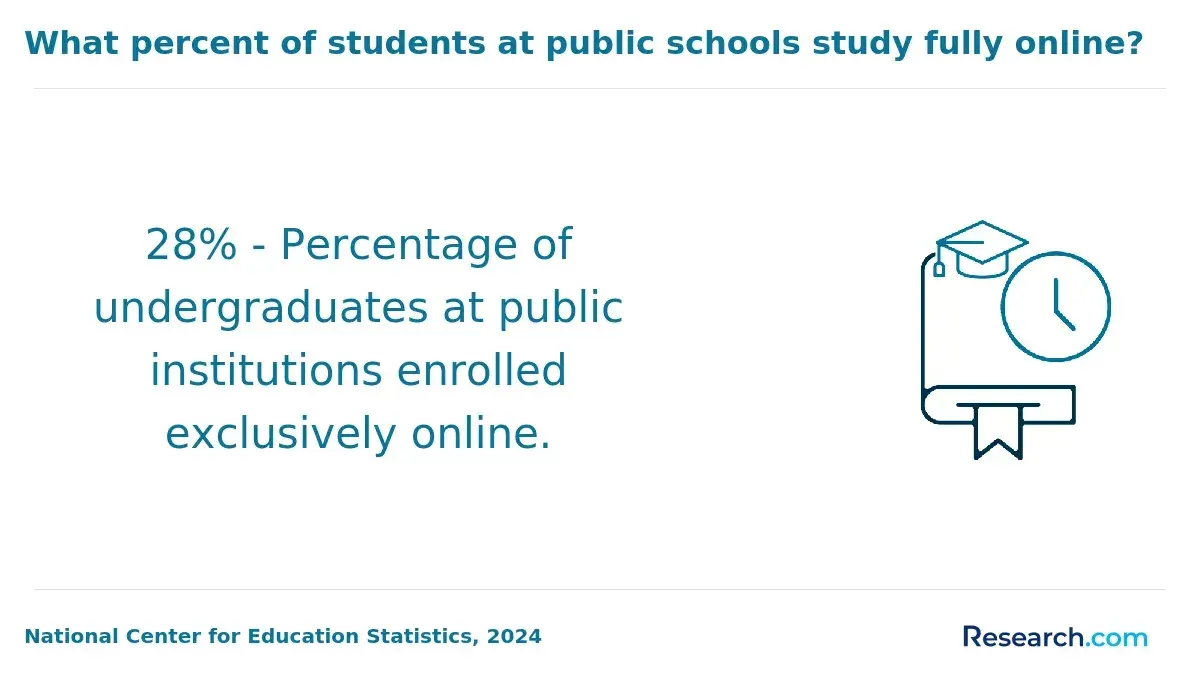
Online respiratory care therapy programs hold the same standing as campus programs regarding licensure eligibility; the method of delivery does not influence qualification for licensure. Notably, 65% of healthcare employers now consider degrees earned online from accredited programs equally valid as traditional on-campus credentials for clinical positions.
- Curriculum and Accreditation: Both online and campus programs must be accredited by CoARC to meet state licensing board standards, ensuring comparable educational quality and content in all formats.
- Clinical Training Requirements: Practical experience remains essential and is typically completed in person at approved healthcare sites regardless of program format, guaranteeing hands-on skill development required for licensure.
- Assessment and Exams: Licensure hinges on passing national credentialing examinations and meeting specific state criteria, which apply equally to graduates of online and on-campus programs without distinction.
- Employer Acceptance: The perception of online degrees is improving steadily within healthcare settings, with many employers recognizing the legitimacy of accredited online respiratory care education.
Completing an online respiratory care therapy degree generally includes required clinical or practicum hours to ensure students gain practical skills essential for licensure and professional readiness. These hands-on hours complement remote coursework by enabling direct patient care experience under supervision.
- Required hours: Clinical or practicum hours typically range from 500 to 1,200, varying by program and state regulations. This range ensures sufficient exposure to different respiratory care scenarios and builds competence.
- Placement locations: Students gain experience in hospitals, clinics, or healthcare facilities where respiratory care services are provided. Such placements provide real-world environments essential for skill development.
- Supervision: Licensed respiratory therapists or qualified healthcare professionals oversee clinical training, guiding students through procedures and safety protocols to meet licensure board standards.
- Skills training: Hands-on practice includes ventilator management, airway care, oxygen therapy, and emergency response. These experiences are critical for bridging theoretical knowledge with professional practice.
- Online program accommodations: Institutions offering online respiratory therapy clinical hour requirements partner with local clinical sites near students, creating a hybrid model. This balances flexible distance learning with necessary in-person training to satisfy licensure eligibility.
The integration of practicum hours for respiratory care licensure ensures that online students meet state and national standards for competency. Prospective students should verify clinical placement options when researching programs, just as they would for any healthcare degree, similar to considerations when exploring a healthcare administration degree online.
The licensing exam plays a vital role in confirming the expertise and readiness of respiratory care therapy graduates, directly impacting their eligibility to practice professionally. Current trends indicate about 70% of first-time candidates successfully pass this exam, underscoring the need for strong preparation.
Below are key points regarding the exam requirements and process.
- Exam Name and Purpose: The Certified Respiratory Therapist (CRT) exam, administered by the National Board for Respiratory Care (NBRC), serves as the official credentialing test that validates practical knowledge and skills necessary for respiratory care careers.
- Content Areas: The exam covers essential topics such as respiratory assessment techniques, therapeutic procedures, equipment use, pharmacology relevant to respiratory conditions, and patient care protocols.
- Format: This is a computer-based multiple-choice test designed to evaluate both theoretical understanding and clinical application, ensuring candidates are comprehensively assessed.
- Preparation Strategies: Candidates often utilize review courses, practice tests, and targeted study plans focused on weaker subjects to enhance their chances of passing on the first attempt.
- Retake Policies: If unsuccessful, examinees can retake the CRT exam following a mandatory waiting period as defined by the NBRC, allowing additional time for study and improved readiness.
- Relevance for Online Graduates: Licensing criteria remain consistent regardless of whether the degree was earned online or through traditional means, provided the program is properly accredited and equips students for the exam content.
Completing supervised work experience is typically required after earning an online respiratory care therapy degree. This practical training bridges classroom learning and clinical practice, helping graduates build essential skills and gain confidence in patient care.
Around 85% of new respiratory therapists undergo a formal supervised clinical internship or residency before obtaining full licensure. Below are key elements of this crucial phase:
- Duration: Usually lasts between 6 to 12 months, varying by state rules and certification demands to ensure adequate hands-on exposure.
- Clinical settings: Experience is gained in environments like intensive care units, emergency departments, and pulmonary function labs where diverse respiratory care scenarios occur.
- Mentorship: Licensed respiratory therapists provide guidance, closely monitoring skill development and professional conduct throughout the training period.
- Skill development: Focus includes mastering patient evaluations, managing ventilators, and responding to emergencies to prepare for real-world challenges.
- Career readiness and licensure: Supervised experience is vital for qualifying for licensure exams and enhancing critical thinking and decision-making needed for safe, effective respiratory care practice.
Licensure reciprocity enables respiratory care therapists licensed in one state to obtain a license in another without repeating all standard licensing steps. This flexibility is vital for professionals seeking to practice in different states or regions, enhancing career mobility and addressing workforce demands.
Several key factors influence whether licensure reciprocity applies to online respiratory care therapy graduates. These include:
- Eligibility Criteria: Graduates typically must have passed the national credentialing exam and hold an active license in their original state. These requirements ensure that licensees meet baseline competency standards before transferring credentials.
- Program Requirements: The online respiratory therapy program attended must meet the accreditation and curriculum standards recognized by the target state's board. Some states require programmatic accreditation by national bodies and closely examine clinical training components, which can impact reciprocity for online graduates.
- State Agreements and Compacts: Certain states participate in interstate compacts or formal agreements that simplify the licensure transfer process. These compacts streamline reciprocity but vary widely in their provisions and participating states.
- Application Process: Each state has specific licensing application procedures for out-of-state applicants. Graduates should be prepared to submit documentation verifying education, licensure status, and sometimes additional proof of clinical hours or coursework equivalency.
- Potential Limitations: Restrictions may exist if an online respiratory care program's clinical hours or coursework differ significantly from traditional standards. Some states maintain additional requirements or disallow reciprocity in such cases, requiring further attention during the application.
For those exploring career advancement through relocation, understanding the nuances of licensure reciprocity for online respiratory therapy graduates is essential. Furthermore, individuals interested in expanding their healthcare education options might consider pursuing an online healthcare administration degree as a complementary pathway to broaden their professional scope.
Overall, state licensing transfer for respiratory care degree holders depends on aligning education, certification, and state-specific regulations to navigate this complex process effectively.
Online respiratory care therapy programs have seen enrollment rise by more than 15% recently, reflecting strong demand for flexible, accessible education. Many students prioritize programs that support licensure, as meeting certification standards is essential for practicing clinically.
Below are key advantages and drawbacks to consider.
Pros
- Flexible scheduling: Online formats allow students to balance work and family while completing coursework on their own time, aiding in consistent progress toward licensure.
- Wide accessibility: Students in remote or underserved locations can access theoretical training without relocating, making education more attainable.
- Theory equivalence: These programs typically provide comprehensive academic preparation, helping students perform well on licensing exams.
Cons
- Limited hands-on training: Securing adequate supervised clinical practice remotely can be challenging, potentially affecting licensure eligibility.
- Networking constraints: Reduced in-person interaction may limit professional connections important for career growth.
- Employer skepticism: Some employers may question the value of fully online credentials, influencing job opportunities after graduation.
Obtaining licensure with an online respiratory care therapy degree significantly influences salary potential and career growth. Licensed respiratory therapists typically earn about 15% higher wages on average compared to non-licensed professionals, according to the U.S. Bureau of Labor Statistics.
The salary difference highlights how licensure serves as a key factor in validating a practitioner's expertise and unlocking better compensation. The following points illustrate how licensure affects earning potential and career advancement.
- Access to Advanced Clinical Roles: Licensed therapists qualify for higher-paying positions that involve specialized care, such as critical care or neonatal respiratory therapy. These roles require proven competence, which licensure certifies, resulting in increased earnings.
- Leadership and Supervisory Opportunities: With licensure, therapists often become eligible for managerial positions within healthcare settings. These roles typically come with enhanced salary packages and professional growth.
- Specialized Responsibilities: Licensure opens the door to certifications beyond the entry-level scope, allowing therapists to engage in more complex treatment plans and research. This specialized expertise usually corresponds with better pay.
- Improved Job Security and Marketability: Licensed respiratory therapists are preferred by employers to meet regulatory standards and maintain quality care. This preference translates to greater job stability and often better salary offers and benefits.
Graduates completing an online respiratory therapy licensure program should ensure their degree is from an accredited program that supports licensure eligibility to maintain competitive salary and career opportunities.
For those seeking related advanced education, reviewing the cheapest DNNP programs can be a strategic step toward further professional advancement. Overall, holding licensure after obtaining an online respiratory care therapy degree is a significant factor in maximizing earning potential in this growing healthcare field.
Licensure plays a crucial role in expanding career opportunities for graduates holding an online respiratory care therapy degree. While some may work in roles that do not require a license, many pursue credentialing to access higher-paying, clinically focused positions. Data shows that licensed respiratory therapists earn around 30% more on average than those without licensure.
Below is a breakdown of jobs available with and without a license.
Jobs With a License
- Clinical Respiratory Therapist: Responsible for direct patient care including administering treatments, managing ventilators, and assisting in emergencies, this role requires passing credentialing exams and offers strong career growth.
- Pulmonary Function Technologist: Specializes in conducting breathing assessments and lung function tests, working in hospitals or specialized clinics, with licensure ensuring independent practice.
- Critical Care Respiratory Therapist: Works in intensive care units providing advanced respiratory support and life-saving interventions, representing one of the highest skill and salary tiers in the field.
Jobs Without a License
- Respiratory Equipment Sales: Involves selling respiratory devices and supplies, requiring product knowledge but not clinical licensure, and can offer entry-level positions with potential commission earnings.
- Respiratory Therapy Assistant: Supports licensed therapists by performing administrative or routine non-clinical tasks under supervision, providing a pathway to gain practical experience.
- Patient Education Specialist: Focuses on teaching patients about respiratory health management and therapy adherence, contributing to care teams without delivering hands-on therapy.
What Graduates Say About Getting Licensed with an Online Respiratory Care Therapy Degree
- Benny: "The online respiratory care therapy degree was surprisingly affordable compared to traditional programs, which made pursuing licensure much less stressful financially. The flexibility of the courses allowed me to balance work and study effectively, and the instructors were always available for support. Since graduating, I've seen a clear boost in my confidence and professional opportunities in the healthcare field."
- Greyson: "Choosing an online respiratory care therapy degree was a thoughtful decision driven by cost considerations and my busy schedule. The program's organized structure and comprehensive curriculum equipped me well for the licensing exam and clinical practice. Reflecting on my journey, I appreciate how this accessible format shaped my growth into a competent and compassionate respiratory therapist."
- Clyde: "Undertaking the online respiratory care therapy program was a pragmatic choice, offering a reasonable tuition fee and thorough preparation for licensure. The digital learning environment was engaging and challenged me to develop critical skills independently. This degree has been instrumental in advancing my career and driving my commitment to patient care excellence. "
Other Things You Should Know About Respiratory Care Therapy Degrees
For licensure, the program usually needs accreditation from the Commission on Accreditation for Respiratory Care, or CoARC. Many state boards also require proof of completion from an accredited program before you can apply for the NBRC Therapist Multiple-Choice exam and state license.
Completing an online respiratory care therapy degree for licensure in 2026 typically takes around 2-4 years depending on the program chosen, including both theoretical coursework and mandatory clinical practicum hours. Some accelerated programs may offer shorter durations, while part-time options can extend the time frame.
- Respiratory Therapy http://slchc.edu/academics/programs/associates/respiratory-therapy-aas/
- Respiratory Therapy, B.S. https://academics.charlotte.edu/program/respiratory-therapy-b-s-online/
- Respiratory Care, A.A.S. https://catalog.parkland.edu/preview_program.php
- A Career In Respiratory Therapy | Complete 10 Page Guide | WVJC https://www.wvjc.edu/respiratory-therapy-career-guide/
- Respiratory Therapy (A.A.S.) https://catalog.otc.edu/preview_program.php
- About the Bachelor of Science in Respiratory Care Program | UAMS Department of Respiratory Care https://healthprofessions.uams.edu/respiratory-care/programs/bachelor-of-science/about/
- Respiratory Care Therapist AAS Degree https://www.lonestar.edu/programs-of-study/respiratory-care-aas.htm
- Respiratory Care | Delta College https://www.delta.edu/programs/respiratory-care/index.html
- Respiratory Care Technology https://www.ccp.edu/degree-programs/respiratory-care-technology
- Respiratory Care Degree Licensure https://www.oit.edu/online/degrees/respiratory-care-degree-completion/licensure