2027 Health Communication ROI by Institution Type: Public vs Private vs Nonprofit Online Programs

Co-Founder and Chief Data Scientist
A prospective health communication student faces a complex choice when comparing public, private, and nonprofit online programs that appear similar, yet diverge sharply in critical outcomes. Recent national loan data show private nonprofit graduates carry roughly $33,800 in average debt compared to $27,100 for public university graduates, a gap of nearly 25% that significantly influences post-graduation financial stability. Meanwhile, nonprofit online programs often show stronger flexibility and accessibility for working professionals but vary widely in career network value and employer recognition. These discrepancies affect not just upfront costs but long-term employability and debt repayment trajectories.
This article examines these factors to clarify health communication ROI across institution types, enabling evidence-based enrollment decisions.
Key Things to Know About Health Communication ROI by Institution Type
- Private institutions generally charge higher tuition, increasing debt exposure for health communication students but often offering stronger alumni networks, impacting long-term career mobility despite upfront cost tradeoffs.
- Public online programs report average graduation rates near 55% in 2024, reflecting varied student support levels; lower completion correlates with delayed workforce entry, affecting real ROI in health communication careers.
- Nonprofit schools emphasize flexible pacing and accreditation, aiding working adults' timely graduation and employer recognition, crucial for those balancing career advancement with educational investment in health communication.
- Key Things to Know About Health Communication ROI by Institution Type Key Things to Know About Health Communication ROI by Institution Type
- What Does ROI Mean for a Health Communication Program and How Is It Measured? Understanding Health Communication Program ROI
- How Do Public, Private, and Nonprofit Online Health Communication Programs Differ in Overall Value? Value by Institution Type
- How Do Tuition Costs Affect the ROI of a Health Communication Program Across Institution Types? Tuition Costs and ROI
- How Do Graduation Rates Influence Health Communication Program ROI? Graduation Rates Impact ROI
- What Role Do Career Outcomes Play in the ROI of a Health Communication Degree? Career Outcomes and ROI
- How Does Student Debt Impact the Long-Term ROI of a Health Communication Program? Debt vs. Long-Term ROI
- How Do Flexibility and Adult Learner Support Affect Health Communication Program Value? Flexibility and Program Value
- How Do Accreditation and Institutional Reputation Influence Health Communication ROI? How Do Accreditation and Institutional Reputation Influence Health Communication ROI?
- How Does Time-to-Degree Affect the ROI of Public, Private, and Nonprofit Health Communication Programs? How Does Time-to-Degree Affect the ROI of Public, Private, and Nonprofit Health Communication Programs?
- How Can You Choose the Best Health Communication Program Based on Your ROI Goals? Choosing Programs by ROI
What Does ROI Mean for a Health Communication Program and How Is It Measured?
ROI for a health communication program must be understood as a multi-factor decision involving more than just tuition cost comparisons. For example, a public university may offer lower tuition and higher completion rates, easing debt burden and reducing time-to-degree, which are critical when balancing work and study. However, private or nonprofit online programs sometimes deliver more specialized curricula and stronger career support, potentially increasing employment rates in a competitive market despite higher upfront costs. Evaluating ROI entails weighing these tradeoffs against personal timelines, financial capacity, and targeted career outcomes rather than defaulting to the cheapest option.
Measuring ROI in online health communication degrees requires attention to both tangible and intangible elements like program reputation, graduation and attrition rates, and the quality of learner support. A lower sticker price loses value if it results in extended time-to-degree or if job placement rates lag behind industry expectations, as many employers in healthcare sectors prioritize demonstrated skills and accreditation. Furthermore, individual goals shape ROI calculations; those focused on quick workforce entry might prioritize short degrees that pay well, while others pursuing community-oriented or mission-driven roles may accept longer pathways or higher debt for better alignment with their values. Robust ROI assessments consider opportunity costs, debt load, and the nuanced career benefits of each program type across public, private, and nonprofit institutions.
How Do Public, Private, and Nonprofit Online Health Communication Programs Differ in Overall Value?
When weighing the value of public, private, and nonprofit online health communication programs, focusing solely on tuition overlooks critical factors shaping long-term returns. Public programs often provide more affordable tuition with broader accessibility, lowering upfront costs by 40-60% compared to private schools according to 2024 data from the National Postsecondary Student Aid Study, but their larger class sizes and less personalized support can affect the pace and success of degree completion. Private institutions, despite higher tuition and student debt averaging 25% more per graduate per the Institute for College Access & Success, may offer smaller class sizes and stronger employer networks that facilitate niche career opportunities, appealing to those targeting specialized fields. Nonprofit programs frequently strike a balance, combining competitive graduation rates with better employment placements through partnerships with healthcare agencies, though they tend to emphasize mission-driven education that aligns well with careers in public health rather than private-sector advancement.
Institutional reputation and accreditation also play divergent roles; public institutions often hold widely recognized regional accreditations that ease credit transfer and employer acceptance, while private schools might carry specialized accreditations serving narrower professional niches but limiting geographic portability. For adult learners or career changers juggling work and finances, flexibility and debt burden are paramount. Public programs generally offer greater scheduling adaptability and lower debt load, crucial for minimizing financial strain, whereas private and nonprofit programs may justify their costs through enhanced support services and targeted career preparation that suit students with clear specialization goals. Ultimately, evaluating these tradeoffs alongside graduation outcomes and employer perceptions reveals nuanced distinctions that should guide individual decisions based on personal circumstances and career trajectories.
One recent graduate recounts comparing three online health communication programs during their job transition. They grappled with choosing a private school offering reputed support but significantly higher tuition, a public program that promised affordability but felt less personalized, and a nonprofit program promoting community health focus with moderate costs. Concerned about long-term debt from the private option yet wary of slower completion rates in the public program, the student ultimately chose the nonprofit path, valuing its balance of manageable debt, solid employment prospects, and alignment with their goal of working in public health agencies. This decision underscored how nuanced the assessment of overall educational value can be beyond sticker price alone.
How Do Tuition Costs Affect the ROI of a Health Communication Program Across Institution Types?
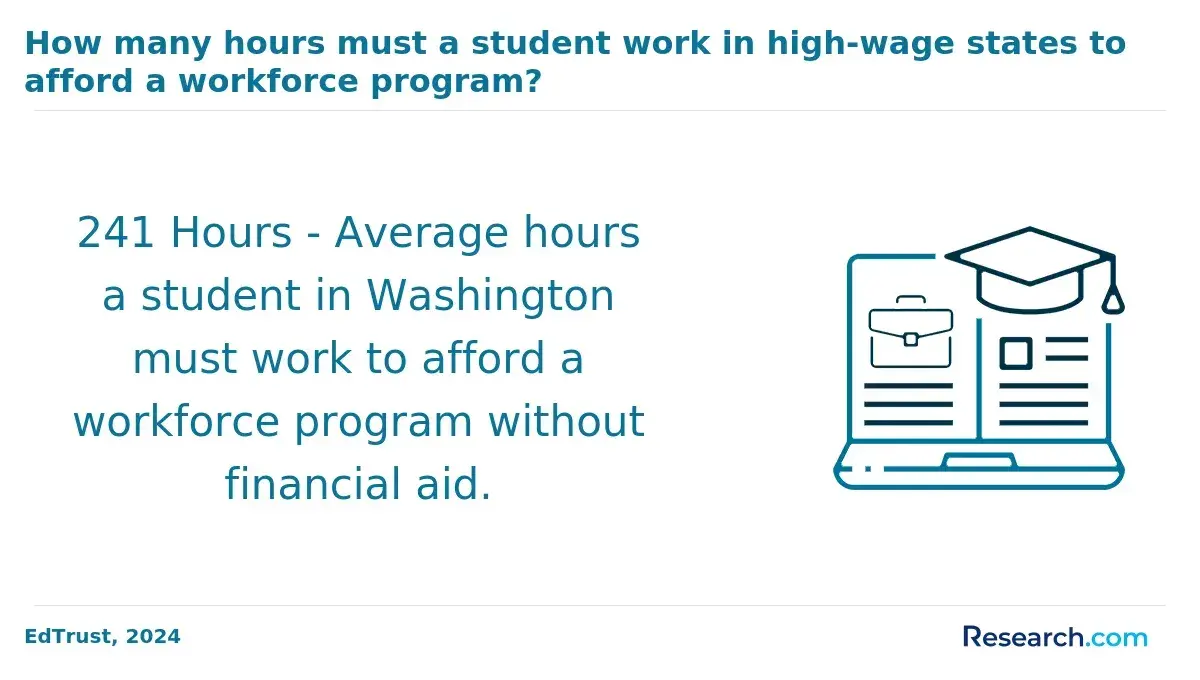
Tuition differences between public, private, and nonprofit online health communication programs significantly shape their return on investment but don't tell the full story in isolation. While public institutions typically charge about 60% less in annual tuition and fees according to recent data from the National Center for Education Statistics, lower sticker prices can be offset by variations in financial aid availability, completion rates, and program flexibility. For example, an adult learner balancing work may find a nonprofit program's asynchronous format and robust student support shorten time to degree, reducing overall cost and opportunity costs despite higher tuition. Conversely, a cost-conscious student with limited borrowing appetite might gain the most from a public institution's lower direct expenses, but risks lower completion rates impacting credential value and earnings potential.
The practical implication is that higher tuition does not necessarily imply better ROI unless aligned with stronger outcomes like graduation rates and postgraduation employment, especially in specialized fields such as health communication where employer networks and career services matter. Programs with tighter employer connections often command higher salaries that can compensate for initial debt burdens, yet this premium varies widely in practice. Borrowing patterns also influence long-term financial health; lower debt reduces stress and enhances career agility. Ultimately, adult learners and career changers must evaluate tuition alongside academic quality, support structures, and their own circumstances to determine which program offers the most balanced pathway to sustainable employment and manageable debt.
How Do Graduation Rates Influence Health Communication Program ROI?
Graduation rates offer insight into the effectiveness of health communication programs but should not be the sole measure of return on investment. Public institutions often have lower completion rates due to serving a more diverse and part-time student body, which affects persistence and time-to-degree but compensates with lower tuition costs. In contrast, private and nonprofit programs typically report higher graduation outcomes supported by robust academic services, yet these benefits can be offset by higher tuition and debt loads, which may diminish net ROI. Students must weigh these tradeoffs-choosing between affordability and completion supports-while considering how program flexibility aligns with their personal and professional commitments.
A 2024 National Center for Education Statistics report highlights that online health communication programs with graduation rates above 50% correlate with increased employability and better salary growth within five years. This underlines how graduation not only signals institutional effectiveness but also impacts long-term professional outcomes. However, adult learners and working professionals often prioritize schedule flexibility, which can depress measured graduation rates without necessarily lowering course value. Evaluating program ROI requires integrating graduation data with factors like academic support quality, the pace of degree completion, and total educational costs to realistically assess lifetime career returns.
For cost-conscious students comparing options, understanding how graduation rates influence health communication program ROI means also considering institutional missions and student populations. Employers value completed credentials and relevant experience, so success entails a balance between academic achievement and practical skill acquisition. Those exploring advanced degrees should examine resources for persistence and completion, including programs like an online PhD leadership track, to optimize both educational quality and economic outcomes.
What Role Do Career Outcomes Play in the ROI of a Health Communication Degree?
Career outcomes have a direct and multifaceted impact on the return on investment for health communication degrees across public, private, and nonprofit online institutions, where tradeoffs between cost, employment prospects, and industry relevance shape value. Public programs often deliver higher employment rates-reported around 78% within six months by the National Center for Education Statistics in 2024-due in part to broader alumni networks that facilitate job placements and promotions. In contrast, private institutions may command higher tuition but offset this with specialized curricula aligned to niche sectors such as healthcare policy, potentially opening doors to unique roles. Nonprofit programs emphasize long-term engagement in mission-driven sectors like public health, which might offer less immediate financial return but align with sustained career fulfillment in governmental or NGO settings.
These variations mean that graduates weighing ROI must consider not only early employment but also how well programs develop practical skills valued by employers-digital media fluency and data interpretation being critical in this field-as well as how credentials influence career mobility over time. The balance between debt incurred and job stability becomes particularly crucial when private programs with steeper costs do not guarantee substantially higher earnings or promotions. For many learners, especially those juggling work and study, time-to-degree and employer recognition can substantially affect the opportunity cost associated with online health communication pathways, framing decision-making beyond the surface of first-job salaries.
One graduate explained that after completing an online health communication degree at a nonprofit institution, they initially questioned whether the investment would translate into tangible career growth. Though early salary gains were modest, their expanded skill set enabled a shift into internal communications within a healthcare nonprofit, a move facilitated more by employer recognition of that specialized credential and an expanding professional network than by immediate financial returns. Over time, the degree's value became clearer not just in role advancement, but in sustaining career relevance amid evolving organizational demands.
How Does Student Debt Impact the Long-Term ROI of a Health Communication Program?
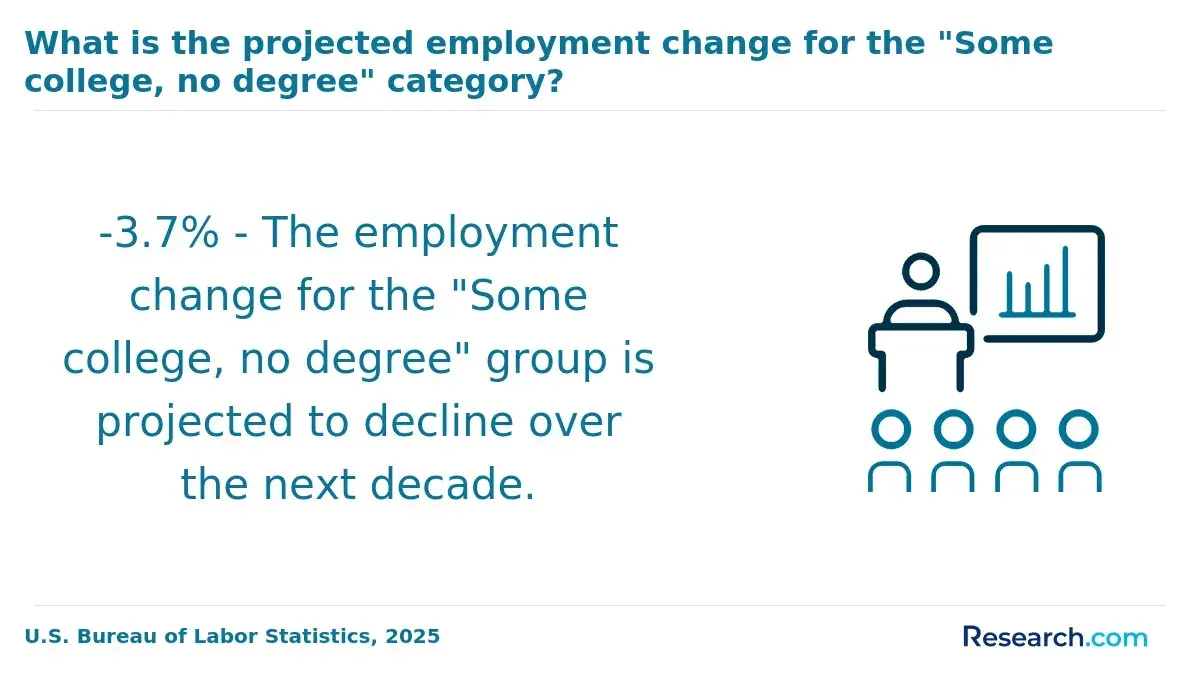
The long-term return on investment (ROI) of a health communication program is heavily influenced by the level of student debt and borrowing strategies tied to the institution type-public, private, or nonprofit. Students at private online programs often face higher debt burdens, frequently exceeding $40,000, which can significantly constrain financial flexibility and delay wealth accumulation. For instance, graduates who borrow above $35,000 may see up to a 15% lower net ROI over a decade due to repayment obligations reducing savings and investment capacity. Public programs, with their typically lower tuition and fees resulting in debt between $20,000 and $30,000, often provide a more manageable debt-to-income ratio that supports a more sustainable financial outcome for cost-conscious learners.
Given the considerable variation across institutions, how student loan repayment affects health communication program financial outcomes must be a primary consideration for prospective students. Graduation delays or attrition magnify debt impact by increasing total borrowing without corresponding income gains. Students should critically assess program support and realistic completion timelines, especially since graduation rates in online health communication programs generally range from 60 to 70%. While private programs can offer specialized curricula and networking advantages, these benefits come with heightened risk from higher debt and slightly elevated loan delinquency rates. Balancing program costs against projected career advancement and salary growth-including the possibility of more affordable alternatives like public institutions or nonprofit options-is essential. Evaluators may also find it useful to compare other fields through resources such as best online social work programs to benchmark educational value and financial outcomes.
How Do Flexibility and Adult Learner Support Affect Health Communication Program Value?
Program flexibility and adult learner support directly shape the return on investment for online health communication students, particularly in balancing educational progress with work and personal responsibilities. For instance, asynchronous class delivery and part-time enrollment reduce scheduling conflicts and help working parents or military personnel maintain consistent course completion without prolonging degree timelines. Yet, public institutions' typically lower tuition can be offset by less adaptable scheduling, potentially lengthening time to degree and increasing cumulative costs when full-time work is required. This tradeoff compels students to evaluate whether upfront affordability justifies slower progress versus the higher fees but more responsive formats seen in private programs.
Robust support systems including targeted academic advising, credit transfer policies, and career counseling tend to influence persistence and job readiness more than cost alone. Private online programs often invest in faculty accessibility and personalized career services, which can enhance employment prospects but at a price that may strain budgets initially. Nonprofits increasingly blend these approaches, offering technology resources and mentoring tailored to adult learners, with data showing such dedicated supports can raise graduation rates by 15% compared to public counterparts. For professionals weighing options, this means prioritizing programs that mitigate risks of delayed completion and skills obsolescence through learner-centered services, even if those come with higher short-term costs, to maximize both educational and workforce outcomes over time.
How Do Accreditation and Institutional Reputation Influence Health Communication ROI?
The return on investment for online health communication programs hinges significantly on both accreditation status and institutional reputation, which together shape employability and academic progression. Graduates from regionally accredited programs or those accredited by bodies such as the Council on Education for Public Health (CEPH) often access clearer pathways to graduate study and licensure, making their credentials more valuable to employers. For example, a 2024 National Center for Education Statistics report found that completion from accredited institutions correlates with 15% higher employment rates within six months, reflecting employer preference for verified program quality and industry-aligned curricula.
However, students must weigh these advantages against program costs and support services, especially when comparing public, private, and nonprofit online options. Public universities tend to offer established reputations with broader alumni networks and often more affordable tuition, but private institutions may provide smaller classes and specialized guidance at a higher price point. Nonprofit programs frequently balance moderate tuition with mission-driven focus. Importantly, many employers value practical experience and competency-based skills over institutional brand alone, as highlighted in a 2024 National Association of Colleges and Employers survey where 68% of health communication employers emphasized hands-on learning. Transfer policies, graduation rates, and career services intersect with accreditation and reputation to affect debt burden and long-term value, making it essential for cost-conscious and career-changing students to align program features with professional standards rather than prestige alone.
How Does Time-to-Degree Affect the ROI of Public, Private, and Nonprofit Health Communication Programs?
The time-to-degree in health communication programs significantly shapes the financial and career trajectories of students, especially those balancing work and family obligations. Public institutions typically have longer completion timelines, averaging around 5.2 years, which raises living costs and delays entry into the workforce. For example, a working adult pursuing a part-time route at a public university may face extended tuition exposure and opportunity costs, which can erode potential return on investment despite lower tuition rates. These tradeoffs contrast with private online programs that offer accelerated paths and flexibility but at higher tuition prices, meaning quicker graduation may come with increased debt burdens that affect net financial outcomes.
Nonprofit online health communication programs often strike a middle ground by combining moderate tuition costs with some program flexibility, yet differences in transfer credit acceptance and student support can cause varied completion rates. The ability to apply transfer credits or enroll part-time influences persistence significantly, with programs accommodating these needs typically enhancing graduation likelihood and long-term return, even if calendar time extends. This interplay illustrates why assessing low GPA colleges or schools based on program duration and completion rates is crucial for cost-conscious learners evaluating how time-to-degree impacts return on investment in public versus private and nonprofit health communication programs.
Comparing program duration and ROI outcomes in health communication online degrees thus requires weighing affordability, flexibility, and graduation probabilities rather than assuming faster completion always equals better career outcomes. Institutional policies that support nontraditional students, including transfer credit acceptance and flexible scheduling, can make extended timelines worthwhile by improving completion rates and mitigating sunk costs. Consequently, prospective students should prioritize realistic assessments of time-to-degree alongside tuition and support structures to optimize both educational value and long-term workforce benefits.
How Can You Choose the Best Health Communication Program Based on Your ROI Goals?
The highest return on investment in health communication programs depends largely on individual priorities rather than institution type alone. Public institutions generally offer lower tuition for in-state students and better financial aid, which can reduce student debt and improve affordability. However, private nonprofit programs often provide smaller class sizes, stronger faculty engagement, and more robust learner support, factors that may justify their higher upfront costs through improved skill acquisition and employability. According to a 2024 report from the National Center for Education Statistics, public online programs in health communication have a 58% average graduation rate, outperforming private for-profit counterparts at 49%, which directly impacts time-to-degree and debt accumulation.
Career outcomes among graduates reflect a mix of accreditation, project experience, and program flexibility, all influential in ROI assessments. Many employers prioritize accredited degrees combined with demonstrable practical experience over institutional prestige, which benefits graduates from accredited public and private nonprofit programs reporting higher salaries within two years post-graduation. This matter is especially critical for working professionals and career changers balancing education with existing obligations, where flexible scheduling and the availability of experiential learning can significantly reduce opportunity costs. For those weighing program options, particularly online formats noted in the best health communication online programs for career outcomes, understanding these operational nuances is essential for maximizing vocational and financial returns.
Those selecting a health communication program should also consider how institutional reputation, transfer credit policies, and professional networking opportunities impact long-term career trajectories. While cost-conscious learners may favor public institutions for their affordability, others may find that private nonprofits deliver greater value through tailored online support and accelerated paths despite higher tuition. The evolving healthcare landscape's demand for communication specialists means pragmatic choices that balance affordability with educational quality and market relevance are critical. For additional insights on related online educational offerings, prospective students may explore the best online cyber security courses as a comparative resource within workforce-relevant programs.
References
- Effective Communication in Health Care https://publichealth.tulane.edu/blog/communication-in-healthcare/
- Healthcare Investment ROI: How to Evaluate Digital Health ROI https://smarthealthasia.com/blog/healthcare-investment-roi-digital-health/
- Health Communication Strategies - Rural Health Promotion and Disease Prevention Toolkit https://www.ruralhealthinfo.org/toolkits/health-promotion/2/strategies/health-communication
- Empowering Adult Learners to Thrive in Health Care’s Evolving Landscape https://eimpartnerships.com/articles/empowering-adult-learners-to-thrive-in-health-cares-evolving-landscape
- Maximize Your Marketing ROI | Health Care Solutions | Panel Marketing https://panelmarketing.ca/roi/
- Making sure you're not a bot! https://www.ssoar.info/ssoar/bitstream/handle/document/110099/ssoar-2026-mohring_et_al-Enhancing_communication_skills_among_health.pdf
- The Impact of Accreditation on Level of Healthcare Quality and the Most Efficient Ways to Achieve Accreditation https://aaa-accreditation.org/the-impact-of-accreditation-on-level-of-healthcare-quality-and-the-most-efficient-ways-to-achieve-accreditation/
- The Long-Term Effects of Student Loans | ACE Blog https://ace.edu/blog/the-long-term-effects-of-student-loans/
- Is College Worth it? | Return on Investment Analysis of College Degree https://educationdata.org/college-degree-roi
- How to measure internal communications ROI that actually matters | Redefining Communications https://redefiningcomms.com/blog/how-to-measure-internal-communications-roi-that-actually-matters/
Other Things You Should Know About Health Communication
Employers often perceive graduates from public institutions as having more practical, research-based training aligned with community health priorities, whereas private program graduates may be viewed as having access to more specialized or niche coursework. This distinction can affect job placement, especially in public sector or nonprofit roles that value broad, evidence-driven communication skills. Those targeting private healthcare firms or corporate roles should weigh whether specialized private program curricula align better with industry demands.
Nonprofit programs tend to offer more flexibility in pacing and workload, which benefits working professionals managing employment alongside studies. However, this often comes with fewer networking opportunities compared to public or private institutions, potentially limiting immediate career advancement. Professionals should prioritize nonprofit programs if balancing current job demands is critical, but consider public or private options when seeking stronger industry connections.
Public programs often emphasize structured curricula with standardized assessments, supporting steady skill development but less customization. Private programs sometimes provide more elective choices and cutting-edge content but may demand greater self-direction. Nonprofits lie in between but frequently offer hybrid pacing. Graduates from more structured public programs might find smoother early career integration, while private program alumni must leverage specialized skills and self-motivation to demonstrate value.
Employers in public health and community-oriented organizations typically prioritize graduates from public and nonprofit online programs due to their emphasis on population health communication and policy understanding. In contrast, private institution graduates may have an edge in corporate healthcare communications and marketing roles that value innovation and strategic messaging. Prospective students should align their choice with the sector they intend to enter, recognizing that ROI is maximized when institutional strengths match employer expectations.