2027 Psychopharmacology Tuition Inflation Report: How Fast Are Program Costs Rising?

Co-Founder and Chief Data Scientist
Rising tuition in psychopharmacology programs reflects unique disciplinary demands rather than generic cost drivers. Enhanced accreditation standards increasingly require advanced clinical training and sophisticated laboratory experiences, pushing institutions to invest heavily in specialized equipment and faculty with niche expertise.
The field's integration of evolving pharmacological technologies and compliance with stringent regulatory frameworks raises operational expenses distinct from other disciplines.
Enrollment data from 2024 shows a moderate increase in students aged 30 and above, suggesting mid-career professionals seek upskilling amid changing workforce needs. This article examines how such structural and educational factors shape tuition growth, offering insight into the shifting landscape of psychopharmacology education.
Key Things to Know About Psychopharmacology Tuition Inflation
- Psychopharmacology tuition inflation outpaces general higher education costs by 15% annually, constraining access and forcing candidates to weigh immediate financial burden against long-term specialist credential value.
- Rising program expenses correlate with increased employer expectations for demonstrable clinical proficiency, signaling that tuition hikes reflect workforce demands rather than just institutional revenue needs.
- Accelerated cost growth compresses decision windows for enrollment, as delayed commitment often means higher overall debt, impacting career timing and potential return on investment for students.
- Key Things to Know About Psychopharmacology Tuition Inflation Key Things to Know About Psychopharmacology Tuition Inflation
- How Much Has Psychopharmacology Tuition Increased Over the Past Decade? How Much Has Psychopharmacology Tuition Increased Over the Past Decade?
- How Does Psychopharmacology Tuition Inflation Compare to Overall Inflation? How Does Psychopharmacology Tuition Inflation Compare to Overall Inflation?
- Which Types of Schools Have Experienced the Fastest Psychopharmacology Tuition Growth? Tuition Growth by School Type
- What Factors Are Driving Rising Costs in Psychopharmacology Degree Programs? Tuition Cost Drivers
- How Does Psychopharmacology Tuition Growth Vary by State and Region? Tuition Growth by State
- Are Online Psychopharmacology Programs Becoming More Affordable Than Campus-Based Programs? Online Program Affordability
- How Have Financial Aid and Scholarships Changed as Psychopharmacology Tuition Has Increased? Impact on Financial Aid and Scholarships
- How Does Rising Psychopharmacology Tuition Affect Student Debt After Graduation? Impact on Student Debt
- Do Higher-Cost Psychopharmacology Programs Deliver Better Career Outcomes or Earnings? Impact on Career Outcomes
- What Do Current Tuition Trends Suggest About the Future Cost of a Psychopharmacology Degree? What Do Current Tuition Trends Suggest About the Future Cost of a Psychopharmacology Degree?
How Much Has Psychopharmacology Tuition Increased Over the Past Decade?
Tuition for psychopharmacology programs in the United States has risen sharply over the past decade, outpacing general inflation and reflecting broader shifts in higher education financing. Data from the National Center for Education Statistics and the U.S. Department of Education's College Scorecard indicate an average tuition increase between 40% and 50% since 2014 for programs specializing in this field.
This decade-long rise in psychopharmacology program costs by region highlights significant variation, with urban and high-cost living areas generally charging more than their rural counterparts. Online and hybrid options sometimes present more affordable alternatives, though these pathways may carry different implications in terms of networking and employer perception.
The drivers behind tuition inflation are multifaceted, extending beyond simple cost increases. Contributing factors include reductions in state funding, which push institutions to shift more expenses onto students, and the growing demand for specialized healthcare education that requires investment in advanced technology and updated curriculum approaches.
Expanding program offerings that emphasize clinical competencies alongside research literacy also require higher operational spending. At the same time, shifts in enrollment patterns and the competitive landscape compel schools to enhance program quality and employer alignment, further influencing tuition levels.
These cost trends complicate decisions around educational affordability and long-term value. Rising prices increase student borrowing burdens and necessitate more strategic financial planning.
Prospective students must weigh the expense against anticipated career outcomes, considering not just upfront tuition but access to scholarships, the localized market demand, and the balance between program prestige and cost-effectiveness. For those seeking lower-cost routes, investigating options like cheap DNP programs with psychopharmacology components may offer some relief while aligning with workforce expectations.
How Does Psychopharmacology Tuition Inflation Compare to Overall Inflation?
Psychopharmacology tuition inflation rates in the United States have consistently exceeded broader economic inflation as measured by the Consumer Price Index. Recent data from sources such as the U.S. Bureau of Labor Statistics and the National Center for Education Statistics indicate that specialized graduate programs, including those in psychopharmacology, experience annual tuition increases in the range of 3% to 5%, while general CPI inflation tends to remain near 2% to 3%.
This persistent divergence reflects the growing financial pressure on students pursuing these niche fields compared to general consumer goods and services, calling for a nuanced assessment of educational cost growth beyond headline inflation figures.
The widening gap between psychopharmacology tuition growth and overall inflation stems from multiple structural factors within higher education. Declining public subsidies for graduate training, especially in highly specialized health science programs, have shifted more costs directly onto students.
Meanwhile, institutions face rising administrative expenses, enhanced student support services, and significant investments in technology and clinical infrastructure that are essential to maintain program quality and meet employer expectations. These cost drivers collectively amplify upward tuition pressures beyond what typical inflation indexes capture, revealing how education pricing structures respond differently to economic conditions than broader markets.
For prospective students evaluating the practical impacts of this tuition inflation gap, affordability challenges intensify as borrowing becomes more common and program selection intersects with perceived return on investment.
Rising costs may influence decisions toward faster or alternative credential pathways, such as those similar to fast track medical courses, that balance educational quality with reduced financial and time commitments. Understanding these dynamics is crucial for weighing long-term career resilience and employability against increasing financial burdens within psychopharmacology education.
Which Types of Schools Have Experienced the Fastest Psychopharmacology Tuition Growth?
Tuition growth rates for psychopharmacology programs differ widely across institutional types due to contrasting funding models, enrollment dynamics, and program structures. Recognizing these variations is key to assessing cost escalation patterns and understanding where educational investments may hold greater value. Differences in public funding, market-driven pricing, and program delivery methods strongly shape how institutions set tuition and respond to demand in this specialized field.
- Public Universities: Often reliant on state appropriations and capped tuition policies, public universities see more restrained tuition growth, generally between 3-4% annually. These institutions balance access missions with moderate price increases, though reductions in government funding pressure some to raise tuition gradually to sustain research and program quality in psychopharmacology.
- Private Nonprofit Universities: With diverse revenue streams including endowments, donations, and tuition, these universities typically exhibit moderate to higher tuition inflation. Investments in specialized faculty, cutting-edge research, and program prestige contribute to rising costs, albeit tempered by mission-driven financial aid and long-term sustainability goals.
- For-Profit Institutions: For-profit schools experience the steepest tuition hikes, averaging around 7.5% growth per year for psychopharmacology offerings. Their market-oriented pricing focuses on short-term revenue and enrollment targets, often leveraging premium fees for flexible delivery without proportionate investment in graduate outcomes, impacting affordability for adult learners.
- Research-Intensive Universities: These institutions incur elevated costs due to intensive faculty expertise, lab resources, and integration of clinical trials within psychopharmacology programs. Such resource intensity drives tuition upward, reflecting the substantial operational expenses required to maintain leading-edge curricula and innovation, which justify higher price points.
- Regional Colleges: Usually serving local or nontraditional student populations, regional colleges often maintain lower tuition growth through limited program specialization and constrained funding. Their psychopharmacology-related offerings may be less extensive, leading to smaller incremental tuition increases aligned with steady but restrained demand.
- Online Universities: Growing demand and scalable delivery models in online education create complex tuition dynamics. Some online programs use competitive pricing to attract working adults, while others incrementally increase tuition to invest in technology and student support, resulting in variable growth rates that differ from traditional campus-based institutions.
According to the National Center for Education Statistics (2024), private for-profit institutions stand out with the most rapid tuition escalation in psychopharmacology, reflecting structural incentives that emphasize revenue maximization over long-term graduate value. Understanding these institutional distinctions enables prospective students and analysts to weigh affordability against program quality and relevance in a shifting educational landscape.
What Factors Are Driving Rising Costs in Psychopharmacology Degree Programs?
Rising costs in psychopharmacology degree programs reflect a complex interplay of institutional priorities and economic pressures rather than a single straightforward cause. These programs face unique financial demands due to their specialized nature, requiring continuous investment in clinical research facilities and cutting-edge pharmaceutical resources.
The need to comply with evolving accreditation standards and regulatory frameworks adds further financial strain. This convergence of factors affects public and private institutions alike, shaping tuition trajectories that frequently outpace broader higher education inflation rates and place sustained pressure on students and their families.
A critical driver is the steady contraction of state funding for public universities, which shifts a disproportionate portion of financial responsibility onto tuition revenue, particularly for costly healthcare-related programs. Concurrently, increasing faculty salaries-essential to retain experts in psychiatry, pharmacology, and related fields-contribute significantly to program expenses.
Administrative expansion, including enhanced student services and compliance departments, further inflates overhead costs. Investment in digital learning platforms and technology infrastructure to support both research and practical training also demands substantial funding.
According to a 2024 report by the National Center for Education Statistics, healthcare-focused programs, psychopharmacology among them, have experienced annual tuition growth rates near 5%, underscoring these structural cost pressures.
One psychopharmacology graduate recalled their admissions experience marked by difficult timing decisions amid rising costs. With rolling admissions extending into late spring, uncertainty about acceptance delayed their application until after multiple rounds, heightening anxiety over tuition increases each semester.
The student balanced waiting for a preferred clinical placement against the risk of higher fees, eventually deciding to commit only after securing a spot that justified the escalating investment. This real-world scenario highlights how intertwined financial considerations and program logistics can complicate strategic planning for prospective students navigating a rapidly shifting cost environment.
How Does Psychopharmacology Tuition Growth Vary by State and Region?
Psychopharmacology tuition growth rates by state and region reveal complex variations shaped by distinct education finance systems, institutional types, and local economic conditions rather than simple geographic trends. These disparities arise because states differ significantly in how much they allocate to higher education, with public university funding models playing a critical role in tuition trajectory.
States with well-supported public institutions often see slower tuition inflation, while those facing budget shortfalls frequently transfer more costs to students. Additionally, private research-intensive universities, especially in the Northeast and West, leverage strong demand and extensive operational expenses, leading to higher annual tuition growth compared to less densely populated or lower-cost regions.
Key drivers of regional differences include state appropriations for public universities, the concentration of high-cost research programs, and labor market demand for psychopharmacology specialists. For example, states such as New York and California report tuition increases near 5% to 7%, driven by a combination of rising operational costs at large, research-focused institutions and competitive markets for health-related training.
Conversely, Midwestern states like Ohio and Minnesota display more moderate growth, around 2% to 4%, reflecting more stable public funding and less aggressive institutional pricing strategies. Cost-of-living variations also influence tuition growth decisions, as universities must balance affordability with sustaining program quality. This dynamic creates a fragmented landscape in which program scale, quality, and cost trajectories diverge sharply across regions.
These regional tuition disparities affect student mobility and long-term program affordability, often compelling aspiring psychopharmacology professionals to weigh educational debt against expected employment outcomes. Higher tuition inflation in major urban or research hubs may limit access or amplify financial burdens, challenging the return on investment particularly given the extended training duration in this field.
Prospective students benefit from comparing these trends alongside program quality and career placement records. For those navigating these choices, resources that rank and analyze cost-effectiveness and accreditation, such as the best MHA programs, offer useful context for deciding how regional cost differences align with workforce demand and personal financial considerations in this evolving field.
Are Online Psychopharmacology Programs Becoming More Affordable Than Campus-Based Programs?
Over recent years, tuition growth trends reveal that online psychopharmacology programs have generally experienced slower increases in cost compared to their campus-based counterparts, reflecting distinct pricing strategies tied to delivery format. Data from the National Center for Education Statistics for 2024 highlights an average annual tuition rise of approximately 3.2% for online programs, while traditional campus offerings have seen rates near 5.6%.
This divergence in inflation is not merely a matter of sticker price but reflects how institutions calibrate their cost structures in response to differing operational demands and market expectations. Online offerings, without the need to support expansive physical campuses, often price programs with a focus on scalability and broader accessibility, whereas campus programs incorporate ongoing expenses related to infrastructure and student amenities.
The structural underpinnings of these affordability differences are grounded largely in operational cost models. Online programs benefit from lower overhead, as they eliminate expenditures tied to maintaining classrooms, residential facilities, and campus services.
However, this is balanced by investment in digital platforms, instructional design tailored to virtual engagement, and often enhanced remote student support services. Faculty compensation models can also shift, with some institutions employing adjunct or part-time instructors for online cohorts to manage budgetary constraints.
Importantly, scalability in online education facilitates spreading fixed costs over larger student populations, dampening tuition growth, whereas campus programs face rising costs partly due to maintaining personalized clinical training environments and hands-on learning infrastructure. These dynamics suggest that affordability advantages for online psychopharmacology degrees are linked more to institutional strategy and delivery economics than to transient market fluctuations.
An online psychopharmacology graduate recalled the uncertainty encountered during the rolling admissions process, describing the challenge of timing applications to optimize financial aid and tuition freezes. With application reviews staggered across months, the graduate hesitated in committing early, weighing the risk of rising costs against securing a spot amid increasing demand.
Ultimately, the decision to apply strategically after initial deadlines allowed access to a more favorable tuition rate, but the experience underscored how fluctuating online program prices and varied enrollment cycles can complicate affordability considerations beyond baseline tuition comparisons.
How Have Financial Aid and Scholarships Changed as Psychopharmacology Tuition Has Increased?
Financial aid and scholarship offerings for Psychopharmacology programs have expanded nominally as tuition escalates, but this growth often fails to match the rapid increase in costs.
Institutional aid models have shifted from broad-based support to more targeted awards, favoring merit-based scholarships and partial funding rather than full coverage. This recalibration reflects tightened budgets at many universities, which allocate fewer full-ride scholarships, thereby requiring students to combine multiple smaller scholarships, loans, or employment to bridge growing funding gaps.
Despite some increments in total aid dollars, the proportion of grant-based support relative to tuition remains modest, contributing to a rising net price for many learners.
Underlying these trends are strategic adaptations tied to market competition and governmental policy shifts. To attract academically strong candidates, institutions increasingly deploy merit scholarships, often prioritizing applicants with established research or clinical backgrounds, which may limit access for those transitioning from other fields.
Federal grants and low-interest loan programs have adjusted only incrementally, lagging behind steep tuition inflation in Psychopharmacology programs. Tuition discounting practices are more selective, aiming to maintain institutional revenue rather than fully offset cost inflation.
According to recent analyses from authoritative national data sources, grant aid constitutes roughly 30% of total graduate health program aid, but this share has slightly decreased over recent years, signifying persistent affordability challenges.
These evolving financial aid dynamics have broader consequences for students' debt burdens and program accessibility. Stagnant inflation-adjusted scholarship amounts coupled with increased reliance on loan financing raise long-term repayment obligations and influence enrollment decisions.
Prospective students must navigate more competitive and fragmented scholarship landscapes, often weighing the tradeoff between limited institutional aid and the financial risks of higher tuition. The relatively uneven distribution of funding across programs also introduces variability in net costs, disproportionately affecting applicants to less resourced or lower prestige institutions.
Such conditions complicate efforts to secure a favorable return on investment in Psychopharmacology education amid rising price pressures and constrained financial support mechanisms.
How Does Rising Psychopharmacology Tuition Affect Student Debt After Graduation?
Rising tuition costs in psychopharmacology programs directly drive increased student borrowing, as many students must supplement limited financial aid with loans to cover escalating expenses. The trend toward higher fees in these specialized programs contributes to more students relying on debt as a primary funding source, often pushing total loan balances well beyond initial projections.
This greater dependence on borrowing intensifies the student debt burden upon graduation, particularly in psychopharmacology fields where programs are shorter but demand intensive commitment and costly faculty oversight. Recent analyses highlight that tuition inflation in psychopharmacology disproportionately affects students' financial strategies, reinforcing patterns of increased debt accumulation and prolonged repayment horizons.
Such dynamics illustrate how rising psychopharmacology tuition contributes to student debt burden in the United States, complicating the financing of these niche educational paths.
Several factors compound the influence of rising tuition on post-graduation loan amounts. Widening gaps between tuition fees and available financial aid force students to seek additional private loans or to incur greater government debt, often with differing interest accrual standards. Variations between public and private institutions further affect borrowing needs; private program fees can be significantly higher, amplifying debt for those attending these schools.
Interest accumulation during study periods varies based on loan type and deferment options, which impacts the total debt owed after graduation.
Meanwhile, divergent income trajectories within psychopharmacology-related employment sectors challenge graduates' ability to manage repayment effectively, as salary growth frequently fails to keep pace with debt escalation. These interrelated factors underscore the impact of increasing psychopharmacology program costs on post-graduation loan repayment strategies and burdens.
Heightened debt levels often translate into extended repayment terms and increased financial stress, influencing both personal and professional decisions. Graduates may face constrained choices about family formation, homeownership, or pursuing additional education due to loan obligations.
While income-driven repayment plans and loan forgiveness options exist, they are not universally accessible or sufficient to offset rising debts, prompting many prospective students to reconsider program enrollment or weigh degree value more critically. Employers increasingly expect relevant experience or certifications beyond initial degrees, potentially adding costs that magnify financial pressures.
Prospective learners must carefully evaluate these tradeoffs to align program investment with realistic career returns. For those exploring alternative educational pathways, resources such as BSN to MSN online programs offer comparative cost perspectives that can inform decision-making in the broader context of rising educational expenses.
Do Higher-Cost Psychopharmacology Programs Deliver Better Career Outcomes or Earnings?
The question of whether higher-cost psychopharmacology programs deliver better career outcomes or earnings is complex and resists simplistic conclusions. Recent workforce analyses indicate that program cost alone is not a reliable predictor of employment success or salary growth.
While graduates from more expensive programs may start with somewhat elevated salaries, those gains diminish over a short period. Specifically, data from 2024 show that starting salary differences between high-tuition and moderate-cost psychopharmacology programs shrink to less than an 8% advantage within three years, emphasizing that tuition fees do not equate to long-term financial benefit.
These findings point to a nuanced relationship between program price and actual return on investment in psychopharmacology degree earnings and employment rates.
Key drivers of strong career outcomes extend beyond price and include institutional reputation, availability of specialized clinical residencies, geographic location, and robust employer networks. Programs embedded in healthcare hubs or those offering deep experiential learning through internships or research collaborations tend to enhance job placement more consistently than mere cost indicators.
Employer feedback underscores practical experience and certifications as more decisive factors than tuition levels. Additionally, the presence of active alumni networks and solid partnerships with clinical sites can provide graduates with critical job-market leverage that tuition figures alone do not capture. Considering such factors is essential when evaluating whether a program's resources translate into meaningful career advantages.
For prospective students, balancing psychopharmacology degree expenses with expected career outcomes requires careful assessment of program fit, experiential opportunities, and potential debt burdens. The decision should not rest on the assumption that more expensive programs guarantee superior earnings or employment rates. Instead, evaluating outcomes alongside individualized career goals and financial realities will yield a more sustainable educational investment.
For those comparing pathways within behavioral health, exploring different counseling degrees, including their costs and workforce impacts, can inform smarter choices in this evolving field. Prospective learners are encouraged to consult resources like different counseling degrees to understand comprehensive options beyond psychopharmacology alone.
What Do Current Tuition Trends Suggest About the Future Cost of a Psychopharmacology Degree?
Recent tuition trends for psychopharmacology degree programs signal a persistent increase in costs that consistently outpace general inflation. Data from the National Center for Education Statistics in 2024 show that specialized health sciences graduate tuition has risen by roughly 4.3% over two years.
This rate suggests that future tuition for psychopharmacology degrees will continue an upward trajectory, influenced not just by inflation but also by structural factors within higher education financing and program demand. Historic tuition inflation often exceeds consumer inflation because of the unique cost pressures universities face, including faculty salaries, regulatory compliance, and facility maintenance.
Key drivers behind rising tuition include constrained public funding, growing competition for clinical placements, and increased investment in technology-enhanced learning environments. Institutions have also expanded student support services and specialized faculty to meet employer demand for advanced clinical competencies, further elevating program expenses.
While the expansion of online education can moderate some costs, the high-touch nature of psychopharmacology training limits its full cost-reduction potential. Consequently, pricing structures reflect not only operational realities but also market dynamics around credential value and labor market expectations.
These trends imply mounting affordability challenges for many prospective students, especially adult learners facing opportunity costs beyond tuition. Anticipating continued tuition growth should encourage careful financial planning, informed selection of programs based on cost-benefit assessments, and realistic consideration of borrowing commitments.
Understanding the interplay of institutional priorities and market forces is essential for evaluating the long-term financial sustainability of pursuing a psychopharmacology degree.
References
- Top 5 Highest-Paying Psychology Careers - Rivier Academics https://www.rivier.edu/academics/online/resources/program-resources/top-5-highest-paying-psychology-careers-rivier-university/
- What Every Psychologist Needs to Know About Psychopharmacology https://www.amandamosespsychology.com.au/post/what-every-psychologist-needs-to-know-about-psychopharmacology
- COOL CLASSES: "Clinical Psychopharmacology" | Haverblog https://haver.blog/2022/11/08/cool-classes-clinical-psychopharmacology/
- How does medical inflation compare to inflation in the rest of the economy? - Peterson-KFF Health System Tracker https://www.healthsystemtracker.org/brief/how-does-medical-inflation-compare-to-inflation-in-the-rest-of-the-economy/
- Clinical Psychopharmacology MS https://www.fdu.edu/program/ms-clinical-psychopharmacology-post-doctoral/
- The Hidden Cost of Student Debt: How Universities Can Help Break the Cycle - iGrad Financial Wellness | Enrich https://enrich.org/insights/2050/the-hidden-cost-of-student-debt-how-universities-can-help-break-the-cycle
- How college tuition inflation has impacted college costs https://finance.yahoo.com/news/college-tuition-inflation-cost-college-221647962.html
- How High Stress and Skyrocketing Tuition Contribute to a Growing Mental Health Crisis on College Campuses | Scholars Strategy Network https://scholars.org/contribution/how-high-stress-and-skyrocketing-tuition
- Psychopharmacology and Psychiatry Updates | Psychopharmacology Institute https://psychopharmacologyinstitute.com/
- Why is the cost of college rising so fast? https://ssti.org/blog/why-cost-college-rising-so-fast
Other Things You Should Know About Psychopharmacology
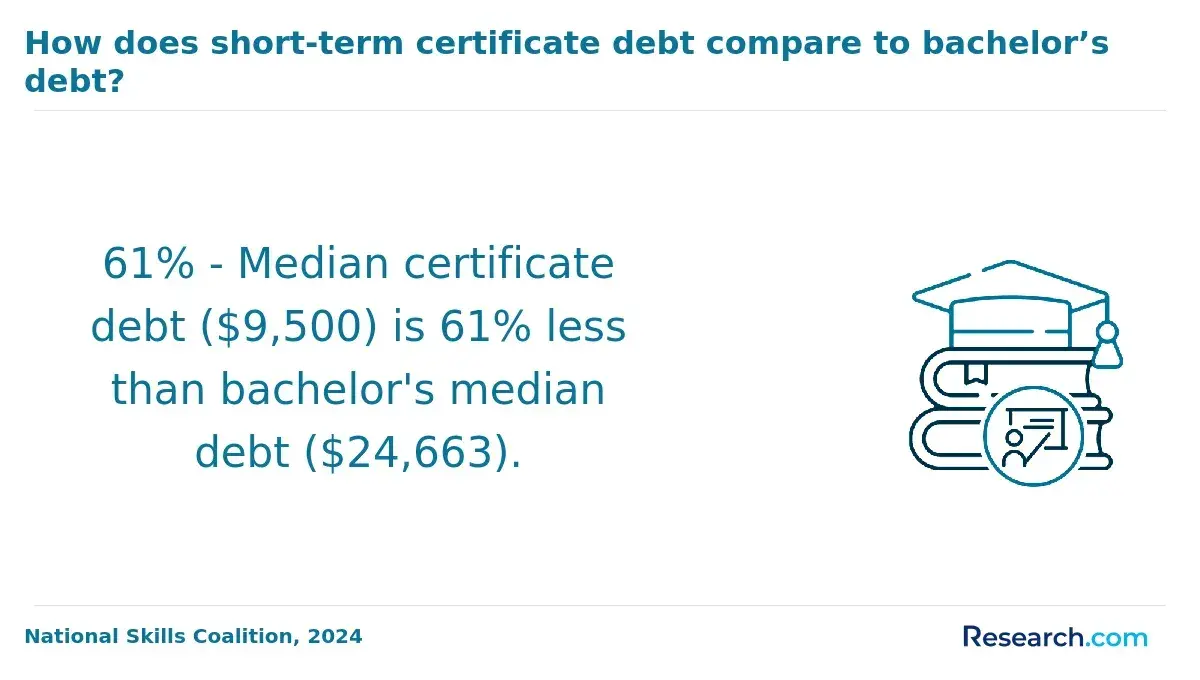
When tuition rises rapidly, shorter certificate programs in psychopharmacology may offer better cost efficiency and faster workforce entry compared to extended degree paths. However, employers in clinical and research roles often prioritize advanced degrees, meaning that choosing a shorter program could limit long-term career advancement despite upfront savings.
Prospective students must weigh immediate cost containment against the comprehensive training and credentialing that longer programs provide, particularly since inflation exacerbates total investment in time and money for multi-year degrees.
Higher tuition creates a financial imperative that often forces students to balance paid work with demanding academic requirements, potentially reducing time devoted to in-depth learning and practical skill development.
Programs under budget strain might also cut back on experiential components, such as lab work or clinical placements, which are critical for psychopharmacology proficiency. Students should assess whether a program maintains strong hands-on training despite rising costs, as a diluted curriculum can undermine both competency and employability long-term.
Yes, prioritizing programs with historically stable tuition inflation often results in more predictable total costs and less risk of sudden financial strain during study. Programs that consistently increase fees at a moderate rate tend to have reliable funding to sustain quality resources and faculty, improving educational outcomes.
Although these programs may start at a higher price point, their steady pricing trajectory supports better budget planning and reduces the likelihood of abrupt rises that can necessitate additional loans or dropping out.
As tuition escalates, part-time study may appear financially attractive by spreading out payments, but it typically prolongs time to degree completion and delays entry into higher-paying roles that require psychopharmacology credentials.
Conversely, full-time study demands greater short-term financial resources but accelerates career qualification and potential salary gains, which can offset tuition inflation. Students should prioritize program pacing based on their financial capacity and career timeline, recognizing that longer completion times increase exposure to future tuition hikes and opportunity costs.