2027 Psychopharmacology Affordability by State: Where Students Pay the Most and Least

Co-Founder and Chief Data Scientist
Choosing between two psychopharmacology programs often hinges on stark tuition disparities that extend beyond sticker price. A student facing $40,000 annually in out-of-state fees versus $15,000 in-state costs must also factor in living expenses, which recent data from the National Center for Education Statistics reveals vary up to 30% between states. Such cost differentials can drive borrowing decisions, influencing debt burdens and career flexibility after graduation.
Moreover, states with lower tuition frequently offset expenses with fewer research opportunities or clinical placements, affecting employability. This article examines these state-level affordability dynamics to pinpoint where psychopharmacology students pay the most and least, guiding sound financial decisions.
Key Things to Know About Psychopharmacology Affordability by State
- In-state tuition significantly lowers costs, but states like California show higher overall expenses due to living costs, emphasizing that nominally cheaper tuition can be offset by essential overheads, complicating budgeting.
- Employers in states with well-funded public programs often favor graduates with in-state credentials, reflecting local workforce integration and potentially limiting out-of-state students' employment networking advantages post-graduation.
- Rising reliance on online psychopharmacology programs during 2023-24 addresses access but may delay hands-on clinical experience, affecting licensure timing and increasing cumulative costs despite upfront tuition savings.
- Key Things to Know About Psychopharmacology Affordability by State Key Things to Know About Psychopharmacology Affordability by State
- Which States Have the Most Affordable Psychopharmacology Degree Programs? Most Affordable State Programs
- Which States Have the Highest Psychopharmacology Degree Costs? Highest State Tuition Costs
- How Much Does a Psychopharmacology Degree Cost by State? Degree Costs by State
- Why Does Psychopharmacology Affordability Vary So Much Between States? State Affordability Variations
- How Do In-State and Out-of-State Tuition Rates Affect Psychopharmacology Affordability? In-State vs. Out-of-State Rates
- How Does the Cost of Living Impact Overall Psychopharmacology Affordability by State? Living Costs and Affordability
- Which States Offer the Best Value for a Psychopharmacology Degree? Best Value State Degrees
- What Financial Aid and Scholarship Opportunities Can Reduce Psychopharmacology Costs? What Financial Aid and Scholarship Opportunities Can Reduce Psychopharmacology Costs?
- Are Online Psychopharmacology Degree Programs More Affordable Than On-Campus Options? Are Online Psychopharmacology Degree Programs More Affordable Than On-Campus Options?
- Is a Psychopharmacology Degree Worth the Cost Based on Career Outcomes and ROI? Degree ROI and Outcomes
Which States Have the Most Affordable Psychopharmacology Degree Programs?
State-level differences in tuition pricing and public funding create widely varying cost structures for psychopharmacology degree programs, making some states inherently more affordable than others. The interplay of institutional pricing strategies, residency-based tuition discounts, and state investment in higher education often determines whether students can pursue these degrees with manageable debt. For example, states with strong public university systems that heavily subsidize in-state tuition and provide extensive financial aid packages reduce the net cost burden substantially. This means that a student from Wyoming paying around $7,000 annually in tuition not only benefits from lower direct educational expenses but also faces fewer financial barriers related to living costs, compared to peers in higher-priced states.
Affordability in psychopharmacology degrees also hinges on individual circumstances such as residency status and access to state-funded scholarships, which affect enrollment decisions and long-term degree completion planning. Students weighing programs across states must account for how regional cost-of-living variations influence overall expenses and the opportunity cost of relocating versus attending online or local institutions. A growing share of programs now offer flexible, accredited online options that eliminate relocation costs-an important consideration given the documented lower average student debt levels in states prioritizing these modalities. Additionally, understanding these nuanced cost dynamics informs practical choices that enhance the long-term educational value and career readiness in psychopharmacology, especially for budget-conscious learners evaluating the most affordable psychopharmacology degree programs by state.
For those comparing pathways with varied pricing and residency rules, balancing tuition affordability with financial aid availability and institutional support becomes critical. States emphasizing robust public higher education funding and residency privileges provide structural advantages that contribute to sustained affordability. Practical tradeoffs emerge when evaluating whether attending a less costly state institution justifies potentially limited local employment networks versus investing more for programs in states with larger healthcare sectors. These decisions have lasting implications for post-graduation employability and debt management. Students interested in minimizing indirect costs might also explore alternative degree formats such as RN to BSN online with no clinicals pathways that mirror the growing trend for accessible health science education models within affordable states.
Which States Have the Highest Psychopharmacology Degree Costs?
Higher costs for psychopharmacology degrees in states like California, Massachusetts, and New York reflect a combination of expensive public university tuition, dense clusters of research-intensive institutions, and significant regional living expenses. These factors collectively drive total educational costs beyond just tuition, affecting housing, transportation, and ancillary fees, which can double the upfront expense for students attending in-person programs. State funding models and residency restrictions further complicate affordability, as out-of-state students face premium pricing and limited local program availability restricts competition, constraining options for cost-conscious learners. Considering these dynamics is critical when weighing the value proposition of pursuing psychopharmacology degrees in high-cost states versus more affordable regions or online alternatives.
The geographic cost disparities often translate into crucial tradeoffs, as many students must decide between enrolling in prestigious but costly urban universities or selecting less expensive programs in states with lower living costs and more generous public subsidies. For example, despite SUNY's relatively moderate tuition compared to New York private schools, the overall urban expense can still challenge budgets, prompting some students to prioritize financial aid packages, employer tuition support, or remote learning options. The scarcity of specialized psychopharmacology programs nationwide reinforces these decisions: fewer institutions mean fewer choices, creating a tension between educational quality, proximity, and cost that shapes long-term debt burdens and career outcomes in this specialized health science field.
A graduate recalled carefully comparing costs after discovering her state's limited psychopharmacology options forced a choice between a high-priced private university in Massachusetts or an in-state program with less curricular focus on her area of interest. She hesitated over assumptions that the private path would guarantee better research opportunities, factoring in the real costs of relocation and a steep urban rent market. Ultimately, she opted for the in-state school with a hybrid format, reasoning that reduced living expenses and the ability to work part-time would offset tuition differences and avoid excessive debt. Her experience underscored how cost transparency and understanding residency policies profoundly influenced her ability to pursue specialized training without undue financial stress.
How Much Does a Psychopharmacology Degree Cost by State?
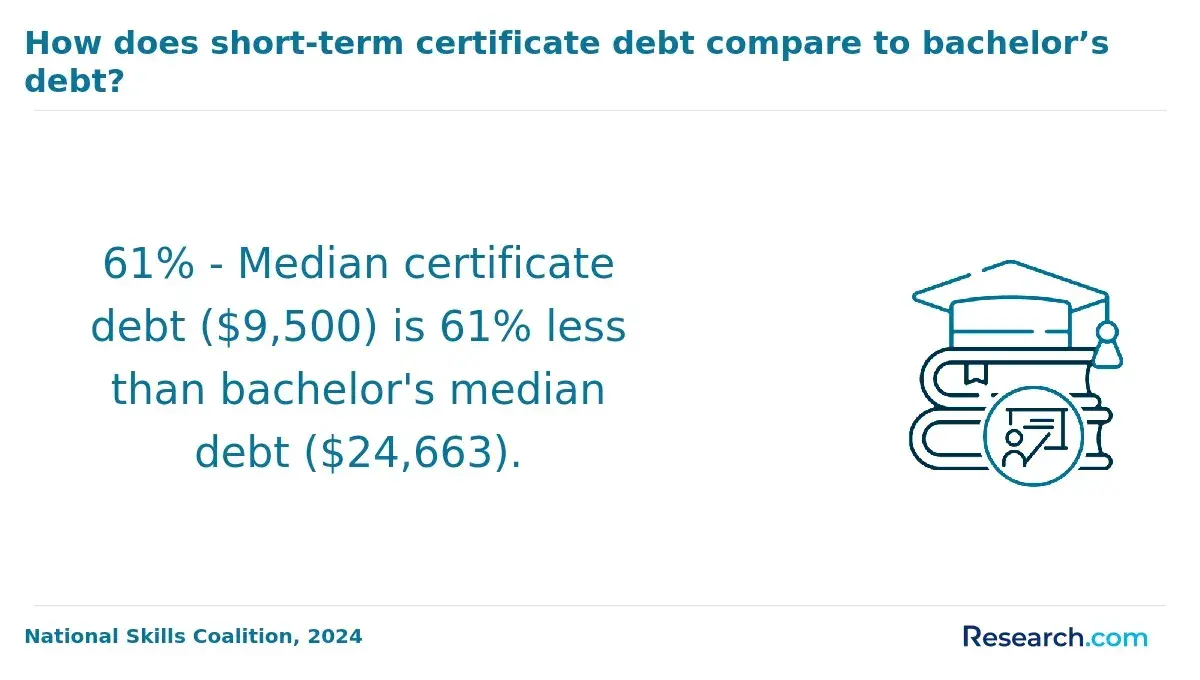
Variations in the cost of earning a Psychopharmacology degree across states reflect concrete financial and policy differences that directly impact student decision-making. For example, students in California or New York often face public university tuition exceeding $25,000 annually, with private institutions charging well above $40,000. In contrast, in states like Texas and Florida, public tuition frequently ranges from $10,000 to $15,000 for residents, making relocation or in-state enrollment a compelling financial strategy for budget-conscious learners. Out-of-state tuition premiums can effectively double these charges, compelling many to weigh the tradeoff between paying more upfront or pursuing alternative pathways such as online programs or out-of-state scholarships to mitigate debt loads.
Public versus private institution funding models are pivotal in shaping these disparities, as private schools typically ask for significantly higher fees. Beyond sticker prices, regional cost-of-living differences-housing, transportation, and daily expenses-compound financial planning considerations, especially in metropolitan hubs where housing costs spike. Additionally, states differ widely in grant and scholarship availability, with some offering robust aid to reduce net costs while others leave students more reliant on loans. These financial dynamics influence not only immediate affordability but also long-term debt burden and career flexibility, since some states with higher education costs also align with stronger healthcare sectors and research funding, potentially enhancing employment prospects after graduation.
Why Does Psychopharmacology Affordability Vary So Much Between States?
State funding disparities critically shape variations in psychopharmacology degree cost differences by state, influencing resident tuition rates and overall affordability. For instance, California's universities benefit from higher public investment, allowing lower in-state tuition despite the state's elevated living costs, while many Midwestern and Southern states face shrinking subsidies that shift greater financial burdens onto students. This budget tradeoff impacts enrollment decisions, prompting some learners to consider out-of-state or online alternatives as a means to balance quality with cost, especially when private institutions dominate a region's program offerings, often charging premiums due to limited state support.
Cost of living and financial aid policies compound these differences, making nominal tuition only part of the expense equation. Urban centers with specialized medical facilities driving psychopharmacology research invariably impose higher operational costs passed to students, which can diminish the practical affordability even in states with moderate tuition. These economic realities influence student behavior, with many weighing transfer options or accelerated programs to minimize debt, and some exploring pathways like what is the fastest way to become an LPN as alternative healthcare roles while planning long-term education funding. According to the Integrated Postsecondary Education Data System 2024, states with sustained investment in public institutions continue to offer the most accessible routes for psychopharmacology education, underscoring the impact of policy choices on workforce preparation and career feasibility.
How Do In-State and Out-of-State Tuition Rates Affect Psychopharmacology Affordability?
Tuition differences between in-state and out-of-state students heavily influence the strategic decisions of those pursuing psychopharmacology, often outweighing program features or institutional prestige. Since public schools typically rely on state funds to subsidize resident tuition, nonresidents face significantly higher charges-average annual out-of-state tuition runs approximately $27,000 compared to $10,500 for in-state students, according to National Center for Education Statistics data from 2024. This disparity compels many to evaluate the feasibility of relocation, residency reclassification, or selecting online programs that offer flat tuition regardless of geography, especially when weighing cumulative debt against long-term career goals in a field with specialty demand yet sensitive employment competition. Although regional reciprocity agreements can reduce out-of-state costs by up to half in select states, their limited reach means many students must either absorb the premium or forfeit access to certain high-tier public programs known for extensive psychopharmacology training.
Private institutions tend to charge one consistent rate, often mirroring or exceeding out-of-state public tuition but occasionally offset by larger aid packages, which adds complexity to financial planning. Students must carefully consider how residency status intersects with financial aid policies, institutional flexibility, and evolving online program offerings that blur traditional residency boundaries. The decision process is layered; for example, attending a flagship state school at in-state rates might mean sacrificing broader networking opportunities available at pricier out-of-state or private schools. Ultimately, understanding how tuition structures reflect state funding priorities and enrollment strategies is essential for prospective psychopharmacology students calculating cost against program accessibility and professional returns.
One recent graduate recounted moving to a neighboring state with hopes of qualifying for in-state tuition after a year but found the residency classification criteria stricter than anticipated, forcing payment of full out-of-state rates during the entire program. This unexpected cost increase strained their budget despite initial financial plans and prompted reconsideration of whether attending a closer in-state school with fewer psychopharmacology resources might have been more pragmatic. Though grateful for the program's quality, the student expressed lingering doubts about the financial tradeoffs involved and noted that a robust understanding of residency policies before enrollment would have eased their decision-making significantly.
How Does the Cost of Living Impact Overall Psychopharmacology Affordability by State?
Housing and daily living costs frequently overshadow tuition expenses when evaluating the true financial demands of earning a psychopharmacology degree across states. For instance, a student attending a program in New York or California faces rent prices two to three times higher than peers in Arkansas or West Virginia, dramatically increasing overall expenses despite similar tuition rates. This disparity forces budget-conscious students to weigh whether living in a high-cost urban center with more professional networking opportunities and potential part-time jobs justifies the added financial strain versus choosing rural or suburban campuses where lower housing and transportation costs reduce debt exposure and financial aid dependency.
Transportation, food prices, and healthcare costs also shape how regional cost of living factors into psychopharmacology education affordability. Areas lacking public transit necessitate car ownership with associated expenses, while metropolitan regions may offer discounted transit but come with elevated non-tuition charges that, according to the College Board, make up about 60% of total college costs. These variations influence enrollment decisions, with some students opting for programs offering remote or hybrid options to minimize high urban living costs. Understanding the impact of state cost of living on psychopharmacology degree expenses also guides pragmatic choices around internships, commuting time, and work-study feasibility, crucial for completing a degree without excessive financial hardship.
Prospective students comparing psychopharmacology programs should incorporate these budget realities alongside academic factors. Regional cost of living and psychopharmacology education affordability are intertwined through the dynamics of local wage conditions, utility expenses, and healthcare access, all affecting long-term career sustainability. Exploring alternative pathways like the easiest RN to BSN program online may also offer strategic benefits for those seeking flexible routes into healthcare, underscoring the importance of a comprehensive financial outlook beyond sticker tuition prices.
Which States Offer the Best Value for a Psychopharmacology Degree?
Deciding where to pursue a Psychopharmacology degree hinges on more than just tuition costs; students must weigh in-state tuition eligibility, total cost of living, degree completion rates, and local job market strength. For example, Florida's public universities offer relatively low in-state tuition paired with a moderate living expense and a six-year graduation rate around 62% for health programs, which can shorten time-to-degree and reduce debt accumulation. Conversely, states with higher tuition fees and living costs, like California or New York, may present attractive post-graduation salaries but also pose greater financial risk due to elevated debt and longer degree completion timelines.
Financial aid access and institutional support in states like Texas, with its substantial public university funding and targeted scholarships for allied health disciplines, often tip the balance in favor of affordability despite larger populations and competitive demand. Meanwhile, North Carolina's public institutions combine strong graduation outcomes and comparatively low student debt with proximity to regions like Research Triangle Park, bolstering internship and employment opportunities for graduates. Students must carefully consider residency requirements and the availability of online options since qualifying for in-state rates or remote study can significantly alter the value proposition.
Ultimately, the cheapest degree isn't always the best investment in Psychopharmacology. States that align moderate tuition with supportive completion environments and robust labor markets typically yield stronger returns on educational spend. Prospective students should analyze these dimensions together-examining institutional commitment to health sciences, financial aid breadth, and regional workforce absorption-to ensure that their choice promotes timely credential attainment and viable career entry without excessive financial strain.
What Financial Aid and Scholarship Opportunities Can Reduce Psychopharmacology Costs?
Federal financial aid remains foundational in shaping the affordability of psychopharmacology degrees, yet navigating its interplay with state-specific grants and institutional scholarships is critical for cost-effective planning. For instance, a full-time student in California may leverage targeted state health grants alongside federal Direct Loans, dramatically lowering out-of-pocket expenses compared to an out-of-state peer without access to reciprocity programs. Approximately 85% of graduate students benefit from some form of aid according to the 2024 National Postsecondary Aid Study (NPSAS), but the impact varies widely based on enrollment status, residency, and timing of applications, which critically influence eligibility and renewal of awards.
Beyond federal and state sources, merit-based and need-based scholarships administered by universities and private organizations often require careful alignment of academic and financial profiles as well as commitments such as service in underserved regions. Employer-sponsored tuition benefits add another layer of complexity, often restricted to part-time working professionals, creating a tradeoff between work commitments and degree progression speed. Budget-conscious students comparing psychopharmacology programs across states must weigh these nuanced aid structures alongside institutional policies on aid stacking and residency verification, which together determine the net price and ultimately influence decisions about where and how to pursue advanced study.
Are Online Psychopharmacology Degree Programs More Affordable Than On-Campus Options?
Online psychopharmacology degree cost comparison reveals that tuition alone does not capture the full financial picture. While fully online programs often feature 15-30% lower tuition rates compared to on-campus options, state residency policies and institutional fee structures can significantly alter affordability. For instance, students living out-of-state may face similar or higher costs online if institutions apply uniform tuition or tech fees, and some schools impose additional charges specific to remote learners. The real savings frequently emerge by avoiding housing, meal plans, and commuting expenses, which can add roughly $12,000 annually at public institutions, but these must be weighed against required technology investments and potential extended program durations affecting opportunity costs.
Affordability advantages also shift depending on individual circumstances and aid eligibility, with state-specific grants often favoring campus-based attendees. Online psychopharmacology programs attract a larger share of non-traditional students who may utilize employer tuition assistance, impacting net costs substantially. Those balancing work or family obligations might appreciate online flexibility but should consider how program design influences time-to-degree and associated expenses. For learners exploring affordable online psychopharmacology programs in the United States, scrutinizing these nuances is essential. Additionally, prospective students comparing programs should consider related fields; for example, exploring accelerated speech pathology programs can provide insight into pricing models and delivery methods in similar health science disciplines.
Is a Psychopharmacology Degree Worth the Cost Based on Career Outcomes and ROI?
Affordability differences across states critically shape the value proposition of a psychopharmacology degree, influencing not just tuition costs but also debt burdens and employment timelines. Students in lower-cost states often navigate less borrowing and quicker degree completion, which materially improves their return on investment compared with peers in high-cost regions such as California or New York, where elevated tuition and living expenses can delay financial stability. Beyond direct expenses, prospective students must weigh opportunity costs tied to lengthy credentialing processes-especially since clinical licensure and advanced certifications are essential in many roles and often push workforce entry back, reducing short-term income and affecting overall career trajectory.
Career outcomes for psychopharmacology degree holders vary regionally, reflecting both labor market demand and program quality. States with robust academic support and graduation rates above 70% generally yield better employment results and lower default rates on educational debt, reinforcing the need to assess program completion likelihood in ROI evaluations. Students should also consider geographic mobility and labor market fluctuations when targeting credentialed roles that command median salaries often exceeding $90,000 annually. For those assessing related pathways, resources on addiction counseling degree online programs may offer strategic alternatives or complementary training to enhance employability within behavioral health sectors.
In sum, evaluating psychopharmacology degree career outcomes in the United States requires a nuanced balance of local costs, educational quality, and credentialing requirements. Financial aid availability, institutional support, and alignment with long-term career goals determine whether a program delivers meaningful economic and professional returns. Making decisions rooted in this comprehensive context respects the complex interplay between state-level educational expenses and workforce realities, helping students avoid the pitfalls of high debt without commensurate salary gains.
References
- Prescription Drug Affordability Boards: Potential Risks to Pharmacy Reimbursement - NASPA https://naspa.us/resource/pdab/
- States Take Diverse Approaches to Drug Affordability Boards - NASHP https://nashp.org/states-take-diverse-approaches-to-drug-affordability-boards/
- Mental Health and Substance Use in U.S. and 10 Other Countries | Commonwealth Fund https://www.commonwealthfund.org/publications/issue-briefs/2020/may/mental-health-conditions-substance-use-comparing-us-other-countries
- Cost of living crisis and mental health - Money and Mental Health https://www.moneyandmentalhealth.org/cost-of-living-crisis-and-mental-health/
- Which US States Are Spending The Most On Healthcare? | William Russell https://www.william-russell.com/blog/price-of-usa-healthcare/
- The College Affordability Gap: Insights and Impact on Families https://encoura.org/resources/wake-up-call/the-college-affordability-gap-insights-and-impact-on-families
- Clinical Psychology: Salary & ROI (2026) https://www.campusroi.com/majors/clinical-psychology/
- Return on Investment For an Online Psychology Degree https://www.onlinepsychologydegrees.com/articles/return-on-investment-for-an-online-psychology-degree/
- 50 Most Affordable Clinical Psychology Master's Programs https://www.bestpsychologydegrees.com/top/affordable-graduate-degrees-in-clinical-psychology/
- Prescription Drug Affordability Boards in 2025: State Policy Actions and Trends https://www.multistate.us/insider/2025/7/30/prescription-drug-affordability-boards-in-2025-state-policy-actions-and-trends
Other Things You Should Know About Psychopharmacology
State-specific licensing mandates often add hidden costs beyond tuition, such as additional coursework, exams, or supervised clinical hours. These requirements can stretch program duration and increase time before employment, impacting total investment. Prospective students should consider states where licensure aligns closely with their training to avoid unexpected expenses and delays in career progression.
States with higher tuition often offer access to extensive clinical placements, research facilities, and professional networks crucial for psychopharmacology students' skill development and hiring prospects. Conversely, more affordable programs might lack these practical experiences, potentially hindering job readiness. Students must weigh upfront affordability against the long-term value of immersive clinical learning and employer connections when selecting a state for study.
While affordability is vital, psychopharmacology employers frequently emphasize program reputation and graduate outcomes, which often correlate with more established states and institutions. Opting for the cheapest option may reduce initial debt but could limit access to respected clinical training and negatively affect employability. A balanced approach prioritizing moderately priced programs with strong reputations offers a pragmatic path for budget-conscious students seeking meaningful career returns.
States differ in program intensity and scheduling flexibility, with some requiring full-time, in-person attendance and others offering part-time or hybrid models. More demanding structures can increase living expenses and reduce opportunities for employment during study, stressing affordability. Students with financial or family obligations should seek states whose programs accommodate flexible pacing to manage costs without sacrificing academic quality.