2027 Psychopharmacology Salary Trends Report: Are Wages Keeping Up With Tuition and Inflation?

Co-Founder and Chief Data Scientist
Considering enrollment in a psychopharmacology program often begins with a key question: does the financial return justify the increasing costs of education? A prospective student or recent graduate faces rising tuition fees alongside broader economic pressures like inflation. These factors make assessing salary outcomes more complex, as higher wages may not necessarily offset growing expenses. Understanding how salaries compare to tuition and inflation is critical for making informed decisions about educational investments.
Salary growth, education costs, and inflation rarely rise in tandem, complicating straightforward comparisons. Evaluating the long-term earning potential requires looking beyond initial salary offers to how well income keeps pace with living costs and debt burdens over time. This article explores psychopharmacology salary trends in relation to tuition and inflation, analyzing return on investment, affordability, and key factors shaping the degree's financial value through a comprehensive lens.
Key Things to Know About Psychopharmacology Salary Trends
- Graduate wages in psychopharmacology have grown nominally but lag behind inflation-adjusted tuition increases averaging 5.2% annually since 2021, challenging net return expectations for new entrants.
- Long-term earning potential heavily depends on specialization within psychopharmacology; clinicians with dual licensure show 15% higher salary growth rates, highlighting credential diversification as a key factor.
- Recent 2024 labor market data indicate geographic disparities significantly impact salaries, with urban centers offering up to 25% higher wages, influencing career location decisions amid cost-of-living tradeoffs.
- Key Things to Know About Psychopharmacology Salary Trends Key Things to Know About Psychopharmacology Salary Trends
- What Is the Current Salary Outlook for Psychopharmacology Graduates? Salary Outlook
- Are Psychopharmacology Salaries Keeping Up With Inflation? Inflation Impact
- How Do Tuition Costs Compare With Psychopharmacology Salary Growth? Tuition vs Salary
- Does a Psychopharmacology Degree Deliver a Positive Return on Investment? Degree ROI
- Which Industries Offer the Highest Salaries for Psychopharmacology Graduates? Which Industries Offer the Highest Salaries for Psychopharmacology Graduates?
- Which States and Cities Offer the Highest Pay for Psychopharmacology Professionals? Which States and Cities Offer the Highest Pay for Psychopharmacology Professionals?
- How Do Psychopharmacology Salaries Grow Throughout a Career? Career Growth
- How Do Psychopharmacology Salaries Compare With Similar Degrees? Salary Comparison
- How Is Employer Demand Affecting Psychopharmacology Salary Trends? Employer Demand
- How Can Students Maximize Their Lifetime Earnings With a Psychopharmacology Degree? Maximizing Earnings
What Is the Current Salary Outlook for Psychopharmacology Graduates?
Salary outcomes for psychopharmacology graduate salary trends reflect a broad spectrum influenced by role, experience, and workplace setting. Median annual earnings generally range from $85,000 to $120,000 according to 2024 data from the U.S. Bureau of Labor Statistics, with clinical research and pharmaceutical development positions typically offering compensation closer to the upper end. However, new entrants working in academic or healthcare environments may start near $70,000. For example, two graduates with the same degree might find their pay diverges significantly if one pursues a research role in Boston's biotech scene-where salaries tend to be 10-20% above average-while the other works in a rural clinical setting with lower local wages. This illustrates how geographic and sector-based factors critically shape early salary levels.
Interpreting the current earnings outlook for psychopharmacology degrees requires emphasis beyond just entry pay, as longer-term salary growth can be modest but steady. Industry surveys indicate annual wage increases averaging 2-3%, in contrast with faster-rising education costs and inflation. Demand for specialists versed in drug interactions and neuropharmacology remains strong, supported by expanding mental health innovations noted in numerous studies. Yet, the financial equation involves weighing potential salary gains against ongoing tuition hikes, which have averaged 5% annually over the last decade. Prospective students should also consider regional cost of living and career trajectory opportunities-some may find better return by targeting metropolitan hubs, while others might prioritize stability through established healthcare roles. Strategic choices made at the outset often influence long-term earnings more than initial salary alone.
Those evaluating whether to pursue advanced training may benefit from comparing psychopharmacology programs with other health-related fields, such as healthcare administration programs, to assess cost versus expected financial outcomes. This approach helps in understanding where psychopharmacology stands within the broader scope of medical and research professions in terms of compensation dynamics. Ultimately, individuals must balance their passion for the field with pragmatic assessments of financial return, considering both evolving job market demand and incremental salary progression documented in authoritative sources.
Are Psychopharmacology Salaries Keeping Up With Inflation?
Nominal wage increases in psychopharmacology-related occupations have not kept pace with inflation, resulting in diminished real earning power for graduates and professionals. Data from the U.S. Bureau of Labor Statistics shows average annual wage growth around 2.5%, while inflation has averaged roughly 3% per year over the past five years. This disparity means that despite salary raises, purchasing power often erodes, leaving psychopharmacology salary growth versus inflation out of sync. For example, a recent graduate earning a 2.5% raise annually might find that the cost of essentials like housing or education-related expenses grows faster than their income, impacting their ability to manage debt or save effectively.
One significant factor behind this trend is the steep rise in educational costs, which frequently outstrips wage growth in the field. Tuition increases for advanced psychopharmacology programs have regularly surpassed 20% in the last five years, exacerbating financial pressure on new graduates. These realities raise the question, are psychopharmacology wages keeping pace with tuition, especially when factoring in inflation? Prospective students should carefully weigh these financial challenges and consider less costly alternatives or supplemental income streams when planning their careers. Those exploring related paths might also examine cheapest PhD nursing programs as part of broader career strategy discussions.
How Do Tuition Costs Compare With Psychopharmacology Salary Growth?
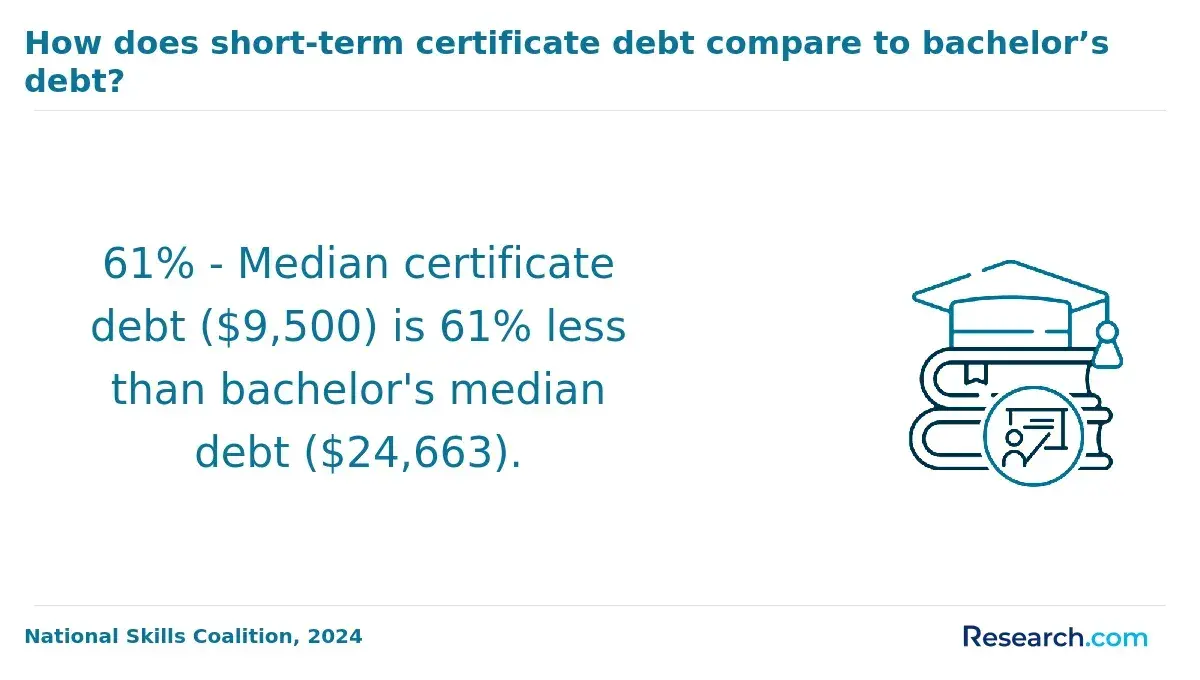
Examining tuition costs alongside salary growth reveals a critical imbalance that shapes the financial viability of pursuing a psychopharmacology degree. While graduate tuition in psychopharmacology programs has risen roughly 4.5% annually over the past decade, early-career salaries have increased by only about 2.7% per year, according to data from the National Center for Education Statistics and the Bureau of Labor Statistics in 2024. Mid-career professionals see salary growth closer to 3.5%, yet this still fails to keep pace with escalating education expenses. Comparing these figures offers a clearer picture of return on investment than evaluating costs or earnings independently, highlighting the potential for long-term financial strain even as professional expertise deepens.
For instance, consider two students enrolling this year: one finances their education primarily through loans, while the other receives partial scholarships and family support. The first graduate faces a heavier debt burden with tuition climbing faster than earnings, making debt repayment slower and more challenging as salary advances modestly. The second student's lower financial obligations ease pressure, allowing more flexibility despite similar salary trajectories. Additional factors such as loan interest, cost of living, and regional salary differences further complicate this dynamic, illustrating that the balance between tuition costs and salary growth is far from uniform across the psychopharmacology workforce.
Reflecting on these realities, a recent graduate shared how the decision to pursue psychopharmacology hinged on careful budgeting and the uncertainty of salary progression. They recalled hesitating before enrolling when faced with tuition increases outstripping average wage growth, ultimately choosing to accept a mixed funding package involving work-study and part-time employment. This strategy helped ease immediate financial stress but extended their time in the program. The graduate emphasized that awareness of how tuition and salary trajectories interact was crucial in managing expectations and shaping their long-term career and financial plans.
Does a Psychopharmacology Degree Deliver a Positive Return on Investment?
Return on investment (ROI) in higher education, particularly for a psychopharmacology degree, hinges on weighing the total cost of obtaining the degree-including tuition, fees, and living expenses-against the long-term financial benefits it can provide. This calculation extends beyond initial salaries to include career development, job stability, and growth in earning power over time. For example, a graduate entering the field with an average starting salary near $80,000 may face significant student debt, especially as tuition rates have outpaced inflation by more than 6% annually. In such a case, the timeline for realizing a positive ROI can stretch several years, requiring careful financial planning and targeted job placement in high-demand sectors to ensure that wages eventually surpass education-related expenses.
Factors influencing whether a psychopharmacology degree yields a positive ROI include the rapidly evolving job market, debt burden, and opportunities for advancement. The Georgetown University Center on Education and the Workforce projects moderate to strong growth in pharmaceutical and healthcare fields through 2030, suggesting stable demand that can enhance career prospects. However, early-career earnings often lag behind education costs due to substantial debt, which can delay financial gains. According to data from the National Association of Colleges and Employers and the U.S. Bureau of Labor Statistics, professionals with psychopharmacology backgrounds benefit from incremental salary increases as they gain experience or specialize, which can ultimately tip ROI into favorable territory-particularly over a full career span rather than just the initial years after graduation.
Which Industries Offer the Highest Salaries for Psychopharmacology Graduates?
Salary outcomes for psychopharmacology graduates vary significantly depending on the industry, with some sectors consistently offering stronger financial rewards aligned with specialized skills and responsibilities. Rising tuition costs and inflation intensify the importance of targeting sectors with sustainable, high-paying roles. The U.S. Bureau of Labor Statistics highlights that healthcare-related occupations involving psychopharmacology expertise rank among the highest paying within the related fields. For those balancing choice of industry with long-term career stability and growth, here are the primary sectors where salary potential is strongest for psychopharmacology professionals:
- Pharmaceutical and Biotechnology: These industries dominate the upper end of psychopharmacology graduate salary ranges due to robust investment in drug development and personalized medicine. Roles often focus on clinical trials, regulatory affairs, and neuropharmacology research, requiring advanced technical expertise and contributing to high compensation packages.
- Specialized Healthcare Services: Psychopharmacologists working in psychiatric hospitals or private clinical practices benefit from direct patient care roles combined with medication management responsibilities. Integration with telemedicine has expanded access and income potential, often surpassing general mental health service salaries.
- Academic and Research Institutions: Universities and government-funded labs employ psychopharmacology graduates in research and teaching roles. While base salaries vary, leadership positions such as principal investigators provide substantial earnings augmented by grant funding, rewarding a mix of academic and management skills.
- Medical Device Industry: Emerging high-salary opportunities exist in companies developing neurostimulation and diagnostic tools. Professionals here use specialized knowledge in product development and regulatory compliance, enabling above-average pay linked to technical aptitude.
- Clinical Research Organizations: These entities offer opportunities in trial design and data analysis, often contracting with pharmaceutical firms. Expertise in psychopharmacology ensures these professionals command a premium due to their ability to bridge clinical practice and scientific research.
- Government Agencies: Psychopharmacology experts in public health departments or federal research bodies may receive competitive compensation when involved in policy, program development, or epidemiological studies related to psychiatric medication use.
For example, a graduate employed in neuropharmacology research at a biotechnology firm might earn significantly more than a counterpart in general psychiatric care due to the sector's intense R&D focus and demand for highly specialized skills. As explored in salary surveys from major healthcare studies, pharmaceutical and biotech sectors remain the top paying industries for psychopharmacology professionals. Prospective and current students should consider these salary dynamics alongside educational debt and career goals to make well-informed decisions about their paths. Those interested in related scientific and clinical fields may also benefit from exploring a nutrition degree online for complementary expertise.
Which States and Cities Offer the Highest Pay for Psychopharmacology Professionals?
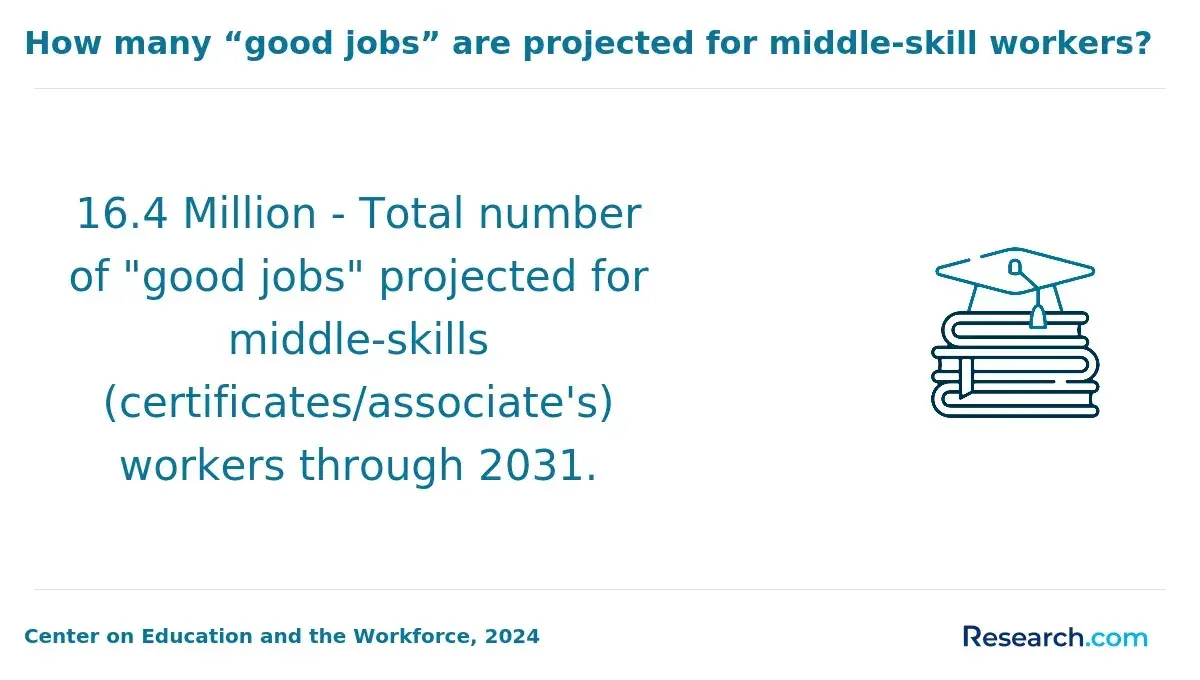
Salary prospects for psychopharmacology professionals vary significantly across the United States due to differences in regional demand, cost of living, and healthcare infrastructure. While certain areas command higher wages driven by dense medical research hubs and expansive healthcare systems, these advantages often come with elevated expenses that can offset financial gains. Choosing where to establish a career requires weighing salary against local economic realities, including housing and living costs. Below are key regions recognized for top compensation levels in psychopharmacology roles and the factors influencing their pay scales.
- California: High salaries in California, particularly in San Francisco, are supported by a concentration of biotech firms and mental health research institutions. Median wages often surpass $140,000 annually, yet the state's considerable housing prices and taxes mean net income can be less competitive after expenses. Students should balance ambitious salary targets with these substantial living costs.
- Massachusetts: Boston offers one of the highest median salary ranges, frequently between $130,000 and $135,000, driven by its dense cluster of academic medical centers and pharmaceutical companies. The city's thriving biotech sector fuels demand, but prospective professionals must consider expensive urban living and tuition fees common in this knowledge-driven economy.
- New York: New York City's large healthcare systems and high demand for psychopharmacology experts create competitive salaries often exceeding $125,000. However, like other top-paying cities, high housing costs and taxes reduce disposable income, signaling the importance of evaluating total living expenses when considering relocation.
- Washington, D.C.: Government research programs and private partnerships contribute to Washington, D.C.'s robust salary offerings. While pay is attractive, candidates should note the region's rising living costs and factor in potential student loan repayment programs tied to public service employment.
- Seattle: The presence of biotechnology firms and federal research institutions supports strong earning potential in Seattle. Though salaries are competitive, recent increases in local housing prices necessitate careful financial planning to ensure long-term career sustainability.
How Do Psychopharmacology Salaries Grow Throughout a Career?
Salaries for psychopharmacology-related roles generally start in the $60,000 to $80,000 range for entry-level positions, often involving clinical trial support or pharmaceutical consulting under supervision. As professionals gain experience, typically between five to ten years, their earnings tend to rise by 20% to 40%, depending on factors like job role, certification, and geographic location. Those who pursue board certifications, engage in research, or transition into leadership roles within academia or industry can see salaries surpass $120,000 and sometimes reach between $150,000 to $180,000 annually according to 2024 data from the U.S. Bureau of Labor Statistics and related industry reports. Despite these increases, wage growth frequently fails to keep pace with rising tuition and inflation, meaning the financial benefits of the degree may be delayed or eroded by education costs over time.
Consider two graduates with identical psychopharmacology degrees: one chooses to specialize early and pursues additional certification while actively publishing research; the other remains in entry-level roles with less professional development. The first individual is more likely to experience accelerated salary growth and access higher-paying leadership positions, whereas the second may see slower increases more aligned with standard mid-career gains. This divergence underscores the importance of strategic career decisions and continuous credentialing in maximizing long-term earnings. Geographic variation also plays a crucial role, as wages shift significantly depending on regional demand and cost of living, further influencing overall compensation trajectories.
One graduate described feeling torn during their fifth year in the field when offered an opportunity to pursue board certification alongside a modest pay cut. They hesitated due to immediate financial pressures but ultimately accepted, recognizing that additional qualifications aligned with their goal of research leadership. Over the next several years, their earnings steadily climbed past peers who declined further certification, reaffirming that early investment in specialization and credentials can outweigh short-term financial discomfort in psychopharmacology careers.
How Do Psychopharmacology Salaries Compare With Similar Degrees?
Evaluating psychopharmacology salary comparison with related degrees reveals nuanced distinctions shaped by overlapping disciplines and industry demands. While average earnings for psychopharmacology versus similar fields tend to be competitive, the cross-disciplinary expertise required often results in earnings that diverge from more specialized tracks. Considering the steady rise in tuition and living costs, understanding these salary differentials is crucial for prospective students and career changers assessing the long-term value of a psychopharmacology degree. Below is a concise comparison of median salaries and career trajectories across relevant fields.
- Clinical Psychology: Median salaries hover around $85,000 annually, slightly below psychopharmacology's typical $88,000-$95,000 range. Careers focus more on therapeutic interventions and psychological assessment, which usually limits earning potential compared to fields integrated with pharmacological expertise.
- Pharmacology and Toxicology: These professionals report median wages near $97,000, benefiting from specialized pharmaceutical research roles with higher salary ceilings. The focused nature of these careers often drives demand and compensation beyond what most psychopharmacologists encounter.
- Neuroscience: With salaries averaging about $90,000, neuroscience overlaps with psychopharmacology but emphasizes biological mechanisms over clinical application. This results in similar but generally less diverse earning pathways than those available to psychopharmacology graduates.
- Health Information Management: This emerging field offers median salaries around $100,000, reflecting growing demand for data expertise in healthcare. For those weighing psychopharmacology salary comparison with related degrees, health information management jobs salary highlights an alternative with strong financial growth potential driven by technology integration.
Understanding these distinctions helps students make informed decisions amid inflationary pressures and rising education costs. Strategic career planning should weigh emotional and professional rewards against evolving economic realities.
How Is Employer Demand Affecting Psychopharmacology Salary Trends?
Employer demand significantly influences salary trends for psychopharmacology professionals by intensifying competition among healthcare and pharmaceutical organizations seeking qualified candidates. When demand rises, as shown by the National Institute of Mental Health's 2024 report indicating a 6% annual growth in job openings related to psychopharmacology since 2022, wages tend to increase as employers adjust compensation to attract and retain talent. For instance, a psychiatric pharmacist applying to a large urban hospital may command notably higher salaries compared to a similar role in a rural clinic, driven by higher demand and budget capacity in metropolitan healthcare systems. This dynamic shows that salary growth is not only tied to demand but also shaped by regional economic conditions and the financial flexibility of hiring institutions.
Major factors shaping employer demand include demographic shifts, such as an aging population requiring more mental health services, and amplified mental health awareness boosting treatment needs. These elements have propelled steady employment growth, counterbalancing tuition rises and inflation that could otherwise dampen salary gains. Salaries are further influenced by individual experience, area of specialization, and institutional priorities, which means that while some psychopharmacology graduates see robust wage increases, others in less competitive markets may experience slower growth. Prospective students and career changers weighing the return on investment should consider not only these demand-driven salary trends but also educational options like the fastest and easiest counseling degree programs for diverse pathways into the mental health field.
How Can Students Maximize Their Lifetime Earnings With a Psychopharmacology Degree?
Maximizing lifetime earnings with a psychopharmacology degree requires more than completing coursework. In a competitive and evolving field, strategic choices about specialization, location, and continuous skill development directly affect earning trajectories. For instance, a graduate who targets pharmaceutical research roles in metropolitan hubs often outpaces peers in clinical settings with less industry focus. Below are key strategies supported by 2024 data from the U.S. Bureau of Labor Statistics and the National Institutes of Health that enhance long-term financial outcomes for psychopharmacology professionals.
- Target High-Demand Sectors: Concentrating on pharmaceutical research, clinical trials, or biotechnology firms typically results in salaries 20-30% above average. Students can align internships and projects with these sectors to build relevant experience.
- Earn Advanced Credentials: Pursuing a PhD or specialized postdoctoral training in neuropharmacology or psychopharmacogenetics correlates with faster salary growth and access to leadership roles.
- Work in Pharmaceutical Hubs: Geographic location matters; metropolitan areas like Boston, San Francisco, and New York offer higher wages linked to industry density and living costs.
- Gain Interdisciplinary Experience: Collaborating on teams that integrate technology and emerging methods such as AI-driven drug development enhances employability and long-term career prospects.
- Seek Leadership Roles Early: Positions at research institutions or regulatory agencies provide premium compensation, so students should aim to build management skills alongside technical expertise.
- Engage in Research Collaboration: Early involvement with cross-functional research projects fosters valuable networks and innovations that amplify career momentum.
- Stay Current with Industry Trends: Keeping up with evolving pharmacological technologies and regulatory changes is essential for maintaining relevance and negotiating higher salaries over time.
References
- Psychiatrist Career Guide 2026: $269,120 Salary, Career Path & Outlook https://www.salarydr.com/careers/psychiatry
- PMHNP Career Outlook 2026: Salary Trends & Career Growth https://apea.com/blog/PMHNP-Career-Outlook-2026-Part-1-78/
- Mental Health Counselor Job Outlook and Salary | Bradley University Online https://onlinedegrees.bradley.edu/blog/mental-health-counselor-job-outlook
- Psychopharmacologist Careers: Salary Information & Job Description https://learningpath.org/articles/Psychopharmacologist_Careers_Salary_Information_Job_Description.html
- PMHNP Job Outlook 2026: Growth Rate, Demand & Future Predictions (2026) | PMHNP Hiring | PMHNP Hiring https://pmhnphiring.com/blog/pmhnp-job-outlook
- Is College Worth it? | Return on Investment Analysis of College Degree https://educationdata.org/college-degree-roi
- Has pay kept up with inflation? - The Hamilton Project https://www.hamiltonproject.org/data/has-pay-kept-up-with-inflation/
- Some popular graduate degrees don’t pay off financially, study finds - The Washington Post https://www.washingtonpost.com/education/2026/03/31/graduate-degree-earnings-study/
- Demand for Psychiatrists: Addressing the Shortage and Job Outlook https://practiceseeker.com/resources/demand-for-psychiatrists-addressing-the-shortage-and-job-outlook
- Psychiatrist Salary Guide 2026 - PsychologyJobs.com https://psychologyjobs.com/psychiatrist-salary/
Other Things You Should Know About Psychopharmacology
Program length and clinical focus significantly influence starting salaries and long-term earnings in psychopharmacology. Graduates from accelerated or research-heavy programs may face lower initial pay due to less clinical experience compared to those from clinically intensive tracks. Choosing a program aligned with employer expectations for direct patient care can enhance job readiness and wage prospects, so students should weigh curriculum balance over prestige alone.
High workloads commonly expected in psychopharmacology, including long hours and intense clinical demands, often do not translate into proportional wage premiums. Employers may prioritize cost containment in healthcare settings, limiting salary growth despite increasing responsibilities. Prioritizing roles that offer clear pathways for specialization or supervisory positions is advisable for those seeking wage growth alongside workload increases.
Programs with established ties to healthcare providers and pharmaceutical companies often yield higher initial salaries due to tailored training and direct hiring pipelines. These partnerships can reduce job search time and provide exposure to employer-specific competencies. Prospective students should value these connections as practical advantages when evaluating programs since they impact both immediate earning potential and career trajectory.
While wages in urban centers may appear higher, they often fail to fully compensate for substantially elevated living costs. This mismatch can erode real income gains from salary increases in high-cost areas. Graduates should assess net purchasing power rather than nominal salary when considering relocation or job offers, prioritizing regions where salary growth exceeds or at least matches cost of living inflation for sustainable financial well-being.