2027 Best Value Online Reading & Literacy Master's Degrees: Affordable Accredited Programs with the Highest ROI

Co-Founder and Chief Data Scientist
Finding an online reading & literacy master's degree that balances cost, quality, and career impact poses a complex challenge. As enrollment in distance education expands, rising over 20% in the past three years according to the National Center for Education Statistics, candidates must navigate a crowded, varied marketplace. The need to identify accredited programs that deliver measurable value without excessive tuition or diminished academic rigor grows urgent. For many, especially first-generation and working professionals, this decision weighs heavily on long-term career mobility and financial stability. This analysis clarifies key factors shaping affordability, admission flexibility, and proven workforce outcomes to guide better-informed commitments.
Key Things to Know About the Best Value Online Reading & Literacy Master's Degrees
- Programs accredited by recognized agencies ensure curriculum rigor but often require longer completion times, affecting working adults' ability to balance study with professional obligations.
- Employers prioritize candidates from accredited master's degrees in reading & literacy, signaling validated expertise critical for advancing in competitive educational roles.
- According to 2024 NCES data, flexible online enrollments among adult learners rose 18%, underscoring how program accessibility shapes timely degree attainment and cost containment.
What Are the Best Value Online Reading & Literacy Master's Programs in the U.S.?
Best value in an online reading and literacy master's program hinges on more than just the sticker price-it's about balancing tuition affordability with robust regional accreditation, solid graduation rates, and demonstrable post-degree earnings growth. For working adults and first-generation students, selecting a program that is both financially accessible and academically credible means navigating tradeoffs between program flexibility, practicum access, and curriculum rigor.
For instance, a candidate with limited time but a tight budget might prioritize asynchronous formats with a lower total tuition, accepting fewer synchronous interactions or in-person practicum hours. Conversely, another may opt for a slightly higher-cost program that offers blended delivery and extensive practicum partnerships, valuing immersive experiences that better position them for specialized literacy roles. Such decisions carry consequences for employability and long-term salary trajectories, especially in districts where literacy specialists must be credentialed through approved programs.
Here are five standout affordable accredited online reading and literacy graduate degrees with highest ROI from U.S. institutions, ordered by tuition from lowest to highest, allowing prospective students to weigh cost versus delivery nuances and program emphases:
- University of West Georgia: Approximate tuition $11,500, fully asynchronous; program emphasizes culturally responsive literacy practices tailored for diverse K-12 classrooms.
- Stephen F. Austin State University: Approximate tuition $15,000, asynchronous with some scheduled check-ins; known for its extensive practicum opportunities partnered with local schools.
- Texas A&M University-Corpus Christi: Approximate tuition $16,700, primarily asynchronous; distinguished by its integration of bilingual literacy strategies and digital literacies.
- University of North Carolina at Greensboro: Approximate tuition $18,800, blended synchronous/asynchronous delivery; highlights a research-based curriculum supporting literacy intervention leadership.
- University of Massachusetts Amherst: Approximate tuition $21,000, asynchronous; features a strong emphasis on multilingual literacy and evidence-based assessment techniques.
- Accreditation: All programs hold regional accreditation and meet state education standards for reading specialist credential eligibility.
- Graduation Rates: These universities report graduation rates above 70%, reflecting consistent student support and program accessibility.
- Post-Degree Salary Lift: Graduates typically experience salary increases between 15% and 30% within three years, aligned with school district pay scales for literacy specialists.
- Delivery Formats: Programs balance asynchronous learning for flexibility with synchronous elements for cohort interaction and practicum supervision.
- Data Sources: Tuition and outcome data are drawn from IPEDS and institution-reported statistics for the current academic year, ensuring accuracy and relevancy.
For those pursuing a balance of affordable tuition, practical delivery models, and strong academic outcomes, these programs represent meaningful choices. Evaluating how program structure aligns with personal and professional obligations alongside projected salary benefits is critical. Further exploration of program flexibility and career impact can be found in comprehensive guides on 1 year online masters programs, which include related accelerated pathways.
What Accreditations Should an Online Reading & Literacy Master's Program Have?
Accreditation is often overlooked yet critically shapes the practical value of an online reading & literacy master's degree, influencing everything from tuition aid to job prospects. Choosing a program without the proper accreditation risks nontransferable credits, ineligibility for licensure, and diminished employer recognition-outcomes that can derail career plans and increase costs.
The accreditation landscape for these programs consists of two essential tiers. The first is regional accreditation, held by one of seven recognized U.S. accreditors like the Higher Learning Commission (HLC), Southern Association of Colleges and Schools Commission on Colleges (SACSCOC), or Middle States Commission on Higher Education (MSCHE). This institutional accreditation validates the overall quality of the school, enabling federal financial aid access and smooth credit transfer. Employers also tend to favor degrees from regionally accredited institutions, interpreting them as meeting a baseline academic standard.
The second, less common but increasingly important tier is programmatic or field-specific accreditation connected to reading & literacy. While not universally required, endorsements from bodies such as the Council for the Accreditation of Educator Preparation (CAEP) signal that the program aligns with professional teaching standards, curriculum relevancy, and licensure preparation. Graduates of programs lacking these endorsements may face hurdles when seeking state certification or employment in K-12 education settings that expect recognized credentials.
Be wary of programs that rely solely on national accreditation or obscure international accreditors since these often lack rigor, do not qualify for federal aid, and frequently result in degrees that employers view skeptically or reject outright.
Before committing to a program, prospective students should ask admissions representatives these questions to ensure credibility and practical value:
- Regional Accreditation: Which regional accrediting body recognizes the institution?
- Field-Specific Accreditation: Does the program have specialized accreditation or endorsements relevant to reading & literacy licensure and professional standards?
- Credit Transferability: Can credits transfer if I decide to switch programs or institutions?
- Licensure Recognition: Is the program acknowledged by state education departments or licensure boards?
How Much Does an Online Reading & Literacy Master's Degree Cost on Average?
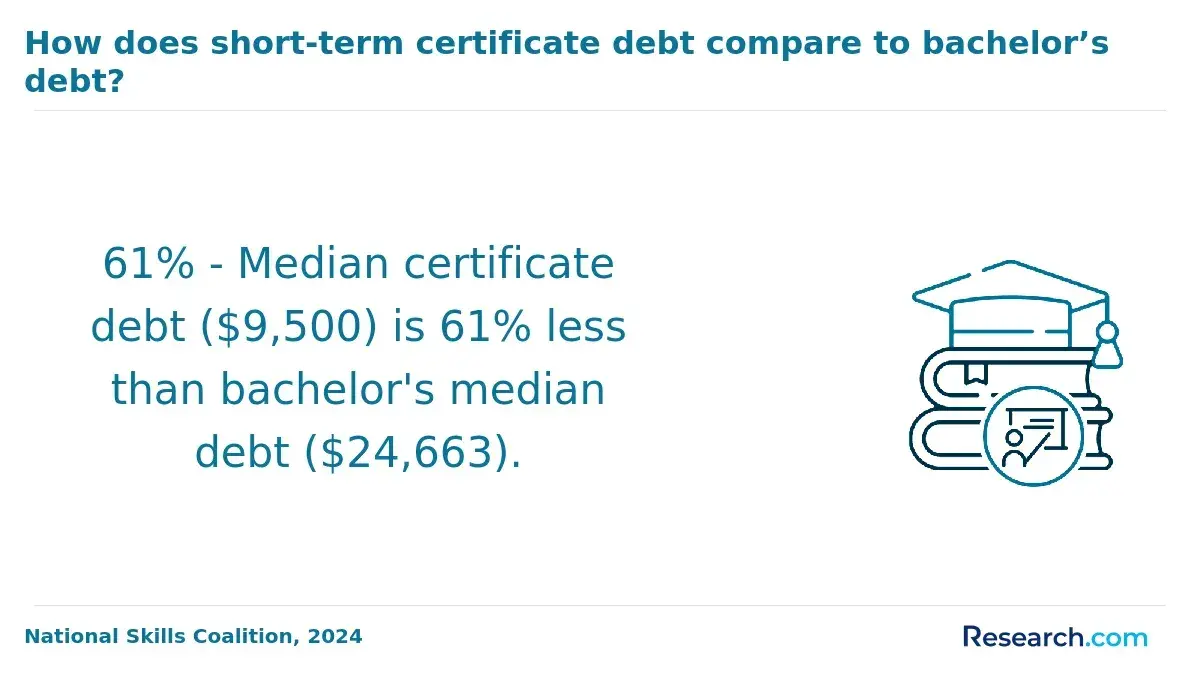
Choosing an online reading and literacy master's degree often involves a complex cost calculation well beyond base tuition. Public universities tend to charge between moderate to lower total program fees compared to private nonprofit schools, where flat tuition rates apply more uniformly regardless of state residency. For many prospective students-especially first-generation graduate students or career-changers-the distinction between in-state and out-of-state pricing can materially affect affordability, though a growing number of programs now use standardized pricing to simplify budgeting.
Key cost components that influence the average price reflect often overlooked fees and requirements:
- Tuition: Public institutions generally offer lower per-credit costs for in-state students, while out-of-state learners might pay more unless a flat rate applies; private nonprofits usually maintain a consistent but often higher rate.
- Mandatory Fees: Registration, activity, and library fees can add several hundred dollars each semester, incrementally increasing overall expenses.
- Technology Fees: Monthly or per-course charges support online platforms and digital tools essential for program delivery and assessment.
- Thesis/Capstone Fees: Separate charges may be required for culminating projects, affecting final budget estimates.
- Residency Requirements: Some programs mandate brief on-campus residencies for hands-on training or orientations, which impose additional travel and lodging costs.
While public programs often represent the most affordable accredited reading and literacy master's programs in the US, private options can better suit out-of-state students seeking predictable flat rates. Careful cost breakdowns aligned with personal circumstances help avoid unexpected financial burdens and align education investments with workforce realities. For comparative insight, consider also how other graduate fields address pricing flexibility; for instance, many students examine pricing trends across disciplines like psychology-exploring online psychology masters programs for similar affordability markers and structural cost designs.
What Is the Return on Investment (ROI) of an Online Reading & Literacy Master's Degree?
The financial return on investment (ROI) of an online reading & literacy master's degree depends largely on how effectively the degree increases earnings relative to its cost. ROI in graduate education is best calculated by taking the difference between post-degree and pre-degree salaries, subtracting the total program cost, and then dividing by that cost-typically expressed as a percentage or the number of years it takes to recoup tuition expenses. For many, the payoff hinges on whether the degree translates to a meaningful salary boost, especially compared to having only a bachelor's degree.
Median salaries for roles such as literacy coaches, reading specialists, and curriculum coordinators tend to range from roughly $55,000 to $75,000. Those without the advanced degree usually earn closer to $40,000 to $50,000 in comparable education positions. With tuition often reaching $20,000 or more, prospective students should anticipate a break-even period between three and seven years, depending on variables like salary uplift and program expenses.
- Work Experience: Candidates with extensive teaching backgrounds often realize greater salary increases, improving overall ROI.
- Institutional Prestige: Graduates from recognized universities generally access higher starting salaries and better placement options.
- Regional Demand: Higher ROI occurs in geographic areas facing shortages of qualified professionals or increased education funding.
- Specialization: Focusing on niches such as dyslexia or bilingual education can yield premium compensation.
- Non-Monetary Benefits: Enhanced job security, leadership potential, and career flexibility are important ROI factors that may not be reflected in salary alone.
An online reading & literacy master's graduate recalled that applying during rolling admissions posed unexpected challenges. Despite meeting prerequisites, they delayed submitting transcripts due to work commitments, creating uncertainty about acceptance timing. The extended waiting period complicated financial planning but also provided time to compare alternative programs. Ultimately, securing admission to a reputable program offered reassurance that offset earlier doubts, underscoring the importance of strategic timing and preparation in maximizing ROI from enrollment decisions.
What Are the Admission Requirements for an Online Reading & Literacy Master's Program?
Admission criteria for online reading & literacy master's programs often reflect a strategic balance between academic rigor and relevant professional experience, impacting both acceptance chances and career trajectory. Candidates with a minimum undergraduate GPA near 3.0 on a 4.0 scale typically meet baseline expectations, though exceptions are possible if professional experience is strong. For example, a teacher with extensive classroom experience but a slightly lower GPA might still gain admission to programs valuing practical expertise alongside academics.
- Letters of Recommendation: Generally, two to three are required, emphasizing academic capabilities, work ethic, and graduate-level potential, key factors admissions committees weigh to assess applicant readiness.
- Statement of Purpose or Personal Essay: This element offers applicants a platform to clarify their career focus and motivations, also serving as evidence of writing skills and critical reflection, which employers increasingly value.
- Professional Resume or CV: Programs expect a detailed account of work history, relevant certifications, and leadership roles since many enrollees are career changers or working professionals demonstrating transferable skills.
- Prerequisites: Some programs require foundational coursework in education, linguistics, or child development, which can pose a barrier if missing, potentially necessitating additional preparation.
- Standardized Testing: GRE or GMAT requirements are declining, with most programs adopting test-optional policies; however, programs emphasizing STEM-oriented literacy methods may still evaluate quantitative proficiency.
Because admission requirements vary widely among accredited programs, applicants improve their chances and strategic fit by applying to a range of institutions categorized as reach, match, and safety options rather than relying on a single target.
What Is the Minimum GPA Requirement for a Reading & Literacy Master's Program?
Minimum GPA requirements for online reading and literacy master's programs reflect a balance between maintaining academic rigor and recognizing diverse applicant backgrounds. Most accredited programs commonly set a minimum undergraduate GPA threshold between 2.75 and 3.0, establishing the baseline for eligibility.
However, competitive programs often report average admitted GPAs closer to 3.2 or higher, illustrating how a higher GPA can strengthen an applicant's profile amid growing demand and selective admission processes. For example, a candidate with a 2.8 GPA may be technically eligible but might face tougher competition compared to those with 3.3 or above, impacting their chances of acceptance and scholarship availability.
The distinction between minimum eligibility GPA and the typical admitted GPA is essential for applicants to understand. Many reading and literacy graduate programs in the US emphasize this range to guide prospective students on both the floor for consideration and the competitive landscape. This nuance is crucial for first-generation graduate students or career-changers who must weigh the tradeoffs between their academic record and other credentials.
Commonly, programs offer GPA waivers or alternatives. Applicants with below-threshold GPAs might submit portfolios, demonstrate relevant professional experience, or provide standardized test scores to compensate. Conditional admission is also an option where students enroll provisionally, often needing to meet specific performance benchmarks during early coursework.
- Minimum GPA Requirement: Most programs typically require a 2.75 to 3.0 undergraduate GPA as the eligibility floor.
- Competitive GPA: Average admitted student GPAs often exceed 3.2, reflecting the selective nature of many programs.
- GPA Waivers: Professional experience, portfolios, or test scores may substitute for GPA at many institutions.
- Conditional Admission: Provisional acceptance is possible with below-threshold GPAs, often contingent on academic performance.
- Holistic Evaluation: GPA is considered alongside recommendation letters, personal statements, and work experience in admissions decisions.
For those weighing program options, understanding these minimum GPA requirements for online reading and literacy master's programs can inform realistic expectations and application strategies. Additionally, related fields have different requirements and practical considerations; for example, students interested in mental health counseling often navigate distinct GPA criteria and clinical prerequisites, as outlined in mental health counseling online masters resources.
What Financial Aid Options Are Available for Online Reading & Literacy Master's Students?
Financial aid for online reading & literacy master's students demands strategic choices that can significantly affect both debt burden and career flexibility. Unlike undergraduate study, federal grants like Pell Grants are generally off the table for graduate-level work, a surprising limitation for many first-generation students. This means loans, scholarships, and employer support often become the primary avenues, each with distinct implications for repayment timelines, eligibility, and long-term financial impact.
- Federal Loans: Graduate students qualify for Direct Unsubsidized Loans and Graduate PLUS Loans via FAFSA, which now calculates a Student Aid Index to assess eligibility. These loans carry fixed interest rates and repayment obligations that should be weighed against projected salary gains and job market stability in education roles.
- Institutional Scholarships and Fellowships: Some programs offer merit-based scholarships or fellowships targeting reading & literacy candidates, but these often require early submission and clear academic credentials, demanding proactive planning.
- Employer Tuition Reimbursement: For working professionals, employer tuition assistance can offset costs substantially, though reimbursement caps and eligibility requirements vary widely and may influence employment decisions.
- Graduate Assistantships: Even some online programs provide assistantships combining financial aid with practical teaching or research experience. These can reduce out-of-pocket expenses while expanding professional networks but are less common and usually competitive.
- External Scholarships: Professional organizations related to reading & literacy periodically offer scholarships or grants. These require focused research, adherence to strict deadlines, and a strong application strategy to supplement other funding.
To optimize aid, applicants should apply early to FAFSA and all scholarship opportunities, remain vigilant for discipline-specific awards, negotiate aid packages when possible, and explore state-level grants directed at graduate education in education fields. Understanding these nuances and timing elements can prevent last-minute financial stress and better position students to manage debt against their career trajectories.
One graduate recalled navigating the unpredictable timing of rolling admissions combined with scholarship deadlines. Waiting for financial aid decisions while balancing a full-time job created uncertainty; the delay pressured her to commit before all funding possibilities were clear. Early and thorough preparation ended up crucial in managing cash flow and minimizing reliance on high-interest loans, influencing her ability to focus on coursework without excessive financial distraction.
How Long Does It Take to Complete an Online Reading & Literacy Master's Degree?
Completion timelines for an online reading & literacy master's degree often involve critical tradeoffs affecting both student lifestyle and career progression. Full-time students usually finish in 18 months to 2 years, but most online learners enroll part-time, extending duration to between 2.5 and 4 years. This variability directly impacts when graduates reenter the workforce or qualify for promotions. For instance, a working professional pursuing a degree part-time may strategically space courses to maintain job performance while gradually building credentials, aligning with the growing enrollment trends favoring flexible pacing.
- Credit Hours: Requirements typically range from 30 to 45 credit hours, with programs at the higher end demanding more sustained commitment over time.
- Course Load and Scheduling: The pace depends on courses taken per semester and whether one follows fixed cohorts or a self-paced path, influencing completion speed and scheduling flexibility.
- Transfer Credits: Prior graduate coursework can shorten the timeline, though transfer policies differ by institution and affect program affordability and duration.
- Accelerated Options: Some programs offer accelerated tracks finishing in as little as 12 months, but rapid completion requires intense time management and may not suit everyone's learning style.
- Thesis or Capstone Requirements: If these are mandatory, they typically add one to two semesters based on research progress and faculty availability.
- Quality vs. Speed: While shorter paths appeal to urgency in career advancement, accreditation and employer recognition weigh more heavily than duration, affecting long-term employability.
Understanding the best value online reading and literacy master's degree duration means weighing these factors against personal and professional priorities. Data from recent enrollment patterns confirms the predominance of part-time study modes in programs nationwide, underscoring the need for realistic timeline expectations when evaluating US online reading and literacy graduate programs.
For those comparing program structures and pacing flexibility, considering correlated fields can offer additional insights; for example, a online theoretical physics degree highlights how credit load and cohort design shape completion timelines and workforce entry.
What Specializations or Concentrations Are Available in Online Reading & Literacy Master's Programs?
Specializations within online reading and literacy master's programs significantly shape graduate employability and potential salary. Employers often prioritize candidates with targeted expertise that aligns with district needs or specialized educational roles. For instance, opting for a literacy leadership concentration may open pathways to administrative roles supporting K-12 literacy initiatives, whereas a focus on special education literacy prepares educators to address unique challenges faced by students with disabilities. Some programs permit students to follow a general reading and literacy track with elective flexibility, but others require declaring a concentration upfront, making early career clarity essential.
Commonly available concentrations include Literacy Leadership and Coaching, which hones skills for leading literacy programs; English Language Learners (ELL)/Bilingual Literacy aimed at multilingual student support; Special Education Literacy for strategies that aid students with disabilities; Early Childhood Literacy focused on preschool and elementary instruction; Curriculum Development targeting tailored literacy curricula; Technology and Literacy integrating digital tools; Writing and Composition emphasizing advanced writing pedagogy; and Assessment and Intervention teaching diagnostic and remediation methods. Students should carefully examine job postings in desired roles, as concentrations favored by employers often correspond to higher salary offers and better job security. This practical approach to selecting a specialization helps maximize the return on investment for an often costly degree.
Not all concentrations carry equal weight in the labor market. Engaging with alumni and program advisors sheds light on real-world applicability and salary implications, helping avoid choices leading to limited career mobility or saturation. This is critical for first-generation graduate students and career changers seeking affordable accredited reading and literacy concentrations for graduate students that deliver tangible outcomes.
- Accrediting Bodies: Council for the Accreditation of Educator Preparation (CAEP), regional accreditors such as Middle States Commission on Higher Education (MSCHE) and Southern Association of Colleges and Schools (SACS).
- Program Duration: Typically 1.5 to 3 years, based on full- or part-time enrollment and specialization demands.
- Certification Alignment: Certain concentrations prepare students for state reading specialist licensure, considerably affecting eligibility and earnings potential.
When evaluating career potential, it's useful to compare these education pathways with other fields; for example, professionals curious about workforce salary dynamics might examine roles such as the criminal profiler salary for perspective on specialized education's impact on compensation growth.
How Do Online Reading & Literacy Master's Programs Compare to On-Campus Programs in Quality and Recognition?
The perceived quality and recognition of online reading & literacy master's programs increasingly depend more on institutional accreditation and graduate outcomes than on whether the program is delivered online or on campus. Research from SHRM and other employer surveys consistently shows that many hiring managers regard degrees from the same accredited school equivalently, regardless of modality, especially when diplomas do not label the degree as "online." This distinction underscores accreditation as the principal factor validating credential credibility in hiring decisions.
However, the choice of delivery method involves practical tradeoffs. On-campus programs often afford deeper networking through direct, personal connections, access to campus recruiting pipelines, and hands-on practicum opportunities essential for applied literacy specializations. For example, a candidate completing practicum work onsite may benefit from established local partnerships that ease job placement, an advantage less common in purely online settings.
Conversely, many online programs address these gaps by integrating virtual networking communities, hybrid residencies, and employer partnership models to facilitate experiential learning. Prospective students should therefore assess programs based on institutional reputation, alumni career trajectories visible on platforms like LinkedIn, and relevant employment data rather than modality alone.
What Graduates Say About the Best Value Online Reading & Literacy Master's Degrees
- Jaime: "Balancing a full-time teaching job with family responsibilities left me little time or budget for my master's. I chose an affordable, accredited program because it offered evening classes and flexible deadlines, which was critical. While the program didn't fast-track licensure, the curriculum helped me build a strong portfolio that eventually opened doors to curriculum development roles beyond traditional classroom teaching."
- Enzo: "I pivoted careers late after years in marketing and needed a program that could quickly give me relevant skills in reading & literacy, but without the expectation of a full teaching license. The affordable master's I enrolled in had a solid internship option, which was invaluable for practical experience. However, I found that many employers still prioritized candidates with K-12 licensure for salary growth, so I plan to pursue additional certification down the road."
- Rowan: "Taking on a graduate program during a hectic workload was daunting, but the flexible online pacing made it manageable. I opted for a high-ROI program that emphasized evidence-based literacy interventions and remote teaching strategies. After graduating, I secured a remote literacy coach position, but I noticed the roles with higher pay and leadership responsibilities still required formal teaching credentials, so I'm considering part-time licensure next."
Other Things You Should Know About Reading & Literacy Degrees
Financial aid options in 2027 include federal loans, grants, and scholarships specific to reading and literacy. Some programs offer assistantships or work-study opportunities. Prospective students should complete the FAFSA to access federal aid and explore program-specific scholarships.
Tuition reimbursement policies vary widely but often require employees to maintain a certain grade or course completion rate and to pursue programs directly related to their current roles. Since reading & literacy programs are tightly aligned with educational professions, many school districts and educational organizations offer some reimbursement. However, delays in approval and paperwork can affect cash flow, so students should clarify reimbursement timelines and whether program accreditation meets employer criteria before enrolling.
Typically, admission requires a bachelor's degree, a minimum GPA of 3.0, and GRE scores. Some programs may also ask for relevant teaching experience or a statement of purpose. Always check specific program requirements for precise eligibility.
References
- Reading and Literacy (MSEd/EdS) Requirements https://www.baypath.edu/academics/graduate-programs/reading-literacy-instruction-msed-eds/admissions-requirements/
- Funding Your Online Master’s Degree: How to Pay Less with Financial Aid https://www.onlinemastersdegrees.org/financial-aid/
- Online Master of Science in Literacy | Keuka College https://programs.keuka.edu/literacy/
- Is Grad School Worth It? A Comprehensive Return on Investment Analysis - FREOPP https://freopp.org/whitepapers/is-grad-school-worth-it-a-comprehensive-return-on-investment-analysis/
- Literacy Education, M.S.Ed. https://suny.oneonta.edu/academics/majors-programs/literacy-education
- Reading Literacy, M.Ed. RL. | Online https://www.belhaven.edu/academics/education/online/masters-in-reading.html
- How to measure the return on investment of an international master’s degree - BOSS Publishing https://thebossmagazine.com/post/how-to-measure-the-return-on-investment-of-an-international-masters-degree/
- Early Literacy: Academic Return on Investment (ROI) For Schools | Sprig Learning https://www.spriglearning.com/early-literacy-academic-return-on-investment-roi-for-schools/
- Master's in Reading and Reading Teacher Specialist Certificate https://www.cuw.edu/academics/programs/literacy-masters/index.html
- Teaching Degree ROI Guide: The Return on Investment You Can Expect with a Degree in Education https://www.educationdegree.com/articles/return-on-investment-guide-to-education-degrees/