2027 Reading & Literacy Master's Degree vs Graduate Certificate: Which Is Better?

Co-Founder and Chief Data Scientist
Choosing between a reading & literacy master's degree and a graduate certificate often hinges on pressing career and financial concerns-time commitment, cost, and career advancement. For example, a recent study found that professionals with a master's in reading & literacy earn on average 15% more than those with only a graduate certificate, but they also invest nearly twice the time and tuition fees. Employers vary in valuing these credentials, with some prioritizing the master's for leadership roles.
This article analyzes differences in cost, completion time, admissions, employer recognition, salary impact, and career utility to guide candidates toward the credential best aligned with their goals.
Key Things to Know About Which Is Better: A Reading & Literacy Master's Degree or a Reading & Literacy Graduate Certificate
- A master's degree typically requires two years and higher tuition-averaging 40% more costly than a graduate certificate-impacting overall investment and potential debt load.
- Graduate certificates are often completed within one year with more flexible admission criteria, benefiting career-changers and working professionals seeking rapid credentialing.
- Master's degrees generally yield stronger employer recognition and a 15% higher median salary gain compared to certificates, enhancing long-term career advancement opportunities.
What Is the Difference Between a Reading & Literacy Master's Degree and a Reading & Literacy Graduate Certificate?
A reading & literacy master's degree and a reading & literacy graduate certificate serve different academic and professional functions, each tailored to distinct learner goals. A master's degree typically requires 30 to 36 credit hours-offering a comprehensive curriculum that covers foundational theories, advanced literacy topics, instructional strategies, assessment methods, and often includes a thesis or capstone project. Its academic objectives focus on deep mastery of content, research proficiency, curriculum design, and policy evaluation, preparing graduates for leadership roles, specialist certification, or further doctoral study.
- Credit Hours: Master's programs demand a broader time commitment than certificates and engage students in extensive theoretical and practical study.
- Curriculum Scope: Master's programs encompass a wide range of reading & literacy domains, developing both instructional competence and critical analytical skills.
- Academic Objectives: Emphasis is on research skills and comprehensive expertise rather than just applied skills.
- Structure of Graduate Certificates: Certificates usually require 12 to 18 credit hours and focus on specific skills or knowledge areas such as intervention strategies or coaching techniques.
- Focus and Duration: Designed for quicker completion, often within one year, certificates appeal to professionals seeking targeted skill upgrades without the full demands of a master's degree.
- Academic Standing: Graduate certificates provide credentials verifying specialized competence but do not confer graduate degrees.
- Intended Audiences: Certificates often attract educators updating skills, career changers, or those exploring options before committing to a full master's degree.
- Stackability: Many institutions allow certificate credits to count toward a master's degree-offering pathways that can blend both credentials.
- Common Misconceptions: The certificate is not just a shorter master's program; it delivers focused expertise without the same depth, research focus, or academic prestige.
This clear distinction between the two credentials assists students evaluating reading & literacy master's degree vs graduate certificate programs in deciding which aligns better with their educational, career, and time commitments. Later sections examine key factors like cost, time-to-completion, admission criteria, employer perception, salary impacts, and career potential to guide informed decisions. Working professionals might also explore related options such as online BCBA programs for additional pathways in credentialing and skill advancement.
What Are the Typical Admission Requirements for a Reading & Literacy Master's Program Compared to a Reading & Literacy Graduate Certificate?
Reading & literacy master's programs generally expect candidates to have a minimum undergraduate GPA of around 3.0 or higher, reflecting readiness for rigorous graduate study. In contrast, graduate certificate programs often do not enforce strict GPA thresholds, making them accessible to a wider applicant pool.
Prerequisite Coursework: Master's admissions typically require prior coursework in education, language arts, or related fields to ensure foundational knowledge. Certificate programs tend to have more flexible or no prerequisite course requirements, accommodating professionals from diverse academic backgrounds.
Standardized Tests: While GRE scores are sometimes requested by master's programs, this requirement is diminishing in frequency. Graduate certificate admissions rarely require GRE or other standardized test scores, lowering barriers for applicants.
Letters of Recommendation: Multiple recommendation letters-usually from academic or professional supervisors-are standard for master's applications to assess aptitude. Certificate programs may require fewer letters or none at all, simplifying the process for working professionals.
Personal Statements: Master's candidates must submit detailed personal statements or statements of purpose explaining their motivations and career goals. Certificate programs often treat personal statements as optional or require shorter versions, consistent with their skill-focused approach.
Academic On-Ramp: These differences in admission criteria illustrate why certificate programs serve as an ideal academic on-ramp for those who might not yet meet the standards of master's admissions-whether due to GPA, lack of prerequisite courses, or other considerations. Certificates allow students to build credentials and skills that better position them for advanced study.
Career and Enrollment Flexibility: Graduate certificates appeal especially to working professionals or career-changers seeking targeted growth without committing to the longer time-to-completion or cost of a master's degree-in line with findings on admission criteria differences between reading & literacy graduate certificate and master's degree programs. Cheapest online college options also support this segmented approach to credential attainment, allowing students to navigate a tailored pathway based on their readiness and career aspirations.
What Is the Minimum GPA Requirement for a Reading & Literacy Master's Program?
Minimum GPA requirements for reading & literacy master's programs vary widely-typically ranging from about 2.5 to 3.5 on a 4.0 scale. Most accredited universities set a baseline near 3.0; however, this minimum often serves more as a gatekeeper than an indicator of successful applicants. Schools use GPA thresholds differently based on program selectivity and focus.
- Competitive Programs: These tend to require GPAs of 3.3 or higher and consider other criteria such as work experience and recommendation letters. Their minimum GPA is mainly a cutoff point, with admitted students generally demonstrating stronger academic records.
- Open-Enrollment or Professionally Focused Options: Programs emphasizing skill development may accept candidates with GPAs as low as 2.5 to 2.7, prioritizing practical experience over academic perfection.
- Provisional Admission: Some programs offer conditional entry to applicants slightly below minimum GPA requirements, contingent upon academic improvement or completion of preparatory modules.
- Remediation and Requirements: Conditional admits often must meet standards such as tutoring or maintaining a certain GPA early in the coursework to continue fully.
- Strategic Considerations: Applicants should treat minimum GPA figures as entry thresholds-not goals-and strengthen their applications through compelling personal statements and relevant experience if their GPA is near or below the cutoff.
A professional who successfully completed the reading & literacy master's shared that despite initially worrying about a GPA slightly below some programs' minimums, persistence was key. "I wasn't discouraged by the numbers," he said, "and I focused heavily on conveying my passion and experience in my application. The conditional admission I was granted motivated me to push hard academically and seek support when needed. That experience showed me the GPA isn't everything-the whole profile matters." This insight highlights the nuanced nature of minimum GPA requirements and the importance of resilience and resourcefulness in the admission process.
How Long Does It Take to Complete a Reading & Literacy Master's Degree Versus a Reading & Literacy Graduate Certificate?
A reading & literacy master's degree typically requires two years for full-time students, extending to three or four years on a part-time schedule. Accelerated programs exist but are rare and demand intense study, often shortening completion to 12-18 months. By contrast, graduate certificates focus on quicker completion-usually six months to a year full-time, with part-time options extending to around 18 months.
- Credit Load and Structure: Master's programs encompass 30 to 36 credits, frequently including comprehensive exams, theses, or capstone projects that deepen theoretical knowledge and practical application. Graduate certificates require far fewer credits-generally 12 to 18-and omit extensive assessments, streamlining them for focused skill development.
- Flexibility: Master's offerings often include evening, weekend, or online classes to assist working professionals, but the substantial coursework slows the overall timeframe. Graduate certificates tend to provide more asynchronous learning, enabling quicker progression when schedules allow.
- Professional Priorities: Those needing prompt certification or skill upgrades may favor certificates as a rapid route to meet licensure or role requirements. In contrast, a master's appeals to candidates aiming for leadership positions, comprehensive expertise, or doctoral study eligibility.
- Life Circumstances: Balancing family commitments and employment means realistically gauging the extended multi-year investment a master's demands. Graduate certificates offer a strategic, shorter pathway for upskilling with less financial burden and time pressure.
The reading & literacy master's degree time to completion often influences career planning, making the graduate certificate a preferred option for those prioritizing speed. This fastest masters degree route, while demanding, suits students ready to intensively engage with academic and professional rigor. Understanding the duration comparison of reading & literacy graduate certificate and master's degree helps clarify which credential aligns best with personal and professional goals, ensuring students invest wisely in their educational pathways.
How Much Does a Reading & Literacy Master's Degree Cost Compared to a Reading & Literacy Graduate Certificate?
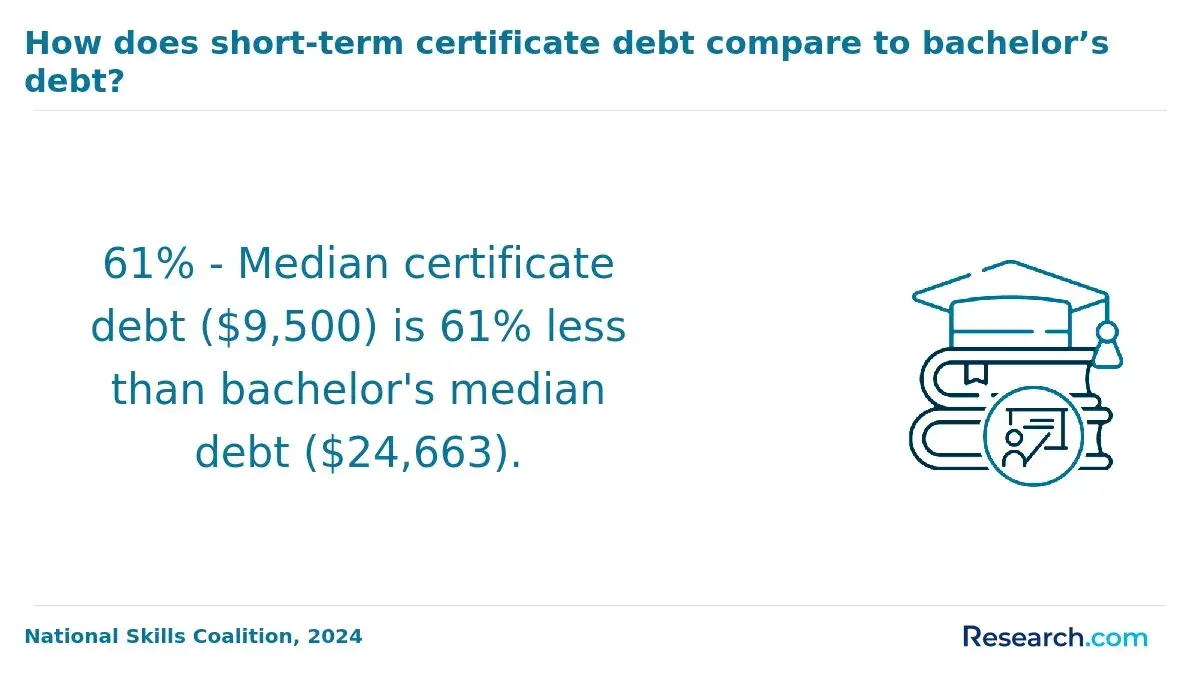
Tuition for a reading & literacy master's degree varies widely-public in-state programs typically cost between $10,000 and $30,000, while out-of-state public tuition rises to $20,000-$45,000. Private institutions often charge $50,000 to $70,000 or more. Graduate certificates, by contrast, tend to be more affordable, generally falling between $3,000 and $10,000 regardless of institution type due to fewer credit hours required.
Credit Hours and Program Length: The price gap largely results from the master's programs requiring 30 to 36 credit hours, compared to certificates that usually need 12 to 15. More credits mean longer enrollment and higher tuition and fees, increasing overall costs.
Institutional Overhead: Master's degrees often carry extra fees for administration, technology, library access, and student services, whereas certificates incur fewer such expenses, contributing to their lower total cost.
Financial Aid Availability: Master's students generally have better access to financial support such as graduate assistantships, fellowships, and employer tuition benefits. Those pursuing certificates might find fewer aid options, which can affect net costs significantly.
Hidden Costs: The longer time commitment for a master's degree may lead to lost income and postponed career progression, an opportunity cost that many overlook. Certificates, being shorter, reduce this risk but may limit career advancement potential.
Return on Investment: Evaluating the true value of either credential means looking beyond sticker price-consider net costs after aid and the expected salary increase. Tools and calculators can help factor in tuition, living expenses, and long-term career gains to guide decision-making.
A professional who completed a reading & literacy master's degree shared reflections on navigating these costs and benefits. She recalled balancing a full-time job while pursuing the degree, which "felt overwhelming but ultimately rewarding." Though the financial investment was significant, she noted that assistantships helped lessen the burden. She emphasized that the extended program length "allowed me to deepen my expertise and gain confidence," which translated into a noticeable salary bump and new opportunities. At times, the slower pace of career advancement was frustrating, yet she believes the comprehensive training justified the sacrifice. Her experience underscores that while the master's path demands more resources and patience, it can offer broader professional rewards than a shorter certificate program.
How Does Earning a Reading & Literacy Master's Degree Affect Salary Compared to a Reading & Literacy Graduate Certificate?
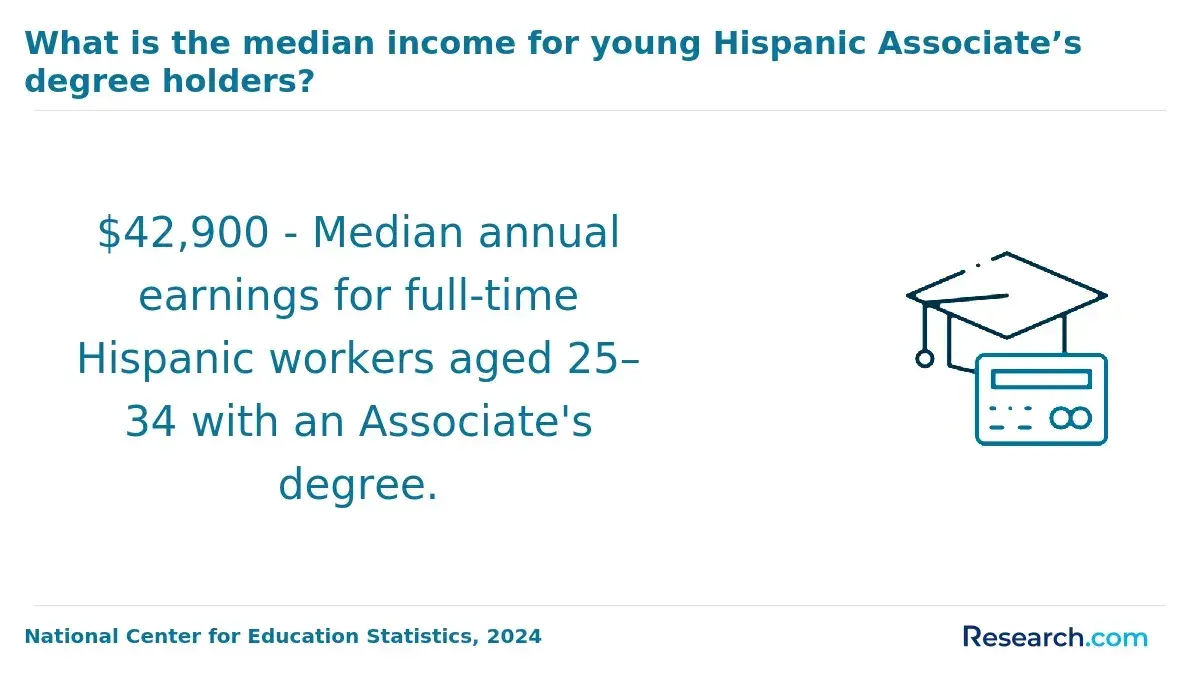
Professionals holding a master's degree in Reading & Literacy generally enjoy higher median earnings compared to those with only a graduate certificate. According to data from the Bureau of Labor Statistics and Georgetown University, master's degree holders see a wage increase of approximately 15% to 25%, varying by location and experience.
- Salary Premium: The master's degree often translates to noticeably better pay, particularly in public education sectors and leadership positions where advanced credentials are valued.
- Industry Impact: Employers such as state education departments and public school districts frequently prefer candidates with a master's for senior roles involving curriculum design or administration.
- Senior-Level Roles: Those with a master's degree are more likely to be considered for positions that include supervisory duties and strategic planning, which offer higher compensation.
- Certificate Strengths: In niche areas like private literacy coaching, nonprofit programs, or tutoring, certificates can sometimes yield salaries on par with or above master's holders.
- Cost and Time Considerations: Certificates require fewer resources-often less than a year and lower tuition-making them appealing for those seeking a quicker credential with immediate applicability.
- Return on Investment: While masters tend to offer greater long-term financial rewards, certificates may deliver a better short-term cost-to-earnings ratio for educators focused solely on targeted skill enhancement.
Which Reading & Literacy Career Paths Favor a Master's Degree Over a Graduate Certificate?
Several career paths within Reading & Literacy distinctly favor a master's degree over a graduate certificate due to the greater academic rigor and comprehensive scope the degree provides. These roles often demand a depth of knowledge and practical expertise that certificate programs typically cannot match.
- Instructional Leadership: Positions such as reading specialists, curriculum coordinators, and literacy coaches usually require a master's degree as a minimum credential. These roles involve understanding literacy theory, instructional design, and data-driven decision-making at an advanced level.
- Licensed Teaching Roles: Many states mandate a master's degree for license renewal or advanced certifications in Reading & Literacy. Educators seeking specialized endorsements or compliance with professional development standards often must hold this degree.
- Research and Educational Policy: Roles involving literacy research or education policy development require advanced methodological and theoretical skills, making a master's degree essential to meet employer expectations.
- Academic and Specialist Promotions: School districts and higher education institutions frequently use the master's degree as a formal threshold for salary increases, promotions, or specialist status, making it structurally necessary beyond entry-level positions.
- Grant Writing and Program Development: Developing and managing literacy programs demands comprehensive skills in assessment and funding navigation that a graduate certificate seldom provides.
According to the National Center for Education Statistics, over 60% of new literacy-related leadership hires in public education hold master's degrees, underscoring a clear employer preference for this credential in competitive or advanced roles. Professionals aiming for these career ladders should view the full master's degree not only as an academic accomplishment but as a strategic necessity aligned with licensure and career advancement requirements.
Which Reading & Literacy Career Paths Favor a Graduate Certificate Over a Master's Degree?
Several career paths in reading & literacy distinctly favor a graduate certificate over a master's degree-primarily where employers emphasize targeted skills and rapid workforce readiness. This dynamic is especially relevant for professionals seeking the best graduate certificate options for reading & literacy professionals who want a practical, skill-focused credential without the broader academic requirements of a full master's program.
Skill-Specific Roles: Positions such as literacy coach, reading intervention specialist, or instructional coordinator often prioritize candidates with proven applied expertise. A graduate certificate offers this narrow, focused skill set efficiently, making it an attractive choice for these roles.
Working Professionals: Those already holding bachelor's or master's degrees in related fields frequently pursue certificates to address specific competency gaps-like dyslexia interventions or technology integration-without the time and expense of additional full degrees.
Career Changers: Individuals moving quickly into reading & literacy from other fields benefit from graduate certificates because they facilitate faster workforce entry, particularly for entry-level or paraprofessional roles, which align with findings from job market data such as Lightcast and LinkedIn Workforce Insights.
Employer Preferences: Survey research reveals that many school districts accept graduate certificates as equivalent to master's degrees for reading specialists or literacy tutors, especially where hiring shortages exist or budgets are limited.
Cost and Time Efficiency: Graduate certificates generally require less time and money than master's degrees, suiting those balancing work and family commitments. For prospective students weighing different credentials, considering options such as MBA programs easy to get into can also provide insight into program accessibility across fields.
Is a Reading & Literacy Graduate Certificate Stackable Toward a Master's Degree?
Graduate certificates in reading & literacy can sometimes serve as stepping stones toward a master's degree-but stacking graduate certificate credits in reading & literacy toward a master's degree depends heavily on institutional policies rather than being a universal standard. Many accredited universities offer stackable credential pathways, allowing some coursework completed for a graduate certificate to be transferred or credited toward a master's degree in the same or a closely related reading & literacy program.
For example, some institutions permit students to apply a portion of their certificate credits-often 9 to 12 credit hours-toward their master's degree plan. This flexibility can reduce both overall time and cost. However, transferability of reading & literacy certificate credits to master's programs typically requires meeting several important conditions:
- Institutional Matching: Certificate courses usually must be taken at the same university or a partnering institution offering a compatible degree program to qualify for stacking.
- Grade Thresholds: Students often must earn a minimum grade-commonly a B or better-for credits to be accepted toward the master's program.
- Time Limits: Programs often restrict credits to recent coursework, generally completed within five to seven years.
- Program Relevance: The certificate and master's degree must be closely related in subject to ensure academic alignment of the credits.
Stackable certificates provide a lower-risk option for individuals uncertain about committing to a full master's program-offering a way to assess the academic work and financial investment before proceeding. Prospective students should always confirm stackability policies directly with each program's graduate admissions office, since rules vary widely and impact educational planning.
For those exploring accelerated paths, some may also review options comparable to a 1 year MBA program in terms of efficiency and outcomes, although the reading & literacy field has distinct pathways and credentialing standards.
How Do Employers in the Reading & Literacy Field Perceive a Master's Degree Versus a Graduate Certificate?
Employer evaluations of a master's degree versus a graduate certificate in reading & literacy differ widely based on industry and position. Hiring managers in academic and state education sectors typically favor master's degrees as essential qualifications-reflecting comprehensive knowledge and a commitment suited for roles in curriculum design, leadership, or research.
Conversely, sectors like educational technology and literacy consulting often prefer certificates, valuing their targeted, skills-centered training for specialized or technical roles that require current expertise. Education agencies and academia generally view master's degrees as foundational credentials.
Leadership and research roles mostly require master's degrees, while entry-level and specialized positions may accept certificates. The prestige and accreditation of the institution granting the credential heavily influence employer perception; certificates from highly regarded programs can outweigh master's degrees from lesser-known schools. Tech and consulting fields increasingly recognize certificates as valid for rapid skill acquisition and career advancement.
Can a Reading & Literacy Graduate Certificate Help Someone Transition Into the Field From a Different Background?
A graduate certificate in Reading & Literacy offers a streamlined credential for professionals shifting careers from unrelated fields who want to establish expertise quickly without the expense or duration of a master's degree. Workforce development research emphasizes that these certificates are designed with career changers in mind, featuring accelerated coursework that hones core competencies and practical skills essential for entry-level positions.
Limitations exist-certificates generally lack the depth and formal recognition required for senior or specialized positions, where master's credentials hold more weight. To optimize employment outcomes, career changers should complement their certificate with applied experience such as volunteering, tutoring, or portfolio development. This combination can strengthen professional profiles and increase competitiveness in the job market. Ultimately, the certificate can serve as an important stepping stone-a practical first credential before committing to advanced study for those seeking long-term career growth in Reading & Literacy.
What Graduates Say About Which Is Better: A Reading & Literacy Master's Degree or a Reading & Literacy Graduate Certificate
- Irene: "Choosing between the reading & literacy master's degree and the graduate certificate was a tough decision, but I found that the master's program offered more comprehensive career utility-opening doors to leadership roles that the certificate simply couldn't match. Although the master's took longer to complete and cost more, the employer recognition and salary impact I experienced afterward made it worth every extra hour and dollar. For anyone serious about advancing their career, I genuinely recommend investing in the master's."
- Enzo: "I took the graduate certificate mainly because of the quicker time-to-completion and less stringent admission requirements-it let me get back into the workforce faster and with less upfront investment. From a professional standpoint, while the master's might confer higher salary potential, I valued the certificate for getting essential skills without the burden of a lengthy program. Looking back, it was a practical choice for me given my current situation and goals."
- Rowan: "Reflecting on my experience, the master's degree in reading & literacy commands stronger employer recognition, which naturally leads to better salary opportunities compared to the graduate certificate. However, the certificate program is undeniably more affordable and easier to access, which is a major benefit for those balancing life and work. My advice is to weigh your budget and career timeline carefully before deciding-which program supports your ambitions most effectively?"
Other Things You Should Know About Reading & Literacy Degrees
Online reading & literacy master's programs generally offer a more comprehensive and rigorous curriculum than graduate certificates, covering a broader range of theory and research-based practices. Employers and academic institutions typically recognize master's degrees as more prestigious due to their depth and length, which can translate into stronger career advancement opportunities. Graduate certificates, while respected for offering focused training, are often seen as supplemental credentials rather than full qualifications.
Accreditation is critical for both master's degrees and graduate certificates in reading & literacy because it ensures that the programs meet established academic and professional standards. Choosing an accredited program-whether a master's or a certificate-affects the credential's acceptance by employers, school districts, and licensing boards. Lack of proper accreditation can limit a graduate's eligibility for certification, financial aid, and future graduate study.
A reading & literacy master's degree is best suited for individuals seeking long-term career growth, leadership roles, or doctoral study, often requiring a significant time and financial investment. Conversely, a graduate certificate fits working professionals or career-changers who desire targeted skill development and faster credentialing. Those looking to enhance specific competencies without committing to a full degree often find the graduate certificate the more practical choice.
References
- How to Become a Reading Specialist: A Detailed Guide - Learning at the Primary Pond https://learningattheprimarypond.com/blog/how-to-become-a-reading-specialist-a-detailed-guide/
- World's Largest platform as University Common Application https://www.planstudyabroad.uniagents.com/course-details.php
- Job Options for M.Ed. in Literacy Graduates https://online.ewu.edu/degrees/education/med/reading-literacy/jobs-med-literacy-graduates/
- Reading Specialist Graduate Programs (Online) | Georgian Court University | Lakewood, New Jersey https://georgian.edu/academics/graduate-programs/education/reading-specialist-graduate-programs-online/
- Graduate Certificate | Cedar Crest College https://www.cedarcrest.edu/program/education-reading-specialist/graduate-certificate/
- Difference Between Graduate Certificate and Master's Degree - Rosemont College https://rosemont.edu/whats-the-difference-between-graduate-certificate-and-masters-degree/
- Science of Reading https://www.gordon.edu/herschend/programs/science-of-reading
- What Can I Do With a Master’s Degree in Literacy? | UT Permian Basin Online https://online.utpb.edu/about-us/articles/education/what-can-i-do-with-a-masters-degree-in-literacy
- Mastering the Science and Art of Teaching Reading https://languagemagazine.com/2026/04/20/mastering-reading/
- Careers in Literacy Education https://www.iona.edu/blog/careers-in-literacy-education