2027 Forensic Science Roles That Often Lead to Leadership Positions

Co-Founder and Chief Data Scientist
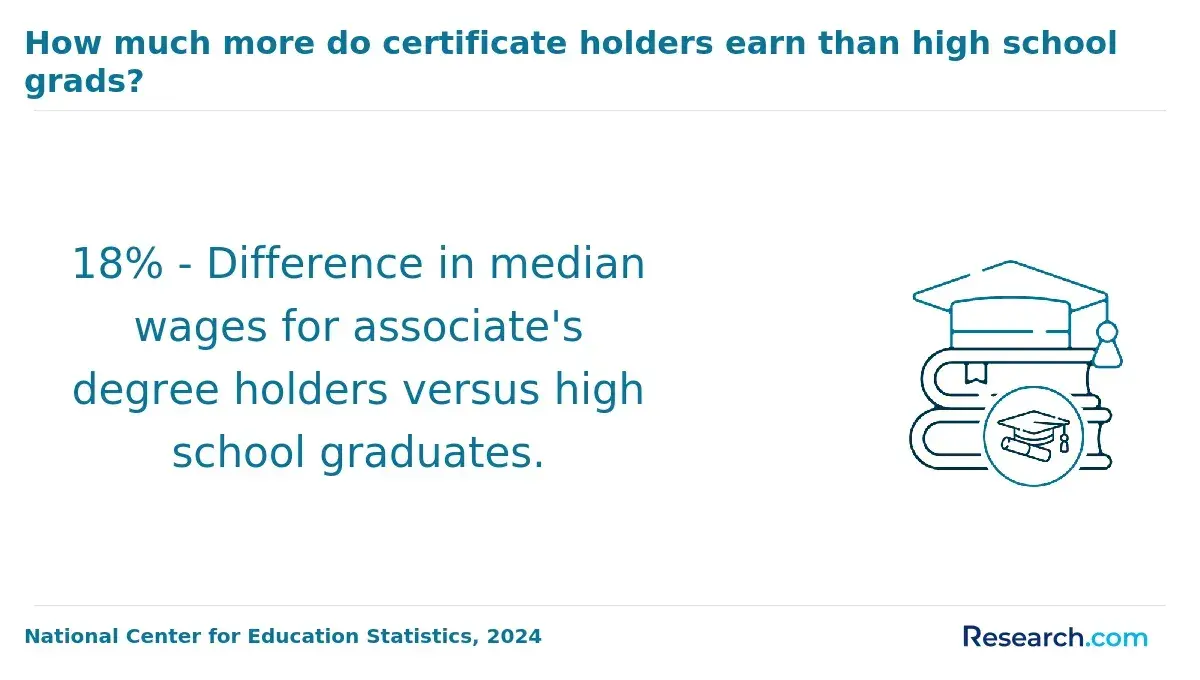
Facing a rapidly evolving justice system, forensic science professionals must navigate a complex landscape where technical expertise alone no longer guarantees career advancement. Agencies increasingly demand leadership candidates who master interdisciplinary coordination, case management, and evolving digital evidence protocols. This challenge intensifies as nearly 40% of adult learners in STEM-related fields pursue flexible or online programs according to the National Center for Education Statistics, reflecting a shift toward credentialing that accommodates workforce demands and nontraditional timelines.
Such trends underscore the necessity for strategic educational choices that balance immediate employability with leadership-track competencies. This article identifies forensic science roles with clear leadership trajectories and outlines actionable pathways to bridge technical mastery and organizational influence.
Key Things You Should Know
- Specializing in forensic pathology correlates with 40% faster leadership ascension but demands multi-year medical fellowships, limiting immediate workforce entry compared to crime scene analysis roles.
- Employers favor candidates with combined forensic science and data analytics expertise; 65% of promotion decisions involve demonstrated competency in digital evidence interpretation, reshaping skill acquisition priorities.
- Funding cuts in forensic education reduced available advanced training programs by 22% since 2023, forcing career pivots into leadership to rely more on on-the-job multidisciplinary mentorship networks.
What forensic science roles most commonly lead to supervisory and leadership positions?
Leadership in forensic science career paths to leadership roles hinges on mastery of technical competencies combined with proven supervisory experience. Common supervisory positions such as forensic science technicians, crime lab supervisors, and forensic chemists demand practical skills in managing workflows, personnel, and compliance under dynamic conditions. Forensic science technicians, projected to grow 13% over the coming decade by the U.S. Bureau of Labor Statistics with around 2,900 annual openings, often advance by demonstrating quality control and case management acumen.
Progression to supervisory roles requires more than tenure; it involves active stewardship of regulatory compliance and laboratory accreditation, a significant factor for forensic chemists overseeing toxicology and controlled substances. Candidates moving into leadership from specialized roles like DNA analysis or digital forensics face the tradeoff of balancing technical depth with increased administrative responsibility.
Employer expectations for these most common forensic science supervisory positions emphasize documented success in evidence integrity, report review, and mediating between law enforcement and judicial entities. Alongside enhancing technical skills, cultivating soft skills in conflict resolution and case documentation is critical. Often, moving from technician to supervisor also entails additional formal education or certifications in forensic management or criminal justice administration.
Forensic science professionals targeting supervisory roles must seek early leadership of case teams or quality assurance units to mitigate operational challenges such as staffing shortages and complex caseloads. Those considering an online masters degree in forensic psychology may find it beneficial to tailor advanced study toward management competencies integral to these roles.
What degrees and specialized training prepare you for advancement in forensic science careers?
Advancement within forensic science careers hinges on possessing both foundational degrees-such as in forensic science, biology, chemistry, or criminal justice-and targeted specialized training programs for forensic science leadership. Candidates with forensic chemistry backgrounds who complement their studies with accredited laboratory certifications or hands-on internships are better positioned to oversee complex evidence processing, meeting employer demands for supervisory roles.
Workforce data shows forensic science technicians earned a median salary of $67,440 in 2024, emphasizing the premium placed on rigorous scientific and procedural training. Higher-level credentials, including master's degrees or professional forensic science certification, often accelerate progression to leadership positions where experts must exhibit deep knowledge in forensic methodologies, evidence quality assurance, and interagency coordination.
Employers increasingly expect proficiency in laboratory information management systems (LIMS), legal protocols, and technical report writing. These skills typically derive from interdisciplinary programs that blend science with law or criminal justice; lacking such training can stall advancement into management. Additionally, real-world experience in forensic audits and courtroom testimony remains a decisive factor for promotion beyond entry- or mid-level roles.
Prospective professionals evaluating forensic science degrees for career advancement should weigh program accreditation, lab access, and internship availability carefully to avoid gaps in practical competence. Supplementary soft skills in forensic ethics and leadership are also critical to maintain upward career mobility. For those considering further education, exploring online masters data science may offer complementary analytic capabilities increasingly relevant to evidence interpretation and case support.
How do online forensic science programs compare with campus-based programs for leadership pathways?
Leadership pathways in forensic science diverge sharply between campus-based and online programs, chiefly in experiential depth and professional networking. Employers filling leadership roles demand tangible practical skills and relevant professional connections that campus settings provide through direct mentorship, internship placements, and collaborative casework exposure. These elements are often non-negotiable for advancement in supervisory forensic positions dealing with evidence analysis or criminal investigations.
Online forensic science education for leadership advancement typically benefits working professionals who must juggle employment with study, but it requires deliberate effort to secure hands-on experience independently. This tradeoff becomes starker in digital forensics leadership-a field seeing a 29% job growth for information security analysts from 2024 to 2034 according to National University citing BLS-where access to specialized cybersecurity labs and immersive training is critical yet frequently limited in online formats.
Practical considerations for prospective students include:
- Campus programs deliver structured experiential learning crucial for situational judgment and team leadership development in forensic units.
- Online routes offer faster theoretical knowledge acquisition but place the onus on students to pursue internships or practical assignments.
- Employer hiring patterns favor candidates with proven on-site leadership experience, reflecting deeper professional readiness.
For those weighing differences between campus-based and online forensic science leadership programs, supplementing online degrees with certifications and lab-intensive boot camps is vital. Additionally, exploring options like an accelerated bachelor's degree computer science online can bolster credentials aligning more closely with employer expectations in tech-driven forensic domains.
What does a typical forensic science curriculum include for future managers and lab directors?
Effective leadership in forensic science requires a curriculum that extends beyond technical expertise to include management, regulatory compliance, and operational oversight. Future managers and lab directors need proficiency not only in analytical chemistry, molecular biology, and crime scene investigation techniques but also in project management and quality assurance practices essential for maintaining accreditation and legal defensibility.
Leadership skills development in forensic science education incorporates data analysis and forensic statistics to enable critical evaluation of complex evidence. These competencies are paired with communication and ethics courses designed to prepare professionals for interactions ranging from investigative teams to courtroom testimony. Clear scientific reporting reduces risk of miscommunication that can compromise case outcomes or institutional credibility.
Workforce data reflect the tangible benefits of this integrated training: natural sciences managers earn a median annual salary near $161,180, with a projected 4% job growth reported by National University citing BLS. Forensic science curriculum for future managers that blends scientific rigor with business acumen-covering human resources, budgeting, and compliance-positions graduates competitively for leadership roles amid steady sector expansion.
Students evaluating an educational shift should weigh these multidisciplinary demands, recognizing that the best programs balance hands-on laboratory proficiency with strategic operational skills. For those seeking broader options, an online computer science degree can also complement forensic science expertise to enhance data and technology capabilities vital in modern forensic investigations.
What accreditation and quality standards should forensic science programs meet for career growth?
Employers increasingly prioritize forensic science graduates from programs accredited by recognized bodies such as the Forensic Science Education Programs Accreditation Commission (FEPAC), since these curricula rigorously enforce evidence handling, chain-of-custody procedures, and current analytical methodologies. Graduates from non-accredited programs frequently face barriers entering federal sectors, where forensic science technicians earn a mean annual wage of $119,630 (May 2023), compared to $73,860 in local government roles. This wage disparity underlines the practical value of pursuing accredited education when targeting leadership or specialized federal positions.
Operationally, technicians aiming to manage federal labs must navigate both educational and laboratory accreditation standards (e.g., ISO/IEC 17025). Managerial roles demand oversight of compliance and procedural precision to maintain lab legitimacy and secure funding, making familiarity with these frameworks non-negotiable. Candidates should also seek programs integrating hands-on training with laboratory information management systems (LIMS) and proficiency testing, as these skills are critical for audit-ready, data-driven decision-making in advanced roles.
Transitioning from local government to federal agencies depends on dual-recognition of education and lab accreditation to avoid career stagnation due to accreditation gaps. Since many federal employers mandate ongoing education linked to accreditation frameworks, selecting programs that embed continuous professional development enhances mobility and durability in this competitive field.
What are the typical admission requirements for forensic science degrees aimed at career advancement?
Securing a foothold in forensic science demands more than basic academic qualifications; the pathway filters candidates through rigorous science prerequisites and practical experience expectations. Programs typically require at least a bachelor's degree or current enrollment in fields like biology or chemistry, with foundational coursework in general and organic chemistry, physics, and statistics. Admissions committees frequently expect documented lab experience or internships, which notably enhance employability, especially for those aiming at supervisory roles.
Graduate-level positions raise the bar further, often requiring completed undergraduate degrees plus GRE scores and detailed letters of recommendation. Prospective master's students must articulate clear career objectives aligned with management or specialization goals, adding complexity to admissions beyond raw academic metrics.
Nontraditional applicants face slower progress due to the need to demonstrate proficiency in core sciences, often needing remedial coursework that delays advancement into leadership tracks. Conversely, direct science graduates usually advance more swiftly. Employers frequently seek certifications such as Certified Forensic Scientist credentials, indicating that aligning admission achievements with industry standards impacts hiring outcomes.
- Minimum GPA: 3.0 to meet analytical and laboratory competence expectations
- Essential lab/internship experience to increase practical readiness
- Graduate-entry requirements include GRE, recommendations, and purpose statements
- Nontraditional backgrounds may require additional coursework, slowing advancement
- Certified credentials add competitive advantage in hiring processes
The U.S. Bureau of Labor Statistics via UC Davis reveals forensic science technicians in the top 10% earn above $107,490, tying stringent admission criteria closely to earning potential and roles with greater responsibility.
How long do forensic science programs take, and what costs should future leaders expect?
Choosing between an associate and bachelor's degree in forensic science decisively shapes career trajectories, especially for leadership roles. Associate programs typically require two years, offering quicker workforce entry but limited advancement potential without further credentials. A bachelor's degree demands four years and better aligns with employer expectations for investigative positions that lead to supervisory roles. Adding graduate certifications can extend education by one to two years but often correlates with stronger promotion prospects.
Costs differ substantially by institution type and geography. Public in-state tuition averages approximately $10,000 annually, while private colleges may exceed $30,000. Beyond tuition, practical lab work necessitates investments in materials and software, adding roughly $1,500 to $3,000 each year. These expenses reflect the field's hands-on nature and become vital considerations for students weighing upfront financial and time commitments.
Employers increasingly prioritize candidates who pair accredited degrees with tangible field experience such as internships. Consider a criminal investigator role: a bachelor's degree plus supervised internships or cooperative education translates into a more competitive profile, better aligning with median salaries around $93,580 and broader job availability. Conversely, those who forego advanced credentials may face stagnation or slower salary growth, highlighting a critical tradeoff between immediate employment and long-term career development.
- Education length versus workforce entry: shorter programs mean earlier earnings but limited advancement.
- Financial planning must include tuition, lab fees, and opportunity costs from time out of the workforce.
- Integrated internships significantly enhance employability in this skill-intensive discipline.
What certifications and licenses support promotion into senior forensic science roles?
Board certification and holding specialized licenses function as gatekeepers within forensic science, particularly in leadership tracks like forensic pathology and forensic chemistry. Forensic professionals who secure credentials from recognized entities such as the American Board of Pathology or the American Board of Criminalistics significantly increase their eligibility for senior roles, reflecting an employer preference for validated, rigorous technical expertise. For example, forensic pathologists with board certification report salaries exceeding $300,000 annually in competitive regional markets, emphasizing tangible economic incentives tied to these credentials.
Licensure requirements introduce a regulatory layer that can critically affect upward mobility; missing renewal deadlines or failing to maintain valid professional licenses, such as medical licenses for forensic pathologists or state certifications for forensic analysts, can result in career stagnation. Thus, meticulous compliance with licensing procedures and renewal timelines is a non-negotiable operational detail for career progression.
Employers increasingly favor multi-disciplinary certifications, such as combining forensic biology with digital forensics, when selecting candidates for director-level positions. In contrast, narrowly focused certification paths can limit advancement potential, challenging professionals to align credential choices not only with personal interests but with strategic career objectives.
Many agencies expect senior forensic scientists to supplement core certifications with management-oriented training, including crime scene leadership and forensic quality assurance. These practical augmentations entail additional investment of time and money but address real-world supervisory challenges in forensic environments.
Tracking this layered credentialing landscape and balancing professional specialization with broad applicability remains an essential, ongoing responsibility for those targeting senior forensic science roles.
What are the salary ranges and benefits for mid- to senior-level forensic science professionals?
Salary prospects for mid- to senior-level forensic science professionals vary significantly, ranging from $65,000 to over $110,000 annually, influenced by specialization, location, and employer type. Federal and state government roles generally offer salaries toward the higher end due to defined pay structures, while local agencies and smaller private sector jobs often align with or fall below the $73,000 average reported by Forbes Advisor citing Payscale. The elevated compensation for leadership roles-such as forensic lab managers or crime scene supervisors-reflects added responsibilities including personnel management, case oversight, and interagency coordination.
Benefits are a critical component of total compensation packages and typically include robust health insurance, retirement options like 401(k) plans or pensions, and paid leave. Leadership positions often provide continuing education incentives essential for maintaining certifications and advancing technical expertise, underscoring employer expectations beyond salary.
Consider a forensic toxicologist transitioning to a supervisory role in a metropolitan medical examiner's office. This career pivot requires demonstrated management skills and advanced credentials, with salary increases from approximately $75,000 to $95,000 annually. The shift reduces direct lab work but demands greater accountability for legal procedures, budgeting, and staff oversight.
Prospective forensic science professionals should weigh the tradeoff between higher income and the administrative burden leadership entails, assessing how these factors align with their long-term career goals and work-life balance priorities.
What is the job outlook for forensic science professionals moving into management and director roles?
Transitioning from hands-on forensic science roles to management positions demands more than technical skill; it requires deliberate development in leadership, budgeting, and legal communication. For instance, a crime lab scientist moving into a director role must not only manage case backlogs but also master grant writing and prepare for courtroom testimony. Candidates lacking formal leadership education or experience often compete against those with business or public administration backgrounds, making targeted graduate programs or certifications in forensic management practical investments for aspirants.
Salary ranges vary widely, from approximately $40,000 at entry levels to over $146,000 for senior scientific roles, while medical-degree holders in forensic fields can exceed $200,000, indicating that advanced qualifications and managerial expertise significantly influence compensation. However, institutional context matters-smaller jurisdictions typically offer fewer leadership openings and flatter salary progressions despite comparable responsibilities.
Employers prioritize candidates who combine scientific credibility with demonstrated ability to lead diverse teams under pressure, with professionals from large metropolitan or federal labs often gaining an advantage due to exposure to interdisciplinary coordination and complex workflows. Navigating departmental politics, funding constraints, and adapting to evolving legal and technological standards are ongoing challenges that require strong negotiation and strategic planning skills.
- Leadership in forensic units blends scientific and administrative demands.
- Advanced qualifications and management experience enhance salary potential.
- Institution size influences opportunities and career trajectory.
- Effective leaders balance technical expertise with strategic stakeholder communication.
Other Things You Should Know About Forensic Science
Forensic DNA analysts, crime lab supervisors, and quality assurance managers most often move into laboratory director roles in 2027. These positions build experience with casework, ISO/IEC 17025 quality systems, accreditation audits, and staff oversight, which are common prerequisites for senior leadership in public forensic laboratories.
Employers expect leaders to demonstrate evidence of effective team management, strategic planning, and regulatory compliance beyond technical competence. Programs that integrate real-world case management scenarios or internships offer more value than purely academic paths. Prospective leaders should seek environments that promote hands-on leadership challenges and continual applied learning to meet and exceed employer benchmarks.
While formal education establishes foundational knowledge and credentials, on-the-job experience critically influences leadership readiness in forensic science. Programs that combine both elements offer the best advancement potential, but practical leadership skills gained through workplace responsibilities tend to be more decisive in promotions. Candidates should prioritize employment opportunities that offer graduated leadership tasks and mentorship alongside continued formal training.
References
- Careers in Forensic Science - Careers in Forensics https://www.forensicscolleges.com/careers
- Forensic Science Majors https://www.hamline.edu/academics/undergraduate/forensic-science
- The Importance of Leadership Training in the Forensic Field - ISHI News https://www.ishinews.com/the-importance-of-leadership-training-in-the-forensic-field/
- Alabama Department of Forensic Sciences https://adfs.alabama.gov/about/accreditation
- Careers in forensic science https://www.justice-ni.gov.uk/articles/careers-forensic-science
- Changing Career Paths and Strategies for Forensic Employee Retention https://gapscience.com/changing-career-paths/
- Forensic Science Careers UK Requirements: Complete Guide to Professional Entry and Advancement https://pathologylabtraining.co.uk/biomedical-sciences/forensic-science-careers-uk-requirements
- Forensic Scientist Salary: State-by-State Median Guide https://www.allcriminaljusticeschools.com/forensics/salary/
- Tips for Students Pursuing Careers in Forensic Science https://forensicstats.org/blog/tips-for-students-pursuing-careers-in-forensic-science
- SGTU – UGC Approved University in Sikkim | Admissions 2026 https://www.sgtu.ac.in/blog/scope_of_forensic_science_in_india