2027 Reading & Literacy Master's Degree vs Doctorate: Career Paths & Salary Differences

Co-Founder and Chief Data Scientist
Choosing between a master's degree and a doctorate in reading & literacy can be daunting, especially when career access, salary growth, and promotion potential hinge on that decision. Professionals often face uncertainty about the return on investment and long-term benefits of advanced credentials in this field.
Recent data from 2024 indicates that doctorate holders in reading & literacy earn on average 35% more than their master 's-level counterparts, particularly in specialty roles within urban school districts and higher education. This article explores these credential-level differences across sectors, regions, and roles to help readers make informed choices aligned with their career ambitions and circumstances.
Key Things to Know About Career Paths & Salary Differences Between a Reading & Literacy Master's Degree and a Doctorate
- Master's degree holders typically access classroom teaching and administrative roles sooner-doctorates unlock advanced research, policy leadership, and university-level positions with higher salary ceilings.
- Doctorate graduates see steeper salary growth-median earnings increase by over 25% compared to master's holders over 10 years, reflecting expanded expertise and institutional seniority.
- Though doctoral programs require significant investment-both time and cost-long-term promotion potential and influence in education sectors often yield greater return on investment versus master's credentials.
What Is the Difference Between a Reading & Literacy Master's Degree and a Doctorate, and Which Should You Pursue?
The distinction between a reading & literacy master's degree and a doctorate centers on their depth, duration, and professional intent. A master's degree-often completed within one to two years and available in thesis or non-thesis formats-focuses on practical skills, foundational theory, and applied research methods.
Doctorate programs-whether a PhD or a professional doctorate-require a longer commitment of four to seven years and emphasize original research, advanced theory, and preparation for academic or leadership roles.
- Purpose: Master's programs target those seeking advanced knowledge to enhance teaching, curriculum development, or literacy coaching. Doctorate programs prepare candidates for high-level research, university teaching, and leadership positions such as policy-level curriculum design or administration.
- Curriculum: Master's coursework applies literacy theory, assessment strategies, and instructional methods. Doctoral study involves intensive work in research design, data analysis, and theoretical frameworks, with a dissertation that contributes new knowledge to the field.
- Research Requirements: Master's students typically complete a thesis or capstone project, while doctoral candidates engage in extensive primary research over several years to establish professional expertise.
- Time to Completion: The master's degree fits professionals seeking expedited credentialing, whereas the doctorate demands sustained investment for careers in academia or educational leadership.
- Career Outcomes: Master's graduates often access enhanced teaching roles, literacy specialist positions, or school leadership, while doctorate holders pursue faculty posts, policy advising, or senior administrative roles.
- Who Should Pursue Each: Master's degrees suit practitioners aiming to deepen skills and advance teaching or support roles. Doctorates attract those committed to research, higher education, and systemic educational influence.
The differences in salary and promotion opportunities for reading & literacy graduates depend greatly on these credential levels and related career paths. This overview helps prospective students evaluate how each degree aligns with their ambitions.
For those weighing academic options, especially working professionals exploring advancement or career changers interested in reading & literacy, examining the easiest online college degree offerings may provide accessible routes into graduate education.
This foundational distinction frames a broader analysis of how career trajectories, earnings potential, and professional prospects vary by degree across sectors, specializations, and geographic markets.
What Career Paths Are Exclusively Available to Reading & Literacy Doctorate Holders That Are Closed to Master's Graduates?
Certain career roles within the reading & literacy field require a doctorate as a strict prerequisite-master's degree holders, no matter their experience, do not qualify for these advanced positions. This is primarily due to accreditation standards, employer expectations, and licensing regulations that maintain the doctorate as the terminal credential for these roles.
- Academic Faculty Positions: Tenure-track professor roles at universities generally mandate a doctoral degree. These positions involve conducting original research, publishing scholarly work, and developing curricula-responsibilities viewed as exceeding the master's degree scope.
- Research Directorships: Leading independent research centers or major literacy studies in governmental or private sectors almost always require a doctorate. Doctoral training provides the rigorous methodological expertise and theoretical knowledge essential for innovative oversight.
- Clinical Licensures and Specialist Roles: Certain clinical and educational psychology positions focused on literacy diagnosis and intervention demand doctoral qualifications. Licensing bodies emphasize a doctorate to ensure a profound grasp of learning disorders and evidence-based treatments.
- Senior Government Scientist Positions: High-level policymaking and program evaluation jobs in federal or state education departments typically require a doctorate. These roles shape national literacy strategies and need advanced analytical and authoritative expertise.
- Professional Accreditation Standards: Organizations such as the International Literacy Association enforce standards that effectively reserve doctorate-level roles for advanced professional responsibilities.
This credential ceiling profoundly impacts long-term career planning by clarifying which professional trajectories require significant educational investment. Despite workforce shortages leading some employers to loosen requirements for other roles, these doctorate-exclusive positions have remained steadfast, reflecting their reliance on high-level scholarship and leadership.
Individuals aiming for leadership in research, academia, or specialized clinical practice in reading & literacy doctorate career paths with exclusive access must consider this carefully to assess the real return on investment.
For those evaluating a graduate degree choice, exploring options like the online psychology masters can provide a foundation-but the doctorate distinctly unlocks the highest-tier opportunities.
What Career Paths Are Best Suited to Reading & Literacy Master's Graduates in Today's Job Market?
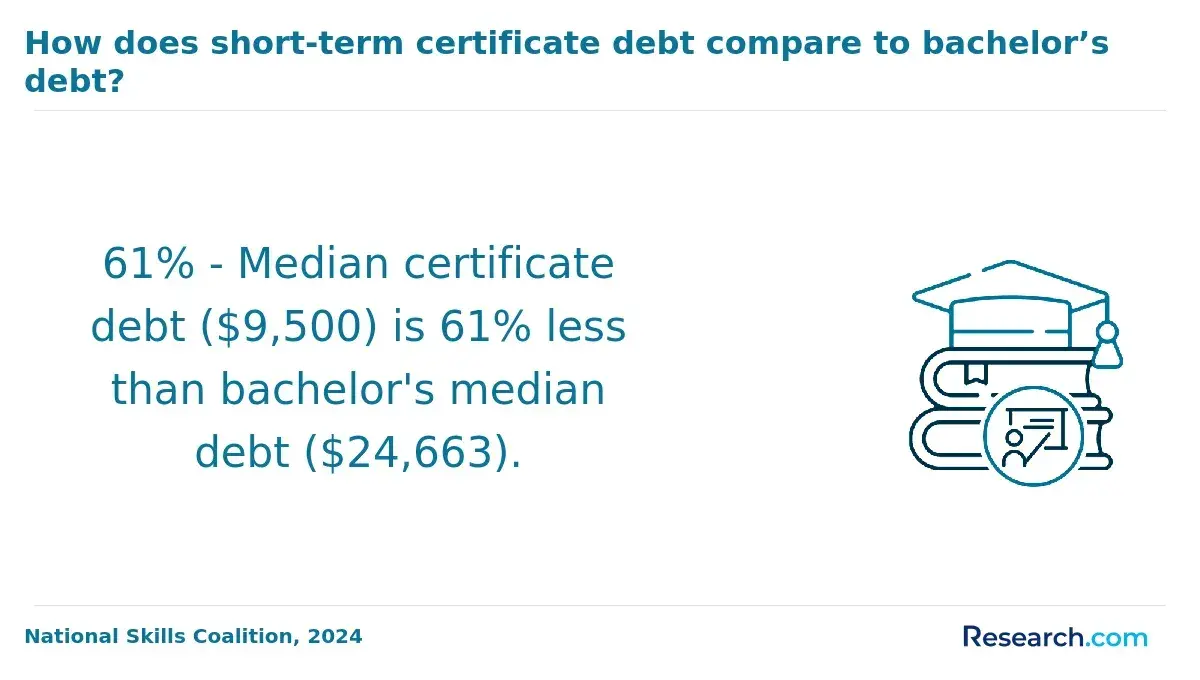
Graduates holding a reading & literacy master's degree find the strongest job opportunities in roles demanding practical expertise rather than advanced research-particularly in K-12 instructional support, curriculum creation, and targeted literacy interventions. According to the Bureau of Labor Statistics and employer surveys from the National Association of Colleges and Employers, many public school districts, community organizations, and educational nonprofits regard the master's credential as both necessary and sufficient for leadership in these areas.
- Instructional Specialist: These professionals design and manage literacy programs, evaluate student progress, and assist educators in applying research-backed literacy methods, filling vital needs without requiring doctoral qualifications.
- Reading Coach: Employed mainly by schools or districts, reading coaches mentor teachers to boost student reading achievement and support interdisciplinary literacy integration.
- Literacy Interventionist: Specialists provide focused support to struggling readers in individual or small groups, where applied skills and immediate classroom impact take precedence over extensive academic research.
- Curriculum Developer: Master's graduates frequently join publishers or school systems to develop literacy curricula aligned with standards and diverse learner profiles, roles generally not demanding doctoral-level study.
- Adult Literacy Educator: In community or continuing education settings, these instructors emphasize direct, practical literacy teaching tailored for adult learners.
The advantages for master's holders include quicker career entry, lower educational debt, and superior early-career salary compared to doctoral candidates still completing longer programs. This credential aligns well with job requirements where advanced research training offers limited added value. One professional I spoke with shared how completing his reading & literacy master's enabled him to "jump right into instructional roles that felt immediately impactful.
It was both empowering and reassuring to know I wasn't competing against doctorate holders for these positions, which let me focus on building real-world skills." He recalled the initial pressure to "choose the right program quickly" and how the practical curriculum helped him "gain confidence in classroom strategies while keeping the debt manageable." His experience highlights the alignment of master's-level training with career fields emphasizing practitioner expertise over academic prestige.
How Do Long-Term Salary Trajectories Differ Between Reading & Literacy Master's and Doctorate Degree Holders Over a Full Career?
The long-term salary growth for reading & literacy master's versus doctorate holders tends to follow distinct trajectories influenced by career stage, sector, and specialization. Early in their careers, those with master's degrees often earn salaries similar to or slightly above doctorates, especially in classroom teaching and entry-level literacy specialist roles.
However, the earnings gap generally widens after 10 to 15 years as doctorate recipients move into higher-level positions.
- Inflection Point: Around the mid-career mark, doctorate holders typically surpass master's graduates in earnings, reflecting advancement into senior research roles, curriculum leadership, tenured faculty positions, or district-level administration such as reading program directors.
- Role Advancement: Doctoral qualifications open doors to well-compensated roles emphasizing policy development, university teaching, and educational research-opportunities often limited for those with master's degrees.
- Sector Influence: Standardized pay scales in public school districts tend to narrow salary differences, whereas private institutions, universities, and specialized consulting firms often reward doctorate holders with higher compensation.
- Geographic Variability: Urban areas with prominent academic institutions and high living costs generally show greater salary disparities, while rural or underserved regions compress these differences.
- Specialization Impact: Expert knowledge in fields like dyslexia intervention, bilingual literacy, or educational technology accelerates earnings growth-especially for doctoral holders leading innovation.
Individuals interested in evaluating their career salary progression for reading & literacy advanced degree graduates should consider using free resources such as the BLS Occupational Outlook Handbook and the Georgetown CEW earnings calculator to create personalized projections. These tools offer detailed insights far beyond averages and help clarify the return on investment of graduate education.
For those exploring further education options, programs like the online finance degree may also provide complementary skill sets to enhance career flexibility.
What Is the Return on Investment for a Reading & Literacy Master's Degree Versus a Reading & Literacy Doctorate?
Evaluating the return on investment (ROI) for graduate credentials in reading & literacy involves more than just tuition-total costs also include fees, living expenses, and the income lost while studying full-time. Master's degrees typically require around two years of study, while doctorates often span five or more years, greatly increasing the opportunity cost of forgone earnings.
Data from national education and workforce sources show that holders of a reading & literacy master's degree can expect a lifetime earnings boost ranging from $300,000 to $500,000 compared to bachelor's degree holders. Doctorate recipients generally see higher lifetime gains-sometimes exceeding $600,000-reflecting advanced roles in research, leadership, and academia.
However, the longer doctoral studies also mean increased costs and income delays that affect near-term ROI.
- Cost Considerations: Master's programs tend to be shorter with lower overall expenses, while doctorates involve extended enrollment and potentially higher fees.
- Forgone Income: Extended study for doctorates increases years without full salary, impacting short-term financial returns.
- Funding Opportunities: Doctoral students often benefit from stipends, assistantships, and tuition reimbursement, which can shift ROI favorably when accessible.
- Loan Forgiveness: Federal and employer programs targeting educators may vary by degree and job type, influencing net investment.
- Non-Financial Returns: Doctorates can unlock leadership and academic paths and offer intellectual rewards beyond monetary gains.
- Personal Alignment: Career goals should guide the choice-practitioner roles often favor master's degrees for faster workforce entry, while policy or research careers typically require doctorates.
One professional who earned a reading & literacy doctorate shared her journey, noting the emotional and financial hurdles of balancing extended coursework with limited income. "Completing the doctorate demanded sacrifices-long hours and uncertainty about funding," she reflected, "but the opportunities to lead educational initiatives and contribute to policy made it worthwhile."
She emphasized that understanding available funding early was critical to managing stress and staying focused. Her experience highlights how the value of advanced credentials extends beyond dollars to fulfilling evolving professional aspirations.
How Does a Reading & Literacy Master's Degree Versus a Doctorate Affect Advancement Speed and Promotion Potential?
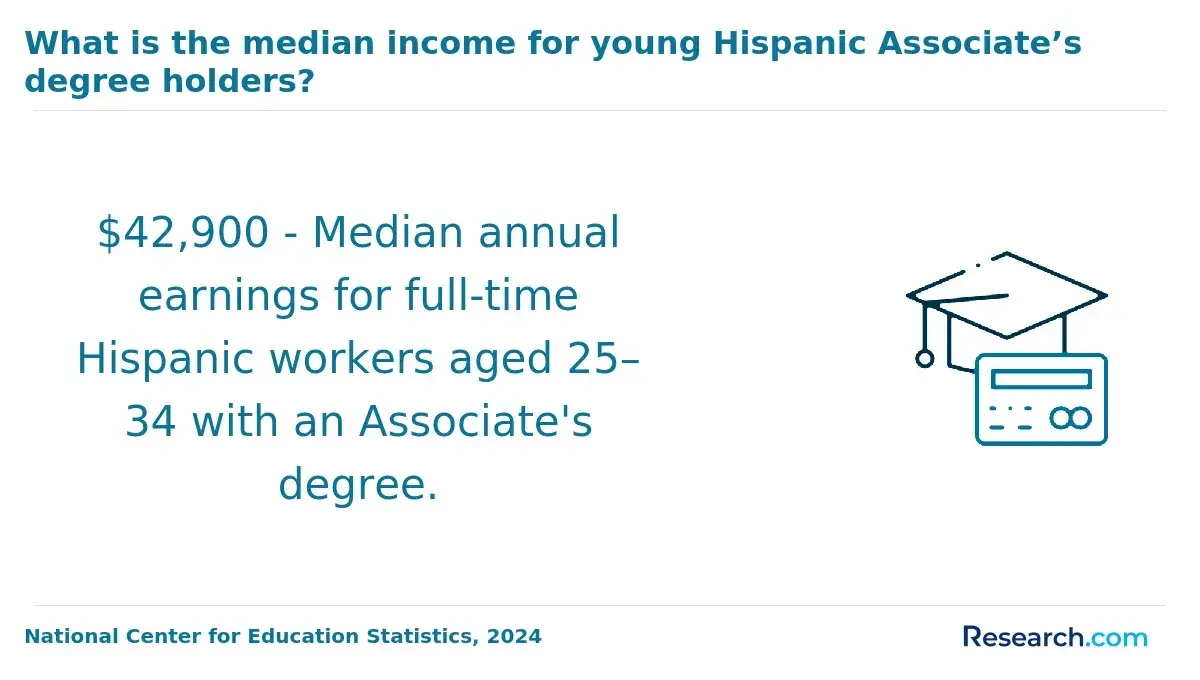
Career progression in reading & literacy fields varies markedly depending on whether individuals hold a master's or a doctoral degree-shaped largely by what is often called a "credential ceiling." Doctorate holders typically gain quicker entry into senior individual contributor and principal-level roles emphasizing research and scholarly output.
In contrast, those with master's degrees tend to move faster into management or operational leadership positions that prioritize program implementation and administrative expertise over research credentials.
- Credential Ceiling: Organizations with research-intensive cultures-such as universities, federal scientific agencies, and R&D-driven firms-often reserve their top research roles and faster promotions for doctorate holders, who face fewer barriers advancing in these pathways.
- Advancement Speed: In applied sectors like healthcare administration, nonprofit leadership, and corporate analytics, promotions depend more on demonstrated impact and experience. Here, master's degree holders frequently achieve leadership positions more rapidly than their doctoral counterparts.
- Promotion Potential: Doctorates open doors to roles with higher salary ceilings, autonomy, and professional prestige, though reaching these positions may require longer timeframes due to demands for significant scholarly contributions. Master's graduates generally find broader access to middle management tracks that reward practical leadership skills.
- Personal Advancement Metrics: Whether advancement means salary, rank, autonomy, or influence depends on individual goals and sector norms. Those focused on research prominence may benefit from pursuing a doctorate, while those targeting faster operational leadership often fare well with a master's degree.
According to a 2024 survey by a leading professional association in reading & literacy, nearly 65% of doctoral recipients report faster promotions in research-centered roles compared to master's graduates, underscoring the impact of credential level on career trajectories.
What Are the Time and Lifestyle Costs of Pursuing a Reading & Literacy Doctorate Compared to a Master's Degree?
Pursuing a reading & literacy doctorate demands a substantially greater time and lifestyle commitment than a master's degree. Doctoral programs typically extend between four and seven years after earning a bachelor's, requiring sustained focus on dissertation research, comprehensive exams, and advisor collaboration-each capable of delaying progress unpredictably.
By contrast, master's degrees usually take one to three years, featuring clearer milestones and more structured coursework.
Graduate student well-being surveys from the American Psychological Association reveal that doctoral candidates experience higher psychological stress and mental health challenges. Pressures to produce original research and meet advisor expectations can amplify isolation and anxiety, unlike master's programs where academic demands are more defined and contained.
- Time Commitment: Doctorate studies require extended dedication, often disrupting work-life balance, while master's programs provide greater flexibility for professional and personal activities.
- Lifestyle Impact: Financial strain is common for doctoral students given longer study durations and possible career breaks; master's candidates often continue working, easing economic burdens.
- Personal Circumstances: Factors like family responsibilities and age at enrollment heavily influence feasibility; older students or those with caregiving duties may find master's programs more manageable.
- Completion Rates: According to the Council of Graduate Schools, roughly 50-60% of doctoral students finish their programs compared to over 80% for master's degrees, reflecting greater challenges in sustaining doctoral study.
- Psychological Demands: Doctoral study demands resilience amid research uncertainty and independence, contrasting with the more guided structure typical of master's education.
Choosing a master's degree for quality-of-life reasons is both valid and strategically sensible-reflecting thoughtful self-assessment rather than diminished commitment to reading & literacy careers. In fact, recent trends show rising enrollment in master's programs as working professionals seek advancement without the extensive time and personal cost associated with doctorates.
How Does Geographic Location Influence Career and Salary Outcomes for Reading & Literacy Master's Versus Doctorate Holders?
Geographic location strongly influences career opportunities, industry access, and salary levels for both master’s and doctorate holders across different fields. Differences in regional economic development, industry concentration, cost of living, and demand for specialized expertise often lead to varying career trajectories and compensation outcomes between the two degree levels.
Geographic Variation: Earnings for reading & literacy master's and doctorate holders vary widely across regions, with the strongest doctoral premiums occurring in metropolitan hubs that host major research universities and federal agencies. Cities like Boston, the Washington, D.C. corridor, and San Francisco offer a higher concentration of positions that value doctoral credentials, driving salary gaps between degree levels well above national averages. This regional salary difference for reading & literacy master's versus doctorate holders reflects employer demand for advanced research and leadership skills.
Industry Clusters: Biotech corridors and dense healthcare markets such as Seattle and San Diego display heightened demand for doctoral-level expertise. These areas structurally expand career opportunities and financial rewards for doctorate holders, while master's degree professionals often fill applied or instructional roles. The impact of geographic location on reading & literacy career advancement is strongly tied to such specialized industry concentrations.
Cost of Living Impact: More pronounced salary differentials in high-cost coastal metros are tempered by living expenses, reducing the real-dollar value of these earnings. In contrast, interior markets like the Midwest or Southeast present smaller salary premiums but greater purchasing power for both master's and doctorate holders. Evaluating geographic options through a purchasing-power lens rather than nominal salary alone is crucial for long-term planning.
Career Flexibility: Geographic mobility serves as a powerful career accelerant regardless of credential level. Relocating from a low-demand to a high-demand metro for reading & literacy can yield salary increases comparable to the doctoral premium-particularly appealing for master's degree holders targeting rapid financial advancement.
Workforce Density: States with extensive education systems and workforce development initiatives, such as New York and Texas, support diverse employer types and stable career pathways. Salary increments tied to local economic conditions can vary but often maintain steady opportunity regardless of degree. Becoming familiar with the best degree for remote work can also influence these dynamics as telework options expand.
What Role Does Institution Prestige Play in Reading & Literacy Master's Versus Doctorate Career and Salary Outcomes?
Institution prestige impacts career outcomes differently for Reading & Literacy master's versus doctorate graduates. Research from entities like the National Bureau of Economic Research and Georgetown CEW reveals that this effect varies widely depending on sector and credential level-challenging the idea of a uniform prestige premium.
Academic Sector: Doctoral candidates benefit most from institutional reputation. Universities with renowned reading & literacy research programs achieve higher placement rates into competitive faculty roles. Employers use institutional prestige as a signal of scholarly rigor, alongside dissertation quality and advisor networks that can be pivotal for tenure-track positions. For master's graduates, the impact of regional ranking influence on salary outcomes for reading & literacy graduate degrees is less pronounced since practical experience and certification weigh more heavily in most educational settings.
Private Sector: Employers such as curriculum developers, literacy consultants, and edtech companies typically prioritize demonstrated skills, portfolios, and relevant experience over the brand of the degree-granting institution. Here, prestige plays a smaller role in hiring and salary negotiations, making practical experience and networking critical.
Program Evaluation: Prospective students should focus on career outcome metrics that matter-graduate employment rates, faculty publication records, employer partnerships, and salary data from resources like the U.S. Department of Education's College Scorecard-rather than popular rankings that may not reflect the true nuances of the reading & literacy labor market.
Cost vs. Prestige Trade-Off: Doctoral students might find better value attending affordable or fully funded programs at lower-ranked institutions if they have strong dissertations and advisors. In the long term, research quality and professional networks often outweigh institutional brand impact.
For those managing career timelines, exploring programs such as 12 month MBA programs can offer relevant alternatives combining efficiency and career advancement.
How Do Reading & Literacy Master's and Doctorate Programs Differ in Preparing Graduates for Industry Versus Academic Careers?
Master’s and doctorate programs differ primarily in how they prepare graduates for either industry-focused or academic-focused career paths. Master’s programs typically emphasize practical skills, applied knowledge, and professional readiness for industry roles, while doctorate programs focus on advanced research, theory development, and preparation for academic teaching or specialized research careers.
Curriculum Focus: Master's programs in reading & literacy generally center on practical skills and direct application, covering instructional methods, assessment practices, and intervention strategies tailored for industry professionals. Doctoral curricula emphasize deep theoretical understanding, sophisticated research techniques, and the creation of new scholarship, preparing graduates mainly for academic and research positions.
Research Emphasis: Doctoral candidates dedicate significant time to original research and dissertation work that aims to advance the field, whereas master's students typically complete applied projects that address immediate challenges in educational or community settings rather than pioneering new knowledge.
Applied Project Requirements: Industry-oriented master's degrees commonly integrate internships, practicums, or field experiences designed to sharpen skills for roles in schools, nonprofits, or corporate entities. In contrast, doctoral programs tend to lack structured hands-on industry placements, focusing instead on scholarly seminars and presentations.
Professional Development: Master's curricula often incorporate training in leadership, client communication, and problem-solving-competencies vital for corporate or consulting careers. Doctoral training traditionally concentrates on academic preparation, which may result in gaps in managing diverse work teams, business operations, and client relationships crucial outside university settings.
Industry Preparedness: Graduates with doctorates frequently secure faculty positions or research appointments but might find themselves less equipped for multitasking and client-centered roles common in ed-tech, publishing, or consultancy. Recognizing these challenges, some innovative doctoral programs now offer professional skills workshops and foster cross-sector collaborations to better align training with industry needs.
Career Placement Data: Prospective students should review graduate employment statistics carefully-examining the proportions pursuing academia versus industry, government, or nonprofit sectors-to understand how a program's structure and focus correspond to their desired career trajectory.
How Do Starting Salaries for Reading & Literacy Master's Graduates Compare to Those for Reading & Literacy Doctorate Holders?
Starting salaries for reading & literacy graduates vary significantly depending on whether the individual holds a master's or a doctorate degree-a discrepancy largely influenced by the employment sector and job role. Data from sources like the BLS Occupational Employment and Wage Statistics, NACE surveys, and PayScale highlight differing financial outcomes across education, research, and administrative roles.
- Academic Premium: Doctorate holders entering higher education or research positions tend to earn 20-30% more than those with master's degrees, reflecting the advanced expertise and research skills demanded in these areas.
- Industry Differences: In sectors such as government, nonprofits, and ed-tech companies, salary gaps shrink, as practical experience and interpersonal skills often outweigh higher research qualifications, making master's-level salaries competitive.
- Opportunity Cost: Pursuing a doctorate requires spending an additional three to five years in school, often resulting in missed master's-level income and increased debt, so salary parity with master's graduates may not occur until mid-career in fields with minimal doctorate premiums.
- Role Responsibilities: Doctorate-level entry jobs usually focus on research, curriculum design, or leadership roles justifying higher pay, whereas master's graduates typically start in applied teaching or coordination positions with lower initial salaries but sometimes faster advancement.
- Salary Is Partial: Initial pay is crucial but only part of the overall financial assessment-future earnings growth and career advancement patterns complete the picture for evaluating long-term return on investment.
What Reading & Literacy Graduates Say About the Career Paths & Salary Differences Between a Master's Degree and a Doctorate
- Jaime: "Completing my master's in reading & literacy opened doors to various educational roles more quickly than I anticipated. One insight I gained is that while the doctorate offers higher salary ceilings, the master's degree provides a solid return on investment much faster-especially if you start working immediately. Also, career access broadens with a doctorate, but the master's really set me up for leadership opportunities early in my career."
- Enzo: "Reflecting on my journey, the difference in promotion potential between the two degrees became crystal clear. A doctorate not only positions you for specialized roles but often correlates with long-term salary growth that surpasses the master's track. However, the financial and time commitment required for the doctorate made me appreciate how valuable a master's degree can be for those seeking a more immediate impact and manageable return on investment."
- Rowan: "My doctorate in reading & literacy gave me a professional outlook that transcended salary-it expanded my role into policy and research realms, which usually aren't open to master's grads. That said, the salary trajectory differs significantly; doctorates tend to have steeper growth curves, but master's holders often experience steadier, consistent increases. Both paths have merit, but it's critical to weigh career goals against time and financial investment."
Other Things You Should Know About Reading & Literacy Degrees
In the reading & literacy field, a doctorate is generally viewed as an indicator of advanced expertise and research capability, especially for roles in academia and high-level administration. Master's degrees are sufficient for many teaching and specialist positions, but doctoral credentials often lead to leadership roles and greater job security. Employers in schools and educational organizations tend to value the doctorate for roles involving curriculum development and policy influence.
At the master's level, specializations like literacy coaching, intervention strategies, and bilingual education show strong demand. Doctoral candidates often focus on research areas such as literacy assessment, cognitive development in reading, and policy studies. Both levels emphasize evidence-based literacy instruction but differ in research intensity and theoretical focus, shaping distinct career paths.
Most students benefit from completing a master's degree before entering a doctoral program in reading & literacy, as it provides foundational knowledge and practical experience. Direct entry into a doctorate is possible but less common and typically suited for those with strong research backgrounds or clear academic goals. Earning a master's first also allows individuals to assess their commitment to an extended academic journey.
References
- Making the jump from M to (Ph)D: supervision and literacy development https://phdinahundredsteps.com/2016/04/15/making-the-jump-from-m-to-phd-supervision-and-literacy-development/
- Why You Should Get a Master’s in Literacy - Graduate Programs for Educators https://www.graduateprogram.org/blog/why-you-should-get-a-masters-in-literacy/
- Mastering the Science and Art of Teaching Reading https://languagemagazine.com/2026/04/20/mastering-reading/
- Really Great Reading Careers https://www.reallygreatreading.com/really-great-reading-careers
- Average Cost of a Doctorate Degree [2026]: Ph.D., Psy.D. & More https://educationdata.org/average-cost-of-a-doctorate-degree
- Job Options for M.Ed. in Literacy Graduates https://online.ewu.edu/degrees/education/med/reading-literacy/jobs-med-literacy-graduates/
- Explore Doctorates In Reading And Literacy Online (2024) https://www.gradschoolhub.com/affordable/online/doctorate/reading-literacy/
- PhD Programs In Reading And Literacy Online https://www.learnhowtobecome.org/best-online-phd-in-reading-literacy-degree-programs/
- Earning an Online Doctorate in Reading and Literacy https://www.gograd.org/online-phd-programs/best-reading-literacy-degrees/
- Academic and Career Paths for PhD Graduates | European Proceedings https://www.europeanproceedings.com/article/10.15405/epes.23056.44