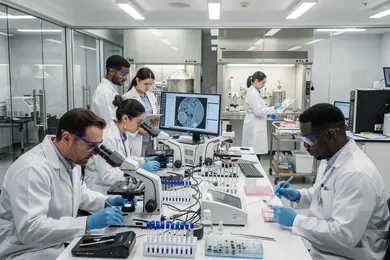
2027 Online Forensic Science Degrees for Students Who Want Advancement Without Relocating

Co-Founder and Chief Data Scientist
Forensic science professionals often face career advancement roadblocks when geographic constraints prevent relocation to institutions offering specialized training. Limited access to advanced credentials hampers eligibility for roles demanding updated competencies, especially as forensic methods rapidly evolve. The National Center for Education Statistics reported a 15% surge in online enrollment among adult learners pursuing science degrees, signaling a shift toward flexible learning that respects existing work and life commitments. This trend indicates growing institutional responses to workforce needs but also highlights variability in program rigor and employer recognition.
This article evaluates accessible online forensic science degrees designed for career growth without geographic disruption, equipping prospective students to navigate program selection and align education with workplace realities.
Key Things You Should Know
- Online forensic science degrees in 2026 cost 15-25% less than on-campus options but extend average completion time from 3.5 to 4.2 years, raising opportunity costs for working professionals, per NCES data.
- Remote learning limits hands-on crime lab experience, crucial for employer preference in forensic roles, with 68% of forensic employers emphasizing in-person internships or lab work according to the American Academy of Forensic Sciences 2024 survey.
- State licensure and certification requirements vary, forcing distance learners to navigate complex multi-jurisdictional compliance, complicating job placement outside program states as highlighted by the Forensic Science Education Programs Accreditation Commission.
What is an online forensic science degree and how does it compare to campus programs?
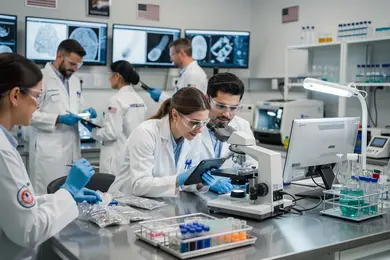
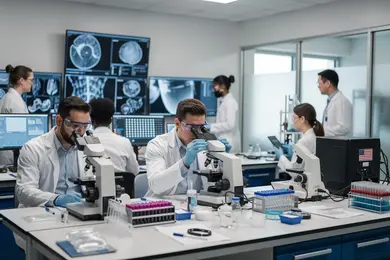
Choosing an online forensic science degree involves weighing flexibility against the challenge of hands-on skill acquisition. These programs appeal to remote students balancing existing commitments by delivering video lectures, virtual labs, and asynchronous coursework. However, the absence of direct access to specialized laboratory equipment and in-person collaboration creates a gap that requires local internships or practical arrangements to satisfy employer standards in lab-intensive roles.
Key differences between online and campus forensic science programs center on experiential learning and professional networking. Campus offerings provide immersive lab environments and immediate faculty interaction essential for mastering precise forensic techniques. In contrast, online students must proactively secure supplemental experiential opportunities to build comparable competencies.
Employers show increasing willingness to recognize online degrees paired with verified hands-on internships or certifications. For example, crime scene investigator roles, projected to grow by 12.8% with a median salary of $72,060 nationally according to Arizona State University data, reward practical proficiency as much as formal education. This dynamic highlights how an online forensic science degree benefits for remote students who strategically combine academic and professional experiences to remain competitive.
For those evaluating cost and accessibility, exploring the cheapest online forensic science degree options can be a pragmatic first step.
Are online forensic science degrees accredited and recognized by employers and agencies?
Accreditation is the defining benchmark for online forensic science degrees when assessing employer recognition and long-term career viability. Degrees accredited by recognized bodies such as the Higher Learning Commission or Middle States Commission on Higher Education meet essential academic and professional standards, which directly influence eligibility for public and private sector roles. Employers, including federal and state law enforcement agencies, frequently exclude candidates with unaccredited credentials due to concerns over curriculum rigor and skill validation.
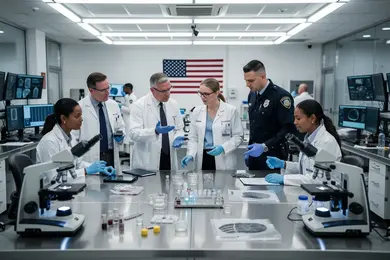
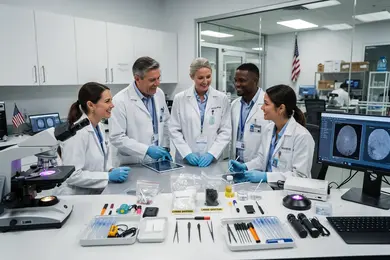
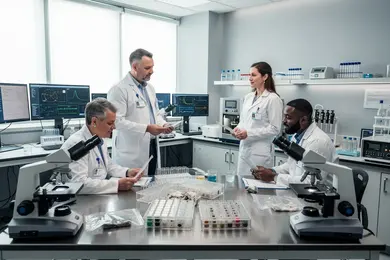
Forensic professionals seeking positions requiring chain-of-custody responsibilities or state licensure face critical hurdles without an accredited degree that satisfies agency mandates like those from the FBI or state forensic units. Programs must incorporate hands-on lab training or partnerships for practical experience-this requirement cannot be overlooked despite the online format, as it impacts a graduate's ability to qualify for technician or specialist assignments involving laboratory instruments and evidence processing.
The U.S. Bureau of Labor Statistics projects a 13% employment growth for forensic science technicians through 2032, outpacing many fields. This growth heightens competitive hiring landscapes, pressing candidates toward programs combining theoretical knowledge with practical application. One real-world consideration is how accredited programs facilitate smoother pathways for attaining professional certifications that unaccredited credentials typically restrict.
Prospective students analyzing recognized online forensic science programs for career advancement should weigh accreditation rigor, curriculum content, and experiential learning elements. For individuals comparing education paths with allied disciplines such as environmental science, resources like the environmental science degree offer insights into cross-disciplinary career trajectories and employability nuances.
What forensic science careers can an online degree prepare you for?
Choosing an online forensic science degree requires understanding the significant practical tradeoffs shaping employability, particularly for those seeking forensic science job opportunities without relocation. While flexible online formats address geographic constraints, they frequently lack the mandated hands-on training employers expect, especially for roles involving evidence processing or courtroom testimony. Candidates must proactively secure internships or fieldwork to validate their skills, as agencies prioritize applied competencies alongside academic credentials.
Career trajectories diverge substantially by specialization. Entry-level forensic technician roles often serve as gateways but offer limited salary growth unless paired with niche skills like digital forensics, where expertise in data recovery and network intrusion detection commands premiums. Payscale data from May 2024 indicates digital forensics professionals earn about $88,000 annually, surpassing the general market median. Furthermore, digital forensics opens remote employment options in cybersecurity and corporate investigations, enhancing access for students pursuing an online forensic science degree career options.
Those focused on forensic toxicology or DNA analysis should anticipate additional certifications beyond the degree, reinforcing long-term viability. The integration of computer science concepts into forensic curricula-such as through an accelerated bachelor's degree computer science online-can significantly boost competitiveness in emerging forensic niches.
Ultimately, successfully navigating forensic career pivots hinges on balancing academic theory with verified field experience, especially in areas demanding rigorous chain-of-custody and legal oversight, a critical factor often underemphasized in purely online programs.
What types of online forensic science degrees and specializations are available?
Choosing an online forensic science degree program requires careful consideration of how specializations align with workforce demands and practical limitations. For example, digital forensics graduates find strong connections to cybersecurity roles within law enforcement, while toxicology specialists support pharmaceutical crime investigations and medical examiner offices. This specialization relevance directly impacts employability and career trajectory.
Undergraduate paths typically range from associate of science (AS) to bachelor of science (BS) degrees, with BS curricula emphasizing foundational forensic biology, chemistry, and criminal justice. Graduate options often concentrate on focused areas such as forensic toxicology, digital forensics, forensic psychology, or crime scene investigation. Each specialization demands a balance between remote coursework and essential hands-on experience, which frequently requires local internships or fieldwork to satisfy certification standards. This tradeoff highlights a critical decision point for distance learners.
Tuition averages around $14,688 annually for undergraduate study, setting a benchmark for evaluating online forensic science degree programs, but higher costs only justify themselves through direct industry partnerships or proprietary experiential training. For instance, a working professional aiming to pivot into forensic psychology may prefer fully online master's programs with minimal or no in-person requirements, whereas a candidate targeting laboratory-based roles must plan for hybrid study formats.
Students exploring related fields may also find value in associated offerings like an online sports science degree, which shares methodological rigor and interdisciplinary research methodology applicable across forensic domains.
What courses and hands-on training are included in online forensic science programs?
The critical challenge in online forensic science education lies in bridging theoretical knowledge with demonstrable technical skills. While core coursework covers forensic biology, chemistry, toxicology, and digital forensics, the practical application-especially in handling physical evidence-is often limited by remote program constraints. This gap can affect employability in jurisdictions or agencies that require verified hands-on competencies.
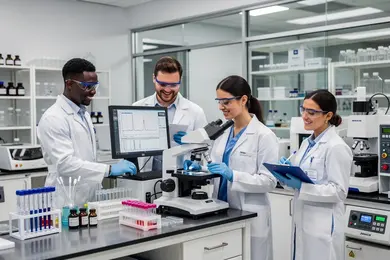
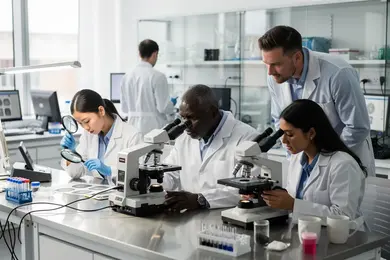
Many programs mitigate this by requiring short-term residencies or partnerships with local labs, but this presents access barriers to students outside metropolitan areas. Virtual labs and interactive modules contribute to skill development in areas like fingerprint analysis and chromatography, yet they cannot fully replace the experience of real specimen handling under supervision. Consequently, graduates should carefully evaluate how their chosen program addresses these limitations relative to their career goals.
Considering costs, tuition for master's level online forensic science programs varies significantly-from $10,361 to $20,238 annually-posing a substantial investment that demands return justification through job market readiness. Forensic scientist positions offer median salaries near $72,060, with top earners exceeding $117,250, but entry often hinges on proven practical expertise beyond academic credentials.
Prioritizing programs that incorporate applied casework and regional lab access is essential, especially for working professionals or career changers seeking a strategic pivot. A practical, nuanced assessment of training delivery methods and employer expectations ultimately governs how effectively an online forensic science degree translates into workforce outcomes.
How do admission requirements differ for online versus on-campus forensic science degrees?
Online forensic science degrees create distinct admission challenges tied to practical skills verification and state authorization, demanding strategic navigation by applicants. Unlike on-campus programs that require physical presence for lab work and aptitude tests, online programs frequently accept virtual simulations and digital proof of experience. This flexibility significantly reduces barriers for those balancing work or living far from testing centers, but not all practical components can be satisfied remotely without careful planning.
Core prerequisites include foundational courses in biology, chemistry, and criminal justice, but prospective students must scrutinize how each program evaluates hands-on experience. For example, an applicant employed in a crime lab might leverage local employer-supported training to fulfill requirements typically met through internships or campus labs. However, online learners must also address state-specific restrictions affecting clinical placements, which can outright block enrollment if their residence lacks compatible licensure frameworks.
The consequences of overlooking these nuances are tangible: forensic roles such as detectives and chemists offer salaries over $70,000 annually, while crime scene technicians earn significantly less. Choosing a program aligned with licensure and practical training access directly influences career trajectory and earning potential. Applicants who fail to verify these details ahead risk delaying entry into higher-level positions that demand demonstrated technical competence.
Students evaluating online versus on-campus forensic science education should weigh geographic flexibility against tangible experiential requirements and state-mandated licensure barriers to align their educational pathway with realistic workforce demands.
How long do online forensic science degrees take and what do they cost?
Completing an online forensic science degree requires strategic evaluation of time commitment, costs, and practical experience to ensure alignment with professional goals. Associate degrees typically span two years, while bachelor's programs demand about four years of full-time study; accelerated tracks exist but intensify the workload, particularly challenging for employed students.
Tuition varies substantially, with public institutions offering in-state rates near $7,000 annually, contrasting sharply with private programs that can exceed $30,000 per year. Beyond tuition, students should anticipate additional expenses for technology fees, textbooks, and specialized software or lab kits essential for digital investigations.
Consider a cybersecurity analyst pursuing advancement through a bachelor's in forensic science online: total costs range widely from $28,000 to $120,000, depending on residency and school selection. Such investments merit comparison against outcomes; for instance, graduates from Champlain College's online Bachelor of Science in Computer Forensics & Digital Investigations report median earnings of approximately $89,716, positioning them above many peers nationally.
Remote learners needing hands-on lab components must scrutinize how programs facilitate internships or local practicums to prevent delays. Ignoring credit transfer policies or hidden fees risks extending program duration and costs, delaying workforce entry or effective career transition.
What are the salary expectations and job outlook in forensic science fields?
Salary outcomes in forensic science decidedly favor those with graduate education, where mid-career median earnings at $78,000 for master's degree holders surpass the $60,000 median for bachelor's-level professionals. This $18,000 gap reflects employer demand for advanced technical skills and leadership capabilities typically developed through graduate study. Professionals navigating career advancement within metropolitan hubs benefit most, as job growth-projected at 13% through 2032-clusters in these regions alongside expanding roles in digital forensics and forensic toxicology.
Forensic science specialists aiming to avoid relocation face nuanced tradeoffs. Bachelor's degree holders in smaller or rural jurisdictions often encounter stagnant pay and limited promotion unless they acquire specialized certifications or extensive experience. Conversely, those with advanced degrees gain access to supervisory positions, specialized labs, and consulting roles that offer both higher compensation and stability.
Key practical considerations include:
- The cost and time investment of graduate programs weighed against their clear salary premium.
- Employer preference in government and private sectors for graduate credentials to manage complex evidence analysis and reporting.
- Opportunities in remote consultancy enabled by online forensic science programs and virtual labs that mitigate geographic constraints.
Students must evaluate these real-world factors attentively to ensure educational choices align with their career objectives and geographic flexibility.
What certifications or licensing might forensic science graduates need and how are they earned?
Forensic science graduates face a distinct bottleneck where holding a degree alone often does not meet employer standards for advanced roles. Certifications such as the American Board of Criminalistics (ABC) credential or state-specific licenses serve as practical gatekeepers, validating technical skill and ethical compliance. For example, many federal and local crime labs require two years of documented forensic experience before allowing candidates to sit for rigorous exams, delaying independent professional practice despite academic qualifications.
State licensure requirements in jurisdictions like Texas and California add layers of complexity through extra testing, background checks, or mandated continuing education. These processes routinely extend the timeline for fully credentialed employment beyond graduation. For working professionals, part-time study combined with accumulating casework remains a common strategy to meet prerequisites.
Workforce implications include a clear stratification: without certification, graduates often remain in entry-level technician positions with limited upward mobility. Certain specialties such as DNA analysis, toxicology, and digital forensics demand additional certifications from niche professional bodies, further elongating credentialing pathways.
- Educational prerequisite: Bachelor's degree in forensic science or related fields
- Practical experience: Generally two years of documented forensic work
- Exams: Comprehensive written tests and, where applicable, state licensing boards
- Financial and time costs: Exam fees, prep courses, and possible multi-year certification timelines
According to NCES data cited by Intelligent, the average annual undergraduate tuition is $14,688, with many online students pacing their education over four to five years to balance cost and hands-on experience accumulation. Planning for these extended timelines and hidden expenses is essential for realistic career projections and avoiding stalled advancement.
How can students choose a reputable online forensic science program that fits their goals?
Selecting an online forensic science program requires scrutiny beyond broad accreditation claims to assess specialized quality and curriculum relevance directly tied to job functions. Regional accreditation offers confidence in academic standards and credit transferability, but programmatic accreditation from forensic or criminal justice bodies signals focused rigor important to employers.
Programs lacking essential courses-crime scene investigation, forensic biology, toxicology, evidence analysis-limit graduates' readiness. For example, an aspirant toxicologist must verify that coursework includes chemical analysis techniques and practical training; absent this, career progression can stall or necessitate costly additional credentials.
Practical experience remains a decisive differentiator. Online offerings without integrated lab simulations or local internships risk leaving students underprepared for real-world casework. Flexibility through asynchronous classes and adaptable practicums benefits working professionals but should not compromise critical scientific competencies expected by hiring agencies.
Projected 13% job growth for forensic science technicians between 2022 and 2032 demands graduates align their education with labor market needs to avoid geographic and credential mismatches. Candidates should evaluate programs on faculty qualifications, graduate placement rates, and career service transparency to ensure a genuine return on time and financial investment.
Other Things You Should Know About Forensic Science
Online forensic science programs vary extensively in how they handle practical training. Most reputable programs incorporate virtual labs or remote simulations but lack the direct, hands-on exposure that employers often prefer for entry-level roles. Students prioritizing programs with clear partnerships for local internships or on-site practicums should expect better job readiness, as practical experience remains critical for standard forensic techniques. Without verified fieldwork components, graduates may face challenges competing against candidates with traditional lab experience.
Most programs require a Windows or Mac computer, a webcam, microphone, stable broadband, and current browser software. Some virtual labs also need spreadsheet software and the ability to run simulation platforms used for chemistry, biology, or crime-scene analysis modules.
Federal and state forensic labs frequently require candidates to have degrees from programs with significant in-person components or specific laboratory certifications. While an online degree can open doors to crime scene investigation or digital forensics, it often limits eligibility for positions requiring rigorous chain-of-custody handling and forensic chemistry training. Students targeting state or federal lab careers should prioritize hybrid programs or those with mandatory lab residencies to meet these structured hiring standards.
References
- On-Campus vs. Online Law Enforcement Programs: Pros and Cons https://golawenforcement.com/articles/on-campus-vs-online-law-enforcement-programs-which-one-is-for-you/
- Forensic Science https://icieducation.com/courses/law-justice/forensics/
- The Forensic Science Jobs You Can Pursue with Qualifications https://www.stonebridge.uk.com/blog/distance-learning/the-forensic-science-jobs-you-can-pursue-with-qualifications/
- Crime Scene Investigator Careers - CSI Salary & Job Outlook https://www.forensicscolleges.com/careers/crime-scene-investigator
- Online Forensic Science Degrees | OnlineColleges.net https://www.onlinecolleges.net/degrees/forensic-science/
- How to Become a Forensic Science Technician | University of Bridgeport https://www.bridgeport.edu/news/how-to-become-a-forensic-science-technician/
- Forensic Science Degree Programs https://www.criminaljusticedegreeschools.com/degrees/forensic-science-degree/
- List of Bachelors in Forensic Science Programs - Campus & Online https://yescollege.com/degrees/bachelors-in-forensic-science/
- Bachelor's in Forensic Science https://www.ccis.edu/degrees/forensic-science-bachelor
- Online and Offline Forensic Science Courses for Students & Professionals https://iesr.in/forensic-science-courses-online-offline/