2027 Best Nonprofit Online RN to BSN Programs

Co-Founder and Chief Data Scientist
Registered nurses committed to advancing their careers confront a crucial dilemma: balancing ongoing employment with advancing education within compressed timelines. The National Center for Education Statistics reported a 12% surge in enrollment among adult learners in online nursing programs in 2024, signaling demand for flexible formats that accommodate work schedules. Yet, not all online RN to BSN programs provide the same transfer credit policies or clinical hour structures, affecting time to degree completion and cost efficiency.
Understanding these operational nuances is vital for nurses targeting leadership roles or specialized positions that increasingly require a BSN credential. This article evaluates the best nonprofit online rn to bsn programs, focusing on flexibility, credit transfer, and practical outcomes to aid informed decisions aligned with career trajectories.
Key Things You Should Know
- RN to BSN programs show growing wage premiums averaging 12% nationally, yet cost inflation of 8% annually challenges affordability, pressing candidates to balance debt risk against accelerated career gains per recent NCES data.
- Employers increasingly prioritize BSN credentials, with 70% of U.S. hospitals mandating BSN-prepared nurses by 2026, intensifying pressure on RNs despite ongoing debate over experience versus educational attainment.
- Programs integrating clinical leadership practicums report 25% higher post-graduation employment rates, emphasizing that choosing programs with strong practical components outweighs mere credit completion speed for workforce readiness.
What makes a nonprofit online RN to BSN program one of the best?
Employers increasingly require or prefer a bachelor's degree for nursing roles, with 71% of registered nurses indicating this need-up from 54% five years prior-shaping the real value of best nonprofit online rn to bsn program features. Programs that align curriculum with employer needs, integrating clinical leadership, health informatics, and community health, equip nurses for broader responsibilities such as management or specialty practice, rather than only bedside care.
Accessibility and minimal excess credits distinguish top accredited nonprofit rn to bsn programs online, addressing working professionals' needs by offering asynchronous formats that reduce disruption to current employment. Clear licensure pathways and practical clinical components expedite credential upgrades, balancing time and financial investment.
Beyond curricular content, transparency about costs and strong student support services-career counseling and practicum placement-are essential to the program's impact on employability. Graduates often experience faster advancement and increased starting salaries, especially in sectors like hospital administration or public health nursing, where a BSN directly influences role eligibility and compensation.
Choosing the best program means evaluating how well its measurable outcomes map to personal career objectives and local labor markets, not merely institutional prestige or online convenience. For evaluations grounded in outcomes and practical realities, consult online RN to BSN programs that prioritize real-world utility and employability.
How do nonprofit online RN to BSN programs differ from for-profit and campus options?
Nonprofit online RN to BSN programs differ sharply from for-profit and campus-based alternatives in graduate outcomes and employer valuation. Unlike revenue-driven for-profit schools, nonprofits typically channel resources into academic quality, evidenced by 2024 data showing they enrolled around 73% of online nursing bachelor's students. Graduates from these programs demonstrate a 7-10 percentage point advantage in hospital retention three years post-graduation.
Employers generally prefer candidates from nonprofit online RN to BSN programs versus for-profit programs because of stronger preparation in clinical leadership and ethical decision-making, areas often underrepresented in for-profit curricula. A hiring manager prioritizing critical thinking and patient coordination skills is more likely to select a nonprofit graduate over a for-profit-trained nurse.
When comparing differences between campus and nonprofit online RN to BSN programs, online nonprofit options offer greater flexibility critical for working professionals but demand disciplined time management. Campus programs provide hands-on clinical experiences yet pose scheduling and commuting challenges that can hinder employed RNs.
Students should assess employer partnerships with nonprofit institutions to leverage tuition reimbursement and clinical placements. Those targeting sustained hospital employment and career mobility benefit from programs emphasizing real-world applicability and institutional accountability. For an insight into accessible pathways, consider exploring the easiest ABSN program to get into.
Which nonprofit universities offer accredited online RN to BSN programs?
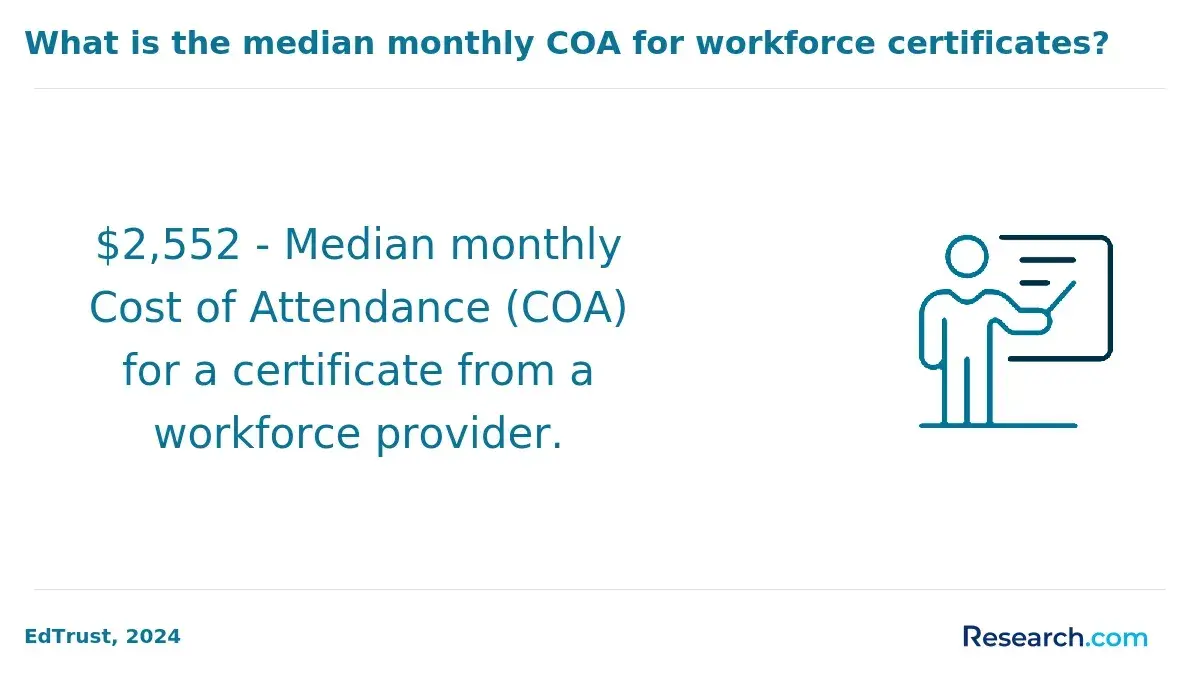
Nonprofit universities with accredited online RN to BSN programs offer a practical balance between affordability and recognized quality, which is critical for working nurses navigating promotion requirements and financial constraints. Tuition costs at these institutions, often public state schools like the University of North Carolina at Charlotte or Indiana State University, typically range between $5,000 and $7,000 total, far below the $20,000 to $28,000 seen at many private or for-profit schools.
Employers in hospitals and community health systems increasingly favor or mandate a BSN credential for leadership and specialty roles, making enrollment in best accredited online RN to BSN programs at nonprofit schools a strategic decision rather than a purely academic one. However, nurses must weigh the tradeoffs: these programs usually demand clinical practicum completion, which can be challenging without robust local clinical placement support-especially in rural or underserved regions. Flexibility through asynchronous courses helps accommodate shift work but does not eliminate real-world clinical requirements.
The Commission on Collegiate Nursing Education (CCNE) accreditation is essential to ensure program legitimacy and employer acceptance. Such programs directly target workforce alignment, easing the transition into higher-responsibility roles without excessive debt burdens. For those seeking practical options,nursing schools that don t require TEAS test near me may also present less restrictive admission pathways, reducing initial friction for candidates balancing work and study.
What admission requirements do nonprofit online RN to BSN programs typically have?
Nonprofit online RN to BSN programs admission criteria emphasize verified clinical licensure and foundational academic preparation to ensure readiness for accelerated upper-level coursework. Most applicants must hold an active, unencumbered RN license issued by a U.S. state board of nursing and have completed an accredited Associate Degree in Nursing (ADN) or equivalent diploma. A minimum cumulative GPA, frequently between 2.5 and 3.0, is typically required on official transcripts, reflecting the academic stamina needed for these programs.
Typical enrollment requirements for nonprofit online RN to BSN programs often include documentation of one to two years of clinical experience, underscoring the practical skills employers expect at the BSN level. Applicants may also need to submit résumés capturing this background, alongside prerequisite general education courses such as anatomy, microbiology, and statistics, which help maintain a base scientific literacy essential for advanced nursing roles.
Nonacademic factors like background checks and immunization records directly affect clinical placement eligibility and can cause enrollment delays or degree progression interruptions. For example, in states with strict clinical access regulations, incomplete immunizations or criminal histories may block integration into essential hospital settings. Nurse candidates should audit these requirements carefully to avoid such workforce reentry challenges.
Compared to ADN-prepared nurses, BSN holders earn median salaries near $86,070, around $9,000 to $12,000 higher, supporting the financial rationale for meeting all admission criteria promptly. For those aiming to advance beyond BSN credentials, investigating the shortest MSN to DNP program pathways is advisable, aligning further education with streamlined timelines and labor market demands.
How long does it take to complete a nonprofit online RN to BSN program?
Completion time for nonprofit online RN to BSN programs generally falls between 12 and 24 months, shaped by program design and student course load. Full-time students with flexible scheduling often complete in about one year, while part-time learners balancing clinical roles and personal commitments may take up to two years. Accelerated options exist but require steady weekly time investment and rapid adjustment to an intensive pace.
Most candidates juggle clinical work alongside coursework, making asynchronous classes crucial for managing shift patterns and family obligations. Hospitals increasingly prefer BSN-prepared nurses-by 2024, 82% strongly favored or mandated BSN credentials for new hires, with nearly half striving for 80% BSN staffing levels, per AACN employer data. This shapes the workforce urgency around timely degree completion.
Choosing pace involves weighing tradeoffs: accelerated completion improves placement in competitive job markets but may increase burnout risk if work-study balance strains, while extended part-time study reduces immediate pressure but delays alignment with employer preferences and potential salary growth.
Prospective students should examine transfer credit policies and clinical practicum flexibility closely, as these significantly affect total time to degree. Programs that collaborate with healthcare employers to synchronize schedules can ease conflicts, enhancing progression speed and maintaining employment stability.
What courses and clinical experiences are included in online RN to BSN curricula?
RN to BSN programs increasingly serve working nurses by integrating flexible clinical experiences aligned with their employment settings. Instead of displacing students for clinical rotations, many programs permit completion of 80 to 100 practicum hours within current workplaces, focusing on community health assessments, population-based interventions, and leadership projects. This pragmatic approach accelerates skill application and reduces logistical barriers, essential for employed nurses balancing job demands with education.
Employers, especially Magnet-recognized hospitals, now prioritize candidates with a BSN due to broader competencies beyond traditional clinical tasks. According to AACN Magnet data, 58% of these institutions reported having at least 75% BSN-prepared staff by 2024, reflecting a market shift where leadership, research literacy, and public health expertise influence hiring decisions.
Prospective students must evaluate RN to BSN curricula carefully, weighing how well programs emphasize advanced clinical judgment, health policy, and quality improvement within a manageable timeframe and compatible clinical requirements. Programs that limit disruption to current employment and offer employer-approved clinical placement are often more viable for working professionals aiming to pivot into roles involving care coordination or healthcare management.
How much do nonprofit online RN to BSN programs cost, and what aid is available?
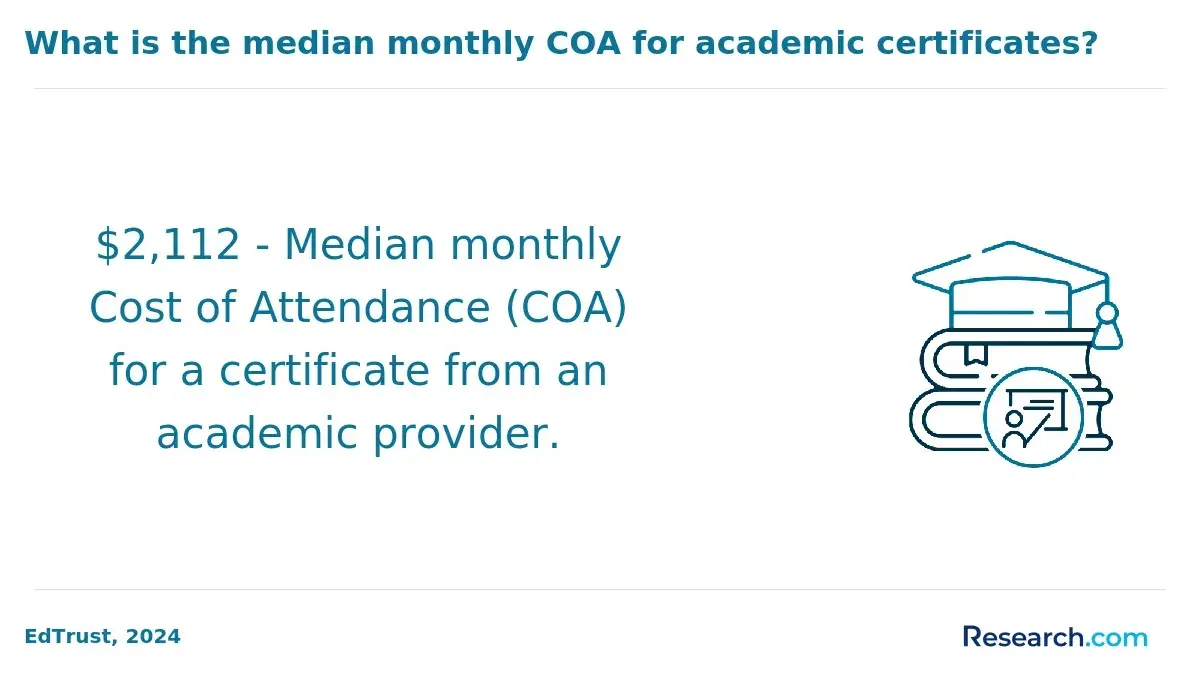
Nonprofit online RN to BSN programs typically offer a more cost-effective pathway than their for-profit counterparts, with total tuition ranging from $10,000 to $30,000 depending on residency and institution. The tuition model is generally based on credit hours, averaging between $300 and $600 each across 30 to 40 credits. This cost structure, combined with higher completion rates-often above 80%-makes nonprofits a prudent choice for students balancing economic and time constraints.
Financial aid availability is diverse but demands proactive management. Federal resources via FAFSA provide Pell Grants and loans, while many states add targeted nursing scholarships. Employer tuition reimbursement can offset up to 100% of costs but usually requires continued employment commitments afterward-creating potential risks if career plans change.
Accelerated RN to BSN options that condense degree completion into 12 to 18 months present strategic benefits by lowering opportunity costs and living expenses, especially for working nurses aiming for swift credential upgrades. However, verifying institutional policies on refunds, credit transfers, and state authorization for online delivery is critical to avoid hidden setbacks. Predictable tuition and early financial aid application also support better budgeting.
How does an online RN to BSN degree impact nursing career advancement and roles?
Nurses seeking to transition from bedside roles to positions with supervisory or specialized responsibilities must weigh the tangible returns and operational challenges of pursuing an online RN to BSN program. These programs unlock eligibility for roles in clinical coordination, case management, and areas like oncology or telemetry, which increasingly require BSN credentials. However, balancing full-time work with online coursework demands strong time management and adaptation to competencies such as research literacy and evidence-based practice-skills often less emphasized in traditional RN training.
Financially, an investment of $6,000 to $12,000 at nonprofit institutions typically pays off within three years, supported by median salary increases documented in analyses from Nurse.org and OnlineU. This rapid return underscores a pragmatic value beyond academic fulfillment. Employers prioritize BSN graduates for their critical thinking, leadership, and communication abilities, which correlate with improved patient outcomes.
Practical considerations include checking if program curricula emphasize these critical soft skills alongside clinical theory and understanding how the credential affects job eligibility within your local healthcare system. Nurses who advance beyond diplomas or associate degrees often access roles in education or advanced practice support that are otherwise unattainable. Achieving this credential positions professionals strategically but requires navigating the tradeoff between immediate workload and long-term career and earning potential.
What salary increases and earning potential are associated with an RN to BSN degree?
Holding a BSN degree typically results in a 10% to 15% salary increase compared to RNs without this credential, pushing median incomes from about $75,000 to around $85,000 or more annually. Larger healthcare employers often require a BSN for leadership roles and positions in specialized clinical units, reflecting a tangible wage and career gatekeeper effect. For example, an ICU nurse in an urban hospital might earn $78,000 without a BSN but see promotions to charge nurse or managerial roles paying $88,000 and higher once the degree is obtained.
In rural or critical access hospitals, the financial uplift may be less dramatic but remains relevant, shaped by local workforce shortages and state healthcare investment. Beyond immediate earnings, a BSN expands access to advanced certifications, graduate study, and administrative pathways, which are crucial for extending professional longevity and adaptability.
Employers aligning with Magnet Recognition Program standards increasingly expect BSN credentials, adding a layer of employment stability amid market fluctuations. Prospective students should consider the upfront time and expense against these benefits, noting that enrollment in online rn to bsn programs has risen by more than 30% since 2019 at nonprofit institutions, indicating a strategic shift toward affordable, flexible options.
How is the job outlook for BSN-prepared nurses in hospitals and other settings?
Hospitals and healthcare employers increasingly mandate a Bachelor of Science in Nursing for frontline nursing roles, a trend driven by clear links between BSN credentials and improved patient outcomes, leadership abilities, and care coordination. Between 2020 and 2030, the projected 25% rise in RN-to-BSN graduates reflects this demand shift, largely enabled by expanded nonprofit online RN to BSN programs offering needed flexibility for working nurses.
This trend intersects with institutional quality initiatives like Magnet Recognition, where BSN preparation is often a baseline hiring standard, prompting many associate degree nurses to upgrade credentials for job retention and progression. In community health and long-term care, BSN-prepared nurses perform broader clinical and educational functions that ADN-prepared nurses might not typically manage.
However, pursuing the degree while employed demands navigating part-time enrollment and coordinating clinical practicum with local facility availability, which can constrain students geographically and temporally. Nurses who complete a BSN often move into better-paying supervisory roles with a wider scope of practice, an important factor amid tightening labor markets. Pragmatically, nonprofit online RN to BSN programs offer an effective route to maintain competitiveness and meet evolving employer expectations well beyond 2026, balancing workforce realities with institutional credentialing demands.
Other Things You Should Know About RN to BSN Programs
Yes. Many nonprofit online RN to BSN programs offer part-time tracks for working nurses, and some compress upper-division nursing courses into 7- to 8-week terms. Completion often takes about 12 to 24 months, depending on transfer credits and enrollment status.
Students enrolling in 2027 online RN to BSN programs need basic computer skills, including email, word processing, and internet navigation. Familiarity with learning management systems like Canvas or Blackboard is also essential, as these platforms are often used for coursework and communication.
Online RN to BSN programs incorporate clinical components to meet accreditation requirements, but these are typically completed locally at healthcare facilities near the student's residence. This decentralized approach demands proactive communication with program advisors to secure appropriate placements. Students should confirm that a program offers structured support for clinical site placement, as inadequate guidance can delay graduation.
Applicants typically need an active RN license, an associate degree in nursing (ADN), and a minimum GPA, often around 2.5 to 3.0. Some programs may also require completed courses in anatomy and physiology, microbiology, and statistics as prerequisites.
References
- Online RN to BSN Program | Georgia Southwestern https://www.gsw.edu/college-of-nursing-and-health-sciences/school-of-nursing/rn-bsn
- 5 Reasons Why a BSN in Nursing Is Important - St. Thomas https://absn.stthom.edu/blog/learn-why-a-bsn-in-nursing-is-important/
- Top Online Accredited RN-BSN Programs - Better Nurse https://betternurse.org/bsn-degrees/
- Bachelor of Science in Nursing Program https://nursing.utmb.edu/Academics/Programs/Undergraduate/BSN/RN-BSN
- How an Online BSN Degree Program Works https://www.allnursingschools.com/bsn/online-or-on-campus/
- How Earning a BSN Can Be a Game-Changer for Your Nursing Career https://carrington.edu/blog/how-earning-rn-to-bsn-can-help-nursing-career/
- What is the Best Online RN to BSN Program? A Guide for Working Nurses https://webber.edu/what-is-the-best-online-rn-to-bsn-program-a-guide-for-working-nurses/
- 28 Cheapest RN to BSN Online Programs of 2025 https://www.rntomsn.org/cheapest-online-rn-to-bsn-programs/
- Care Hope College https://www.carehope.edu/news/future-of-nursing-bsn-degree-benefits
- Online Bachelor of Science in Nursing https://www.chamberlain.edu/academics/nursing-school/bsn-online