2027 Best Online RN to BSN Programs by Career Outcome

Co-Founder and Chief Data Scientist
Registered nurses seeking to advance through online RN to BSN programs face a complex dilemma: balancing demanding work schedules with timely degree completion amid evolving employer standards. The U. S. Department of Education reports that enrollment in fully online nursing programs grew over 12% in the past year, signaling a shift toward remote flexibility but also intensifying competition among programs varying widely in rigor and recognition. This proliferation necessitates careful evaluation beyond convenience-program quality directly impacts job mobility and wage growth.
This article evaluates leading online RN to BSN programs by concrete career outcomes to guide decisions that align education with professional advancement and market realities.
Key Things You Should Know
- Employers increasingly mandate BSN credentials, with 75% of U.S. hospitals requiring BSN-prepared nurses by 2025 per the American Nurses Association, pressuring RNs to balance work-study timelines against wage stagnation risk.
- Graduation rates for accelerated RN to BSN programs vary widely, averaging 62% nationally according to 2024 NCES data, making program selection critical to avoid sunk costs and delayed career advancement.
- State funding disparities create stark tuition gaps, with public in-state programs averaging 35% lower cost than private alternatives, influencing both debt burden and access speed for working professionals.
What are the best online RN to BSN programs for specific nursing career outcomes?
Programs aligned with specific nursing roles deliver clearer returns in leadership and management. Nurse managers with a BSN earn a median salary of $107,520 (U.S. Bureau of Labor Statistics, May 2024), reflecting demand for combined clinical and operational skills. Online RN to BSN programs focused on health systems management and evidence-based practice enable experienced RNs to transition into supervisory roles without additional costly training.
For nurses advancing from bedside care to administrative positions, curricula that integrate finance, personnel management, and quality improvement serve as practical pathways that shorten the leap into management. Without these targeted leadership practicums, graduates often face barriers-such as pursuing extra certifications-that delay career shifts.
Students aiming for roles in public health or community nursing benefit from programs embedding population health, informatics, and policy analysis. Though salary gains are typically moderate in these tracks, the scope of influence and job function expands significantly.
Employers prioritize graduates from regionally accredited programs with strong healthcare partnerships, especially when evening and asynchronous formats maintain rigorous mentorship to prevent skill gaps. Selecting from the easiest online RN to BSN programs requires evaluating this blend of academic rigor and practical leadership alignment.
These factors underscore why the best online RN to BSN programs for career advancement in nursing must be carefully matched to student career goals. The top online RN to BSN programs for specialized nursing career outcomes do not merely credential but develop operational competence critical for evolving workforce demands.
How do online RN to BSN programs compare with campus options for working RNs?
Choosing between online RN to BSN programs vs campus options for working RNs hinges on balancing flexibility with clinical immersion. Flexible RN to BSN programs designed for working registered nurses often eliminate commuting and offer asynchronous coursework, critical for those managing rotating shifts or family obligations. This format supports sustained progress without disrupting employment, an advantage for nurses in intensive care or variable-hour roles.
Conversely, campus programs deliver hands-on clinical simulations and networking opportunities that benefit nurses aiming for specialties reliant on direct mentorship or hospital system placements. However, in-person options can impose rigid schedules and relocation demands, limiting accessibility for many working professionals.
Employers prioritize BSN-prepared nurses for advanced clinical and leadership roles, reflecting a projected 35% growth in nurse practitioner jobs from 2024 to 2034. Accreditation and program reputation remain essential regardless of delivery mode, influencing employability and career trajectories. For pathways focused on rapid completion and updated curricula, accredited online options often match or exceed campus programs in practical value.
Prospective students should consider these tradeoffs carefully. For example, an ICU nurse working nights gains from an online program's flexibility, while a candidate targeting a specialty requiring immersive clinical practice may find campus programs indispensable. For more advanced bridging options, explore BSN to MSN online programs that align with evolving workforce demands and educational efficiency.
What accreditation and state board approvals should RN to BSN programs have?
Accreditation from the Commission on Collegiate Nursing Education (CCNE) or the Accreditation Commission for Education in Nursing (ACEN) is a non-negotiable criterion for RN to BSN program accreditation bodies, ensuring that both academic rigor and clinical training meet employer and licensing board standards. State board approvals for RN to BSN programs serve as jurisdictional authentication vital for licensure eligibility and professional practice within that state. Without these credentials, nurses risk non-transferable credits, limited career mobility, and employer skepticism toward their credentials.
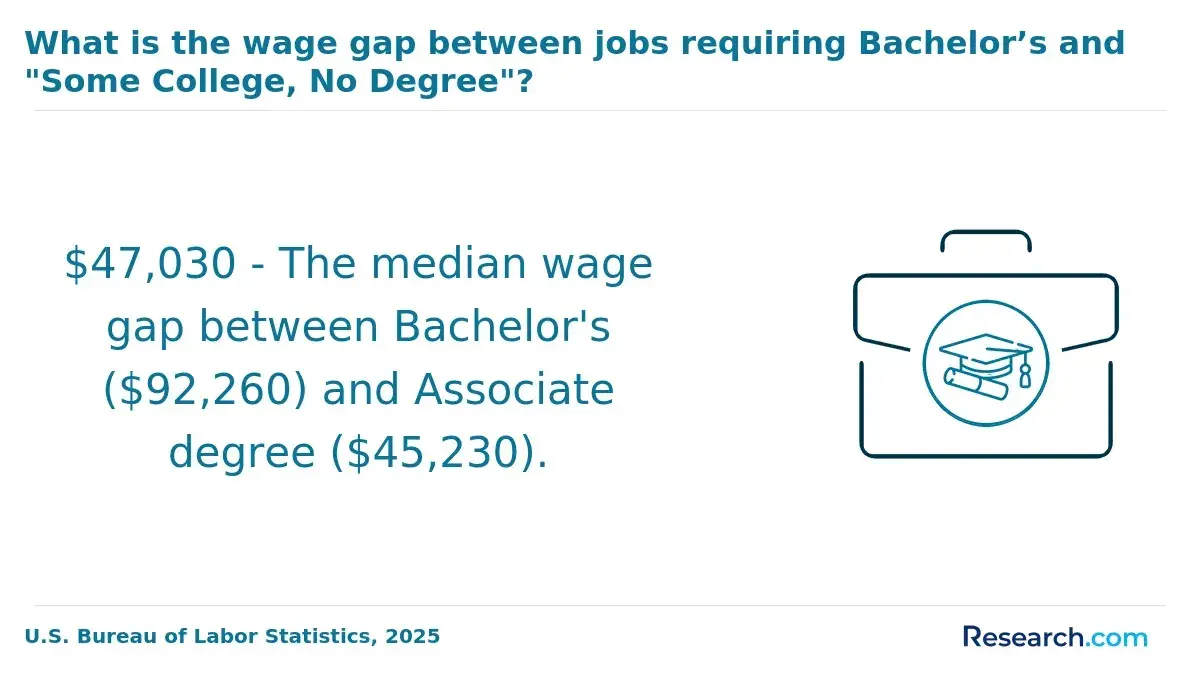
Consider a nurse targeting employment in California: the program must be accredited by CCNE or ACEN and approved by the California Board of Registered Nursing. The absence of either accreditation or state board approval can result in rejection during license renewal or advancement, directly affecting employability. Data from federal and state workforce analyses confirm that BSN-prepared nurses earn approximately $18,000 more annually than ADN counterparts, a significant factor reliant on proper accreditation and approval compliance.
Variability across states in credit recognition and clinical hour mandates introduces differences in program cost and length, affecting student planning. Employers tied to Magnet Recognition or similar quality benchmarks typically require degrees from accredited, state-approved programs, making these endorsements critical to hiring and promotion.
When evaluating pathways, students should also investigate options among the cheapest online nursing programs to balance cost with accreditation integrity. Ultimately, foregoing verified program credentials undermines licensure compliance, salary potential, and upward career mobility in nursing.
What admission requirements and prerequisites do online RN to BSN programs expect?
Admission to online RN to BSN programs hinges on more than just holding an active RN license; candidates must navigate a profile of prerequisites that directly impact time-to-enrollment and subsequent career trajectory. Core requirements include an associate degree or nursing diploma from accredited institutions, a minimum GPA typically around 2.5, and completion of foundational general education courses such as anatomy, physiology, microbiology, nutrition, and statistics. These prerequisites are not merely academic hurdles-they ensure readiness for advanced nursing coursework that employers increasingly expect.
Programs often request transcripts verifying all prior coursework, plus letters of recommendation and personal statements assessing both clinical aptitude and professional motivation. The practical implication is clear: nurses working in non-traditional settings may face delays if prerequisite science credits are incomplete, potentially lengthening the return on investment period for the degree. For example, a nurse in a rural clinic without formal science courses may first need community college coursework before admission.
Financially, tuition ranging between $30,000 and $60,000 correlates with a breakeven timeframe of 12 to 18 months when weighed against median RN BSN salaries near $80,000. This dynamic sharpens the need for swift prerequisite completion and program entry to realize the financial and professional benefits. Understanding the prerequisites for enrolling in online RN to BSN programs is key to managing these tradeoffs.
Beyond admission, workforce trends favor BSN-prepared nurses for roles that demand both clinical knowledge and data literacy. The trajectory to such positions often requires deliberate upfront preparation.
For perspectives on advanced nursing credentials, see this analysis of DNP salary by state.
How long does it take to complete an online RN to BSN, and what schedules exist?
RN to BSN programs vary notably in duration and structure, directly impacting a student's ability to balance work and study. Accelerated tracks may finish in as little as 9 months but demand full-time focus, a difficult expectation for many working nurses managing irregular shifts or family demands. More common part-time formats, with 2 to 3 courses per term, extend completion toward 18-24 months, offering a more manageable pace aligned with clinical responsibilities.
Scheduling flexibility often includes asynchronous coursework, which accommodates nurses with fluctuating hours, such as night or rotating shifts. Some programs add synchronous weekend or evening sessions, enhancing live engagement but risking conflicts with variable work schedules. Choosing a program without thoughtful pacing increases risk of burnout and academic setbacks, which can undermine professional growth.
Employers increasingly value BSN credentials, but they also expect consistent, quality performance-expedited timelines that compromise learning or personal well-being may hinder long-term advancement. Careful alignment between course load and workload is essential to sustain progress and capitalize on higher earning potential demonstrated by graduates from competitive programs like California State University Dominguez Hills, where median salaries reach $115,301 annually, according to OnlineU's 2026 data.
What courses and clinical or practicum experiences are included in RN to BSN curricula?
RN to BSN curricula extend beyond clinical skills to include leadership, public health, ethics, and healthcare policy, reflecting evolving employer expectations for nurses who navigate broader organizational and community roles. Coursework blends theory with 100 to 200 practicum hours in settings like hospitals, clinics, or public health departments, emphasizing projects such as community health assessments or quality improvement initiatives. For instance, a nurse in a rural health department might coordinate vaccination efforts during practicum hours, illustrating real-world role expansion.
Programs must balance rigorous clinical requirements with student work commitments, often offering flexible schedules or simulations to mitigate conflicts. Prospective students should verify state approval and program assistance with clinical placements to avoid delays or unexpected costs.
Graduates demonstrate competencies not only in direct care but in informatics and interprofessional collaboration, competencies linked to a median RN to BSN graduate salary of $97,743 as reported by OnlineU in 2026, with annual tuition around $8,658 at leading public institutions. This investment correlates with enhanced employability in competitive healthcare markets, though the tradeoff includes the challenge of integrating clinical hours into busy schedules.
Choosing an RN to BSN program is a strategic decision requiring evaluation of clinical placement support, integration of technology and teamwork in coursework, and the practical demands of ensuring practicum completion alongside employment.
What are typical tuition, fees, and total costs of online RN to BSN programs?
Choosing an online RN to BSN program requires balancing tuition costs with practical career demands and workforce expectations. Tuition varies dramatically-from around $6,480 to $37,890-largely driven by institutional type and residency status. Public universities can offer substantial savings for in-state students, while private schools, though costlier, may provide abbreviated tracks or added support that reduce time away from employment.
A hospital-employed nurse aiming for rapid credential completion might prioritize less expensive programs to curb debt, seeking to optimize the return on investment by minimizing upfront costs and lost income. Yet, compressed programs spanning 12 to 18 months often lead to higher per-semester fees but reduce incidental expenses such as commuting and childcare, illustrating a key tradeoff between total cost and time commitment.
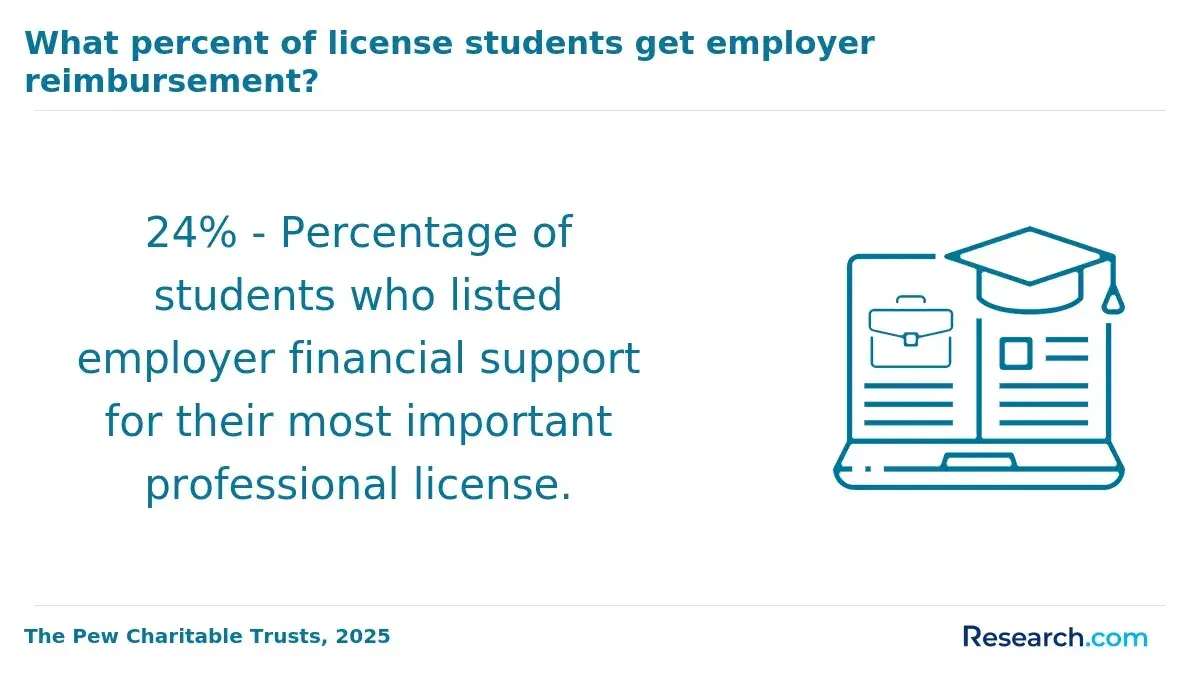
Additional fees-for technology, course materials, or clinical coordination-can add hundreds to over a thousand dollars, impacting the overall financial outlay. Employer tuition reimbursement and federal loans shape net costs but eligibility varies widely, influencing access to higher-priced accelerated options.
Employers in competitive markets increasingly require a BSN for advancement, making accelerated completion programs worthwhile despite higher sticker prices if they enable faster reentry to the workforce. Decision-making in RN to BSN programs should be informed by nuanced evaluation of total financial investment, program duration, and the tangible benefits in income and job prospects.
Which nursing roles and advanced education pathways does an RN to BSN unlock?
RN to BSN programs unlock advanced nursing roles that extend beyond bedside care into leadership, care coordination, and specialty clinical positions such as public health nursing and informatics. For instance, BSN-prepared nurses increasingly support telehealth services, which now comprise about 6-7% of primary care visits, according to American Hospital Association data summarized by OnlineSchoolsReport 2026. This creates openings in virtual patient monitoring, chronic disease management, and remote triage, illustrating how a BSN credential aligns with evolving care models integrating technology.
Employers often require or prefer BSN qualifications for supervisory roles and more complex clinical settings, linking education directly to higher pay scales and job stability-especially in states with BSN hiring mandates. Without a BSN, nurses can face significant barriers to graduate-level programs such as nurse practitioner, clinical nurse specialist, or nurse educator tracks, limiting upward mobility.
RN to BSN graduates typically assume responsibilities coordinating multidisciplinary teams and overseeing quality improvement initiatives. These roles demonstrate measurable impacts on patient safety indicators and community health policy development, rarely accessible to diploma or associate degree holders.
Prospective students must weigh:
- Accreditation of the program and alignment of clinical placements with career goals
- Financial commitments versus tangible returns, considering moderate tuition increases
- Long-term adaptability through BSN credentialing in a healthcare ecosystem increasingly driven by technology
What salary increases and earning potential are associated with completing an RN to BSN?
Completing an RN to BSN leads to tangible salary increases, with BSN-prepared nurses earning roughly 10% to 15% more than those with only an associate degree according to recent U.S. Bureau of Labor Statistics data. For instance, a registered nurse in a metropolitan hospital may see annual wages rise from $65,000 to above $75,000 after obtaining a BSN. In contrast, nurses working in rural or community health settings typically experience increments of $5,000 to $8,000 annually, reflecting geographic and institutional wage variability.
Beyond immediate salary gains, the degree opens access to higher-level roles such as nurse manager, clinical nurse specialist, and nurse educator-positions often contingent on a BSN. Employment projections indicate a 5% growth rate for registered nurses from 2024 to 2034, expanding opportunities primarily for BSN-qualified nurses and supporting wage stability.
However, prospective students must weigh the costs and time investment against short-term financial returns. Tuition expenses, potential lost wages during study, and balancing work with family obligations can constrain the return on investment. Employers offering tuition reimbursement or flexible scheduling significantly offset these challenges, improving program affordability and completion feasibility.
The RN to BSN programs also serve as a gateway to graduate nursing education, which correlates with even higher salary tiers but demands additional consideration of time and financial commitment.
How is employer demand and job outlook changing for BSN-prepared registered nurses?
The increasing preference for BSN-prepared registered nurses reflects more than just credentialing trends; it reveals a labor market responding to complexity in healthcare delivery and patient acuity. Hospitals and major healthcare systems consistently favor BSN-qualified candidates for placements in specialized units such as critical care and oncology, where advanced clinical judgment and leadership are non-negotiable. This preference directly influences promotion pathways, as nurses with only an Associate Degree in Nursing (ADN) often encounter wage stagnation and limited upward mobility.
For working nurses weighing the challenges of part-time study alongside demanding schedules, the practical tradeoff includes navigating temporary workload pressures for long-term gains in job security and earning potential. Data from OnlineU's 2026 evaluation shows median annual salaries exceeding $110,000 for top graduates at institutions like Florida Southern College or CSU Stanislaus, highlighting the measurable financial return of upgrading to a BSN.
Mobility across states and employers is another concrete factor: BSN credentials enable access to emerging roles in health informatics and community health, and improve eligibility at Magnet®-designated hospitals, a significant marker of clinical quality. As healthcare models increasingly prioritize value-based care, reliance on BSN-prepared staff will only deepen, making the absence of this degree a potential barrier to sustaining a nursing career.
- Employment growth in registered nursing projected at 9% from 2024 to 2034
- Higher salaries and leadership roles tied to BSN completion
- Greater professional flexibility and advanced clinical opportunities
Other Things You Should Know About RN to BSN Programs
Not all RN to BSN programs emphasize leadership, community health, or evidence-based practice equally. Programs with stronger curricula in these areas better prepare graduates for managerial and specialized roles by developing critical thinking and communication skills essential for expanded responsibilities. When choosing a program, prioritize those with coursework and practical projects aligned to your target role instead of relying on generic RN to BSN pathways that focus mainly on clinical theory.
Online programs often lack the face-to-face interaction that can foster professional connections and mentorship, which are important for career advancement. Many accredited online RN to BSN programs integrate virtual cohort models or live sessions to offset this, but they require active participation. If you depend heavily on networking for job opportunities or referrals, seek programs with structured community-building components or plan to supplement with local nursing organizations for connections outside the program.
RN to BSN programs vary widely in intensity and pacing, with some designed for rapid completion and others for extended part-time progress. Programs that expect clinical practicum hours or group projects demand significant time outside of classes, which can be challenging with full-time RN shifts. Prioritize programs that offer flexible deadlines, asynchronous content, and clear workload expectations to avoid burnout and ensure you can maintain job performance while studying.
References
- Boost Your Nursing Career with a BSN Degree: Unveiling Pathways for Advancement https://www.webber.edu/boost-your-nursing-career-with-a-bsn-degree/
- 30 RN to BSN Online Degrees Under $15,000 https://www.bestmasterofscienceinnursing.com/best/rn-to-bsn-online-tuition-under-10000/
- Online RN to BSN Programs | How Long Does it Take? https://acesonursing.com/blog/how-long-are-rn-to-bsn-programs/
- The 61 Fastest Online RN to BSN Programs of 2025 https://www.rntomsn.org/fastest-online-rn-to-bsn-programs/
- How to Level Up Nursing Education This 2021 https://www.allnursingschools.com/articles/upgrading-nursing-education/
- What is the Job Outlook for Nurses? | University of Bridgeport https://www.bridgeport.edu/news/what-is-the-job-outlook-for-nurses/
- Top Online Accredited RN-BSN Programs - Better Nurse https://betternurse.org/bsn-degrees/
- What is a BSN Degree and How Does it Differ from an RN License? | ACE Blog https://ace.edu/blog/bsn-vs-msn/
- How Much Is Nursing School? Discover the Current Nursing School Cost, from Program Tuition to Learning Expenses https://nightingale.edu/blog/nursing-school-cost.html
- Top 30 Best Online RN to BSN Programs - Healthcare Management Degree Guide https://www.healthcare-management-degree.net/best/online-rn-to-bsn-programs/