2027 Public Safety Degree Program Availability Report: Which States and Schools Offer the Most Options

Co-Founder and Chief Data Scientist
The concentration of public safety degree programs highlights underlying variations in how states and institutions respond to workforce demands and educational priorities. States with diverse public safety offerings often reflect robust investment in preparing candidates for evolving roles, from emergency management to homeland security.
According to the U. S. Bureau of Labor Statistics (2024), job openings in public safety fields are increasing in regions with higher program availability, suggesting alignment between academic supply and labor market growth. These patterns reveal not only access disparities but also institutional focus on producing graduates equipped to meet sector-specific challenges. This report examines which states and schools provide the broadest public safety degree options and what this means for workforce readiness and educational strategy.
Key Benefits of States and Schools That Offer the Most Public Safety Degree Program Options
- States and schools with diverse public safety degree options often require students to balance curriculum breadth against depth, affecting specialization paths and potentially prolonging graduation due to varied course requirements.
- Employers increasingly prioritize graduates from programs emphasizing practical field skills and interagency coordination, common in institutions offering extensive public safety tracks, signaling workforce preference for applied readiness over solely theoretical knowledge.
- Expanded program availability can reduce relocation or online learning necessity, lowering access barriers and enabling timely completion; however, regional cost differences remain a critical factor influencing student decisions.
- Key Benefits of States and Schools That Offer the Most Public Safety Degree Program Options Key Benefits of States and Schools That Offer the Most Public Safety Degree Program Options
- Which States Offer the Most Public Safety Degree Programs? Top States
- Why Do Some States Have More Public Safety Programs Than Others? Why Do Some States Have More Public Safety Programs Than Others?
- Which Colleges Offer the Largest Number of Public Safety Degree Options? Top Schools
- How Do Online Programs Improve Access in States With Limited Options? Online Program Access
- How Much Does Public Safety Program Tuition Vary by State? How Much Does Public Safety Program Tuition Vary by State?
- How Does Public Safety Program Demand Affect Admissions Decisions? Program Demand
- How Do Public Safety Specialization Options Vary by Region? Specialization Options
- How Does Regional Employer Demand Affect Career Outcomes? Employer Demand
- What Factors Matter Most When Comparing Public Safety Programs Across States? Key Comparison Factors
- Which Regions May See the Fastest Growth in Public Safety Education? Fastest Growing Region
Which States Offer the Most Public Safety Degree Programs?
The distribution of public safety degree programs across the United States reflects complex interactions among state populations, regional labor market demands, and higher education infrastructure. States with large urban centers and diverse public safety challenges tend to support a wider variety of programs, offering multiple credential pathways aligned with employer needs.
Institutional density, including community colleges, universities, and specialized training centers, drives the concentration of these programs, often enabling students to pursue focused or applied specialties with greater ease.
- California: California's extensive network of community colleges, state universities, and private institutions supports one of the highest concentrations of public safety programs nationwide. Its varied geography, including urban, suburban, and rural areas, allows curricula to address diverse challenges such as wildfire management and metropolitan law enforcement strategies. This breadth of options benefits students by providing access to specialized tracks and connections to numerous public safety agencies in a large labor market.
- Texas: The state's robust educational funding and strong partnerships between academia and law enforcement contribute to a rich array of public safety degrees. Texas emphasizes tactical proficiency and leadership skills tailored to its rapidly expanding metro regions, with many programs designed to prepare graduates for operational and management roles. The integration of field training opportunities further enhances practical readiness in this high-demand market.
- Florida: Florida's location and climate risks drive focused public safety education centered on disaster preparedness and emergency response. Colleges in the state often integrate hands-on internships and partnerships with emergency services, aligning closely with regional labor needs. This practical approach supports students aiming for disaster management roles where applied experience is critical.
States such as New York and Pennsylvania also offer concentrated program options, particularly around metropolitan areas, though with less overall volume than the top states. The top states with the highest public safety program availability typically feature diverse institutional ecosystems and strong employer collaboration, allowing for a wider range of specialization and smoother transitions into the workforce. While these concentrations can mean increased competition for internships and faculty attention, they also provide critical pathways for students aiming to meet evolving public safety demands.
Students exploring degree options should consider how geographic variations reflect underlying workforce conditions, institutional partnerships, and program emphases. For example, those seeking customized applied learning experiences may find the hands-on curricula in Florida advantageous, whereas candidates prioritizing leadership training might look to Texas. Understanding these regional differences helps in aligning education choices with realistic employment outcomes.
For a broader view on healthcare administration programs that often intersect with emergency management and public safety sectors, reviewing national analyses of online programs for healthcare administration can also offer relevant insights.
Why Do Some States Have More Public Safety Programs Than Others?
Variations in the availability of public safety programs across U.S. states largely reflect differences in higher education infrastructure and regional labor market demand. States with larger public safety employer bases and more expansive institutional networks tend to offer a wider array of specialized degree options, addressing the practical needs of local workforces. These regional factors influencing public safety program growth often correlate with population density and urbanization patterns, where institutions respond to tangible employment pipelines.
For instance, the presence of significant federal facilities or major metropolitan areas frequently drives colleges and universities to expand targeted curricula to meet these focused demands.
Key drivers of state-by-state differences in public safety education availability include state funding priorities, institutional research capacity, and clustering of relevant industries. According to a 2024 report from the National Center for Education Statistics, states allocating a higher proportion of public expenditure toward higher education demonstrate greater program diversity, reflecting strategic investments aligned with local workforce needs.
Universities with robust community college systems or research university status are better positioned to tailor offerings to evolving employer requirements, including certifications that many agencies now mandate. These factors coincide with employer expectations that increasingly favor advanced degrees and formal credentials in public safety roles.
Such structural and economic disparities influence student access and program development trajectories, encouraging growth in some regions while limiting options in others. As a result, many students turn to online education pathways or interstate enrollment to bridge gaps in availability. Understanding these systemic patterns helps frame the broader labor market alignment and regional workforce development strategies shaping public safety education.
This perspective is especially relevant for students evaluating program outcomes and long-term employability, whether pursuing traditional campus programs or exploring fields like medical coder salary trends where public safety intersects with healthcare systems.
Which Colleges Offer the Largest Number of Public Safety Degree Options?
The breadth of public safety degree options offered by colleges depends significantly on institutional scale and academic infrastructure rather than geographic location alone. Larger universities with extensive research capacities typically provide more specialized tracks, interdisciplinary programs, and flexible delivery methods such as online formats.
This breadth is driven by their ability to leverage federal funding, partnerships, and comprehensive faculty expertise to cover diverse career paths within public safety.
- Large public research universities: These institutions often host a wide network of departments and research centers, enabling them to offer degrees spanning homeland security, forensic science, fire science, emergency management, and cybersecurity. Their access to state and federal grants and collaborations with law enforcement agencies support continuous curriculum expansion and robust professional training. Universities like the University of Florida and Arizona State University exemplify how size and research activity foster diverse academic portfolios.
- Nationally recognized specialized institutions: Schools affiliated with federal agencies or possessing dedicated law enforcement academies typically provide extensive practical and policy-based programs. For example, institutions such as John Jay College in New York integrate interdisciplinary public safety education with technology and crisis response, expanding options through focused professional preparation.
- Community colleges and technical schools: While generally offering fewer degree options, these institutions concentrate on workforce-oriented credentials like associate degrees and certificates tailored for immediate employment in fire technology or law enforcement. Their programs prioritize practical skills over specialization, reflecting labor market demands for entry-level practitioners within local jurisdictions.
- Regional flagship universities in urban centers: Institutions located in large metropolitan areas often adjust their program diversity according to regional workforce needs, drawing on local public safety infrastructure and federal presence. These universities can offer hybrid formats and specialized concentrations aligned with urban security challenges.
According to the latest data from the U.S. Department of Education's Integrated Postsecondary Education Data System and 2024 program surveys, institutions with research-intensive missions and substantial funding consistently provide the widest array of public safety degree programs.
This suggests that students seeking specialized pathways or flexible learning options benefit most from enrolling in larger public universities or federally affiliated institutions, while those targeting entry-level credentials may find more practical offerings at community-based colleges.
How Do Online Programs Improve Access in States With Limited Options?
In states where in-person public safety programs are scarce or nonexistent, online delivery models substantially broaden access for prospective students. Regions like Wyoming, Vermont, and Montana often lack diverse campus-based offerings due to smaller populations and limited institutional infrastructure. Digital programs disrupt these geographic limitations by connecting students to curricula that would otherwise require relocation or extensive travel.
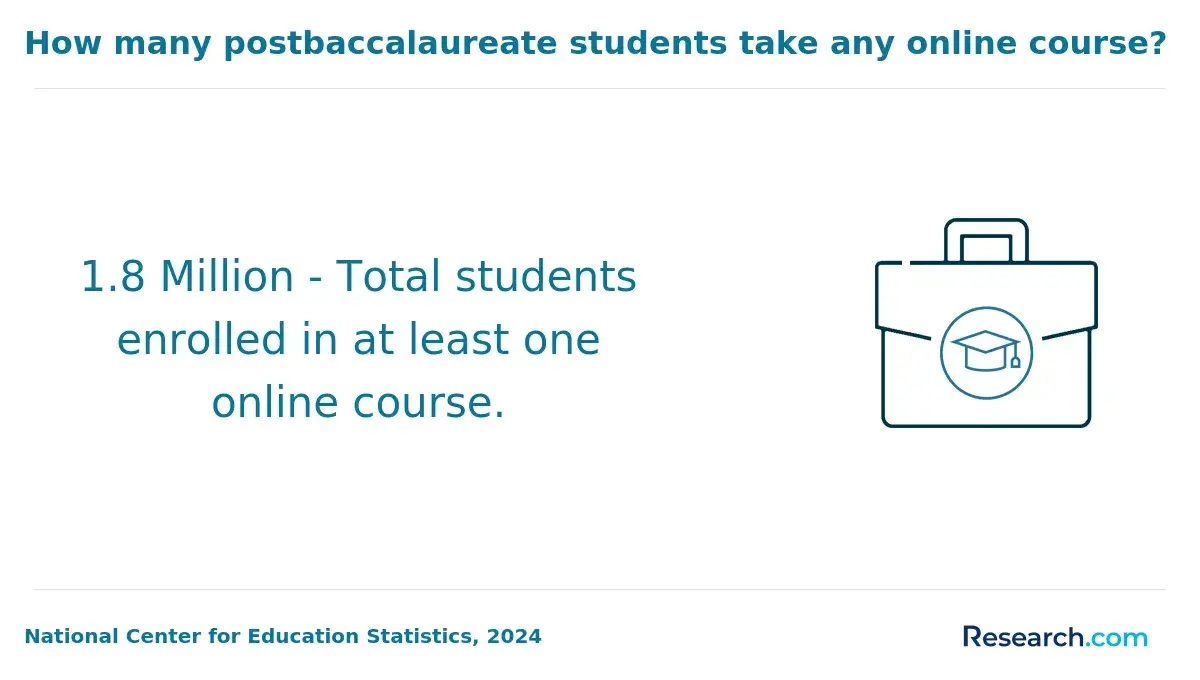
According to the National Center for Education Statistics 2024 report, nearly half of all students in public safety-related fields are enrolled in fully online or hybrid formats, reflecting a significant shift in enrollment patterns toward remote study.
The core enablers of this expanded accessibility include asynchronous coursework that accommodates working professionals and students in rural areas, as well as policies allowing cross-state enrollment that bypass regional restrictions tied to physical campuses. Online programs enable institutions to scale more efficiently without investing heavily in local facilities, thereby reducing dependence on traditional university networks and fostering greater institutional reach.
This model mitigates disparities in educational supply by providing specialized content, such as advanced cyber security or homeland security topics, to learners who would not otherwise have access. The net effect is a more geographically dispersed student body, contributing to diversity in recruitment and workloads across state lines.
By easing localized bottlenecks in public safety education, online programs also influence regional workforce development strategies and reshape inter-institutional competition. Students gain options to pursue credentials without uprooting their lives, which can accelerate entry into critical public safety roles in underserved areas. Institutions, in turn, compete more broadly for enrollees, pushing toward innovative partnerships and experiential learning opportunities that leverage technology and local agency collaborations.
This dynamic supports a more resilient pipeline of trained professionals distributed beyond traditional academic hubs, addressing varying regional demands with greater educational equity.
One graduate recalled applying to several online public safety degrees amid rolling admissions delays that introduced uncertainty. Balancing work in emergency management while awaiting acceptance decisions required careful timing; each program's varied response times meant juggling application priorities and preparation timelines. The graduate noted relief when a particular program's acceptance came just before a critical project deadline at their job, allowing them to start studies without the need to relocate or pause their career.
This experience underscored how online program accessibility and institutional responsiveness can critically affect not only entry but also continuity for students navigating unpredictable professional and academic demands.
How Much Does Public Safety Program Tuition Vary by State?
Tuition for public safety degree programs exhibits significant variation across U.S. states, primarily driven by differing public funding mechanisms, institutional types, and residency-based pricing structures. Public universities usually charge lower tuition for in-state residents due to state subsidies, whereas out-of-state students often face substantially higher fees reflecting non-resident tuition rates.
Private institutions operate under different funding models that rely more on market positioning and resource allocation rather than state support, commonly setting higher tuition across the board. These systemic factors create a landscape where tuition pricing is less about arbitrary choice and more a reflection of regional higher education finance frameworks and the economic priorities of state governments.
Current data from the U.S. Department of Education and state university systems shows in-state tuition for public safety programs generally ranges from $4,000 to $12,000 per year at public institutions, while out-of-state rates and private university tuition can surpass $20,000 annually. This regional tuition cost variation for public safety degrees aligns with states like California, Texas, and Florida, providing comparatively affordable in-state options due to large public university networks and robust state funding.
Conversely, states with smaller or less-funded systems, including New Hampshire and Alaska, present higher tuition and fewer institutional choices. Prospective students must consider these differences alongside program quality, as some programs justify higher tuition by offering advanced simulation labs or specialized training vital to public safety career preparation.
These disparities in tuition impact student mobility and access, affecting decisions about where to enroll based on affordability and program availability. Students weighing public safety program tuition differences by state should also evaluate cooperative education opportunities and partnerships with emergency management agencies, which can offset costs through practical experience and job placement services. Additionally, some private colleges may offer accelerated or flexible scheduling options that reduce time to completion, influencing overall cost-effectiveness despite higher sticker prices.
Exploring pathways that balance tuition costs against outcomes can better guide students navigating the complexities of public safety education financing, including considerations similar to those found in online ABSN programs that prioritize accelerated schedules and practical readiness.
How Does Public Safety Program Demand Affect Admissions Decisions?
Rising demand for public safety degree programs often intensifies admission selectivity, as institutions face pressure to balance applicant volume with limited capacity. When programs see surges in applications, they tend to tighten admission criteria, raising GPA thresholds and emphasizing prerequisite coursework or relevant experience to differentiate candidates. This heightened competition reflects efforts to ensure cohorts align with available resources while maintaining academic and practical training standards.
As a result, admissions committees may prioritize applicants demonstrating both academic credentials and demonstrated on-the-job readiness, which complicates straightforward evaluation based solely on grades.
These shifts in selectivity stem from inherent constraints like restricted laboratory space, faculty workload limits, and the availability of meaningful internship opportunities that support skill development and certification needs. Accreditation and workforce demands further shape enrollment management, requiring programs to produce graduates who meet evolving employer expectations for hands-on competence.
Schools sometimes respond by expanding online or hybrid formats to scale offerings, but physical and pedagogical constraints invariably cap growth, preserving the link between demand levels and acceptance rates. Consequently, admissions decisions become a balancing act, managing program reputation, resource optimization, and market relevancy simultaneously.
For prospective students, rising demand means that strategic preparation beyond academic metrics grows increasingly important, including gaining relevant experience and identifying programs offering varied entry points or flexible pathways. While increased selectivity can raise cohort quality, it may also restrict access for non-traditional or underrepresented applicants, influencing diversity and long-term workforce composition. These dynamics underscore how the volume and nature of applicant pools, alongside institutional capacity, directly affect competitive admissions landscapes and shape where students ultimately apply.
One recent public safety graduate recalls enrolling during a period of rapidly increasing applications that led to rolling admissions with unpredictable timelines. Initially hesitant to submit documents early, the student realized that delaying the application reduced chances due to growing competition. Faced with intermittent communications from the admissions office and shifting criteria, they strategically bolstered their resume with local volunteer experience while waiting for final decisions.
This experience highlighted how demand fluctuations forced more proactive and adaptive preparation to navigate an admissions process heavily influenced by program capacity and evolving evaluation standards.
How Do Public Safety Specialization Options Vary by Region?
Public safety specialization options are closely tied to the specific economic priorities and industrial profiles of different U.S. regions, shaping the focus areas offered within degree programs. Coastal and southern states typically concentrate on emergency management, disaster resilience, and homeland security, reflecting heightened regional risks such as hurricanes, earthquakes, and large-scale public events. Conversely, the Midwest and Northeast regions emphasize criminal justice, corrections, and cybersecurity, mirroring the prominence of urban law enforcement needs and rising digital threat environments in those areas.
These differences indicate that specialization tracks are not randomly distributed but are strategically aligned with the dominant public safety challenges faced locally, thereby directly influencing curriculum development and practical training emphases.
Key factors driving regional variation include local industry demand, university research strengths, and the depth of collaboration between academic institutions and public safety agencies. States with military bases or significant federal operations often host advanced counterterrorism and homeland security programs, leveraging federal partnerships and funding to enhance specialized training. Meanwhile, institutions in regions with established urban centers tend to develop programs emphasizing policing, corrections, and cyber defense to meet municipal and statewide workforce needs.
According to a 2024 National Center for Education Statistics report, states in the South and West offer a greater variety of public safety specialties, a reflection of both diverse hazard environments and stronger institutional ties to emergency management sectors compared to the more narrowly focused programs common in other regions.
These regional specialization profiles have concrete implications for student decision-making and workforce outcomes. Candidates seeking employment in emergency response agencies may find better immediate placement and practical skill alignment in programs concentrated in southern or western states, while those targeting municipal law enforcement or cybersecurity careers might benefit from the program offerings typical of northern and midwestern schools.
Understanding these geographic distinctions helps prospective students navigate the tradeoffs between program availability, local labor market integration, and specific career pathways, highlighting the importance of selecting institutions whose specialization emphases align with both regional workforce dynamics and long-term professional goals.
How Does Regional Employer Demand Affect Career Outcomes?
Job availability and early career opportunities for public safety graduates are heavily influenced by regional employer demand, which varies significantly across states and metropolitan areas. In locations with dense networks of emergency services, law enforcement agencies, and homeland security offices, graduates encounter a more robust job market, translating into shorter job searches and higher initial employment rates. This impact is visible in states like New York, California, and Texas, where employment for public safety professionals exceeds the national average by roughly 15%.
The variations in public safety career opportunities by state employer demand trends underscore how graduates from programs in these regions are often better positioned to enter the workforce quickly and with more competitive compensation packages.
The interplay between employer concentration and educational institutions plays a crucial role in shaping these outcomes. Universities in high-demand regions often have established partnerships with local agencies, enhancing internship availability and creating pipelines for graduates. Wage competition also reflects regional economic health, with starting salaries in strong-demand states generally 10-20% above those in areas with limited public safety infrastructure.
Additionally, specialized hiring ecosystems in urban centers foster access to niche roles in cybersecurity or disaster response, providing upward mobility that is less attainable in rural or economically challenged regions. These dynamics highlight how labor market geography and employer networking determine the nuanced pathways for public safety career growth.
Broader implications extend to decisions about geographic mobility and program selection, as regional demand patterns influence not only immediate employment but also long-term career trajectories. While remote work possibilities are expanding in some sectors, many public safety positions remain inherently local and tied to physical agency presence, increasing the importance of location. Prospective students should weigh program availability alongside these labor market realities, considering factors like cost of living and employer demand.
For those evaluating educational investments, examining how much does it cost to become a pharmacist can offer a comparative perspective on professional pathways demanding specific regional employer alignment.
What Factors Matter Most When Comparing Public Safety Programs Across States?
Comparing public safety degree programs across states requires examining more than just their presence or absence. State-level differences shape access, costs, specialized tracks, and ultimately graduate outcomes. These variations influence how well a program aligns with regional job markets and employer expectations, which are crucial for students targeting sustainable careers.
Prospective enrollees must understand that attending a program in one state versus another can mean very different educational experiences and career trajectories, especially given the regional differences in public safety education options.
- Program Diversity and Specialization: States with a wider range of public safety institutions often offer specialized tracks such as emergency management, homeland security, or law enforcement administration. These options matter because they allow students to tailor training to local employer needs and personal career goals, improving workforce fit in their chosen regions.
- Employer Integration and Experiential Learning: Programs that embed internships or practicum requirements tend to produce graduates with stronger job prospects. According to a 2024 report from the National Center for Education Statistics, those graduates have a 15% higher employment rate in public safety roles, underscoring practical experience as a key hiring criterion.
- Accreditation and Licensing Alignment: State-specific certifications and licensing paths vary widely. Programs that include clear pathways to licensure enhance graduate mobility and employability. States with articulation agreements between community colleges and universities often deliver smoother academic progression and cost savings.
- Cost and Accessibility: Tuition rates and the availability of online or hybrid formats differ substantially by state. This affects participation, especially for non-traditional students balancing work and family. Flexible delivery formats can lower barriers to entry and promote workforce readiness.
- Regional Workforce Demand: Understanding local and state public safety labor markets is critical. Some regions may have growing demand for certain specializations or roles, while others have limited openings, impacting long-term career stability and advancement.
Students seeking public safety education also benefit from examining related career pathways. For example, insights into how to become a high school athletic director illustrate the importance of understanding role-specific requirements and regional variations in certification and employment conditions. Such detailed comparisons help applicants assess not only program availability by state but also the practical tradeoffs tied to location-specific educational infrastructure and workforce dynamics.
Which Regions May See the Fastest Growth in Public Safety Education?
Growth in public safety education tends to cluster where employer demand, regional demographics, and investment in higher education converge. Expanding metropolitan areas with rising populations often require more trained professionals in emergency management, firefighting, and law enforcement, prompting universities to increase program capacity.
These expansions align with broader economic development and workforce shifts that pressure institutions to offer flexible program formats and specialized training reflecting evolving public safety challenges.
- Southeast: This region includes rapidly urbanizing states with diverse and growing populations, creating strong demand for expanded public safety education. Large state university systems here have responded by increasing degree offerings and incorporating hybrid and online options to accommodate working adults and career changers. The region's exposure to climate-related disasters also amplifies employer need for trained responders and emergency coordinators, influencing program growth aligned with disaster preparedness and resilience.
- Southwest: Economic growth and population surges, particularly in metropolitan hubs, drive demand for public safety professionals amid complex urban and rural challenges. Institutional capacity expands in response to workforce shortages, with statewide initiatives emphasizing law enforcement modernization and emergency response training. These factors contribute to broader availability of specialized programs and credentials tailored to regional public safety concerns.
- Mountain West: While smaller in scale, this region is seeing steady program development linked to increased regional planning around wildfire response and rural emergency services. Universities here are investing in targeted expansions to meet local employer needs, often partnering with community agencies to offer practical learning experiences. Program diversity is more limited than larger regions but growing steadily alongside economic and workforce developments.
- Midwest: Moderate growth projections reflect stable but less dynamic demographic and economic trends. Program expansions tend to focus on adapting curricula to new technologies and certification reciprocity across states, with some metropolitan centers developing niche specializations in industrial safety and urban policing. Workforce demand remains steady, shaping program availability without rapid expansion.
- Northeast: Established academic institutions continue incremental growth, largely driven by urban safety concerns and legislative priorities. However, slower population growth and budget constraints limit large-scale program proliferation. Emphasis often rests on advanced training and interagency coordination, reflecting mature but less expansive public safety education landscapes.
References
- How Local Governments Are Building Alternative Public Safety Models https://www.nlc.org/article/2023/05/18/how-local-governments-are-building-alternative-public-safety-models/
- Redefining Public Safety Initiative https://www.vera.org/ending-mass-incarceration/criminalization-racial-disparities/public-safety/redefining-public-safety-initiative
- How much do in-state students pay in tuition and fees to attend four-year public universities? - APLU https://www.aplu.org/our-work/4-policy-and-advocacy/publicuvalues/college-costs/
- Public Safety And Security Market is expected to generate a revenue of USD 1285 Billion by 2032, Globally, at 13.25% CAGR: Verified Market Research® https://finance.yahoo.com/news/public-safety-security-market-expected-143000025.html
- Public Safety Canada's 2025 to 2026 Departmental Plan https://www.publicsafety.gc.ca/cnt/rsrcs/pblctns/dprtmntl-pln-2025-26/index-en.aspx
- The path to public safety requires economic opportunity: Trends and solutions in urban, suburban, and rural communities | Brookings https://www.brookings.edu/articles/the-path-to-public-safety-requires-economic-opportunity/
- What is a Bachelor's Degree in Public Safety Administration? https://learn.neumann.edu/neuperspectives/what-is-a-bachelors-degree-in-public-safety-administration
- Public Safety Analytics Market Size, Share | Trends 2035 https://www.marketresearchfuture.com/reports/public-safety-analytics-market-6696
- Best Public Safety Administration Degree Programs of 2026 https://policeofficer.org/degree-programs/public-safety-administration/
- Justice & Public Safety: How to Apply https://www.guelphhumber.ca/admission/transfer/justice-public-safety
Other Things You Should Know About Public Safety
The diversity of public safety programs within states enhances student preparedness by offering a broader curriculum and exposure to various specialties. This allows students to tailor their education to meet specific career goals and adapt to diverse roles in the evolving field of public safety by 2026.
Schools with numerous public safety degree options often foster interdisciplinary learning and networking, which can be advantageous for holistic career development. However, these institutions may also have larger class sizes and less personalized support compared to smaller, specialized schools. For students seeking tailored mentorship and tighter community bonds, a focused institution might better support their needs, while those aiming for wide-ranging expertise may benefit from the broader environment.
More program options in a state or school often correlate with accelerated or expanded curricula intended to cover multiple competencies, increasing workload intensity. While this can enhance skill breadth, it may reduce time for in-depth mastery or practical field experience. Students should assess their capacity for balancing intense study with hands-on learning, with a recommendation to prioritize programs that integrate real-world training alongside coursework rather than simply expanding content volume.
States with multiple public safety programs often have stronger ties to local agencies and employers, which can shape curricula toward practical skills and certifications in high demand. However, the presence of many programs does not guarantee uniform alignment-some may lean heavily on theory without sufficient applied practice. Applicants should investigate if schools provide simulations, internships, or partnerships that mirror employer needs, as these elements significantly affect employability and job readiness.