2027 Public Safety Degree Growth by State: Where Interest Is Rising the Fastest

Co-Founder and Chief Data Scientist
States with rapidly growing public safety degree programs often reflect unique economic shifts, regulatory changes, or demographic pressures shaping workforce needs. In the Southwest, for instance, expanding urban populations and evolving emergency response requirements create demand for advanced credentials, while some regions face supply constraints linked to licensure barriers or institutional capacity.
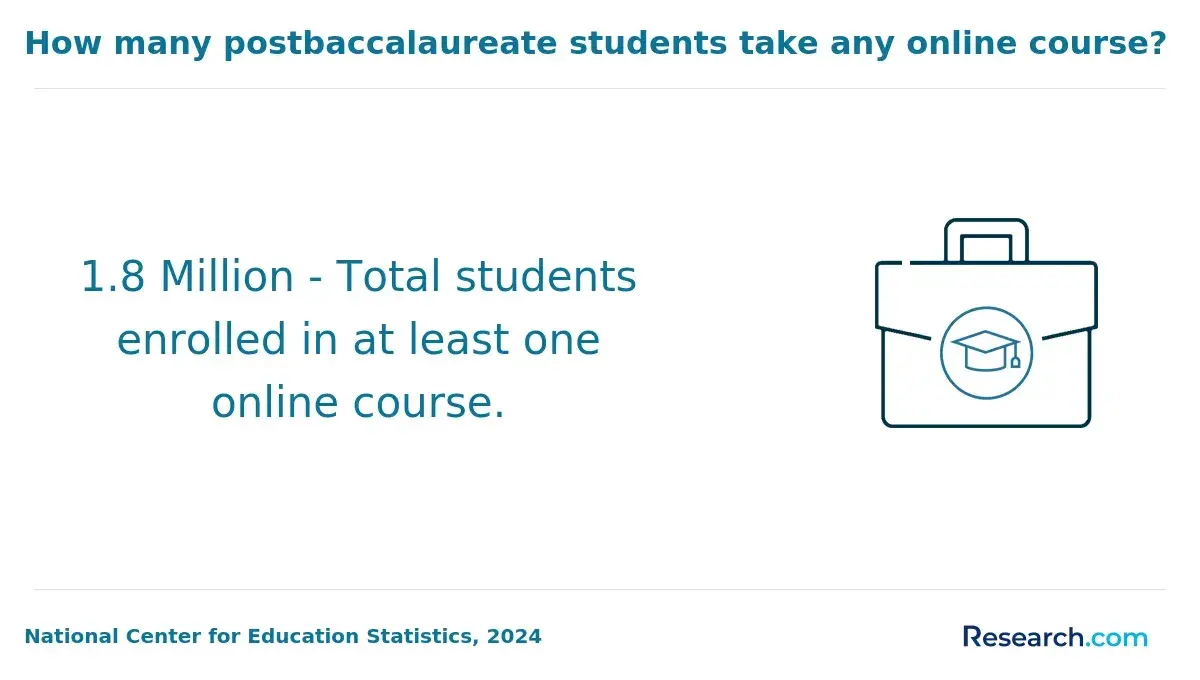
According to the National Center for Education Statistics, a 12% rise in online enrollment among adult learners pursuing public safety-related graduate degrees in 2024 signals a broader trend toward flexible, career-aligned education. This shift influences not only how candidates time their studies but also their mobility and competitiveness within diverse state markets.
Key Things to Know About the State Where Public Safety Degree Interest Is Rising the Fastest
- States with expanding public safety degree enrollment often feature regulatory shifts increasing certification requirements, creating higher demand but potentially extending time-to-employment and educational costs for students.
- Economic growth in Sun Belt regions drives workforce expansion, yet employer emphasis on practical experience over credentials challenges graduates to balance academic advancement with on-the-job training.
- Rising online program availability, as reported in 2024 by the National Center for Education Statistics, improves access for adult learners but may dilute peer networking benefits, impacting career mobility.
- Which States Are Seeing the Fastest Growth in Public Safety Degree Enrollment? States Seeing the Fastest Growth in Enrollment
- What Does Enrollment Growth in Public Safety Programs Actually Tell Prospective Students? Interpreting Enrollment Growth
- How Do Regional Job Market Conditions Drive Public Safety Degree Demand by State? Role of Regional Job Market Conditions
- Which States Have Added the Most New Public Safety Degree Programs in the Last Five Years? States That Have Added the Most Programs
- How Has the Rise of Online Education Changed Which States Lead in Public Safety Program Interest? Role of Online Education in Increased Program Interest
- What Demographic Trends Are Fueling Public Safety Degree Growth in Specific States? Demographic Trends Fueling Growth
- How Do State Funding Levels for Public Safety Services Influence Degree Program Growth? Role of State Funding Levels
- Which States Are Emerging as Unexpected Leaders in Public Safety Degree Interest? States Emerging as Unexpected Leaders in Growth
- How Does State Population Size Affect the Interpretation of Public Safety Degree Growth Data? Role of State Population Size
- What Role Do State Licensing Requirements Play in Driving or Suppressing Public Safety Enrollment? Role of State Licensing Requirements
Which States Are Seeing the Fastest Growth in Public Safety Degree Enrollment?
Enrollment growth in public safety degree programs reflects more than just rising interest; it signals shifts in workforce demands and regulatory landscapes impacting regional labor markets. Candidates assessing options should weigh how state-specific enrollment surges correspond to tangible employment opportunities, institutional responsiveness, and the evolving scope of public safety roles. Interpretation of these enrollment patterns provides insight into where public safety education adapts most dynamically to practical career pathways, rather than simply measuring market size.
- Texas: A 45% increase over five years highlights how demographic growth and state investment in public safety infrastructure create robust pipelines for both returning professionals and new graduates, particularly in law enforcement and emergency response specialties.
- Illinois: Illinois' 38% rise, propelled by Chicago's metropolitan demand, reflects legislative shifts emphasizing community policing and formal credentials, driving programs that balance traditional policing skills with nuanced socio-political training requirements.
- Florida: A 35% surge is linked to expanding coastal emergency management education, with many programs catering to working adults who need flexible graduate options-a critical consideration for those balancing irregular or shift-based employment commitments.
- Arizona: The 32% enrollment jump here underscores border security concerns and rapid urbanization, emphasizing programs that integrate both operational readiness and specialized certifications sought by employers managing complex regional risks.
- Virginia: Growing 28%, Virginia's programs increasingly align with cybersecurity, intelligence, and federal agency interfaces, reflecting the state's strategic role and elevating graduate prospects in intelligence-driven public safety sectors.
This concentration of growth primarily in the South and parts of the Midwest points to regionalized funding priorities and labor market signals rather than a uniform national trend. Prospective students and career changers evaluating these fastest growing public safety degree programs by state should consider that enrollment momentum often parallels employer demand for timely certifications and evolving licensure frameworks, suggesting critical tradeoffs between program reputation, location advantages, and direct employability metrics. Subsequent sections will analyze regional economic drivers, shifting regulatory barriers, and institutional adaptability that jointly determine how these enrollment trajectories translate into long-term career viability.
Those seeking graduate-level advancement should also evaluate program formats, including the availability of online modalities tailored to professionals, such as MSN to DNP online programs models offer in analogous fields, providing insight into balancing flexibility with rigorous credentialing necessary to meet diverse workforce needs.
What Does Enrollment Growth in Public Safety Programs Actually Tell Prospective Students?
Enrollment growth in public safety degree programs often attracts attention as a sign of program vitality, but it can mislead without context about program quality and graduate outcomes. For example, a surge fueled mainly by relaxed admission criteria may inflate numbers without improving graduates' real-world job readiness, ultimately affecting employability and career advancement.
Raw enrollment data alone fail to capture the nuances prospective students must weigh. To assess whether growth reflects substantive value, it is essential to consider complementary metrics such as retention rates, graduation success, job placement percentages, and licensure pass rates. These indicators offer concrete signals of whether a program effectively supports students through to credentialing and employment in a competitive workforce.
Programs expanding due to robust labor demand and rigorous academics generally differ from those growing primarily through aggressive recruitment or lowered standards. The former tends to yield graduates who meet employer expectations and hold marketable credentials, while the latter risks diluting training quality and graduate reputation. Discerning students should critically evaluate enrollment increases within this framework rather than assuming growth alone signifies program strength.
- Context: Enrollment growth should be coupled with retention and graduation rates to confirm program sustainability and academic rigor.
- Outcomes: Job placement and licensure pass rates reveal how well programs prepare graduates for workplace challenges and credentialing requirements.
- Quality vs. Quantity: Growth driven by genuine labor market demand contrasts with that driven by recruitment tactics or reduced admissions standards, impacting graduate preparedness.
- Critical Evaluation: Prospective students benefit from supplementing enrollment data with insights from current students, alumni, and employers about career relevance.
- Market Factors: State economic conditions, regulations, and institutional resources shape enrollment trends and graduate opportunities, requiring region-specific analysis.
How Do Regional Job Market Conditions Drive Public Safety Degree Demand by State?
The demand for public safety degree programs is closely tied to specific regional labor market conditions, where state-level factors such as healthcare expansion, public sector employment growth, and educational institution hiring directly influence enrollment trends. Candidates who overlook these localized dynamics risk selecting programs misaligned with actual job availability or practical training resources, impacting long-term employability and career progression. For example, graduates in states experiencing fast-paced growth in emergency response roles often benefit from stronger partnerships between degree programs and local agencies, improving practicum opportunities and market readiness compared to those in less active regions.
- California: Fueled by a rapidly evolving healthcare sector and dense urban populations, the state exhibits some of the most substantial projected increases in public safety job openings, especially in emergency response and homeland security.
- Texas: Legislative initiatives and public sector growth support workforce development, with incentives promoting public safety roles across both metropolitan and rural school districts, boosting recruitment needs.
- Florida: Expansion of tourism and healthcare industries drives demand for skilled graduates in emergency management and crime prevention, linking economic diversity to public safety employment growth.
- Georgia: Modernization efforts in local government and strong state-backed workforce partnerships have elevated credential requirements, increasing enrollment in public safety programs as agencies seek qualified operators.
- Arizona: Demographic shifts and challenges near border areas contribute to notable job growth, encouraging study in law enforcement and emergency services fields tailored to regional needs.
Researching workforce outlooks aligned with target states is essential for those pursuing a public safety degree to ensure that educational investments translate into practical market advantages. Regions with more robust job markets tend to offer critical practitioner-focused experiences and collaborative opportunities that enhance both skill acquisition and salary negotiation leverage. Prospective students, including career changers and geographically mobile individuals, will benefit from this perspective when comparing program outcomes and program reputation against regional employer expectations. Those seeking additional insights into vocational alignment may also explore the best medical billing and coding schools as an example of how credential demand corresponds with workforce development strategies.
Which States Have Added the Most New Public Safety Degree Programs in the Last Five Years?
States where public safety degree programs have expanded most over recent years reveal the influence of local workforce demands, state funding incentives, and institutional strategies prioritizing flexible delivery and practical training. Deciding where to study requires identifying how these drivers shape program availability, specialization, and financial aid opportunities, as this directly impacts graduate readiness and employability in competitive labor markets.
- Texas: Pressing shortages in emergency management and law enforcement have led to a surge in new programs, especially at community colleges. State grants notably reduce student costs, while expanded online offerings accommodate working professionals in both urban centers and rural regions.
- Florida: Growth here reflects demand for disaster preparedness and cybersecurity expertise. Institutions respond by scaling enrollments and adding specialized concentrations, intensifying competition that benefits students through more tuition discounts and scholarships.
- California: Stringent accreditation requirements and a crowded higher education market push programs toward hybrid formats and robust local agency partnerships. The state's workforce shortage designations also attract adult learners targeting career changes.
- North Carolina: State funds support the launch of new programs focusing on community policing and emergency innovation, complemented by enrollment growth at established universities, expanding access to diverse socioeconomic groups.
- Arizona: Unique regional threats like wildfires have spurred programs centered on environmental risk and crisis leadership. Online expansion and employer collaboration on curriculum design create pathways for regional workforce needs.
For students weighing public safety options, states with multiple growing programs typically offer stronger financial aid competition and a broader range of specialized studies. However, differences in accreditation rigor, experiential learning partnerships, and alumni outcomes within the same state underscore the need for deliberate comparative evaluation before committing to a program.
One recent graduate recounted how applying to public safety programs showcased the tension between opportunity and strategy. Waiting on a promising program's rolling admissions decision caused anxiety but also allowed vital time to strengthen prerequisite coursework and gather employer recommendations. Despite initial hesitation, the applicant viewed this waiting period as a chance to refine career focus rather than a setback, ultimately improving program fit and readiness for workforce demands.
How Has the Rise of Online Education Changed Which States Lead in Public Safety Program Interest?
What Demographic Trends Are Fueling Public Safety Degree Growth in Specific States?
Demand for public safety professionals is increasingly shaped by distinct demographic patterns within states, which significantly influence where degree enrollment expands and where graduates find stable career paths. Recognizing localized demographic trends helps prospective students and career changers align their education with durable workforce needs rather than national averages that often mask regional disparities.
- Population Aging: States like Florida and Arizona face an aging population requiring a specialized public safety workforce skilled in elder care and emergency response for older adults, causing programs to expand recruitment and tailor training to these needs.
- Immigration Patterns: California, Texas, and New York experience high immigration rates, driving demand for professionals adept at managing multicultural environments and language diversity, which encourages program growth emphasizing multilingual and cultural competency skills.
- Urbanization: Rapid metropolitan growth in Colorado, Georgia, and Nevada creates complex public safety challenges including traffic control and disaster preparedness, leading to increased enrollment in programs focused on urban safety management.
- K-12 Enrollment Growth: In states such as North Carolina, Tennessee, and Utah, rising public school enrollments elevate the need for school resource officers and safety coordinators, prompting education tracks that center on child-focused public safety roles.
- Rising Diagnosed Mental Health Conditions: Oregon and Washington have seen increases in diagnosed mental health issues, generating demand for public safety professionals with crisis intervention expertise, which drives enrollment in relevant certificates and degree programs.
These shifts translate into distinctly regional pockets of growth in public safety degree programs that often do not appear in national datasets but indicate where job stability and specialized skill demand intersect. Students choosing programs would benefit from analyzing these demographic trajectories as proxies for long-term employability and program responsiveness to evolving market needs.
Considering such trends alongside economic and regulatory conditions sharpens the practical value of education decisions in public safety, avoiding placements in markets subject to cyclical or transient demand. For example, balancing urbanization-driven growth against resource constraints in certain states or recognizing language and cultural competencies as prerequisites in immigration hubs can refine career outcomes. Those targeting flexible learning may also explore offerings such as ABSN programs online to complement interdisciplinary skill sets relevant across public safety roles.
Incorporating these nuanced demographic insights ensures alignment of educational investments with the real-world workforce landscape, thereby enhancing graduate readiness and career resilience in public safety fields.
How Do State Funding Levels for Public Safety Services Influence Degree Program Growth?
Stable state funding for public safety services is a critical driver behind the expansion of related degree programs. States that allocate consistent resources to Medicaid reimbursement, block grants, school-based mental health, and community health centers foster reliable employment markets. This financial backbone attracts prospective students who see viable career paths, encouraging institutions to grow their program offerings. Conversely, in states where funding is erratic or insufficient, local job opportunities become scarce, often pushing graduates to relocate to better-funded regions. This migration not only throttles program enrollment but signals to academic developers a limited return on investment for expansion. For individuals assessing their options, evaluating recent legislative commitments to public safety funding provides meaningful insight into the durability of local employment pipelines. Furthermore, asking degree programs about graduate retention rates five years post-completion can reveal how effectively these markets absorb new professionals over time.
- Funding Stability: Consistent investment sustains employment landscapes that support program growth and steady student interest.
- Employment Pipeline: Financial backing of mental health and community services creates dependable career trajectories attracting students and educators.
- Graduate Mobility: Insufficient funding often drives talent away, reducing in-state degree demand and stressing programs in well-supported areas.
- Legislative Indicators: Examining state spending laws helps forecast whether public safety education and job markets will expand or contract locally.
- Program Outcomes: Graduate retention metrics offer practical evidence of how well local economies integrate newly credentialed workers.
A graduate recalled hesitating during the rolling admissions season after applying to a public safety program in a state with inconsistent funding. They initially considered alternatives closer to home but delayed committing while tracking the state legislature's budget decisions for public services. The uncertainty extended application processing and deferred acceptance timing, forcing a tough choice between waitlisting for a stable program elsewhere or gambling on future in-state job prospects. Ultimately, the decision to accept an offer out of state reflected a strategic pivot informed by funding signals rather than pure academic preference, illustrating how financial contexts can complicate even the earliest stages of graduate study planning.
Which States Are Emerging as Unexpected Leaders in Public Safety Degree Interest?
States without long-standing prominence in public safety education are increasingly leading enrollment growth by capitalizing on targeted policy reforms and workforce demands. This trend illustrates a shift where practical program offerings and regional labor market needs outweigh traditional reputational strength, though prospective students must weigh the durability of these expansions against potential funding volatility.
- Idaho: Idaho's recent surge reflects deliberate state investments in workforce development grants and enhanced regional cooperation through interstate compacts facilitating credential portability. These moves respond directly to rural policing challenges and emergency management priorities but rely heavily on continued legislative support, which is uncertain beyond current budget cycles.
- Arkansas: Arkansas leverages accessible online master's programs and tuition incentives for law enforcement veterans, drawing mid-career professionals addressing rural public safety gaps. However, this enrollment spike may diminish if pandemic-era recovery funds and state appropriations contract, highlighting the risks linked to temporary funding streams.
- West Virginia: Specialized degree tracks in substance abuse intervention and community resilience target acute regional workforce needs exacerbated by personnel turnover. Although alignment with local challenges supports steady demand, program capacity limitations and economic constraints may cap growth, requiring cautious interpretation of expansion viability.
- Maine: Maine's development of hybrid programs centered on telecommunication and emergency response technology caters to dispersed populations within a modernizing public safety infrastructure. Yet, limited local employer density poses tangible hurdles for graduates seeking regional placement.
For those considering these emerging states, advantages include less competitive admissions cycles and typically lower tuition compared to established powerhouses. Some states further entice candidates through hiring incentives tied to service commitments. Still, graduates should recognize that shifts in political priorities or economic environments can quickly alter program stability and workforce demand. Understanding how much do DNPs make offers a useful parallel to forecast salary expectations tied to state-specific growth trajectories, underscoring the importance of assessing long-term market conditions alongside enrollment trends in public safety.
How Does State Population Size Affect the Interpretation of Public Safety Degree Growth Data?
Raw increases in public safety degree graduates can be misleading without considering state population size and the existing workforce baseline. For example, a large state producing 2,000 new public safety graduates annually may appear to experience strong growth, but this can mask a stable or saturated job market where demand no longer outpaces supply. In contrast, a smaller state adding 300 graduates might represent a more meaningful per-capita growth, indicating a genuinely expanding labor pool facing less competition and potentially stronger hiring prospects. This distinction is critical when analyzing regional enrollment trends in public safety programs and markets where new professionals can realistically secure employment.
Evaluating growth solely on absolute numbers ignores workforce saturation effects. Per-capita ratios, such as the number of licensed public safety professionals per 100,000 residents, more accurately highlight states where demand truly exceeds supply. Underserved states-those with below-average professional-to-population ratios-tend to offer better early-career opportunities for graduates. Prospective students and career changers with geographic flexibility should weigh these factors rather than relying only on raw enrollment growth data to identify promising markets.
Understanding the nuances of state-specific regulatory and economic conditions further refines this picture. Public safety programs must be assessed alongside licensure requirements, retention rates, and local budget environments to project true workforce absorption capacity. This complex interplay determines whether enrollment growth translates into sustainable employment.
- Licensure Complexity: States imposing stringent credentialing slow new entrant absorption, limiting immediate job market gains despite rising enrollments.
- Population Growth: Rapidly increasing state populations drive elevated demand for public safety professionals, complementing enrollment spikes.
- Workforce Saturation: High concentrations of licensed professionals reduce openings, regardless of program graduation volume.
- Economic Conditions: Fiscal constraints can restrict hiring despite education sector growth, causing a supply-demand disconnect.
- Interstate Mobility: Graduates willing to relocate benefit from targeting states where licensed professional ratios are favorable rather than defaulting to home-state options.
In balancing these factors, individuals evaluating graduate options may also consider related fields with overlapping skills, such as degrees in counseling, which are gaining attention in public safety contexts involving crisis intervention and community partnerships.
What Role Do State Licensing Requirements Play in Driving or Suppressing Public Safety Enrollment?
State licensing requirements serve as a pivotal filter influencing enrollment in public safety graduate programs by shaping students' perceptions of career feasibility and employer readiness. When states present clear, stable, and streamlined licensure pathways, candidates are more likely to commit to graduate education there, anticipating fewer obstacles to entering the workforce. For instance, a state that requires a well-documented training sequence with predictable timelines and straightforward exams reduces the risk of delayed certification and unexpected costs, which can elevate average starting salaries by 10-15% due to credential recognition in those labor markets. In contrast, states with opaque or frequently adjusted criteria often see suppressed enrollments because uncertainty about compliance complexity deters potential students, particularly among career changers balancing education with family or work obligations.
- Clarity: Transparent licensing rules allow prospective students to align their academic plans precisely with licensure demands, minimizing wasted effort and financial strain.
- Stringency: While necessary to ensure workforce quality, excessive requirements can increase program duration and costs, disproportionately affecting non-traditional students and slowing talent pipeline growth.
- Accessibility: Efficient application procedures and accessible guidance reduce post-graduation friction, encouraging continuous program interest and workforce replenishment.
- Employer Influence: Licensing boards indirectly shape hiring priorities-employers in states with rigorous, clear frameworks often require licensed candidates, directly boosting demand for aligned degree programs.
- Feedback Loop: Strong regulatory structures promote enrollment growth, which in turn amplifies advocacy for ongoing licensure improvement, reinforcing workforce quality and program appeal.
- Decision-Making: Prospective students must evaluate the full licensure pathway, including post-degree requirements, relative to other states, to gauge career entry feasibility and regional mobility options.
References
- Improving Public Safety Through Better Accountability and Prevention - Center for American Progress https://www.americanprogress.org/article/improving-public-safety-through-better-accountability-and-prevention/
- News - Alliance for Responsible Professional Licensing https://www.responsiblelicensing.org/news/
- Safety Spending: What’s the Right Formula for School Districts? | CENTEGIX https://www.centegix.com/blog/the-right-safety-spending-formula-for-districts-school-safety-plan/
- General Studies: Public Safety and Services AS Degree | Shasta College https://www.shastacollege.edu/academics/programs/administration-of-justice/general-studies-public-safety-and-services-as-degree/
- Public Safety Technology (PST) - Cincinnati State https://www.cincinnatistate.edu/academics/degree-certificate/public-safety-technology/
- The path to public safety requires economic opportunity: Trends and solutions in urban, suburban, and rural communities | Brookings https://www.brookings.edu/articles/the-path-to-public-safety-requires-economic-opportunity/
- Georgia Military College Backs the Blue – Stands Up Public Safety Leadership Program https://www.gmc.edu/georgia-military-college-backs-the-blue-stands-up-public-safety-leadership-program/
- GHSA Policy on Driver Licensing and Education https://www.ghsa.org/resource-hub/ghsa-policy-driver-licensing-education
- Shrinking enrollments lead to rethinking of criminal justice programs https://www.ccdaily.com/2023/07/shrinking-enrollments-lead-to-rethinking-of-criminal-justice-programs/
- 50-State Report on Public Safety - CSG Justice Center https://csgjusticecenter.org/publications/50-state-report-on-public-safety/
Other Things You Should Know About Public Safety
Employers in states where public safety degree interest is rising rapidly tend to require more specialized skills beyond basic certification. Agencies increasingly prioritize candidates who have advanced training in emergency management, cybercrime, and interagency coordination, reflecting greater complexity in public safety challenges. This raises the bar for graduates, meaning programs emphasizing practical experience and relevant niche expertise often lead to higher job placement rates. Prospective students should prioritize programs that align closely with these evolving employer expectations to improve their employability.
In states where tuition is more affordable and the cost of living is lower, enrollment in public safety degrees is generally higher because the overall financial barrier is reduced. However, students must weigh lower upfront costs against the local job market strength and salary prospects, which may also be constrained by regional economic factors. Students with geographic flexibility should consider not only program costs but also the quality and availability of local employment opportunities when deciding where to study. Choosing a high-growth state with balanced costs and strong employer demand offers a practical pathway to better returns on education investment.
Rising enrollment trends signal growing interest but not necessarily better job outcomes; students should view this data as one indicator rather than a sole decision factor. Rapid growth can indicate expanding local economies and increased employer demand, but it may also lead to heightened competition among graduates. Prioritizing programs in states where enrollment growth aligns with positive workforce absorption rates and career advancement opportunities is essential. Students should combine growth data with employment statistics and program quality indicators to make informed, career-focused choices.