2027 Public Safety Degree Completion Time Report: How Long Students Actually Take to Graduate

Co-Founder and Chief Data Scientist
Many students pursuing a Public Safety degree face unpredictable timelines shaped by real-world demands beyond standard program durations. Work obligations, shift schedules in law enforcement or emergency services, and mandatory field training often extend the time needed to graduate. In 2024, the National Center for Education Statistics reported that only 45% of students in applied professional fields completed their degrees within six years, reflecting the challenge of balancing academic and career responsibilities. These delays reveal nuanced tradeoffs between immediate job entry and full credential attainment. This article examines actual completion times, common influences on graduation pacing, and key patterns students should consider when planning their education paths.
Key Things You Should Know About Public Safety Degree Completion Time
- Most public safety degree programs take three to five years to complete. Associate degree students often graduate in about two years, while bachelor's programs typically require four years. Part-time enrollment, field training, internships, and work responsibilities can extend completion to five years or longer.
- Graduation speed depends on both program structure and personal circumstances. Enrollment status, transfer credits, internship or practicum requirements, certification requirements, course sequencing, and online versus campus-based study all influence how quickly students complete their degree.
- Graduating faster isn't always the best path to career success. Although accelerated and online programs may shorten completion time, employers generally place greater value on practical field experience, professional certifications, and job-ready competencies than on how quickly a degree was earned.
- What Is the Average Graduation Time for Public Safety Students? Average Graduation Timeline
- What Factors Have the Biggest Impact on Graduation Speed? Graduation Timeline Factors
- How Does Full-Time Versus Part-Time Enrollment Affect Graduation Timelines? Full-Time vs. Part-Time Graduation Timeline
- Do Online Public Safety Students Graduate Faster Than Campus-Based Students? Online vs. On-Campus Graduation Time
- How Many Months or Years Can Transfer Credits Save? Transfer Credits
- Do Accelerated Public Safety Programs Significantly Reduce Completion Time? Accelerated Program Timeline
- Which Public Safety Program Requirements Most Often Extend Graduation Timelines? Factors Extending Graduation Timeline
- Does Taking Longer to Graduate Increase the Cost of a Public Safety Degree? Impact on Program Cost
- Does Graduating Faster Improve Career Prospects? Impact on Career Prospects
- Which Scheduling Mistakes Commonly Delay Graduation? Mistakes to Avoid
What Is the Average Graduation Time for Public Safety Students?
The average time to complete a public safety degree often spans three to five years, shaped largely by enrollment status and program level. Associate degrees commonly require about two years of full-time study, while bachelor's programs typically extend to four years. Yet, real-world patterns reflect longer durations due to part-time attendance, which accounts for nearly 40% of students in this field according to 2024 education research data. These students frequently juggle demanding jobs in areas like law enforcement or emergency management, leading to reduced course loads and protracted completion timelines beyond the nominal graduation period.
Variations in graduation timelines also arise from how institutional structures accommodate credit transfers, specialized training, and practicum requirements. Transfer students may accelerate graduation if credits align, but inconsistencies in prior coursework or accreditation often introduce delays. Programs that integrate internships or hands-on training extend the standard academic timeframe but add practical value sought by employers.
Delivery format further influences pace; online programs can offer scheduling flexibility, but course availability and institutional policies play pivotal roles. Balancing these factors is central to understanding the typical graduation timeline for public safety students. For those exploring options, especially considering work-study balance, reviewing resources like best DNP programs online illuminates how educational formats impact completion rates.
These timing variations affect not only academic planning but also financial investment and workforce entry. Extending study periods can delay career advancement yet may provide necessary experiential learning or certifications valued by employers. Grasping the interplay between enrollment decisions, institutional design, and practical experience is essential for students and planners aiming to align educational paths with realistic outcomes in public safety sectors.
What Factors Have the Biggest Impact on Graduation Speed?
Graduation speed in a public safety master's degree program is shaped by a confluence of academic planning decisions, institutional design, and personal circumstances. No single factor dictates how quickly students finish; instead, timelines reflect the interaction between enrollment strategies, program delivery, and external commitments. Recognizing these influences allows students to make more informed choices about course loads, enrollment status, and delivery formats. Such understanding is essential to navigate the tradeoffs between acceleration and unavoidable delays inherent in these programs.
- Enrollment Status and Course Load: Full-time enrollment consistently correlates with faster graduation, as the sustained intensity allows students to progress through degree requirements without extended breaks. According to a 2024 National Center for Education Statistics report, full-time students in public safety programs are nearly twice as likely to graduate within four years compared to part-time peers. Balancing course load with work or family obligations often forces many students into part-time status, which significantly elongates their time to degree.
- Program Delivery Format and Structure: The design of public safety programs-including whether they require sequential practical training or field placements-directly impacts completion speed. Programs with mandatory internships or fieldwork typically see median completion times near 3.8 years, versus about 3.2 years for programs without such requirements, as noted by the Council on Occupational Education. While hybrid or online formats can offer flexibility, reduced engagement levels and less hands-on oversight may paradoxically extend graduation timelines.
- Employment Commitments: Many public safety master's students balance their studies with jobs in emergency services or law enforcement sectors. Working over 20 hours per week correlates with a 1.5 times longer average graduation period, as reported by the Georgetown University Center on Education and the Workforce. Work responsibilities limit available study hours, slow academic progress, and may constrain choices around registration into required sequential courses or internships, further affecting timelines.
- Transfer Credits and Prior Learning Assessment: Students entering with transfer credits from other institutions or military training navigate credit evaluation processes that can either accelerate or delay degree completion. When institutions maintain seamless credit transfer policies, time to degree can be reduced by up to 30%, but inconsistencies and course equivalency challenges often create administrative delays that extend graduation timelines. Effective institutional coordination is thus critical for students with prior learning experience.
- Financial Constraints and Academic Advising: Limited financial resources frequently require students to enroll in fewer courses per term, thereby prolonging degree completion. Proactive academic advising plays a key role in mitigating these delays by helping students optimize course sequencing and address barriers early. Well-coordinated advising can improve on-time graduation rates by aligning course selection with individual circumstances and institutional requirements.
Students and education planners factoring in the enrollment status impact on public safety master's degree completion time should carefully weigh the commitments and institutional policies that shape progress. For those exploring flexible options, reviewing the effect of program delivery formats on public safety master's graduation speed provides critical context. In some cases, considering alternative pathways such as accelerated LPN programs may offer insights into managing study pace within practical, work-integrated frameworks.
How Does Full-Time Versus Part-Time Enrollment Affect Graduation Timelines?
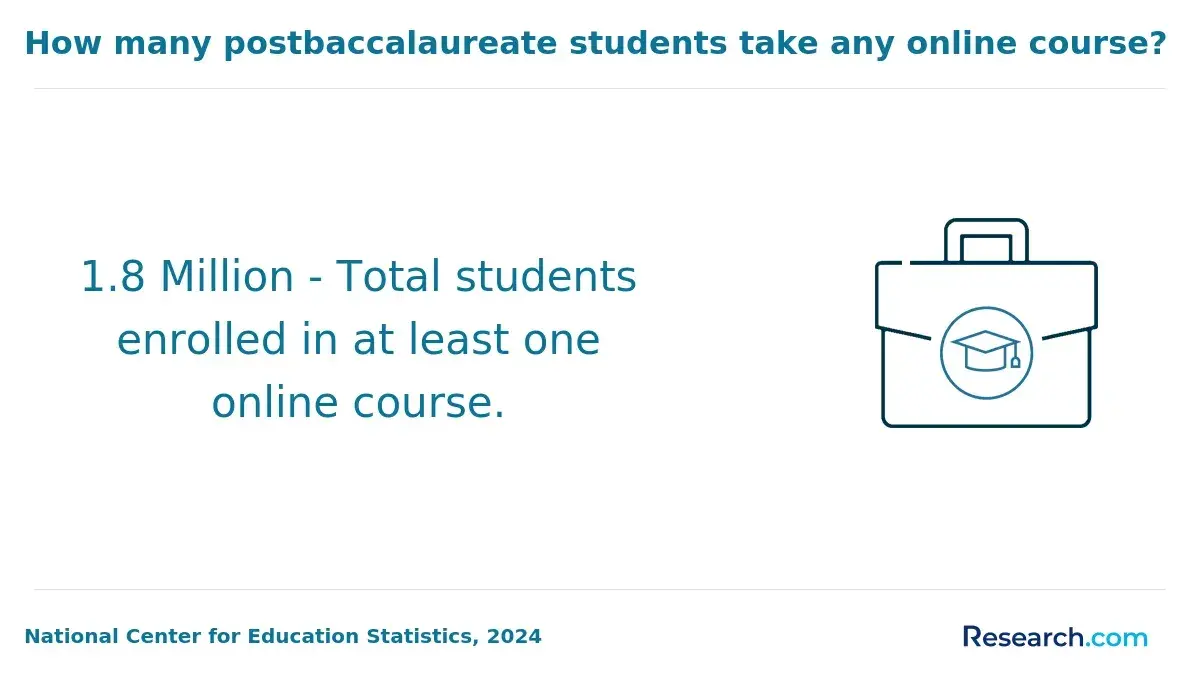
Graduation timelines for public safety degrees differ significantly between full-time and part-time students, with full-time enrollees generally completing their programs within two to four years. This reflects a more concentrated course load and a progression that follows the designed curriculum rhythm, which aligns with the expectations of many employers for timely credential completion.
In contrast, part-time students often take five years or longer to graduate, as they must balance academic commitments with employment, family, or other personal responsibilities. Data from 2024 educational workforce analyses indicate that these disparities are driven not only by enrollment status but also by the distinct pacing and structure each approach demands.
Several factors underpin the differing trajectories between full-time and part-time learners. Full-time enrollment favors a sequential and immersive course schedule conducive to consistent academic progress, whereas part-time students frequently encounter interruptions caused by variable work shifts, personal obligations, and challenges in coordinating course availability.
The modular design of many public safety programs may provide some flexibility, but irregular term loads and potential course sequencing delays can extend the timeline. Without adequate institutional support, such as academic advising and employer-sponsored tuition benefits, part-time learners face increased risks of burnout and protracted study periods, complicating the path to degree completion.
These enrollment decisions carry consequential trade-offs related to financial planning and workforce entry. While full-time students may incur higher immediate costs and academic intensity, they benefit from quicker qualification and earlier access to job markets or professional advancement.
Part-time students, though often sustaining income throughout their studies, may experience delayed return on educational investments and face eligibility issues tied to certification or promotion timelines. Understanding these dynamics enables students and planners to make informed choices about the balance between academic velocity and the practical realities of sustaining professional and personal commitments in public safety careers.
Do Online Public Safety Students Graduate Faster Than Campus-Based Students?
Data from the National Center for Education Statistics in 2024 indicates that a larger share of online public safety students-around 45%-complete their degrees within four years compared to 38% in traditional campus settings. This often fuels the perception that online learners graduate faster. However, the reality is more nuanced, with completion rates reflecting the interplay of program design, student commitment, and external responsibilities rather than modality alone. Variability in individual circumstances and program structures means some campus-based students can finish just as quickly, especially where accelerated tracks or intensive summer sessions are offered.
Key drivers behind these differences include the flexibility inherent in many online programs, where self-paced coursework and multiple annual start dates allow students to customize their timeline and take advantage of credit transfer efficiency. In contrast, campus programs typically operate on fixed semester schedules with limited course availability, imposing a more rigid pace.
Factors such as part-time enrollment, work obligations, and internship requirements also influence pacing; online students juggling jobs and family may extend their time, while on-campus students might benefit from more structured academic and peer support environments. Ultimately, progression speed depends heavily on how well students navigate these elements within their chosen format.
Choosing between modalities deeply affects time management demands and readiness to enter the workforce. Online pathways often require heightened self-discipline and digital literacy, while campus settings may demand adherence to strict attendance and cohort timelines. These differences can impact when students enter employment, with potential tradeoffs between speed and experiential learning quality. Thus, modality choice should align with individual learning styles, life circumstances, and career timing goals rather than assumptions about automatic acceleration.
One graduate recalled hesitation during the rolling admissions process of an online program, uncertain whether to apply immediately or wait for a campus option with a more fixed start date. Balancing job pressures with the desire to finish quickly, the student initially delayed application, fearing a longer path. When finally committing to the online track, they found the multiple start dates and flexible course loads critical for managing coursework alongside family demands, enabling steady progress without the pressure of rigid campus schedules. This experience highlights how admission timing and program pacing intricacies shape real-world completion outcomes beyond simple modality comparisons.
How Many Months or Years Can Transfer Credits Save?
Transfer credits can meaningfully shorten the time required to complete a public safety degree, but the extent of time saved varies widely. According to recent data from the National Center for Education Statistics, students who transfer relevant credits often reduce degree completion by anywhere from 6 to 18 months, though this depends heavily on the volume and alignment of the credits with program requirements.
Students with relevant prior coursework may bypass foundational classes and focus sooner on advanced topics, accelerating their timelines. However, these outcomes differ based on how well previous courses correspond to key domains like emergency management, fire science, or criminal justice, directly impacting the average months saved with transfer credits that public safety degree programs typically offer.
The amount of credit and thus time ultimately transferred hinges on several institutional factors. Accreditation compatibility, course equivalency rules, and program residency requirements govern which credits are accepted and how they apply to degree progress. Many schools cap transferable credits at between 50% and 75% of total degree credits, limiting the maximum potential time savings.
Additionally, if transferred credits address only elective requirements rather than major prerequisites, the acceleration effect diminishes. These institutional policies, combined with course evaluation procedures, create a complex landscape where the effectiveness of transfer credits in shortening public safety degree timelines is far from guaranteed.
Strategic academic advising is critical to maximize the benefits of transfer credits since credit transfer outcomes directly influence a student's financial costs, course sequencing, and graduation timeline. Careful planning ensures that remaining coursework is scheduled efficiently to avoid prolonging time-to-degree due to unmet core requirements.
For students balancing work or family obligations, minimizing time on campus translates to lower opportunity costs, underscoring the practical implications of credit transfer decisions. For those comparing educational paths, it is useful to explore programs that offer flexible options similar to those found in accelerated biology degree online tracks, as such models often provide insights into how transfer credit policies can impact overall progression.
Do Accelerated Public Safety Programs Significantly Reduce Completion Time?
Accelerated public safety programs aim to compress the traditional timeline of degree completion by intensifying course schedules and increasing credit loads per term. These programs are structured to allow students to finish degrees in less time than the typical four to five years by eliminating extended breaks and overlapping terms.
The underlying design often involves condensing standard curricula into shorter, consecutive terms, with less downtime between courses and fewer elective options. However, the automatic assumption that accelerated formats drastically shorten degree completion overlooks the varied structural adjustments that institutions make to maintain educational and accreditation standards within this faster pace.
The extent to which accelerated programs actually reduce completion time depends on multiple factors, including the feasibility of managing heavier course loads and the sequencing of prerequisites that cannot be bypassed or compressed. While credit density per term increases, many accelerated tracks still require the same total number of credits, including mandatory internships, capstone projects, or certification preparations that maintain consistent time demands regardless of program pacing.
Additionally, some public safety curricula necessitate hands-on training or clinical hours that resist significant time reduction. These components can limit the ultimate time savings despite a more intensive academic calendar, especially if institutional policies prevent overlapping course components or impose minimal breaks between semesters.
Students choosing accelerated paths face trade-offs between workload intensity and flexibility, as the condensed terms leave less room for part-time employment, family obligations, or academic remediation. The experience of juggling back-to-back demanding courses may impact knowledge retention and stress levels, with minimal margin for delayed progression or repeated courses. Such intensity may benefit students able to fully commit but creates barriers for those balancing external responsibilities, thereby affecting both student success rates and employability readiness beyond graduation timelines.
One graduate recalled the uncertainty of applying to an accelerated public safety master's program that used rolling admissions. The candidate hesitated applying early due to incomplete prerequisites but later felt pressure when informed their preferred start date might fill quickly. After finalizing prerequisites, the applicant weighed rushing submission against improving preparatory coursework, ultimately submitting later and starting a term behind initial plans. This experience highlighted that even when acceleration seems possible, timing and institutional admission cycles can introduce delays that offset intended time savings, complicating straightforward completion time reduction.
Which Public Safety Program Requirements Most Often Extend Graduation Timelines?
Graduation timelines in public safety degree programs are frequently extended not simply due to total credit loads but because of specific embedded requirements that shape curriculum pacing and student progression. These components reflect the field's professional rigor and practical demands but impose structural constraints on scheduling flexibility. Navigating these elements requires careful planning, as their sequencing and workload integration can prolong completion beyond standard timelines.
- Mandatory Internship or Practicum Hours: Experiential learning components are critical for hands-on skill development but often require coordination between academic schedules and workplace availability. Students may need to reduce credit loads or enroll part-time to fulfill these hours, creating longest delays especially in programs where site placement depends on limited local opportunities.
- Certification Preparation and Testing: Many public safety curricula incorporate preparation for industry-recognized certifications, such as EMT or firefighter licensure, which extend beyond typical course requirements. These certifications demand additional study, practical training, and often off-schedule exams, leading students to stagger coursework to maintain performance while meeting professional credentialing demands.
- Advanced STEM Prerequisites: Foundational mathematics and science courses underpinning fire science and emergency management frequently have high failure or withdrawal rates and limited enrollment spots. According to the U.S. Bureau of Labor Statistics (2024), 38% of students in these programs report needing extra semesters to complete STEM requirements, underscoring how such bottlenecks impact degree timelines.
- Credit Transfer and Articulation Issues: Transfer students often face challenges when prior credits do not align directly with program mandates, forcing retakes or supplementary electives. This is further complicated by rigid course sequences required for certification eligibility, effectively extending the time to degree completion when institutional policies limit flexible credit acceptance.
- Integrating Practical Competencies with Academic Theory: Employers increasingly expect graduates to demonstrate validated skills alongside classroom knowledge, pressuring programs to include comprehensive assessments and skill verifications. These dual demands cause students to invest additional semesters balancing theoretical coursework with practical credentialing, which reduces opportunities for accelerated progression.
Does Taking Longer to Graduate Increase the Cost of a Public Safety Degree?
Taking longer to graduate from a public safety degree program typically increases total tuition and related expenses, especially when institutions charge fees per term or credit hour. Extended enrollment often reduces eligibility for certain types of financial aid or tuition discounts that apply only during a standard timeframe or full-time status. These additional semesters can also incur higher living costs and miscellaneous fees, further compounding the overall expense. This dynamic explains why the impact of extended graduation timelines on public safety degree expenses is a critical consideration for students managing both academic pacing and financial planning.
However, longer completion times do not always translate into significantly higher costs. Some programs employ flat-rate tuition models or offer flexible part-time pricing, which can help contain expenses for students who slow their academic progress. Employer tuition assistance and program policies allowing extended timelines without additional financial penalties also moderate cost increases. Enrollment decisions, such as reducing course loads to balance work and study, indirectly influence total costs by stretching out time but often avoiding large fee increments.
This nuanced interplay suggests that while extended completion usually leads to higher expense, the degree of financial impact varies greatly depending on institutional pricing structures and individual enrollment strategies. For prospective students exploring related health and safety fields, understanding similar financial and employment dynamics, such as those affecting a functional medicine nurse salary, can provide valuable context for evaluating cost versus career readiness tradeoffs.
Does Graduating Faster Improve Career Prospects?
Graduating faster from a public safety degree program can permit earlier workforce entry, potentially improving initial job search positioning by demonstrating motivation and effective time management. However, employers rarely assess candidates solely on the speed of degree completion. Hiring decisions in public safety fields consider a broader context that includes practical skills, certifications, and evidence of competency rather than just accelerated academic timelines. Thus, while completing a program quickly may benefit labor market timing, it is not a guaranteed advantage in securing higher-quality or better-paid positions.
The impact of accelerated public safety programs on careers depends heavily on supplemental factors such as internship experience, mastery of core skills, and networking opportunities. Employers prioritize candidates who present a comprehensive portfolio of hands-on training and relevant certifications that indicate readiness to perform essential duties. Rapid graduation can sometimes truncate these critical experiences, limiting practical exposure and professional connections that boost long-term employability. Conversely, students who maintain quality internships and practical learning while finishing earlier can position themselves well, but this balance is challenging to achieve and varies by individual circumstances.
Trade-offs between speed and depth of experience are central to evaluating the benefits of public safety degree faster graduation benefits. Students should weigh shorter completion time against the value of immersive, real-world training and mentorship that provide durable career advantages. Most professionals in the field benefit from timelines that incorporate both academic rigor and experiential learning aligned with employer expectations, rather than focusing narrowly on finishing quickly. For those exploring related accelerated health-related programs, understanding nuanced trade-offs is also crucial; more about comparable educational pacing can be found in easy nurse practitioner programs to get into.
Which Scheduling Mistakes Commonly Delay Graduation?
Graduation delays in Public Safety programs often stem less from academic difficulty and more from avoidable scheduling and planning errors made during enrollment and course selection. These mistakes impact students across all program levels and instructional formats, disrupting the carefully sequenced curriculum and prerequisite structures critical to maintaining steady progression. Understanding these common pitfalls is essential to managing realistic timelines for degree completion and workforce entry.
- Ignoring Prerequisite Chains: Public Safety curricula depend heavily on prerequisite sequences. Enrolling in courses without confirming completion of required earlier classes forces students to pause or retake semesters, creating bottlenecks that extend timelines significantly.
- Part-Time Enrollment Pitfalls: Balancing work with study often leads students to take fewer credits than recommended. According to the National Center for Education Statistics (2024), part-time students in Public Safety programs take roughly 50% longer to graduate, reflecting how reduced momentum interacts negatively with fixed course offerings.
- Inconsistent Course Availability: Many Public Safety programs offer limited sections of key courses only in specific semesters. Missing registration windows or failing to anticipate these cycles delays access to vital classes, pushing back prerequisite completion and final graduation dates.
- Failure to Use Advising Tools: Overlooking degree audit systems or academic advising impairs strategic course selection. Without these resources, students often accumulate unnecessary or out-of-sequence credits that hinder timely progression.
- Unplanned Program Changes: Switching specializations or revising career goals mid-program without coordinated academic planning disrupts credit applicability and sequence, further prolonging degree pathways and complicating workforce readiness.
Other Things You Should Know About Public Safety
Internship and field experience components are critical to public safety degrees but often add several months to the timeline due to their scheduling and placement challenges. Unlike classroom credits, these experiences depend on external agencies' availability and can require unpaid or part-time commitments, which slows progress. Students should prioritize securing placements early and plan their coursework around these experiences to avoid unexpected delays.
Choosing between a flexible course schedule and a highly structured curriculum involves real tradeoffs. Flexible programs allow working students to balance jobs but risk slower completion if they underestimate workload demands. Conversely, structured programs often have fixed sequences that streamline graduation but leave less room for adjusting pace. For most public safety students juggling employment, programs with clear timelines and mandatory checkpoints tend to support steadier progression and on-time graduation.
Employers in public safety sectors often value practical experience and certifications alongside degrees, which can lead some students to extend their studies while gaining on-the-job skills. However, dragging out degree completion without progress can signal lack of commitment. Students should weigh their current employment's training opportunities against the benefits of finishing the degree promptly, aiming to synchronize academic progress with career advancement requirements.
Employer expectations can influence students' decisions on how quickly they complete their public safety degrees. High-demand roles might encourage faster graduation, potentially squeezing the timeframe to meet immediate job opportunities, although working students might need more time to balance work and studies.