2027 Public Safety Degree Enrollment Trends by Age Group: Traditional Students vs Adult Learners

Co-Founder and Chief Data Scientist
Public safety degree programs reflect distinct enrollment patterns shaped by industry demands and certification timelines. Traditional students often align their studies with entry-level licensing that mandates specific age or training prerequisites. In contrast, adult learners frequently enroll later, driven by career transitions or the need to meet evolving credential standards amid rising credential inflation. Notably, the Department of Labor projects a 7% growth in public safety roles over the next decade, emphasizing the urgency for adaptable educational pathways. These age-related enrollment differences highlight shifting workforce dynamics and suggest increasing pressure on programs to balance technical rigor with flexible access for diverse learner profiles.
Key Things to Know About Public Safety Degree Enrollment Trends by Age Group
- Enrollment spikes among traditional college-age students reflect early-career entry preferences but often limit real-world experience, affecting initial job readiness in complex safety roles.
- Adult learners' growing share signals a workforce adapting to ongoing credential requirements, yet employers may perceive delayed degree completion as balancing work-life but risking outdated foundational skills.
- Rising tuition cost sensitivity in older enrollees leads to part-time attendance patterns, extending credential timelines and creating potential credential gaps that impact eligibility for certain advanced Public Safety positions.
- Key Things to Know About Public Safety Degree Enrollment Trends by Age Group Key Things to Know About Public Safety Degree Enrollment Trends by Age Group
- Which Age Groups Represent the Largest Share of Public Safety Students? Students by Age Group
- Why Do Traditional Students Choose Public Safety Degree Programs? Traditional Students
- Why Do Adult Learners Return to School for a Public Safety Degree? Adult Learners
- How Do Academic Goals Vary Between Younger and Older Public Safety Students? Academic Goals by Age Group
- How Do Financial Concerns Differ Between Traditional Students and Adult Learners? Financial Concerns by Age Group
- What Challenges Do Adult Learners and Traditional Students Face While Earning a Public Safety Degree? Student Challenges by Age Group
- How Does Age Affect Public Safety Degree Student Retention? Age and Student Retention
- Which Public Safety Specializations Are Most Popular Among Adult Learners? Top Specializations for Adult Learners
- How Does Age Affect Job Opportunities for Public Safety Graduates? Impact of Age in Job Opportunities
- What Do Current Public Safety Enrollment Trends Reveal About Future Demand? What Do Current Public Safety Enrollment Trends Reveal About Future Demand?
Which Age Groups Represent the Largest Share of Public Safety Students?
Public safety programs draw students from a wide range of life stages, yet enrollment consistently centers around distinct age groups shaped by differences in career timing, financial readiness, and access to educational pathways. This age distribution more accurately reflects the interplay of workforce entry patterns, economic factors, and program accessibility than simple academic preference. Understanding these dominant demographics helps clarify how varied learner profiles align with industry demands and institutional design.
- Ages 18-24: This group accounts for the largest share of public safety students, largely because many enter higher education directly after high school. Their enrollment aligns with traditional workforce entry, where foundational training supports entry-level roles in law enforcement, firefighting, or emergency services. Recruitment pipelines from academies and early-career focus drive their significant presence.
- Ages 25-34: Representing a growing portion of enrollees, these adult learners often pursue public safety degrees amid career transitions or advancement within related fields like security or EMS. Their enrollment motivation is typically tied to professional development and marketability, taking advantage of increasingly flexible program formats including online and part-time study.
- Ages 35-44: This segment includes mid-career professionals seeking specialized qualifications or leadership credentials. Educational accessibility challenges-such as balancing work and family-affect the pace and structure of their studies. However, their accumulated practical experience often enhances their engagement and post-graduation opportunities.
- Ages 45 and above: Though smaller in number, these learners invest in public safety education to solidify expertise or pivot roles later in their careers. Financial considerations and time constraints limit broader participation, yet their presence underscores lifelong learning trends emerging within workforce development ecosystems.
Enrollment patterns for public safety degree programs mirror broader labor market dynamics where younger candidates typically fill entry-level vacancies, while older cohorts augment their careers through applied knowledge and credentials. This distribution is influenced by employer expectations that blend physical demands and relevant experience, shaping program structures accordingly. Prospective students weighing their educational options benefit from recognizing how age-related factors impact both access and eventual career pathways. For those seeking accelerated routes or specialized tracks, exploring innovative options like a 12 month DNP program online can reveal comparable patterns of balancing program intensity with professional demands across age groups.
Why Do Traditional Students Choose Public Safety Degree Programs?
Traditional students pursuing public safety degrees are often driven by a combination of academic interest and pragmatic considerations linked to early career planning. Many view these programs as providing a clear credential signaling readiness for entry-level roles in law enforcement, emergency response, or related fields. The structured curricula enable these students to explore career options systematically, balancing theoretical foundations with practical applications, which helps clarify their professional goals before fully entering the workforce. According to the 2024 National Center for Education Statistics, about 27% of younger adults select public safety fields due to the perceived stability and consistent demand within these sectors.
The decision to enroll in public safety programs at this stage is also shaped by institutional pathways and external influences such as recruitment efforts and guidance counseling. High schools and early college courses that offer exposure to public safety concepts expand student awareness and often serve as gateways to degree programs tailored for recent graduates. Additionally, students commonly respond to labor market signals emphasizing reliable employment, especially in regions prone to emergencies or with established public safety infrastructures. For those assessing fast-tracked options, comparing these pathways with alternatives like LPN programs can shed light on job market timing and skill acquisition tradeoffs that influence enrollment and specialization choices.
Why Do Adult Learners Return to School for a Public Safety Degree?
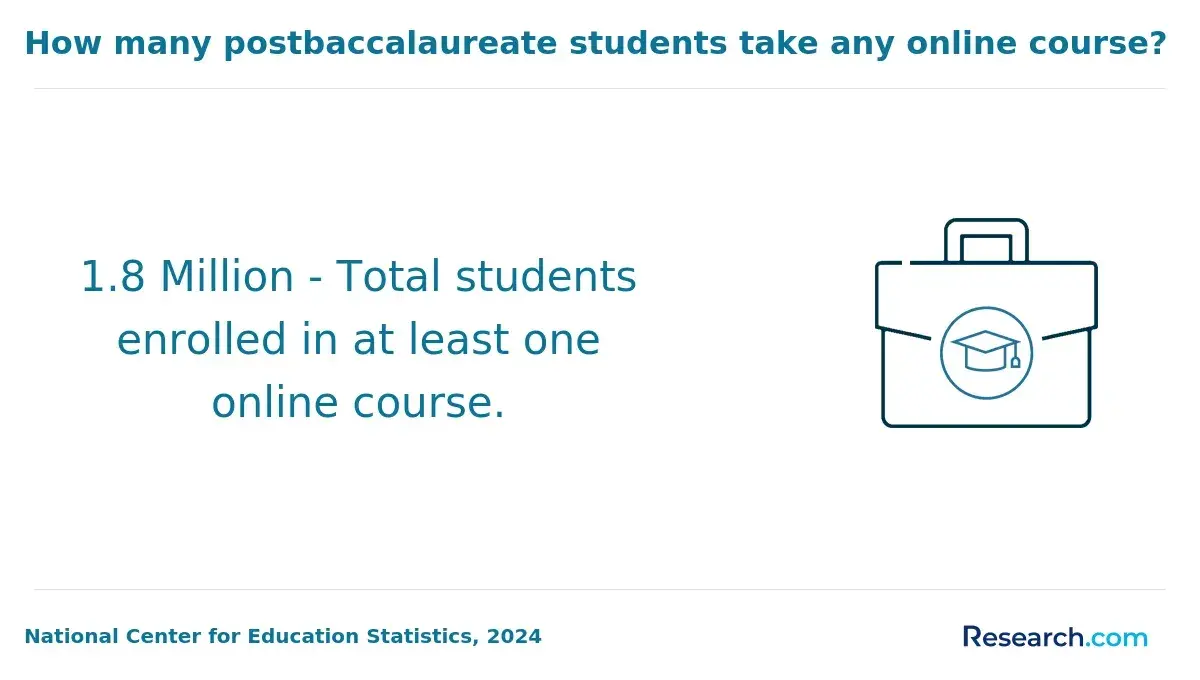
Adult learners returning to school for a Public Safety degree are often driven by the need to enhance career mobility, secure wage increases, or transition into the field from other industries. Unlike traditional students, these individuals typically have prior work experience and seek education that aligns closely with employer credential requirements for entry and promotion. Data from the National Center for Education Statistics in 2024 shows that about 40% of students in Public Safety programs are 25 or older, reflecting the growing role of this demographic in workforce reskilling and upward occupational shifts. The pursuit of formal qualifications is frequently tied to navigating credential inflation, where advancing within law enforcement, emergency response, or related roles increasingly demands recognized degrees or certifications.
Additional factors influencing adult enrollment include the expansion of accessible learning options, such as online and part-time programs that accommodate complex schedules. Employer tuition assistance and workforce development initiatives also play a key role in enabling working adults to pursue further education without forgoing income entirely. Furthermore, changes in industry standards require ongoing technical and legal knowledge updates, compelling practitioners to return to school for skills that go beyond on-the-job training. This continuous learning supports adaptability amid evolving Public Safety challenges, including technological integration and community engagement.
How Do Academic Goals Vary Between Younger and Older Public Safety Students?
Younger public safety students commonly approach their academic journey with a broad, exploratory mindset aimed at building foundational knowledge and versatile skills that support first-time workforce entry or potential advanced studies. This demographic often prioritizes gaining comprehensive theoretical understanding and networking opportunities to access diverse roles within emergency management, law enforcement, or fire science fields. According to the National Center for Education Statistics (NCES, 2024), this group emphasizes credentials that enable entry-level employment, reflecting limited prior occupational experience and a focus on establishing career pathways. Their academic goals tend to align with institutional offerings that provide structured, full-time programs designed to support broad-based learning rather than immediate specialization.
Conversely, adult learners in public safety programs shift focus toward targeted credential acquisition and skill enhancement that directly correlate with current job demands or desired promotions, often balancing education with ongoing work and family commitments. The Bureau of Labor Statistics (BLS, 2024) highlights how many in this cohort seek flexible, part-time, or online courses that facilitate upskilling or role transitions without interrupting their professional trajectory. Their educational objectives typically involve specialized certifications or advanced degrees aimed at measurable career outcomes such as leadership roles or new technical expertise. This reflects a pragmatic, outcome-driven approach rooted in prior labor market experience and a pressing need to integrate education within complex life responsibilities.
An adult learner returning to public safety studies shared how the rolling admissions timeline introduced uncertainty in her decision-making. With a full work schedule and family duties, she hesitated to apply early, hoping to gauge program fit and financial aid options. Once she submitted her materials, waiting for a response created tension, but the eventual acceptance allowed her to align coursework with job demands strategically. Her experience underscores how admissions timing and program flexibility critically affect adult students' ability to plan education around professional and personal constraints rather than solely academic interest.
How Do Financial Concerns Differ Between Traditional Students and Adult Learners?
Traditional students pursuing a public safety degree typically rely on family support, federal student loans, or scholarships to fund their education. Their financial concerns often center on managing tuition costs and the long-term burden of accumulated debt, which can influence decisions about course load and graduation timelines. Approximately 65% of traditional students depend on federal aid and generally do not balance full-time work with their studies, allowing more focus on academic progression but raising considerations about post-graduation financial stability. This group's financial behavior reflects a tolerance for deferred repayment in exchange for credential attainment, a dynamic central to understanding traditional student vs adult learner financial challenges.
Adult learners face a different financial calculus shaped by immediate financial obligations such as lost wages when reducing work hours, childcare, and household expenses. Many work full-time while studying, with nearly 70% employed at least 30 hours per week according to the Lumina Foundation, intensifying opportunity costs linked to education. Employer tuition assistance plays a varying role in offsetting these costs, but uneven access means many adult learners must balance short-term income loss against potential long-term gains. These factors, alongside competing responsibilities, lead adult learners to prioritize flexible scheduling or competency-based options and make financial aid options for adult learners in public safety programs critical for persistence and completion.
These divergent financial realities shape enrollment choices, with adult learners more likely to seek online programs over traditional on-campus formats to accommodate work and family demands. Financial stress also impacts retention, as adult learners are statistically more prone to drop out due to economic pressures than their younger peers. Education funding dynamics and lifecycle economic decisions therefore heavily influence program selection and completion strategies, underscoring the importance of analyzing both immediate and future financial impacts. In this context, prospective students often compare credential pathways alongside programs like the cheapest online MBA healthcare to weigh return on investment in various fields tied to public safety and allied sectors.
What Challenges Do Adult Learners and Traditional Students Face While Earning a Public Safety Degree?
Traditional students pursuing a public safety degree frequently face hurdles related to adapting to the academic environment, time management, and establishing effective learning habits within structured educational settings. At this life stage, students often juggle academic independence with social integration and confront financial pressures stemming from tuition and living expenses without established income streams. These factors can disrupt study continuity, especially as many rely on part-time employment or loans, with limited previous work experience to buffer financial instability. According to recent data from the Bureau of Labor Statistics (2024), such constraints increase the risk of interrupted academic progression for this demographic.
Adult learners contend with a distinctly complex set of challenges, primarily due to overlapping personal, professional, and educational roles. Balancing full-time work, caregiving duties, and coursework requires rigorous time management amid irregular schedules, with a 2024 report from the Higher Education Research Institute highlighting that 62% of adult public safety students struggle to coordinate learning around demanding job hours. Additionally, adults often face technological hurdles tied to re-entering academic programs after extended absences, complicating engagement with digital or hybrid delivery models. Financially, delayed eligibility for certain aid and intensified family responsibilities limit their funding options, prolonging degree completion timelines.
To address these divergent needs, many institutions have expanded flexible learning formats, advising systems, and tailored support services to better accommodate the disparities in life stage and resource availability. Recognizing that traditional students require foundational academic scaffolding while adult learners benefit from more adaptable structures, programs increasingly emphasize modular scheduling and targeted counseling to improve retention and completion rates. This lifecycle-sensitive approach is crucial in aligning educational delivery with workforce demands and the complex realities confronting distinct public safety student populations.
How Does Age Affect Public Safety Degree Student Retention?
Retention issues among younger students in public safety degree programs often stem from challenges in adapting to academic rigor and maintaining consistent motivation during the early stages of their college experience. Many in this group are still exploring career options, which can dilute focus and prolong uncertainty about their chosen pathway. The transition to managing coursework alongside social and financial pressures frequently disrupts persistence, with NCES data from 2024 indicating these traditional students have retention rates roughly 7% lower than their adult counterparts. Without strong institutional support targeting academic readiness and career clarity, younger learners' engagement tends to fluctuate, increasing risks of attrition.
Older public safety students generally exhibit higher retention driven by clearer vocational goals and relevant work experience, aligning educational outcomes with practical career advancement. Despite this advantage, their persistence is often constrained by competing demands such as family care, employment obligations, and limited scheduling flexibility. Institutions offering adaptable formats like online classes and tailored academic advising markedly improve these learners' ability to sustain continuous enrollment. However, without such accommodations, even motivated adult students face barriers that can delay degree completion or lead to temporary withdrawal from programs.
A recent graduate recalled how the rolling admissions process prolonged their decision-making, juggling the uncertainty of acceptance with ongoing job responsibilities. They hesitated to commit until receiving confirmation but feared missing course registration deadlines that might delay progress. Ultimately, balancing timely application submission with personal readiness became a critical strategic step, underscoring how procedural timing can disproportionately affect students managing multiple life priorities outside the classroom.
Which Public Safety Specializations Are Most Popular Among Adult Learners?
Adult learners pursuing a public safety degree tend to select specializations that offer clear pathways to career mobility, salary advancement, or transition into supervisory roles. Unlike traditional college-age students, these learners often balance ongoing employment with education and prioritize programs that build on their existing experience rather than entry-level technical skills. The focus is generally on areas that align closely with evolving workforce demands and ease reentry or advancement within government or related sectors.
According to a recent report from the National Center for Education Statistics, enrollment in emergency management specializations among adult public safety students grew by 12%, signaling increasing interest in roles requiring strategic crisis response and resilience planning. This trend reflects adult students' focus on upskilling for sectors impacted by natural disasters and public health emergencies.
- Emergency Management: Adult learners gravitate toward this specialization because it develops strategic planning and risk assessment skills critical for leadership roles in both government agencies and private industry. Its relevance to current global challenges supports salary growth and cross-sector employment opportunities.
- Homeland Security: This field attracts adults seeking interdisciplinary expertise in cybersecurity, intelligence, and counterterrorism, matching national security trends. It appeals to professionals aiming to secure federal employment or enhance existing government roles.
- Criminal Justice Administration: Many adult students prefer this track as it facilitates advancement into supervisory or managerial positions within law enforcement or corrections, leveraging their practical experience to bypass entry-level technical training.
- Fire Science Leadership: Though less cited than others, this specialization provides pathways for experienced firefighters to transition into administrative and policy-making roles, critical for organizational management and safety regulation enforcement.
- Emergency Medical Services (EMS) Management: Adults with clinical or field experience pursue this to move into coordination and oversight roles, improving operational efficiency and career longevity.
This selection pattern among adult learners highlights a pragmatic approach to educational decisions, favoring programs that emphasize leadership development, workforce reskilling, and direct alignment with well-defined public safety career paths. These specializations reflect the best public safety career paths for adult students aiming to update their skills or shift focus within the sector. For those balancing education and work, understanding these dynamics is essential for choosing a specialization that maximizes professional value and return on investment.
For additional context on aligning educational choices with workforce outcomes, prospective students may find value in reviewing NASP accredited programs, which exemplify accreditation rigor and employment relevance in related fields.
How Does Age Affect Job Opportunities for Public Safety Graduates?
Younger public safety graduates typically see job opportunities shaped by their ability to enter entry-level roles rapidly, often supported by internship pipelines and recruitment preferences favoring candidates who can endure rigorous physical demands. Many employers prioritize hiring traditional students aged 18 to 24 for frontline operational roles, expecting they have the stamina and adaptability necessary for early training and patrol assignments. This cohort usually benefits from clearer trajectories into early-career advancement, as their age aligns with longer potential service periods and promotional track options. According to the 2024 National Center for Education Statistics report, this preference contributes to faster initial placement and integration within standard public safety employment channels, illustrating a critical age factor in public safety career opportunities by age group.
In contrast, older graduates entering public safety bring diverse professional backgrounds and transferable skills, which can open doors to specialized or administrative roles emphasizing experience over physical capacity. While prior work history and career transition objectives can provide advantages in areas like emergency management or compliance, employer biases concerning physical demands or stamina remain considerations affecting hiring outcomes. Despite these challenges, many agencies recognize the leadership potential and problem-solving capabilities of mature candidates, making these individuals well-suited to roles that leverage accumulated expertise. For prospective students weighing options, resources such as programs focused on a speech pathology degree online for veterans highlight how lifelong learning and skill adaptation influence long-term employability in public safety sectors impacted by age.
What Do Current Public Safety Enrollment Trends Reveal About Future Demand?
Shifting enrollment patterns in public safety degree programs reflect nuanced changes in student priorities and perceived career trajectories. While traditional college-age students often approach public safety education as a first step in career preparation, their relatively stable or declining enrollment in some regions suggests competing interests in STEM and technology areas. Conversely, the faster enrollment growth among adult learners-often balancing jobs and family responsibilities-signals a recognition of public safety credentials as a strategic tool for career transitions or skill renewal. This division highlights the rising importance of flexible program delivery models that meet diverse student needs, with recent data from the National Center for Education Statistics showing a 12% increase in adult enrollment over the past two years, underscoring these evolving educational demands.
These enrollment dynamics closely correspond to broader labor market signals, including growing employer demand in law enforcement, emergency management, and cybersecurity fields faced with rapid technological change and workforce shortages. As agencies seek candidates with practical experience and updated skills, public safety programs emphasizing hybrid and online formats are poised to expand, reflecting a push toward more accessible, experience-integrated curricula. The widening skills gap implied by uneven traditional student enrollment furthers the urgency for adaptable, sector-specific program growth, foreshadowing specialization development aligned with emerging threats and evolving operational realities within the public safety workforce.
References:
- Competencies and Job Performance of Public Safety Basic Recruit Course (PSBRC) Graduates: A Study in a Select Philippine Regional Training Center | Journal of Interdisciplinary Perspectives https://jippublication.com/index.php/jip/article/view/8
- Older-adult college enrollment trends and benefits | Brookings https://www.brookings.edu/articles/older-adult-college-enrollment-trends-and-benefits/
- Best Public Safety Administration Degree Programs of 2026 https://policeofficer.org/degree-programs/public-safety-administration/
- Top 10 Careers in Public Safety Administration https://learn.neumann.edu/neuperspectives/top-10-careers-in-public-safety-administration
- Career development in public safety agencies https://www.police1.com/police-jobs-and-careers/articles/career-development-in-public-safety-agencies-px3zrJqEawbPDUdh/
- Improving Career Development in Public Safety Agencies – Lexipol https://www.lexipol.com/resources/blog/career-development-in-public-safety-agencies-its-personal/
- Traditional Vs. Non-Traditional Students in Higher Education https://moderncampus.com/blog/traditional-vs-non-traditional-students-in-higher-education.html
- Adult learners: who they are and what they want out of college | EAB https://eab.com/resources/blog/adult-education-blog/adult-learners-who-they-are-what-they-want-college/
- College Enrollment Statistics [2026]: Total + by Demographic https://educationdata.org/college-enrollment-statistics
- For Adult Learners, College Means More Than Just Jobs and Wages https://www.higheredtoday.org/2024/11/22/college-means-more-adult-learners/
Other Things You Should Know About Public Safety
Traditional students often benefit from fully on-campus or hybrid formats that match their availability and social preferences, while adult learners generally require more flexible, primarily online options due to work and family commitments. Programs heavily reliant on in-person training may limit adult learner enrollment or increase their course completion time. Institutions and prospective adult learners should prioritize programs with strong online or asynchronous components to balance practical skill acquisition with flexible pacing, recognizing this tradeoff can affect hands-on experience and networking opportunities.
Adult learners frequently enter public safety programs with existing field experience that shapes their academic needs and practical focus. This can allow them to accelerate some foundational courses but may create challenges if curricula are narrowly structured for newcomers. Programs that recognize and integrate professional experience into assessments or practicum placements can offer more efficient pathways and better employer alignment, whereas rigid course designs may prolong time to degree and dilute adult learners' return on investment.
In 2027, age-related employer expectations in public safety fields hold minimal impact on degree program choices. Employers prioritize skill sets and knowledge pertinent to public safety roles over age. Traditional students and adult learners should focus on curriculum relevance, career advancement potential, and industry connections when selecting programs.
The competing demands of full-time work and family often make persistence more precarious for adult learners, who may face burnout or enrollment gaps if degree programs do not accommodate irregular schedules. In contrast, traditional students typically have fewer outside obligations but may struggle more with balancing social distractions and academic rigors. Those advising adult learners should recommend programs offering part-time enrollment, modular coursework, and robust academic support services, recognizing these features significantly improve retention, whereas traditional students benefit more from immersive and cohort-based experiences that foster steady progress within a condensed timeline.