2027 Online Digital Photography Degrees With Scholarships for Creative Professionals

Co-Founder and Chief Data Scientist
Choosing an online digital photography degree is really a question of career fit, cost, and portfolio value. The U.S. Bureau of Labor Statistics' 2024 Occupational Outlook Handbook reports a median annual wage of $42,520 for photographers, which means students need to evaluate programs carefully rather than assume any degree will pay off.
This guide is for aspiring photographers, working creatives, and career changers who want flexible study, scholarship options, and practical training. You will learn how programs work, what they cost, which schools to compare, and how to choose wisely.
Key Things You Should Know
- Accredited online digital photography degrees are typically offered as associate, bachelor's, BFA, and graduate programs; most bachelor's paths require about 120 credits and rely heavily on portfolio-based assessment.
- College Board's 2024-25 tuition benchmarks show why financial aid matters: average published tuition and fees were $11,610 for in-state public four-year colleges and $43,350 for private nonprofit four-year colleges.
- BLS data published in 2024 shows photographers had a median annual wage of $42,520, so students should compare total cost, transfer credits, equipment needs, and career outcomes before enrolling.
What is an online digital photography degree and how does it work?
An online digital photography degree is a college credential focused on camera technique, lighting, digital editing, visual storytelling, portfolio development, and professional practice. Unlike a short workshop, a degree usually combines studio-style assignments with general education, art history, business fundamentals, and critique-based learning.
Most online photography programs use a learning platform where students watch demonstrations, submit image sets, join critique discussions, and receive instructor feedback. The work is not "hands-off" just because it is online. You still need a camera, editing software, time for location shoots, and a willingness to revise images based on technical and creative feedback.
The main degree levels serve different goals. This table summarizes how each option usually fits a student's career stage, without assuming that a longer degree is always the better choice.
| Credential | Typical focus | Best fit | Decision note |
| Associate degree | Foundational camera, editing, composition, and portfolio skills | Beginners seeking entry-level skills or transfer credit | Often more affordable, but may not provide the depth some employers or clients expect |
| Bachelor's degree or BFA | Advanced visual practice, professional portfolio, history, theory, and business preparation | Students seeking a broad creative career path or graduate study preparation | Usually stronger for long-term portfolio development, but cost and time commitment are higher |
| Master's degree or MFA | Conceptual practice, advanced critique, research, exhibition, and teaching preparation | Experienced photographers pursuing teaching, fine art, or advanced creative leadership | Best for specific goals; not necessary for many commercial photography roles |
| Certificate | Targeted skills such as Lightroom, studio lighting, or product photography | Working adults who need a skill upgrade without a full degree | Useful for narrow goals, but may not carry the same academic weight as a degree |
An online degree is usually worth considering if you need structured feedback, want a credential, and can build a strong portfolio while studying. It may be less useful if you already have a strong client base, only need one technical skill, or cannot commit to regular shooting and editing assignments.
How do accredited online digital photography programs compare to campus-based options?
Accredited online and campus-based photography programs can cover similar academic outcomes, but they deliver the experience differently. The best format depends on your schedule, equipment access, learning style, and need for in-person studio resources.
The comparison below focuses on practical differences that affect learning quality, cost, and portfolio development:
| Factor | Online digital photography degree | Campus-based photography degree | What it means for you |
| Flexibility | Often asynchronous or low-residency, with deadlines rather than daily class meetings | More fixed studio, lecture, and lab schedules | Online programs are often better for working adults and caregivers |
| Critique | Image uploads, recorded feedback, discussion boards, and video critique | In-person critique, studio discussion, and peer review | Both can work, but online students must be comfortable receiving feedback digitally |
| Equipment access | Students usually provide their own camera, computer, and software | May include access to studios, lighting kits, printers, darkrooms, or rental equipment | Campus can reduce some equipment barriers, while online may shift more costs to the student |
| Networking | Virtual faculty contact, online portfolio reviews, alumni groups, and local assignments | Gallery events, campus exhibitions, studio assistant opportunities, and local peer networks | Online students should be intentional about building local and digital networks |
| Portfolio realism | Projects are often completed in the student's own region and market | Projects often use campus resources, models, and studios | Online work can be highly career-relevant if assignments match the student's target niche |
Accreditation matters in both formats because it affects federal financial aid eligibility, credit transfer, and institutional credibility. Regional or national institutional accreditation does not automatically prove that a photography program is excellent, but it is a basic quality-control checkpoint students should not skip.
One common mistake is assuming online study is easier. A serious online photography program can be demanding because it requires self-direction, technical troubleshooting, and steady production of original work. If you need constant in-person access to studio equipment, campus or hybrid learning may be a better fit.
Which U.S. schools offer accredited online digital photography degrees with scholarships?
Several U.S. institutions offer online photography or closely related visual media degrees through accredited colleges and universities. Program names, delivery formats, and scholarship availability can change, so students should verify the current catalog, accreditation status, tuition, and aid rules before applying.
The table below lists examples of accredited U.S. schools that are commonly considered by online photography students and that provide access to institutional aid, federal aid, scholarships, or portfolio-based funding routes when eligibility requirements are met.
| School | Online photography-related degree option | Institutional accreditation | Scholarship or aid angle | Best fit |
| Southern New Hampshire University | Online BA in Digital Photography | New England Commission of Higher Education | Federal aid eligibility, institutional aid options, transfer-credit pathways | Students seeking a flexible, career-oriented bachelor's program |
| Academy of Art University | Online photography degrees at undergraduate and graduate levels | WASC Senior College and University Commission | Institutional scholarships and portfolio-related opportunities may be available | Students who want an art-school environment with online delivery |
| Savannah College of Art and Design | Online and remote options in photography or related creative disciplines may be available depending on catalog offerings | Southern Association of Colleges and Schools Commission on Colleges | Merit scholarships, achievement scholarships, and institutional aid routes | Students seeking a design-focused creative school with strong portfolio expectations |
| Arizona State University | Online digital photography or art-related online pathways may be available through ASU Online depending on current catalog status | Higher Learning Commission | Federal aid eligibility, transfer pathways, institutional scholarship options | Students who prefer a large public university with broad online infrastructure |
| Sessions College | Online digital photography associate and visual arts-related programs | Distance Education Accrediting Commission | School-based payment and scholarship options vary by program | Students seeking a specialized online creative school with focused visual training |
When comparing these schools, do not stop at the program name. Ask whether the degree is fully online, whether critiques are synchronous, what camera and software are required, how many credits can transfer, and whether scholarships apply to online students in the same way they apply to campus students.
Also check whether the program emphasizes commercial photography, fine art, editorial work, digital media, or general visual communication. A program can be accredited and still be a poor match if its portfolio expectations do not align with your intended career.
What admission requirements and portfolio standards do online digital photography degrees have?
Admissions requirements vary by school and degree level. Associate and bachelor's programs may admit beginners, while BFA, graduate, or art-school programs often expect stronger portfolio evidence and a clearer creative direction.
Most applicants should be ready to provide a mix of academic, technical, and creative materials. The list below shows common requirements and why each one matters:
- Application form and fee: Confirms your intended program, start term, and basic eligibility.
- High school transcript, GED, or prior college transcript: Helps the school evaluate academic readiness and transfer credit.
- Portfolio or sample images: Shows composition, visual awareness, editing judgment, and creative potential.
- Personal statement: Explains your goals, influences, and reasons for choosing photography.
- Resume or creative experience summary: Useful for adult learners, transfer students, freelancers, or applicants with prior media work.
- English proficiency documentation: Required by many schools for applicants whose prior education was not in English.
A beginner portfolio does not need to look like a professional advertising campaign, but it should show intentional image-making. Admissions reviewers usually want to see that you understand framing, light, subject choice, sequencing, and basic editing restraint.
Strong applicants avoid submitting too many similar images. Instead, they curate a small set that shows range and judgment. If the school asks for 10 to 20 images, choose work that supports a coherent point of view rather than filling every slot with unrelated snapshots.
Common portfolio mistakes can weaken an otherwise qualified application. Avoid over-editing, relying only on social media-style images, ignoring file-size instructions, submitting work without captions when requested, or presenting images that do not appear to be your own original work.
How long do online digital photography degrees take and what do they cost?
Program length depends on the credential, transfer credits, enrollment pace, and whether the school runs traditional semesters or accelerated terms. A full-time bachelor's student usually follows a four-year plan, while transfer students may finish sooner if prior credits apply.
The table below gives a practical planning view of common timelines. These are typical academic structures, not completion guarantees.
| Program type | Common credit load | Typical full-time timeline | What can change the timeline? |
| Certificate | Varies by school | Several months to about one year | Course availability, software readiness, and part-time pacing |
| Associate degree | About 60 credits | About two years | Developmental courses, transfer credits, and work schedule |
| Bachelor's degree or BFA | About 120 credits | About four years | Transfer credits, summer courses, portfolio sequencing, and capstone requirements |
| Master's degree or MFA | Varies widely | About two to three years | Thesis, residency, exhibition, and critique requirements |
Cost is harder to compare because online students may pay tuition per credit, technology fees, course fees, software subscriptions, and equipment costs. College Board's 2024-25 national tuition benchmarks show the broader affordability gap: average published tuition and fees were $11,610 for in-state students at public four-year colleges, $30,780 for out-of-state students at public four-year colleges, and $43,350 at private nonprofit four-year colleges. Those figures are not photography-specific, but they help students judge whether a quoted online price is unusually low, moderate, or high.
Before enrolling, calculate the full cost of attendance rather than tuition alone. Photography programs can require expenses that are easy to overlook:
- Camera body and lenses that meet course specifications
- Computer with enough storage and processing power for RAW files
- Editing software such as Adobe Lightroom or Photoshop if not included by the school
- External hard drives, cloud backup, memory cards, and calibration tools
- Printing, portfolio, lighting, backdrop, or exhibition costs for advanced courses
- Application, graduation, technology, and transcript fees
The most affordable program is not always the best value. A lower-tuition school may cost more if few credits transfer, while a higher-tuition program may become more reasonable if it offers strong scholarships, a shorter path to completion, or better portfolio support.
What core courses and specializations are included in online digital photography programs?
Online digital photography programs typically combine technical camera training with visual communication, editing, art context, and professional preparation. The best curriculum helps students create a portfolio that matches a real market, not just pass individual assignments.
Core courses usually build from fundamentals to advanced practice. Students comparing photography with broader visual communication may also want to review a graphic design degree online, especially if they are interested in branding, layout, and digital production as much as image capture.
Most programs include some version of the following course areas because they support both creative development and employable skills:
- Digital camera operation, exposure, focus, lenses, and file formats
- Composition, color, visual storytelling, and image sequencing
- Studio lighting, natural light, location lighting, and controlled setups
- Digital editing, retouching, color correction, and workflow management
- History of photography, contemporary practice, and visual culture
- Portrait, documentary, commercial, product, fashion, or fine-art photography
- Business practices, contracts, copyright basics, client communication, and pricing strategy
- Portfolio development, capstone projects, exhibitions, or professional presentation
Specializations are important because photography careers are portfolio-driven. A student who wants wedding photography needs different practice than someone aiming for museum-based fine art, sports media, e-commerce products, or editorial assignments.
Current technology trends also affect curriculum quality. Strong programs now address mobile workflows, metadata, digital asset management, AI-assisted editing, ethical image manipulation, and online portfolio distribution. Students should look for programs that treat AI as a tool requiring judgment, not as a replacement for visual authorship.
What scholarships, grants, and financial aid exist for online digital photography students?
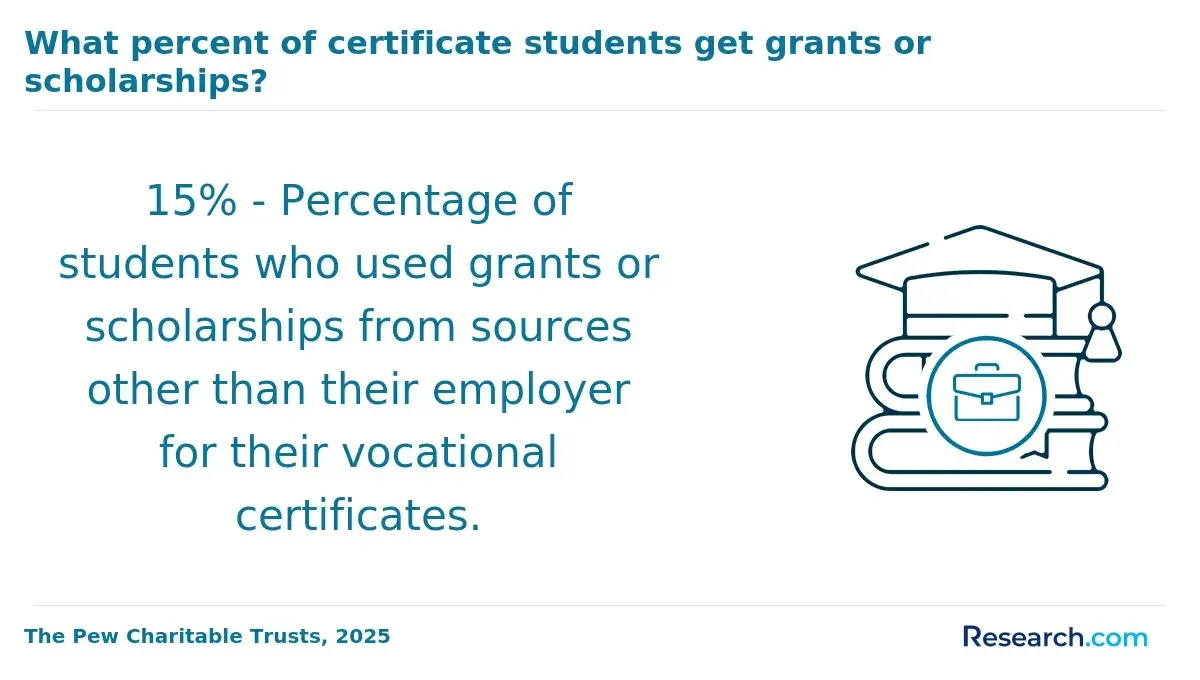
Online photography students may qualify for the same broad aid categories as other eligible college students, including federal grants, loans, institutional scholarships, state aid, employer assistance, and private creative scholarships. The key is confirming that the program, school, enrollment level, and student status meet each aid provider's rules.
Federal aid can be especially important for affordability. For the 2024-25 award year, the maximum Federal Pell Grant is $7,395, but the actual amount depends on eligibility, enrollment intensity, cost of attendance, and federal methodology. Students should treat Pell as a possible aid source, not a guaranteed discount.
Use the following aid categories to build a funding plan before committing to a program:
- Federal grants: Need-based aid such as Pell Grants may be available to eligible undergraduate students at participating institutions.
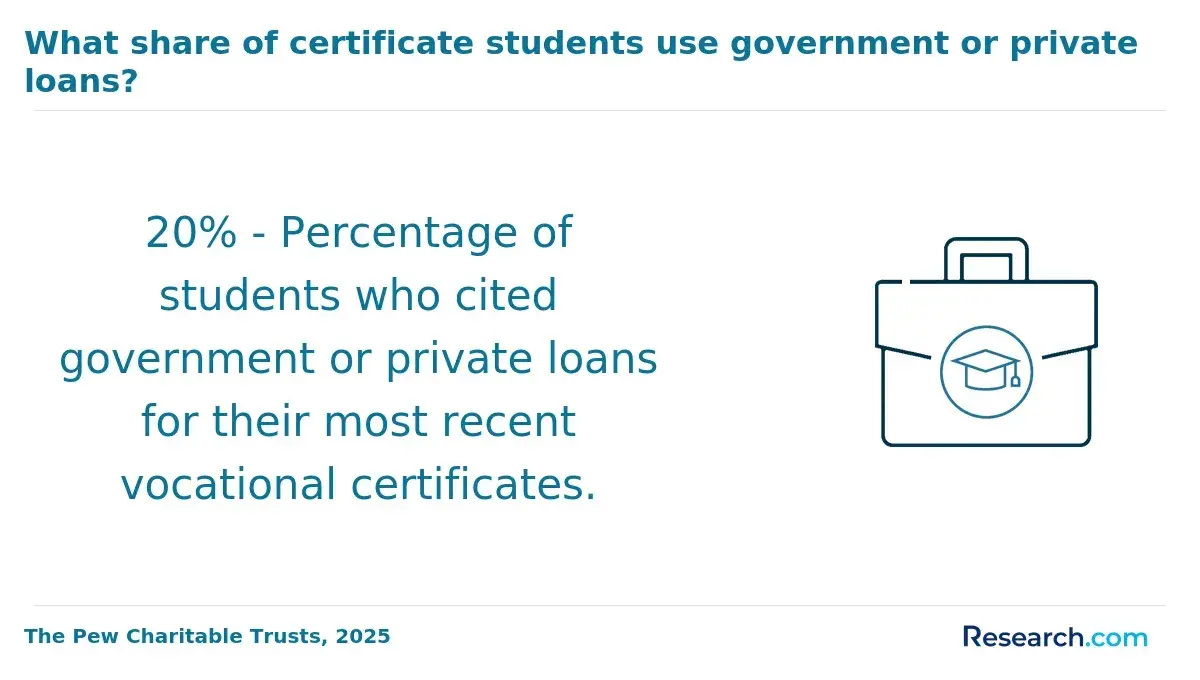
- Federal student loans: Loans can fill gaps, but they must be repaid, so borrowing should be tied to a realistic career and repayment plan.
- Institutional scholarships: Schools may offer merit, need-based, transfer, adult learner, military, or creative achievement scholarships.
- Portfolio scholarships: Some art and design schools award funds based on image quality, originality, and creative promise.
- State grants: Some states support residents attending eligible in-state or approved online institutions.
- Employer tuition assistance: Working photographers, marketing staff, media assistants, and nonprofit employees may receive education benefits.
- Private scholarships: Photography associations, community foundations, media organizations, and arts nonprofits may fund students with strong creative goals.
To reduce debt, apply early and stack aid sources carefully. Ask each school whether scholarships are renewable, whether online students are eligible, whether portfolio awards require full-time enrollment, and whether aid changes if you transfer credits or take a lighter course load.
A major red flag is a school that discusses loans before discussing grants, scholarships, transfer credit, and total cost. Reputable financial aid offices should be able to explain net price, borrowing limits, satisfactory academic progress, and refund policies in plain language.
What careers can you pursue with an online digital photography degree?
An online digital photography degree can support creative, commercial, media, and communications roles, but photography careers are rarely degree-only pathways. Employers and clients usually evaluate portfolio quality, reliability, editing skill, business communication, and niche experience alongside education.
Photography graduates often work in blended roles where images, branding, social platforms, and marketing overlap. Students who want to move toward campaign strategy, analytics, or brand management may find that an online marketing degree is a better long-term fit than a photography-only credential.
The table below outlines common paths and the type of work each path usually involves:
| Career path | Typical responsibilities | Useful degree preparation | Portfolio priority |
| Commercial photographer | Photographs products, services, interiors, food, or branded campaigns | Lighting, retouching, client briefs, and business courses | Clean, polished images tied to marketable client needs |
| Portrait or wedding photographer | Works with individuals, families, couples, events, and small businesses | People skills, lighting, posing, workflow, and contracts | Consistent style, emotional storytelling, and reliable delivery |
| Editorial or documentary photographer | Covers news, culture, communities, events, or long-form visual stories | Ethics, storytelling, captioning, sequencing, and visual research | Strong narratives and responsible representation of subjects |
| Photo editor or digital imaging specialist | Selects, edits, retouches, organizes, and prepares images for publication | Editing software, color management, metadata, and production workflow | Before-and-after work, sequencing, and technical consistency |
| Social media or content creator | Creates images and short-form assets for brands, creators, or organizations | Photography, video basics, branding, platform strategy, and analytics awareness | Audience-aware visual campaigns and consistent brand style |
| Fine-art photographer | Creates exhibition, gallery, grant, residency, or publication-based work | Art history, critique, concept development, and exhibition practice | Coherent body of work with a clear artistic statement |
This degree is strongest for students who want structured critique and a portfolio-building environment. It is weaker for students who expect a credential alone to produce clients. Freelance photographers also need pricing, contracts, taxes, networking, insurance, backup workflows, and customer service skills.
What salary ranges and job outlook can digital photography graduates expect?
Salary outcomes vary widely because photography includes freelancers, salaried media workers, studio employees, creative agency staff, and self-employed business owners. Location, niche, portfolio quality, sales ability, equipment investment, and client base can matter as much as the degree itself.
BLS data published in the 2024 Occupational Outlook Handbook reports a median annual wage of $42,520 for photographers and projected employment growth of 4% for photographers from 2022 to 2032. That outlook suggests some continuing demand, but not a high-growth market where education alone creates easy entry.
The table below compares photography-adjacent roles using BLS wage categories where available. Use these figures as labor-market reference points, not promises of individual earnings:
| Role category | Relevant BLS occupation | Median annual wage reported in 2024 OOH | How to interpret the figure |
| Photographer | Photographers | $42,520 | Represents a broad mix of industries and employment types, not just degree holders |
| Video and multimedia creator | Film and video editors and camera operators | $65,070 | May be relevant for students who add video, editing, and production skills |
| Creative lead | Art directors | $106,500 | Usually requires significant experience and leadership responsibility, not just entry-level photography training |
| Visual design-adjacent role | Graphic designers | $58,910 | May apply to students who combine photography with layout, branding, and design software |
AI is changing the creative labor market by speeding up editing, tagging, restoration, background generation, and concept exploration. Students comparing creative technology careers may also want to review artificial intelligence degree salary information to understand how technical specialization can affect career options.
The practical takeaway is that photography students should build income flexibility. Adding video, retouching, e-commerce imaging, marketing content, drone work where legally permitted, or digital asset management can make a graduate more competitive than relying on still photography alone.
How can you evaluate and choose a reputable online digital photography program?
A reputable online digital photography program should be accredited, transparent about costs, realistic about outcomes, and strong enough to help you produce a portfolio that matches your career goal. The best choice is not always the cheapest, fastest, or most famous school.
Start with accreditation and financial transparency, then evaluate curriculum fit. Students drawn to sports media should also compare creative roles with adjacent data-focused careers; reviewing sports data analyst salary information can help clarify whether they prefer image-making, analytics, or a hybrid sports content path.
Use this step-by-step process before applying or signing an enrollment agreement:
- Verify institutional accreditation through the school's accreditor and federal school listings.
- Confirm that the specific photography degree is active, online, and available in your state.
- Request a total cost estimate that includes tuition, fees, equipment, software, and expected time to completion.
- Ask how many transfer credits will apply before you enroll, not after classes begin.
- Review student portfolios, capstone examples, faculty work, and critique methods.
- Compare the curriculum with your intended niche, such as commercial, portrait, editorial, fine art, or content production.
- Ask whether scholarships apply to online students and whether they renew automatically.
- Check career services, alumni support, internship options, exhibition opportunities, and portfolio review access.
- Read withdrawal, refund, academic progress, and loan policies carefully.
Watch for red flags that can signal poor value or unnecessary risk. These issues do not always mean a school is bad, but they should trigger more questions:
- The school will not clearly identify its accreditor or accreditation status.
- Admissions pressure is high, but portfolio expectations, course requirements, and costs are vague.
- The program promises specific jobs, income levels, or guaranteed freelance success.
- Equipment requirements are unclear until after enrollment.
- Transfer-credit policies are difficult to get in writing.
- Online students appear to have limited access to faculty critique, career support, or scholarships.
A strong program should help you answer three questions: What portfolio will I graduate with, what will I pay after aid and transfer credits, and what career path will this curriculum realistically support? If a school cannot answer those questions clearly, keep comparing options.
Other Things You Should Know About Digital Photography
No, you don't need an expensive camera to start an online photography program in 2027. Most programs encourage using whatever equipment you currently have. As your skills develop, you can assess what specific camera features you'll need based on your area of interest.
It is very important. Photographers need to understand image ownership, licensing, model releases, usage rights, and client contracts. Even a strong image can create business or legal problems if rights are unclear.
Scholarship committees usually require 10 to 20 original images, a short artist statement, and proof of enrollment or admission to an accredited online degree. Some also ask for a résumé, transcript, and file formats under 10 MB each, submitted through the school or scholarship portal.
References
- What's the Outlook for Photographer Jobs? | All Art Schools https://www.allartschools.com/photography/outlook-photography-jobs/
- Top 20 Photography Scholarships ($45M Awarded) https://bold.org/scholarships/by-major/photography-scholarships/
- Current Issue https://www.thehighereducationreview.com/jobs-and-careers/news/best-online-photography-schools-nid-1203.html
- The Photography Institute https://www.thephotographyinstitute.com/ca/en/blog-salary
- Which fields can I work in post pursuing an online photography course? https://www.careers360.com/question-can-you-name-some-popular-digital-photography-experts-across-the-globe
- How to Choose the Right Photography Program https://nossi.edu/how-to-choose-the-right-photography-program/
- Digital Photography Program https://coned.georgebrown.ca/courses-and-programs/digital-photography-program
- How To Get Student Loans and Financial Aid for Photography ... https://www.credible.com/student-loans/student-loans-for-photography-school
- Online Photography Degrees | Photography Programs & Courses https://www.onlinecolleges.net/degrees/photography/
- Photography Course Toronto: Online Training vs In-Person School Comparison https://www.canadianphotographyschool.ca/blog/photography-course-toronto-online-vs-inperson-comparison/