2027 Online Digital Photography Degrees With Practice-Ready Creative Curricula

Co-Founder and Chief Data Scientist
Choosing an online digital photography degree is really a decision about time, cost, portfolio quality, and career readiness. The U. S. Bureau of Labor Statistics reported a 2024 median pay of $42,520 for photographers, which means students need more than technical camera skills to compete. This guide is for aspiring photographers, working creatives, career changers, and students comparing online and campus options. You will learn how degrees differ, what practice-ready curricula include, how to verify accreditation, what programs cost, and how to judge whether a degree supports your creative and financial goals.
Key Things You Should Know
- Online digital photography degrees are strongest when they combine image-making, lighting, editing, visual storytelling, business practices, portfolio development, and instructor critique rather than offering software lessons alone.
- According to BLS 2024 wage data, photographers had a median annual pay of $42,520, so students should evaluate programs by portfolio outcomes, freelance preparation, internships, and marketable skills instead of assuming the degree itself determines earnings.
- Accreditation matters for federal financial aid, transfer credit, and graduate study; students should verify institutional accreditation through official federal or accreditor databases before enrolling.
What is an online digital photography degree and how does it compare to campus programs?
An online digital photography degree is a college credential that teaches students how to create, edit, critique, publish, and monetize photographic work through a distance-learning format. Programs may focus on commercial photography, portraiture, documentary work, digital imaging, fine art, visual communication, or multimedia production.
The main difference between online and campus programs is not the artistic standard; it is how feedback, equipment access, collaboration, and studio practice are delivered. A strong online program uses project-based assignments, remote critiques, digital portfolio reviews, learning management systems, and sometimes short residencies or local fieldwork to replace the campus studio experience.
The table below compares the practical differences that matter most when deciding whether online study fits your learning style and career goal.
| Factor | Online digital photography degree | Campus digital photography degree | Best fit |
| Schedule | Often asynchronous or hybrid, with deadlines for critiques and projects | Usually fixed class, lab, and studio times | Online fits working adults, parents, military learners, and students outside major art-school markets |
| Studio access | Students may use home setups, rented studios, local labs, or mailed equipment kits | Students often access campus lighting studios, darkrooms, printers, and equipment cages | Campus can be better for students who need structured access to specialized gear |
| Feedback | Delivered through recorded critiques, discussion boards, live video reviews, and annotated images | Delivered in studio critiques, workshops, and in-person peer review | Either can work if critique is frequent, specific, and portfolio-centered |
| Networking | Depends on virtual events, online communities, internships, and local industry outreach | Often easier through campus exhibitions, visiting artists, and regional employer ties | Campus may help students who want a local creative network; online works for self-directed networkers |
| Cost control | May reduce relocation and commuting costs, though equipment costs still matter | May include higher living, transportation, and campus-fee costs | Online can be more flexible, but total program cost should be compared line by line |
Online study is a good fit if you can work independently, meet critique deadlines, build a shooting routine, and secure the equipment needed for assignments. Campus study may be better if you need daily access to studios, darkrooms, large-format printers, or hands-on support in a highly structured environment.
Are online digital photography degrees accredited and how can students verify accreditation?
Yes, online digital photography degrees can be accredited, but accreditation belongs primarily to the institution and, in some cases, to specialized art or design programs. Institutional accreditation is the baseline students should confirm because it affects eligibility for federal student aid, credit transfer, employer recognition, and admission to future degree programs.
Students should distinguish between several quality signals. Institutional accreditation confirms that the college meets broad academic and administrative standards. Specialized accreditation or discipline-specific recognition may add value for art and design programs, but it does not replace institutional accreditation. Portfolio strength, faculty experience, student work, and career support are separate indicators of program quality.
Use the following steps before applying, especially if a school advertises an unusually fast or low-cost photography degree.
- Search the college name in the U.S. Department of Education's official accreditation database and confirm the institution is currently accredited.
- Check that the accreditor listed by the school matches the accreditor shown in the official database.
- Ask whether the online photography degree is included under the institution's accredited offerings and whether any program-specific approvals apply.
- Confirm whether credits are transcripted by the accredited institution, especially if courses are delivered through a partner platform.
- Request written answers about transfer credit, federal aid eligibility, graduation requirements, and portfolio review expectations.
Red flags include vague accreditation language, pressure to enroll immediately, unclear tuition policies, no public faculty information, or claims that graduation will automatically lead to a specific income. Accreditation does not guarantee a job, but lack of accreditation can create serious problems if you later need financial aid, transfer credits, or graduate-school eligibility.
What types of online digital photography degrees are available and which level fits my goals?
Online digital photography programs are available at several academic levels. The right choice depends on whether you need an entry credential, a full undergraduate degree, a career-change pathway, or advanced creative development.
The comparison below summarizes common credential levels and the goals they usually support. Use it to avoid overpaying for a credential that does not match the work you want to do.
| Credential level | Typical focus | Common length | Best for | When to consider another option |
| Certificate | Camera fundamentals, editing workflow, lighting basics, or niche skills | Several months to one year | Beginners, hobbyists, working creatives adding photography skills, or students testing the field | If you need federal aid eligibility, a full liberal arts foundation, or a bachelor's credential |
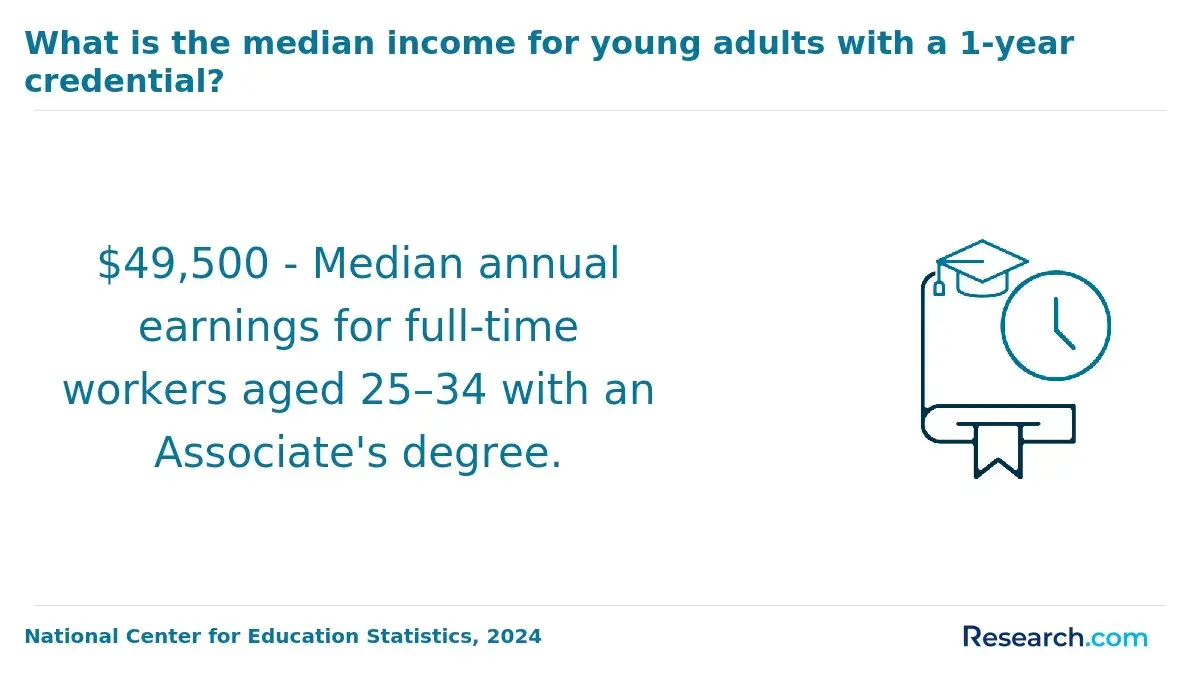
| Associate degree | Foundational photography, digital imaging, general education, and introductory portfolio work | About two years full time | Students seeking an affordable starting point or transfer pathway | If your target employers prefer bachelor's-level training or advanced production experience |
| Bachelor's degree | Advanced image-making, visual storytelling, business practice, creative research, portfolio development, and electives | About four years full time, often less with transfer credit | Students pursuing commercial, editorial, fine art, studio, or multimedia roles | If you already have a strong portfolio and only need short-term technical upskilling |
| Master's degree or MFA pathway | Advanced artistic practice, critique, research, teaching preparation, and professional body of work | One to three years depending on format | Artists, educators, curators, and professionals seeking advanced critique and exhibition preparation | If your immediate goal is entry-level freelance work and you do not need graduate credentials |
Photography also overlaps with game art, visual effects, product imaging, AI-enhanced media, and interactive design. Students drawn to real-time environments or concept-heavy visual production may also compare an online game development degree before committing to a photography-specific path.
A bachelor's degree usually offers the broadest career flexibility because it combines creative practice with communication, history, business, and electives. A certificate can still make sense if you already have a degree, need a faster portfolio refresh, or want to learn a specific tool such as Lightroom, Capture One, Photoshop, or studio lighting.
What do practice-ready creative curricula in online digital photography programs typically include?
A practice-ready curriculum is designed around the work graduates are expected to produce, not just the concepts they should understand. In digital photography, this means students repeatedly shoot, edit, receive critique, revise, sequence images, write about their work, and prepare a professional portfolio.
Good online programs usually combine technical, creative, and business learning. The most useful curricula include the following components because they connect classroom projects to real client, gallery, editorial, or freelance expectations.
- Camera operation, exposure control, lens selection, file formats, color management, and digital asset organization
- Natural-light, studio-lighting, portrait, product, event, documentary, and location-based shooting assignments
- Post-production workflows using industry-standard editing, retouching, cataloging, and output tools
- Visual storytelling, sequencing, composition, art history, contemporary photography, and ethical image-making
- Critique-based courses where students revise work after instructor and peer feedback
- Portfolio, capstone, or thesis projects that require a coherent body of finished work
- Business courses covering pricing, contracts, licensing, client communication, marketing, taxes, and copyright basics
- Professional practice activities such as artist statements, mock client briefs, exhibition planning, online portfolio design, and career documents
Artificial intelligence is now part of the creative workflow conversation, especially for image editing, metadata, search, generative concepting, and content authenticity. Photography students do not necessarily need to become AI engineers, but they should understand disclosure, copyright risk, client expectations, and where AI tools help or weaken original authorship. Students who want a deeper technical pathway can compare photography with programs such as the best online master's in artificial intelligence.
The strongest programs require students to produce a portfolio that looks like the work they want to be hired for. For example, a student interested in product photography should graduate with polished product images, lighting diagrams, retouching samples, and client-style project documentation rather than only landscape or personal work.
What are the usual admissions requirements for online digital photography degree programs?
Admissions requirements vary by school and degree level, but online digital photography programs usually evaluate academic readiness, creative interest, and the student's ability to complete remote coursework. More selective art-focused programs may require a portfolio, while broader online programs may admit students based mainly on transcripts.
Applicants should prepare the materials below early because missing portfolio or transcript requirements can delay admission or scholarship review.
- High school diploma, GED, or prior college transcripts for undergraduate admission
- Completed application form and application fee, if required
- Portfolio of images for programs that use creative review, often with 10 to 20 samples
- Personal statement explaining creative goals, relevant experience, and reasons for choosing the program
- Resume or creative experience summary, especially for transfer, adult, or graduate applicants
- Letters of recommendation for some bachelor's, transfer, or graduate programs
- Minimum technology requirements, including reliable internet access, an appropriate camera, editing-capable computer, and required software
Students without a polished portfolio should not assume they are automatically disqualified. Many programs accept beginners, especially at the certificate, associate, or first-year bachelor's level. In that case, the portfolio may be used to place students appropriately or assess creative potential rather than to screen out all inexperienced applicants.
A common mistake is applying before checking equipment requirements. Some programs expect students to own or quickly access a DSLR or mirrorless camera, external storage, Adobe Creative Cloud or equivalent software, a calibrated monitor, and lighting equipment for certain courses. Ask whether the school provides discounts, loaner equipment, or phased equipment lists so you do not face surprise expenses after enrollment.
How long do online digital photography degrees take and what schedules do they offer?
Program length depends on credential level, transfer credits, course load, and whether the school uses semester, quarter, or accelerated terms. Online formats are often more flexible than campus schedules, but flexibility does not mean less work; photography courses require shooting time, editing time, critique participation, and revisions.
The table below shows realistic timeline ranges for common online photography credentials. These ranges help you compare speed against workload and portfolio quality.
| Program type | Typical full-time timeline | Part-time or flexible timeline | Schedule notes |
| Certificate | Several months to one year | One year or longer | Best for targeted upskilling or testing the field before a degree |
| Associate degree | About two years | Three or more years | Often useful for transfer, especially when general education credits apply |
| Bachelor's degree | About four years | Four to six years or more | Transfer students may finish faster if credits are accepted |
| Master's or MFA-style program | One to three years | Two to four years | Often includes advanced critique, research, and a final body of work |
Accelerated schedules can help motivated students finish sooner, but they may compress creative development. A five- or eight-week course can work well for technical topics, but major portfolio projects often benefit from time to reshoot, revise, and receive critique.
Students who need quick enrollment should still compare academic calendars carefully. Some institutions offer frequent start dates, and resources on online colleges starting soon can help learners understand how rolling or weekly starts differ from traditional semesters.
Before choosing the fastest option, ask whether the schedule leaves enough time for shooting in varied lighting conditions, coordinating models or locations, revising images after critique, and building a portfolio that reflects your intended niche. A shorter timeline is only valuable if it does not weaken the final body of work you need to show clients or employers.
What does it cost to earn an online digital photography degree and what financial aid exists?
The cost of an online digital photography degree includes more than tuition. Students should budget for fees, software subscriptions, camera equipment, lenses, storage, printing, portfolio hosting, lighting kits, transportation for shoots, and possible travel for residencies or exhibitions.
College Board's 2024 Trends in College Pricing reported that published tuition and fees for four-year public in-state students averaged $11,610 for the academic year, while private nonprofit four-year institutions averaged $43,350. These figures are not photography-specific, but they show why students should compare public, private nonprofit, and private for-profit options by net price rather than sticker price alone.
The list below summarizes common cost categories to request from each school before you enroll.
- Tuition per credit or per term, including whether online students pay different rates
- Mandatory online, technology, graduation, portfolio, lab, or student service fees
- Camera body, lenses, tripod, lighting, memory cards, external drives, and color-management tools
- Software subscriptions or required editing platforms
- Printing, mounting, exhibition, portfolio website, and image-hosting costs
- Travel costs for local shoots, internships, optional residencies, or required campus intensives
- Books, general education materials, and replacement equipment
Financial aid may include federal grants, federal student loans, state aid, institutional scholarships, military education benefits, employer tuition assistance, and private scholarships. Eligibility depends on the school, enrollment intensity, accreditation status, dependency status, and the student's FAFSA results.
Military-connected students should pay close attention to benefit certification, transfer credit for service, and veteran support services. Although it is in a different field, guidance on an online electrical engineering bachelor degree for veterans can help military learners identify questions that also apply when comparing online photography programs.
To reduce cost, prioritize accredited schools with transparent net-price calculators, generous transfer-credit policies, portfolio scholarships, used or phased equipment options, and clear course sequencing. Avoid judging value by tuition alone; a low-cost program with weak critique, limited portfolio support, or poor career guidance may be more expensive in the long run if it fails to help you produce marketable work.
What careers can graduates pursue with an online digital photography degree?
Graduates of online digital photography programs can pursue employment, freelance, contract, or entrepreneurial paths. Photography is a portfolio-driven field, so the degree supports career entry best when paired with strong samples, client experience, editing skill, and a clear niche.
The table below outlines common career directions and the kind of work students should be prepared to show before applying or pitching clients.
| Career path | Typical responsibilities | Portfolio evidence that helps |
| Portrait photographer | Photograph individuals, families, graduates, professionals, or performers; manage sessions and deliver edited galleries | Consistent lighting, flattering posing, retouching, client-style galleries, and pricing samples |
| Commercial or product photographer | Create images for brands, catalogs, ecommerce, advertising, or packaging | Clean product lighting, color accuracy, styling, retouching, and before-and-after edits |
| Event photographer | Cover weddings, conferences, performances, sports, or community events under time pressure | Low-light work, candid storytelling, fast turnaround, and complete event galleries |
| Photo editor or digital imaging technician | Select, organize, retouch, color-correct, and prepare images for publication or client delivery | Editing workflow, metadata organization, retouching samples, and consistency across image sets |
| Editorial or documentary photographer | Produce visual stories for publications, nonprofits, institutions, or independent projects | Sequenced stories, captions, ethical documentation, and narrative coherence |
| Fine art photographer | Create bodies of work for exhibitions, grants, residencies, publications, or sales | Artist statement, cohesive series, exhibition-ready images, and critical writing |
| Content creator or multimedia producer | Combine photography with video, social platforms, branding, and campaign content | Cross-platform visual campaigns, short-form video, brand consistency, and analytics awareness |
Employers and clients often care less about the degree title and more about whether you can solve visual problems reliably. That includes meeting deadlines, communicating clearly, handling usage rights, backing up files, editing consistently, and producing images that fit a brief.
Students who want a stable paycheck may look for in-house roles at universities, hospitals, retailers, media companies, marketing departments, museums, real estate firms, or government agencies. Students who prefer creative independence may build a freelance business, but they should be prepared for marketing, bookkeeping, client acquisition, contracts, and uneven income.
What salary ranges and job outlook can digital photography graduates expect?
Salary and job outlook in photography vary widely by location, niche, employer type, business skill, and portfolio strength. Students should use labor-market data as a planning tool, not as a promise of personal earnings.
The BLS reported a 2024 median annual wage of $42,520 for photographers. That median includes many types of photographers and work arrangements, so it is most useful as a baseline for understanding that photography can be financially viable but often requires specialization, business discipline, and multiple income channels.
The table below summarizes salary context by role direction without implying guaranteed outcomes. Actual pay can differ significantly based on market, client base, experience, and whether the work is full-time employment or freelance contract work.
| Role direction | Typical pay factors | Outlook considerations |
| Freelance photographer | Pricing, niche demand, local market, referrals, repeat clients, licensing, and business expenses | Can grow with strong branding and client retention, but income may fluctuate |
| In-house photographer | Employer size, industry, benefits, location, production volume, and editing responsibilities | May offer more stable hours and benefits than freelance work, though openings can be competitive |
| Commercial or ecommerce photographer | Product volume, technical lighting ability, retouching skill, and brand expectations | Demand is influenced by retail, advertising, social commerce, and content production needs |
| Photo editor or imaging specialist | Software skill, color accuracy, workflow management, speed, and publication or brand standards | Can be attractive for students who enjoy editing as much as shooting |
| Fine art or documentary photographer | Grants, exhibitions, publications, teaching, commissions, and institutional support | Often requires multiple revenue streams and long-term reputation building |
Technology is reshaping the field. Better phone cameras, AI-assisted editing, automated background removal, and generative tools have lowered barriers for basic image creation. At the same time, clients still need photographers who can direct people, control light, document real events, manage complex shoots, and create original visual narratives. The practical takeaway is to build skills that are hard to automate: taste, lighting judgment, storytelling, client direction, ethics, and dependable production workflow.
For ROI, compare program cost with your intended income model. A student pursuing a side business may need a lower-cost certificate and mentorship, while a student seeking advanced commercial or academic work may benefit from a broader bachelor's or graduate pathway. The best return usually comes from aligning credential level, portfolio niche, and business preparation before enrollment.
How can students choose a reputable online digital photography program aligned with industry needs?
Choosing a reputable online digital photography program means looking beyond attractive sample images and admissions messaging. The best program for you should be accredited, affordable for your situation, technically current, critique-rich, and aligned with the type of work you want to produce.
Use this decision process to compare programs in a practical, evidence-based way.
- Define your target outcome first, such as portrait business, commercial photography, editorial work, photo editing, fine art, or content production.
- Verify institutional accreditation and confirm that the specific online program is an approved offering of the institution.
- Review student portfolios, capstone projects, exhibitions, and alumni work to see whether graduates produce the quality and style you want to develop.
- Compare curriculum depth in lighting, editing, critique, business practice, copyright, portfolio development, and professional communication.
- Ask how online critique works, how often students receive individualized feedback, and whether critiques include revisions or only grades.
- Request a complete cost estimate that includes tuition, fees, software, equipment, printing, and any residency or travel requirements.
- Check transfer-credit policies, prior learning options, military credit policies, and whether credits can apply to a future degree.
- Evaluate faculty experience by reviewing their professional work, exhibitions, client history, publications, or industry involvement.
- Ask about internships, career coaching, portfolio reviews, employer relationships, freelance preparation, and alumni networking.
- Test whether the program's technology requirements fit your budget and whether you can complete assignments in your local environment.
Common mistakes include choosing a school based only on tuition, assuming every online program provides equipment access, ignoring transfer policies, overlooking business coursework, and enrolling without reviewing student work. A reputable program should be transparent about outcomes, costs, faculty, accreditation, course expectations, and portfolio standards.
A good final test is simple: can you clearly explain what portfolio you will graduate with, who will critique it, how much the full degree will cost, and what career path it supports? If the answer is unclear after speaking with admissions and faculty, keep comparing options.
Other Things You Should Know About Digital Photography
Many assignments can be completed at home or in your local area, especially portrait, product, documentary, and lighting exercises. Some projects may require access to specific locations, subjects, printers, studios, or community settings.
Yes. Most accredited online digital photography degrees end with a capstone portfolio or thesis exhibition, usually completed in the final 3 to 6 credits. Students submit a curated body of work, artist statement, and technical documentation for faculty review.
An expensive camera is not necessary before starting an online digital photography program in 2027. Many programs offer courses that cater to various skill levels and equipment capabilities. Basic digital cameras or even smartphones with good cameras can suffice for initial coursework, allowing you to advance your skills gradually.
References
- Top 5 reasons to study a photography degree online https://www.falmouth.ac.uk/news/top-5-reasons-study-photography-degree-online
- Online Photography Classes, Photography Courses https://www.sessions.edu/online-classes/photography-courses/
- How Long Does it Take to Learn Photography? https://coursehorse.com/blog/learn/photography/how-long-does-it-take-to-learn-photography
- Digital Photography https://pcad.edu/certificate_programs/digital-photography/
- How To Get Student Loans and Financial Aid for Photography ... https://www.credible.com/student-loans/student-loans-for-photography-school
- What Can You Do With a Photography Degree? https://pnca.willamette.edu/academics/bfa/photography/career-options
- Which fields can I work in post pursuing an online photography course? https://www.careers360.com/question-can-you-name-some-popular-digital-photography-experts-across-the-globe
- Accredited Online Photography Degree Programs https://www.accreditedonlinecolleges.org/photography/
- Computer graphic arts - digital photography https://www.starkstate.edu/academics/explore-all-programs/digital-photography-major/
- Should you Study Photography at College or are There Better Options Now? https://digital-photography-school.com/should-you-study-photography-at-college-or-are-there-better-options-now/