2027 Online Digital Photography Degrees for Students Who Want Event Photography Careers

Co-Founder and Chief Data Scientist
Choosing an online digital photography degree is really a career investment question: will the program help you build a professional event photography portfolio, business skills, and client-ready workflow? The U. S. Bureau of Labor Statistics reported a May 2024 median annual wage of $42,520 for photographers, but event work often depends on specialization, location, marketing, and repeat clients. This guide is for students considering weddings, conferences, sports, concerts, school events, or corporate photography. You will learn how online programs work, what to compare, what they cost, and how to choose a degree that supports a realistic career plan.
Key Things You Should Know
- Online digital photography degrees can work well for event photography if they include portfolio reviews, lighting practice, editing workflows, business courses, and opportunities to photograph real events locally.
- Cost varies widely: College Board's 2024 pricing data lists average published tuition and fees at $11,610 for in-state public four-year students and $43,350 for private nonprofit four-year students, before aid and living costs.
- The U.S. Bureau of Labor Statistics reported a $42,520 May 2024 median annual wage for photographers, so students should evaluate programs by portfolio outcomes, debt level, market access, and business training rather than degree title alone.
What is an online digital photography degree and how does it prepare event photographers?
An online digital photography degree is a college program that teaches image-making, digital editing, visual storytelling, lighting, color management, critique, and professional practice through a mostly online format. For event photography, the most useful programs go beyond camera operation and train students to handle fast-moving, client-driven situations where missed moments cannot be recreated.
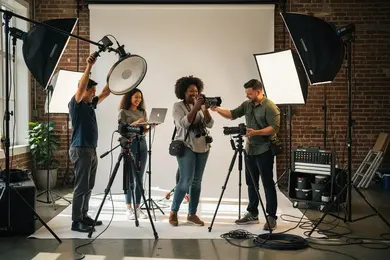
Event photographers document occasions such as weddings, corporate meetings, concerts, fundraisers, school ceremonies, athletic competitions, conventions, and private celebrations. Their work combines technical control with anticipation, people skills, logistics, and post-production speed. A degree can help by creating a structured path for learning, feedback, portfolio development, and business planning.
Online digital photography programs may be offered as associate degrees, bachelor's degrees, or degree concentrations within visual arts, digital media, fine arts, or communication programs. Bachelor's programs are typically broader and may include general education, art history, digital imaging, studio courses, and professional portfolio courses. Associate programs are shorter and may be more skills-focused.
The table below summarizes common online photography degree options and how each fits an event photography goal. Use it to match the credential level to your current experience, budget, and career timeline.
| Program type | Typical focus | Best fit for event photography students | Important limitation |
| Certificate or nondegree coursework | Camera skills, editing, lighting, or a specific software workflow | Beginners testing the field or working photographers filling a skills gap | May not provide financial aid eligibility, broad critique, or a full degree credential |
| Associate degree | Foundational photography, digital imaging, composition, and basic business skills | Students seeking a lower-cost path into assistant roles, freelance work, or transfer | May have fewer advanced portfolio and entrepreneurship courses than a bachelor's program |
| Bachelor's degree | Advanced visual practice, professional portfolio, business, art history, media ethics, and electives | Students who want a deeper creative foundation, broader career flexibility, or future graduate study | Usually requires more time and total tuition than shorter credentials |
| BFA or BA with photography concentration | Fine art, commercial image-making, critique, research, and professional presentation | Students who want event work plus editorial, portrait, brand, or studio opportunities | Program emphasis may lean artistic rather than small-business or event operations |
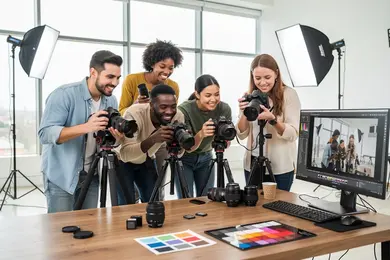
An online format does not mean photography happens only on a screen. Strong programs assign local shooting projects, require students to submit contact sheets and edited sets, and use video critiques to evaluate lighting, timing, composition, and narrative. For event-focused students, the most valuable assignments simulate real client work: limited time, changing light, unpredictable subjects, and deliverables with deadlines.
Are online digital photography programs effective for launching an event photography career?
Online digital photography programs can be effective, but only when students treat them as portfolio-building and business-building environments rather than passive lecture courses. Event photography is performance-based: clients hire what they can see, trust, and verify. A degree can support that process by giving you repeated assignments, critique, technical vocabulary, and a path to a polished body of work.
The strongest online programs help students produce evidence of readiness. Before enrolling, look for signs that the curriculum requires professional-grade work rather than only quizzes or discussion posts.
- Portfolio milestones that require complete event-style galleries, not only single-image submissions
- Instructor critique on lighting, color consistency, culling, composition, and storytelling
- Assignments that require photographing people, movement, low-light settings, and real-world locations
- Business training in contracts, client communication, pricing, insurance, copyright, and image delivery
- Access to faculty or mentors with current commercial, editorial, wedding, sports, or event photography experience
A degree is not the only possible route. Some event photographers build careers through apprenticeships, second-shooting, community college courses, certificates, or self-directed portfolio work. The degree path makes the most sense if you want structure, feedback, a recognized credential, access to student resources, and broader creative development. It may be less efficient if you already have paying clients, a strong portfolio, and only need targeted training in lighting or editing.
Students should also understand the changing technology environment. AI-assisted culling, noise reduction, background cleanup, retouching, and gallery tools are becoming part of professional workflows. These tools can save time, but they do not replace judgment at the event: positioning, timing, flash control, backup planning, and client management still separate reliable professionals from casual shooters.
A practical test is simple: by graduation, you should be able to show complete event stories, not just isolated favorites. For example, a wedding portfolio should include preparation, ceremony, portraits, reception details, candid moments, low-light reception coverage, and a consistent edit. A conference portfolio should show speakers, audience reactions, sponsor displays, networking, venue atmosphere, and fast delivery readiness.
How do online digital photography degrees compare to campus programs for photography students?
Online and campus programs can both prepare photography students, but they create different learning conditions. The better choice depends on your schedule, access to local events, need for studio equipment, preferred feedback style, and budget. Online programs often suit students who need flexibility or already have access to events in their community. Campus programs may better serve students who want in-person studio access, peer networks, darkrooms, lighting labs, and gallery culture.
The comparison below highlights the practical differences that matter most for students aiming at event photography rather than purely fine-art or studio careers.
| Factor | Online digital photography degree | Campus photography program | Event photography decision point |
| Schedule | Often asynchronous or low-residency, with local shooting assignments | Set class times, studio sessions, and on-campus critiques | Online is useful if you need to shoot events on weekends or work while enrolled |
| Equipment access | Students may need to own or rent cameras, lenses, flash, and editing hardware | May provide studio lighting, labs, printers, rental equipment, and production spaces | Campus can reduce gear barriers, but online students should budget carefully |
| Feedback | Digital uploads, video critiques, discussion boards, and remote reviews | Live critiques, demonstrations, and peer interaction | Either can work if critique is frequent, specific, and portfolio-focused |
| Networking | Depends on local initiative, virtual communities, internships, and faculty connections | Built-in peer network, campus events, visiting artists, and local exhibitions | Online students must be more intentional about local assisting and referrals |
| Event access | Students can photograph local weddings, sports, nonprofits, school events, and community gatherings | Students may access campus events, student media, athletics, and local arts venues | The best format is the one that gives you repeated real-event practice |
Online study is often strongest for self-directed students who can create shooting opportunities. If you wait for assignments to come to you, you may graduate with too few event examples. Campus study is often strongest for students who learn best through demonstration and in-person community, though commuting and fixed schedules can make it harder to take weekend photography work.
Students considering broader creative graduate pathways may also compare photography training with MFA online programs, especially if they later want to teach, exhibit, or develop a more conceptual art practice. For event photography specifically, however, a graduate degree is usually less important than portfolio quality, business systems, and client referrals.
What accreditation should online digital photography programs have in the United States?
In the United States, the first accreditation checkpoint is institutional accreditation from an agency recognized by the U.S. Department of Education or the Council for Higher Education Accreditation. This matters because accreditation can affect federal financial aid eligibility, transfer credit, employer recognition, and graduate school options. Programmatic accreditation is less common in photography than in fields such as nursing or engineering, so institutional accreditation is usually the essential baseline.
Students should verify accreditation directly rather than relying only on marketing language. "Accredited" can be used loosely, and some schools promote memberships, approvals, or endorsements that are not the same as recognized institutional accreditation.
Use the following steps before applying or paying a deposit. These checks help prevent one of the most expensive mistakes in online education: enrolling in a program whose credits, aid eligibility, or credential value do not match your goals.
- Search the school in the U.S. Department of Education's Database of Accredited Postsecondary Institutions and Programs or the accreditor's own directory.
- Confirm that the institution name, campus, and online division match the school you are considering.
- Ask admissions whether online photography students are eligible for the same federal aid, transfer policies, and student services as other degree students.
- Review transfer-credit policies if you may later move from an associate program to a bachelor's program.
- Ask whether the program has external portfolio reviews, advisory boards, internship relationships, or faculty with current professional photography work.
For event photographers, accreditation does not prove that the program will make you a strong shooter. It does, however, help confirm that the school meets recognized academic and administrative standards. You still need to evaluate the curriculum, faculty, student work, portfolio expectations, and total cost.
Be cautious with schools that pressure you to enroll quickly, refuse to explain accreditation clearly, provide vague job-placement claims, or show student galleries that do not match the career you want. A credible program should be willing to discuss both strengths and limitations.
What courses and skills do online digital photography majors cover for event work?
Online digital photography majors typically combine technical image-making, visual communication, editing, critique, art and media context, and professional practice. For event work, the best course mix builds speed, consistency, and client awareness. You need to create strong images under pressure, deliver organized galleries, and communicate clearly before and after the event.
The table below connects common course areas to the event photography skills they should develop. When comparing programs, look for assignments that require complete deliverables rather than only theory.
| Course area | What students learn | Why it matters for event photography |
| Digital camera operation | Exposure, autofocus, lens choice, file formats, and camera customization | Events move quickly, so technical decisions must become automatic |
| Lighting and flash | Natural light, on-camera flash, off-camera flash, modifiers, and mixed lighting | Weddings, receptions, concerts, and indoor ceremonies often have difficult light |
| Composition and visual storytelling | Framing, sequencing, perspective, decisive moments, and narrative structure | Clients need a complete story of the event, not just isolated portraits |
| Digital editing and workflow | Culling, color correction, retouching, metadata, exports, backups, and gallery delivery | Efficient workflow affects turnaround time, consistency, and profitability |
| Business of photography | Contracts, pricing, licensing, marketing, client communication, taxes, and insurance basics | Many event photographers are freelancers or small-business owners |
| Portfolio development | Image selection, artist or brand statement, presentation, critique, and website preparation | Your portfolio is often more important to clients than the degree name |
Students should also build soft skills that are difficult to grade but essential on the job. Event photographers often coordinate with planners, venue staff, families, speakers, performers, athletes, and marketing teams. Calm communication, schedule awareness, cultural sensitivity, and problem-solving matter as much as camera settings.
A strong event-focused student should graduate with several practical capabilities. These skills are worth asking about when speaking with admissions advisors or faculty.
- Ability to photograph in low light without relying only on high ISO or automatic settings
- Consistent color and exposure across a full event gallery
- Backup workflow for memory cards, hard drives, cloud storage, and client delivery
- Client-ready contracts, shot lists, timelines, questionnaires, and usage terms
- Portfolio sections for at least two event categories, such as weddings and corporate events or sports and school events
Some photographers later move into teaching workshops, creating online courses, or training creative teams. If that path interests you, resources on the best online instructional design master's programs can help you understand how education design skills differ from photography production skills.
What are typical admission requirements for online digital photography bachelor's programs?
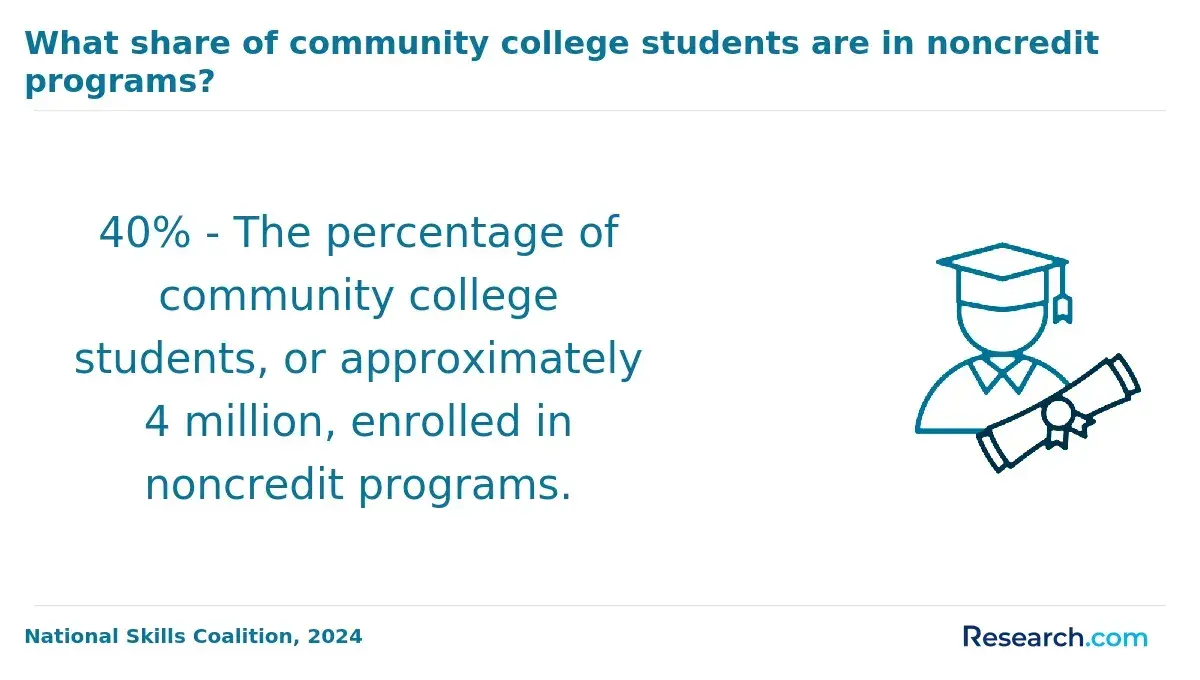
Admission requirements vary by school, but online digital photography bachelor's programs usually require proof of high school completion or equivalent, transcripts, an application, and sometimes a portfolio. Some programs admit beginners and teach foundational skills from the first term. Others, especially BFA-style programs or degree-completion tracks, may expect prior coursework, transfer credits, or sample images.
Applicants should read requirements carefully because "online photography degree" can mean different things. A first-time college student, a community college transfer student, and a working photographer returning for a bachelor's degree may face different admissions paths.
Typical requirements may include the following items. Each one gives the school a way to evaluate readiness for college-level work, creative development, or placement into the correct course sequence.
- Completed application and application fee or fee waiver request
- Official high school transcript, GED documentation, or equivalent completion record
- College transcripts for applicants seeking transfer credit
- Minimum GPA requirement, if set by the institution or program
- Portfolio or image samples, especially for advanced placement or selective programs
- Personal statement explaining creative interests, career goals, or reasons for choosing photography
- English proficiency documentation for applicants whose prior education was not in English
- Technology readiness, including access to a camera, editing software, reliable internet, and a computer that can handle image files
Portfolio requirements deserve special attention. If you are new to photography, a program that requires no portfolio may be appropriate. If you already shoot events, a portfolio-based program may place you into more advanced critique and production work. Either way, ask whether faculty review portfolios for composition, storytelling, technical control, originality, or professional readiness.
Transfer credit can significantly affect cost and timeline. Before enrolling, ask for an official transfer evaluation, not a rough verbal estimate. Confirm which credits apply to general education, major requirements, electives, and residency requirements. A school may accept many credits overall but apply fewer credits toward the photography major.
How long do online digital photography degrees take and what do they cost?
Most online bachelor's degrees require about four years of full-time study for first-time students, while degree-completion students with transfer credits may finish sooner. Associate degrees often take about two years full time. Part-time students should expect a longer timeline, but the trade-off may be lower term-by-term costs and more time to build paid photography experience while enrolled.
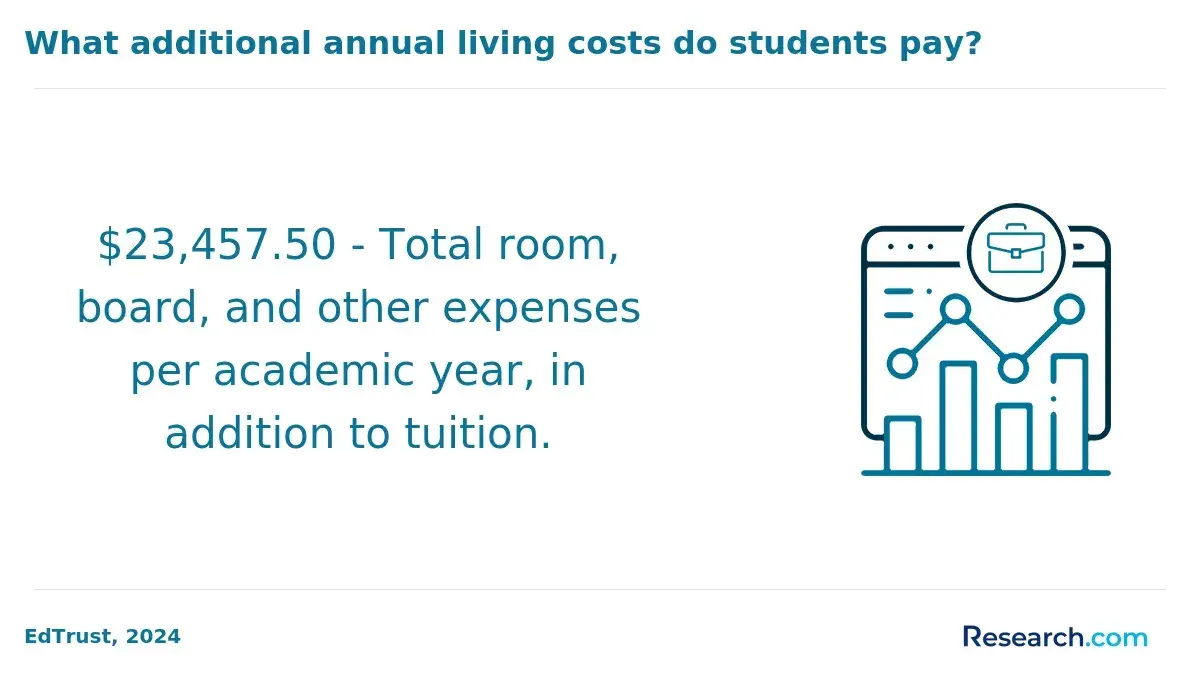
College Board's 2024 college pricing data provides a useful national benchmark for published undergraduate costs. These figures are not specific to photography and do not include every expense, but they help students understand the range they may see when comparing public and private four-year options.
- $11,610 average published tuition and fees for in-state students at public four-year colleges
- $30,780 average published tuition and fees for out-of-state students at public four-year colleges
- $43,350 average published tuition and fees for students at private nonprofit four-year colleges
Online photography students should also budget for program-specific costs. A low tuition rate may not be the lowest total cost if the program requires expensive equipment, software subscriptions, printing, travel to intensives, or unpaid internship hours. Conversely, a higher tuition program may offer stronger faculty critique, career support, equipment access, or transfer-credit acceptance that improves value.
The table below outlines major cost drivers. Use it to estimate total investment before deciding whether a program is affordable.
| Cost factor | What to check | Why it affects event photography students |
| Tuition structure | Per-credit tuition, flat-rate tuition, online fees, and whether rates differ by residency | Full-time and part-time enrollment can change the total amount paid |
| Transfer credits | How many prior credits apply to the degree and major | Accepted credits can reduce both time and tuition |
| Gear requirements | Camera body, lenses, flash, memory cards, batteries, monitor, storage, and backup drives | Event photography requires reliable equipment and backups, not just one camera |
| Software and workflow tools | Editing software, gallery delivery, backup storage, calibration tools, and website hosting | Professional delivery systems affect client experience and turnaround time |
| Residency or travel | On-campus intensives, exhibitions, workshops, or required in-person sessions | Travel can add meaningful costs even when coursework is mostly online |
| Financial aid | Federal aid eligibility, scholarships, grants, employer tuition help, and payment plans | Aid can reduce net price, but loans still require repayment |
To evaluate return on investment, compare the net price after grants and scholarships with your realistic earning path. Event photography income can be seasonal and market-dependent, especially for freelancers. Students should avoid borrowing based on best-case assumptions and should build a plan for assistant work, second-shooting, internships, campus media, local nonprofits, or part-time creative jobs while still enrolled.
What event photography jobs can graduates of online digital photography programs pursue?
Graduates of online digital photography programs can pursue several event-related paths, but many roles begin through freelancing, assisting, contract work, or hybrid media positions rather than a single traditional job posting. The degree can help establish credibility, but employers and clients usually want to see proof: complete galleries, technical consistency, references, and reliable delivery.
The table below shows common event photography paths and the responsibilities associated with each. It can help you decide which portfolio samples to build while in school.
| Career path | Typical responsibilities | Portfolio evidence to build |
| Wedding photographer or second shooter | Document ceremonies, portraits, receptions, details, family groups, and candid moments | Full wedding-style story, low-light reception images, couple portraits, and detail shots |
| Corporate event photographer | Photograph conferences, panels, networking, award ceremonies, trade shows, and branded activations | Speaker images, audience reactions, sponsor displays, venue atmosphere, and fast-turnaround examples |
| Sports event photographer | Capture action, teams, fans, ceremonies, and media-ready images for schools, clubs, or organizations | Peak-action images, sideline storytelling, athlete portraits, and consistent editing in varied light |
| Concert or performance photographer | Work in low light, coordinate with venues, follow access rules, and deliver images for artists or promoters | Low-light performance images, crowd moments, backstage or promotional images if permitted |
| School and community event photographer | Cover graduations, dances, fundraisers, ceremonies, and local organization events | Group photos, candid coverage, stage lighting, and organized gallery delivery |
| In-house marketing or communications photographer | Create event, portrait, campus, nonprofit, or brand imagery for an organization | Mixed portfolio showing events, people, brand consistency, and deadline-based assignments |
Students who want sports-related event work may benefit from understanding the broader sports media environment, including how photography supports broadcast, statistics, and storytelling teams. A guide on what do sports analysts do can help clarify how visual content fits into larger sports communication workflows.
To move from student to paid event photographer, build a staged plan rather than waiting until graduation. The goal is to reduce risk for future clients by showing that you can handle real conditions.
- Start with low-stakes community events where you can practice timing, permissions, and delivery.
- Assist experienced photographers to learn gear setup, etiquette, backup planning, and client communication.
- Second-shoot weddings or corporate events only when you understand expectations and can follow the lead photographer's workflow.
- Create separate portfolio pages for each event niche instead of mixing unrelated images into one gallery.
- Collect testimonials, usage permissions, and referrals as soon as you begin working with real clients.
Common mistakes include presenting only highlight images, underestimating editing time, failing to use contracts, ignoring insurance, and accepting events that exceed your current equipment or experience. A better approach is to grow responsibility gradually: assistant, second shooter, small event lead, repeat niche work, then larger or higher-stakes clients.
How much do event photographers earn and what is the job outlook?
Photographer earnings vary widely because the field includes salaried staff roles, part-time work, commercial contracts, freelancers, and business owners. The U.S. Bureau of Labor Statistics reported a May 2024 median annual wage of $42,520 for photographers. That figure is a useful baseline, but it does not predict what an individual event photographer will earn because income depends on market, specialization, pricing, client volume, expenses, and business maturity.
For event photographers, gross revenue and take-home income are different. A freelancer may collect client fees but also pay for gear replacement, insurance, software, marketing, taxes, assistants, travel, album production, storage, and downtime between events. A staff photographer may have more predictable pay but less control over pricing and creative direction.
The job outlook is also nuanced. Demand for professional event coverage remains tied to weddings, corporate events, schools, sports organizations, entertainment venues, nonprofits, and local businesses. At the same time, competition is strong because digital cameras and editing tools have lowered the barrier to entry. Clients increasingly expect quick delivery, online galleries, short-form social media assets, and consistent branding.
Students should evaluate earning potential by niche rather than assuming all event photography pays the same. The table below explains the economic pattern behind several common paths.
| Event niche | Income pattern | What affects earning potential |
| Weddings | Often seasonal and package-based | Brand reputation, referrals, location, album sales, second shooters, and client experience |
| Corporate events | Often repeat-business and deadline-driven | Professional communication, fast turnaround, usage licensing, and business-to-business relationships |
| Sports events | May combine contracts, media work, school coverage, and direct sales | Access, action portfolio, league relationships, volume sales, and publication needs |
| Concerts and performances | Often access-dependent and competitive | Venue relationships, low-light skill, publication connections, and artist promotion budgets |
| School and community events | Can be volume-based and locally networked | Organization relationships, gallery systems, parent purchasing, and reliable scheduling |
The smartest salary strategy is to build both creative quality and business discipline. Track your cost per event, editing hours, inquiry-to-booking rate, repeat clients, and referral sources. If you choose a degree program, favor one that teaches pricing and professional practice alongside technical photography.
Do event photographers need licenses or certifications, and how do degrees help?
Event photographers generally do not need a state occupational license simply to take photographs in the United States. However, business requirements can still apply. Depending on where you operate, you may need a local business license, sales tax registration, permits for certain venues or public locations, liability insurance, drone certification for aerial work, or written permission to use images commercially. Requirements vary by city, state, venue, client, and type of assignment.
Degrees help by teaching professional practice, legal awareness, ethics, copyright basics, contracts, and client communication. They do not replace legal advice, and they do not automatically authorize every type of photography work. For example, using a drone for paid aerial event coverage involves Federal Aviation Administration rules, while photographing minors at school events may involve organization-specific policies and consent procedures.
Certifications are optional in most event photography niches, but they can help demonstrate specialized competence. Software certifications, drone credentials, professional association credentials, first-aid training for certain adventure or sports settings, and business courses may all support credibility depending on the market.
Before accepting paid work, students should complete a practical compliance checklist. This is especially important because event photography involves people, private venues, usage rights, and deadlines.
- Use written contracts that define coverage hours, deliverables, payment schedule, cancellation terms, image usage, and liability limits.
- Confirm venue rules for flash, movement, restricted areas, tripods, drones, backstage access, and photography permits.
- Understand copyright ownership, client usage rights, model releases, and commercial versus personal use.
- Carry appropriate insurance if you are working as a business, especially for weddings, venues, corporate events, or public gatherings.
- Maintain backup equipment, duplicate files, and a delivery workflow that protects client images from preventable loss.
Students drawn to creative work that also supports health, education, or community services may eventually explore related graduate paths such as the best art therapy masters programs. That is a different professional route with its own education and licensure requirements, so it should not be confused with event photography training.
A degree can make you more prepared, but professionalism is proven in execution. Clients care whether you arrive prepared, communicate clearly, manage pressure, protect files, and deliver consistent images on time.
Other Things You Should Know About Digital Photography
Yes, but you should check equipment requirements before enrolling. Some programs allow entry-level cameras for introductory courses, while advanced lighting, event, and portfolio classes may require interchangeable lenses, flash equipment, color-calibrated editing tools, and reliable storage.
It helps to explore several event types early, then specialize as your portfolio improves. Weddings, corporate events, sports, concerts, and school events require different schedules, client expectations, gear choices, and marketing strategies.
Many online digital photography degrees require a practicum or internship, often 120 to 240 hours, completed with an approved studio, venue, or media company. Schools may also require a portfolio review, background check, or liability waiver before placement begins.
References
- Best Online Photography Degrees https://www.onlineu.com/degrees/photography
- College Certificate vs Online Photography School | Cameraderie https://cameraderie.org/threads/college-certificate-vs-online-photography-school.56322/
- Online Photography Degree | Associate Degree (AOS) https://www.sessions.edu/online-degrees/digital-photography/
- Do Photographers Need a College Degree? https://www.nyip.edu/photo-articles/business/do-photographers-need-a-college-degree
- 12 Types of Photography Careers for Your Passion https://www.tafecourses.com.au/resources/photography-career-types/
- What Can You Do With A Photography Degree? - What Career Live https://www.whatcareerlive.co.uk/what-can-you-do-with-a-photography-degree/
- The photography courses that can help you build a career https://www.mylearningonline.com.au/blog/which-photography-courses-will-help-you-to-build-a-photography-career/
- Online Photography Degrees | Photography Programs & Courses https://www.onlinecolleges.net/degrees/photography/
- Do You Need Certification To Be A Professional Photographer? https://sandracoanstudios.com/do-you-need-certification-to-be-a-professional-photographer/
- Accredited Online Photography Degree Programs https://www.accreditedonlinecolleges.org/photography/