2027 How to Choose an Online Digital Photography Degree for Product Photography Careers

Co-Founder and Chief Data Scientist
Choosing an online digital photography degree is really a decision about your portfolio, business skills, and access to professional product-shoot workflows. The stakes are practical: the U.S. Bureau of Labor Statistics reported a 2024 median annual wage of $42,520 for photographers, while e-commerce, social media commerce, and AI-assisted editing continue to reshape how product images are made.
This guide is for aspiring product photographers comparing online programs, costs, accreditation, courses, and career outcomes so they can pick a degree that supports real client work-not just a credential.
Key Things You Should Know
- For product photography, the strongest online digital photography degree is usually one that combines lighting, studio practice, editing, visual branding, portfolio development, and business coursework rather than a general art curriculum alone.
- Use salary data carefully: the BLS lists a 2024 median annual wage of $42,520 for photographers, but product photography earnings vary widely by employer type, market, portfolio strength, licensing agreements, and freelance business volume.
- Before enrolling, verify institutional accreditation, compare total cost against the College Board's 2024-25 published tuition benchmarks, and ask whether online students receive portfolio reviews, studio-lighting guidance, and career support specific to commercial photography.
What is an online digital photography degree and how does it prepare you for product photography careers?
An online digital photography degree is a college program that teaches camera operation, lighting, image editing, visual storytelling, digital asset production, and professional portfolio development through remote coursework. For product photography, the degree is most useful when it goes beyond artistic image-making and trains students to create images that sell products, support brand identity, meet technical specifications, and work across e-commerce, advertising, catalogs, packaging, and social platforms.
Product photography is a commercial specialty. A product photographer may photograph apparel, jewelry, cosmetics, food packaging, furniture, electronics, medical devices, or handmade goods. The work often involves controlled lighting, color accuracy, retouching, file management, collaboration with designers or marketers, and the ability to follow a client's creative brief.
The table below shows how common degree levels differ. This matters because a certificate may help someone learn tools quickly, while a bachelor's degree usually provides broader preparation in visual communication, client work, and business practices.
| Program type | Typical focus | Best fit for product photography goals | Main limitation |
| Certificate | Camera basics, editing software, studio techniques | Career changers or freelancers who need targeted skills quickly | May not include general education, internships, or deep portfolio critique |
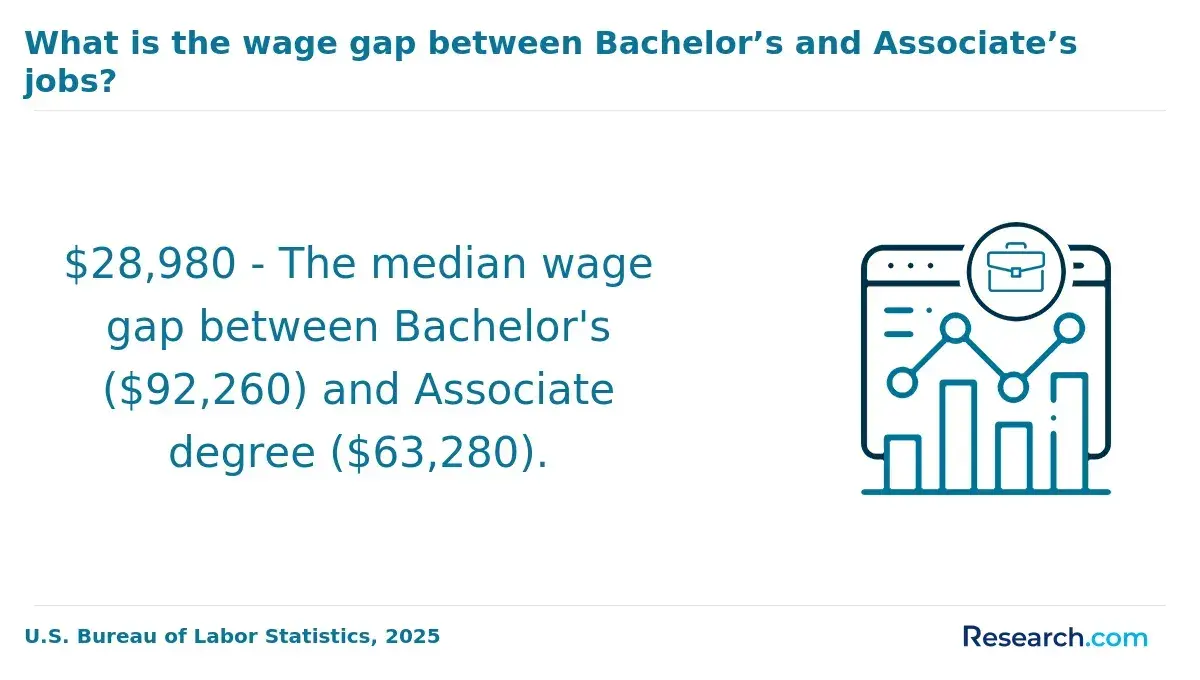
| Associate degree | Foundational photography, digital imaging, visual design | Students who want lower-cost preparation or transfer options | May not provide enough advanced commercial portfolio work for competitive markets |
| Bachelor's degree | Advanced photography, lighting, branding, business, portfolio, visual culture | Students seeking structured preparation for in-house, agency, studio, or freelance careers | Higher time and cost commitment than shorter credentials |
| Graduate study | Advanced visual practice, research, teaching, art direction | Photographers moving toward higher-level creative direction, teaching, or specialized practice | Often unnecessary for entry-level product photography roles |
A degree is not the only path into product photography, but it can help if you need structured learning, feedback, access to instructors, and a guided portfolio. It may be less necessary if you already have strong studio skills, paying clients, and a professional body of work.
How do online and campus-based digital photography programs compare for aspiring product photographers?
Online and campus-based photography programs can both prepare students for product photography, but they create different learning conditions. The best choice depends on your access to equipment, your learning style, your schedule, and how much hands-on studio supervision you need.
The comparison below highlights the trade-offs most relevant to aspiring product photographers. Use it to identify which format gives you the best chance to build a commercial portfolio without taking on unnecessary cost or logistical barriers.
| Factor | Online digital photography program | Campus-based digital photography program | Decision point |
| Studio access | Often requires students to create a home or local studio setup | May provide lighting labs, backdrops, camera cages, and shared studios | Campus can be stronger if you cannot access equipment independently |
| Schedule flexibility | Usually better for working adults, caregivers, and freelancers | Often follows fixed class and studio schedules | Online may fit better if you need to shoot around work hours |
| Critique and feedback | Delivered through uploaded files, video meetings, discussion boards, and annotated reviews | Often includes live critique in studio or classroom settings | Look for frequent instructor feedback in either format |
| Networking | Can include virtual communities, remote guest speakers, and online portfolio reviews | May offer easier access to local studios, galleries, and campus events | Campus may help if you want local creative-industry connections |
| Portfolio development | Depends heavily on assignment design and student initiative | May benefit from shared sets, peer collaboration, and immediate demonstrations | Choose the format that produces stronger final images, not just convenience |
Online programs can work well for product photography because many assignments can be completed with a camera, lights, tabletop setup, tethering software, and editing tools. The risk is that students may underestimate the amount of physical production required. You still need space to shoot, objects to style, reliable color management, and time for reshoots.
Campus programs may be stronger for students who learn best by watching lighting setups in person or who need access to expensive equipment. However, a campus format is not automatically better. If the curriculum is more fine-art oriented and offers little commercial photography, an online program with targeted product, branding, and e-commerce assignments may be the smarter choice.
If you are comparing photography with other design-centered paths, it can help to look at how online studio education works in adjacent fields such as architecture programs, where remote students also need a mix of software training, critique, and project-based portfolios.
What accreditation should you look for in online digital photography programs in the United States?
In the United States, the most important accreditation factor is institutional accreditation from an agency recognized by the U.S. Department of Education or the Council for Higher Education Accreditation. Accreditation matters because it affects federal financial aid eligibility, transfer credit, employer trust, and whether a degree is widely recognized.
Photography itself usually does not require licensure, and there is no single mandatory accreditation for product photography programs. That means students should focus first on the school's institutional accreditation, then evaluate whether the department has strong commercial photography outcomes, faculty experience, and portfolio support.
Before applying, check these accreditation and credibility items in order. Each step helps reduce the risk of paying for a program that may not transfer well or be respected by employers.
- Search the school in the U.S. Department of Education's Database of Accredited Postsecondary Institutions and Programs or the accreditor's official website.
- Confirm that the accreditation applies to the institution offering the online degree, not just a related campus, partner, or continuing education unit.
- Ask whether online students are eligible for the same degree title, transcript notation, financial aid, advising, and career services as campus students.
- Review transfer credit rules if you may move from a certificate or associate program into a bachelor's degree later.
- Look for evidence of program quality, such as faculty commercial work, student portfolios, alumni roles, employer partnerships, and capstone requirements.
Red flags include unclear accreditation language, pressure to enroll quickly, vague claims about guaranteed jobs, weak portfolio examples, or an admissions process that avoids answering cost and credit-transfer questions. A reputable program should be able to explain its accreditation status in plain language and direct you to official verification sources.
What courses and specializations are most important in a digital photography degree focused on product photography?
For product photography, the curriculum matters more than the degree title. A program called "digital photography" may be useful for product work, but only if it includes commercial lighting, editing, portfolio development, and client-oriented assignments.
The courses below are especially important because they map directly to the work product photographers perform for brands, retailers, studios, and agencies.
| Course or specialization | Why it matters for product photography | What to look for in assignments |
| Studio lighting | Product images depend on controlled highlights, shadows, reflections, texture, and shape | Tabletop setups, reflective objects, transparent objects, softbox use, flags, and modifiers |
| Digital image editing and retouching | Commercial files often require cleanup, color correction, compositing, and consistent output | Adobe Photoshop, Lightroom, Capture One, non-destructive editing, and realistic retouching standards |
| Color management | Accurate product color reduces client revisions and supports e-commerce trust | Monitor calibration, color profiles, white balance, and print or web output standards |
| Commercial photography | Connects image-making to advertising, branding, and client briefs | Mock campaigns, product lines, usage requirements, and brand-consistent image sets |
| Visual design and branding | Product photographers often collaborate with designers, marketers, and art directors | Composition, typography awareness, style guides, mood boards, and campaign concepts |
| Business practices for creatives | Freelancers need pricing, contracts, licensing, invoicing, and client communication skills | Estimate writing, usage rights, proposals, basic accounting, and client presentations |
| Portfolio or capstone | Employers and clients usually judge photographers by work samples first | A finished commercial portfolio with multiple product categories and consistent technical quality |
AI-assisted editing is now part of the skills conversation, but it should not replace fundamentals. A strong program should teach students when generative tools, automated masking, background expansion, denoising, or batch processing are appropriate-and when they may create ethical, legal, or brand-accuracy problems.
If your goals lean more toward conceptual art, gallery practice, or teaching rather than e-commerce and commercial studio work, an MFA degree online may be worth comparing with a bachelor's-level digital photography route. For product photography specifically, prioritize a portfolio that proves lighting control, consistency, and client-ready production.
What admission requirements and application materials are typical for online digital photography bachelor's programs?
Admissions requirements for online digital photography bachelor's programs vary by school, but most are designed for students entering from high school, community college, military service, career-change backgrounds, or prior creative study. Selective art schools may require a stronger portfolio, while broader universities may focus more on transcripts and general admission criteria.
The following application materials are common. Review them early so you can avoid rushed submissions and choose programs where your background fits the admissions process.
- Completed online application with personal, academic, and residency information.
- Official high school transcript, GED documentation, or college transcripts for transfer applicants.
- Portfolio of photographs or visual work, especially for programs with competitive studio admission.
- Personal statement explaining creative goals, interest in photography, and professional direction.
- Letters of recommendation, usually from teachers, employers, mentors, or creative professionals when required.
- English proficiency documentation for applicants whose prior education was not in English, depending on school policy.
- FAFSA submission if the student plans to use federal financial aid at an eligible institution.
A product-photography-focused applicant should not submit only landscapes, portraits, or travel images if the program allows portfolio choice. Include a few images that show controlled lighting, clean composition, attention to detail, and the ability to make an object look desirable or understandable.
Transfer applicants should ask how many credits can apply to the major, not just to electives. A school may accept many credits overall but still require most photography, studio, or portfolio courses to be completed in residence. That can affect both graduation time and total cost.
How long do online digital photography degrees take and what total costs should you expect?
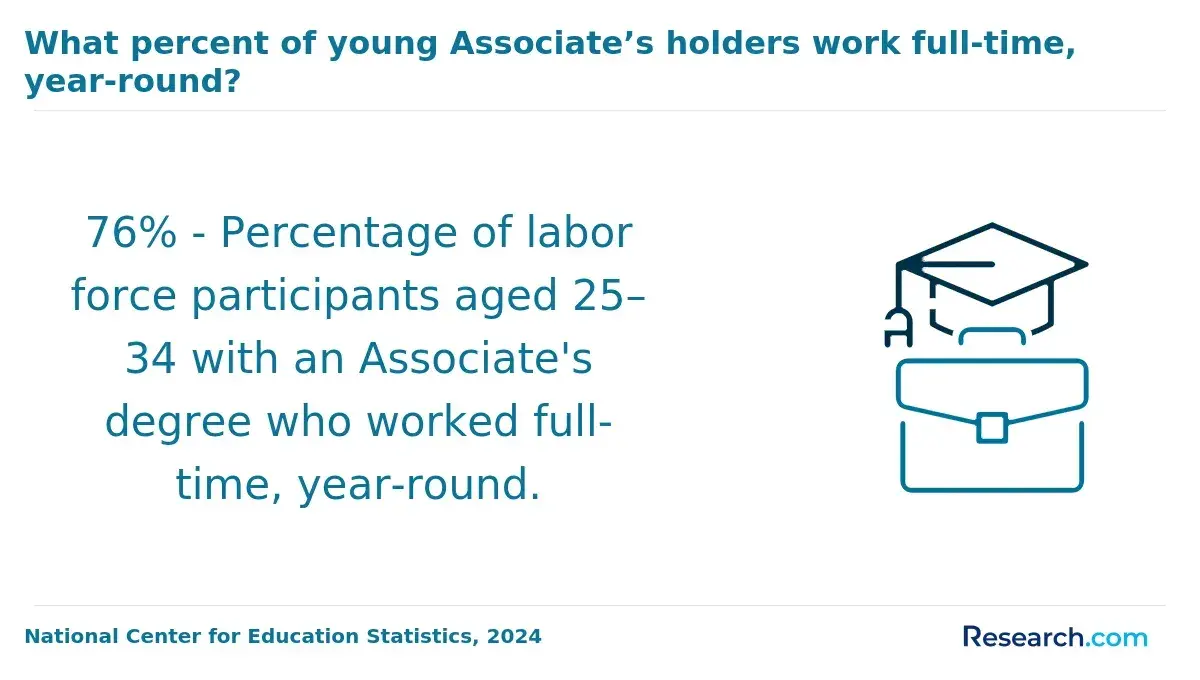
Most online bachelor's degrees in digital photography take about four years of full-time study, though transfer credits, accelerated terms, prior learning policies, and part-time enrollment can change the timeline. Associate degrees often take about two years, while certificates may be completed more quickly depending on credit load.
Cost should be evaluated as total cost of completion, not just tuition per credit. According to the College Board's Trends in College Pricing 2024 report, published tuition and fees for 2024-25 averaged $11,610 for in-state students at public four-year institutions and $43,350 at private nonprofit four-year institutions. Those figures are broad benchmarks, but they help you recognize when a program is priced far above or below typical U.S. undergraduate tuition levels.
The list below shows the cost categories that matter most for online photography students. These expenses can change the real affordability of a program even when tuition looks reasonable.
- Tuition and mandatory fees charged by credit, semester, term, or program.
- Camera body, lenses, tripod, memory cards, tethering cables, storage drives, and backup systems.
- Lighting equipment, modifiers, stands, reflectors, backdrops, surfaces, props, and product-styling materials.
- Software subscriptions for editing, file management, layout, and portfolio presentation.
- Computer hardware, calibrated monitor, color tools, and reliable high-speed internet.
- Shipping, printing, portfolio hosting, and costs for physical or digital presentation materials.
- Travel or residency expenses if the online program includes optional or required in-person sessions.
To reduce cost, ask about transfer credit, community college pathways, employer tuition assistance, military or veteran benefits, scholarships for creative students, and whether equipment can be borrowed, rented, or purchased gradually. Avoid choosing the cheapest program automatically if it lacks portfolio critique, commercial coursework, or credible accreditation; a low-cost degree with weak career preparation may still be a poor investment.
Veterans and active-duty students should compare benefit usage carefully across career paths. For example, someone deciding between a creative commercial degree and a technical program such as an online electrical engineering bachelor degree for veterans should look at tuition coverage, transfer credit, equipment needs, career services, and long-term occupational fit before committing benefits.
What entry-level and advanced job roles can a digital photography degree lead to in product photography?
A digital photography degree can lead to several product-focused roles, but job titles vary because employers use different labels for studio, e-commerce, creative production, and marketing image work. Entry-level roles often involve assisting, retouching, file preparation, and consistent production; advanced roles may involve art direction, client management, team leadership, or specialized commercial niches.
The table below summarizes common career paths connected to product photography. It is not a guarantee of progression, but it helps you see how responsibilities typically become more complex over time.
| Career stage | Possible roles | Typical responsibilities | What helps advancement |
| Entry level | Photo assistant, studio assistant, e-commerce imaging assistant, junior retoucher | Set preparation, lighting support, file naming, basic edits, product handling, equipment setup | Reliability, speed, attention to detail, software fluency, and strong assisting references |
| Early career | Product photographer, e-commerce photographer, catalog photographer, studio photographer | Shooting product sets, following brand guides, editing deliverables, managing small shoots | A focused portfolio, consistent lighting style, client communication, and deadline management |
| Mid career | Commercial photographer, senior retoucher, creative production specialist, content studio photographer | Planning shoots, coordinating with marketers and designers, handling more complex products or campaigns | Specialization, repeat clients, workflow leadership, and measurable business value |
| Advanced | Lead photographer, art director, studio manager, creative director, photography business owner | Directing visual strategy, managing teams, budgeting, client pitches, brand systems, vendor coordination | Leadership, business skills, brand strategy, licensing knowledge, and strong professional networks |
Industries that may hire product photographers include online retail, fashion, cosmetics, food and beverage, consumer electronics, furniture, advertising agencies, creative studios, publishing, manufacturing, and marketplace sellers. Freelance opportunities also exist, but they require business development and client management in addition to image-making.
Some photographers later move into education, internal training, or creative operations, especially if they become skilled at teaching workflows to teams. In that case, a related graduate path such as a master's in training and development online may make sense for someone shifting from production work into learning design, corporate training, or creative team enablement.
What salary ranges and earning potential exist for product photographers with digital photography degrees?
Product photographer pay is difficult to measure precisely because federal labor data usually tracks photographers as a broader occupation rather than separating e-commerce, catalog, advertising, and freelance product specialists. The BLS reported a 2024 median annual wage of $42,520 for photographers, which is a useful baseline but not a product-specific salary promise.
Use the following comparison to understand why earnings can differ so much. The same degree may support different outcomes depending on market, portfolio, employer, and business model.
| Work setting | Common earning model | Factors that influence pay | What to evaluate before choosing this path |
| In-house e-commerce team | Salary or hourly employment | Retail volume, studio workflow, production speed, benefits, and location | Whether the role offers growth into senior studio, creative production, or art direction positions |
| Commercial studio or agency | Salary, day rate, or project-based work | Client budgets, campaign complexity, lighting expertise, and reputation | Whether you can build a portfolio that matches agency-level expectations |
| Freelance product photography | Project fees, day rates, retainers, licensing, or package pricing | Client acquisition, niche, usage rights, overhead, and repeat business | Whether you are prepared to handle contracts, marketing, taxes, and inconsistent demand |
| Specialized product niches | Often project-based or premium commercial rates | Technical difficulty, product value, safety requirements, and scarcity of expertise | Whether your program and portfolio help you master difficult subjects such as jewelry, glass, food, or cosmetics |
Job outlook also requires careful interpretation. The BLS projected photographer employment to grow about as fast as the average for all occupations in its 2024-34 outlook, but product photography demand depends heavily on retail trends, content volume, automation, and marketing budgets. AI tools may reduce some basic editing tasks while increasing the value of photographers who can direct shoots, maintain brand accuracy, solve lighting problems, and deliver consistent image systems.
When evaluating return on investment, compare expected debt, total program cost, time away from work, and the quality of your final portfolio. A degree is most likely to pay off when it helps you produce client-ready work, understand licensing and pricing, and access internships or networks you could not easily build alone.
What industry certifications, portfolios, or technical skills are valued in product photography careers?
Product photography is portfolio-driven, but credentials and technical skills can still strengthen your credibility. Employers and clients usually want proof that you can deliver consistent, accurate, brand-ready images under real constraints.
The most valuable career assets fall into three categories: software credentials, portfolio evidence, and production skills. The list below shows what to build while you are enrolled, not after graduation.
- Adobe-focused skills in Photoshop, Lightroom, Bridge, and relevant Creative Cloud workflows, with certification considered a helpful supplement rather than a substitute for strong images.
- Capture One or tethered-shooting experience, especially for studio workflows where clients or art directors review images during production.
- A commercial product portfolio with clean white-background images, styled product scenes, reflective or transparent objects, texture-focused shots, and brand campaign concepts.
- Lighting skills using strobes, continuous lights, softboxes, grids, flags, reflectors, diffusers, and light tents when appropriate.
- Retouching discipline, including dust removal, color correction, compositing, clipping paths, masks, frequency separation when appropriate, and non-destructive workflows.
- File delivery knowledge, including aspect ratios, naming conventions, compression, color profiles, web formats, print requirements, and digital asset management.
- Business skills such as estimates, contracts, invoices, usage licensing, client communication, scheduling, and revision policies.
A common mistake is treating a portfolio as a collection of favorite images. For product photography, your portfolio should show that you can solve commercial problems. Include short captions or case-study notes explaining the product type, lighting challenge, intended use, and your role in the shoot.
Another mistake is relying too heavily on AI-generated backgrounds or over-retouching. Commercial clients often need images that accurately represent the product. Use AI tools carefully, document your workflow when needed, and make sure final images match the client's legal, brand, and platform requirements.
How can you evaluate and choose a reputable online digital photography program for product photography?
Choosing a reputable online digital photography program requires more than comparing tuition and reading marketing pages. You need to know whether the program will help you build a product photography portfolio, gain relevant feedback, and graduate with a credential that has practical value.
Use the following steps when narrowing your list. They are designed to help you compare programs on career fit, quality, cost, and risk.
- Define your target outcome first: in-house e-commerce work, freelance product photography, studio assisting, retouching, commercial advertising, or creative direction.
- Verify institutional accreditation through official sources before discussing enrollment, financial aid, or transfer credits.
- Review the curriculum for studio lighting, commercial photography, color management, retouching, business practices, and portfolio development.
- Ask to see recent student portfolios or capstone examples that include product, e-commerce, catalog, or advertising-style work.
- Confirm equipment expectations, including whether you must buy lights, backdrops, calibrated monitors, software, or specific camera systems.
- Compare total cost after grants, scholarships, transfer credits, fees, equipment, and estimated time to completion.
- Ask how often instructors provide critique and whether feedback includes lighting diagrams, technical settings, editing notes, and business guidance.
- Evaluate career support, including internships, alumni networks, portfolio reviews, freelance business preparation, and employer relationships.
- Check withdrawal, refund, credit-transfer, and satisfactory academic progress policies before enrolling.
- Speak with current students or alumni when possible, especially those pursuing commercial or product photography rather than unrelated visual fields.
Ask admissions advisors specific questions instead of broad ones. For example, "How many product photography assignments are required?" is more useful than "Is this a good program for commercial photography?" Likewise, "Can I complete studio-lighting work from home?" is better than assuming an online format means minimal equipment.
Choose the program that best matches your desired work, learning needs, and budget. A strong online degree should leave you with a polished commercial portfolio, practical production skills, a clear understanding of client work, and enough business knowledge to pursue entry-level employment or freelance assignments responsibly.
Other Things You Should Know About Digital Photography
Yes. Many product photographers enter the field through self-study, assisting, certificates, workshops, or freelance practice. A degree is most useful if you need structured feedback, a broader visual education, career services, and a guided portfolio.
Not always. Many programs require a camera with manual controls and interchangeable lenses, but the exact specifications vary. Lighting, editing skills, and consistency often matter more than buying the most expensive camera body early.
It is both. The technical side includes lighting, exposure, focus, color accuracy, retouching, and file delivery. The creative side involves styling, composition, brand mood, visual storytelling, and making a product appealing to a target audience.
A strong program should teach Adobe Photoshop and Lightroom, plus raw editing, color correction, retouching, and file management. For product work, look for courses that also cover clipping paths, shadow cleanup, and export settings for e-commerce platforms such as Amazon and Shopify.
References
- The Photography Institute https://www.thephotographyinstitute.com/ae/en/career-outcomes
- How Photography Skills will Boost your Career - Learn Photography Canada https://learnphotographycanada.com/photography-careers/
- What Can You Do With a Photography Degree? https://pnca.willamette.edu/academics/bfa/photography/career-options
- What careers can you do with a Photography degree? | University for the Creative Arts https://www.uca.ac.uk/blogs/careers-with-a-photography-degree/
- Photographer Education for 2025: Career Insights https://www.clippingpathassociate.com/blog/photographer-education-requirements
- Product Photography Courses https://visualeducation.com/product-photography-courses/
- How Much Do Photographers Make | Full Frame Insurance https://www.fullframeinsurance.com/blog/how-much-do-photographers-make
- Top 10 Career Options After a Photography Course | SSVAP Pne https://www.ssvap.edu.in/blog/top-10-career-options-after-completing-a-photography-course
- Would you do a photography degree later in life? — StreetSnappers Street Photography Workshops https://streetsnappers.com/street-photography-blog/a-photography-degree-later-in-life
- Do Photographers Need a College Degree? https://www.nyip.edu/photo-articles/business/do-photographers-need-a-college-degree