2027 Best Accredited AI Associate Degree Programs

Co-Founder and Chief Data Scientist
Transitioning into the artificial intelligence industry can be daunting for professionals holding undergraduate degrees in unrelated fields. Many face challenges in finding flexible, accredited programs that provide a solid foundation without requiring extensive retraining. Selecting an unsuitable program can lead to wasted time, resources, and delayed career advancement.
This article explores the best accredited AI associate degree programs available in 2027, focusing on flexibility, curriculum quality, and industry relevance. It aims to guide prospective students toward educational paths that effectively support career pivots into the growing field of artificial intelligence.
Key Things You Should Know
- Many accredited associate degree programs in artificial intelligence focus on foundational skills like machine learning, data analysis, and programming, preparing students for entry-level roles in tech industries.
- According to 2024 data, enrollment in AI associate degrees increased by 18%, reflecting growing demand for AI-literate professionals across healthcare, finance, and manufacturing sectors.
- Cost-effective and flexible, these programs often include internship opportunities and can be completed in two years, enabling faster workforce entry compared to four-year degrees.
What is an AI associate degree and how does it differ from bachelor's and certificate programs?
An AI associate degree is a two-year academic program providing foundational knowledge and hands-on skills in artificial intelligence technologies. It offers a broader curriculum than AI certificate programs, including programming, data analytics, machine learning basics, and sometimes introductory ethics or AI applications across industries. This comprehensive approach prepares students for entry-level roles or further education. The differences between AI certificate and associate degrees lie in scope and depth, with certificates focusing on specific skills and associate degrees covering a wider range of topics.
Compared to bachelor's degree programs, AI associate degrees require about 60 credits instead of 120 and emphasize practical skills rather than deep theoretical study. Bachelor's programs include extensive theory, advanced mathematics, and research, usually taking four years to complete. As a result, associate degrees offer a practical midpoint, delivering more depth than certificates but with less time investment than a bachelor's. Students often view associate degrees as an efficient way to gain industry-relevant skills for technician or junior analyst roles.
The U.S. Bureau of Labor Statistics reports that AI and machine learning jobs grew 74% faster than the overall job market between 2015 and 2024. For working professionals or career changers, associate degrees provide a balanced option to upskill with more coherence than certificates. Some students explore accelerated options like a one year computer science degree to further their education quickly.
Understanding the differences in AI associate degree vs bachelor's degree programs can help students choose the right path for their career goals and lifestyle.
Which accrediting bodies recognize AI associate degree programs, and why does accreditation matter?
Accrediting bodies for AI associate degrees in the US include regional agencies like the Middle States Commission on Higher Education (MSCHE), the Higher Learning Commission (HLC), and the Western Association of Schools and Colleges (WASC). National organizations such as the Accrediting Commission of Career Schools and Colleges (ACCSC) and specialized accreditors focused on technical programs also evaluate these degrees. Regional accreditation remains the gold standard, ensuring programs meet rigorous academic and administrative standards that foster student success and employer trust.
The importance of accreditation for AI associate degree programs is reflected in graduates' career prospects and earnings. Research shows graduates from regionally accredited programs earn approximately 20% more over their lifetime compared to non-accredited counterparts. Employers often prioritize job candidates from accredited programs, confident in their verified skills, thorough curricula, and qualified faculty.
Students choosing accredited AI associate degrees gain eligibility for federal financial aid and better credit transfer options to four-year colleges. This safeguards against investing in programs that might not meet industry needs. Prospective students should confirm their institution's accreditation through the U.S. Department of Education and consider recognized regional or national accreditation. For those seeking technical education options, it's wise to compare programs, including online mechanical engineering bachelor degree offerings, to understand the value and recognition of various technical degrees.
Accreditation assures quality in AI coursework, practical training, and ethical instruction-crucial given the fast-evolving AI field. Without it, degrees may face limited recognition, restricting access to professional licensing or certification in AI career paths.
What are the typical admission requirements for accredited AI associate degree programs?
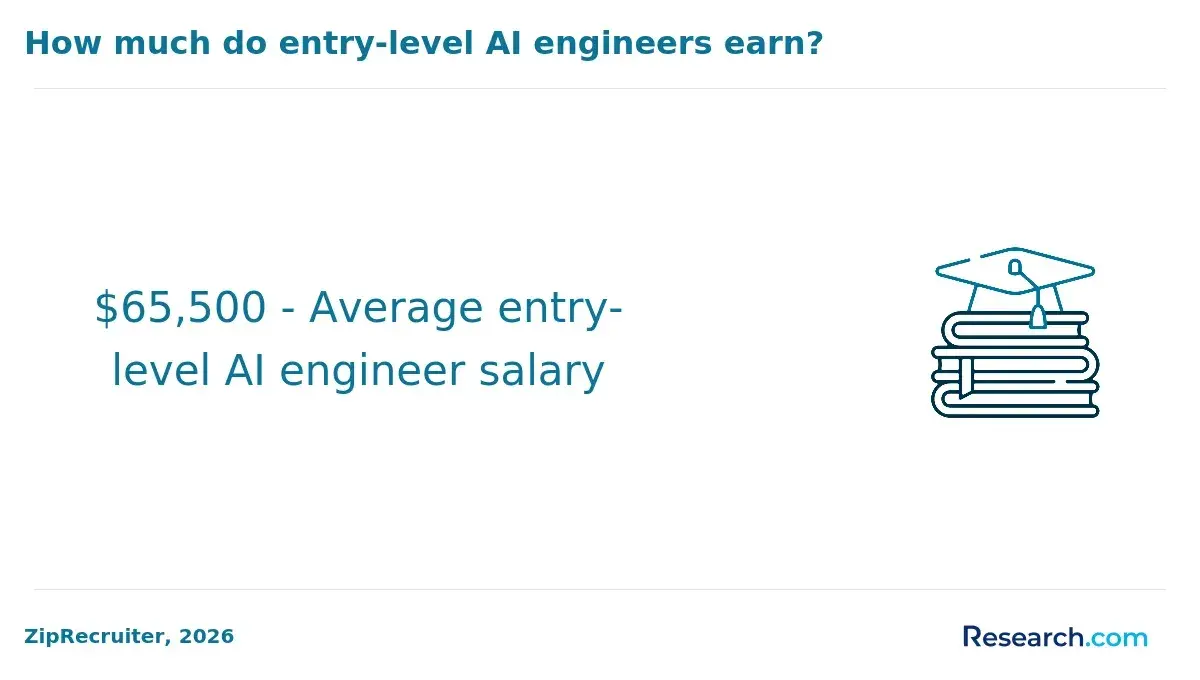
Typical admission criteria for accredited AI associate degree programs in the US emphasize accessibility while ensuring candidates have solid academic foundations. Most programs require a high school diploma or GED, and 64% waive standardized tests like the SAT or ACT, reflecting efforts to broaden access to AI education. Applicants generally submit official transcripts to demonstrate secondary education completion, with some programs requiring a minimum GPA around 2.0.
Common requirements for AI associate degree programs include proficiency in math-especially algebra or introductory statistics-important for grasping AI concepts. Experience or coursework in technology or computer science can strengthen applications but is not always mandatory. Many programs recognize prior college credits or certifications, which benefits transfer students. Admission steps typically include submitting an application, fees, and sometimes orientation attendance, while placement tests are more often for student support than for denying admission.
International students must provide proof of English proficiency through exams like TOEFL or IELTS. Although rare, some schools may request background checks or vaccination records. Prospective students should review each program's requirements carefully on official sites to meet deadlines and document needs properly.
Those exploring affordable pathways to AI education may consider looking into affordable engineering schools as a strategic option when selecting a program.
What core coursework and technical skills are covered in AI associate degree curricula?
AI associate degree curricula focus on core coursework in programming, data structures, machine learning fundamentals, and statistics. Among technical skills taught in accredited AI associate programs, Python stands out, with 76% of programs prioritizing it, reflecting its relevance in 89% of entry-level AI roles (Stack Overflow Developer Survey, 2024). Coursework also covers algorithms, data modeling, and database management to prepare students for AI system development.
Classes usually start with Python programming for AI applications, emphasizing popular libraries like TensorFlow, PyTorch, and scikit-learn. Students gain hands-on experience in preprocessing data, applying supervised and unsupervised learning models, and conducting statistical data analysis. Probability and statistics courses equip learners to interpret model results and fine-tune algorithms effectively.
Additional studies include natural language processing, computer vision basics, and AI ethics. Practical projects often involve neural networks, deep learning, and reinforcement learning, building essential skills. Cloud computing environments are also introduced, enabling students to deploy and scale AI models.
Labs teach debugging techniques, model evaluation metrics, and version control with Git. Software engineering principles relevant to AI improve code reliability and teamwork. Mathematics essentials like linear algebra and calculus deepen understanding of algorithm mechanics.
Programs emphasize problem-solving and real-world datasets, aligning with industry demands. This ensures graduates are ready for roles such as technicians or junior data scientists with strong foundational competencies. Prospective students interested in advanced studies may explore options like a master data science online to further their careers in AI.
How do online AI associate degree programs compare to on-campus options in terms of flexibility and outcomes?
Online AI associate degree programs provide increased flexibility for students managing work, family, or other commitments. According to the Coursera Outcomes Report (2024), graduates from online AI associate programs report 31% higher satisfaction with schedule flexibility than on-campus students. This flexibility enables learners to pace their studies and often access courses asynchronously, accommodating diverse time zones and busy schedules.
Employment outcomes are similar between online and on-campus graduates. The report indicates that 92% of online AI associate degree holders find employment within six months, closely matching the 94% placement rate of traditional program graduates. This shows employers equally value credentials from accredited programs, regardless of delivery mode.
When choosing between online or in-person education, prospective students should consider elements like interactive features, lab access, and support services. Online programs featuring virtual labs and live instructor interaction help bridge the experience gap with campus settings. However, students who benefit from face-to-face learning or immediate peer networking may prefer on-campus environments.
Overall, online AI associate degrees offer strong career prospects while delivering greater scheduling flexibility. Those who need adaptable options or cannot relocate can pursue quality education through online programs. Meanwhile, students seeking direct campus engagement might select traditional paths, both leading to valuable AI career opportunities.
How long does it take to complete an accredited AI associate degree, and what are typical program costs?
An accredited ai associate degree typically involves about two years of full-time study, covering roughly 60 semester credit hours. The curriculum includes programming, machine learning fundamentals, data analysis, and ethical considerations in ai. Part-time study options extend the timeline to three or four years, accommodating working professionals or those balancing other responsibilities. Some accelerated programs may reduce completion time to 18 months through intensive coursework, though these are less common.
The average total cost of such a program ranges from $18,000 to $24,000, covering tuition, fees, and essential materials but excluding room and board. This cost is approximately 65% less than what students pay for bachelor's degrees in computer science or artificial intelligence, based on College Board data. Community colleges usually offer lower tuition for in-state students, while private colleges and out-of-state fees tend to be higher. Financial aid, scholarships, and employer tuition assistance can further reduce expenses.
Graduates with an ai associate degree often qualify for entry-level roles like ai technician, data analyst, or machine learning assistant. These positions offer early workforce entry, enabling students to gain practical experience and start earning sooner. Considering the balance of time, cost, and career opportunities helps prospective students make informed decisions about pursuing an accredited AI associate degree.
What entry-level job roles and career pathways are available after earning an AI associate degree?
Graduates with an AI associate degree often qualify for entry-level roles focused on the application and management of AI systems. Common job titles include machine learning operations (MLOps) technician, data analyst, AI support specialist, and junior data engineer. These roles require skills in data preprocessing, model deployment, system monitoring, and troubleshooting AI workflows.
MLOps positions are among the fastest-growing career paths. As noted in a job report, MLOps jobs are expected to grow by 35% by 2026, with AI associate degree holders filling around 40% of these entry-level roles. These jobs involve integrating machine learning models into production, working closely with data scientists, and maintaining model performance. This makes MLOps a strong entry point for those pursuing practical AI careers.
Other roles include data analysts who collect and interpret datasets supporting AI projects, AI support specialists who assist development teams with dataset management and documentation, and junior data engineers who build and optimize data pipelines for model training.
Students should align electives or internships with their career aims, considering courses in cloud computing or DevOps for system maintenance roles. Hands-on experience with programming languages like Python and tools such as TensorFlow or Docker is essential to adapt to evolving AI technologies.
What is the salary range and job outlook for AI associate degree graduates in the current job market?
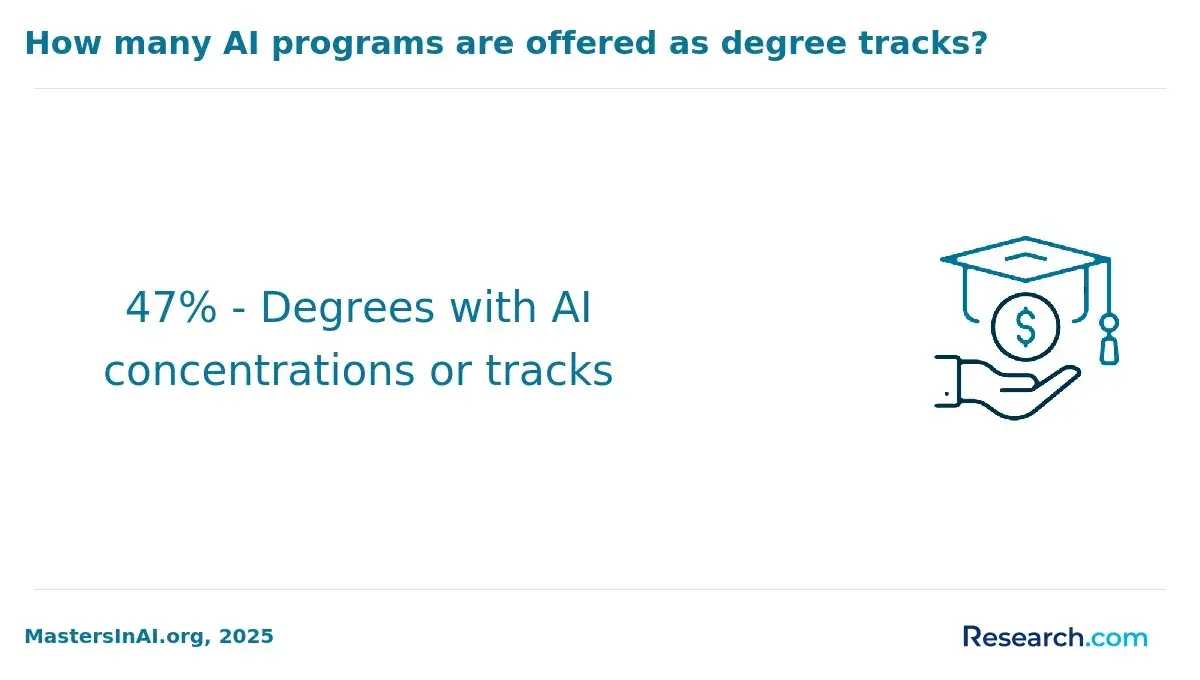
AI associate degree graduates earn an average starting salary between $62,000 and $68,000 annually, according to PayScale data from 2025. This entry-level pay surpasses many other associate degree fields, highlighting growing demand for technical professionals with foundational AI skills. Within five years, median salaries often exceed $85,000, reflecting rapid career growth in industries adopting AI.
The job outlook is strong across sectors such as healthcare, finance, manufacturing, and tech services. Common entry-level roles include AI technician, data analyst, machine learning assistant, and automation specialist. Location influences salary, with tech hubs offering higher wages, though opportunities exist nationwide for steady employment.
Graduates face competitive hiring but ongoing skill development is essential. As AI evolves, continuing education and certifications in current tools or programming languages enhance earning potential and job security. Employers value hands-on skills demonstrated through project experience or internships in addition to formal credentials.
Programs featuring hands-on labs, real-world applications, and industry connections typically improve employability. For those aiming at advanced roles, this associate degree can serve as a gateway to a bachelor's in computer science or AI, aligning with higher salaries.
Overall, the AI associate degree offers a strong salary foundation and outpaces 78% of other associate-level fields, making it an appealing option for technical careers in AI.
What professional certifications can AI associate degree holders pursue to enhance their credentials?
AI associate degree holders can boost their credentials by earning professional certifications that validate skills and enhance employability. Key certifications include cloud credentials such as AWS Certified Solutions Architect, Google Cloud Professional Data Engineer, and Microsoft Azure AI Fundamentals. According to the CompTIA IT Skills Gap Report (2024), graduates who obtain these cloud certifications within two years of completing their degree increase their earning potential by 28% and improve job placement by 19%.
Certifications from organizations like the Institute of Electrical and Electronics Engineers (IEEE) and the Association for Computing Machinery (ACM) also hold value, with credentials like Certified AI Practitioner (CAIP) and Microsoft Certified: Azure AI Engineer Associate demonstrating expertise in AI implementation and deployment. These validate practical skills in building and managing AI models.
Data science certifications from IBM or SAS complement an AI associate degree by reinforcing skills in data analysis, statistics, and Python programming. This versatility appeals to employers seeking broad competencies in AI-related roles.
Cybersecurity certifications such as CompTIA Security+ differentiate candidates in data privacy-sensitive AI fields, improving job prospects in sectors like healthcare and finance.
Graduates should pursue certifications aligned with their career goals. Combining an AI associate degree with cloud, data science, or cybersecurity certifications creates a competitive advantage that accelerates career growth and salary advancement.
How should prospective students evaluate and compare accredited AI associate degree programs?
Evaluating accredited artificial intelligence associate degree programs requires careful attention to curriculum relevance, hands-on learning, and industry ties. Programs that include capstone projects are highly valued by employers, demonstrating practical skills essential for career readiness. Research by Burning Glass Technologies shows that graduates from such programs enter the workforce 23% faster due to experience aligned with real-world applications.
Ensure coursework covers foundational AI subjects like machine learning, data analysis, and programming languages such as Python. Assess how programs incorporate emerging technologies to keep you current with evolving market demands.
Partnerships with local businesses, tech companies, or research institutions are critical as they often provide internships or project mentorships, enhancing job prospects. Programs that facilitate direct student placements through these collaborations offer clearer career pathways.
Faculty expertise and student support services-including career advising, resume workshops, and networking opportunities via alumni-can significantly impact your professional success. Flexibility in learning formats, whether on-campus, online, or hybrid, helps accommodate diverse schedules.
Lastly, verify accreditation status to confirm that your credential is respected by employers and transferable for further education, ensuring your investment supports long-term career goals.
Other Things You Should Know About Artificial Intelligence
Graduates with an AI associate degree in 2027 can pursue roles like AI technician, data analyst, and machine learning assistant. These roles often involve supporting AI model development, data management, and algorithm implementation in sectors like technology, finance, and healthcare.
AI associate degree programs typically include coursework in programming languages such as Python, Java, and R. Python is especially emphasized due to its broad use in AI development and machine learning frameworks. Understanding these languages equips students to work with AI algorithms, data manipulation, and software development environments.
Yes. Many accredited AI associate degree programs require a final capstone or practicum before graduation. It is usually completed in the last term and may carry 2 to 4 credit hours. Students build a portfolio project, often using Python, data sets, and basic machine learning tools.
To enroll in an AI associate degree program in 2027, you'll typically need a high school diploma or GED. Some programs may require proficiency in math and basic computer skills, evidenced by relevant coursework or standardized test scores.
References
- Who Accredits Artificial Intelligence (AI) Degree Programs? - AI Degrees Online https://aidegreesonline.com/accreditation/who-accredits-ai-degree-programs/
- Accreditations | Maestro https://maestro.org/accreditations
- Artificial Intelligence Course Duration Guide for 2025 Beginners | Your Blog https://mammothclub.com/blog/artificial-intelligence-course-duration
- AI Hiring Trends: Job Market Data, Salaries, and Industry Demand https://patentpc.com/blog/ai-hiring-trends-job-market-data-salaries-and-industry-demand
- 11 Best AI Certifications in 2025 to Deepen Your Technical Knowledge | DigitalOcean https://www.digitalocean.com/resources/articles/ai-certifications
- Best AI Certificate Programs [2026] - Emeritus Online Courses https://emeritus.org/blog/b-ai-certificate-programs/
- AGTU | Global Degree Online https://agtu.us/en/programs/undergraduate-programs/computer-science/associate-artificial-inteligence/
- AI Certificate vs. Degree: Which One Is Right for You - IABAC https://iabac.org/blog/ai-certificate-vs-degree-which-one-is-right-for-you
- AI Certification Vs Degree: Which Is Better in 2026? - DSTI | Data Science Course in Delhi | Data Science Training in Delhi https://www.datasciencetraining.co.in/ai-certification-vs-degree-which-is-better/
- 13 Best Artificial Intelligence Courses for 2026 — Class Central https://www.classcentral.com/report/best-ai-courses/