
2027 Highest Level of Clinical Mental Health Counseling Degree You Can Achieve: Academic Progression Explained

Co-Founder and Chief Data Scientist
Many aspiring counselors face uncertainty about the highest academic degree necessary to advance in clinical mental health counseling. With a projected workforce growth of 23% by 2030, understanding educational pathways is vital for securing competitive roles. Most states require a master's degree for licensure, but doctoral degrees offer expanded research and leadership opportunities.
This article clarifies the academic progression from master's to doctorate levels, detailing what each stage entails. Readers will gain insight into which credentials maximize career potential, guiding informed decisions about pursuing advanced degrees in this growing healthcare sector.
Key Benefits of the Highest Level of Clinical Mental Health Counseling Degree
- Provides advanced expertise enabling clinicians to treat complex mental health disorders, increasing treatment efficacy and patient outcomes by up to 25% compared to entry-level practitioners.
- Offers leadership and academic influence opportunities, allowing graduates to shape counseling curricula and mentor future mental health professionals.
- Expands research and innovation prospects, leading to potential contributions in evidence-based therapies and enhancing earning potential by approximately 20%.
What is the Highest Level of Clinical Mental Health Counseling Degree You Can Earn?
The highest level of clinical mental health counseling degree you can earn is typically a doctoral degree, such as the Doctor of Philosophy (PhD) in Counselor Education and Supervision or the Doctor of Psychology (PsyD) focused on clinical mental health counseling. These terminal degrees signify the pinnacle of academic achievement, integrating advanced clinical practice, research, and leadership within the field.
Doctoral programs build on foundational studies starting with undergraduate degrees-usually in psychology or related fields-followed by graduate degrees like a Master of Science or Master of Arts in clinical mental health counseling. While master's degrees remain the standard for licensure and direct clinical practice, doctoral degrees specialize in preparing professionals for roles in academia, research, policymaking, and supervision.
Individuals seeking advanced clinical mental health counseling education often pursue this path to become university faculty, lead clinical programs, or develop innovative counseling methods.
According to recent data, fewer than 10% of clinical mental health counselors advance to doctoral studies, underscoring the specialized nature of this highest clinical mental health counseling degree. For those interested in related advanced certifications, exploring options such as BCBA online programs can also complement career growth in behavioral and clinical settings.
What Are the Admission Requirements to the Highest Level of Clinical Mental Health Counseling Degree?
Admission to the highest level of clinical mental health counseling programs is highly selective due to the advanced expertise and leadership skills these degrees demand. Nationwide, only about 1 in 7 applicants are accepted into top-tier doctoral programs in psychology and counseling, underscoring the competitive nature of these opportunities.
Awareness of admission requirements is crucial for those pursuing a clinical mental health counseling PhD program prerequisites, as meeting and exceeding these benchmarks is often essential for success.
Typical admission requirements for a doctoral clinical mental health counseling degree include:
- Prior Degree: Applicants usually must hold a relevant master's degree with strong academic credentials. A minimum GPA of 3.0 is commonly required, though many programs prefer higher to demonstrate academic readiness.
- Professional Experience: Significant counseling or mental health field experience is often necessary. This could include work in clinical settings, supervision roles, or related research activities that show practical application of skills.
- Research Background: Evidence of research ability such as published papers or conference presentations strengthens applications. Candidates should be prepared to present a research proposal outlining their intended doctoral study focus.
- Standardized Tests: Some programs require GRE scores or have them as a recommendation, depending on institutional policies and program emphasis.
- Letters of Recommendation: Multiple references from academic or professional sources are essential to validate the candidate's capabilities, character, and suitability for doctoral study.
- Interview: A formal interview assesses motivation, fit, and commitment to the rigorous demands of doctoral training in clinical mental health counseling.
For students considering affordable pathways to these advanced degrees, exploring options such as the cheapest online counseling degree programs may provide valuable alternatives. Understanding the admission requirements for doctoral clinical mental health counseling is the first step toward achieving long-term academic and professional goals in this competitive field.
What Core Subjects Are Studied in the Highest Level of Clinical Mental Health Counseling Degree?
Coursework at the highest academic level in clinical mental health counseling, typically a doctoral or terminal degree such as a PhD or a CACREP-accredited counselor education doctorate, extends far beyond the foundational knowledge gained in undergraduate or master's programs.
This advanced study emphasizes a deep integration of research, leadership, and innovation, preparing students to contribute new knowledge and assume pivotal roles in academia, supervision, and policy-making.
Grasping the advanced clinical mental health counseling subjects is essential for those pursuing the core curriculum in clinical mental health counseling doctorate degrees and aiming to influence the field significantly.
The curriculum focuses on several core subjects that together build expertise necessary for clinical excellence and broader professional impact:
- Advanced Counseling Theories and Practice: This area explores emerging therapeutic modalities and integrates current research evidence, enabling students to expand clinical approaches and adapt to evolving client needs.
- Quantitative and Qualitative Research Methods: Students gain rigorous training in designing and analyzing complex studies, equipping them to generate original research that advances mental health counseling science.
- Supervision and Consultation: Focused on preparing students to effectively supervise and support clinical staff, this subject covers strategies for consultation within various organizational settings.
- Ethics and Professional Issues: This subject addresses intricate ethical challenges and cultivates skills for maintaining and leading professional standards at high organizational levels.
- Program Development and Evaluation: Students learn to design, assess, and improve counseling programs, emphasizing evidence-based interventions and continuous quality improvement.
The knowledge acquired through these subjects enables graduates to advance clinical mental health counseling through research and leadership. For those considering broadening their academic credentials, exploring related fields such as a masters in library science online may complement their expertise and open interdisciplinary opportunities.
When pursuing the highest academic credential in clinical mental health counseling, understanding the expected time commitment is crucial for effective planning. The duration of these doctoral programs significantly impacts work-life balance and long-term career goals, making it important to know what to expect before enrolling.
Typically, earning a doctoral degree such as a PhD or PsyD takes between four and seven years beyond the master's level. Students attending full-time often finish within four to five years, while part-time learners, who may be managing employment and family responsibilities, usually require six to seven years to complete their studies. This variation is common as programs demand a substantial investment in coursework, research, and clinical training.
A major component influencing program length is the dissertation or clinical project, which can take one to two years depending on the complexity of the research and the student's pace of work. Those with a strong background in research and academic writing might progress more quickly through this phase.
Additionally, many doctoral candidates maintain professional roles during their studies, which can extend the time needed to satisfy all academic and licensure requirements.
Overall, doctoral programs in clinical mental health counseling are intensive and designed to prepare students for advanced clinical practice, licensure, or academic careers, necessitating a careful balance of study and professional obligations throughout the degree timeline.
At the doctoral level, training in clinical mental health counseling extends well beyond foundational knowledge, fostering advanced specialization, leadership capacity, and independent critical thinking. Students are challenged to approach clinical issues with originality and to contribute meaningfully to both research and practice in diverse professional settings.
- Advanced Analytical Thinking: Students deepen their ability to critically evaluate complex psychological theories and therapeutic models, integrating evidence from multiple disciplines to inform nuanced clinical decisions.
- Research and Problem-Solving: This skill is cultivated through designing and conducting original studies, analyzing data rigorously, and applying findings directly to improve client care and treatment methodologies.
- Strategic Decision-Making: Learners develop competence in managing multifaceted clinical scenarios, prioritizing interventions, and shaping policies that impact mental health services on broader scales.
- Leadership: Candidates refine leadership qualities by guiding clinical teams, mentoring peers, and influencing organizational practices to enhance service delivery and professional standards.
- Communication: Mastery of written and verbal communication is emphasized through teaching engagements, delivering presentations, and consulting with multidisciplinary professionals, ensuring clarity and impact in diverse contexts.
- Ethical Judgment: Navigating complex ethical dilemmas becomes central, with a focus on client welfare, confidentiality, and legal requirements to uphold professional integrity.
A professional who completed the highest level of clinical mental health counseling described the experience as both demanding and transformative. He recalled moments "when the pressure of balancing research, clinical responsibilities, and developing leadership skills felt overwhelming," yet found that these challenges cultivated resilience and adaptability.
He shared that designing original research pushed him to think beyond conventional frameworks, while leading a clinical team required him to navigate conflicting viewpoints with empathy and confidence. "It wasn't just about acquiring knowledge," he explained, "but about learning to apply it responsibly in real-world situations where the stakes are high."
This blend of intellectual rigor and practical leadership shaped his capacity to innovate and advocate effectively within mental health settings.
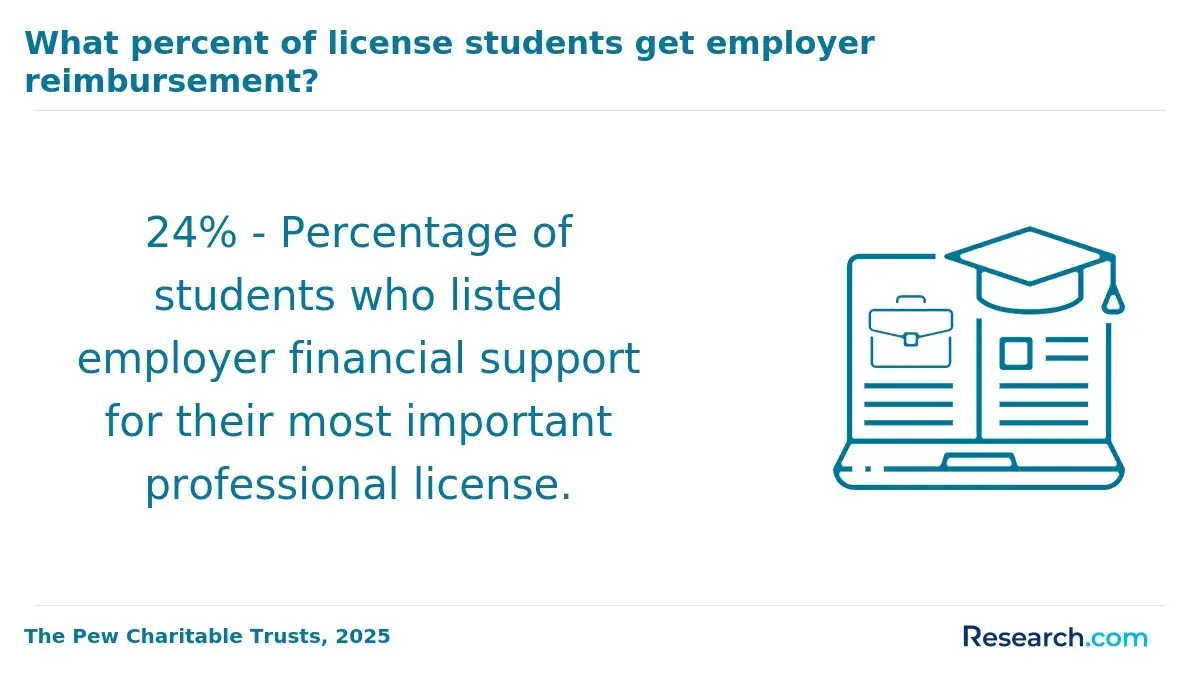
Professional certifications are a valuable addition for graduates holding the highest level of clinical mental health counseling degree, such as a PhD or PsyD. These credentials formally recognize specialized skills, enhance career prospects, and demonstrate commitment to ethical and clinical excellence.
Advanced clinical mental health counseling certifications typically build upon the expertise obtained during doctoral training. Below are some common certifications available with doctoral counseling degree holders that can significantly elevate professional standing and open new career paths:
- National Certified Counselor (NCC): This credential, offered by the National Board for Certified Counselors (NBCC), validates core counseling competencies. It complements doctoral-level clinical knowledge by confirming mastery of foundational skills vital for effective client care and professional practice.
- Certified Clinical Mental Health Counselor (CCMHC): Representing advanced proficiency, this certification focuses on assessment, diagnosis, and treatment of mental health disorders. It highlights a counselor's readiness for supervisory roles and positions requiring leadership in clinical settings.
- Specialty Certifications: Many doctoral graduates pursue additional endorsements in areas like trauma, addiction, or multicultural counseling. These certifications reflect dedication to research-informed practices and can increase opportunities in hospital, academic, or administrative careers.
While some doctoral programs incorporate preparation for certification exams directly, others require candidates to seek these advanced clinical mental health counseling certifications independently. Achieving such credentials usually improves licensure mobility and salary potential, aligning with career advancement goals.
For those considering further education before or after doctoral study, exploring masters programs online can be a strategic step to fulfill prerequisites or broaden clinical expertise in the counseling field.
For those aiming to pursue a doctoral or terminal-level degree in clinical mental health counseling, it is vital to recognize how such advanced qualifications expand career possibilities. The growing demand for mental health professionals-projected to increase employment by 22% from 2020 to 2030-underscores the value of specialized expertise and leadership capabilities.
This growth points to distinct roles that graduates can fill at the forefront of mental health services and policy development.
- Leadership roles: Graduates often advance to positions such as clinical directors or program administrators within healthcare systems and community organizations, where they manage services and shape strategic goals.
- Academic and research careers: Many become faculty members or researchers at universities, driving innovations in treatment approaches and producing influential studies that inform best practices.
- Policy advising: Roles advising governmental bodies or nonprofits enable graduates to contribute to mental health legislation and funding decisions, helping to shape public health priorities.
- Specialized clinical practice: The terminal degree prepares counselors to become experts in fields like trauma, addiction, or child and adolescent mental health, offering highly focused therapeutic interventions.
These advanced roles require not only clinical expertise but also skills in administration, strategic planning, and research methodology. The degree positions graduates to influence mental health care on multiple levels-from direct patient care to organizational leadership and systemic change.
When I spoke with a professional who completed the highest level of clinical mental health counseling degree, she reflected on the journey: "The process was demanding-balancing coursework, research, and personal responsibilities tested my resilience." She emphasized how the depth of training expanded her competency and confidence, enabling her to lead complex programs that integrate clinical services with community outreach.
She remarked, "Achieving this degree opened doors I hadn't imagined; it truly prepared me to advocate for both clients and the systems supporting them." Her experience highlights that pursuing the terminal degree fosters not only career advancement but also a profound sense of purpose and professional fulfillment.
Salary outcomes are a critical consideration for students pursuing the highest clinical mental health counseling degree, such as a doctorate, because these programs require significant investment in time and resources. According to recent data, mental health professionals with doctoral-level credentials often experience faster career advancement and higher earning potential compared to master's degree holders.
This underscores the importance of reviewing the average salary for highest clinical mental health counseling degree graduates before committing to a program.
- Early-career earnings: Graduates with a clinical mental health counseling doctorate typically start with salaries ranging from $60,000 to $75,000 per year, influenced by location and work environment. These figures provide a solid foundation compared to starting salaries at the master's degree level.
- Long-term earning potential: Over time, professionals often see significant salary growth, with many reaching six-figure incomes. This reflects the value of advanced expertise and the ability to take on more complex or specialized roles.
- Industry variation: Salaries differ depending on the sector, with private practice and healthcare organizations generally offering higher pay than public or nonprofit entities. This disparity highlights the importance of career planning alongside degree attainment.
- Leadership and specialization: A doctorate degree opens doors to leadership, academic, supervisory, and specialized clinical positions, which usually come with higher salaries. Specializations in areas like forensic or neuropsychology counseling further enhance earning prospects.
For students exploring graduate education options, considering programs among the cheapest online graduate programs can help balance educational costs with future salary expectations. Understanding these factors can aid in making informed decisions about pursuing the highest clinical mental health counseling degree to maximize both professional impact and financial return.
Pursuing a doctoral degree in clinical mental health counseling requires a thoughtful evaluation of several key factors due to the considerable time and cost involved. Enrollment in these advanced programs has increased by about 10% over the past ten years, highlighting both growing interest and heightened competition. Before committing, it's essential to assess how this path fits your professional ambitions and personal circumstances.
Consider the following:
- Career goals: Determine if your aspirations include leadership positions, academic roles, or specialized clinical practice that necessitate a doctoral-level credential.
- Research interests: Doctoral programs prioritize original research; having a passion for contributing new insights to the field is crucial.
- Financial and time investment: Weigh your capacity to commit the significant resources and years of study required without undue strain.
- Prior academic preparation: A strong background in counseling theory and practice forms the foundation needed to thrive in advanced study.
- Long-term professional benefits: Reflect on how the degree aligns with your goals for greater influence, specialized expertise, or impact on policy within clinical mental health counseling.
Obtaining the highest degree in clinical mental health counseling, such as a PhD or PsyD, can significantly enhance professional growth, salary prospects, and demand in the mental health field. Data from the Bureau of Labor Statistics indicate that those with doctoral credentials generally experience greater job security and higher earnings compared to professionals holding only master's degrees, reflecting industry trends favoring advanced qualifications.
Earning a terminal degree opens doors to advanced expertise, leadership roles in clinical practice, academic positions, and involvement in policy or program development. It also offers broad career flexibility, enabling graduates to pursue diverse paths including research, teaching, and clinical supervision, which can amplify their impact on mental health care and counseling methods.
However, the journey requires a substantial commitment-typically 4 to 7 years beyond a master's degree-along with significant financial investment. Doctoral programs are rigorous, demanding intensive coursework, clinical training, research, and dissertation completion, all of which require strong motivation and professional preparedness.
Prospective students should carefully evaluate whether the commitment aligns with their personal circumstances, career objectives, and readiness for this demanding academic challenge.
What Graduates Say About Their Highest Level of Clinical Mental Health Counseling Degree
- Judy: "Investing approximately $30,000 in the clinical mental health counseling program was a significant decision, but it truly paid off. The comprehensive training in therapeutic techniques and ethical practices sharpened my ability to handle diverse client needs effectively. Since graduating, I've seen a remarkable boost in my confidence and career opportunities. "
- Trina: "Reflecting on the cost, around $28,000, I initially worried about the investment, yet the skills I gained-especially in assessment and crisis intervention-proved invaluable. This program deepened my understanding of mental health complexities and prepared me for real-world challenges, enhancing my professional impact. "
- Wallace: "Completing the highest-level clinical mental health counseling degree at an average cost of $32,000 equipped me with advanced competencies in research, diagnosis, and treatment planning. The rigorous curriculum strengthened my clinical judgment, making a measurable difference in client outcomes and advancing my role in the field. "
Other Things You Should Know About Clinical Mental Health Counseling Degrees
To enroll in a doctoral program in clinical mental health counseling in 2027, candidates typically need a completed master's degree in counseling or a related field, significant clinical experience, and a valid counseling license. Programs may also require GRE scores and recommendation letters.
Supervised clinical hours are crucial for achieving the highest degree, as they provide practical experience under a licensed counselor's guidance. Typically, programs require around 600 hours, ensuring hands-on skill development and fulfilling licensing prerequisites mandated by bodies like the NBCC.
- Counselor Salary by State (Median Annual Counseling Pay) https://www.allpsychologyschools.com/counseling/salary/
- 5 High-Paying Jobs with a Master’s in Counseling| University of Bridgeport https://www.bridgeport.edu/news/high-paying-jobs-with-a-masters-in-counseling/
- How Long is a Master's in Counseling Program? Clinical, Mental Health, MFT https://www.onlineeducation.com/counseling/faqs/how-long-is-a-masters-in-counseling-program
- Mastering Mental Health Therapy: Essential Skills and Strategies https://www.traumatherapistinstitute.com/blog/mastering-mental-health-therapy-essential-skills-and-strategies
- 10 Fulfilling Mental Health Careers You Can Train for Now | Palo Alto University https://paloaltou.edu/resources/blog/mental-health-careers-you-can-start-now
- How Long Does It Take to Become a Clinical Mental Health Counselor? | Wake Forest University https://counseling.online.wfu.edu/blog/how-long-take-become-mental-health-counselor
- Best Online Master's In Mental Health Counseling 2025 https://www.psychology.org/rankings/best-mental-health-counseling-programs/
- Counseling Careers Guide: 18 Specializations + Salaries https://careersinpsychology.org/starting-a-career-in-counseling/
- Best Certifications for Mental Health Counselors in 2025 (Ranked) https://www.tealhq.com/certifications/mental-health-counselor
- Top 5 Reasons to Get Your Masters in Clinical Counseling https://www.alliant.edu/blog/top-5-reasons-get-your-masters-clinical-counseling


