
2027 Best Clinical Mental Health Counseling Degrees for Working Adults

Co-Founder and Chief Data Scientist
Balancing a full-time job with the need to pursue an advanced clinical mental health counseling degree can feel overwhelming for many working adults. With the demand for mental health counselors projected to grow 22% from 2020 to 2030, the opportunity for career advancement is strong but requires flexible education options.
Many adults struggle to find programs that offer accredited credentials without sacrificing work commitments. This article explores the best clinical mental health counseling degrees tailored for working professionals, highlighting programs that combine flexibility, accreditation, and career support to help learners successfully transition into or advance within the mental health field.
Key Things to Know About Clinical Mental Health Counseling Degrees for Working Adults
- Many programs offer flexible scheduling with evening, weekend, or asynchronous online classes to accommodate working adults balancing careers and studies.
- Online and hybrid formats are increasingly common, providing convenient access while maintaining required clinical practicum components.
- Accelerated tracks and dedicated support services enhance progression, with 65% of graduates securing counseling roles within six months post-completion.
What Are the Best Clinical Mental Health Counseling Degrees for Working Adults?
The best clinical mental health counseling degrees for working adults vary depending on schedule flexibility, alignment with career goals, and return on investment. A notable trend is the increasing enrollment in part-time and online programs tailored for adult learners balancing full-time employment. These programs provide access to accredited, practical education designed for career progression.
Several degree options stand out for working professionals seeking top accredited counseling programs for working professionals, offering flexible formats and relevant curricula. Consider these pathways:
- Online clinical mental health counseling master's programs: Offering asynchronous coursework and virtual internships, these programs enable self-paced study without disrupting work commitments, making them ideal for busy professionals.
- Part-time clinical counseling degrees: Structured to extend the time to completion, these degrees accommodate steady progress aligned with demanding work schedules and reduce burnout risk.
- Specializations in trauma-informed counseling: Focused on skills highly sought in healthcare and social services, these specializations enhance employment prospects in fields addressing trauma and crisis.
- Integrated behavioral health counseling: Combining mental and physical health approaches, this path appeals to professionals pursuing versatile roles across healthcare settings.
- Dual-degree options with business or social work: These interdisciplinary routes build leadership competencies that are advantageous in counseling administration and management.
Adult learners aiming to accelerate academic progression may also explore edd degree programs designed for fast-track completion. Choosing from these best clinical mental health counseling degrees for working adults ensures alignment with career advancement and life balance.
What Are the Admission Requirements for Working Adults in Clinical Mental Health Counseling Degree Programs?
Admission requirements for working adults pursuing clinical mental health counseling degrees often differ from those for traditional students to better accommodate professional and personal responsibilities. Reflecting a national trend, over 40% of graduate students enroll part-time, making flexibility a crucial factor in program design. Many adult learners balance full-time employment with their studies, which influences admission criteria and program structures.
Typical admission considerations for working adults include:
- Prior Work Experience: Relevant professional experience in counseling or related fields is highly valued. It demonstrates practical knowledge and commitment, often strengthening an application beyond academic metrics.
- GPA Expectations: Most programs require a minimum undergraduate GPA around 3.0, though some consider holistic factors like professional accomplishments and life experience, especially for working professionals in counseling degree programs.
- Standardized Test Waivers: Many programs waive GRE or other test requirements for applicants who hold advanced degrees or have significant work experience, reducing barriers for adult learners.
- Professional Recommendations: Letters of recommendation from supervisors or employers offer insight into an applicant's readiness, work ethic, and suitability for clinical mental health counseling.
- Flexible Learning Options: To accommodate busy schedules, programs frequently offer part-time and online course formats. This flexibility supports working adults' academic progression without sacrificing job responsibilities, a key factor for those pursuing clinical mental health counseling admission criteria for working adults.
Adult learners exploring degree options may also consider programs that offer affordability and flexibility in fields related to mental health, such as an engineering degree online, to compare flexible graduate study opportunities.
What Coursework Is Required in Clinical Mental Health Counseling Degree Programs for Working Adults?
Coursework in clinical mental health counseling degree programs for working adults emphasizes practical skills, career relevance, and flexible learning formats such as online or hybrid classes. This structure supports students balancing full-time jobs with part-time study, a trend seen in nearly 60% of adult learners enrolling in these programs. These adaptable coursework options empower adult students to integrate learning with professional commitments effectively.
Common required classes in mental health counseling degree programs cover essential topics tailored to support career advancement while addressing real-world counseling challenges. Typical areas include:
- Counseling Theories and Techniques: Introduces foundational models and intervention strategies. Working professionals enhance interpersonal skills and develop diverse therapeutic approaches to meet varied client needs.
- Human Development and Lifespan: Examines developmental stages across the human lifespan, helping students understand behavior at different ages to tailor counseling interventions effectively.
- Ethics and Professional Practice: Focuses on legal standards, ethical decision-making, and responsibilities, ensuring practitioners maintain compliance and uphold best practices.
- Assessment and Diagnosis: Covers clinical tools and diagnostic criteria essential for accurately identifying mental health disorders and formulating treatment plans.
- Practicum and Internship: Provides supervised field experience, crucial for applying theoretical knowledge in real-world settings and boosting confidence for career growth.
Adult learners searching for flexible, accredited clinical mental health counseling coursework for working adults should consider programs designed with career progression in mind. Those also weighing their educational investment may compare options such as executive mba programs online to find the best fit for their needs.
Breakdown of All Fully Online Title IV Institutions

The time required to earn a clinical mental health counseling degree while working varies due to the challenge of balancing professional and academic demands. Recent data shows that part-time students in this field typically take around three years to finish their degree, reflecting the complexities faced by adults managing multiple responsibilities.
Several important factors impact how long working students may need to complete their degree:
- Program Format: Online and hybrid models frequently offer increased flexibility, making it easier for students to align coursework with busy work schedules.
- Course Load: Enrolling in fewer courses each term can lengthen the process but supports a more manageable balance, whereas heavier schedules can speed up graduation but require greater time investment.
- Prior Credits: Transferable credits from previous studies can shorten the path to degree completion by satisfying some course requirements in advance.
- Work Schedule: Those with full-time or irregular shifts often face slower progress, while students with consistent part-time hours typically find it easier to maintain steady academic momentum.
- Accelerated Options: Some programs provide accelerated tracks or summer classes designed to help students finish sooner if they can dedicate extra effort.
When asked about his own experience completing an online clinical mental health counseling degree while working full time, a professional shared that "juggling late-night study sessions and weekend assignments was tough, especially with a demanding job." He explained that staying disciplined and using short bursts of free time to focus helped him stay on track. "There were moments of burnout, but the flexibility of the online program made all the difference." His persistence over roughly three years confirmed that while challenging, balancing work and study is achievable with careful planning and commitment.
For working adults balancing employment and education, the cost of a clinical mental health counseling degree plays a significant role in program selection. Part-time enrollment in counseling programs has grown by over 20% in the last ten years, highlighting the rising demand for flexible and affordable options. Below are key factors affecting the overall expense of such degrees for employed learners.
- Tuition per Credit: Programs typically charge based on credit hours, making each course's price a critical component of affordability, especially for part-time students who spread out their coursework.
- Program Length: Degree duration varies, with longer programs generally costing more in total but allowing students to pace their studies around work commitments.
- Additional Fees: Beyond tuition, students often face costs such as technology fees, application charges, and expenses related to clinical placements, which add to the financial burden.
- Textbooks and Materials: Required readings and digital resources recur every semester, representing an ongoing cost that students should budget for accordingly.
- Format of Study: Online programs can lower costs by eliminating commuting and housing expenses but may include separate fees or technology requirements compared to on-campus programs.
Many adult learners mitigate these expenses by accessing employer tuition reimbursement, applying for scholarships tailored to working students, or utilizing low-cost and open educational resources. Evaluating these aspects carefully ensures a clinical mental health counseling degree is financially viable while supporting career advancement.
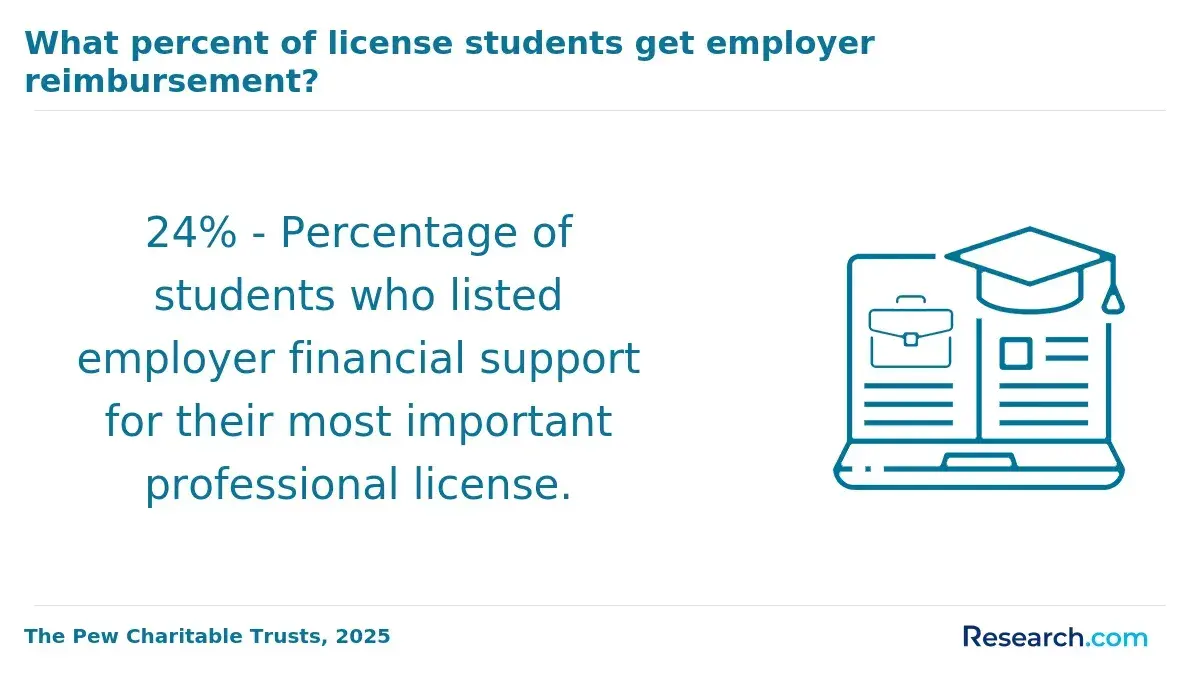
Financial aid plays a vital role for those juggling work, family, and studies in clinical mental health counseling programs. It helps ease the financial pressures that come with managing tuition while maintaining a job and personal commitments.
Here are some common financial support options available for working adults pursuing a clinical mental health counseling degree:
- Federal aid: Programs like FAFSA offer grants and loans based on financial need. Grants do not require repayment, making them especially advantageous for reducing tuition costs.
- Employer assistance: Many companies provide tuition reimbursement or aid to employees furthering their education. These benefits often come with the requirement to remain employed for a certain period.
- Scholarships for adults: Various organizations award scholarships tailored to non-traditional students and adult learners in mental health fields, often considering both merit and financial need.
- Grants: Available from state agencies or private foundations, these funds depend on eligibility criteria and do not require repayment, offering significant relief.
- Flexible payment options: Several institutions offer installment plans allowing students to spread tuition payments over time, making budgeting easier while working full time.
When I spoke with a professional who earned her clinical mental health counseling degree while working full time, she described financial aid as a crucial lifeline. "Balancing my job and family was challenging," she said, "and tuition was a constant worry." She shared how her employer's tuition assistance program significantly helped, but navigating deadlines and paperwork required strict organization. "The installment plan gave me breathing room to manage monthly expenses," she added. The experience taught her resilience and the importance of researching all available aid early on. Her story highlights that while balancing work and school isn't easy, using multiple financial aid resources can make earning a clinical mental health counseling degree achievable.
Balancing coursework, jobs, and personal commitments presents distinct hurdles for working adults enrolled in clinical mental health counseling programs. Institutional support services are essential in helping these students navigate their responsibilities and achieve academic success.
- Academic Advising: Tailored guidance assists students in selecting courses that align with their work and life schedules, promoting consistent academic advancement and timely graduation.
- Flexible Scheduling: Offering evening, weekend, and online class options allows learners to integrate education seamlessly with their professional and family obligations.
- Online Learning Support: Technical assistance and virtual resources enhance access and engagement, making remote coursework more manageable amid competing demands.
- Cohort-Based Learning: Group-based models create a community of peers facing similar challenges, fostering collaboration, accountability, and motivation throughout the program.
- Mental Health Resources: Access to counseling and wellness services supports emotional resilience, which is vital for maintaining focus and succeeding in rigorous academic environments.
Accreditation for clinical mental health counseling programs signifies that they meet strict standards established by recognized bodies, commonly the Council for Accreditation of Counseling and Related Educational Programs (CACREP). This ensures that working adults enrolling in such programs receive a high-quality education with curricula and faculty expertise aligned to professional expectations. Accredited degrees are often preferred or required by employers, which can improve job prospects for graduates. Additionally, only students in accredited programs qualify for federal financial aid, an essential factor for many adult learners balancing education and work commitments. Notably, adult learners now represent nearly 40% of all graduate program enrollees, reflecting increased demand for credible and flexible educational paths.
Holding a degree from an accredited clinical mental health counseling program enhances its lasting value and credibility throughout a professional's career. Accreditation supports the smooth transfer of credits between schools and is typically necessary for meeting state licensure or certification requirements, enabling graduates to practice clinically. It also bolsters opportunities for career growth by confirming that the education meets rigorous industry standards. Without accreditation, graduates may face significant challenges in achieving licensure or recognition needed to advance in the field of mental health counseling.
Salary growth is a key motivator for working professionals considering a clinical mental health counseling degree since it can open doors to higher-paying roles. Typically, adults with this degree earn between $45,000 and $75,000 annually, with potential for more based on experience and specialization.
- Industry demand: The increasing need for mental health services drives job availability and competitive salaries. Growing demand ensures more employment opportunities for those with clinical mental health counseling credentials.
- Role advancement: This degree qualifies professionals for licensed counselor positions and supervisory roles, which often offer better compensation. Career growth with clinical mental health counseling degree credentials can lead to more responsibility and higher pay.
- Employer policies: Salary increases and promotion frequency vary among organizations, influencing how much a degree holder's pay improves. Understanding these policies can help in planning career moves.
- Years of experience: Accumulated expertise over time tends to result in salary boosts. Combining experience with a clinical mental health counseling degree enhances earning potential significantly.
- Specialization: Focusing on areas such as substance abuse, trauma, or marriage counseling can command premium salaries. Specialized skills are in high demand and often rewarded accordingly.
For working adults, finding a flexible and accredited clinical mental health counseling program is essential to support continued employment while advancing credentials. Pursuing this degree can accelerate career growth with clinical mental health counseling degree knowledge as a foundation. Professionals interested in comparing financial prospects may benefit from visiting highest paying college majors to understand where this degree stands among other fields.
A clinical mental health counseling degree helps working adults qualify for higher-level, specialized, or leadership roles beyond entry-level positions. This credential provides experienced professionals with advanced clinical skills and administrative knowledge that drive career progression in mental health services.
Some common upward-mobility job roles include:
- Licensed Professional Counselor (LPC): This licensure signifies a higher level of professional qualification, allowing counselors to independently provide a wider range of therapeutic services. It involves more complex client cases, making use of the advanced clinical techniques gained through the degree.
- Clinical Supervisor: Supervisors manage other counselors, offering training, support, and oversight. This leadership role focuses on maintaining high treatment standards and ensuring effective clinical practices within organizations.
- Mental Health Program Coordinator: Professionals in this position develop, implement, and evaluate treatment and prevention programs. The role combines clinical expertise with administrative and organizational skills, essential for program success.
- Specialist Counselor (e.g., trauma, substance abuse): A specialist counselor targets specific client populations or issues, applying focused knowledge gained during their studies. This position represents a move toward expert clinical practice.
- Community Mental Health Director: This senior leadership role involves strategic planning, policy development, and overseeing community mental health services. It requires comprehensive clinical and managerial experience fostered by the degree.
These opportunities highlight how a clinical mental health counseling degree expands career options for working adults seeking advancement. For those balancing full-time employment, choosing flexible, accredited programs is essential to achieve these goals effectively. Prospective students interested in exploring flexible study options may find valuable insights on easy associate degrees conducive to career growth in complementary fields.
Clinical mental health counseling careers for working adults often lead to diverse job opportunities that capitalize on increased responsibility and expertise. Navigating these career paths with the right credentials ensures sustainable professional development and stronger qualifications for supervisory roles.
What Graduates Say About Their Clinical Mental Health Counseling Degrees for Working Adults
- Bryson: "Choosing to pursue a clinical mental health counseling degree online while working full-time was a challenging yet rewarding decision for me. The flexibility allowed me to balance my job and studies, and the overall cost, which I found to be reasonably aligned with the national average for working adults, made it financially feasible. Completing the program significantly boosted my confidence and opened doors to advanced positions in mental healthcare. "
- Tripp: "The decision to enroll part-time in a clinical mental health counseling program was rooted in my need to manage both work and family commitments. While the cost was a consideration, I was glad to find options that didn't break the bank, reflecting common tuition ranges for adult learners. Reflecting now, this degree has not only enhanced my theoretical knowledge but has actively expanded my practical skills, deeply enriching my professional practice. "
- Joshua: "Balancing a career and a clinical mental health counseling degree through an online format demanded discipline, but it was a strategic investment in my future. The cost felt like a fair trade-off given the program's quality and the career leverage it provided. Professionally, obtaining this degree has elevated my credibility among colleagues and clients alike, cementing my role as a trusted counselor. - "
Other Things You Should Know About Clinical Mental Health Counseling Degrees
Many clinical mental health counseling programs allow working adults to transfer graduate-level credits from accredited institutions. However, transfer policies vary widely by school, often requiring that previous coursework closely aligns with clinical mental health counseling competencies. It is important to consult each program's transfer guidelines before applying to ensure eligibility.
Yes, graduates typically need to obtain state licensure to practice as professional counselors. This process usually involves completing supervised clinical hours, passing a licensing exam such as the National Counselor Examination (NCE), and meeting ongoing continuing education requirements. Licensing standards can differ by state and must be carefully researched by working adults.
Yes. Most CACREP-aligned programs require at least 100 hours of practicum and 600 hours of internship, completed in approved clinical sites. These hours are mandatory for degree completion and for meeting state licensure requirements for the LPC or LMHC credential.
- Admissions & Financial Aid https://www.belmont.edu/academics/majors-programs/ma-counseling/admissions-aid.html
- Master's in Clinical Mental Health Counseling https://www.commonwealthu.edu/academics/programs/clinical-mental-health-counseling-ms
- Master’s in Clinical Mental Health Counseling | Graduate Studies https://www.monmouth.edu/graduate/ms-clinical-mental-health-counseling/
- Clinical Mental Health Counseling MS https://www.sju.edu/degree-programs/clinical-mental-health-counseling-ms
- 2025 Most Affordable Online Master's Degrees in Counseling https://www.onlineu.com/most-affordable-colleges/counseling-masters-degrees
- Clinical Mental Health Counseling Program: Frequently Asked Questions https://chss.wwu.edu/psychology/clinical-mental-health-counseling-program-frequently-asked-questions
- Master of Arts (M.A.) in Counseling: Clinical Mental Health Counseling | Adler University https://www.adler.edu/programs/masters-of-arts-in-clinical-mental-health-counseling/
- 25 Counseling Scholarships for Graduate Students https://teach.com/online-ed/counseling-degrees/best-online-counseling-programs/scholarships/
- Sonoran University Announces Financial Aid for Clinical Mental Health Counseling Program | News & Insights https://www.sonoran.edu/2024/08/05/sonoran-university-announces-financial-aid-for-clinical-mental-health-counseling-program/
- Masters in Clinical Mental Health Counseling | MS in Counseling | University of Phoenix https://www.phoenix.edu/online-behavioral-sciences-degrees/counseling-clinical-mental-health-masters-degree.html


