2027 Christian Counseling Degrees Explained: Are They Classified as Professional Degrees?

Co-Founder and Chief Data Scientist
Many prospective students struggle to distinguish whether a Christian counseling degree qualifies as a professional degree, causing confusion about licensure and career paths. Studies show that approximately 55% of counseling professionals hold advanced degrees that meet specific accreditation standards, directly impacting employment opportunities and salary ranges. Misunderstanding degree classifications can delay career progression and lead to costly academic choices.
This article clarifies the classification of Christian counseling degrees, examining program structures, accreditation nuances, and licensure requirements to provide clear guidance. Readers will gain practical insights to make informed decisions about education and career advancement in the counseling field.
Key Benefits of Professional Christian Counseling Degrees
- Obtaining a professional Christian counseling degree enhances career advancement and leadership opportunities within faith-based and clinical settings, often leading to roles in program management or senior counseling positions.
- Graduates typically experience higher earning potential, with professional degrees associated with a 20% average salary increase compared to non-professional credentials, ensuring a solid return on investment.
- Such degrees qualify individuals for regulated or advanced roles, including licensed counseling, clinical supervision, and specialized therapeutic services that require state certification or accreditation.
What Is Considered a Professional Christian Counseling Degree?
Recognizing what qualifies as a professional Christian counseling degree is essential for students choosing career-focused and licensure-oriented education pathways. Programs that align with state licensing requirements better prepare graduates for clinical practice and industry-recognized credentials.
Recent data shows a 20% growth in enrollment for Christian counseling programs, highlighting increasing demand for counselors with specialized faith-based training. To clarify common misconceptions, consider the following myth-versus-fact insights.
Degree Purpose
- Myth: All Christian counseling degrees guarantee licensure and professional readiness.
- Fact: Only professional Christian counseling degree programs integrate applied training and licensure preparation needed for career advancement.
Practical Training
- Myth: Supervised clinical internships and practicum are optional components.
- Fact: These programs require supervised clinical practicum or internships that meet state licensing criteria.
Credential Focus
- Myth: Christian counseling degrees do not prepare students for recognized credentials.
- Fact: Professional degrees are designed to prepare students for credentials such as Licensed Professional Counselor (LPC).
Students considering professional Christian counseling degree programs should verify that each curriculum includes these components to ensure eligibility for licensure. Those seeking faster advancement may explore options like an EdD degree to complement their counseling expertise.
Who Should Pursue a Professional Christian Counseling Degree?
Identifying who should pursue a professional Christian counseling degree is essential because the program is practice-oriented. Growth in Christian counseling programs has outpaced general counseling enrollment, increasing by over 20% in recent years as more students seek integrated faith and mental health training.
These programs especially benefit early-career professionals wanting a credible credential for counseling roles, individuals pursuing state licensure or certification, career changers transitioning into counseling from other fields, and those seeking specialized training in faith-based therapeutic approaches.
Understanding careers requiring christian counseling professional degree clarifies which students will gain the most from this educational path.
Credential Need
- Myth: Only those already working in counseling need a professional Christian Counseling degree.
- Fact: Early-career professionals, career changers, and individuals seeking licensure also benefit from this degree. It provides a credible credential essential for many counseling roles requiring specific qualifications.
Universal Requirement
- Myth: Every student interested in counseling must pursue a professional Christian Counseling degree.
- Fact: This degree is best suited for those pursuing specialized career paths or regulated roles that align with Christian values and therapy practices.
For students exploring an online counseling degree with a faith-based focus, it's important to assess program accreditation, licensing requirements, and career outcomes to ensure alignment with their professional goals.
What Are the Most Common Professional Christian Counseling Degree Programs?
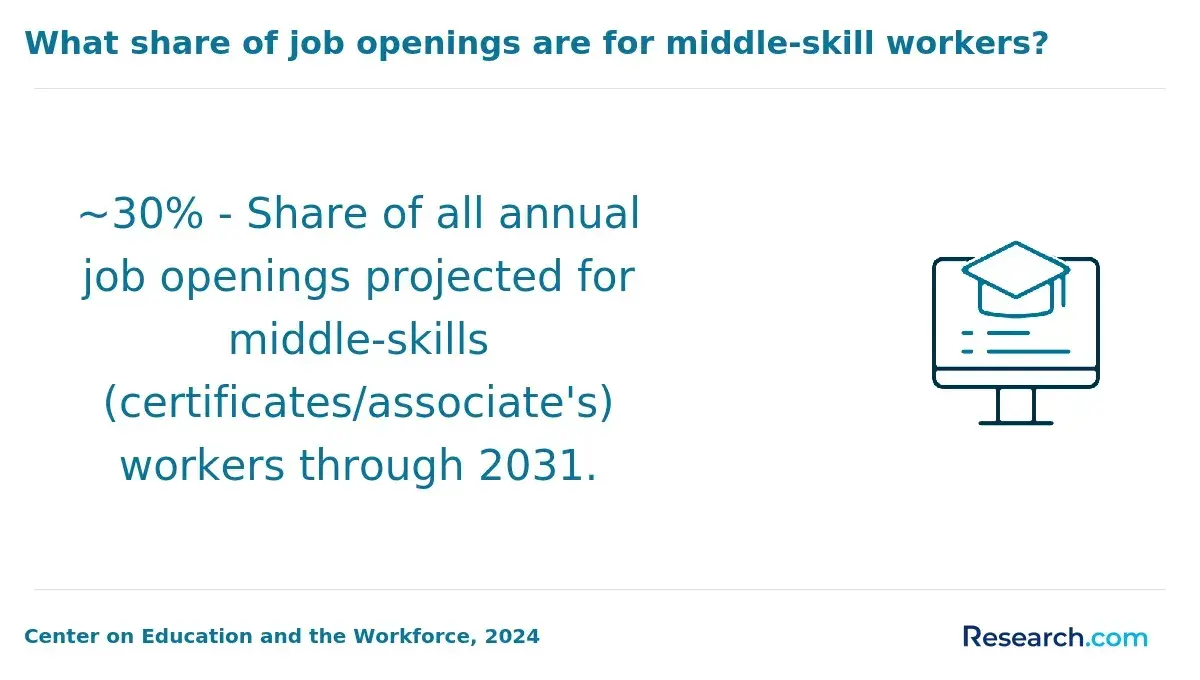
Navigating the range of professional Christian counseling programs enables students to select options aligned with their career objectives. Recent data show enrollment in Christian counseling graduate programs has risen by more than 15% over the past decade, reflecting growing workforce demand.
Below are key degree types to consider.
- Master of Arts (MA) in Christian Counseling: This degree blends standard counseling methods with biblical teachings, focusing on spiritual and emotional healing. It equips students with practical counseling skills alongside theological understanding, meeting the needs of faith-centered care communities.
- Graduate Certificates in Christian Counseling Specialties: Certificate programs offer targeted training in specific counseling areas within a Christian framework. These shorter programs provide additional credentials for professionals seeking to deepen expertise without committing to longer degrees.
- Doctoral Programs with a Christian Counseling Focus: Doctoral studies advance research and clinical practice skills, emphasizing counseling psychology through a Christian lens. These programs prepare students for advanced roles in academic, clinical, or ministry settings.
Accreditation is a crucial factor for students evaluating professional Christian counseling degree programs because it influences the quality, legitimacy, and financial support options of their education. Approximately 85% of students enrolling in counseling-related degrees are choosing accredited programs, reflecting increased awareness about the importance of proper program oversight.
Common misconceptions exist regarding the accreditation status of these programs, so a myth-versus-fact approach can help clarify key issues.
Accreditation Reality
- Myth: All Christian counseling degree programs are automatically accredited and accepted for licensure.
- Fact: Accreditation varies widely among programs. Not all hold recognition from established accreditation agencies, so students must carefully verify program credentials before enrolling.
Accrediting Bodies
- Myth: Institutional accreditation alone is sufficient regardless of program specifics.
- Fact: Recognized accrediting bodies for Christian counseling degrees include regional commissions overseeing entire institutions and specialized organizations focusing on counseling program standards. Both play important roles in program quality and licensure eligibility.
Licensure Impact
- Myth: Accreditation doesn't affect licensure or financial aid opportunities.
- Fact: Many states require degrees from accredited institutions or programs to qualify for licensure, and federal financial aid is generally available only to students enrolled at accredited schools.
Career Recognition
- Myth: Employers do not prioritize whether a counseling degree is accredited.
- Fact: Accredited degrees often enhance employer recognition, increasing career advancement chances and earning potential for graduates of professional Christian counseling accreditation agencies.
For students concerned with cost, exploring the cheapest psychology degree online may offer a path to affordable counseling-related education options without compromising accreditation standards.
Knowing the admission requirements for a professional Christian counseling degree is crucial for students deciding if these programs align with their career goals. With enrollment in faith-based counseling programs steadily rising, about 35% of applicants bring prior ministry or volunteer experience.
This overview highlights key prerequisites prospective students should expect.
- Bachelor's Degree: Most programs require an undergraduate degree from an accredited institution, often in psychology, counseling, theology, or a related discipline. This foundation ensures candidates possess essential academic skills needed for graduate-level study.
- Transcripts and Academic Records: Official transcripts must be submitted to verify coursework and GPA. These documents help admissions committees assess academic preparedness and identify if prerequisite courses are needed.
- Letters of Recommendation: Typically, two or three letters are required to provide insight into the applicant's character, work ethic, and potential for empathy in counseling roles. These references support the candidate's suitability for the spiritual and professional demands of the field.
- Personal Statement: Applicants must write an essay explaining their vocational aspirations and reasons for pursuing Christian counseling. This statement offers faculty a window into the candidate's motivation and alignment with program values.
- Interviews and Additional Assessments: Some programs conduct interviews or request standardized test scores such as GRE to evaluate readiness and communication skills. These steps confirm that applicants can meet both academic and interpersonal challenges.
When I spoke with a graduate of a professional Christian counseling degree program about admission, he described feeling both nervous and hopeful during the interview stage. "It wasn't just about grades. They really wanted to understand my faith journey and why counseling mattered to me," he said.
He emphasized how submitting detailed letters of recommendation from ministry leaders added depth to his application. Despite the rigorous process, he felt well-prepared and motivated once accepted, knowing each requirement was designed to select candidates truly committed to compassionate care aligned with Christian values.
For students evaluating professional Christian counseling programs, grasping the curriculum and practical training is essential to align their education with licensure requirements and career goals. This understanding enables them to select programs that effectively blend theological principles with clinical skills.
Below is an overview of common required courses and practical training components in professional Christian counseling degrees.
- Counseling Theories and Techniques: Coursework covers foundational counseling models and intervention methods. Students learn how to apply evidence-based strategies within a Christian framework, preparing them to address various mental health concerns effectively.
- Human Development and Psychology: These courses explore emotional, cognitive, and spiritual growth across the lifespan. Understanding developmental stages enables counselors to tailor their support to individuals' unique needs.
- Ethics and Professional Standards: Emphasizing the integration of biblical values with counseling ethics, this training prepares students to navigate moral dilemmas and maintain professional integrity.
- Integration of Biblical and Psychological Principles: This component focuses on combining spiritual care with psychological knowledge to address the emotional and spiritual well-being of clients holistically.
- Supervised Clinical Practicum or Internship: Practical training involves hands-on experience in real counseling environments under professional supervision. These supervised hours develop critical skills such as active listening, empathy, crisis intervention, and treatment planning, which are crucial for licensure and effective practice.
Programs accredited by recognized bodies ensure the curriculum and practical training meet the rigorous standards required for state licensing boards. Prospective students should seek programs offering a solid balance of theological education and practical coursework, positioning graduates for roles in private practice, churches, or mental health organizations.
In addition, many students pursuing related fields may consider online doctoral programs in leadership to complement their counseling expertise with advanced leadership skills.
Understanding the cost of professional Christian counseling degrees is vital for prospective students evaluating programs that align with their career goals and budgets. On average, tuition and total program costs can vary widely, often ranging from $20,000 to $60,000 for graduate-level studies.
Moreover, a 2023 survey found nearly 65% of counseling students consider total program cost a primary factor in their decision-making. Several key expenses influence the overall affordability of these degrees:
- Tuition fees: This is typically the largest expense and differs significantly between public, private, secular, and faith-based institutions. Tuition rates also vary by program length and format, with some programs offering more affordable part-time or online options.
- Textbooks and materials: Required readings and course materials add to costs, which are generally fixed but should be factored into the total program budget.
- Clinical practicum and internship costs: Hands-on training is essential for licensure and often involves supervision fees, travel expenses, or other associated charges that can increase total expenses.
- Administrative and technology fees: Some programs charge additional fees for technology access or student services, which can impact overall affordability.
- Lost income and flexible scheduling: Students attending full-time may face lost income, whereas programs with flexible scheduling can allow students to work while completing their degrees.
Accreditation status also affects both costs and future licensure opportunities, making it a critical consideration. For those seeking cost-effective options, exploring online colleges that accept FAFSA can offer financial advantages when pursuing a degree in Christian counseling.
Financial aid availability is a key consideration for those exploring professional Christian counseling programs due to their often significant costs. Studies indicate that around 60% of graduate students in psychology-related disciplines, including counseling, utilize financial aid to help fund their education.
Below are common myths and corresponding facts about financial aid eligibility for Christian counseling degrees.
Federal Aid
- Myth: Degrees from religious institutions are automatically ineligible for federal financial aid.
- Fact: Accredited Christian counseling programs can qualify for federal aid such as Direct Loans and Pell Grants if they meet Department of Education standards.
Scholarships Availability
- Myth: Scholarships and employer tuition assistance are rarely available to Christian counseling students.
- Fact: Many scholarships target counseling students, especially those with religious or community service focuses, and employers often provide tuition reimbursement for roles in faith-based or public service settings.
Funding Strategies
- Myth: Few funding options exist beyond loans for Christian counseling students.
- Fact: Students have multiple financial resources including federal aid, scholarships, employer support, and eligibility for public service loan forgiveness programs.
I spoke with a graduate of a professional Christian counseling degree program to get his perspective on financial aid eligibility. He recalled navigating the uncertainty of whether his faith-based program qualified for grants and loans as "an anxious but necessary process."
He emphasized the importance of verifying accreditation early and applying broadly for scholarships designed specifically for counseling students. Employer tuition assistance was a vital part of his funding, which he learned about through networking.
Although challenging, he described the experience as ultimately encouraging, saying that "knowing multiple support paths existed made the financial burden manageable and motivated me to persist." His story underscores that while complexities exist, many students can successfully secure aid with informed approaches and persistence.
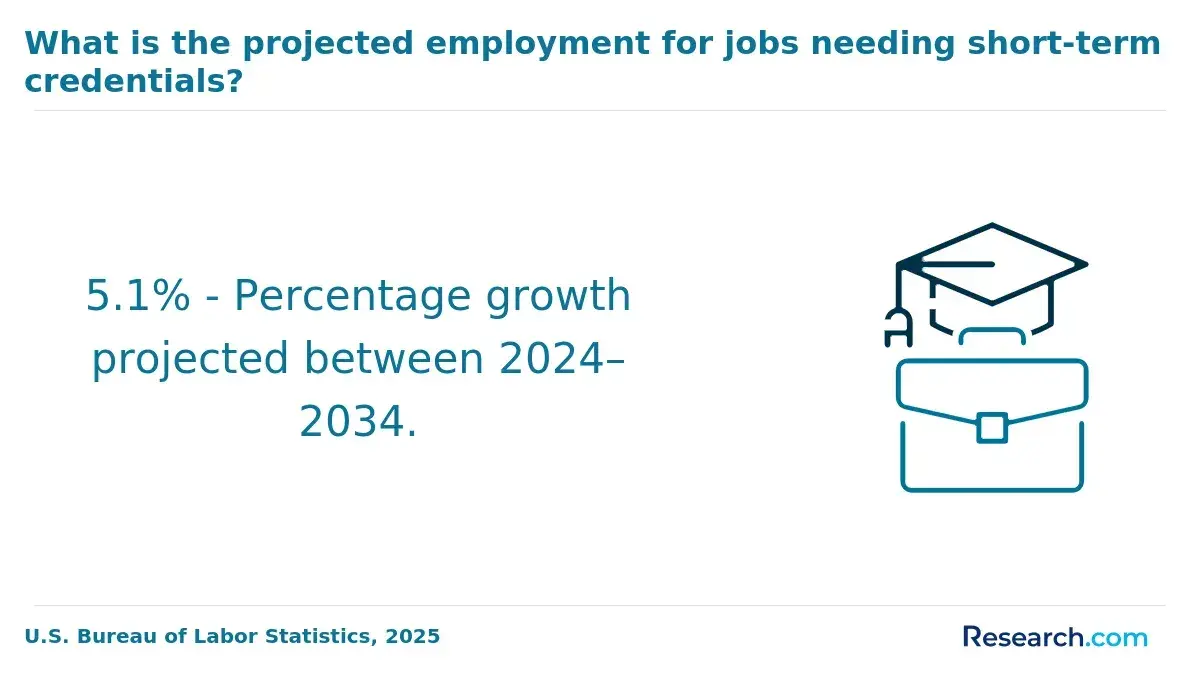
Clarifying degree requirements is crucial for students exploring professional Christian counseling programs to ensure their education aligns with career goals and licensure rules. The U.S. Bureau of Labor Statistics projects an 11% growth in counselor employment from 2022 to 2032, reflecting increased demand for qualified professionals in mental health fields.
Here is a breakdown of common myths and facts related to professional Christian counseling degrees and their role in counseling careers.
Degree Necessity
- Myth: A professional Christian counseling degree is always mandatory to work in counseling careers.
- Fact: Many counseling positions require a graduate degree, but this does not have to be specifically in Christian counseling. Degrees in counseling, psychology, or social work from accredited institutions often meet requirements.
Licensure Requirements
- Myth: Earning a Christian counseling degree guarantees eligibility for licensure in all states.
- Fact: Licensure depends on state-specific rules, including coursework, supervised hours, and exams; the degree must be from an accredited program recognized by the state licensing board.
Specialized Roles
- Myth: A professional Christian counseling degree automatically qualifies graduates for specialized clinical roles.
- Fact: Access to specialized positions depends on meeting clinical experience requirements and state regulations, not solely on the degree's religious or professional classification.
Degree Status
- Myth: Christian counseling degrees are universally accepted as professional degrees equivalent to other counseling credentials.
- Fact: The professional status varies by program accreditation and influences eligibility for supervised practice and licensure, making it essential to verify program recognition before enrolling.
Evaluating the financial advantages of professional Christian counseling degrees helps students make informed decisions about committing time and resources to advanced education that targets career growth. Knowing how these degrees influence salary and job prospects is essential for setting realistic expectations.
Below is a breakdown addressing common myths and truths related to earnings and career impact.
Immediate Salary Gains
- Myth: Earning a professional Christian counseling degree guarantees an instant, substantial increase in salary right after graduation.
- Fact: While the degree provides foundational credentials, higher pay usually requires licensure, experience, and regional market factors. The degree itself is a critical step but doesn't directly result in top earnings immediately.
Career Advancement
- Myth: Christian counseling degrees do not influence chances for career progress within the counseling field.
- Fact: Possessing a recognized degree enhances eligibility for specialized roles and leadership positions that often offer better compensation. It signals advanced expertise valued by employers and clients alike.
Long-Term Earnings
- Myth: These degrees have no significant impact on cumulative income over a professional lifetime.
- Fact: Over time, credentials contribute to increased job security and salary growth. Many graduates experience a higher earning potential that offsets the initial costs of education.
What Graduates Say About Their Professional Christian Counseling Degree
- Felix: "From a professional standpoint, enrolling in the professional Christian counseling degree program was strategic and worthwhile. The flexibility enabled me to maintain my current position while upgrading my skills, and the investment, considering the overall cost, has paid off through new career advancements. This program strengthened my expertise and opened doors I hadn't anticipated."
- Santino: "Deciding to pursue a professional Christian counseling degree program was a reflective journey that aligned with my personal faith and professional goals. The program's structure accommodated my busy schedule, and the cost was reasonable, making it feasible for me to continue without heavy financial strain. This degree has truly deepened my understanding and significantly expanded my opportunities in the counseling field. "
- Vaughn: "The flexibility of the professional Christian counseling degree program allowed me to balance work, family, and my studies seamlessly. Choosing this program was one of the best decisions I've made, especially considering the average cost of attendance was manageable compared to similar degrees. Today, I feel fully prepared and confident in my career as a counselor, helping individuals grow spiritually and emotionally. "
Other Things You Should Know About Christian Counseling Degrees
The job market for Christian Counseling graduates in 2027 is expected to grow due to increasing demand for mental health services within religious communities. Graduates can work in churches, private practice, or faith-based organizations. Job competition and salary vary by location and organization size.
A Christian Counseling degree in 2027 typically includes courses on pastoral care, ethical and legal issues in counseling, biblical studies, and human growth and development. Students also engage in supervised counseling practice to acquire practical skills needed for the profession.
- Christian Counseling - Louisiana Baptist University https://lbu.edu/christian-counseling/
- Master of Arts in Counseling [Clinical] - Dallas Theological Seminary https://www.dts.edu/academics/degrees-programs/master-of-arts-in-counseling/
- Master of Arts in Counseling | Reformed Theological Seminary https://rts.edu/degree/mac/
- Counseling Master's Degrees https://www.nobts.edu/counseling/masters-degrees.html
- Myths About Biblical Counseling and Medication - Association of Certified Biblical Counselors https://biblicalcounseling.com/resource-library/podcast-episodes/til-121-myths-about-biblical-counseling-and-medication/